The Meaning Behind Seeing Fewer Fireflies In Your Pennsylvania Backyard
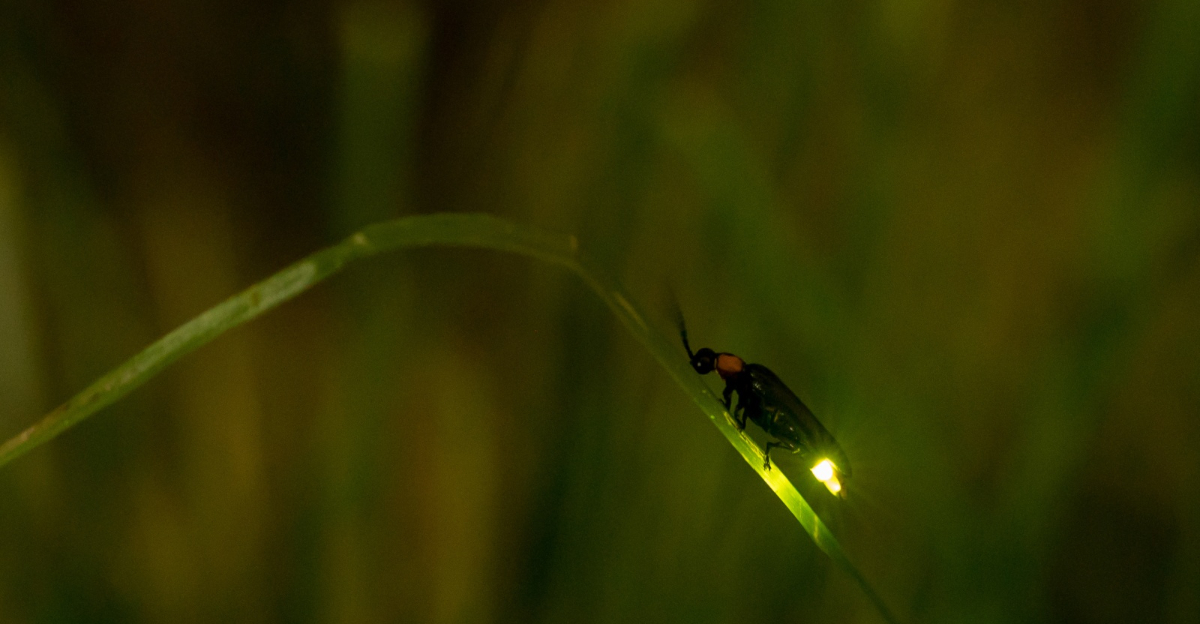
Darkness now spreads across neighborhoods where familiar light once flickered for you. Nights that once sparkled with countless fireflies feel oddly quieter now.
Pennsylvania fireflies are thinning out much faster than most residents realize. Researchers directly link this steady decline to habitat loss and chemical exposure.
Artificial light constantly drowns the delicate signals fireflies use to attract mates. Pesticides slowly weaken larvae long before they ever get to glow.
Construction steadily removes the damp soil fireflies desperately need each season. Warming seasons badly confuse the timing insects rely on to breed.
Entire colonies across Pennsylvania have quietly faded within just a few years. Every single lost firefly weakens a fragile web you directly depend on.
Knowing these hidden causes gives you real power memory alone cannot offer. Solutions genuinely exist, and they need your immediate attention right now. Once you truly understand what is fading, you simply cannot look away.
Why Firefly Populations Are Declining Across Pennsylvania
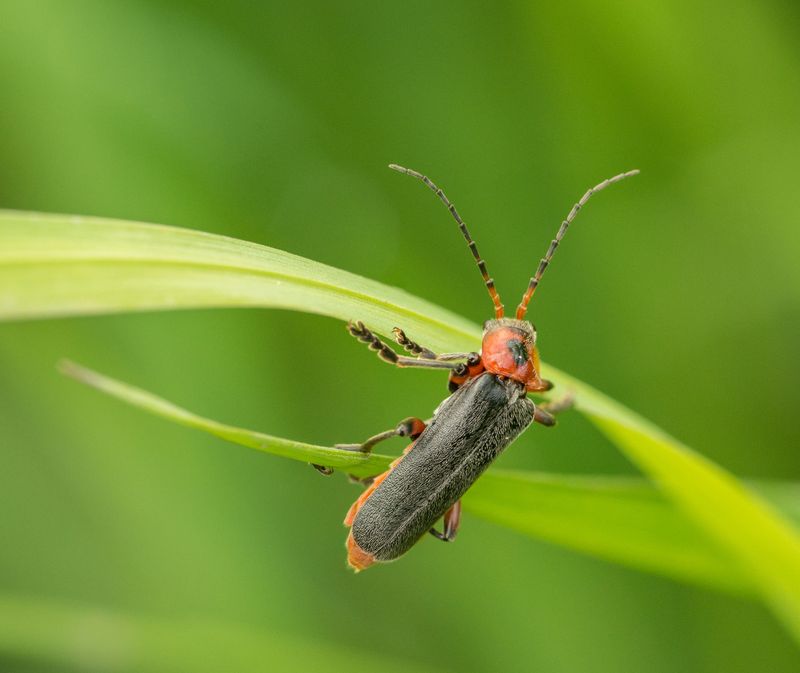
Fewer fireflies in your Pennsylvania backyard is not a coincidence. Across the state, researchers and nature lovers alike have noticed a steady drop in firefly sightings over the past two decades.
Fireflies need very specific conditions to thrive. They require moist soil, leaf litter, tall grass, and darkness to complete their life cycle from larva to glowing adult.
Pennsylvania’s mix of suburban sprawl and agricultural land has chipped away at those conditions fast. When natural habitats shrink, firefly populations follow right along.
The larvae live underground for one to two years before they ever light up the sky. Any disruption to the soil during that time can wipe out an entire local generation.
Citizen-science projects like the Firefly Atlas suggest that human activity may be a leading factor in the decline. Habitat loss, artificial light, and chemical use top the list of threats.
Fireflies also have a short adult lifespan of only a few weeks. If conditions are not perfect during that window, mating fails and populations drop sharply.
The meaning behind seeing fewer fireflies in your Pennsylvania backyard goes deeper than a bad summer. It is a signal that something in the local ecosystem has shifted.
Recognizing the pattern is the first step toward reversing it. Small changes at home can add up to a big difference for these beloved insects.
Light Pollution And Its Impact On Firefly Mating Signals
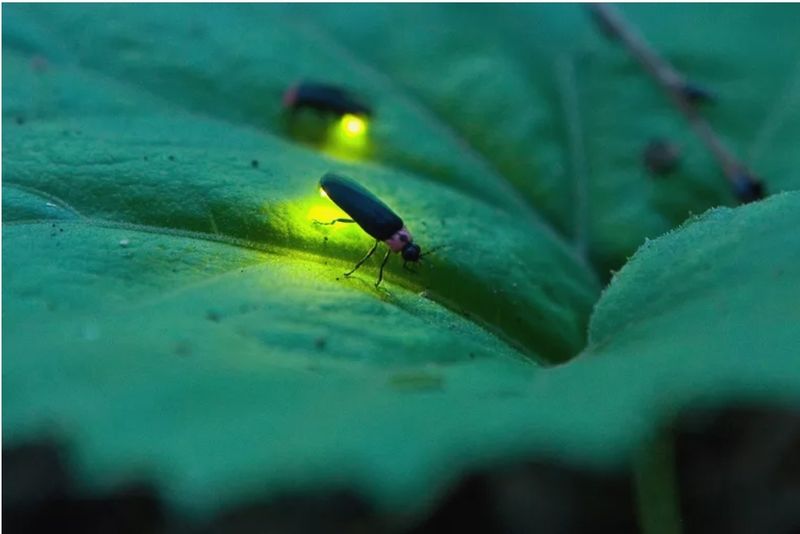
Fireflies talk with light. That rhythmic blinking is not random. It is a carefully timed mating signal that males and females use to find each other in the dark.
When artificial light floods a yard, those signals get lost in the noise. A female sitting in the grass simply cannot spot her mate’s flash against a bright background.
Porch lights, floodlights, and even interior lights shining through windows can throw off the entire system.
Research suggests that even low levels of artificial light at night can reduce firefly activity. Pennsylvania suburbs have seen a steady increase in outdoor lighting in recent decades.
The meaning behind seeing fewer fireflies in your Pennsylvania backyard may be as simple as a new streetlight installed down the block. Small additions of light compound quickly across a neighborhood.
Your Pennsylvania Garden Changes Every Week. Your Plan Should Too.
Gardening in Pennsylvania changes quickly throughout the season. Every Friday you’ll receive a simple weekly plan showing exactly what to plant, prune, fertilize, harvest, and protect so you never miss the right timing.
LED lights have made outdoor lighting cheaper and more common. Unfortunately, they are also brighter and cover a wider spectrum than older bulbs, making the problem worse.
Switching to amber or red-tinted outdoor bulbs can help reduce interference. Motion-sensor lights that only activate when needed are another smart swap.
Turning off unnecessary outdoor lights during evening hours can help, since that period generally overlaps with peak firefly activity in Pennsylvania’s summer months.
A darker yard is not just better for fireflies. It is a gift to every nocturnal creature trying to navigate your neighborhood.
Habitat Loss From Lawns Development And Pesticide Use
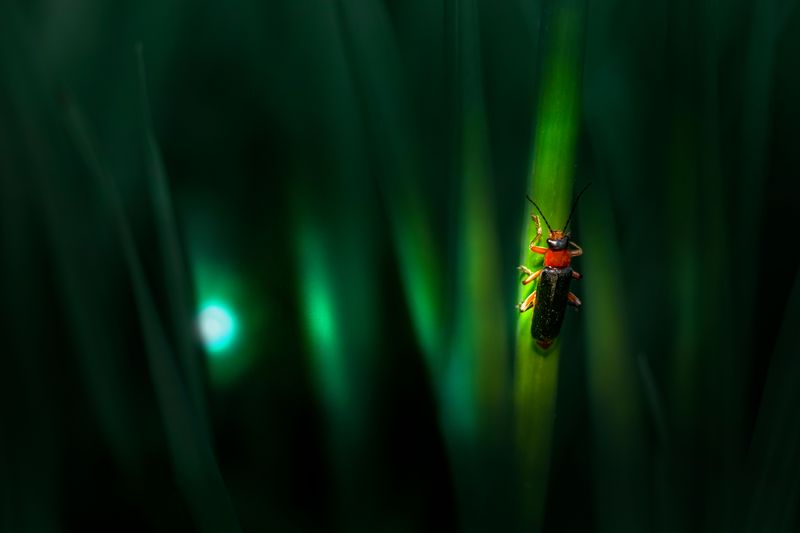
A perfectly manicured lawn might look impressive from the curb. To a firefly larva living just beneath the surface, it offers little to sustain them.
Firefly larvae need moist soil packed with leaf litter and decaying organic matter. That is where they hunt for small snails and slugs during their underground years.
When homeowners rake every leaf, mow every inch, and edge every border, they remove the habitat fireflies depend on to grow.
New housing developments bulldoze the woodlands and wetlands that once supported large firefly populations. Pennsylvania continues to lose natural land to construction and development each year.
Pesticides add another layer of harm. Broad-spectrum insecticides do not just target mosquitoes or grubs. They soak into the soil and affect firefly larvae hiding just below the surface.
Lawn treatments containing imidacloprid, a common pesticide, have been linked to declines in non-target insect populations.
Fireflies are especially vulnerable during their long underground larval stage. Even well-meaning mosquito spray services can cause unintended harm.
Letting a corner of your yard go natural is one of the most powerful things you can do. A small patch of unmowed grass and fallen leaves becomes prime firefly real estate fast.
The meaning behind seeing fewer fireflies in your Pennsylvania backyard often starts with choices made right outside your own back door.
Climate And Weather Patterns Affecting Firefly Numbers
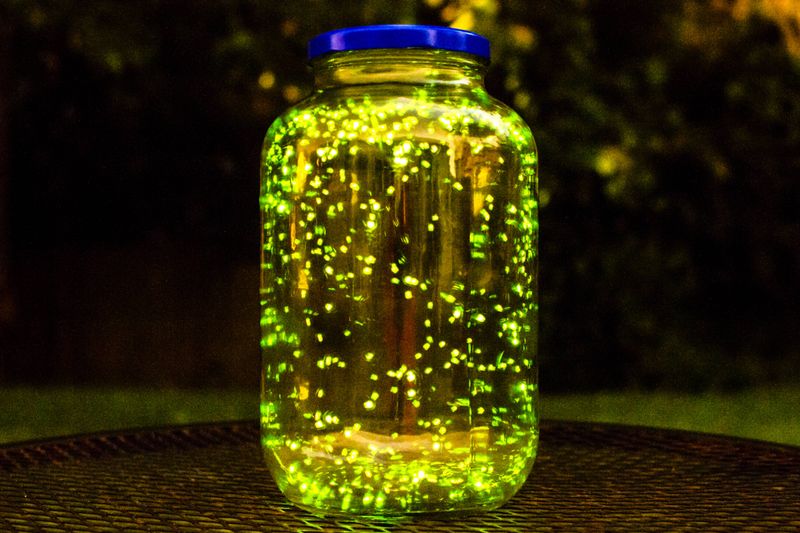
Fireflies are surprisingly sensitive to moisture. Their larvae need consistently damp soil to get through the underground phase of their life cycle.
When Pennsylvania summers run hotter and drier than usual, that soil dries out fast. Larvae dehydrate and populations take a hit that shows up years later as fewer adult fireflies.
Climate shifts have made rainfall less predictable across the Mid-Atlantic region. Extended dry spells in spring and early summer line up directly with peak firefly larval development.
Warmer winters also confuse the timing of firefly emergence. These insects use temperature cues to know when to pupate and when to emerge as adults.
If spring arrives too early or temperatures swing wildly, fireflies can emerge before their food sources or mates are ready. That timing mismatch cuts reproductive success sharply.
Heavy rain events followed by drought are also a problem. Flooding can drown larvae, and the dry spell after leaves the soil too hard for remaining larvae to move through.
Pennsylvania has experienced increasingly hot summers in recent years. Those heat events stress both the fireflies and the moist woodland edges they call home.
Weather patterns alone do not explain the full decline. But they act as a multiplier on every other stress these insects already face.
The meaning behind seeing fewer fireflies in your Pennsylvania backyard is partly written in the sky. Climate trends are reshaping the conditions these creatures need to endure.
Simple Backyard Changes That Bring Fireflies Back
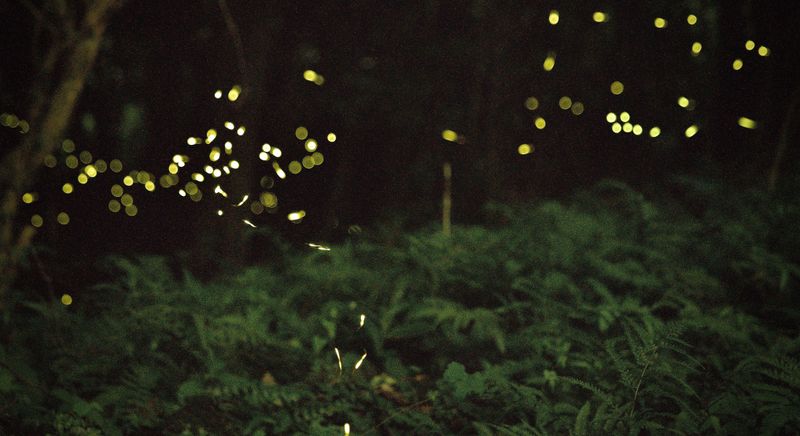
Good news: you have more power here than you might think. A few intentional changes to your backyard can make it a firefly-friendly haven surprisingly fast.
Start by letting part of your lawn grow longer. Even a border of unmowed grass along a fence line gives firefly larvae the cover and moisture they need.
Leave the leaves this fall. Instead of bagging every leaf that drops, let them collect in garden beds and low-traffic corners. Leaf litter is valuable firefly habitat.
Add a small water feature like a shallow dish pond or a rain garden. Fireflies are drawn to moisture, and standing water nearby keeps the surrounding soil damp.
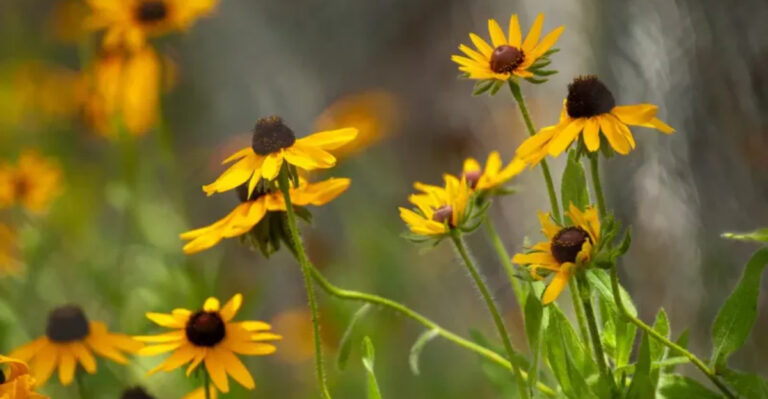
Plant native species like black-eyed Susans, wild bergamot, and native ferns. These plants support the snails and slugs that firefly larvae eat during their underground years.
Skip the pesticide treatments, especially in late spring and early summer. That window is critical for larvae developing just below the surface of your soil.
Turn off outdoor lights early. Even one or two nights a week of full darkness during peak season gives local fireflies a better shot at finding mates.
Talk to your neighbors about it. A coordinated effort across several yards creates a larger habitat corridor that fireflies can actually use.
The meaning behind seeing fewer fireflies in your Pennsylvania backyard becomes empowering once you realize how much influence you hold. Your backyard choices matter more than you know.
What This Decline Signals About Local Ecosystem Health
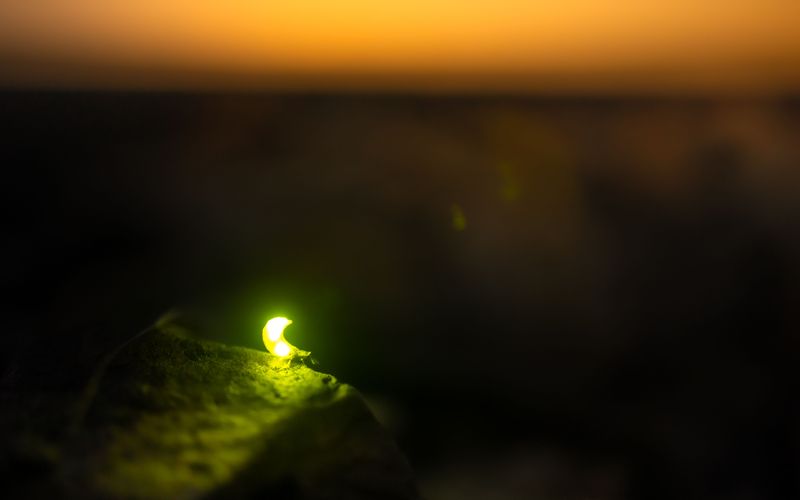
Fireflies are not just pretty. They are what ecologists call an indicator species. When their numbers drop, it means the ecosystem supporting them is under stress.
Firefly larvae eat snails and slugs that carry parasites harmful to other wildlife. Remove the larvae, and that natural pest control is lost from your yard.
Adult fireflies are food for spiders, frogs, and bats. A drop in firefly numbers ripples outward, reducing food availability for every creature that depends on them.
The same habitat conditions that support fireflies also support native bees, ground beetles, and soil microbes. A firefly-friendly yard is a biologically rich yard across the board.
When you see fewer fireflies, it often means the soil is drier, the lighting is brighter, the plant diversity is lower, and the chemical load is higher. All four of those trends are bad for dozens of other species too.
Pennsylvania sits within a critical biodiversity corridor along the Appalachian Mountains. Healthy backyards along that corridor act as stepping stones for wildlife moving between larger natural areas.
Your yard is not isolated. It is connected to every neighboring yard, park, and woodland nearby. What happens in your space affects the larger web of life around it.
Fireflies are a window into that web. Their presence signals a balanced, thriving ecosystem. Their absence signals a change worth paying attention to.
The meaning behind seeing fewer fireflies in your Pennsylvania backyard is ultimately this: local ecosystems need support, and small actions genuinely make a difference.