This Is The Silent Pest Destroying Pennsylvania Helmock Trees
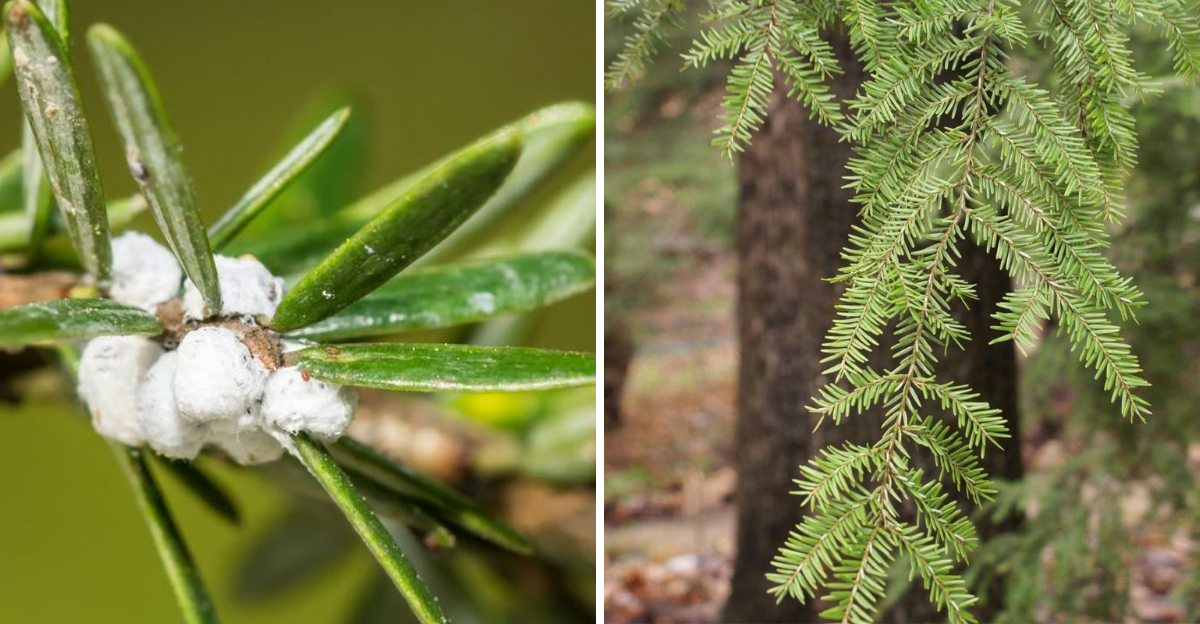
Something is destroying Pennsylvania’s hemlock trees. It’s not a storm, not a disease, and not old age.
It’s a tiny, almost invisible pest that most people never even notice until the damage is already done. And by then, it’s often too late.
Hemlock trees are one of Pennsylvania’s most beloved native trees. They provide dense shade, shelter for wildlife, and a quiet beauty that’s hard to replace.
But across the state, these trees are being destroyed at an alarming rate. Whole stands of hemlocks that have been growing for decades are slowly disappearing from the landscape. The culprit is small. Shockingly small, actually.
But what it lacks in size it more than makes up for in destruction. This pest spreads quietly from tree to tree, draining the life out of hemlocks without making a sound.
Most homeowners don’t even realize their tree is under attack until the needles start dropping and the branches begin to die off. If you have hemlock trees on your property, this is something you need to know about right now.
Hemlock Woolly Adelgid (Adelges Tsugae)
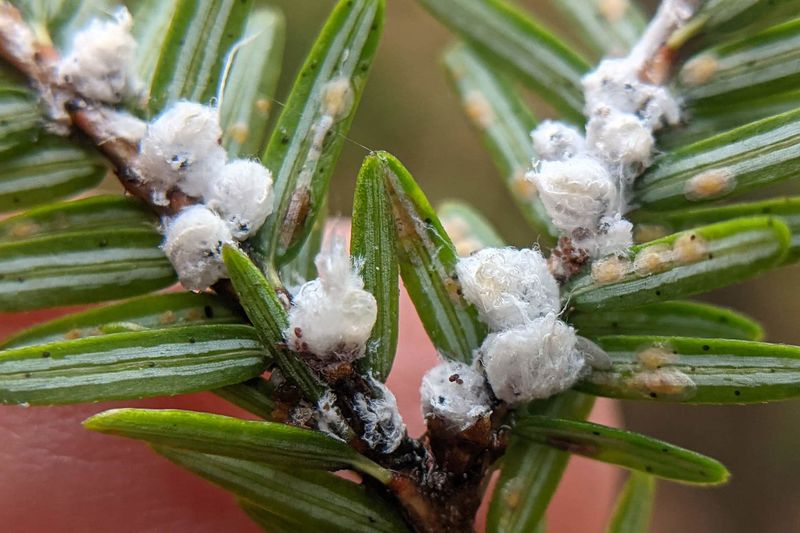
Most people walk right past an infested hemlock tree without ever noticing a thing. The culprit is the hemlock woolly adelgid, known scientifically as Adelges tsugae, a tiny invasive insect that has been causing serious trouble for hemlock trees across the eastern United States.
Originally from Asia, this pest was first detected in the eastern U.S. in the 1950s and has been spreading ever since.
The insect itself is incredibly small, roughly the size of a sesame seed, which makes it nearly impossible to spot with the naked eye unless you know exactly what you are looking for. What gives it away are the tiny white, woolly masses it produces on hemlock twigs.
These fuzzy white clusters are the egg sacs the insect creates, and they cling to the undersides of branches near the base of the needles.
Adelges tsugae does not move around much once it settles in. It attaches itself to a twig and starts feeding, staying in place through most of its life cycle.
Because the insect is so still and so small, an infestation can quietly grow for months before a homeowner even suspects something is wrong.
The woolly masses are actually easier to spot than the bug itself, which is why knowing what those white fuzzy spots mean is so important.
Early identification is the single most powerful tool homeowners have against this pest. Catching it before it spreads widely on a tree gives treatment options a much better chance of working and helps protect the hemlock for years to come.
Why Pennsylvania Hemlocks Are At Risk
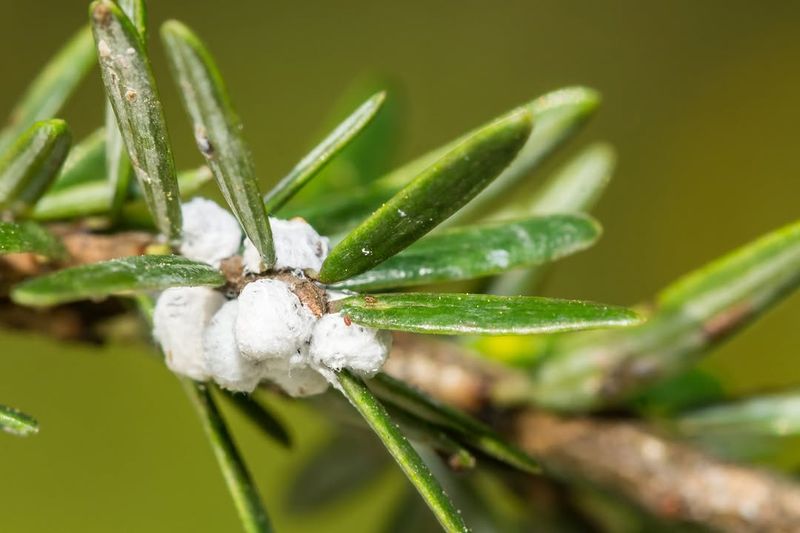
Eastern hemlock is no ordinary tree in Pennsylvania. It is considered a foundation species, meaning entire ecosystems depend on it.
Hemlock forests keep stream temperatures cool, which is essential for trout and other cold-water fish. They provide dense year-round cover for deer, birds, and countless other animals.
Your Pennsylvania Garden Changes Every Week. Your Plan Should Too.
Gardening in Pennsylvania changes quickly throughout the season. Every Friday you’ll receive a simple weekly plan showing exactly what to plant, prune, fertilize, harvest, and protect so you never miss the right timing.
In home landscapes, hemlocks are prized for their graceful form, their deep green color, and their ability to grow as both a large shade tree and a privacy hedge.
Unfortunately, eastern hemlocks have almost no natural resistance to hemlock woolly adelgid. In its native range in Asia, the insect coexists with hemlock species that have developed tolerance to it over thousands of years.
Eastern hemlock never had that chance, so when the pest arrived in North America, the trees had no defenses ready. Pennsylvania has seen significant hemlock losses in parts of the state where infestations have gone unmanaged, and the problem continues to spread.
The pest moves from tree to tree in several ways. Wind carries the tiny crawlers short distances.
Birds, deer, and other animals can transport them further when the insects hitch a ride on fur or feathers. People can also accidentally move infested branches or plant material from one location to another.
This is why an infestation in one part of a yard or neighborhood can quietly spread to nearby trees over time.
Pennsylvania homeowners who have hemlocks on their property should take this threat seriously, because the trees are genuinely vulnerable and the pest does not wait around for anyone to notice it.
How To Spot Hemlock Woolly Adelgid
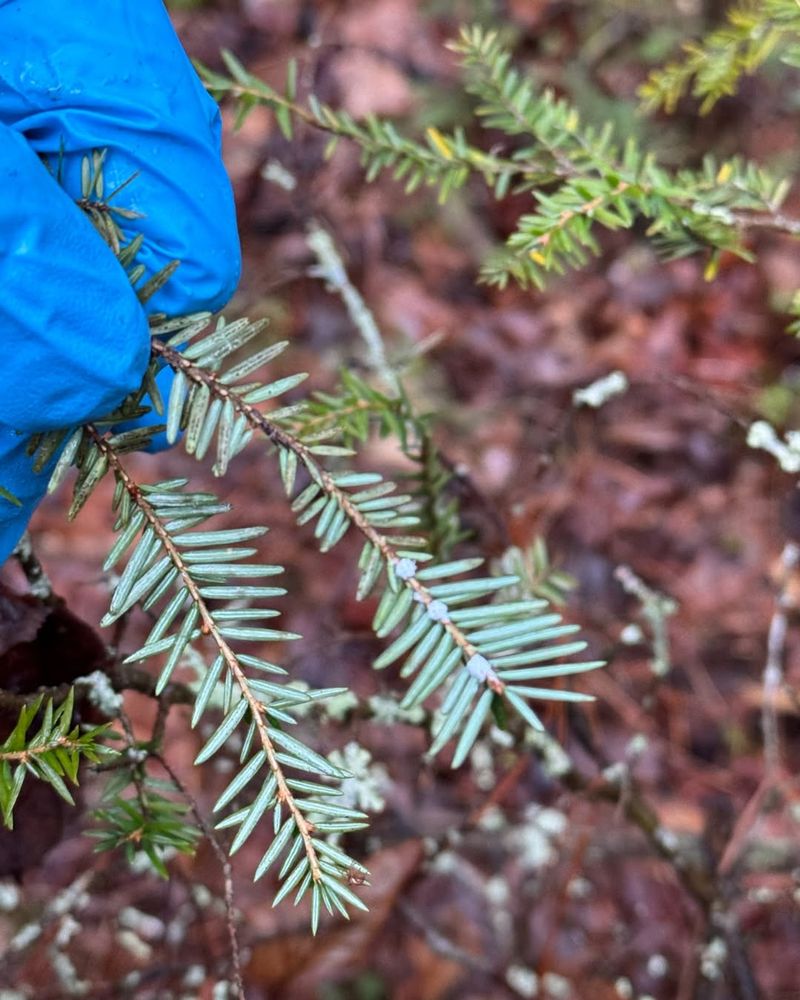
Spotting hemlock woolly adelgid early takes a little patience and knowing exactly where to look. The most reliable sign is the presence of small white, woolly, cotton-like clusters on the undersides of hemlock twigs.
These fuzzy white masses are the egg sacs produced by the insect, and they tend to appear near the base of the needles, clinging to the stem of the twig.
They are small, roughly the size of a pinhead, but there can be quite a few of them clustered together, making them visible once you know what to search for.
The best time to check your hemlocks is in late fall through early spring. During those months, the white woolly masses are at their most visible, and the insects inside are active.
Flip over a few low branches and look carefully at the undersides. A hand lens or magnifying glass can be helpful.
Healthy hemlock twigs should be clean and smooth. If you see tiny white fuzzy spots attached near where the needles meet the twig, that is a strong warning sign.
Beyond the egg sacs, there are other clues that something may be wrong. Needles that look grayish-green instead of a healthy deep green can be a red flag.
Thinning foliage, where the tree starts to look sparse or see-through, is another sign to watch for. Branch dieback, where sections of the tree stop producing needles and begin to look bare, is a more advanced symptom.
Catching the problem at the white woolly mass stage, before foliage decline sets in, gives you the best chance of protecting the tree effectively.
What The Pest Does To The Tree
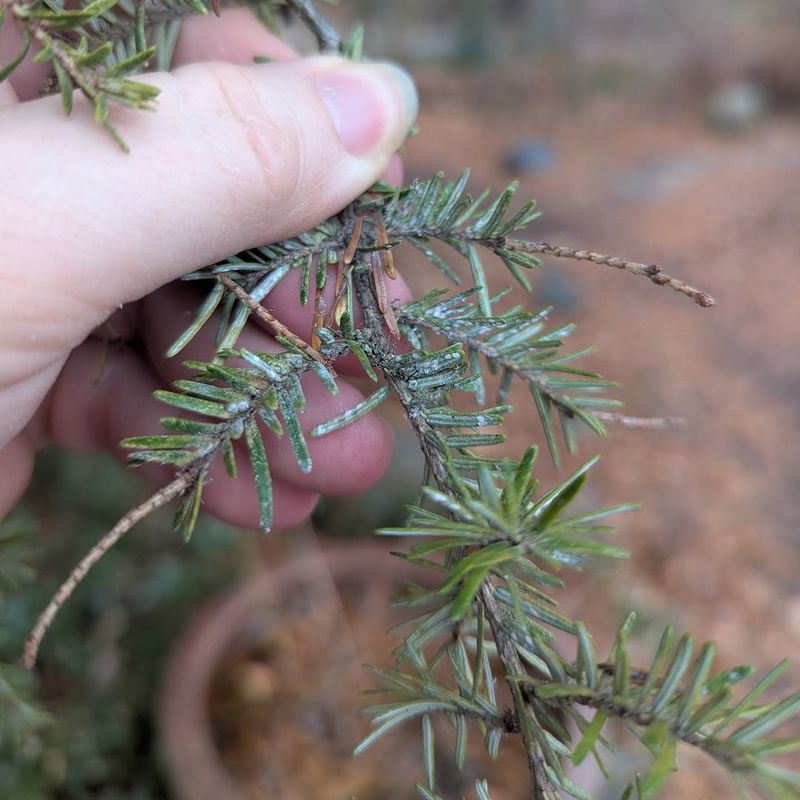
Here is where things get serious. Hemlock woolly adelgid does not just sit on a tree harmlessly.
It feeds directly on the starchy reserves stored in hemlock twigs, tapping into the tissue right at the base of the needles.
As it feeds, it drains the resources the tree needs to stay strong and grow new foliage. Over time, this constant feeding takes a real toll on the tree’s overall health and vigor.
One of the first things people notice on an infested hemlock is that the needles begin to look dull and grayish instead of their usual rich green. As the infestation continues, needles start dropping earlier than they should, and new growth becomes sparse.
The tree gradually loses its full, lush appearance and starts looking thin and patchy. Branches that once held dense clusters of needles begin to look bare, a process called dieback, where sections of the tree essentially stop functioning.
What makes this pest particularly troubling is how slowly and quietly all of this happens. A tree can be infested for a year or two before the visual decline becomes obvious to most people.
By the time a homeowner notices something is clearly wrong, the infestation may already be well established. Severe, long-term infestations that go untreated can eventually bring a hemlock to the point where recovery becomes very difficult.
Young trees and trees that are already stressed by drought or other factors tend to decline faster than large, established hemlocks.
That is why acting at the first sign of an infestation, rather than waiting to see how bad it gets, is always the smarter approach for protecting your trees.
What Pennsylvania Homeowners Should Do If They See It
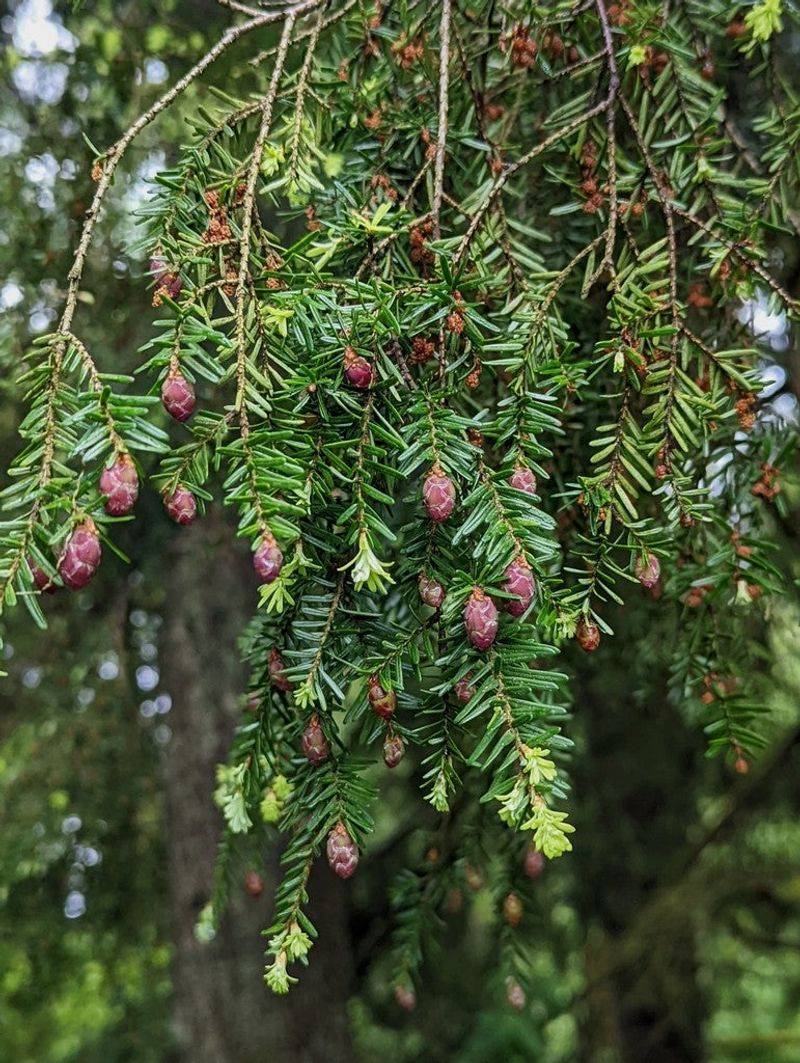
Finding white woolly spots on your hemlock is not a reason to panic, but it is absolutely a reason to take action right away. Start by doing a careful inspection of all the hemlocks on your property.
Check the undersides of twigs on multiple branches and at different heights if you can safely reach them. Late winter and early spring are the best times for this because the woolly masses are highly visible during those months and the pest is actively developing.
Once you suspect an infestation, contact a professional. A certified arborist, your local Penn State Extension office, or a Pennsylvania Department of Conservation and Natural Resources forestry professional can confirm the identification and walk you through your options.
Do not guess and do not wait. Getting an expert involved early means you will have a clearer picture of how advanced the infestation is and what treatment approach makes the most sense for your situation.
Treatment options do exist and they can be effective when applied correctly and at the right time. Horticultural oil sprays and insecticidal soaps work by coating the insects directly, so thorough coverage of the undersides of branches is essential.
Systemic insecticides, which are absorbed through the roots or trunk and move through the tree’s tissue, can be very effective for larger trees or more established infestations.
The right choice depends on the size of the tree, its location near water sources, and how widespread the infestation has become.
A professional can help you weigh those factors and choose a safe, effective approach that fits your specific trees and property conditions.
Early Detection Can Save Hemlocks
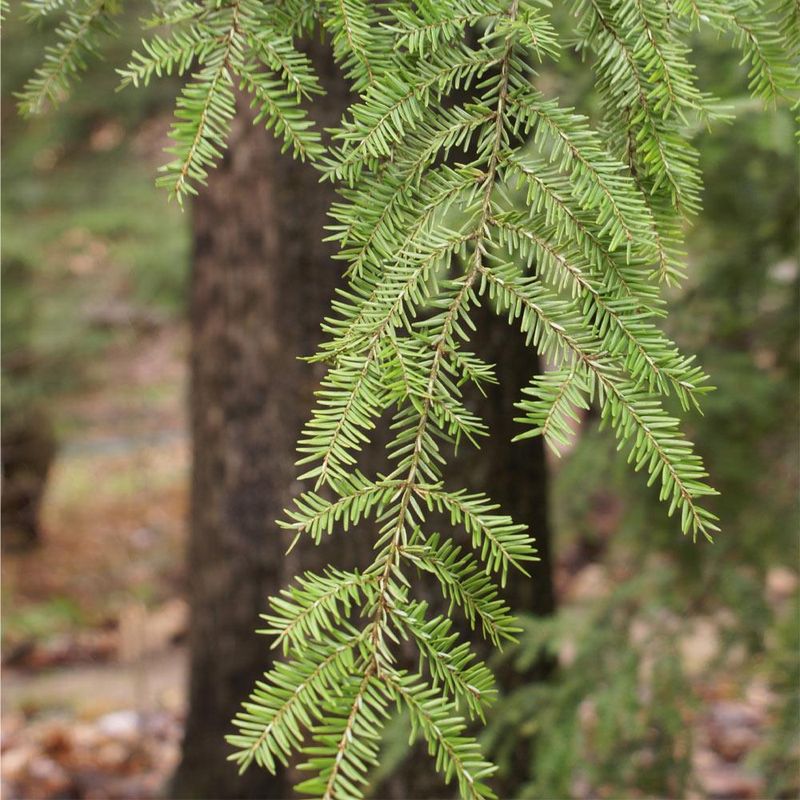
Small things can cause big problems, and hemlock woolly adelgid is a perfect example of that. This pest is tiny, quiet, and easy to overlook, yet it has the potential to seriously weaken one of Pennsylvania’s most important and beloved trees.
The encouraging part is that early detection genuinely changes the outcome. Homeowners who catch an infestation in its early stages have far more treatment options available and a much better chance of keeping their hemlocks healthy and strong.
Do not brush off those little white cottony spots on your hemlock branches. They are not harmless fuzz or normal tree growth.
They are the egg sacs of an invasive insect that is actively feeding on your tree. A few minutes of careful inspection a couple of times a year, especially in late winter and early spring, can reveal a problem while it is still manageable.
Make it a habit to flip over a few branches and look at the undersides whenever you are near your hemlocks.
Pennsylvania’s hemlock trees are worth protecting. They cool streams, shelter wildlife, anchor slopes, and bring quiet beauty to forests and yards alike.
Losing them to an insect that can be managed with the right knowledge and timely action would be a real loss for everyone. Share what you have learned with neighbors who have hemlocks nearby, because this pest spreads from tree to tree.
The more people who know what to look for, the better the chances of protecting hemlocks across communities, neighborhoods, and forests throughout Pennsylvania for generations ahead.