Native Georgia Groundcovers That Choke Out Weeds And Handle Summer Heat
If you have ever spent a few minutes outside during a Georgia summer, you know the sun is basically a giant magnifying glass aimed right at your yard. Bare soil doesn’t stand a chance against that kind of heat.
Before you even have time to refill your sweet tea, thirsty weeds have already moved in and claimed your flower beds as their own.
It is frustrating to watch your beautiful landscape turn into a chaotic mess of crabgrass and dry patches.
The smartest way to fight back is by using native groundcovers that actually like our red clay and humidity. These local heroes act like a living carpet, keeping the ground cool and squeezing out those annoying weeds.
They are perfect for stabilizing tricky slopes or just giving your garden a lush, finished look without the constant maintenance.
1. Moss Phlox Forms Colorful Mats In Sunny Spots
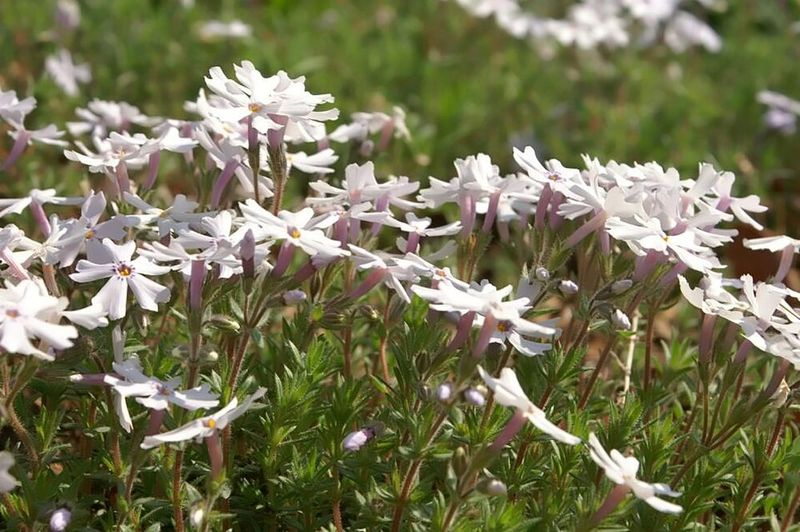
Few plants put on a show quite like moss phlox during the warm months in a Georgia landscape.
This low-growing native spreads into dense, cushion-like mats that hug the ground tightly, making it surprisingly effective at blocking out weeds before they get a chance to establish.
It works especially well along sunny borders, rock gardens, and sloped areas where bare soil is a common problem.
Moss phlox tends to stay just a few inches tall, which means it covers ground without shading out nearby plantings or growing out of control.
During spring, it bursts into bloom with small flowers in shades of pink, white, lavender, and purple, giving Georgia yards a bright pop of color just as the growing season picks up.
Even after blooming, the dense evergreen foliage continues doing its job of shading the soil beneath it.
Gardeners dealing with dry, well-drained spots in full sun will find moss phlox to be a reliable option. It handles Georgia heat without much fuss and asks for very little once it gets settled in.
Planting it in groups or drifts tends to produce the best coverage results. Over a season or two, a few starter plants can spread into a solid, attractive mat that keeps maintenance needs low and weed pressure even lower.
2. Green And Gold Spreads Soft Color In Partial Shade
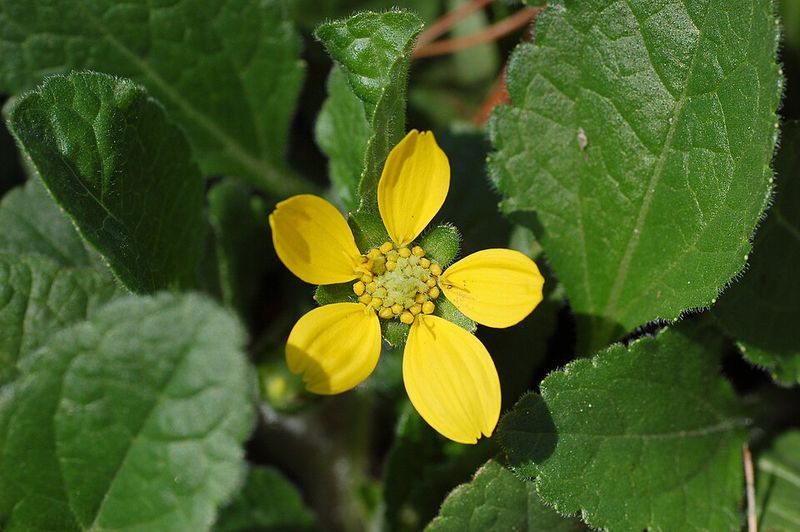
Shaded corners of Georgia yards can be some of the trickiest spots to fill, but green and gold handles them with ease.
This cheerful native groundcover earns its name from the combination of bright yellow flowers and rich green leaves that carpet the ground in areas where full sun never quite reaches.
It spreads steadily by runners, gradually filling in gaps and crowding out weeds as it goes.
Green and gold works particularly well under trees, along shaded pathways, or on the north-facing sides of structures where other plants tend to struggle.
It stays relatively low, usually reaching only about six to twelve inches in height, and produces small, daisy-like yellow blooms that appear in spring and sometimes again in fall.
Your Georgia Garden Changes Every Week. Your Plan Should Too.
Gardening in Georgia changes quickly throughout the season. Every Friday you’ll receive a simple weekly plan showing exactly what to plant, prune, fertilize, harvest, and protect so you never miss the right timing.
The foliage holds its color through the warmer months and stays semi-evergreen in many parts of Georgia.
One thing gardeners appreciate about green and gold is how little it demands once it gets going.
Occasional watering during dry stretches helps it fill in more quickly, but established patches tend to hold their own through Georgia summers without much intervention.
It pairs nicely with taller shade plants like ferns or hostas, adding a lower layer of color and coverage to woodland-style garden beds.
Grouping several plants together at the start speeds up coverage and gives the area a more intentional, finished appearance sooner.
3. Sunshine Mimosa Creates A Low Spreading Groundcover
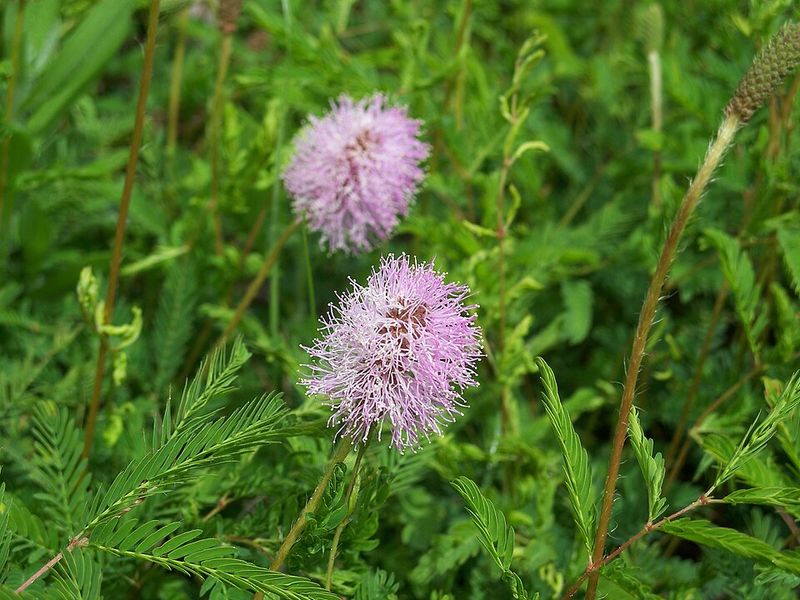
Walking through a Georgia yard where sunshine mimosa has taken hold is a surprisingly delightful experience.
Touch the feathery leaves and they fold gently inward, a quirky trait that makes this native groundcover stand out from anything else growing in the landscape.
Beyond that novelty, sunshine mimosa is a genuinely useful plant for homeowners trying to cover sunny, open ground where weeds tend to creep in quickly.
This low-growing native spreads by both runners and seeds, eventually forming a soft, mat-like layer that stays close to the ground and shades out competing weeds naturally.
It produces small, fluffy pink flowers throughout the warm season, adding a bit of cheerful color to areas that might otherwise look bare or unfinished.
Sunshine mimosa thrives in full sun and tolerates the kind of heat and drought that Georgia summers regularly deliver.
It does especially well in open lawns, along roadsides, or in areas where foot traffic is light to moderate, since it can handle occasional stepping without much setback.
Slopes and dry, sandy soils are also good candidates for this plant, as it holds soil reasonably well and does not need rich conditions to spread.
Gardeners who want a groundcover that does double duty as a visual accent and a weed suppressor will find sunshine mimosa worth considering for their Georgia landscape plans.
4. Frogfruit Covers Ground In Warm Sunny Areas
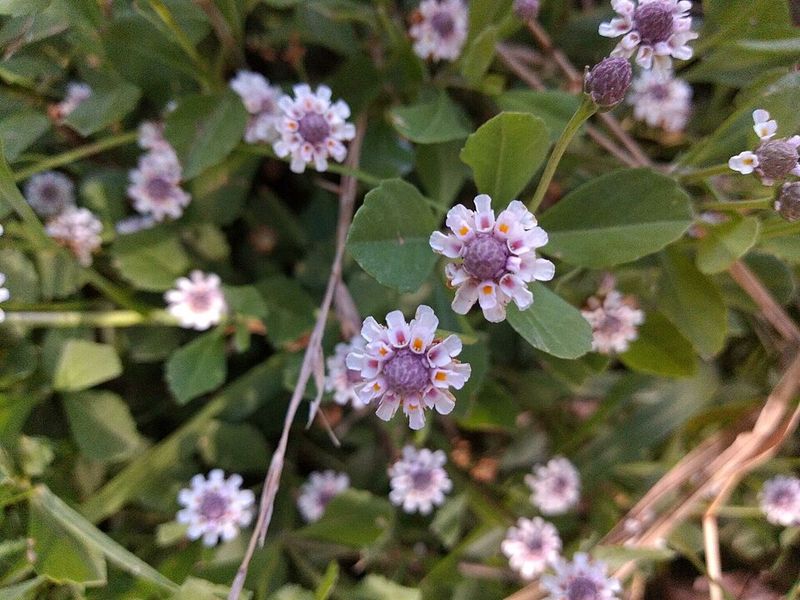
Bare patches of sunny Georgia soil practically invite weeds, but frogfruit has a way of moving in and taking over before most weeds get a foothold.
This tough native groundcover spreads quickly by creeping stems that root as they go, forming a dense, low carpet that covers ground efficiently in full sun to light shade.
It is not flashy in a traditional sense, but it gets the job done in a way that low-maintenance gardeners tend to appreciate.
Frogfruit produces tiny white to lavender flowers throughout the growing season, which also happen to attract butterflies and small pollinators. That makes it a solid choice for Georgia homeowners who want their groundcover to do more than just fill space.
It handles heat and humidity well, stays relatively flat, and works nicely along walkway edges, open slopes, and sunny garden borders where a tidy, low-growing plant is needed.
Established frogfruit holds up through dry summer stretches better than many traditional lawn alternatives.
It does not require heavy feeding or much pruning to stay in shape, and once it spreads across an area, the dense mat of foliage does a solid job of shading out weed seeds below.
Planting in groups spaced about a foot apart gives it a head start on filling in, and within a growing season or two, coverage tends to become noticeably full and consistent.
5. Cherokee Sedge Adds Texture In Shaded Spaces
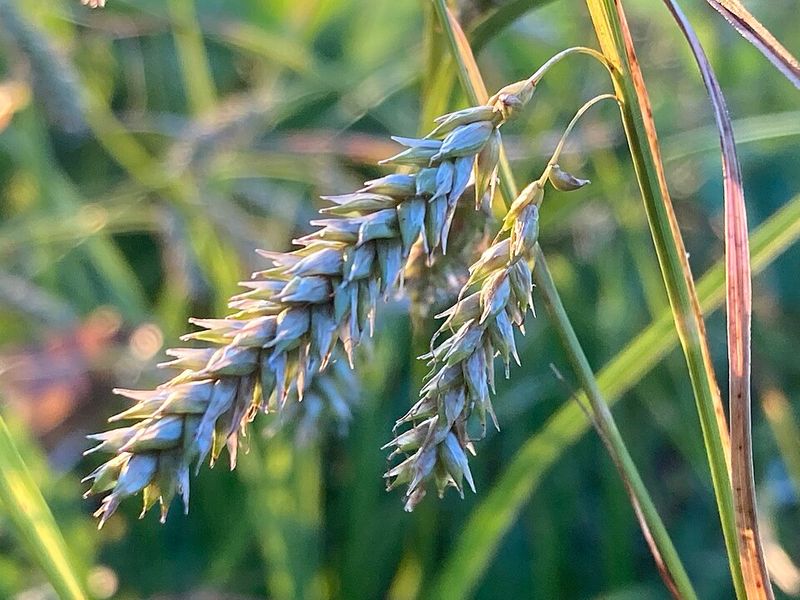
Some of the most challenging spots in a Georgia yard are the ones tucked under large trees, where shade is dense, roots are shallow, and few plants seem willing to grow. Cherokee sedge is one of the more reliable options for exactly those kinds of spaces.
Its fine, arching blades form soft, grass-like mounds that give shaded areas a sense of texture and fullness without requiring much care to maintain.
Unlike traditional turf grass, Cherokee sedge tolerates low light and dry conditions under tree canopies quite well.
It spreads slowly but steadily, eventually filling in gaps and creating a layered, natural look that suits woodland-style Georgia gardens nicely.
The foliage stays a rich green through much of the year, and because it grows in clumping form, it tends to smother weeds by shading the soil between plants as coverage expands.
Gardeners who want a tidy, low-growing option for shaded slopes, pathways, or areas near foundations will find Cherokee sedge worth considering.
It does not need mowing, handles foot traffic poorly so it works better in low-traffic zones, and rarely needs supplemental fertilizer once established.
Spacing plants about eight to twelve inches apart gives them room to fill in naturally over one to two growing seasons.
For Georgia landscapes where shade and dry soil create a difficult combination, Cherokee sedge offers a practical, attractive solution that holds its own through summer.
6. Blue Eyed Grass Brings Soft Blooms To Sunny Beds
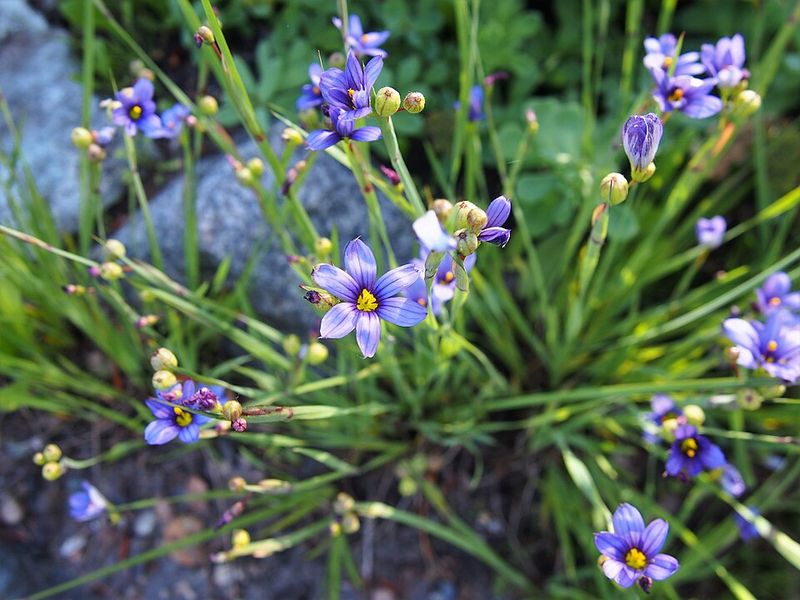
Slender green blades and small violet-blue flowers might not sound like much on paper, but blue eyed grass has a quiet charm that works surprisingly well in Georgia garden beds. Despite its name, it is not actually a grass at all.
It belongs to the iris family and produces delicate, star-shaped blooms in shades of blue, violet, and sometimes white during spring and early summer, bringing a subtle but appealing color accent to sunny planting areas.
Blue eyed grass tends to form clumping tufts that spread gradually over time, creating patches of fine-textured foliage that fill in open ground between larger plants.
In Georgia landscapes, it works well along sunny borders, in naturalized meadow areas, or mixed into pollinator gardens where its blooms attract bees and small butterflies.
It handles full sun and the heat of a Georgia summer reasonably well, especially when planted in soil with decent drainage.
Maintenance needs are minimal once plants are established. Blue eyed grass does not require heavy pruning or regular feeding, and it tends to reseed lightly, which helps it spread naturally into nearby open areas over a few seasons.
Gardeners can encourage fuller coverage by planting several clumps together, spacing them about eight to ten inches apart.
For sunny beds where a low-growing, flowering groundcover is needed, blue eyed grass offers an understated but genuinely attractive option that fits naturally into Georgia landscapes.
7. Foamflower Spreads Gently In Woodland Gardens
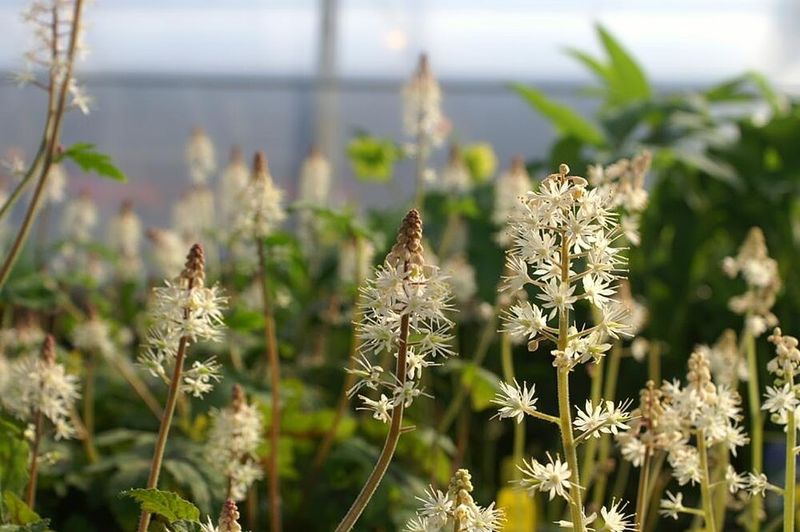
There is something almost effortless about the way foamflower fills in a shaded Georgia garden over time.
Its broad, heart-shaped leaves form a low canopy close to the ground, and during spring, slender stalks rise up topped with soft, feathery white or pale pink blooms that give this plant its memorable name.
It is one of those natives that manages to look both delicate and sturdy at the same time.
Foamflower spreads by stolons, which are short horizontal stems that creep outward and root at the tips, gradually expanding the plant’s footprint across the garden floor.
This spreading habit makes it useful for filling shaded areas where bare soil tends to invite weeds, particularly in woodland-style gardens or under tree canopies in Georgia yards.
It prefers moist, well-drained soil with plenty of organic matter and grows best in partial to full shade.
Gardeners who are building out a layered shade garden will find foamflower works well alongside taller ferns, native shrubs, or larger-leafed shade plants.
Its lower profile and spreading habit create a natural-looking ground layer that ties the planting together visually.
Once established, foamflower handles Georgia summers reasonably well in shaded spots, though it benefits from occasional watering during extended dry periods.
Planting in clusters of three to five creates a fuller look more quickly and gives the area a cohesive, finished appearance from the first growing season onward.
8. Allegheny Spurge Forms Dense Growth In Shade
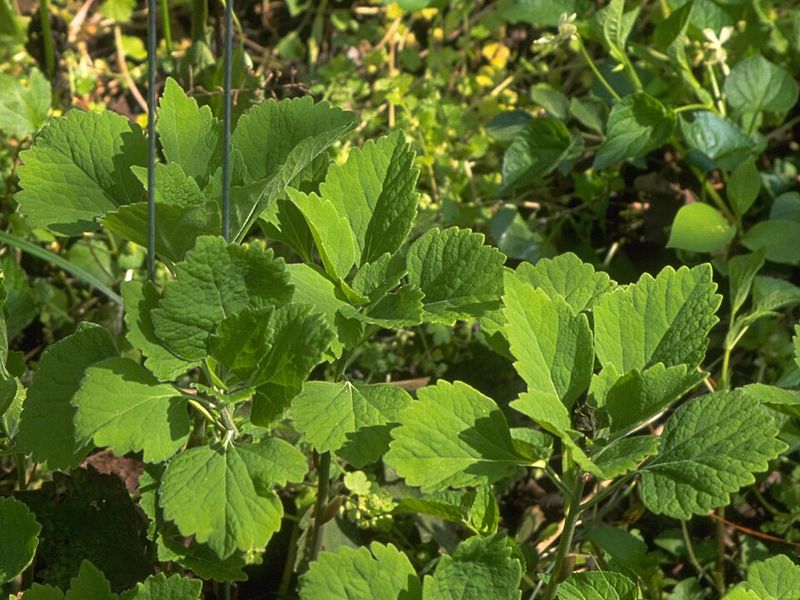
Deep shade in a Georgia yard can feel like a problem without a good solution, especially when bare soil keeps showing up between tree roots and mulch breaks down faster than expected.
Allegheny spurge is one of the better native options for exactly those conditions.
It is a slow-growing but persistent groundcover that builds dense, low coverage over time, making it a solid long-term investment for shaded planting areas.
The leaves of Allegheny spurge are one of its most recognizable features. They are dark green, semi-evergreen, and often marked with subtle silver or lighter green patterning that gives the plant an ornamental quality even when it is not in bloom.
In early spring, small white or pinkish flower spikes emerge above the foliage, adding a brief but charming seasonal accent before the plant settles back into its role as a reliable ground layer.
Allegheny spurge spreads by underground rhizomes, which means it gradually expands outward without becoming aggressive or overtaking neighboring plants.
It works well under deciduous trees, along shaded foundation beds, or in Georgia landscapes where deep shade and dry soil make growing conditions difficult.
Spacing plants about eight to twelve inches apart gives them room to fill in naturally over two to three seasons.
Once established, this groundcover holds its ground well, shades out weed competition effectively, and requires very little seasonal maintenance to stay looking tidy and full.