These Are The California Plants That Help Butterflies Complete Their Full Life Cycle
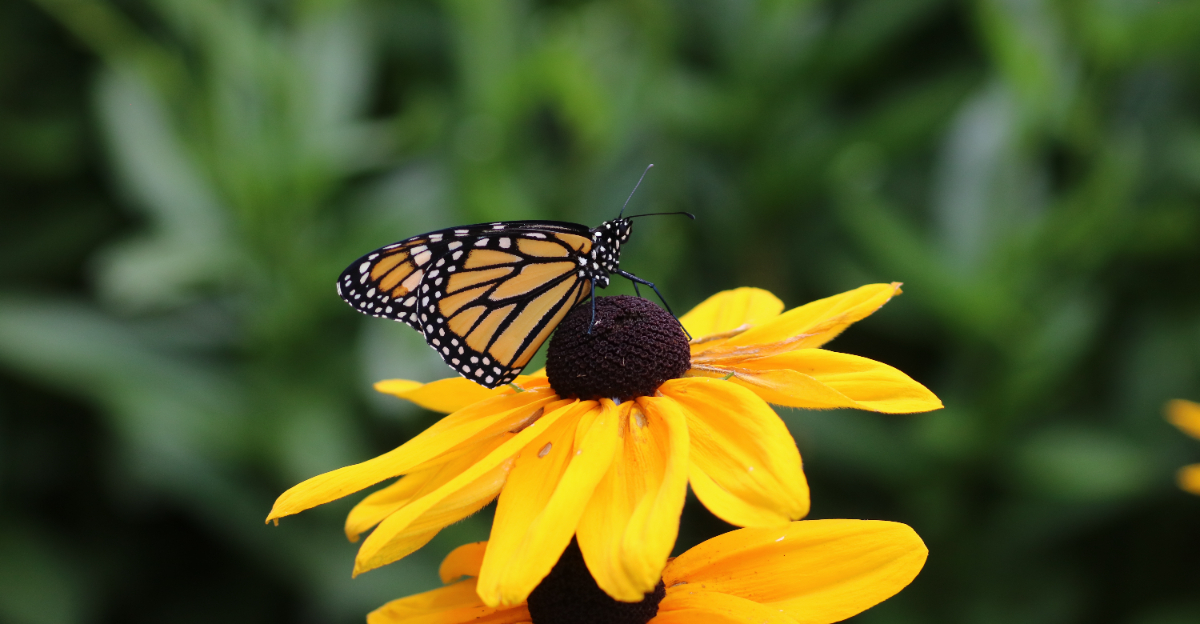
Butterflies do not just need pretty flowers. They need nurseries, snack bars, hiding spots, and safe places to pull off one of nature’s coolest costume changes.
In California gardens, that means planting more than nectar blooms for passing adults. The real magic happens when you include host plants, the specific leaves caterpillars can eat before they become butterflies.
Milkweed can support monarchs, pipevine can help pipevine swallowtails, and native mallows, buckwheats, violets, and sages can turn an ordinary yard into a full butterfly neighborhood. Yes, a few leaves may get chewed.
That is the point. A perfect-looking plant with no caterpillars is not doing nearly as much work as one buzzing, fluttering, and munching with life.
Give butterflies what they need at every stage, and your garden becomes more than beautiful. It becomes part of the comeback story.
1. Milkweed (Asclepias)
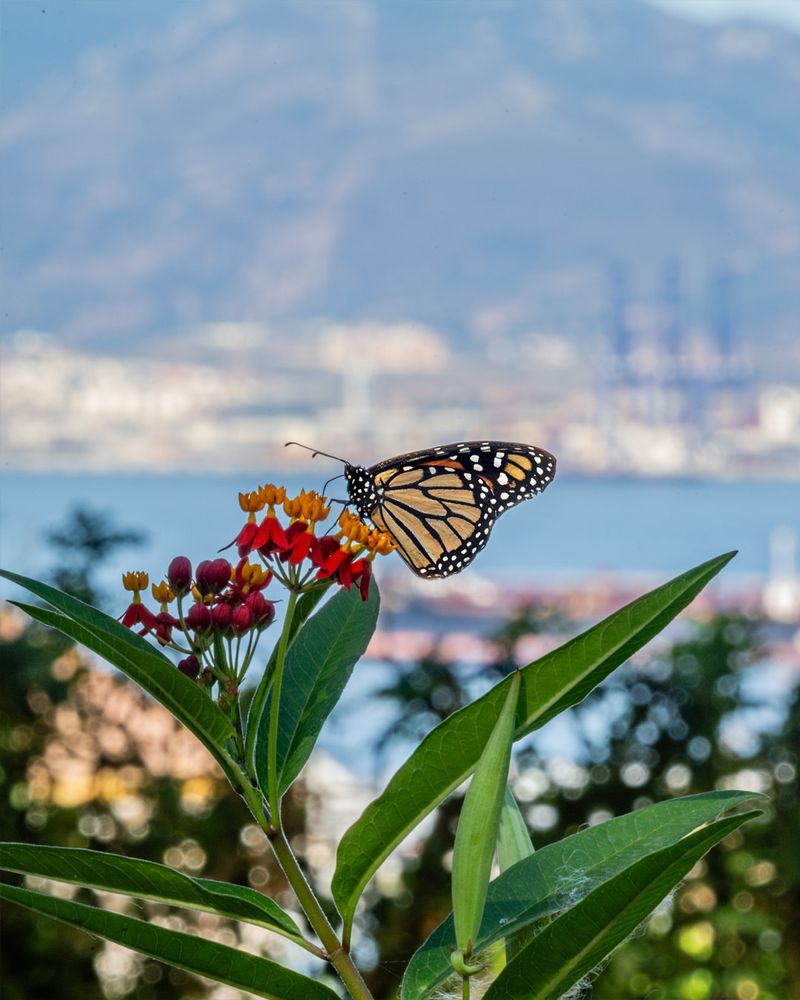
No plant in California is more closely tied to butterfly survival than milkweed. It is the one and only host plant for the Monarch butterfly, which means without it, Monarchs simply cannot complete their life cycle.
Female Monarchs lay their eggs exclusively on milkweed leaves, and when the caterpillars hatch, they eat those leaves to grow and develop.
California has several native milkweed species worth planting. Narrowleaf milkweed (Asclepias fascicularis) is a top choice for most regions.
Showy milkweed (Asclepias speciosa) also does well in many parts of the state, including inland valleys and foothill areas. Both species provide the food and shelter caterpillars need to thrive.
One important tip for California gardeners: avoid tropical milkweed (Asclepias curassavica) if possible. It stays green year-round and can disrupt Monarch migration patterns.
Native milkweed naturally dies back in winter, which encourages butterflies to migrate as they should. Plant milkweed in a sunny spot with well-draining soil, and let it spread naturally over time.
You will be amazed at how quickly Monarchs find it.
2. California Lilac (Ceanothus)
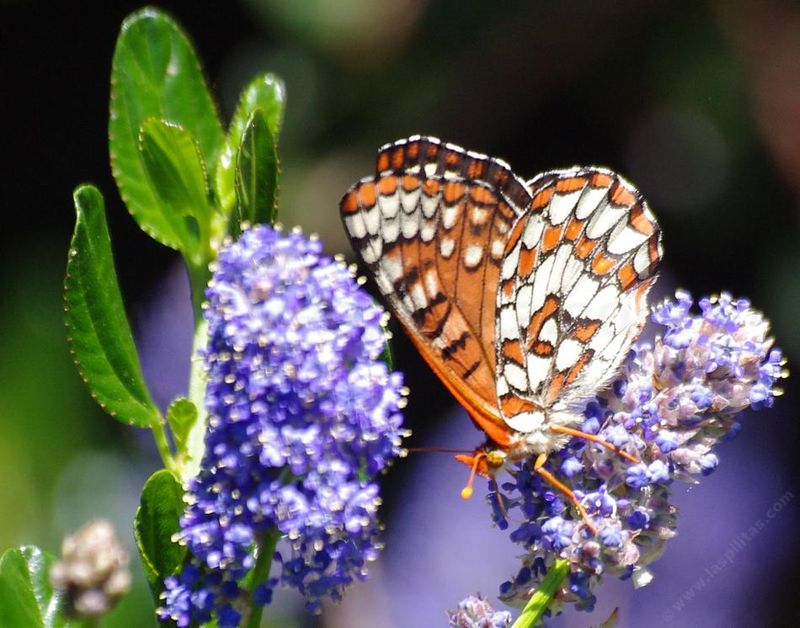
Walk through almost any California chaparral in spring and you will likely catch the sweet scent of Ceanothus in the air. This native shrub bursts into clouds of tiny blue, purple, or white flowers that butterflies absolutely cannot resist.
It is one of the most important nectar sources for adult butterflies across the state.
Beyond nectar, Ceanothus also serves as a larval host plant for several California butterfly species. The Spring Azure and the Echo Azure butterflies both use Ceanothus as a place to lay their eggs.
The caterpillars feed on the leaves and flower buds, making this plant a true multi-purpose butterfly supporter.
Ceanothus thrives in California’s dry, sunny conditions, making it an excellent choice for water-wise gardens. It does not need much irrigation once established, which is a big plus in areas with water restrictions.
There are dozens of Ceanothus varieties available at California native plant nurseries, ranging from low ground covers to tall shrubs. Plant it in full sun with good drainage, and it will reward you with spectacular blooms and a steady stream of butterfly visitors every spring.
Your California Garden Changes Every Week. Your Plan Should Too.
Gardening in California changes quickly throughout the season. Every Friday you’ll receive a simple weekly plan showing exactly what to plant, prune, fertilize, harvest, and protect so you never miss the right timing.
3. Toyon
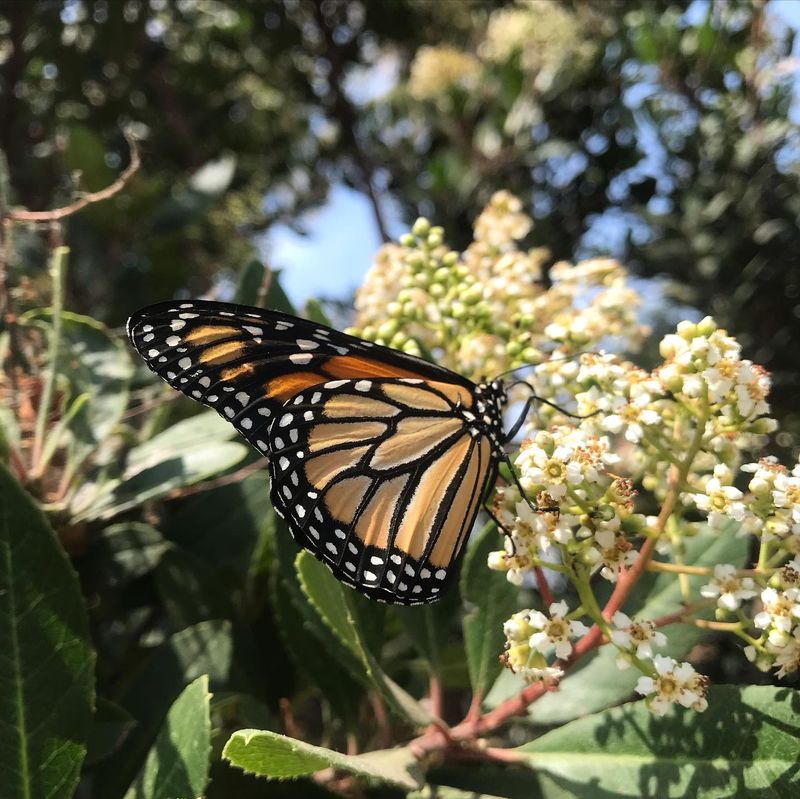
Toyon is sometimes called California Holly, and it is one of those plants that gives back to wildlife in multiple ways. In summer, it produces clusters of small white flowers that attract a wide variety of pollinators, including several butterfly species looking for nectar.
Then in winter, it produces bright red berries that birds love.
For butterflies specifically, Toyon is a valuable nectar source during the warmer months when many other plants have stopped blooming. This makes it a great addition to any California butterfly garden that aims to offer food sources across different seasons.
It fills a gap that many other plants simply cannot.
Toyon is deeply rooted in California’s natural history. It is believed that the city of Hollywood got its name from the abundance of Toyon plants that once covered the hills.
Today, it is a protected plant in California, and it grows well in many regions across the state. It is drought-tolerant, fire-resistant, and relatively easy to care for.
Plant it in a sunny to partly shaded spot and give it room to grow, as it can reach up to fifteen feet tall in ideal conditions.
4. Buckwheat (Eriogonum)
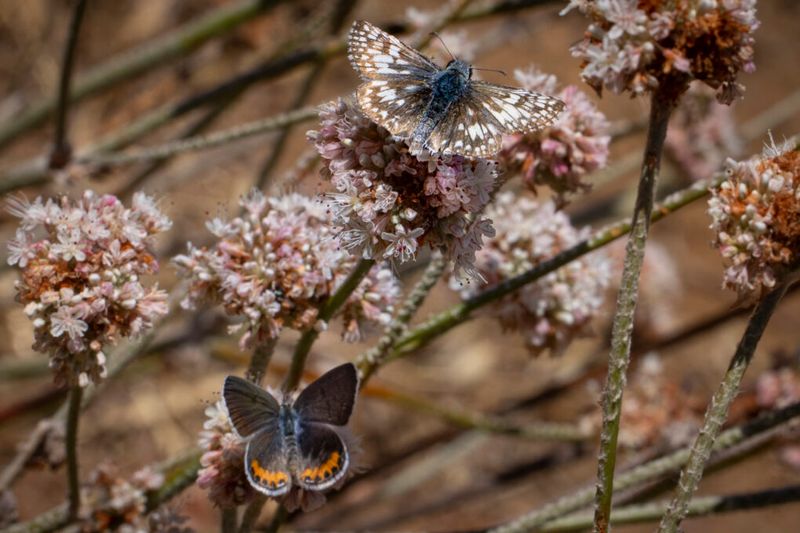
If there is one plant that California butterfly enthusiasts rave about, it is native buckwheat. The genus Eriogonum includes dozens of species native to California, and nearly all of them are outstanding for butterflies.
The flowers start out creamy white or yellow and slowly turn a rich rusty red as they age, providing color in the garden for months.
Many California butterfly species use buckwheat as both a nectar source and a larval host plant. The Acmon Blue, the Lupine Blue, and the Bramble Hairstreak are just a few of the butterflies that depend on Eriogonum at different stages of their lives.
Caterpillars feed on the leaves and stems, while adult butterflies sip nectar from the long-lasting flower heads.
One of the best things about buckwheat is how tough it is. It handles heat, drought, and poor soil like a champion, which makes it a perfect fit for California’s dry summers.
Coastal buckwheat (Eriogonum latifolium) and St. Catherine’s Lace (Eriogonum giganteum) are two popular choices for home gardens. Plant buckwheat in full sun and avoid overwatering.
It truly thrives on neglect, making it ideal for busy gardeners who still want to support local butterflies.
5. Lupine
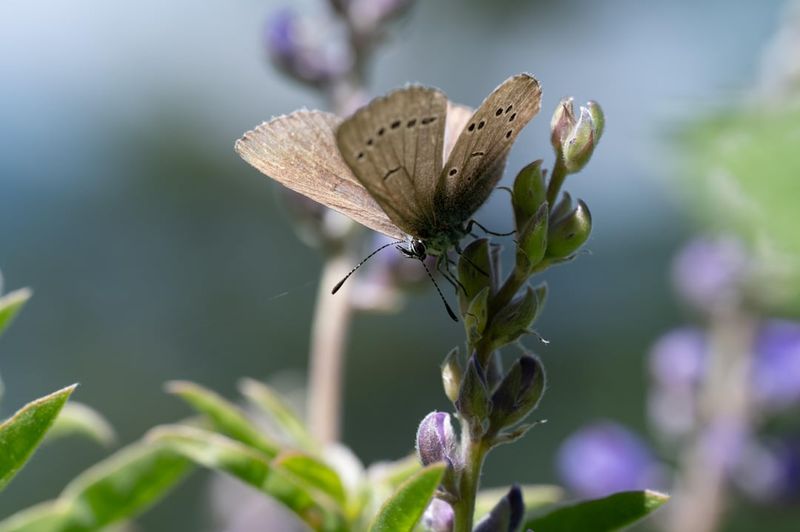
Few wildflowers are as iconic in California as lupine. Drive through the foothills in spring and you will often see entire hillsides painted purple and blue with lupine blooms.
Beyond their striking beauty, these plants play a critical role in the butterfly world, especially for the stunning Mission Blue butterfly and the Silvery Blue.
Lupines are host plants for several members of the blue butterfly family, known as Lycaenids. Female butterflies seek out lupine leaves to lay their eggs, and the caterpillars that hatch feed on the foliage as they grow.
Without lupine, these butterfly populations in California would struggle to survive.
Growing lupine in your garden is a rewarding experience. They prefer well-drained soil and plenty of sunshine, and they actually improve soil quality by fixing nitrogen as they grow.
That means they benefit neighboring plants too. Many lupine species are native to California, including Sky Lupine (Lupinus nanus) and Arroyo Lupine (Lupinus succulentus).
Both are easy to grow from seed and naturalize well in California gardens. Scatter seeds in fall and let winter rains do the work.
By spring, you will have a vibrant patch that butterflies will flock to.
6. Fennel
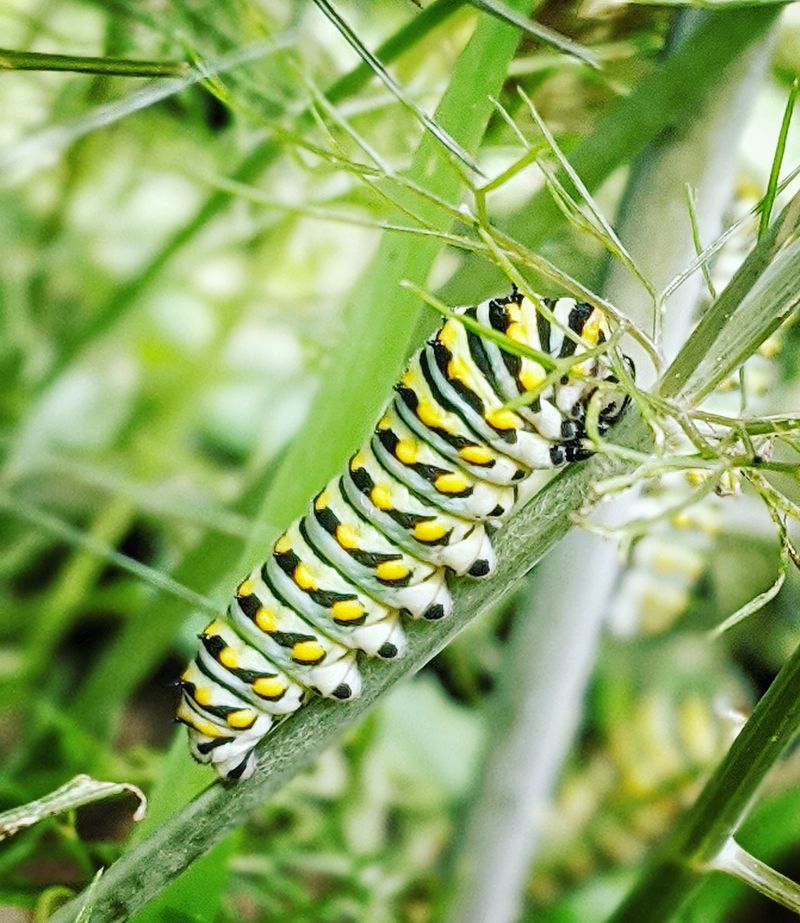
Fennel might surprise you on this list. It is not a California native, but it has naturalized across much of the state and become a critical host plant for the Anise Swallowtail butterfly.
This large, striking butterfly with bold yellow and black wings relies heavily on fennel to complete its life cycle in California.
Female Anise Swallowtails lay their round, pale yellow eggs on fennel leaves and stems. The caterpillars that emerge are equally fascinating, starting out dark with orange spots and eventually turning green with yellow and black stripes.
They feed on fennel foliage as they grow through several stages before forming a chrysalis.
You can find fennel growing wild along roadsides, in vacant lots, and in gardens throughout California, from the coast to inland valleys. If you want to attract Anise Swallowtails to your yard, planting fennel is one of the easiest ways to do it.
It grows quickly, tolerates drought, and spreads readily. Keep in mind that fennel can be aggressive, so give it a dedicated space or grow it in a large container to keep it from taking over.
Either way, the butterfly activity it brings is absolutely worth it.
7. Passionflower (Passiflora)
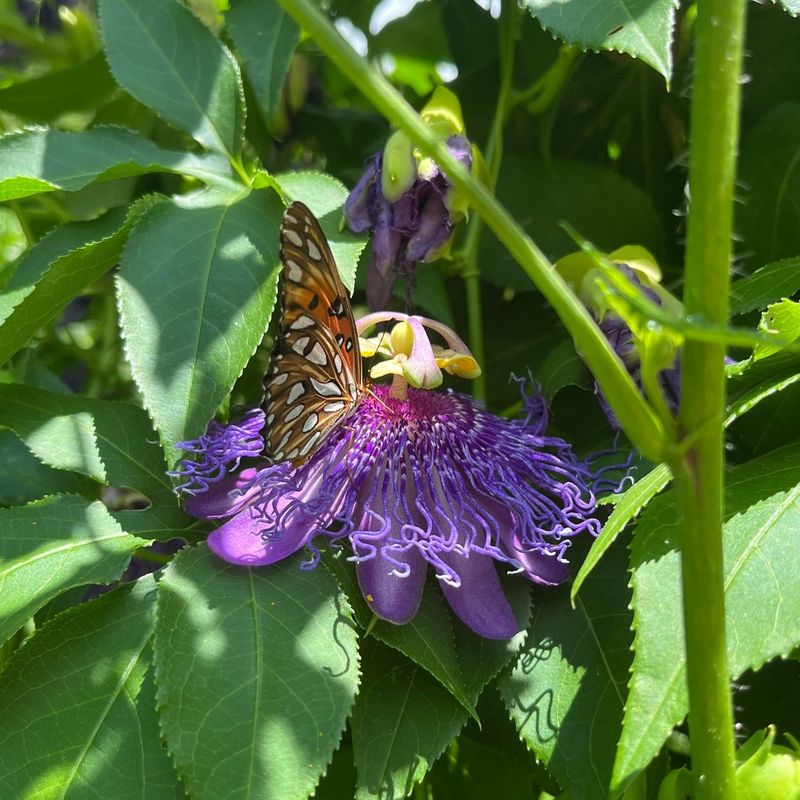
There is nothing quite like a passionflower vine in full bloom. The flowers are intricate, almost otherworldly, with their fringed purple and white petals.
But for butterflies in California, passionflower is more than just beautiful. It is an essential host plant for the Gulf Fritillary butterfly, one of the most eye-catching orange butterflies you will see in the state.
Gulf Fritillaries lay their tiny yellow eggs on passionflower leaves and tendrils. The spiky orange caterpillars that hatch look almost alarming, but they are completely harmless.
They munch through passionflower foliage enthusiastically, which can make the vine look a little rough at times. But the plant recovers quickly, and the reward is a steady parade of brilliant orange butterflies in your garden.
California’s warm climate is ideal for growing passionflower. The native species Passiflora californica is a great choice, but other varieties also do well here.
The vine climbs fences, trellises, and arbors with ease, making it a beautiful and functional addition to any garden. It prefers full sun to partial shade and moderate watering.
Once established, it is fairly tough. Plant it near a fence or trellis and watch it transform your outdoor space into a butterfly nursery.
8. Goldenrod
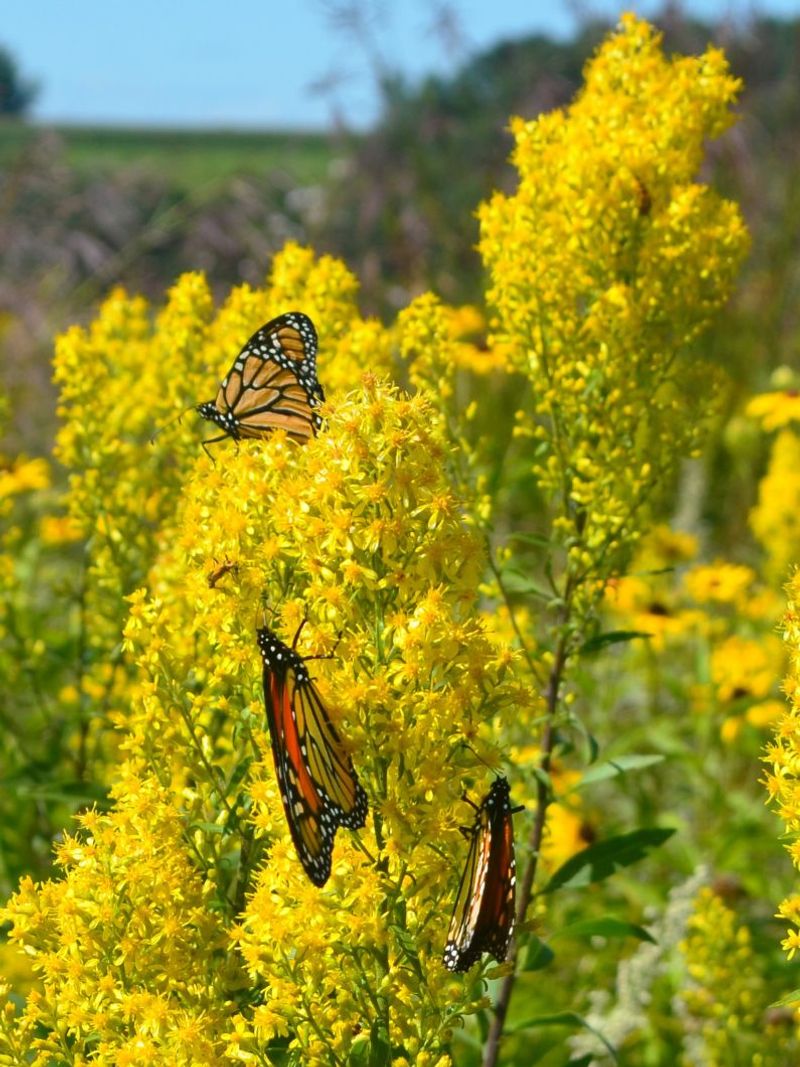
Late summer and fall can be a tough time for butterfly gardens. Many spring bloomers have faded, and butterflies still need food.
That is where goldenrod steps in and becomes a true garden hero. Its tall, feathery plumes of golden yellow flowers bloom right when butterflies need late-season nectar the most.
California goldenrod (Solidago velutina ssp. californica) is the native species to look for. It is an excellent nectar source for migrating Monarchs as well as resident species like Painted Ladies, Checkered Skippers, and various sulfur butterflies.
The flowers are small but packed with nectar, and butterflies seem to find them irresistible.
Goldenrod often gets an unfair reputation for causing allergies, but that is actually a mix-up with ragweed, which blooms at the same time. Goldenrod pollen is too heavy to travel through the air and cause allergy problems.
It is a perfectly friendly garden plant. It grows well in sunny spots throughout California and spreads gradually by rhizomes to form a nice clump over time.
Cut it back after flowering to keep it tidy. It is one of those low-effort plants that delivers enormous benefits for your local butterfly population every single year.
9. Black-Eyed Susan
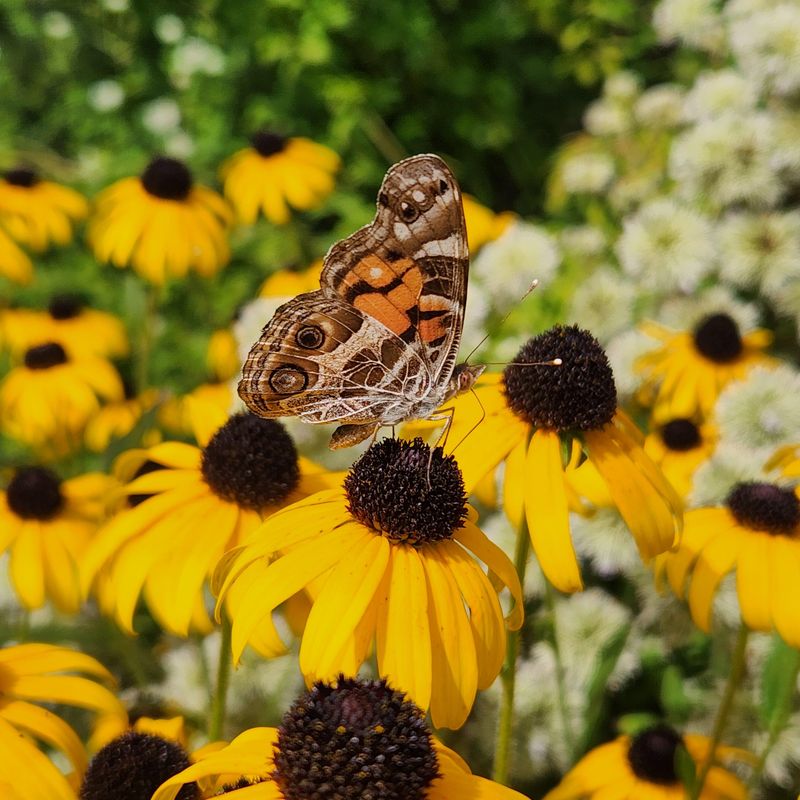
Bright, cheerful, and absolutely loved by butterflies, Black-Eyed Susan is a standout in any California butterfly garden. Its golden yellow petals and dark brown centers are instantly recognizable, and they bloom from summer into fall, providing a long window of nectar availability for visiting butterflies.
Several California butterfly species are drawn to Black-Eyed Susan, including the Painted Lady, the American Lady, and various fritillary species. Adult butterflies sip nectar from the flat-topped flowers, which act like a landing pad, making it easy for butterflies to feed comfortably.
The plant also supports beneficial insects that help keep garden pests in check.
Black-Eyed Susan (Rudbeckia hirta) is not native to California, but it grows beautifully here and is widely available at nurseries across the state. It prefers full sun and well-drained soil, and it handles California’s dry summers reasonably well once established.
It works great in mixed borders, meadow-style plantings, and cottage gardens. Deadheading spent flowers encourages more blooms and extends the flowering season.
You can also leave some seed heads standing at the end of the season, as birds enjoy them through the winter months. It is a plant that keeps on giving long after the last butterfly of the season has passed through.