7 Native Michigan Plants That Feed Your Garden Soil While They Grow And 3 That Slowly Deplete It
Healthy garden soil is not just about what you add to it. The plants growing in and around your beds have a direct effect on soil chemistry, microbial activity, and nutrient levels over time, and that influence runs in both directions.
Some native Michigan plants actively improve the ground beneath them while they grow, fixing nitrogen, breaking up compaction with deep root systems, adding organic matter, or feeding the microbial communities that make nutrients available to surrounding plants.
Others quietly pull more than they give back, depleting specific minerals or releasing compounds that suppress soil biology in ways that show up gradually across multiple seasons.
Understanding which natives fall into which category changes how you plan a garden bed and which plants you choose to anchor it.
These seven build your soil while they grow, and these three are worth placing thoughtfully so their depletion effect does not work against everything growing nearby.
1. Wild Lupine (Lupinus perennis) Feeds Sandy Soil While It Grows
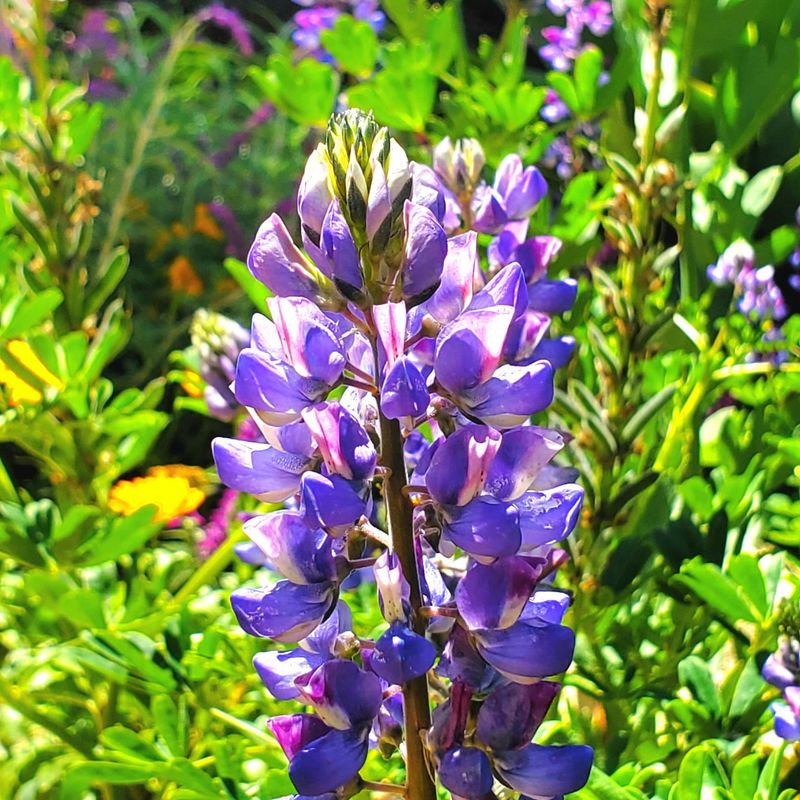
Few plants work as quietly and effectively underground as Wild Lupine does. Native to Michigan, this cheerful perennial thrives in sunny, sandy, well-drained soil where many other plants simply refuse to grow.
Its purple-blue flower spikes rise up in late spring, drawing in bumblebees and other native pollinators that gardeners in Michigan love to support.
Wild Lupine belongs to the legume family, which means it can partner with special soil bacteria called rhizobia to fix nitrogen from the air and release it into the ground. Over time, this process quietly improves soil fertility without any bags of fertilizer needed.
Sandy native plantings and dry pollinator gardens benefit the most from having Wild Lupine growing among them.
Planting Wild Lupine is straightforward. Choose a spot with full sun and sandy or gravelly, well-drained soil.
Water it regularly during the first growing season to help roots establish, then back off since this plant handles dry spells well once it settles in. Rich, wet clay soil is the wrong environment and will cause roots to struggle and rot.
Keep it lean, keep it sunny, and Wild Lupine will reward your garden with color, pollinators, and better soil year after year.
2. Round Headed Bush Clover (Lespedeza capitata) Builds Poor Soil Naturally
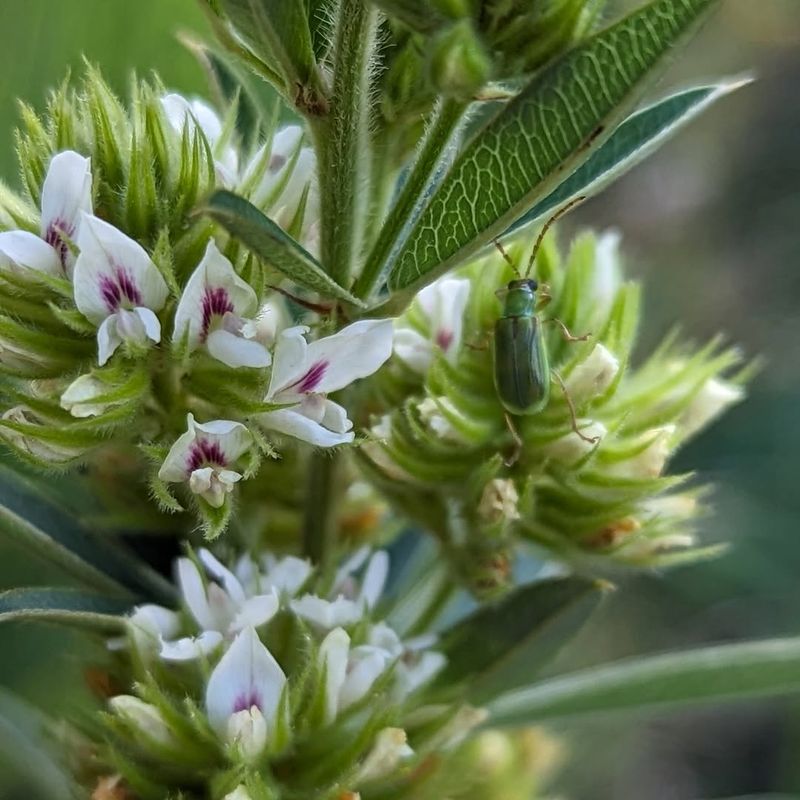
Round Headed Bush Clover is one of those quiet workhorses of the Michigan native plant world. It grows in poor, dry, sunny soil where gardeners might otherwise give up, and while it grows, it actually improves the ground beneath it.
As a native legume, it forms a partnership with soil bacteria that pulls nitrogen from the air and deposits it right where plant roots can use it.
Beyond its soil-building talent, this plant earns its place in any prairie-style garden through late summer blooms and serious wildlife value. Songbirds feed on the seeds well into winter, and native bees visit the flowers regularly.
Its deep roots anchor soil on slopes and in dry beds where erosion can become a problem after heavy rains.
Growing Round Headed Bush Clover is refreshingly low maintenance. Give it full sun and dry to average, well-drained soil, and it will handle the rest with very little help from you.
Your Michigan Garden Changes Every Week. Your Plan Should Too.
Gardening in Michigan changes quickly throughout the season. Every Friday you’ll receive a simple weekly plan showing exactly what to plant, prune, fertilize, harvest, and protect so you never miss the right timing.
Avoid planting it in wet, heavy clay since poor drainage causes root problems quickly. Once established, this tough native thrives without extra watering, feeding, or fussing.
It fits naturally into low-maintenance native beds and meadow-style plantings, rewarding gardeners with beauty, wildlife habitat, and healthier soil from one season to the next.
3. Showy Tick Trefoil (Desmodium canadense) Adds Nitrogen And Pollinator Value
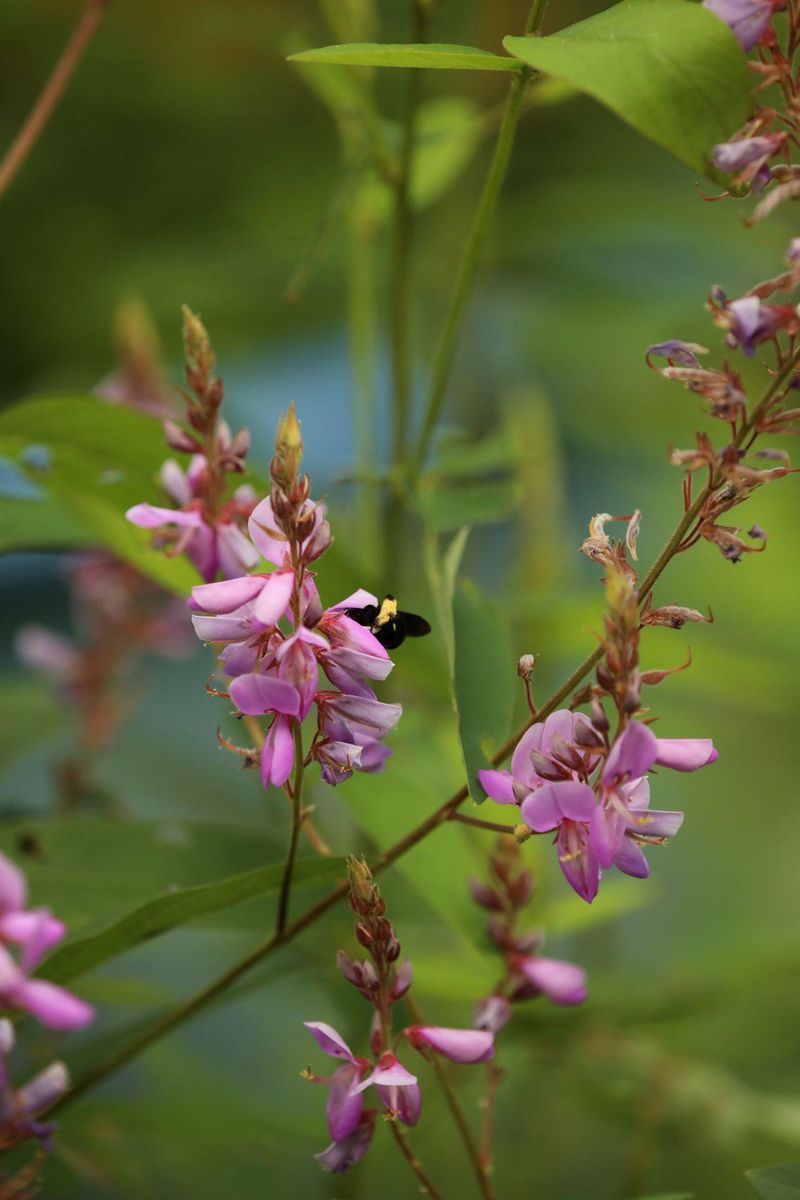
Showy Tick Trefoil brings a double benefit to native gardens that most gardeners do not expect from a single plant.
Its pink-purple flower clusters bloom through summer and attract an impressive variety of native bees, especially long-tongued species that rely on flowers with deeper structures.
While those pollinators are busy overhead, the roots are quietly doing something equally valuable underground.
As a native legume, Showy Tick Trefoil works with soil bacteria to fix atmospheric nitrogen and release it into the surrounding soil. Over several growing seasons, this process noticeably improves fertility in sunny to partly sunny native plantings across Michigan.
It grows well in average to dry, well-drained soil and handles a bit of light shade, making it more flexible than many other legumes in the native plant toolkit.
When planning placement, give this plant room to spread and keep it away from walkways and clothing-friendly areas. Its seed pods are covered in small sticky hairs that cling to fabric and fur, which is how the plant naturally spreads its seeds.
Space plants about two to three feet apart in informal native borders or meadow-style beds.
The sticky pods are a minor inconvenience compared to the nitrogen boost, pollinator traffic, and natural beauty this native brings to the garden through the entire growing season.
4. New Jersey Tea (Ceanothus americanus) Strengthens Dry Garden Soil
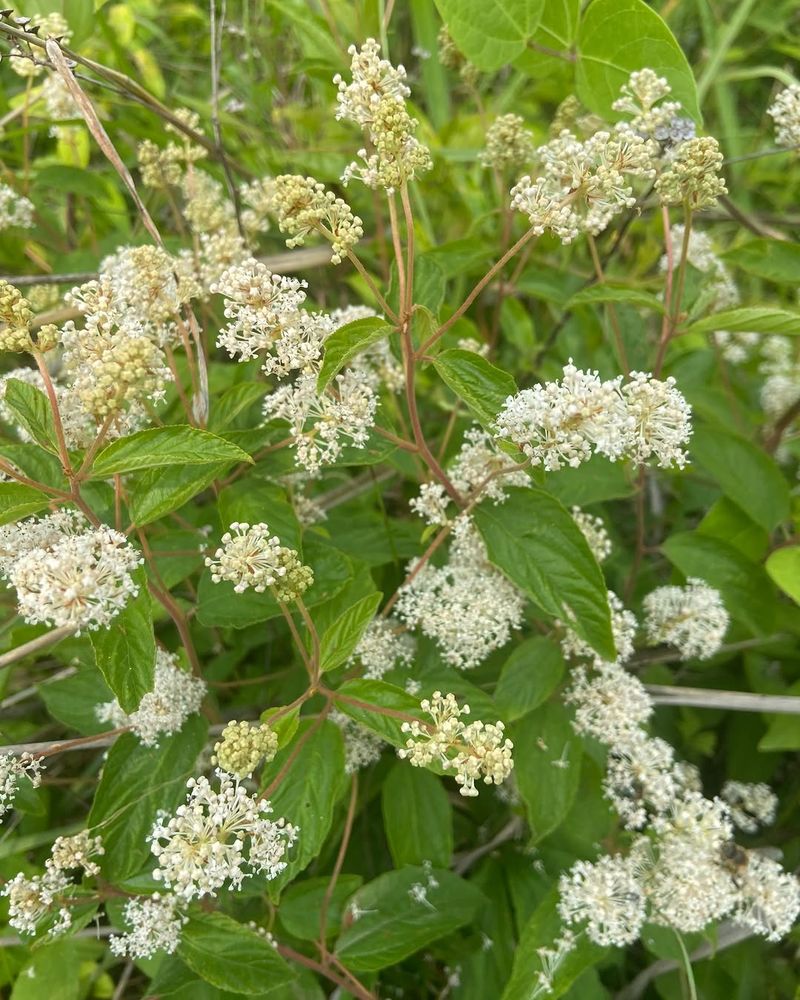
New Jersey Tea has a fascinating history. During the American Revolution, colonists brewed its leaves as a tea substitute, but gardeners today value it for something far more practical.
This compact native shrub fixes nitrogen through a root relationship with soil-dwelling organisms called actinomycetes, quietly building fertility in dry, sunny garden spaces where soil improvement is most needed.
The white flower clusters appear in early summer and buzz with native bee activity for weeks. Butterflies and other beneficial insects visit regularly, making this shrub a strong choice for pollinator-focused gardens.
Its deep taproot helps it survive drought conditions once established, and that same deep root system anchors soil on dry slopes and in native borders where erosion can be a seasonal concern.
Planting success with New Jersey Tea comes down to one key rule: drainage matters above everything else. Choose a site with full sun and well-drained, sandy or rocky soil.
Water consistently through the first full growing season to help the taproot get established, then reduce watering since this shrub strongly prefers drier conditions. Soggy clay soil causes root stress and decline, so avoid low spots and heavy soils entirely.
Once rooted in the right garden location, New Jersey Tea rewards you with flowers, pollinators, and steadily improving soil fertility for many years ahead.
5. Little Bluestem (Schizachyrium scoparium) Improves Soil With Deep Roots
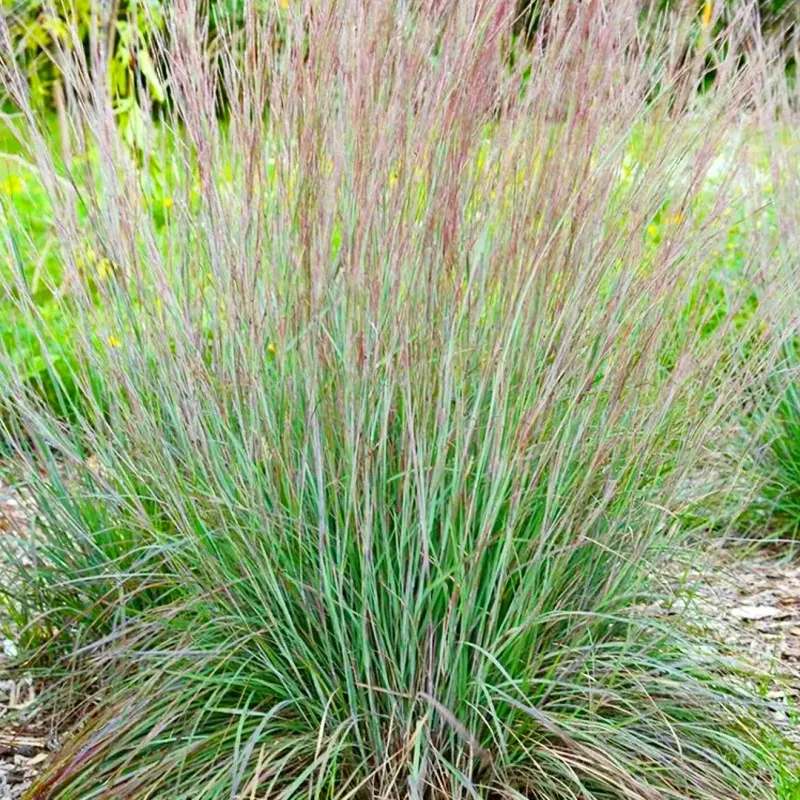
Little Bluestem is one of the most rewarding native grasses a gardener can grow, and its real magic happens below the surface.
This compact prairie grass sends roots several feet deep into the soil, improving water movement and preventing compaction in sandy and average soils across the state.
Those deep fibrous roots also add organic matter as they naturally renew over time, steadily building a richer, more structured soil environment.
Above ground, Little Bluestem puts on a seasonal show that few grasses can match. Summer foliage comes in a distinctive blue-green color that shifts to warm copper and rust tones by fall, and the fluffy seed heads catch morning light beautifully.
Birds, especially juncos and sparrows, feed on the seeds through winter, making this grass valuable for wildlife gardens beyond just the growing season.
Plant Little Bluestem in full sun with dry to average, well-drained soil and space plants about eighteen inches apart to allow good air circulation. Cut the clumps back to about four inches in early spring before new growth begins.
One important tip: skip the fertilizer entirely. Rich soil and added nutrients actually make this grass flop and weaken over time.
Lean, sunny conditions bring out its best color, strongest structure, and deepest root growth, which is exactly what your garden soil needs most.
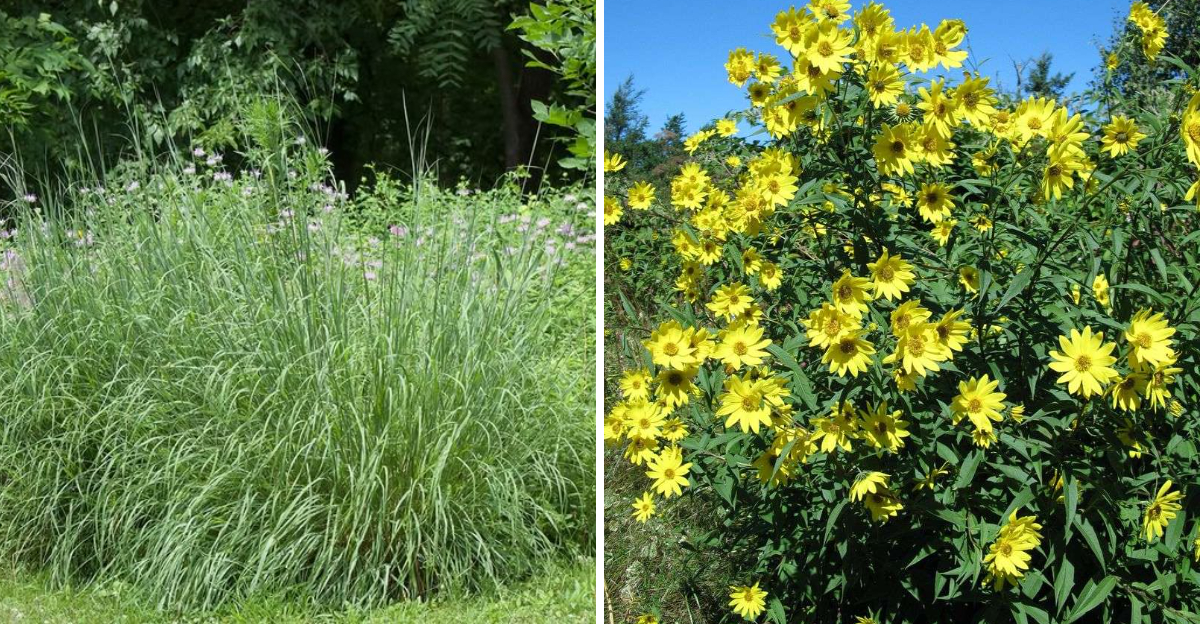
6. Switchgrass (Panicum virgatum) Holds Soil In Place
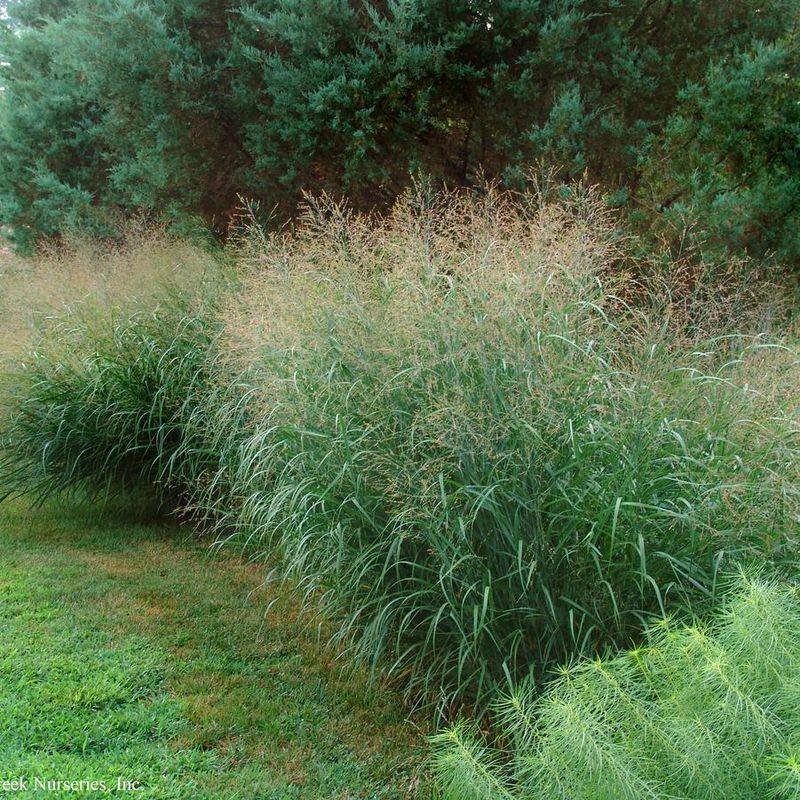
Switchgrass is built for Michigan weather, and that is exactly why gardeners across the state rely on it.
This native prairie grass develops a powerful, fibrous root system that reaches deep into the soil, holding it firmly in place during heavy rains and reducing erosion on slopes and in rain gardens.
Its roots also improve soil structure by creating channels that allow water to move more efficiently through the ground.
One of the most practical things about Switchgrass is how well it handles changing moisture conditions. It performs well in sunny rain gardens that fill with water temporarily and drain out, and it handles dry stretches between rains without any drama.
The airy seed heads that appear in late summer move beautifully in the breeze and feed birds through fall and winter, adding wildlife value that extends well beyond the blooming season.
When planting Switchgrass in Michigan, choose a full sun location with enough room for the plant to reach its mature size, which can range from three to six feet tall depending on the variety. Space plants at least three feet apart to give roots adequate room to develop.
Water regularly during the first growing season, then let the plant manage moisture on its own. Cut stems back to about four to six inches in early spring before fresh growth emerges, and avoid crowding this grass into tight spots where it cannot spread naturally.
7. Big Bluestem (Andropogon gerardii) Builds Soil In Sunny Native Plantings
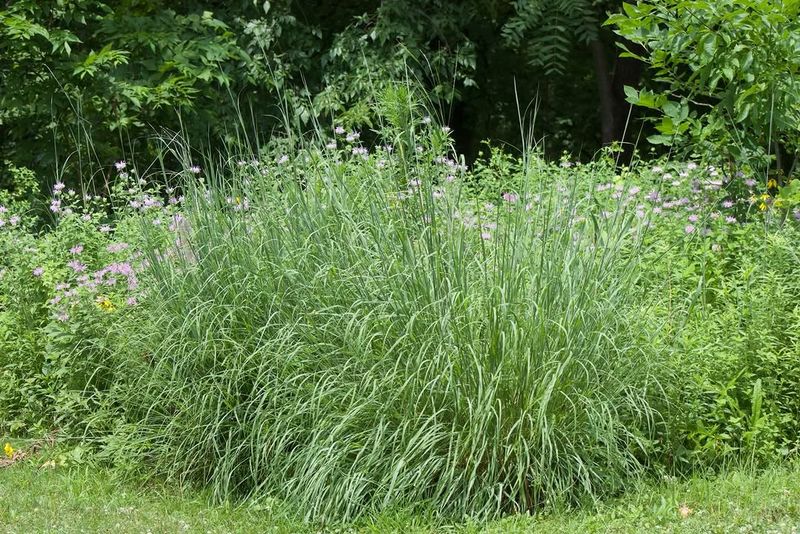
Big Bluestem earned the nickname the monarch of the prairie for good reason. This tall native grass once covered vast stretches of the Midwest.
Its deep root system, which can reach six feet or more underground, is largely responsible for the rich, dark prairie soils that made Michigan and surrounding states so agriculturally productive.
Growing Big Bluestem in your garden means inviting that same soil-building power into your own backyard.
Those deep roots improve soil structure, support moisture movement during both wet and dry periods, and steadily add organic matter as the planting matures season after season.
Above ground, the distinctive turkey-foot seed heads appear in late summer and provide food for birds through fall.
The foliage shifts to stunning shades of red, copper, and burgundy as temperatures drop, making this grass one of the most visually rewarding natives in the garden.
Big Bluestem belongs in larger native beds and meadow-style plantings where it has room to grow to its full four to seven foot height without crowding smaller neighbors. Full sun is essential since shady spots cause weak, floppy growth.
Space plants about two to three feet apart and skip the fertilizer entirely. Rich soil causes this grass to fall over and lose its upright structure.
Lean, sunny conditions bring out its strength, color, and deep root growth, which is exactly the combination that builds better garden soil over time.
8. Cup Plant (Silphium perfoliatum) Can Pull Hard From Small Garden Beds
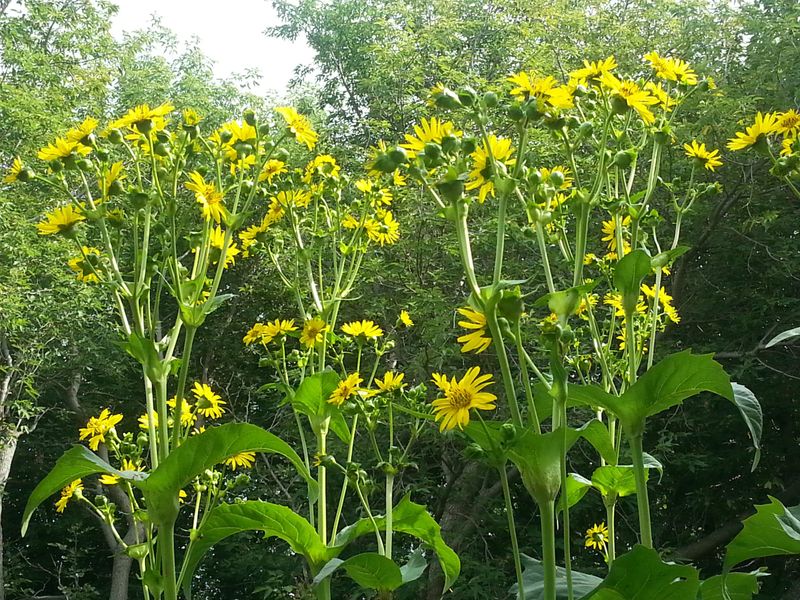
Cup Plant is genuinely impressive, but it needs space and soil support that small garden beds often cannot provide.
This Michigan native perennial grows six to eight feet tall, produces large rough leaves that form water-holding cups at the stem, and blooms with cheerful yellow flowers through summer.
Goldfinches and other birds love the seeds, and bees flock to the blooms, making it a star of the wildlife garden world.
The challenge is that Cup Plant is a vigorous, high-demand plant. Its large size, fast growth rate, and extensive root system pull significant moisture and nutrients from the surrounding soil.
In a small mixed border, nearby plants can struggle to compete and may show signs of stress as the season progresses. Without compost additions and enough physical space, Cup Plant can gradually wear out the soil and crowd out less aggressive neighbors.
The best strategy for gardeners is to place Cup Plant in a moist, spacious native planting or along a pond edge where it has plenty of room to grow without competing against smaller perennials.
Amend the soil with compost at planting time and top-dress annually to keep nutrient levels steady.
Give each plant at least four feet of space in every direction. When Cup Plant has the right conditions, it rewards your garden with spectacular height, nonstop pollinator activity, and beautiful late-season bird feeding that makes the extra planning completely worthwhile.
9. Common Sunflower (Helianthus annuus) Uses A Lot Of Nutrients Fast
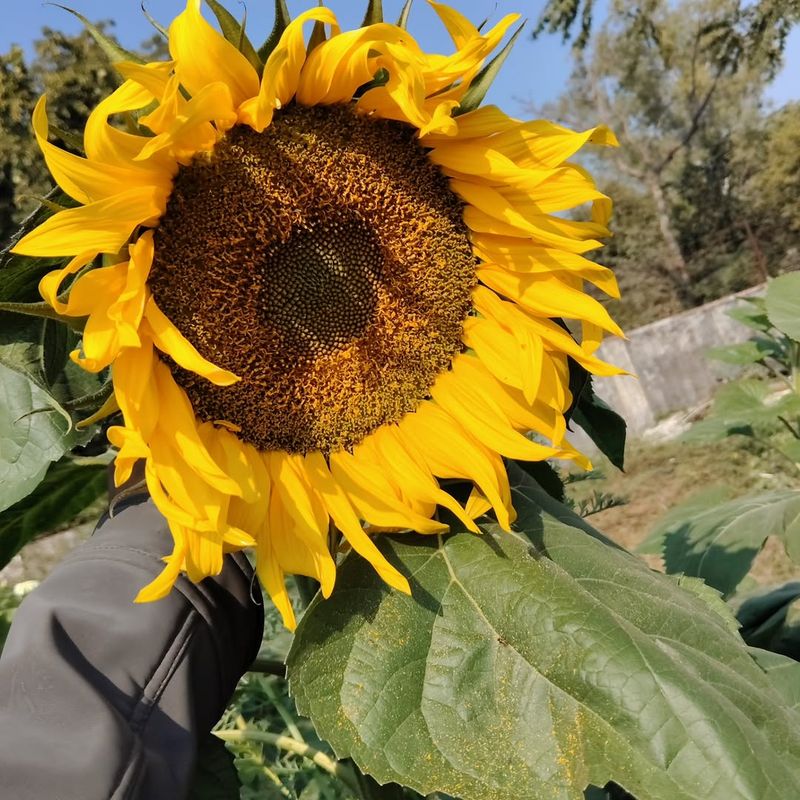
Common Sunflower is one of the most recognizable plants in any Michigan garden, and its energy and speed are genuinely remarkable.
This native annual grows from seed to six or even ten feet tall in a single season, producing massive stems, enormous leaves, and bold yellow flowers that face the sun from morning to evening.
That kind of rapid, dramatic growth comes at a cost, and that cost is paid directly by the soil.
Sunflowers are heavy feeders. They pull nitrogen, phosphorus, and potassium from the soil at a faster rate than most other garden plants, and when you grow them in the same spot year after year, the bed gradually becomes less productive.
Nutrient depletion shows up as smaller plants, fewer flowers, and weaker stems in subsequent seasons. Michigan gardeners who grow sunflowers regularly often notice the difference within just two or three growing seasons.
The solution is simple and effective. Rotate sunflowers to a different bed location each year rather than returning them to the same spot.
After the growing season, work several inches of finished compost into the soil to replenish what the plants used.
Space sunflowers at least eighteen to twenty-four inches apart to reduce competition between plants, and water deeply once or twice per week during dry summers.
Healthy soil going into planting season means bigger blooms, stronger stems, and a more productive sunflower patch all season long.
10. Giant Sunflower (Helianthus giganteus) Needs More Room Than Most Gardeners Expect
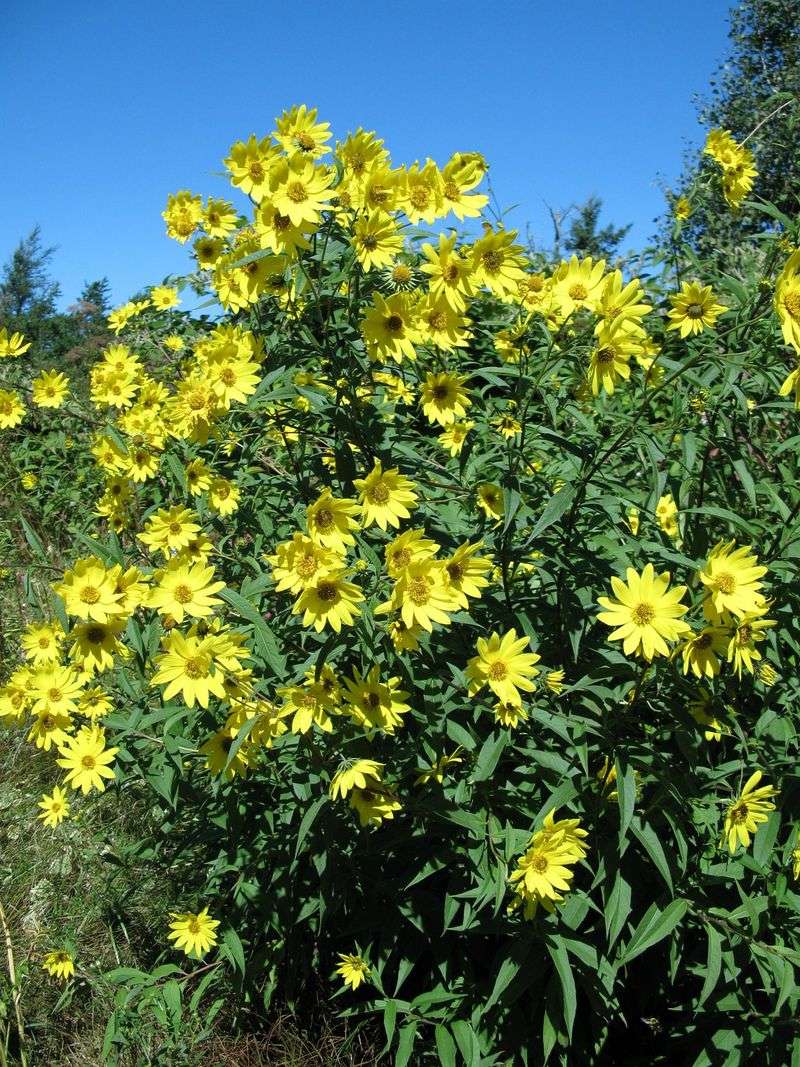
Giant Sunflower surprises most Michigan gardeners the first time they see it.
This native perennial can reach eight to ten feet tall, spreads steadily by underground rhizomes, and produces clusters of pale yellow flowers in late summer when many other plants have already finished blooming.
Native bees and butterflies visit the flowers actively, and the seeds attract birds as temperatures drop into fall across Michigan.
The challenge with Giant Sunflower is that its size, spreading habit, and steady demand for moisture and nutrients make it a poor fit for tight garden borders or small mixed beds.
When crowded with less vigorous plants, it can gradually take over available soil space and outcompete neighbors for water and nutrients.
The surrounding plants often show stress, particularly in drier summers when soil moisture is already limited and competition becomes intense.
Success with Giant Sunflower comes from choosing the right site from the start. Plant it in a larger, moist native area, along a stream edge, or in a roomy meadow-style planting where spreading is welcome rather than problematic.
Add compost to the planting area before installing and top-dress each spring to keep nutrient levels supported as the colony expands. If spread becomes too aggressive, simply dig back the rhizomes along the edges in early spring.
Given proper space and soil support, Giant Sunflower becomes one of the most dramatic and wildlife-friendly plants in any native garden.