Native Michigan Shrubs That Outperform Leyland Cypress As Privacy Screens
Leyland cypress became the go-to privacy screen for Michigan yards because it grows fast and fills space quickly.
For a while, that seems like enough. Then the problems arrive. The roots compete aggressively, the trees push past the scale of most residential lots, and they have no real relationship with the local ecosystem.
Michigan has native shrubs that do the privacy job better in almost every way that actually matters for a yard.
They grow to a scale that fits the space, support local birds and insects, and hold their structure through Michigan winters without the maintenance headaches. A few of them are genuinely beautiful through multiple seasons.
Fast growth gets a lot of attention when people are shopping for privacy, but it is rarely the quality that matters most five years in.
1. Ninebark
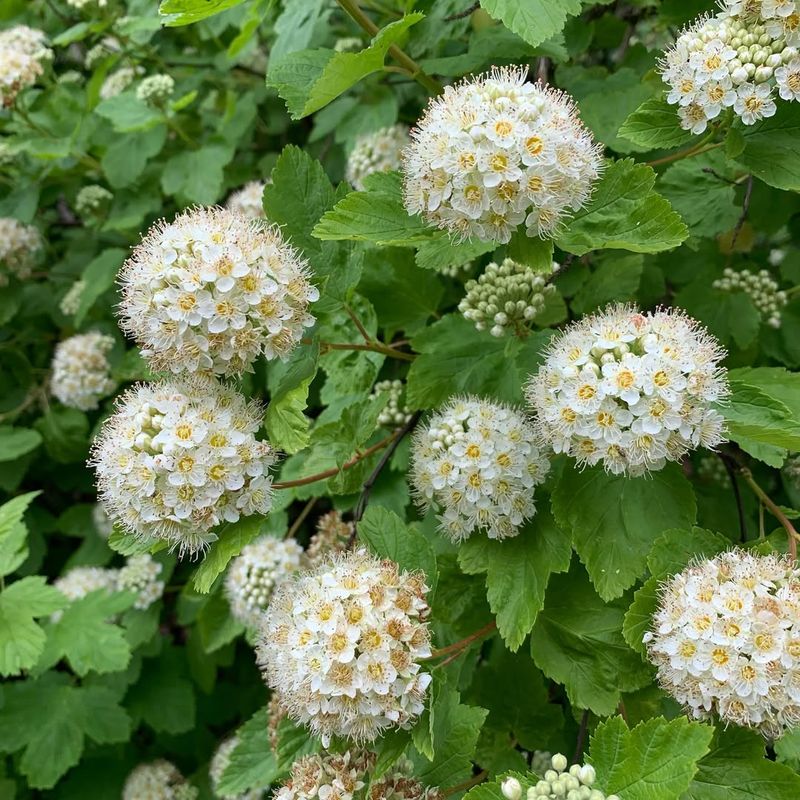
Few native shrubs match the toughness of Ninebark, known botanically as Physocarpus opulifolius.
This plant has been growing wild across Michigan for centuries, and it handles clay soil, cold winters, and summer heat without much fuss at all. When other shrubs struggle, Ninebark just keeps growing.
Its arching branches create a full, layered look that works beautifully as an informal privacy screen.
In late spring, clusters of small white flowers cover the plant and attract bees, butterflies, and other pollinators. Once the blooms fade, reddish seed clusters take their place, adding color well into fall.
One of Ninebark’s most interesting features is its peeling, cinnamon-colored bark, which adds real visual interest during winter when most other plants look bare.
It typically grows eight to ten feet tall and wide, making it a solid choice for blocking sightlines along a property edge. You can also prune it back hard in early spring and it bounces back quickly.
In a mixed native hedge, Ninebark pairs well with native viburnums and dogwoods to create a layered, wildlife-friendly screen.
Plant it in full sun to part shade, about four to five feet apart for a dense hedge effect. It thrives in average to poor soils, making it one of Michigan’s most reliable native privacy shrubs.
2. Red Osier Dogwood
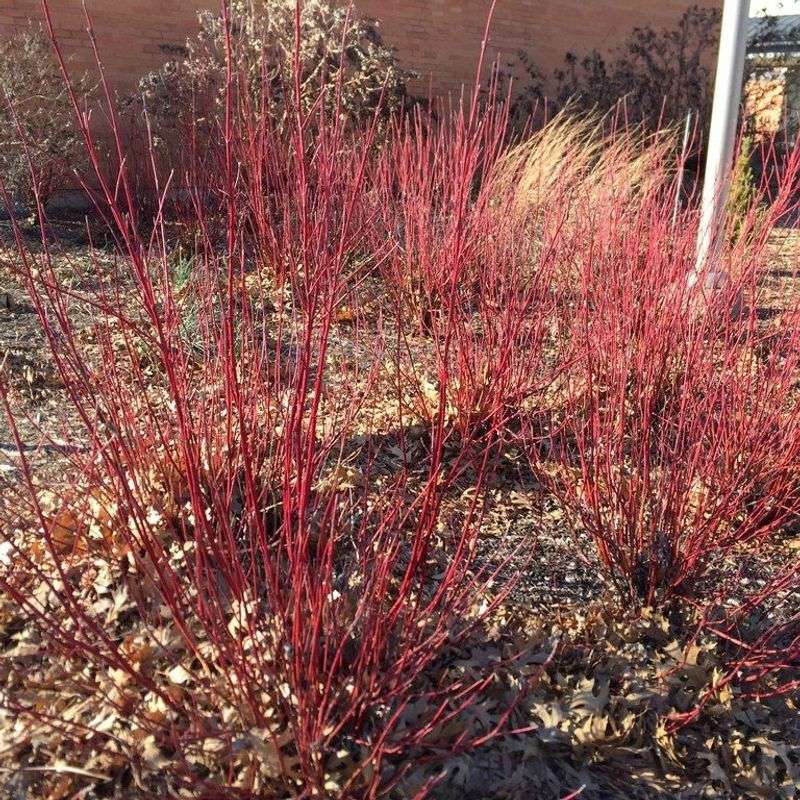
Bright red stems glowing against a snowy Michigan winter is one of the most striking sights a yard can offer, and Red Osier Dogwood delivers that every single year.
Known scientifically as Cornus sericea, this native shrub is built for the conditions that challenge most privacy plantings, including wet soil, standing water, and brutal cold.
Where Leyland Cypress struggles in poorly drained areas, Red Osier Dogwood genuinely thrives.
It spreads by underground stems to form dense, multi-stem thickets that block views naturally and effectively.
That spreading habit is something to plan for, so give it room or place it in a naturalized border where it can fill in freely.
In late spring, flat-topped clusters of small white flowers appear and bring in a surprising number of pollinators. By late summer, clusters of white berries ripen and birds flock to them enthusiastically.
The wildlife value of this shrub is hard to overstate, especially for migrating birds moving through Michigan in fall.
Your Michigan Garden Changes Every Week. Your Plan Should Too.
Gardening in Michigan changes quickly throughout the season. Every Friday you’ll receive a simple weekly plan showing exactly what to plant, prune, fertilize, harvest, and protect so you never miss the right timing.
For pruning, cutting about one-third of the oldest stems down to the ground each spring keeps the plant vigorous and maintains the brightest stem color on younger growth.
Red Osier Dogwood grows six to eight feet tall and can spread just as wide. Plant it in full sun to part shade, spaced four to five feet apart for a lush, living screen that earns its place every season.
3. Gray Dogwood
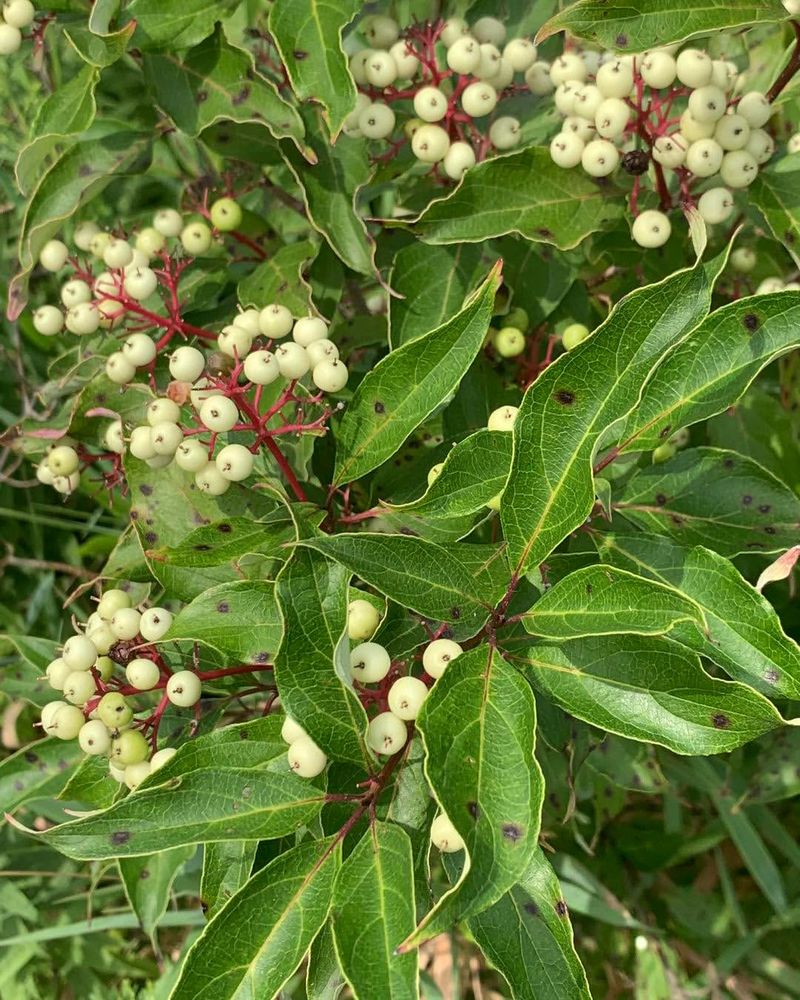
Gray Dogwood might not be the showiest shrub on this list, but it is one of the hardest working.
Cornus racemosa grows in dense, suckering thickets that fill in property edges, slopes, and naturalized borders with remarkable efficiency.
If you have a challenging spot where other plants have given up, this native shrub is likely to succeed.
It tolerates a wide range of soils, including clay, sandy ground, and dry slopes, which makes it far more adaptable than Leyland Cypress in typical Michigan conditions.
Full sun brings out the best growth, but Gray Dogwood handles part shade quite well too. That flexibility makes it useful in spots that receive uneven light throughout the day.
In early summer, clusters of small white flowers attract native bees and butterflies. By late summer, the white berries ripen on striking reddish-pink stems, and birds start arriving almost immediately.
More than 40 species of birds are known to feed on the berries, which makes this shrub a genuine wildlife magnet in any yard.
Fall color ranges from burgundy to purple, adding one more reason to appreciate it as a four-season planting.
Gray Dogwood grows six to ten feet tall and spreads freely by root suckers, so plan for a wider footprint over time.
Space plants four to five feet apart for a dense screen, and mow around the edges to manage spreading where needed.
4. Nannyberry Viburnum
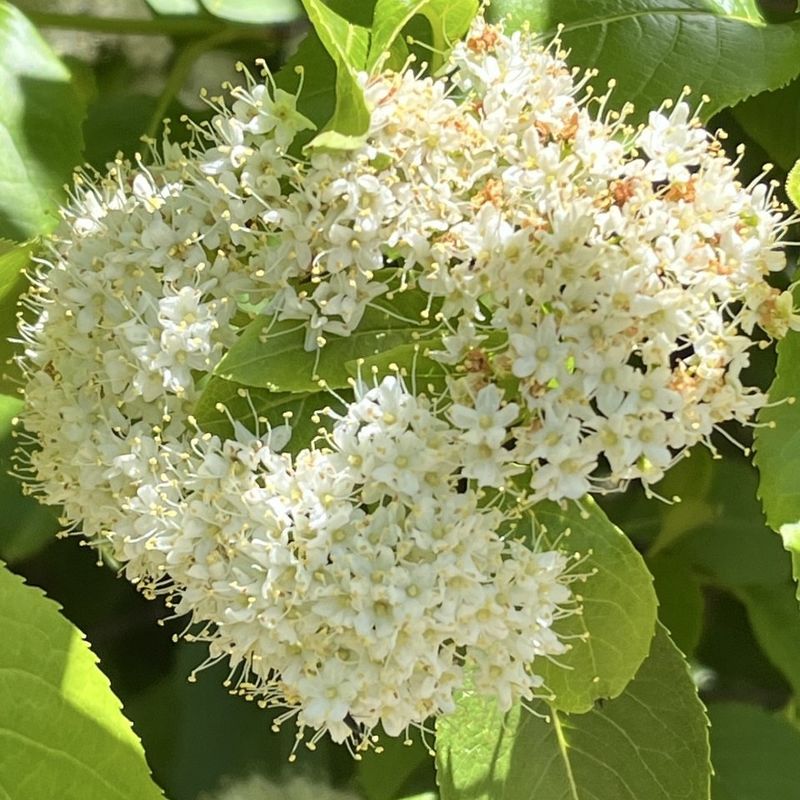
Nannyberry Viburnum is the kind of native shrub that makes you wonder why it is not in every Michigan yard.
Viburnum lentago grows tall, fills in densely, and handles cold winters, part shade, and a wide variety of soil types without much complaint.
It is a reliable, long-lived privacy plant that rewards patient gardeners with something genuinely beautiful.
Mature plants reach 15 to 18 feet tall and eight to ten feet wide, creating a tall leafy screen that rivals anything a non-native planting could offer.
In late spring, large flat-topped clusters of creamy white flowers cover the plant and produce a sweet fragrance that carries across the yard. Pollinators love them, and the flowers are hard to miss.
By fall, clusters of blue-black fruit ripen and persist well into winter, providing food for cedar waxwings, robins, and other birds.
The fall foliage shifts to shades of red and purple, making Nannyberry one of the most attractive native shrubs through multiple seasons.
It earns its space in every direction. Plant Nannyberry in full sun to part shade, spaced six to eight feet apart for a hedgerow effect.
It adapts well to moist or average soils and tolerates occasional flooding better than many shrubs.
For a tall, wildlife-friendly privacy screen that grows stronger every year, Nannyberry Viburnum belongs near the top of every Michigan planting list.
5. American Hazelnut
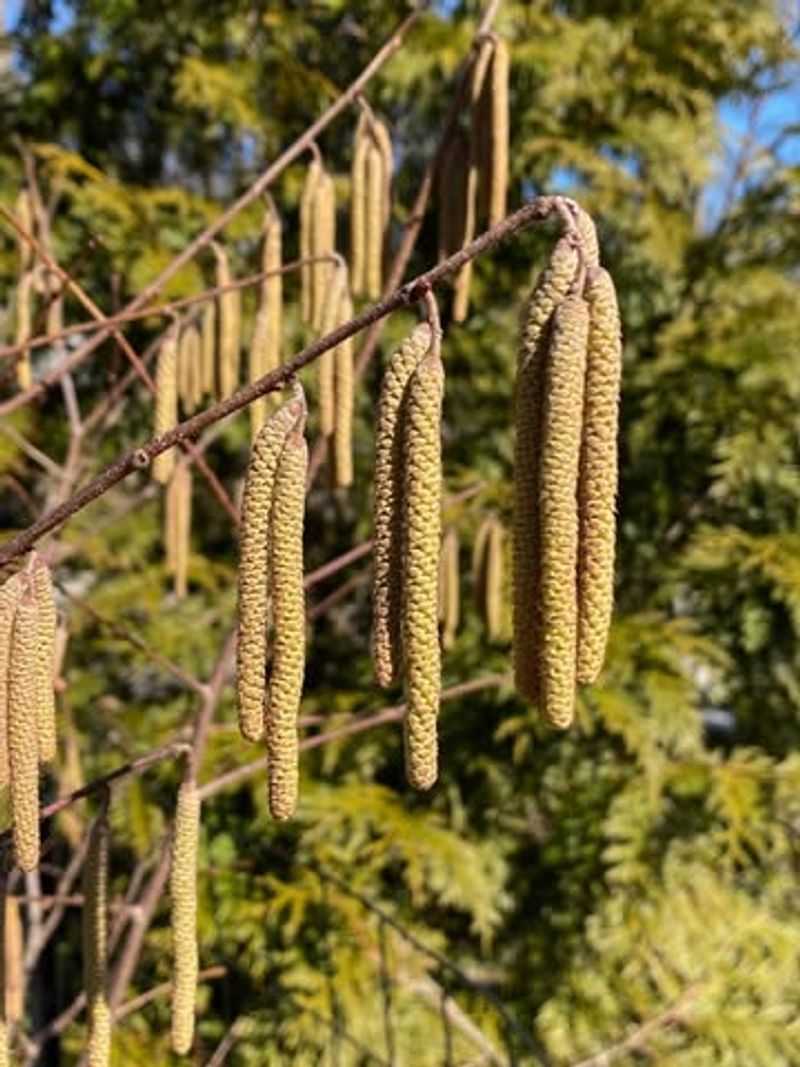
American Hazelnut brings something to a privacy screen that most shrubs cannot offer: edible nuts.
Corylus americana is a native Michigan shrub that forms dense, multi-stem clumps reaching eight to twelve feet tall, creating a natural, informal screen that works beautifully along property edges and wildlife corridors alike.
Early spring brings one of nature’s most underrated sights when long yellow catkins dangle from the bare branches before the leaves even open.
It is a subtle but charming detail that signals the season changing. Once the leaves fill in, the plant becomes a dense, rounded mass of foliage that holds its shape well through summer.
By late summer, hazelnuts ripen inside papery husks, and squirrels, turkeys, deer, and many songbirds compete for them enthusiastically.
Planting two or more shrubs nearby improves nut production significantly since cross-pollination between plants increases yield.
Even if wildlife takes most of the harvest, watching that activity makes the planting worthwhile on its own.
Fall color turns warm shades of yellow and orange, adding a final burst of interest before the leaves drop.
American Hazelnut grows well in full sun to part shade and handles clay, loam, and sandy soils with equal ease.
Prune out older stems every few years to keep growth vigorous and dense. Space plants five to six feet apart for a full, layered screen that supports wildlife while giving your yard genuine privacy.
6. Black Chokeberry
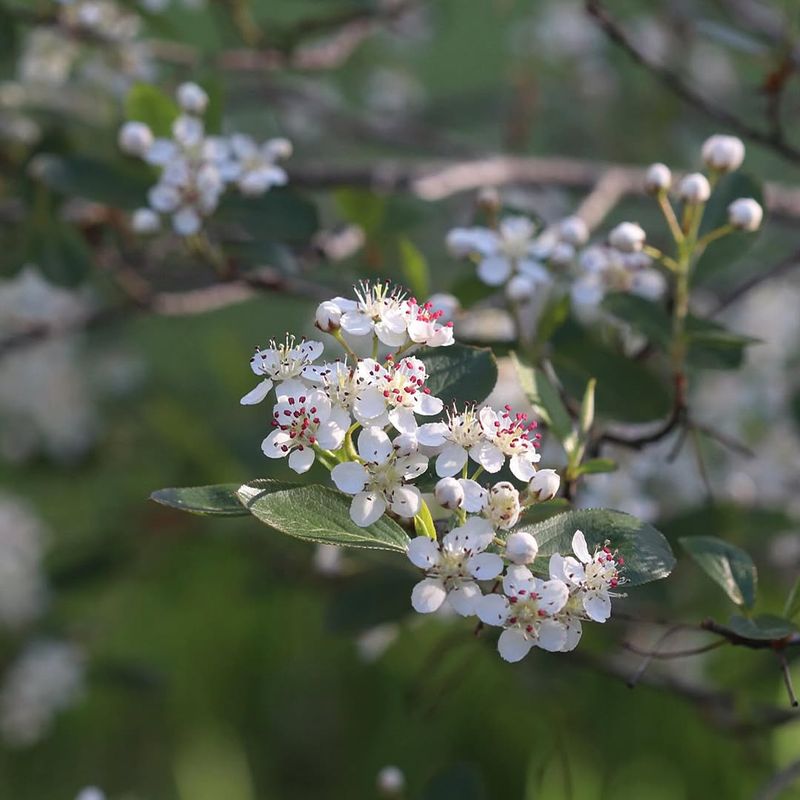
Black Chokeberry punches well above its size when it comes to four-season interest and low-maintenance performance.
Aronia melanocarpa is a compact native Michigan shrub that grows three to six feet tall, making it ideal for lower privacy screens, front-row hedges, and layered mixed plantings where taller shrubs form the backdrop.
In spring, clusters of small white flowers open with a cheerful energy that attracts early pollinators looking for a food source.
The flowers are followed by glossy green leaves that fill in densely and hold their color through summer.
For wet spots or poorly drained areas where most plants struggle, Black Chokeberry performs with almost no effort.
By late summer, clusters of dark, nearly black berries ripen and persist into fall and early winter. Birds, including cedar waxwings and bluebirds, feed on them readily.
The berries are also rich in antioxidants and have been used in jams, juices, and wellness products, so there is a human harvest option too if you want it.
Fall foliage is genuinely spectacular, turning deep scarlet and burgundy that rivals ornamental maples in intensity.
Cold winters, clay soils, and wet conditions do not slow this plant down at all. Plant Black Chokeberry in full sun to part shade, spaced three to four feet apart for a dense lower hedge.
Combined with taller native shrubs behind it, it creates a layered privacy screen that looks polished and supports Michigan wildlife beautifully.
7. Common Elderberry
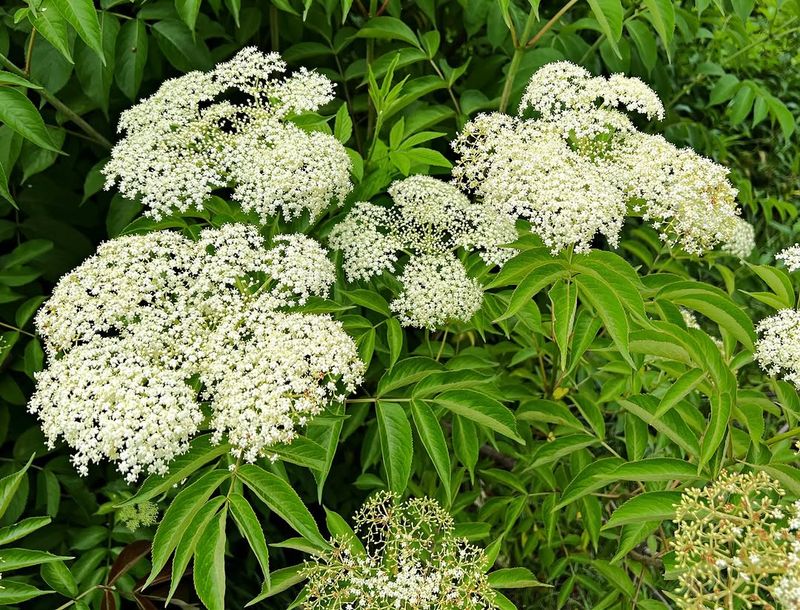
Common Elderberry grows fast, fills in wide, and produces more wildlife food than almost any other native shrub in Michigan.
Sambucus canadensis can reach eight to twelve feet tall within just a few growing seasons, making it one of the quickest ways to establish a natural privacy screen along a moist property edge or naturalized border.
The flower show alone is worth planting it. Massive flat-topped clusters of tiny white flowers open in early summer, covering the plant in a frothy display that attracts dozens of pollinator species.
Native bees, butterflies, and beneficial insects visit heavily, and the plant becomes a buzzing hub of activity during peak bloom.
By late summer, those flower clusters transform into heavy drooping bunches of dark purple-black berries that birds find irresistible.
Robins, catbirds, orioles, and woodpeckers are among the many species that feed on elderberries.
People use the berries for syrups, jams, and wellness recipes, so the harvest potential extends well beyond the wildlife garden.
Elderberry spreads by root suckers and benefits from annual pruning to keep growth tidy and productive.
Cut stems back hard in early spring every year or two to encourage vigorous new growth and better berry production. It prefers moist, fertile soil and grows well in full sun to part shade.
Space plants five to six feet apart in a mixed native hedge for a lush, productive, wildlife-friendly screen that earns its place every single season.
8. Blackhaw Viburnum
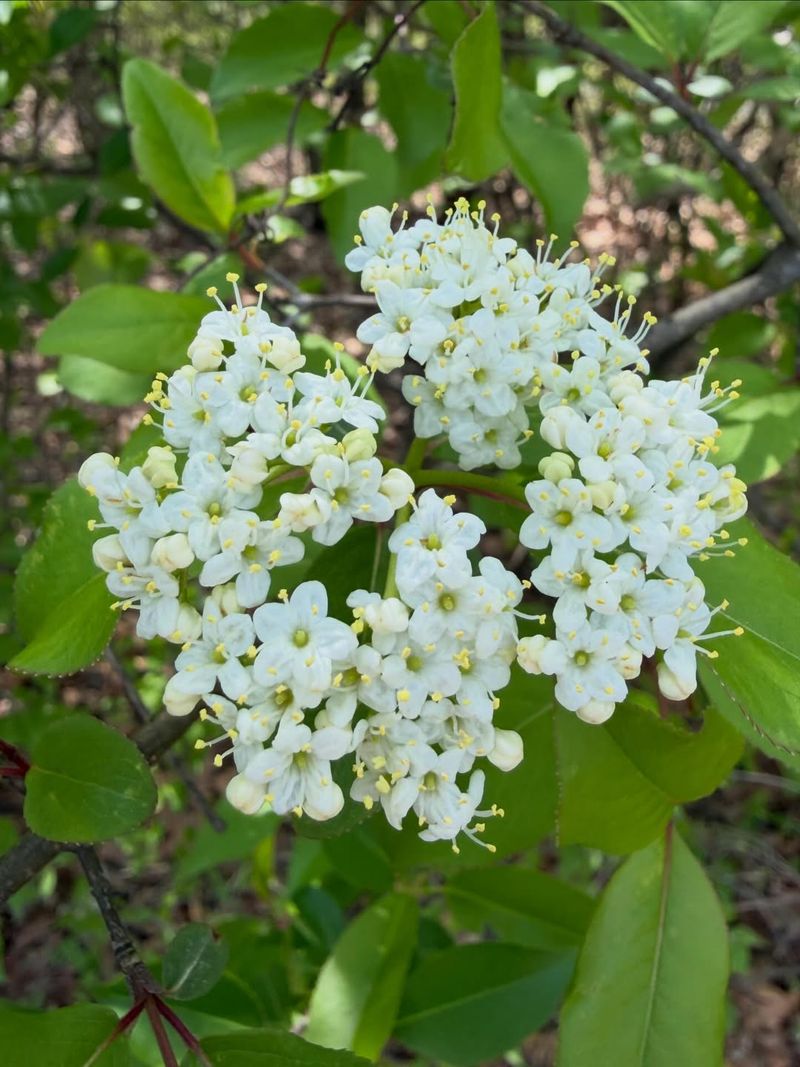
Blackhaw Viburnum is the kind of plant that landscape designers reach for when they want a tall, graceful privacy screen with genuine staying power.
Viburnum prunifolium grows naturally as a large shrub or small tree, often reaching twelve to fifteen feet tall and eight to twelve feet wide, giving it serious presence in any yard or property edge planting.
Spring brings flat-topped clusters of white flowers that open just as the leaves are emerging, creating a soft, layered display against the still-waking landscape.
The flowers attract native bees and early butterflies reliably each year. After bloom, the glossy dark green leaves fill in and hold their color through summer, creating a dense visual barrier that works from multiple angles.
By fall, clusters of blue-black fruit ripen and provide an important food source for migrating birds passing through Michigan.
The fall foliage shifts to shades of burgundy, red, and orange, making Blackhaw one of the most visually rewarding native shrubs through the final weeks of the growing season.
Even in winter, the dark fruit persists and continues feeding birds. Part shade tolerance sets this viburnum apart from many privacy shrubs, making it ideal for woodland edges and spots that receive only four to six hours of direct sun.
It adapts well to clay soils and handles Michigan winters without any protection. Space plants six to eight feet apart for a layered hedgerow effect, and pair it with shorter native shrubs in front for a full, naturalistic privacy screen.