Michigan Shrubs That Are Becoming Illegal To Plant
Several popular landscaping shrubs are on their way to becoming illegal to sell or plant in Michigan.
The state has moved to restrict species like common buckthorn, glossy buckthorn, and Japanese barberry due to the ecological harm they cause, with these new rules set to take effect starting in 2028.
These shrubs may look attractive in a yard, but they spread aggressively into natural areas and crowd out native plants.
Japanese barberry even provides shelter for ticks that carry Lyme disease, which is part of why state agriculture officials took action after years of environmental concern.
For Michigan gardeners who currently have these shrubs, or are considering adding them to a landscape, the coming changes are worth knowing about now rather than later. Here’s a look at which shrubs are becoming restricted and what to consider planting instead.
Japanese Barberry
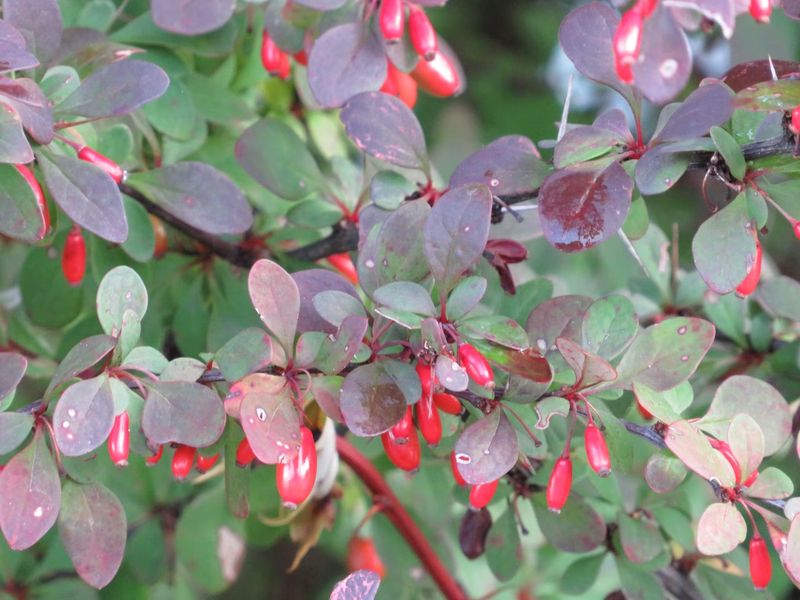
Gardeners once loved Japanese barberry for its bright red leaves and neat, rounded shape. Its ability to grow almost anywhere made it a nursery favorite for decades.
That same toughness is exactly the problem. Michigan added Japanese barberry (Berberis thunbergii) to its restricted invasive species list because it escapes yards and takes over forests and natural areas.
Birds eat the small red berries and spread the seeds far and wide, allowing thick patches to crowd out native plants.
Spotting it is fairly easy. Look for a low, mounded shrub with small oval leaves, sharp single spines along the stems, and tiny red berries that hang on through fall and winter. The wood underneath the bark often shows a yellow color.
Here is the part that matters most for planning. Selling and growing Japanese barberry stay legal during 2026 and 2027, so you will not get in trouble for a plant already in your yard right now. That gives you plenty of time to adjust.
Everything shifts on January 1, 2028. On that date the restriction fully takes effect, meaning stores can no longer sell it and gardeners are expected to stop planting new ones.
If you already have this shrub, use the time before 2028 to think about replacements. Choosing a native plant that offers similar color and structure can keep your garden looking sharp while helping local wildlife.
Understanding the timeline now means no surprises later, and a little planning goes a long way.
Common Buckthorn
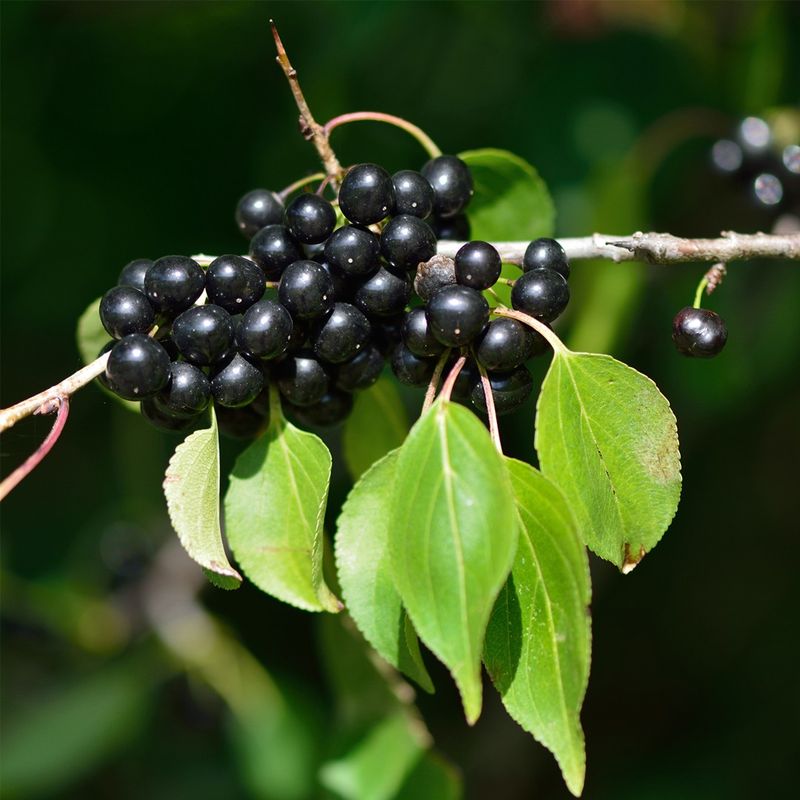
Few plants can take over a woodland as quickly as common buckthorn. What starts as one shrub can turn into a thick wall of green in just a few years.
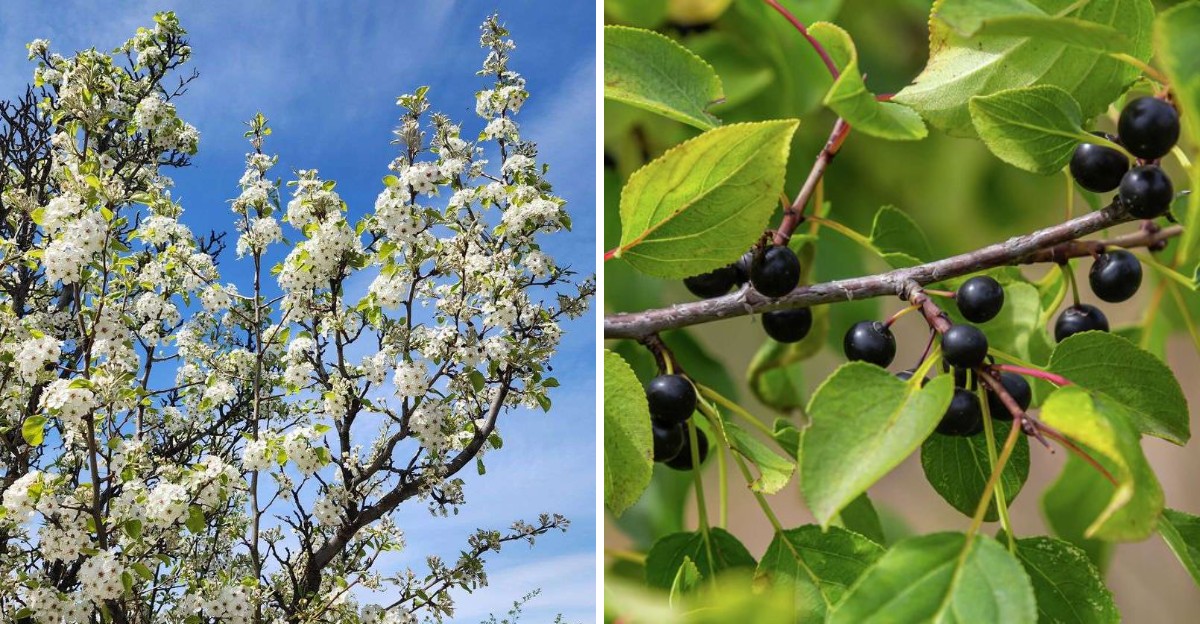
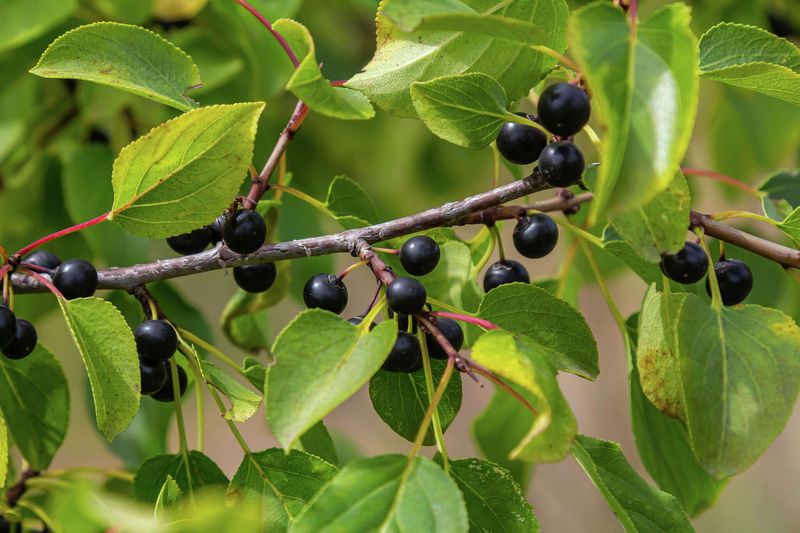
Michigan placed common buckthorn (Rhamnus cathartica) on its restricted list because of how aggressively it spreads. Its dark berries are loaded with seeds, and hungry birds carry them into parks, forests, and fields.
Once it settles in, it shades out the smaller native plants that wildlife depends on.
Identifying it takes a careful eye. The leaves are dark green, oval, and often stay green late into fall after other plants have turned color.
The branches usually end in a short, sharp thorn, and the bark shows orange when scratched.
Your Michigan Garden Changes Every Week. Your Plan Should Too.
Gardening in Michigan changes quickly throughout the season. Every Friday you’ll receive a simple weekly plan showing exactly what to plant, prune, fertilize, harvest, and protect so you never miss the right timing.
The good news is that the rules do not change overnight. Throughout 2026 and 2027, this shrub can still be sold and grown, so there is no reason to panic if you spot one in your yard today.
Mark your calendar for January 1, 2028. After that date, selling and planting new Callery pears will no longer be allowed anywhere in the state.
Because it spreads so easily, many gardeners choose to remove it early rather than wait. If you decide to do that, replacing it with a berry-producing native shrub keeps birds fed without helping an invader.
Getting ahead of the change means your landscape stays healthy and welcoming for the plants and animals that truly belong here.
Glossy Buckthorn
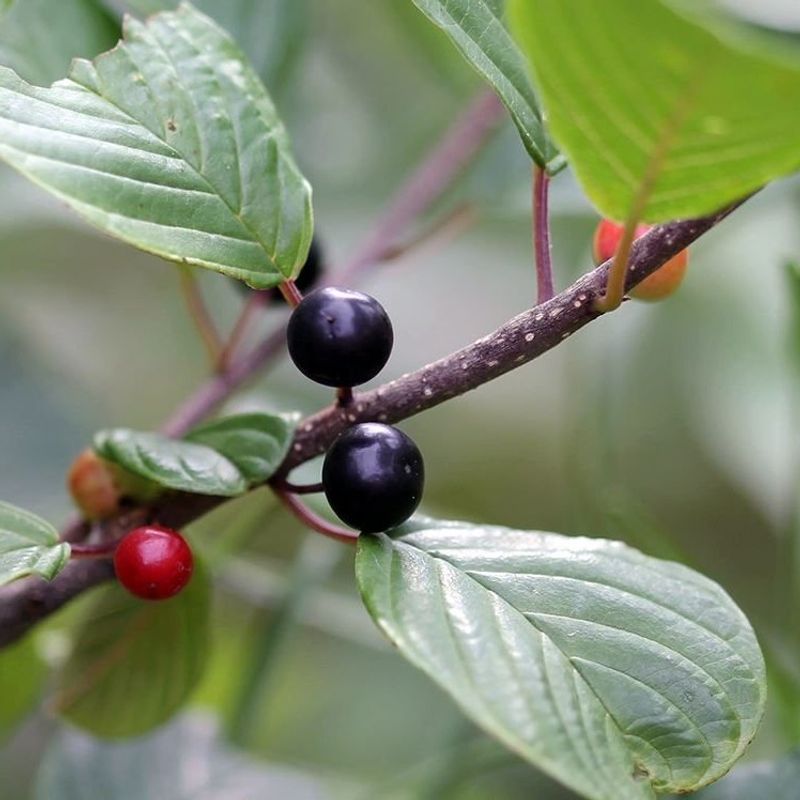
Shiny leaves and quick growth made glossy buckthorn seem like a dream hedge plant years ago. Today it is one of the shrubs Michigan wants gardeners to move away from.
Glossy buckthorn (Frangula alnus, once called Rhamnus frangula) earned a spot on the restricted list because it spreads with surprising speed. Its berries ripen from red to a deep color, and they hold plenty of seeds that birds scatter across wetlands and damp woods.
In those wet spots it grows into dense thickets that push out native plants.
You can recognize it by its glossy, oval leaves with smooth edges and its clusters of berries that show different colors at the same time. Unlike common buckthorn, its branches usually do not have thorns.
Timing is everything with the new rule. During 2026 and 2027, glossy buckthorn is still allowed to be sold and grown, so an existing plant in your yard breaks no laws right now.
The change arrives on January 1, 2028. From that point forward, nurseries cannot sell it, and gardeners should not add it to their landscapes.
Since this shrub loves moist ground, it can be tricky to control once established. Removing young plants while they are small is far easier than tackling a full thicket later.
Planning your replacements before the deadline lets you keep any wet or shady corners of your yard looking lush with plants that support Michigan’s natural areas instead of harming them.
Callery Pear
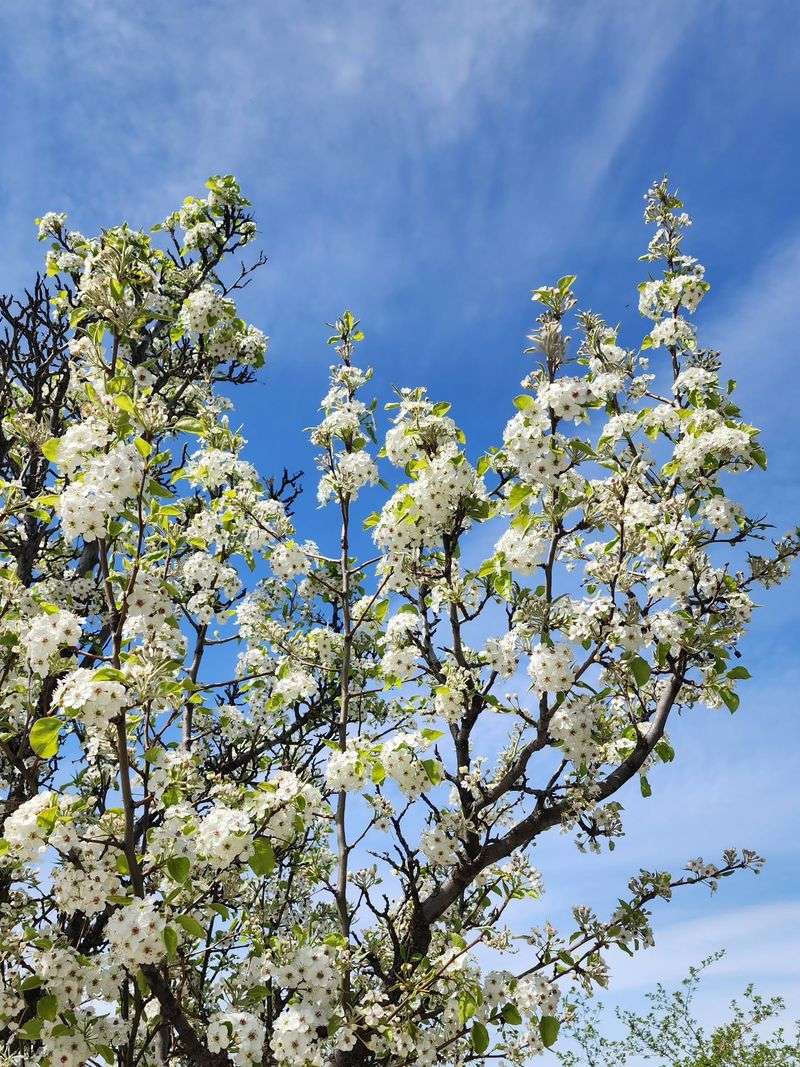
Every spring, Callery pear covers itself in clouds of white flowers that once made it a top pick for streets and yards. Behind that pretty show hides a real problem for Michigan’s wild spaces.
Callery pear (Pyrus calleryana) joined the restricted species list because it does not stay where it is planted. Different varieties cross-pollinate and produce small fruits packed with seeds, and birds carry those seeds into fields and forest edges.
There, thorny wild pears form dense stands that crowd out native trees and shrubs. Recognizing it is easiest in spring. Watch for a tree covered in white blossoms, glossy green leaves with slightly wavy edges, and a shape that often looks like a tall teardrop.
The flowers also give off a scent many people find unpleasant. The upcoming rule affects a lot of people, from homeowners to landscapers and nurseries.
During 2026 and 2027, Callery pear can still be bought, sold, and planted, so current trees are perfectly fine for now.
The big shift comes on January 1, 2028. After that date, selling and planting new Callery pears will no longer be allowed anywhere in the state.
If you have one and love its spring flowers, consider a native flowering tree that offers a similar burst of blooms. Making the switch supports pollinators and keeps your yard from adding to the spread.
Knowing the timeline helps everyone plan replacements calmly instead of scrambling at the last minute.
What Michigan Gardeners Can Still Do Before 2028
There is no need to rush out and change everything today. The new restrictions come with a built-in grace period that gives everyone time to prepare.
Throughout 2026 and 2027, all four shrubs stay completely legal. Homeowners can keep the ones already growing, buy new ones, and plant them without breaking any rules.
Landscapers can still install them for clients, and nurseries can grow and sell them as usual.
That window matters because it lets you make thoughtful choices instead of hurried ones. You can watch how a plant behaves in your yard, decide whether you want to remove it, and shop around for good replacement options.
Nurseries also benefit from the extra time. They can sell through their current stock and shift their growing plans toward plants that will still be allowed after the deadline.
Here is where the line is clearly drawn. The current rules stay in place right up until January 1, 2028, and the restrictions only begin on that date. Nothing about owning or planting these shrubs is against the law before then.
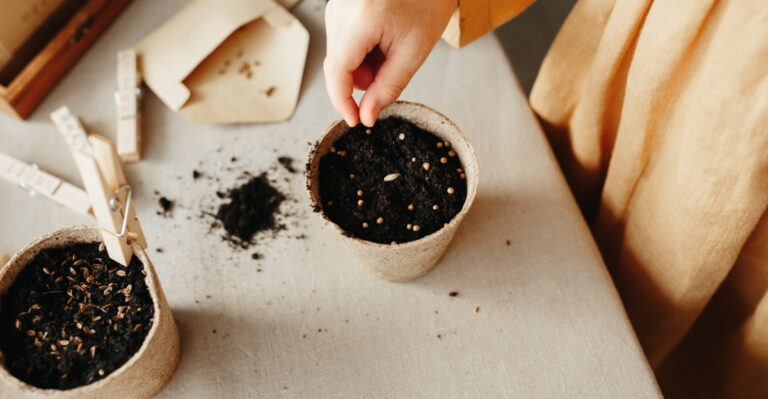
Smart gardeners use this time wisely. You might start young native plants now so they are established by the time you remove an invasive shrub later.
Thinking ahead keeps your landscape looking full during the switch. Rather than facing a bare yard, you can phase in new plants gradually and enjoy a smooth, stress-free transition well before the deadline arrives.
How To Tell If You Already Have One
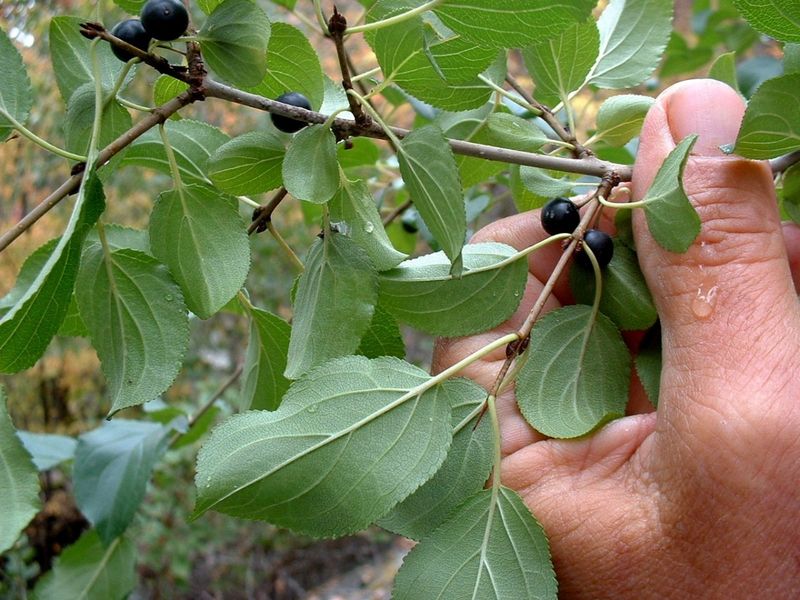
Before you make any changes, it helps to know exactly what is growing in your yard. A few simple clues can point you toward the right plant.
Japanese barberry stays low and mounded, with small oval leaves, single sharp spines, and red berries that linger through winter. Scratch a stem and you may see yellow wood underneath.
Common buckthorn grows taller and often keeps its dark green leaves late into fall. Its branches usually end in a short thorn, and a scratched twig shows an orange color inside.
Glossy buckthorn has shiny, smooth-edged leaves and berry clusters that show red and darker shades at once. Unlike its cousin, its branches are typically thornless, and it favors damp ground.
Callery pear stands out in spring with masses of white flowers and glossy, wavy-edged leaves. Its strong flower scent is another telltale sign.
Here is an important word of caution. Many harmless plants look a lot like these invaders, so appearance alone is not enough to be sure. Native shrubs can share similar leaves or berries and easily fool a quick glance.
Take photos and compare them with trusted sources like the Michigan Invasive Species Program before doing anything. Local extension offices and master gardener groups can also confirm an ID for free.
Removing the wrong plant would be a shame, especially if it turns out to be a helpful native. A little detective work now protects both your garden and your peace of mind.
What Happens When The New Restrictions Begin
Once the calendar turns to January 1, 2028, the rules around these shrubs officially tighten. Knowing what the restricted label really means helps you stay on the right side of it.
A restricted-species designation in Michigan limits several activities. Selling the plants becomes off-limits, and so do possessing them for sale, bringing them into the state, and planting new ones.
Nurseries and stores must stop offering them, and gardeners should not add fresh ones to their yards.
That may sound strict, but there is an important distinction to understand. The restriction focuses mostly on trade and new planting, not on forcing people to tear out every existing shrub the moment the rule begins.
Plants already growing in your landscape are treated differently from plants being sold or newly planted. In many cases, removal of established shrubs is strongly encouraged rather than demanded outright.
Because rules can have specific details and exceptions, checking the official guidance is always smart. The Michigan Invasive Species Program spells out what the designation covers and answers common questions.
If you are a landscaper or nursery owner, the deadline means adjusting your inventory and plans well before 2028 arrives. Selling remaining stock during the grace period keeps everything above board.
For everyday gardeners, the takeaway is simple. Stop buying and planting these shrubs by the deadline, consider removing the ones you have, and lean on trusted sources for the fine print so you never feel caught off guard.
Better Native Shrub Alternatives For Michigan Gardens
Swapping out an invasive shrub does not mean giving up beauty. Michigan’s native plants offer just as much color, texture, and charm while helping local wildlife thrive.
The trick is matching the plant to the spot. Every corner of a yard has its own mix of light, soil type, moisture, and visiting critters, so the best choice depends on those details rather than one plant fitting everywhere.
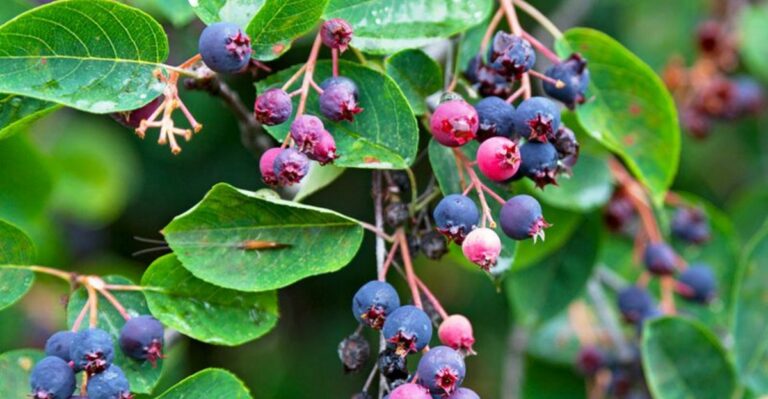
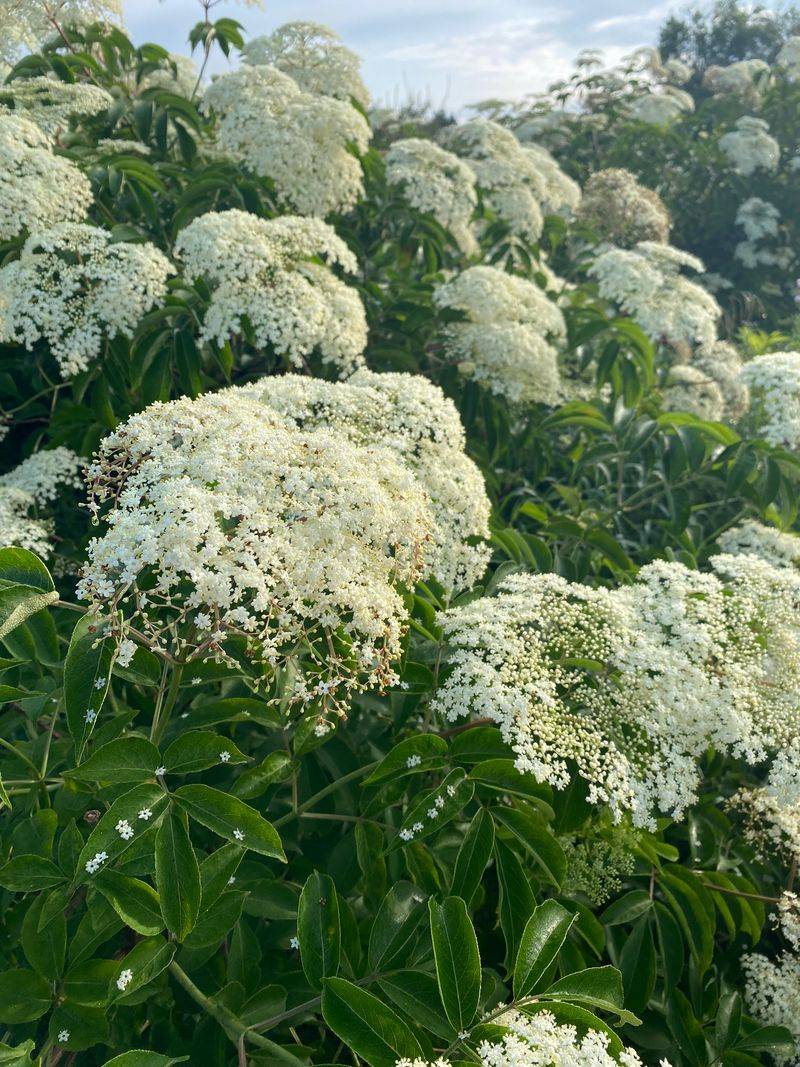
For a splash of spring flowers like Callery pear once gave, serviceberry is a lovely option. It blooms early, feeds pollinators, and produces berries that birds enjoy.
If you want colorful stems and easy care, ninebark brings interesting bark and pretty flower clusters. It handles many soil types and adds structure to a garden bed.
Winterberry holly shines in damp areas where glossy buckthorn might have grown. Its bright red berries light up the winter landscape and give birds a welcome snack.
For low, tidy shapes similar to Japanese barberry, native shrubs like fragrant sumac can fill that role with fall color and wildlife value.
Keep in mind that not every alternative works in every yard. A plant that loves wet soil will struggle in a dry, sunny bed, so read the plant tags and ask local experts for guidance.
Visiting a native plant nursery or your county extension office can point you toward choices suited to your exact conditions. With a little planning, your garden can stay gorgeous and become a friendlier home for Michigan’s birds, bees, and butterflies.