Florida Gardeners, This Is Your Sign To Tackle These 12 May Yard Tasks This Weekend
May is the month when a Florida yard starts waving its little green arms and asking for attention. The sun feels stronger, the soil is warm, and summer rain is waiting just offstage like it has a grand entrance planned.
This second weekend of May is a great time to handle a few smart yard tasks before the heat and humidity settle in for the season.
A flower bed may need fresh color, a vegetable patch may need a quick check, and patio pots may already be begging for water like tiny drama queens.
Even a small weekend effort can help your Florida landscape look fresher, grow stronger, and handle summer with a little more confidence.
1. Plant Heat-Tolerant Flowers For Summer Color
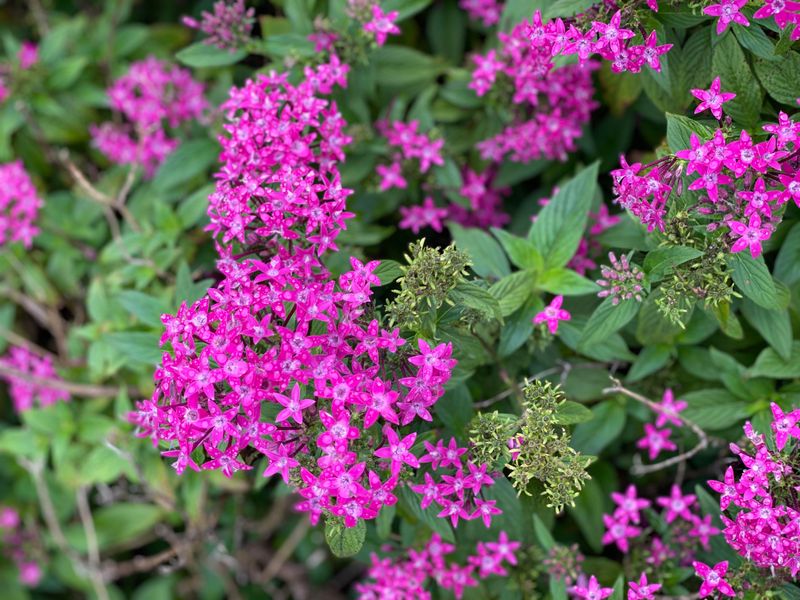
Warm soil and long sunny days make May a solid time to add color to Florida flower beds. Heat-tolerant flowers like pentas, portulaca, vinca, and gaillardia tend to settle in quickly when soil temperatures are already warm.
These plants are well-suited to Florida summers and can handle the intense afternoon sun that tends to bake beds from June onward.
In South Florida, many of these varieties can go in the ground now and bloom for months. Central and North Florida gardeners may want to wait until after any lingering cool nights have passed before planting.
Either way, choosing the right flower for your region makes a big difference in how well things grow.
When planting, space flowers according to their mature size so air can circulate between them. Good airflow helps reduce fungal issues, which tend to increase as summer humidity rises across Florida.
Water new transplants deeply right after planting and keep the soil consistently moist for the first week or two.
Adding a thin layer of mulch around the base of each plant helps hold moisture and keeps roots from overheating during the warmest part of the day.
2. Add Heat-Loving Herbs To Beds And Pots
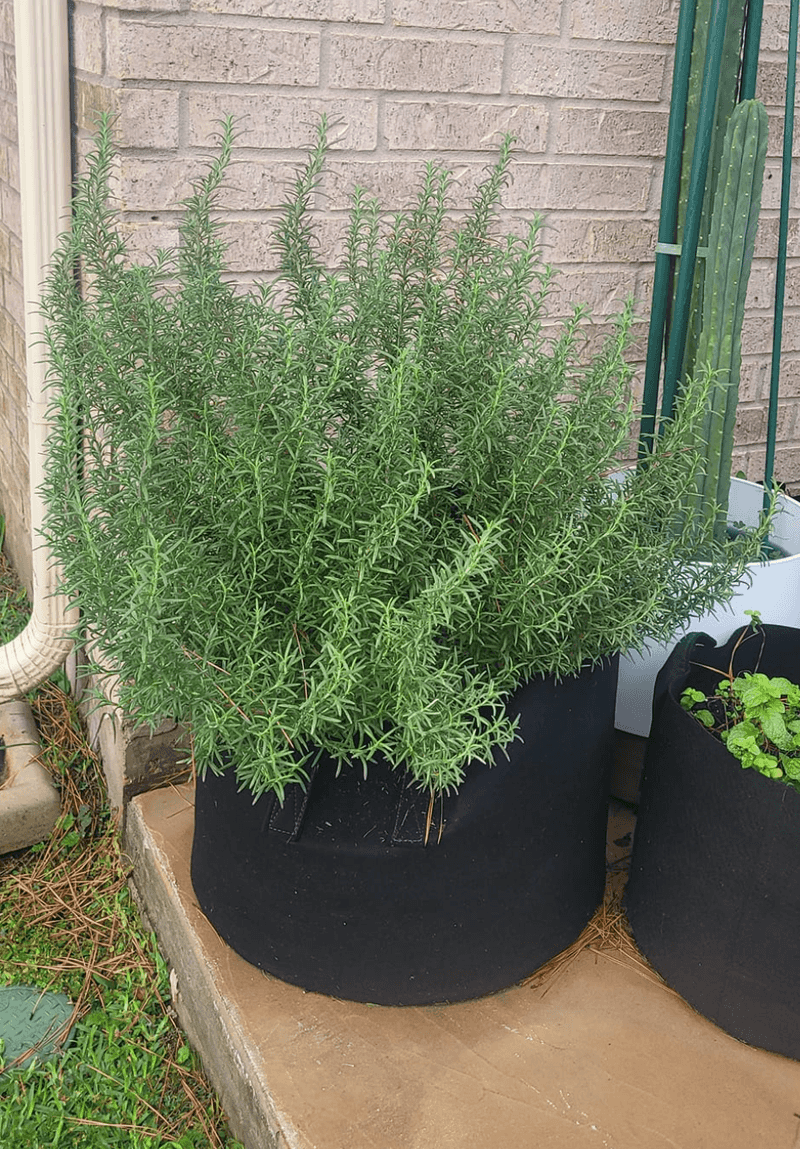
Basil practically thrives in Florida May heat, and it is one of the easiest herbs to tuck into a pot or garden bed right now. Other heat-loving herbs like rosemary, lemongrass, and Cuban oregano also do well when planted during this time of year.
These herbs enjoy the same warm soil and sunny conditions that make May tricky for cool-season crops.
Container planting works especially well for herbs in Florida because it gives you control over drainage. Sandy Florida soil can dry out quickly, so pots with a quality potting mix help keep moisture levels more consistent.
Grouping pots together near a water source makes it easier to keep up with watering as temperatures climb.
Rosemary prefers slightly drier conditions and tends to do well in raised beds or along sunny borders. Lemongrass grows into a large clump by late summer and makes a useful border plant that also repels some insects.
Cuban oregano, which is different from Mediterranean oregano, handles Florida humidity better than most herbs and makes a flavorful addition to cooking.
Harvest herbs regularly to encourage bushy growth and prevent them from bolting too quickly in the heat.
Your Florida Garden Changes Every Week. Your Plan Should Too.
Gardening in Florida changes quickly throughout the season. Every Friday you’ll receive a simple weekly plan showing exactly what to plant, prune, fertilize, harvest, and protect so you never miss the right timing.
3. Plant Warm-Season Vegetables That Can Handle May
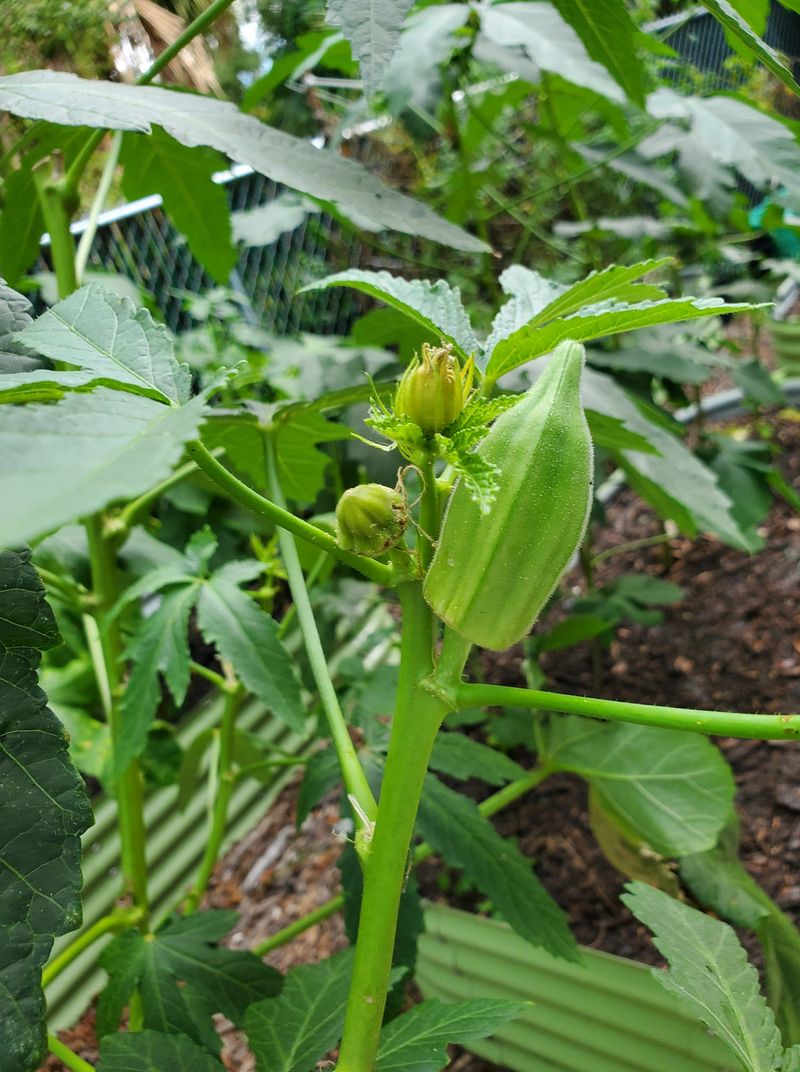
Okra, sweet potatoes, southern peas, and Malabar spinach are among the vegetables that actually enjoy Florida May conditions. While many cool-season crops have already faded, these warm-season options are just getting started.
Planting them now gives roots time to establish before the full intensity of summer sets in.
Sweet potatoes are especially well-suited to Florida sandy soil and tend to need very little fuss once planted. Okra grows quickly in warm weather and can produce abundantly through summer with regular harvesting.
Southern peas, sometimes called cowpeas, fix nitrogen in the soil as they grow, which is a bonus for gardens that need a little soil improvement.
Keep in mind that gardening conditions vary across Florida. South Florida gardeners may already have some of these crops growing, while North Florida gardeners are just entering the best planting window.
Check with your local extension office for specific planting dates in your area. Raised beds and amended soil help these crops get established faster, especially in areas with heavy clay or very sandy ground.
Water consistently and mulch around plants to help retain moisture as May temperatures rise.
4. Refresh Mulch Before Dry Weather And Summer Rain
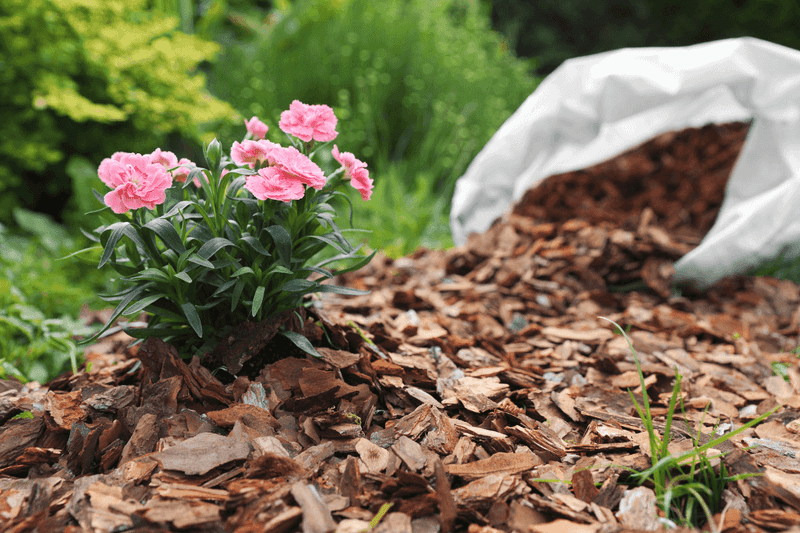
Mulch tends to break down over the winter and spring months, and by May many Florida yards are running low on coverage. A fresh layer of mulch before summer rain arrives helps lock in soil moisture, moderate soil temperature, and reduce weed pressure.
That three-in-one benefit makes mulching one of the most practical tasks you can tackle this weekend.
Aim for a two to three inch layer around shrubs, trees, and garden beds. Avoid piling mulch directly against plant stems or tree trunks, which can trap moisture and encourage rot.
Pull existing mulch back slightly before adding a fresh layer on top so you do not accidentally build up more than three inches total depth.
Pine bark, eucalyptus, and melaleuca mulch are all common options used across Florida landscapes. Melaleuca mulch is made from an invasive tree species and is a useful way to recycle that material.
Organic mulches break down over time and add a small amount of organic matter back into Florida sandy soil, which naturally lacks much organic content.
Refreshing mulch in May means your beds go into summer rain season with better moisture retention and a neater overall appearance.
5. Check Ornamentals For Thrips, Scale, And Mites
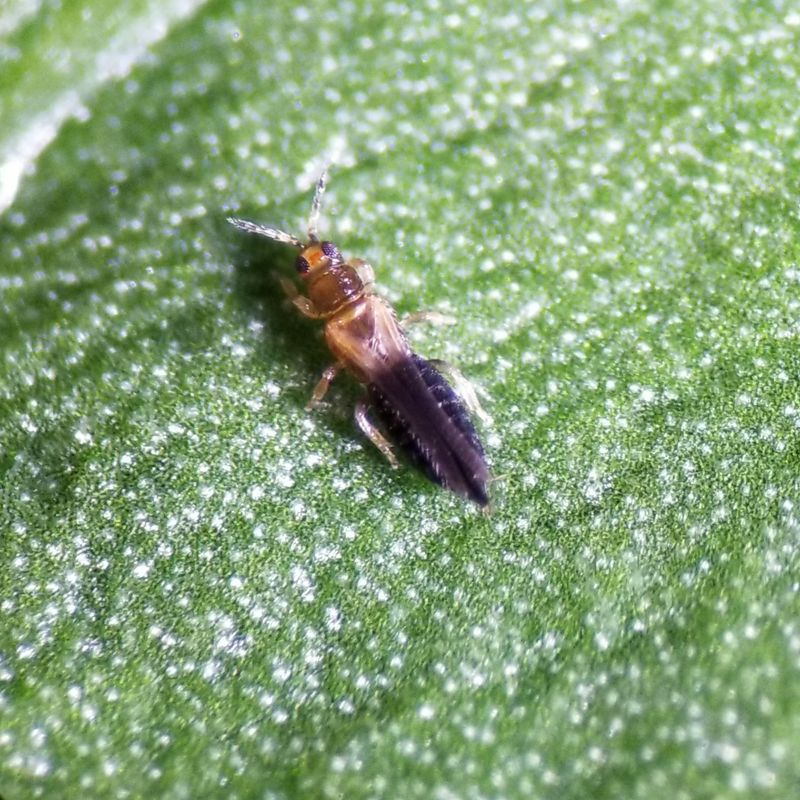
Warmer weather in May brings more insect activity to Florida landscapes, and ornamental shrubs and flowering plants are common targets.
Thrips, scale insects, and spider mites tend to become more noticeable as temperatures rise and plants push out new growth.
Catching these pests early gives you more options and usually leads to better outcomes.
Thrips leave behind silvery or streaked foliage and distorted flower buds. Scale insects look like small bumps on stems and leaves and can cause yellowing or leaf drop over time.
Spider mites prefer hot, dry conditions and often show up on the undersides of leaves as a fine webbing or dusty stippling pattern.
Walk through your landscape this weekend and look closely at new growth, leaf undersides, and flower buds on gardenias, crape myrtles, ixora, and other ornamentals.
A strong spray of water from a garden hose can knock back light mite infestations without chemicals.
For heavier problems, options like insecticidal soap or horticultural oil may help, but always read product labels carefully and apply during cooler parts of the day to avoid leaf damage.
Avoid treating stressed or drought-stressed plants until they have been watered adequately.
6. Scout Lawns Before Treating Brown Spots
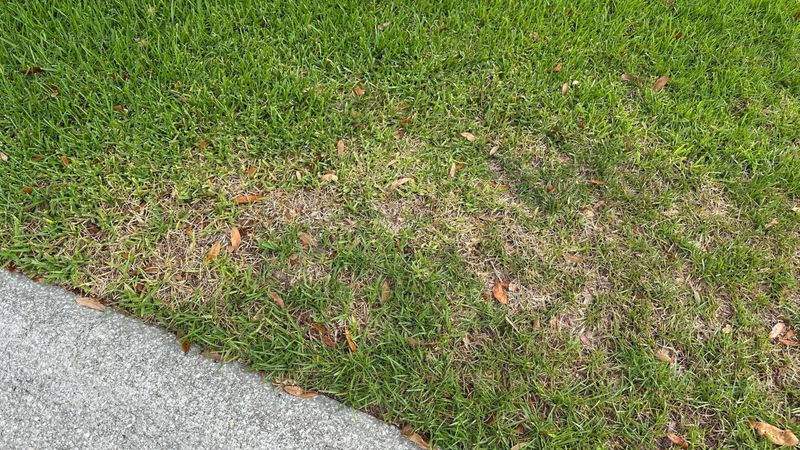
Brown spots in a Florida lawn during May could mean a handful of different things, and treating the wrong cause can waste time and money.
Chinch bugs, fungal diseases, drought stress, and poor irrigation coverage all show up as brown patches but require very different responses.
Scouting before treating is the smarter approach.
Chinch bugs are a common culprit in St. Augustine grass and tend to show up along hot, sunny edges near driveways or sidewalks.
Check by parting the grass at the edge of a brown patch and looking for small black and white insects moving through the thatch layer.
Fungal issues often appear as circular patterns with a slightly darker ring around the edge.
Drought stress tends to cause a more general thinning or wilting rather than defined circular patches. Check your irrigation system coverage before assuming a pest or disease is responsible.
In Florida, May can bring dry stretches just before the summer rainy season starts, and many lawns simply need consistent watering during this window.
If you are unsure what is causing the problem, your local cooperative extension office can help identify lawn issues and suggest appropriate next steps based on your specific Florida location.
7. Mow Grass At The Right Height
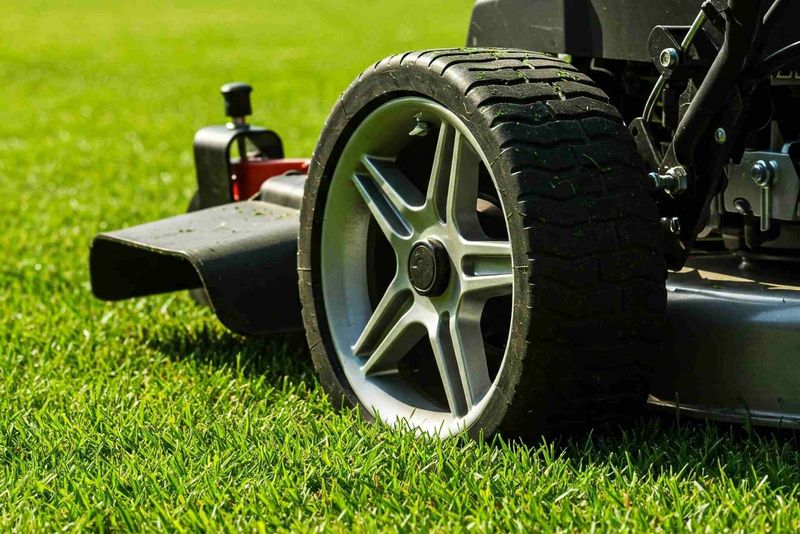
Cutting Florida grass too short is one of the most common lawn care mistakes, and May is a good time to double-check your mowing height.
Each grass type has a recommended cutting range, and staying within that range helps the lawn stay healthier through summer stress.
Scalping the lawn weakens root systems and makes grass more vulnerable to pests, drought, and heat damage.
St. Augustine grass, which is widely used across Florida, generally performs best when kept between three and a half and four inches tall. Bahia grass can be mowed slightly shorter, while zoysia and bermuda have their own specific ranges.
Check your lawn type and adjust your mower deck accordingly before the next cut.
Mowing frequency tends to increase in May as warm temperatures push grass into active growth. Keeping up with regular mowing prevents the lawn from getting too tall between cuts, which reduces stress on the grass.
Try to mow when the grass is dry and avoid cutting during the hottest part of the afternoon. Sharp mower blades make a cleaner cut, which reduces the risk of disease entry points.
Dull blades tear the grass tips and leave a brown, ragged appearance after mowing.
8. Inspect Tomatoes For Pests And Stress
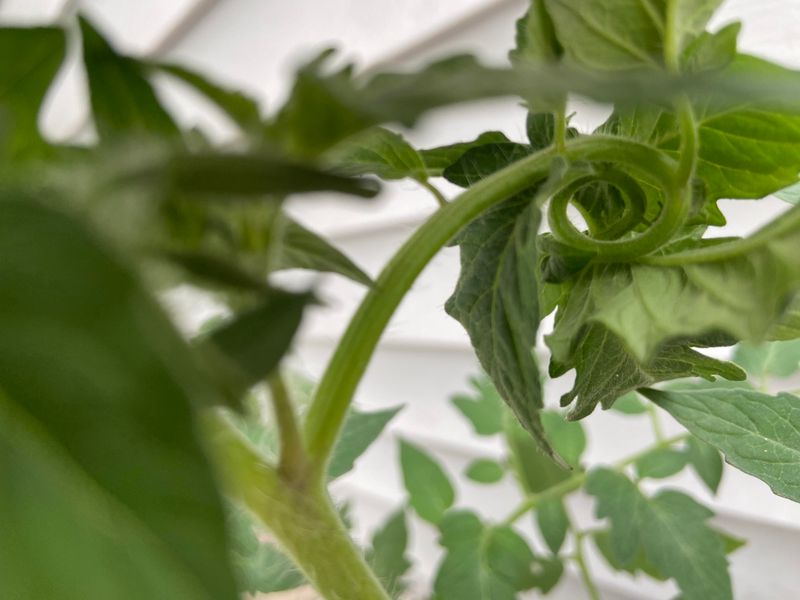
May is crunch time for Florida tomatoes. Plants that went in during late winter or early spring are now dealing with increasing heat, and they need a closer look before temperatures make fruit production difficult.
Tomatoes in Florida tend to slow down or stop setting fruit when daytime temperatures stay above the upper 80s for extended periods.
Check leaves for yellowing, curling, or unusual spotting, which can point to nutrient deficiencies, fungal issues, or pest activity. Hornworms, whiteflies, and stink bugs are among the more common visitors to Florida tomato plants in May.
Hornworms are large enough to spot by hand, while whiteflies tend to cluster on leaf undersides and scatter when disturbed.
Look at the overall structure of the plant too. If vines are long and sprawling without much support, now is a good time to stake or cage them more securely before summer storms arrive.
Consistent watering matters a lot during this window. Irregular moisture can contribute to blossom end rot, which shows up as a dark, sunken area at the base of the fruit.
Mulching around the base of tomato plants helps keep soil moisture more even between watering sessions.
9. Divide Crowded Perennials And Bulbs
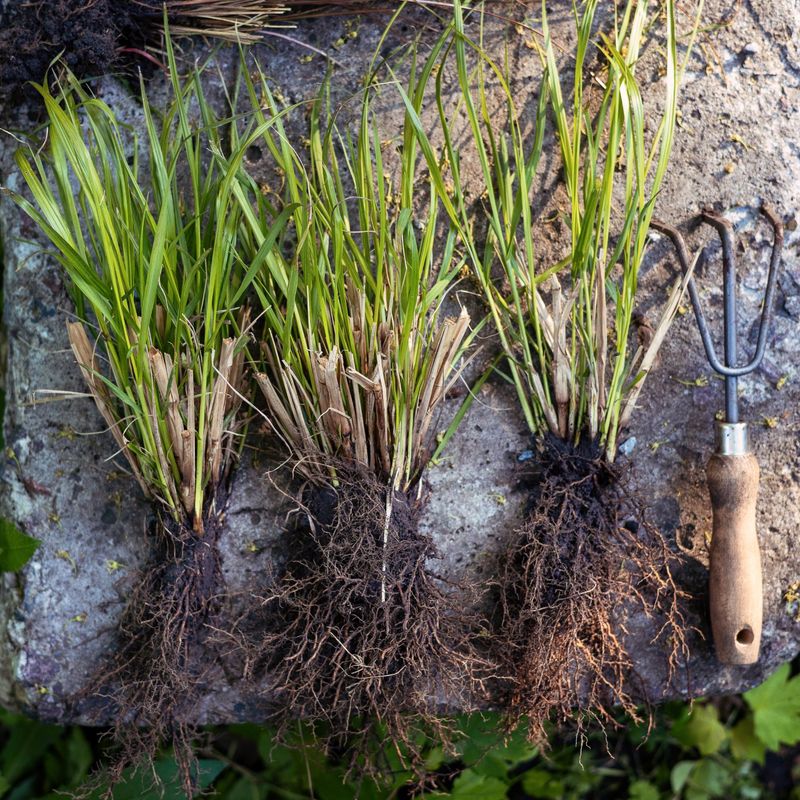
Some perennials and bulbs in Florida landscapes spread gradually over time until they start to crowd each other out. When that happens, bloom production often drops, and the center of the clump can thin out or look ragged.
Dividing overcrowded plants gives each section more room, better airflow, and access to nutrients in the surrounding soil.
Agapanthus, society garlic, shell ginger, and various ornamental grasses are examples of Florida-friendly perennials that may benefit from division after a few years of growth.
Early May can work for dividing some of these, though timing depends on the specific plant and your location in Florida.
In warmer parts of the state, some divisions can go back in the ground quickly, while North Florida gardeners may want to wait until after any final cool spells.
When dividing, use a clean sharp spade or garden fork to separate clumps without tearing roots unnecessarily. Replant divisions at the same depth they were originally growing and water them in well.
Keep divided plants consistently moist for the first couple of weeks while they recover and establish new roots. Adding a light layer of mulch around replanted divisions helps reduce soil temperature stress during the warmer weeks ahead.
10. Check Trees Before Hurricane Season
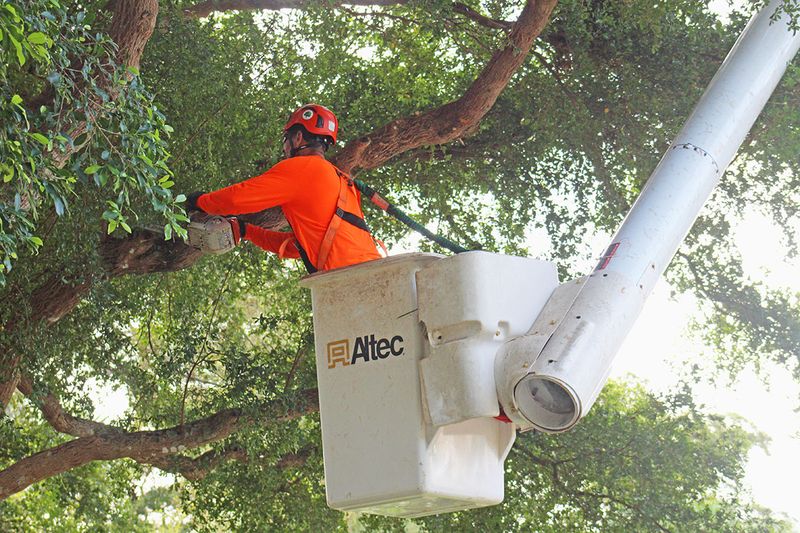
June marks the official start of Atlantic hurricane season, and May is a practical time to take a close look at the trees in your Florida yard. Spotting potential problems now gives you time to address them before strong winds arrive.
Waiting until a storm is approaching leaves little room to act safely or effectively.
Walk around each tree and look for damaged or hanging branches, cracks in the trunk or major limbs, signs of fungal growth near the base, and any leanings that seem unusual.
Trees growing too close to structures, power lines, or fences may need professional attention.
A certified arborist can assess structural concerns that are not always obvious to the untrained eye.
Resist the urge to top trees as a way to reduce wind risk. Topping removes the natural structure of a tree and often leads to weak regrowth that is more vulnerable to storm damage over time.
Proper selective pruning by a trained professional is a much better option for managing tree size and structure.
Florida landscapes often include large live oaks, laurel oaks, and palms, all of which have specific care needs during this pre-hurricane inspection window.
Document any concerns with photos so you can share them with an arborist or your local extension office.
11. Test Irrigation Before Summer Rain Arrives
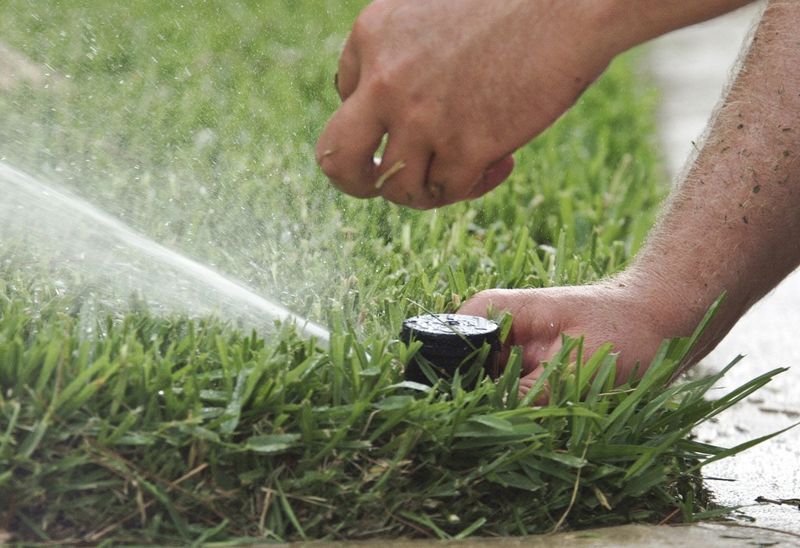
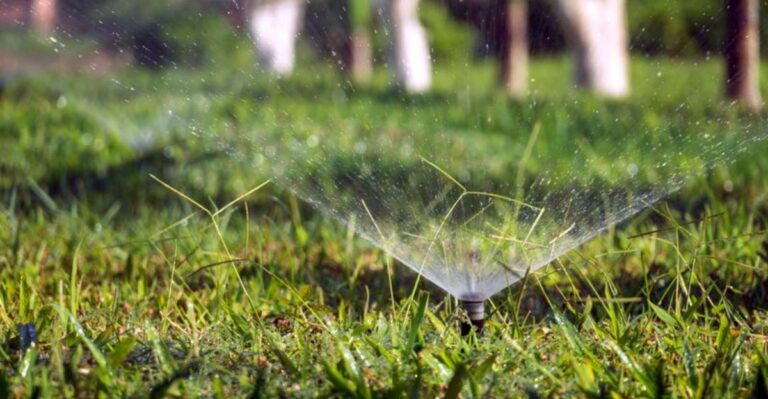
Running your irrigation system through a full test cycle in May is one of the most useful things you can do before summer rain season begins.
Many Florida homeowners set their irrigation schedules in the spring and then forget about them until something goes wrong.
A quick check now can catch broken heads, clogged nozzles, and uneven coverage before the system has to work harder in summer heat.
Turn on each zone individually and walk through while it runs. Look for heads that are tilted, spraying in the wrong direction, or not popping up fully.
Check for dry spots that suggest a head is blocked or a nozzle is clogged. Also look for areas that seem overly wet, which can point to a head that is stuck open or a zone running too long.
Florida-Friendly Landscaping guidance encourages watering based on plant need rather than on a fixed schedule. As summer rain increases, many irrigation systems can be dialed back significantly.
A rain sensor or smart controller helps automate this adjustment and prevents overwatering, which is a common problem in Florida during the rainy season.
Overwatering wastes water, raises utility bills, and can promote root rot and fungal issues in lawns and garden beds.
12. Check Local Fertilizer Rules Before Feeding
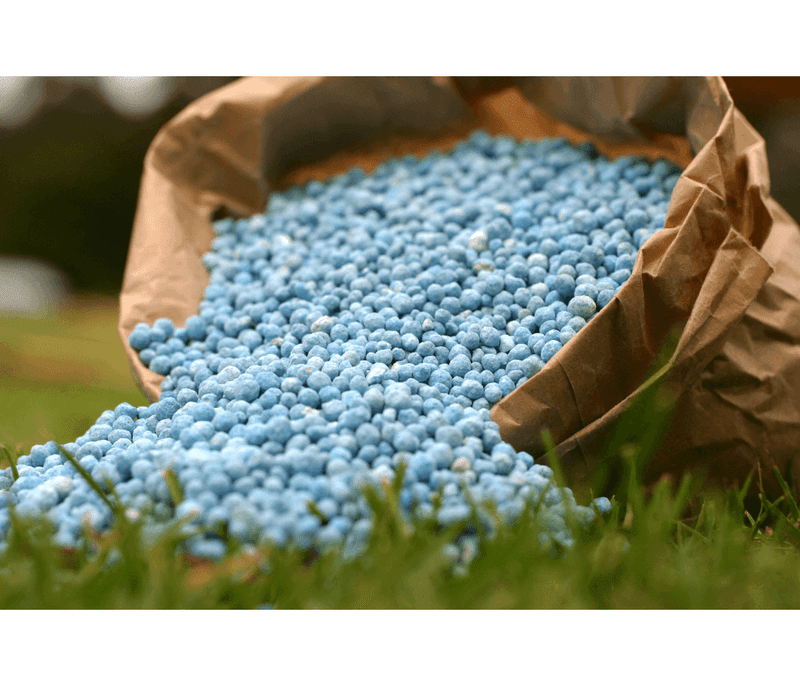
Fertilizing in May sounds straightforward, but in Florida it comes with an important first step: checking your local rules.
Many Florida counties and municipalities have fertilizer ordinances that restrict or ban applications of nitrogen and phosphorus during the rainy season, which typically runs from June through September.
Some of those restrictions begin as early as June 1, so what you do in May matters.
Applying fertilizer just before heavy summer rain can send nutrients running off lawns and into waterways, which contributes to algae blooms and water quality problems.
Florida has worked to address this issue through local fertilizer ordinances, and following those rules is both a legal requirement in many areas and a good environmental practice regardless of location.
Before applying any lawn or garden fertilizer this weekend, look up your county or city ordinance online or call your local extension office.
If fertilizing is appropriate for your timing and location, choose a product suited to your grass type or plant needs and follow label directions carefully.
Slow-release nitrogen sources are often recommended for Florida lawns because they feed more gradually and reduce the risk of nutrient runoff. Soil testing before fertilizing gives you the most accurate picture of what your yard actually needs.