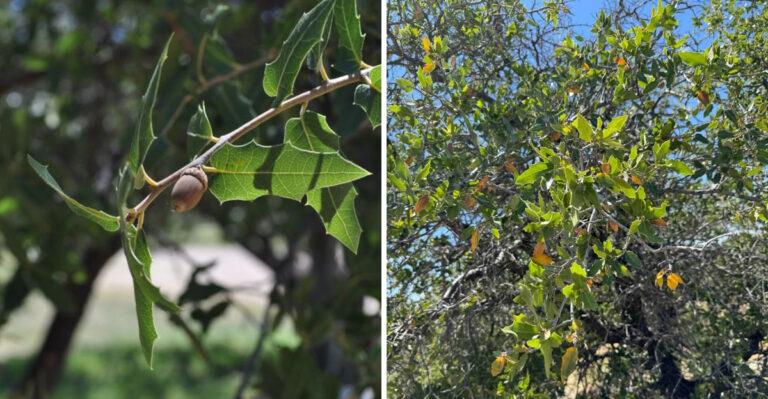
Invasive Plants Arizona Gardeners Often Mistake For Natives
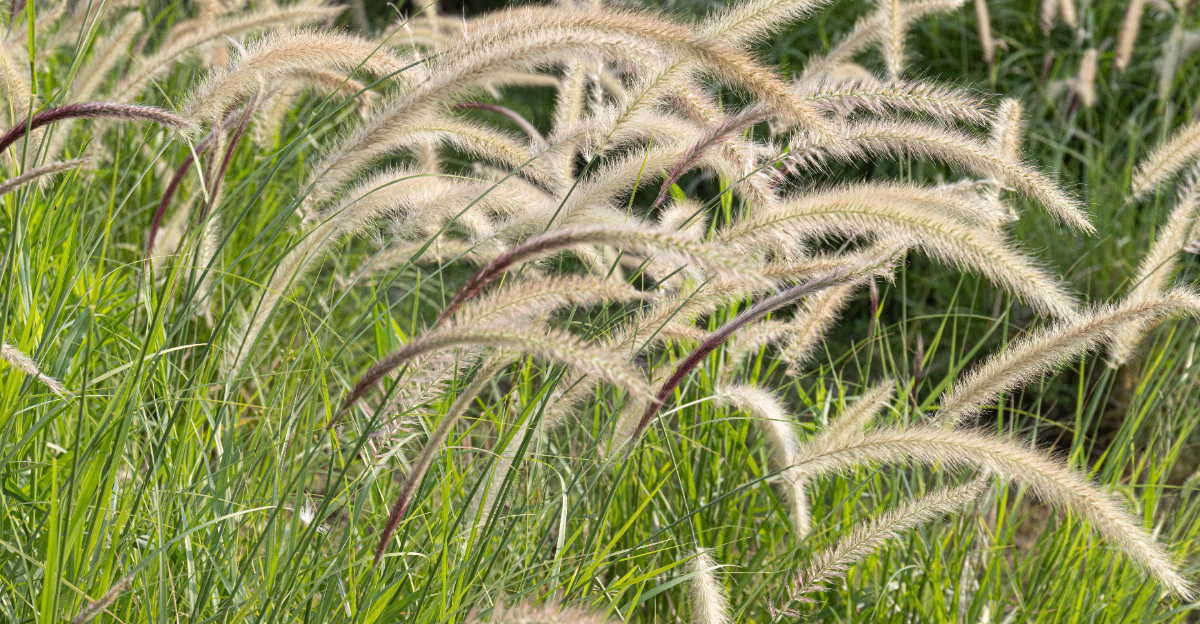
Some invasive plants are surprisingly good at blending in. They handle desert conditions well, fit naturally into the landscape, and can easily be mistaken for species that belong there.
That confusion is one reason they often go unnoticed for so long.
The problem is not always how these plants look. It is how they behave once they become established.
Some spread aggressively, compete with desirable plants, and slowly take over areas where they were never intended to grow.
A quick glance is not always enough to tell the difference. Arizona has several invasive species that are regularly confused with native plants.
Their similarities can be striking. Knowing what to look for makes it much easier to spot these lookalikes before they become a bigger problem.
1. Buffelgrass Looks Like It Belongs In The Desert
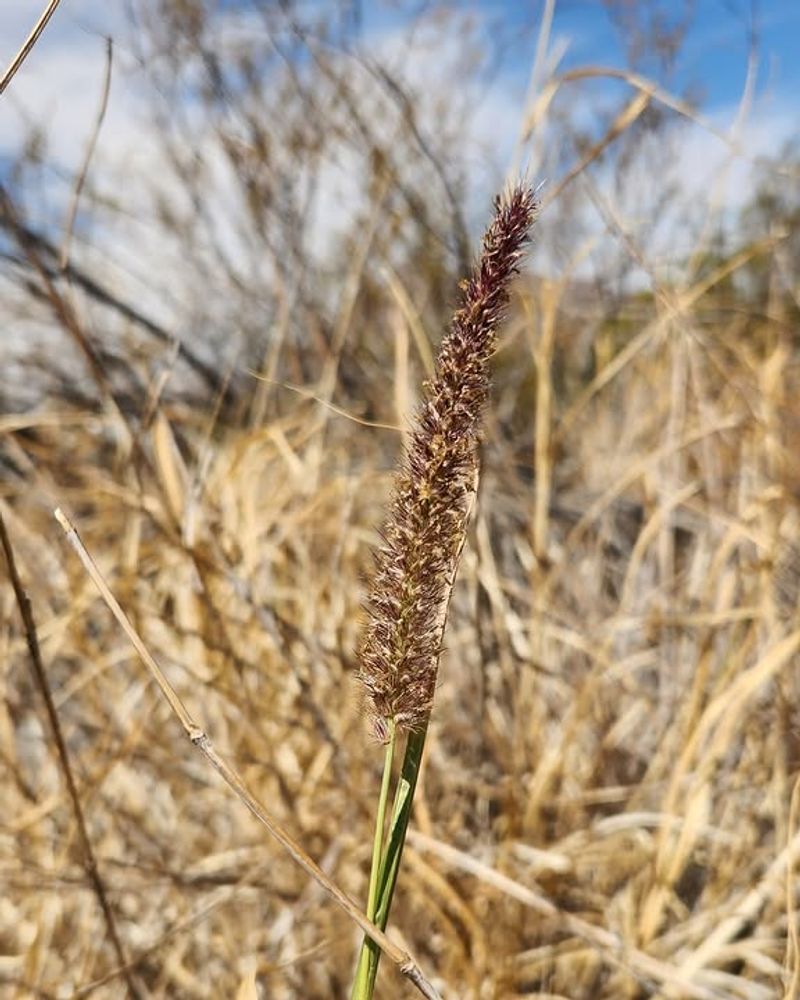
Buffelgrass is one of the sneakiest plants in the desert. At first glance, it looks like a natural part of the rocky hillside landscape.
It grows in clumps, turns golden-tan in dry weather, and sprouts fuzzy seed heads that wave in the breeze just like native bunch grasses.
Originally brought from Africa to control erosion, buffelgrass spread far beyond any planned boundaries. It now covers millions of acres across the Sonoran Desert region.
Gardeners often leave it in place thinking it is a native grass, especially when it is young and green after rain.
One major problem is fire. Native desert plants are not adapted to grass-fueled wildfires.
Buffelgrass creates a continuous layer of dry fuel that can carry flames across the desert floor, damaging saguaros and other slow-growing plants that took decades to establish.
Pulling buffelgrass before it sets seed is the most effective removal strategy. Young plants come out easier than mature clumps.
Wearing gloves is smart since the seed heads are rough and scratchy. Check back regularly because seeds in the soil can sprout again after rain.
Look for the fuzzy, bottlebrush-style seed head as a key identifier. Native grasses in the region tend to have more delicate, open seed structures.
If a grass clump looks unusually thick and the seed heads feel bristly, it is worth a closer look before deciding to keep it.
2. Bermuda Grass Can Look Similar To Local Grass Species
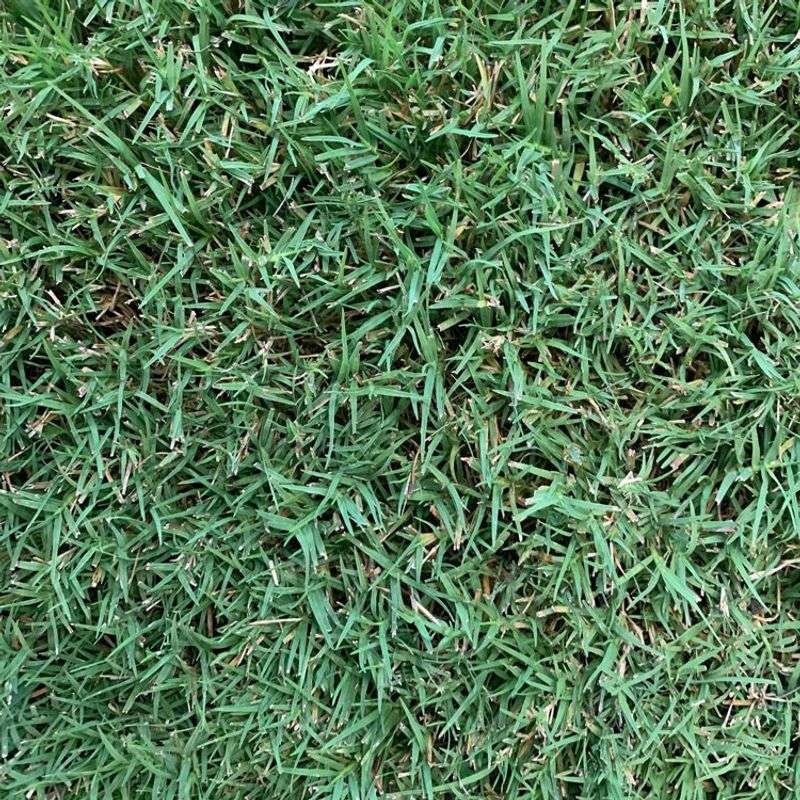
Bermuda grass is everywhere in desert lawns, and that familiarity makes it easy to overlook as a problem. It stays low, spreads in a dense mat, and turns a familiar shade of green with irrigation.
Some gardeners assume patches growing near natural areas are native low grasses.
Actually, Bermuda grass is native to Africa and parts of Asia. It was introduced widely as a turfgrass but escapes easily into washes, roadsides, and open desert areas.
Once it gets into a natural habitat, it spreads through both seeds and underground stems called rhizomes, making it very persistent.
Removing it from garden beds is frustrating work. Rhizomes break apart when you pull them and each piece can regrow.
Repeated removal over several seasons is usually needed to get it under control. Mulching heavily after removal helps slow regrowth considerably.
Your Arizona Garden Changes Every Week. Your Plan Should Too.
Gardening in Arizona changes quickly throughout the season. Every Friday you’ll receive a simple weekly plan showing exactly what to plant, prune, fertilize, harvest, and protect so you never miss the right timing.
One way to spot it in a natural area is to look at the growth pattern. Bermuda grass spreads outward in a flat, aggressive mat with very fine blades and small, finger-like seed heads arranged in a star pattern at the top of each stem.
Native low-growing grasses tend to have a less aggressive spread and different seed head shapes.
Replacing Bermuda grass areas near desert edges with native groundcovers like trailing lantana or desert marigold helps reduce the chances of it creeping back. Native plants also support local pollinators in ways that Bermuda grass simply cannot match.
3. Saltcedar Can Be Mistaken For A Native Desert Tree
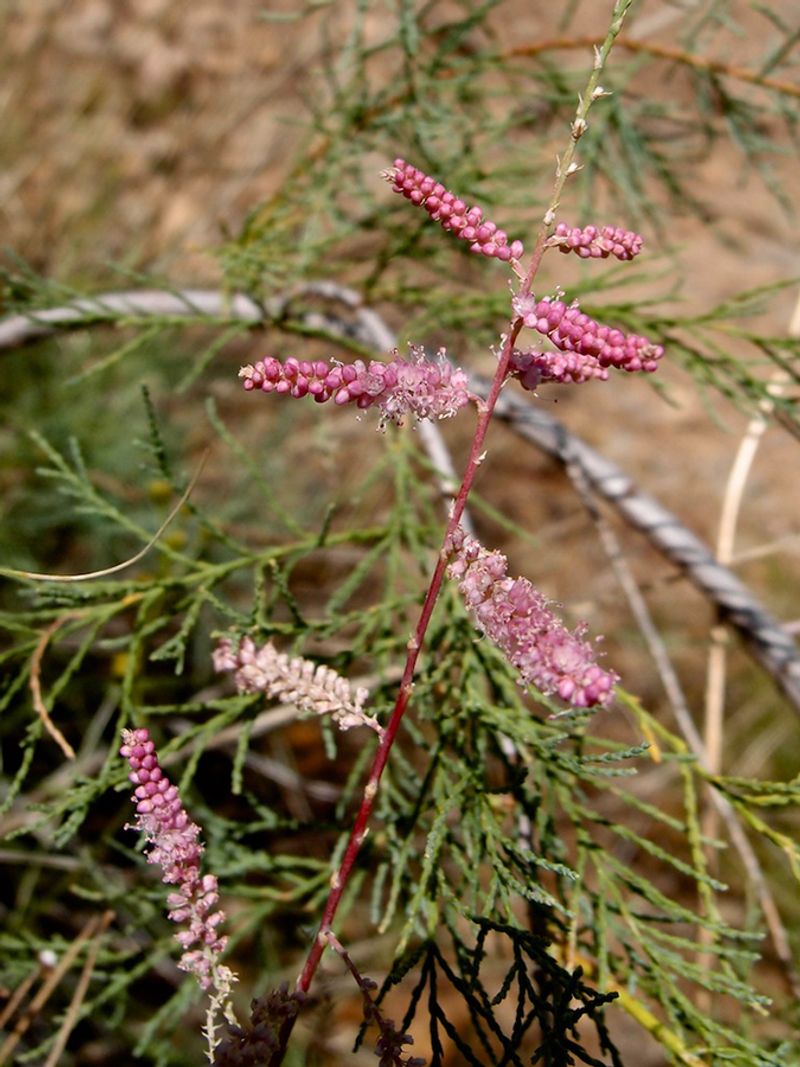
From a distance, saltcedar looks almost elegant. Feathery branches, scale-like blue-green leaves, and small pink flower clusters give it an airy, delicate appearance.
Growing along desert washes and riverbanks, it can easily be mistaken for a native willow or desert shrub.
Saltcedar, also called tamarisk, was introduced from Eurasia in the 1800s as a windbreak and ornamental plant. It spread rapidly along waterways across the Southwest.
Today, it dominates many riparian areas that once supported cottonwoods, willows, and other native water-loving trees.
One of its most damaging traits is water use. Saltcedar pulls enormous amounts of water from the soil, lowering water tables and making conditions harder for native plants.
It also deposits salt on the soil surface through its leaves, which changes soil chemistry and makes it harder for other species to grow nearby.
Identifying it is easier during bloom. Look for small, feathery pink or white flower spikes appearing in spring and sometimes again in fall.
Leaves are tiny, overlapping, and scale-like rather than flat and broad. Bark on mature plants is reddish-brown and slightly shreddy in texture.
Removing saltcedar near water features or washes requires persistence. Cutting it back without treating the stump often results in vigorous regrowth from the roots.
Planting native cottonwoods or desert willows nearby after removal helps restore the natural habitat and supports birds that depend on riparian corridors for nesting and food.
4. Tree Of Heaven Often Appears Without Being Planted
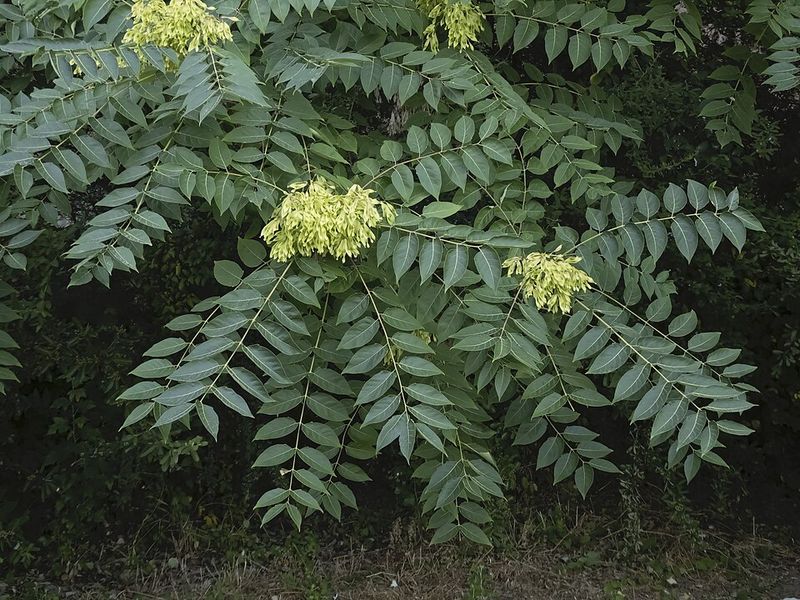
Nobody plants Tree of Heaven on purpose anymore, yet it keeps showing up. Seedlings sprout from cracks in pavement, along fences, and in neglected corners of yards.
It grows fast and looks like it has always been there, which is exactly why so many gardeners leave it alone.
Originally from China, Tree of Heaven was brought to North America in the 1700s as an ornamental shade tree. It has since spread across the continent and thrives in disturbed urban soils where many plants struggle.
In desert cities, it pops up in alleys, vacant lots, and along irrigation channels.
One strong identifier is the smell. Crush a leaf and it releases a pungent odor that most people describe as unpleasant, sometimes compared to rotten peanuts or cat urine.
That smell is a reliable giveaway when you are not sure what you are looking at.
Leaves are large and compound, meaning each leaf is made up of many smaller leaflets arranged along a central stem. Leaflets have a small notch near the base with a tiny gland, which is another useful identification feature.
Clusters of winged seeds called samaras appear in late summer.
Small seedlings can be pulled by hand when the soil is moist. Larger trees are harder to manage because cutting them stimulates vigorous sprouting from the roots.
Getting every bit of root material out is important to prevent regrowth. Monitoring the area regularly helps catch new seedlings before they establish.
5. Giant Reed Seems Natural Along Desert Waterways
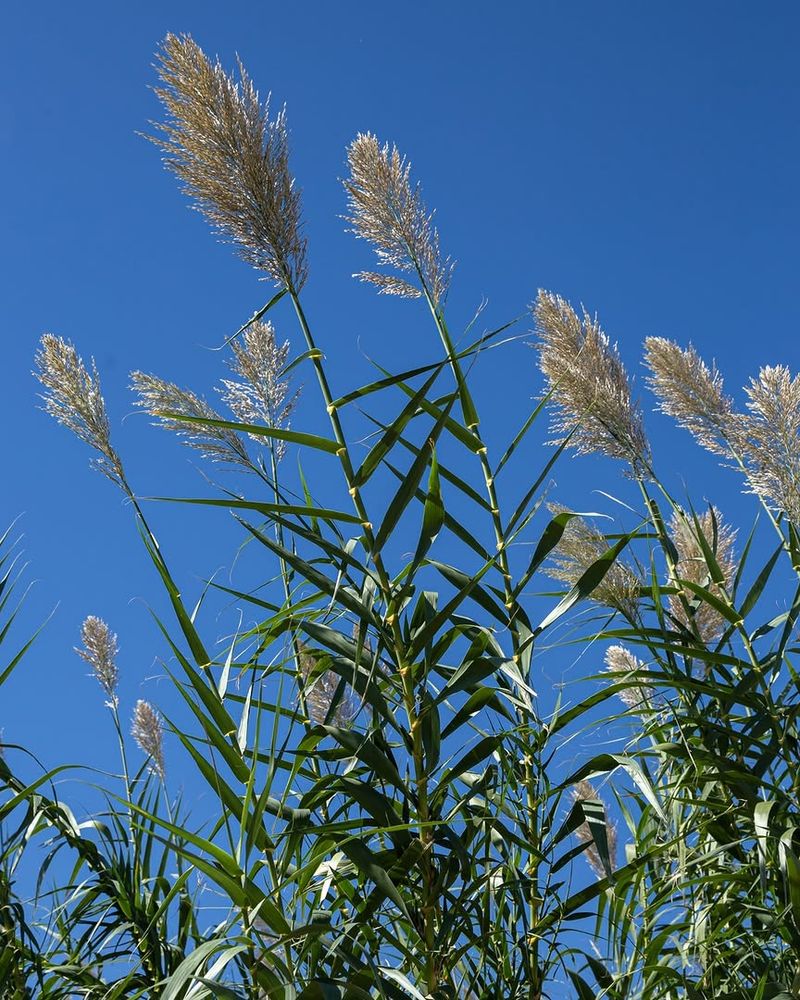
Standing up to thirty feet tall along washes and riverbanks, giant reed has a dramatic presence that feels almost tropical. Thick, bamboo-like stalks and wide, arching leaves make it look like it belongs near water in a desert landscape.
Plenty of gardeners assume it is a native riparian plant.
Giant reed is native to Asia and the Mediterranean region. It was introduced widely for erosion control and as a windbreak but spread aggressively into natural waterways.
It now chokes entire stretches of desert rivers, outcompeting native cottonwoods, willows, and cattails that wildlife depends on.
One serious concern is flooding. Giant reed forms such dense thickets that it restricts water flow in channels and washes.
During heavy rains, these thickets can worsen flooding in areas that were previously more open. Removing it from flood-prone washes is an important step in reducing that risk.
Identifying giant reed is not difficult once you know the scale. Stalks are hollow, jointed, and very thick, sometimes reaching two to three inches in diameter.
Leaves are flat, broad, and alternate along the stalk. Feathery plumes appear at the top in late summer, similar to pampas grass but much larger overall.
Removal requires cutting stalks and repeatedly treating or removing the dense root mass. New growth sprouts quickly from root fragments left in the soil.
Replacing cleared areas with native riparian plants like desert willow or seep willow helps stabilize banks and restore habitat for birds and pollinators.
6. Yellow Bluestem Closely Resembles Several Native Grasses
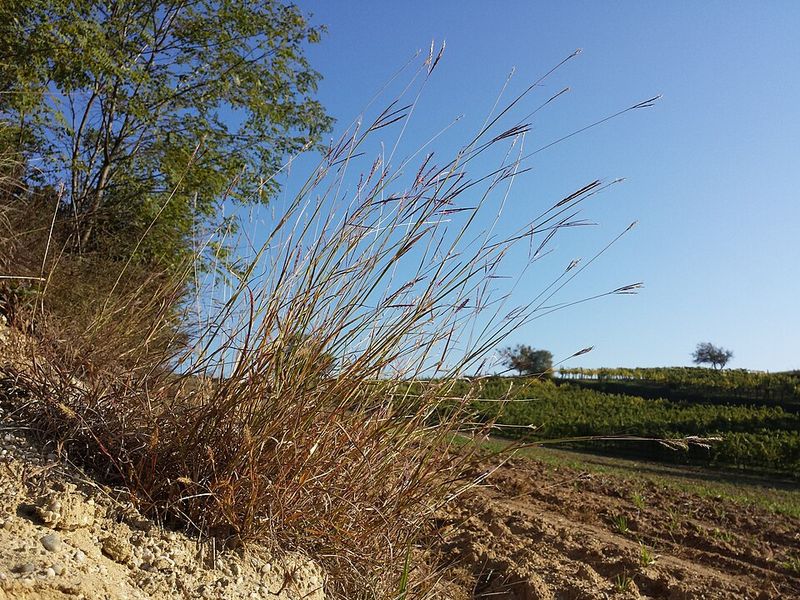
Yellow bluestem is a grass that even experienced botanists sometimes double-check. It grows in upright clumps and produces fluffy white seed heads in late summer.
Its color and texture blend smoothly with native bunch grasses along desert grasslands and roadsides.
Native to Asia and parts of Africa, yellow bluestem was introduced across the United States as a forage grass and for erosion control.
It has since spread into native grasslands throughout parts of the Southwest.
There, it competes directly with species like plains lovegrass, sideoats grama, and other grasses that support native insects and birds.
One key difference from native grasses is the timing and appearance of seed heads. Yellow bluestem produces paired spikelets where one is fertile and one is sterile.
The fuzzy white seed heads appear in late summer and are quite showy. Native grasses in similar habitats tend to have more open, branched seed structures rather than paired fluffy clusters.
Stem color is another clue. Yellow bluestem stems turn a distinctive golden-yellow as they mature and dry out, which is actually where the common name comes from.
Native grasses in the region tend to dry to tan or reddish-brown rather than that bright golden tone.
Pulling young plants is manageable, but established clumps have deep, fibrous roots that take effort to remove fully. Getting it out before seed heads mature is the best strategy to limit spread.
Replanting with native grasses after removal helps restore the ecological balance of the area quickly.
7. Fountain Grass Blends In With Southwest Plantings
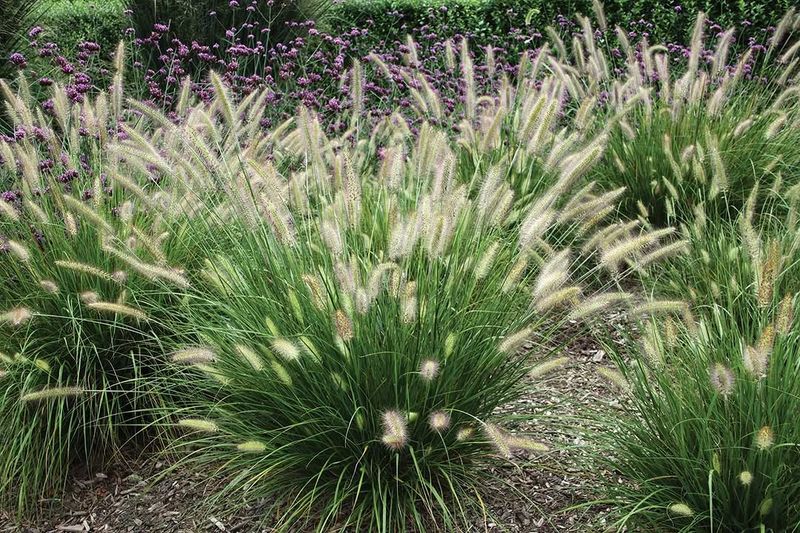
Fountain grass has a graceful look that makes it popular in landscaping. Arching blades, soft plumes, and a tidy mounded shape make it seem like a perfect desert garden plant.
Many gardeners plant it on purpose without realizing it can spread aggressively beyond the garden bed.
Purple fountain grass is a sterile variety and stays contained, but the green or tan-colored fountain grass sold widely is a different story.
It self-seeds readily and can pop up in washes, along roadsides, and in open desert areas far from where it was originally planted.
Once established in a natural area, fountain grass competes directly with native grasses like desert muhly and blue grama. It grows faster, uses more water, and crowds out the plants that local wildlife depends on for food and shelter.
Birds and insects that rely on native seed sources lose out when fountain grass takes over.
Checking plant tags carefully before buying is a smart habit. Ask nursery staff whether a variety is sterile or seed-producing.
Sterile cultivars are a safer choice if you love the look but want to avoid spreading problems into surrounding open land.
Existing fountain grass clumps can be removed by cutting them back and digging out the root ball. Removing seed heads before they mature helps prevent spread.
Replacing fountain grass with native bunch grasses like blue grama or sideoats grama gives you a similar look with none of the invasive risk.
8. Camelthorn Fits In With Many Desert Shrubs
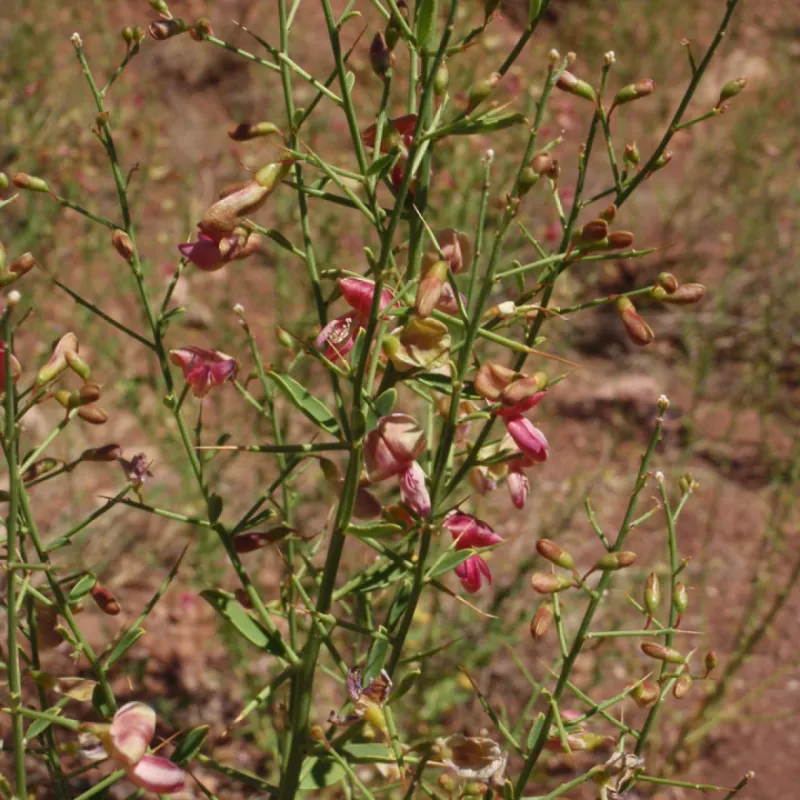
Camelthorn looks like it was made for the desert. Thorny branches, small leaves, and a tough, scraggly appearance make it fit right in among native desert shrubs like catclaw acacia and desert ironwood.
Most gardeners walking past it would never think twice about what they are seeing.
Native to Central Asia and parts of the Middle East, camelthorn arrived in North America likely through contaminated hay or livestock feed.
It has spread across disturbed areas, roadsides, and farmland throughout the Southwest through seeds and underground roots.
One feature that sets it apart from native thorny shrubs is the root system. Camelthorn sends roots deep and spreads laterally, forming colonies of stems that are all connected underground.
Pulling one stem does not remove the plant. New stems keep sprouting from the same root network unless the roots are fully addressed.
Flowers are a helpful identification feature. Camelthorn produces small, pea-like pink or purple flowers in summer, followed by flat, reddish-brown seed pods.
Many native desert shrubs bloom at different times and have different flower shapes, so the bloom timing and pod shape can help confirm identification.
Managing camelthorn requires patience. Repeated cutting combined with digging out root sections over multiple seasons is usually necessary to reduce its spread.
Wearing heavy gloves and long sleeves is strongly recommended since the thorns are sharp and can cause skin irritation with prolonged contact during removal work.