Native Oregon Shrubs That Outperform Leyland Cypress As Privacy Screens
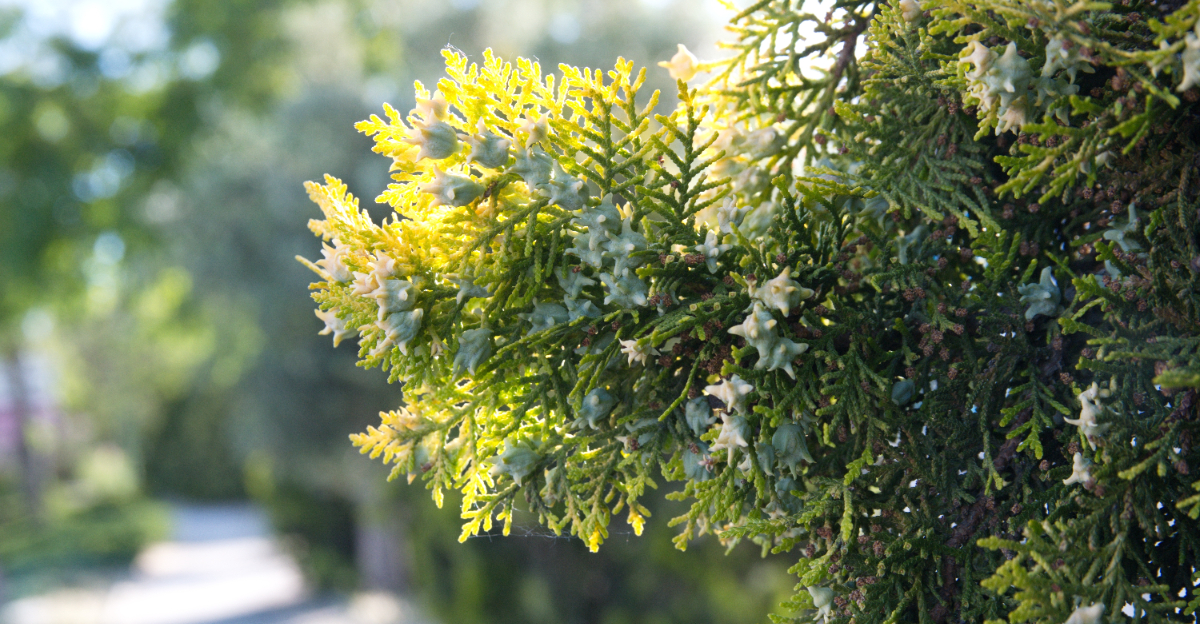
Leyland cypress became the default privacy screen for a generation of Oregon homeowners, and it is easy to see why. It grows fast, it gets tall, and it blocks a view in a few seasons.
The problem is that Leyland cypress comes with a list of issues that catch up with you over time.
It is not native, it struggles with Oregon’s wet winters, and it is highly vulnerable to disease and pest damage that can take out an entire row with very little warning.
Oregon native shrubs have been quietly outperforming it in every category that actually matters for long term privacy.
They handle the rainfall, the soil conditions, and the temperature swings without the maintenance headaches.
Several grow just as fast, get just as tall, and look significantly better doing it. Once established, they require a fraction of the attention that keeping Leyland cypress healthy demands.
For homeowners ready to replace a struggling row or start fresh, native shrubs are the smarter investment.
1. Mockorange
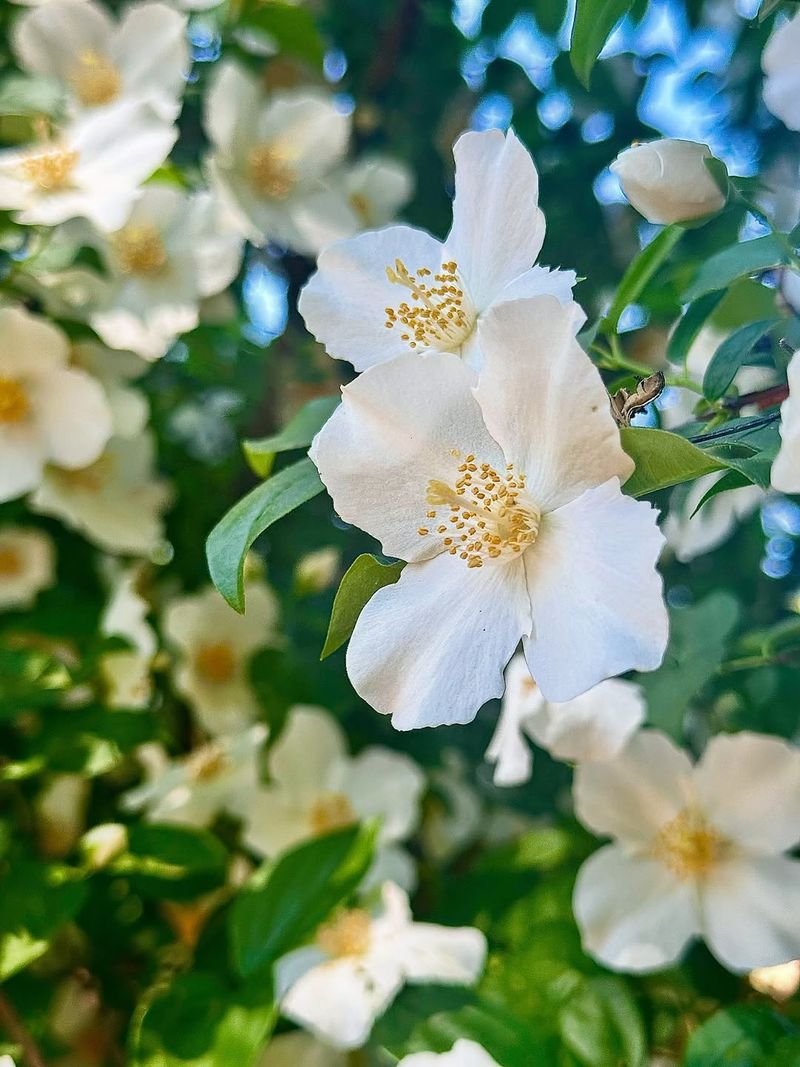
Few plants stop people in their tracks quite like Mockorange in full bloom. Native to our state and surrounding western states, this vigorous shrub produces clouds of pure white, four-petaled flowers that smell strongly of fresh oranges.
That scent alone makes it worth planting near a patio, fence line, or property border. Most gardeners are surprised to learn that this beauty is also an incredibly tough plant.
Mockorange grows quickly, reaching anywhere from six to twelve feet tall depending on the variety. That height makes it a natural candidate for a privacy screen.
The branches grow in a dense, arching pattern that fills in gaps over time. Even when not in bloom, the thick foliage provides solid coverage from neighbors or street traffic.
One of the biggest advantages over Leyland cypress is that Mockorange handles wet winters without any fungal problems. It is drought-tolerant once established, which saves water during dry summers.
Birds love to nest in its tangled branches, adding life and movement to your yard. Bees and butterflies flock to the flowers every spring, making your yard a mini wildlife habitat.
Pruning is simple. Just trim back the oldest branches after flowering each year to keep the shape tidy and encourage fresh growth.
You do not need any special tools or skills. Plant it in full sun to light shade, give it good drainage, and it will reward you with decades of reliable, fragrant privacy that Leyland cypress simply cannot match.
2. Tall Oregon Grape
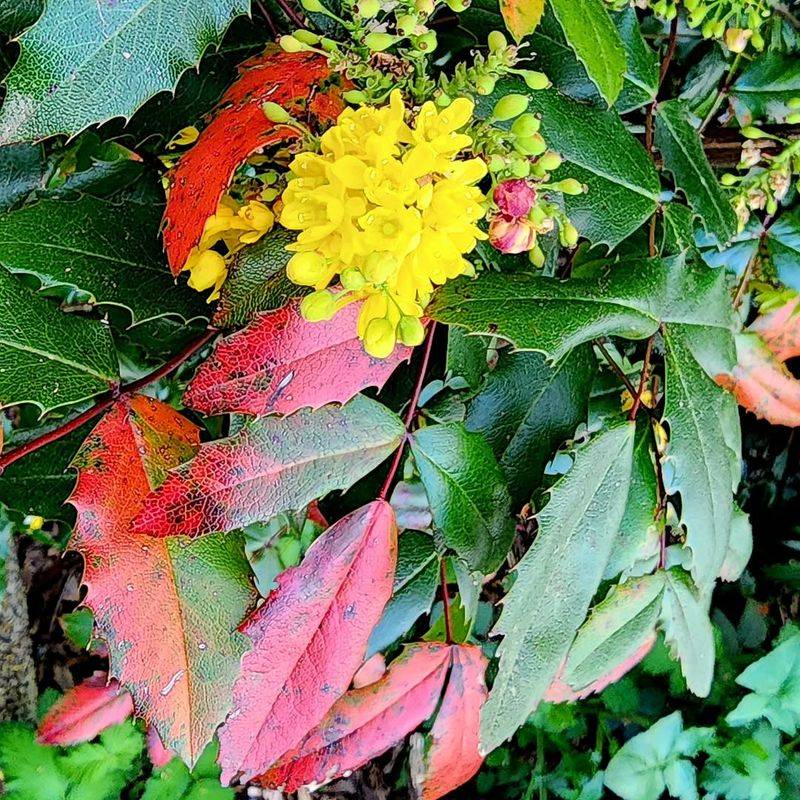
Bold, architectural, and completely unfazed by rainy winters, Tall Oregon Grape is one of the most dependable native shrubs you can plant. It is actually the state flower, which tells you something about how well it belongs here.
The leaves are stiff, glossy, and spiny like holly, giving it a strong visual presence all year long. That evergreen quality is a major advantage when you need year-round privacy.
Growing six to eight feet tall in most conditions, Tall Oregon Grape forms dense thickets over time. The spiny leaves act as a natural deterrent, keeping people and animals from pushing through the hedge.
Your Oregon Garden Changes Every Week. Your Plan Should Too.
Gardening in Oregon changes quickly throughout the season. Every Friday you’ll receive a simple weekly plan showing exactly what to plant, prune, fertilize, harvest, and protect so you never miss the right timing.
That makes it not just a privacy screen but also a practical security barrier. No Leyland cypress can offer that kind of dual function.
In early spring, the shrub bursts into clusters of bright yellow flowers that attract native bees before most other plants have even started blooming. By summer, those flowers turn into bunches of dark blue berries that birds absolutely love.
Jelly-makers also prize these berries for their tart, grape-like flavor. It is a plant that gives back to your yard in multiple ways throughout the year.
Tall Oregon Grape thrives in full shade to full sun, making it one of the most flexible native shrubs available. It handles poor, dry soils and clay with ease.
Once established, it needs almost no supplemental watering. Plant it along a fence line or property edge, and watch it slowly build a living wall that feels completely at home in any landscape.
3. Red Elderberry
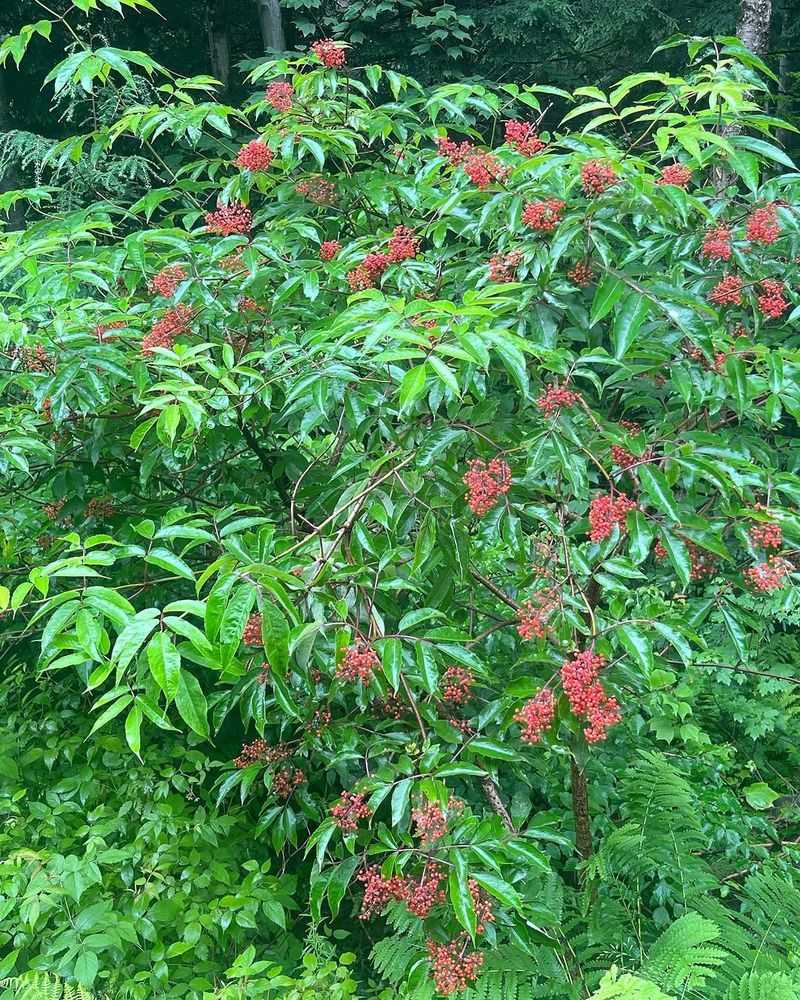
There is something almost prehistoric about Red Elderberry. Its giant, arching leaves and massive flower clusters give it a lush, tropical look that feels surprising for a plant native to Oregon’s forests.
But this fast-growing shrub is completely at home in the Pacific Northwest, and it can shoot up eight to fifteen feet in just a few seasons. That speed makes it one of the quickest solutions when you need privacy fast.
The flat-topped clusters of creamy white flowers appear in late spring and are absolutely loaded with nectar. Hummingbirds, bees, and butterflies visit constantly during bloom time.
By midsummer, those flowers become heavy clusters of bright red berries that are a critical food source for songbirds, thrushes, and woodpeckers. Planting Red Elderberry along your property line is like setting up a wildlife restaurant.
One thing that sets it apart from Leyland cypress is how well it handles wet, boggy spots that other shrubs cannot tolerate. If you have a low-lying area in your yard that stays soggy after rain, Red Elderberry will not just survive there, it will thrive.
It is one of the few fast-growing privacy shrubs that actually prefers moist soil.
Maintenance is minimal. Cut back old canes every few years to keep growth fresh and vigorous.
The shrub responds well to hard pruning if you ever need to reduce its size. Plant it in part shade to full sun, and pair it with other native shrubs for a layered, naturalistic privacy hedge that looks intentional and beautiful all season long.
4. Ocean Spray
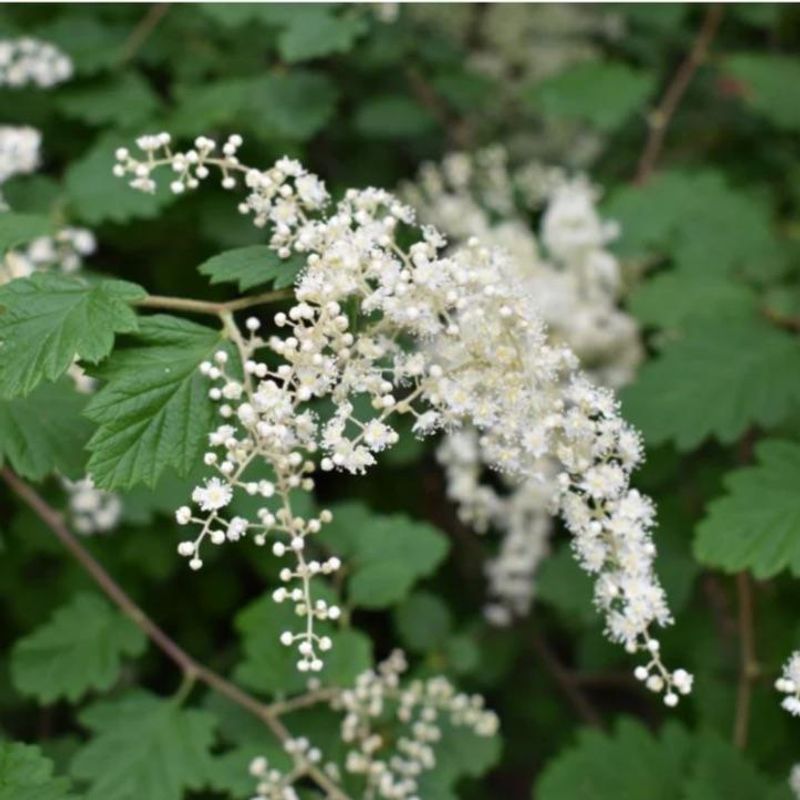
When Ocean Spray is in full bloom, the name makes complete sense. Long, creamy white flower plumes cascade from every branch like gentle waves of foam, creating one of the most striking displays of any native shrub.
This plant has been growing wild along roadsides and forest edges for thousands of years, and it brings that same wild beauty into your garden with almost no effort required.
Ocean Spray grows six to twelve feet tall with an upright, arching form that fills in nicely along a fence or property line. The branches are densely packed, which means even when the flowers fade, the shrub still provides solid visual screening.
The foliage stays attractive all season, with small, toothed leaves that turn warm shades of orange and red in fall before dropping. That seasonal change adds interest that an evergreen like Leyland cypress simply cannot offer.
Birds love Ocean Spray for nesting and for the tiny seeds that form after flowering. The dense branching provides excellent cover for sparrows, wrens, and other small birds that need safe places to hide from predators.
Planting a row of Ocean Spray along your yard creates a thriving habitat corridor that benefits the whole neighborhood ecosystem.
Drought tolerance is one of Ocean Spray’s strongest selling points. Once established, it needs very little supplemental water, even during dry summers.
It grows well in full sun to partial shade and tolerates a wide range of soil types, including rocky and poor soils. Few plants deliver this combination of beauty, wildlife value, and toughness in one package.
5. Black Hawthorn
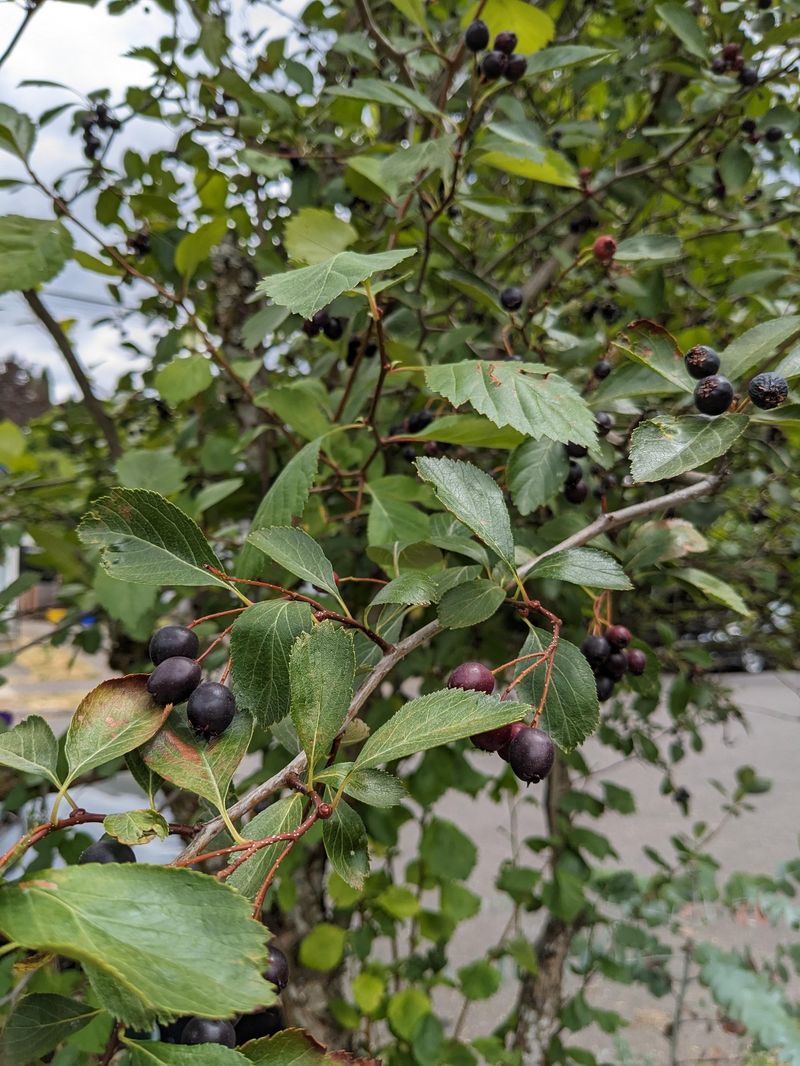
If you want a privacy screen that also acts like a fortress, Black Hawthorn deserves serious attention. This native shrub grows dense, thorny branches that form an almost impenetrable barrier over time.
It has been used for centuries in Europe and North America as a living fence, and for good reason. Nothing gets through a mature Black Hawthorn hedge without a lot of effort and discomfort.
Growing ten to fifteen feet tall, Black Hawthorn creates substantial height and coverage. The canopy fills in thickly, blocking sightlines from the street or neighboring properties.
In spring, the branches are covered in clusters of small white flowers that attract pollinators by the hundreds. By fall, those flowers become dark purple-black berries that cedar waxwings, robins, and other fruit-eating birds absolutely rely on during migration season.
One of the most impressive qualities of Black Hawthorn is its adaptability. It grows in wet soils, dry soils, full sun, and partial shade.
Coastal Oregon, the Willamette Valley, and even higher elevation gardens can all support this tough native shrub. Leyland cypress struggles with many of these same conditions and often requires intervention to stay healthy.
Pruning Black Hawthorn requires thick gloves because of the long, sharp thorns, but the effort is worth it. A well-maintained hedge looks neat and intentional while still offering its full security and wildlife benefits.
Plant it where you want maximum privacy with zero chance of anyone pushing through. It is a no-nonsense, hardworking shrub that earns its place in any landscape.
6. Nootka Rose
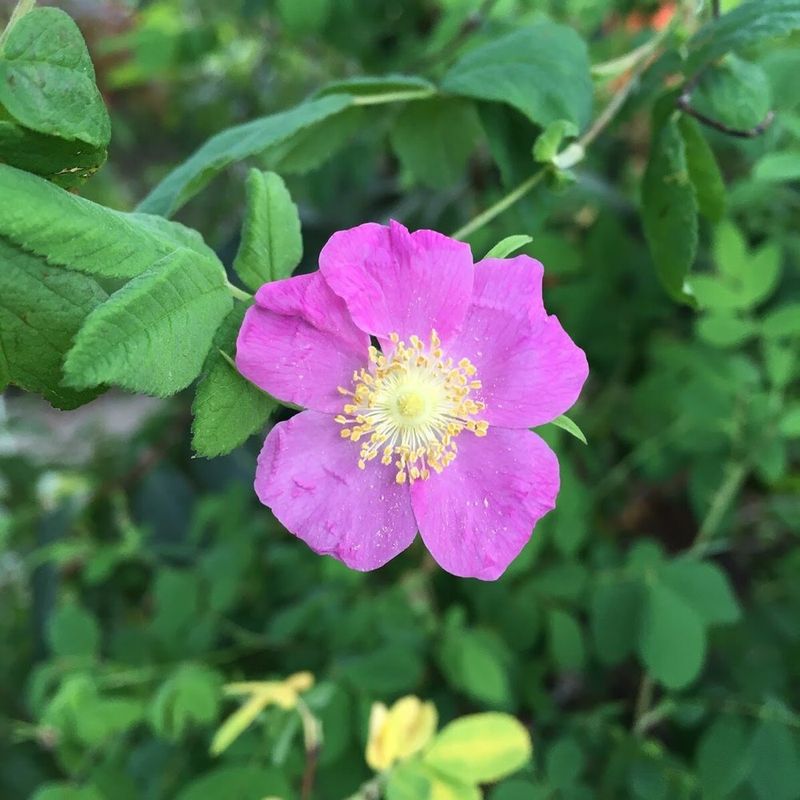
Sweet-smelling, wildlife-friendly, and tougher than it looks, Nootka Rose is one of the most beloved native shrubs. The large, soft pink flowers open in late spring and carry a classic rose fragrance that drifts across the yard on warm days.
Hummingbirds hover around the blooms, and native bees cover them from sunrise to sunset. Few privacy shrubs can match this level of sensory richness.
Nootka Rose grows four to ten feet tall, spreading by underground runners to form a dense, thorny thicket over time. That spreading habit is exactly what you want in a privacy screen, because it fills in gaps and creates a solid living wall without any extra effort on your part.
The thorny canes also make it a natural security barrier, discouraging foot traffic along property lines.
After the flowers fade, large, bright red rose hips develop and persist through fall and winter. These hips are a critical food source for birds during the cold months when other food is scarce.
Bears, deer, and small mammals also browse on the hips and canes, making Nootka Rose an anchor plant for local wildlife habitat. Planting it is genuinely good for the entire local ecosystem.
This shrub is incredibly forgiving about soil conditions. It grows in wet areas, dry slopes, clay soils, and sandy ground.
Full sun brings the best flowering, but it handles partial shade without complaint. Water it through the first summer to get it established, and after that it largely takes care of itself.
Compared to the constant disease management that Leyland cypress often demands, Nootka Rose is refreshingly self-sufficient.
7. Thimbleberry
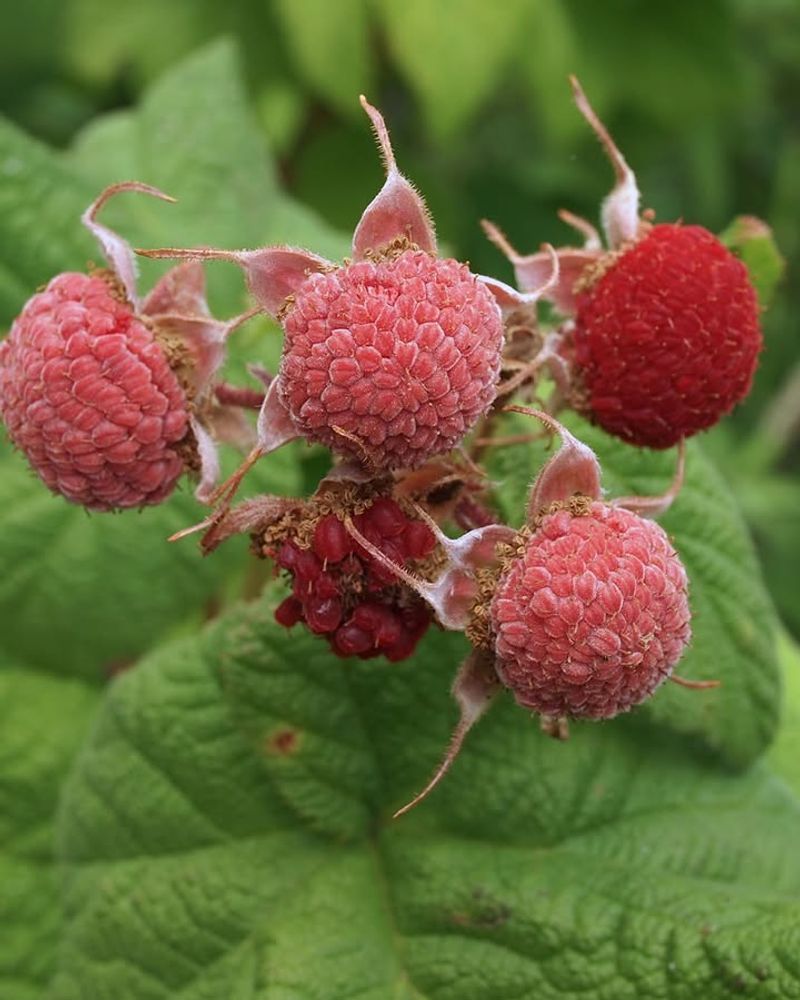
Soft, sprawling, and surprisingly productive, Thimbleberry brings a different kind of energy to a native privacy screen. The leaves are enormous, up to eight inches across, with a soft velvety texture that makes the whole shrub look lush and full.
When you plant a row of Thimbleberry along a fence or property line, the effect is almost tropical in its density. It fills in quickly and creates a thick visual barrier that surprises most people with how effective it is.
Growing three to eight feet tall, Thimbleberry spreads by underground rhizomes to form wide colonies. This spreading habit means a small planting will eventually expand into a solid hedge without any help from you.
Simple white flowers appear in late spring, followed by bright red berries that look exactly like raspberries but are softer and more delicate. Bears, foxes, birds, and humans all compete for these sweet fruits every summer.
One of the best things about Thimbleberry is how well it performs in shaded spots. If you have a property line that gets limited sun due to trees or buildings, this is one of the few native shrubs that will still grow vigorously and provide real coverage.
Leyland cypress struggles in shade and often grows thin and patchy without full sun exposure.
Maintenance is easy. Cut old canes back to the ground in late winter to encourage fresh, vigorous growth each spring.
The new canes grow fast and leaf out fully by early summer. Thimbleberry is not fussy about soil as long as it has reasonable moisture.
Plant it where you want a lush, wildlife-rich privacy screen with genuine Pacific Northwest character.