8 Native Pennsylvania Alternatives To Banned Shrubs
A thorny hedge sold at garden centers for decades can shelter far more blacklegged ticks than nearby open woods.
Connecticut researchers linked dense Japanese barberry thickets to higher tick numbers, and Pennsylvania later pulled that shrub from sale.
Burning bush followed soon after, landing on the state noxious weed list after years of escaping into forests. Birds eat the berries, fly off, and drop seeds far beyond the tidy suburban yards where they started.
I have to admit, I loved that fiery red hedge until I saw it carpeting a local woodland trail. You might notice the same problem near your home, with native seedlings struggling under a crowded green blanket.
Luckily, October in Pennsylvania is a fantastic month for planting shrubs while the soil still holds summer warmth. Now, which homegrown beauties can fill those empty spots with bright berries and fall color that local birds actually need?
1. Serviceberry
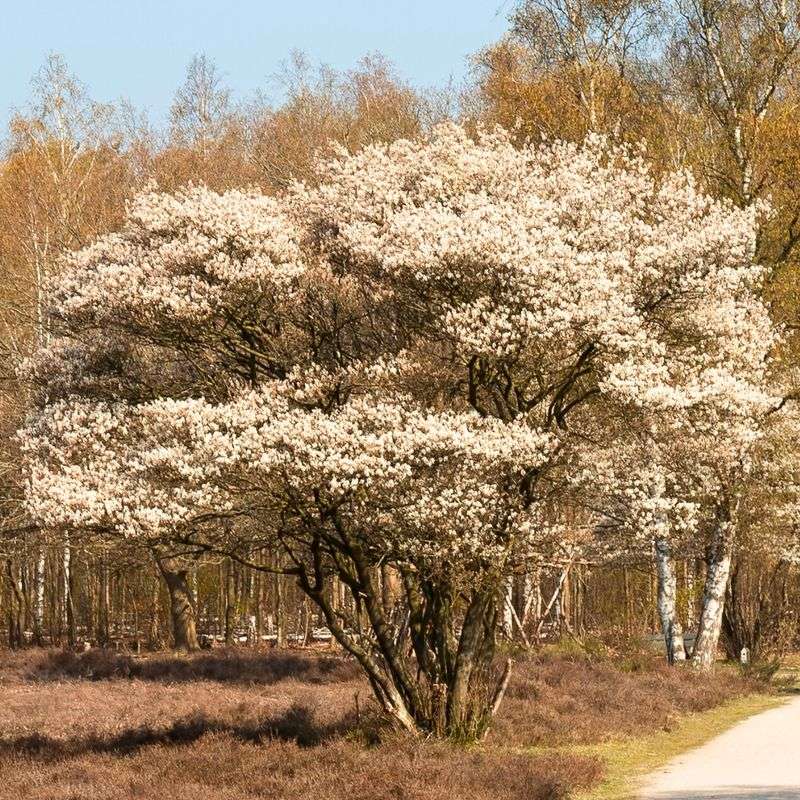
Spring arrives early on serviceberry branches, with clouds of white blossoms opening before most trees even think about leaves. I love how those delicate flowers glow against gray woods, like the shrub is waving hello after winter.
Old stories say the name came from blooms appearing around the time traveling preachers could hold spring services again. Whether that tale is true or not, the plant certainly earns its place in a modern yard.
By early summer, small reddish-purple berries ripen, and they taste a bit like sweet blueberries with an almond hint. You will have to race the robins and cedar waxwings, because birds often strip the branches within days.
Several species grow wild across Pennsylvania, including Allegheny serviceberry and downy serviceberry, all hardy in zones four through eight. Depending on the type, plants reach roughly six to twenty-five feet tall, forming a large shrub or small tree.
Fall brings another show, as leaves turn shades of orange and red that rival the fiery color of burning bush. That makes serviceberry a smart swap for anyone missing the bright autumn glow of that banned hedge.
Give it full sun or partial shade and soil that drains well while holding steady, average moisture. More sunlight usually means heavier flowering and bigger fruit crops, so choose a bright spot when you can.
October planting works nicely, since cooler air reduces stress while roots keep growing in still-warm ground. Water deeply once a week until the ground freezes, then add mulch to hold moisture through winter.
2. Red Chokeberry
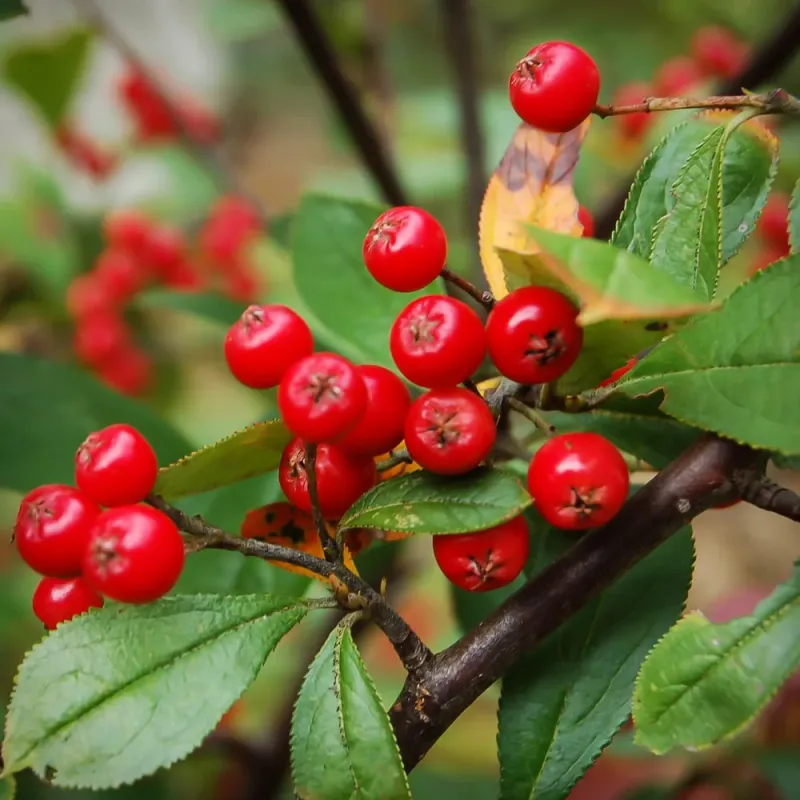
Shiny red berries hang on red chokeberry long after most fruit is gone, glowing like tiny holiday ornaments. Personally, I think this shrub deserves way more attention than it gets in typical suburban landscapes.
Its scientific name is Aronia arbutifolia, and it grows wild in wet thickets and bog edges across the East. Expect a multi-stemmed shrub about five to eight feet tall that slowly spreads into a small colony.
White flowers open around May, giving early bees a welcome snack before the summer garden really takes off. Then berries ripen in late summer and fall, staying on the stems well into the cold months.
Your Pennsylvania Garden Changes Every Week. Your Plan Should Too.
Gardening in Pennsylvania changes quickly throughout the season. Every Friday you’ll receive a simple weekly plan showing exactly what to plant, prune, fertilize, harvest, and protect so you never miss the right timing.
Birds tend to ignore the fruit at first, then return during mid to late winter when food runs short. That timing turns your yard into a dependable pantry when wild options have mostly disappeared from the landscape.
Fall foliage shifts to a rich reddish-purple, which makes this shrub a popular replacement for invasive burning bush. You get similar autumn drama without worrying about seedlings marching into the nearest patch of woods.
What surprises me most is how tough this plant is, handling soggy spots and compacted urban soil with ease. Once established, it can also ride out dry spells, though medium moisture keeps it looking its best.
Plant in full sun for the heaviest berry crops, although partial shade still produces a decent show. Raw berries taste very tart, which explains the name, but cooked fruit works in jams and syrups.
3. Northern Spicebush
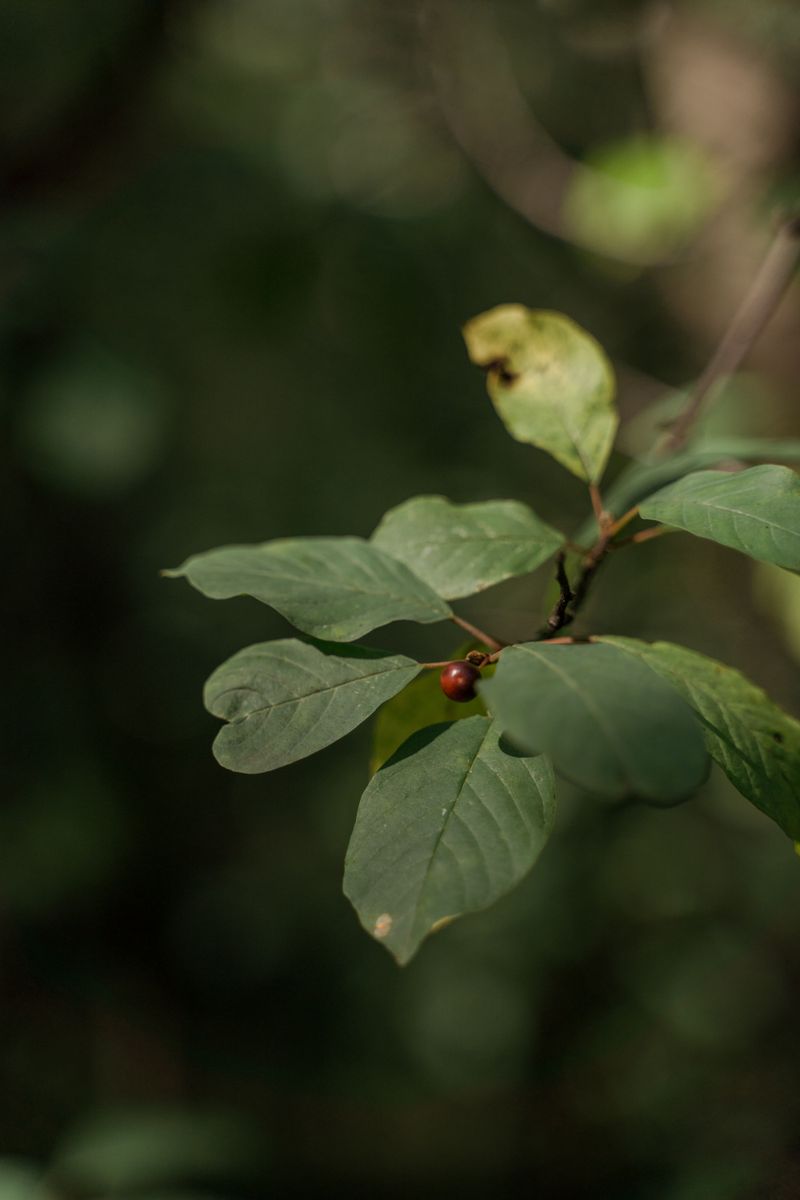
Crush a spicebush leaf between your fingers, and a lemony, peppery scent rises like an opened spice jar. I cannot walk past one on a woodland trail without pinching a leaf just to smell it.
Northern spicebush, or Lindera benzoin, grows six to twelve feet tall with smooth stems and a graceful, open shape. Tiny yellow-green flowers appear in March and April, before the leaves unfold, feeding early bees on chilly days.
By late summer and into October, female plants carry glossy red berries that migrating birds eagerly gobble up. Thrushes and other songbirds rely on these rich, fatty fruits for energy during their long fall journeys.
Spicebush also feeds the spicebush swallowtail caterpillar, which hides inside folded leaves and wears fake eyespots to scare predators. Promethea moth caterpillars munch the leaves too, so a few chewed holes mean your shrub is doing its job.
Fall color arrives as a clear buttery yellow, brightening shady corners where many other shrubs struggle to perform. It makes a lovely swap for invasive privet or shrub honeysuckle along shaded property edges and woodland borders.
You need to give this plant moist, rich soil, because it dislikes drought and heat more than most natives. Clay is fine, and it even handles wet ground, making it handy for low spots that stay damp.
Shade suits it well, though part shade or sun works if the roots stay consistently moist through summer. Plant both male and female shrubs if you want berries, since only females produce the bright red fruit.
4. Buttonbush
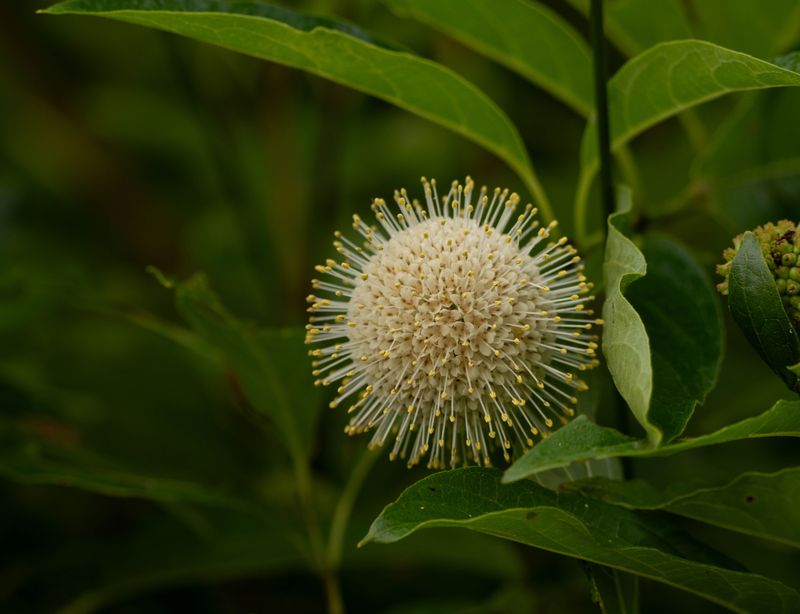
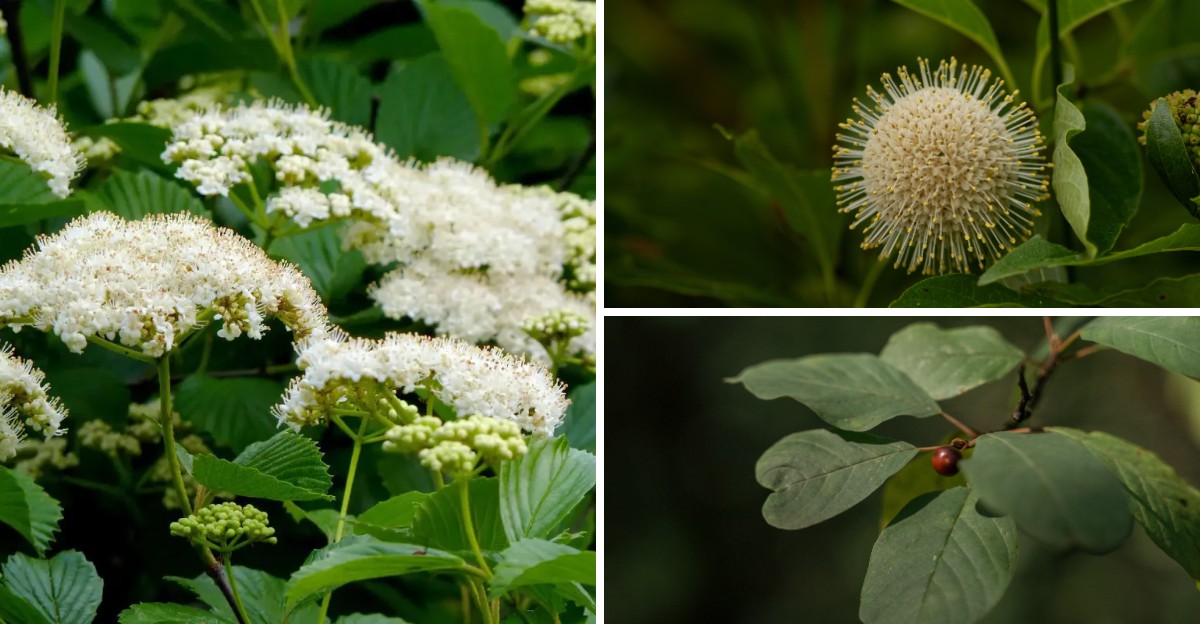
Buttonbush flowers look like tiny white pincushions or fuzzy moons, and they honestly seem too strange to be real. Kids love them, and I have to admit I still stop and stare every single July.
Cephalanthus occidentalis grows naturally along pond edges and slow stream banks where its roots can stay wet. Expect a rounded, spreading shrub roughly six to twelve feet tall, hardy in zones five through nine.
Those round flower heads bloom in July and August, releasing a sweet fragrance that draws crowds of pollinators. Native bees and butterflies swarm the blooms by day, while big sphinx moths take over at dusk.
After flowering, the balls turn into reddish-brown seed clusters that hang on through winter for added interest. Ducks and other water birds eat the seeds, so wetland gardens get a bonus wildlife menu.
Soggy spots that drown most shrubs suit buttonbush just fine, since it tolerates temporary flooding and heavy clay. If you have a rain garden or a low corner that puddles, this plant belongs there.
Give it full sun to light shade for the best flowering, and keep soil moist during dry stretches. Leaves and bark contain compounds that can upset stomachs, so keep curious pets and livestock from browsing it.
October is a smart time to plant, because autumn rain helps soak the root ball while temperatures cool. Buttonbush leafs out late in spring, so do not panic if it looks bare while neighbors are green.
5. Summersweet
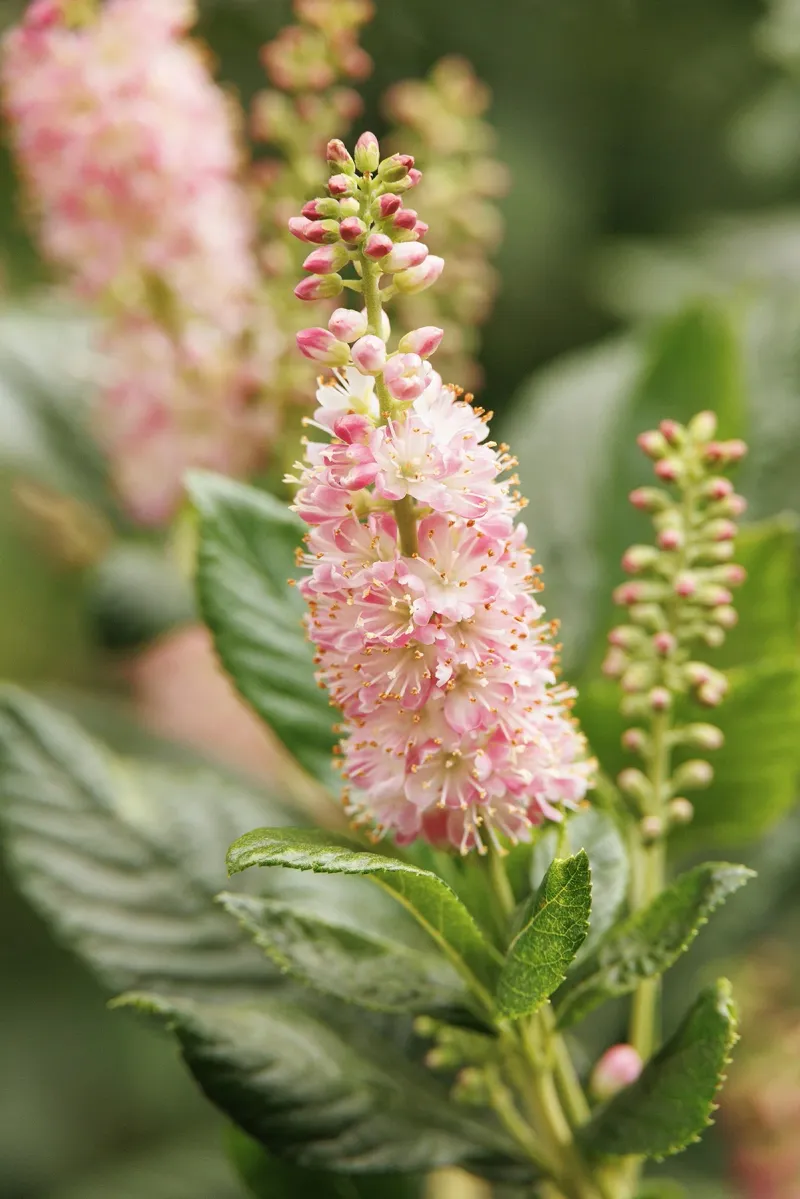
Walk past a blooming summersweet in August, and the sweet, spicy perfume might stop you right in your tracks. Personally, I think it smells like honey mixed with cloves, and the bees seem to agree with me.
Clethra alnifolia, also called sweet pepperbush, usually grows three to eight feet tall and wide in gardens. Over time it sends up suckers and forms a loose colony, which is great for filling wide beds.
Fragrant white or pink flower spikes, three to six inches long, open from July into September. Those blooms arrive when many shrubs have finished, giving pollinators a late summer feast when they need it.
Many gardeners plant summersweet as a replacement for butterfly bush, which spreads aggressively and feeds no native caterpillars. You still get plenty of butterflies, plus bees and hummingbirds, without seedlings popping up in nearby fields.
Fall foliage turns golden yellow in October, so the shrub keeps earning attention after the flowers fade. Dry seed capsules then hang on through winter, adding subtle texture against snow in the cold months.
You need moist, acidic soil for happy plants, because summersweet sulks in hot, dry spots with poor drainage. It thrives in full sun to partial shade and handles wet ground better than many flowering shrubs.
Compact cultivars like Hummingbird and Sixteen Candles fit small yards nicely, and they still offer that wonderful scent. Summersweet also leafs out late in spring, so give it time before assuming anything went wrong over winter.
6. Winterberry Holly
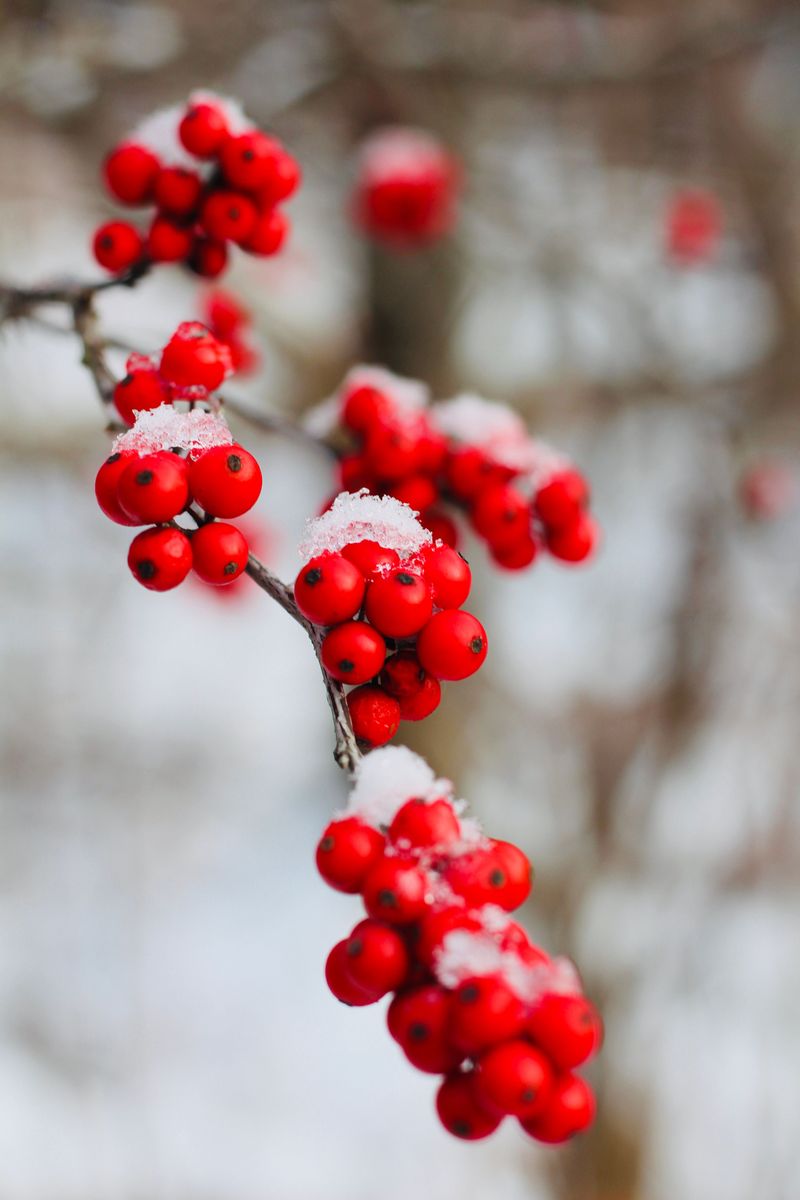
Once winterberry drops its leaves, bare branches burst with so many red berries the shrub looks dipped in paint. I believe nothing brightens a snowy Pennsylvania yard quite like a row of these glowing stems in January.
Ilex verticillata is a deciduous holly, so it loses its leaves in fall unlike the evergreen Christmas types. Plants usually grow six to ten feet tall and wide, and they are hardy in zones three through nine.
Here comes the tricky part, because you need both male and female plants to get those famous berries. One male can pollinate several females nearby, so ask your nursery for a matching male variety.
Small green flowers bloom in late spring and early summer, quietly feeding bees and other small pollinators. Berries ripen by fall, and birds like robins and bluebirds often snack on them through late winter.
Gardeners often recommend winterberry as a native replacement for Japanese barberry, which crowds forests and shelters ticks. You lose the thorns but keep plenty of color, which sounds like a fair trade to me.
Wet soil does not bother this holly, and it prefers acidic ground like many of its relatives. Full sun gives the heaviest berry crops, though plants tolerate shade and occasional dry spells once established.
Berries can upset human stomachs if eaten, so teach kids to admire them without tasting them. October is ideal for planting, and you might even find shrubs at nurseries already loaded with red fruit.
7. Arrowwood Viburnum
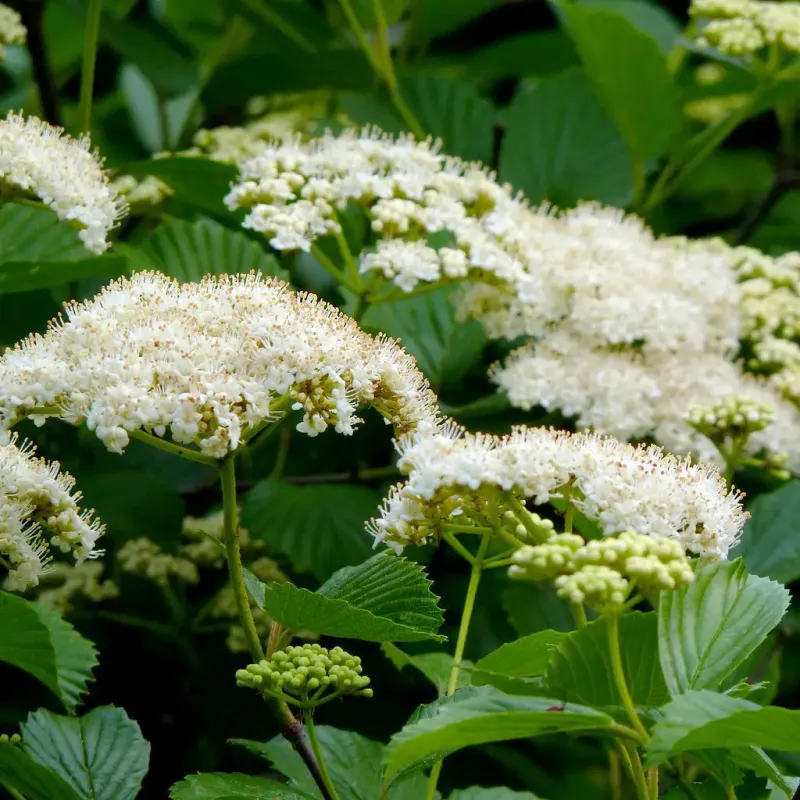
Native Americans reportedly used the straight, sturdy stems of arrowwood viburnum to make arrow shafts, which explains the name. I like how a backyard shrub can carry that kind of history right outside your kitchen window.
Viburnum dentatum grows six to ten feet tall and wide, sometimes reaching fifteen feet in rich, moist soil. Its toothed leaves and rounded, multi-stemmed shape make it a natural fit for hedges and privacy screens.
Flat clusters of creamy white flowers open in May and June, attracting a busy crowd of bees and butterflies. By late summer, dark blue berries follow, and birds tend to pick them clean within a few weeks.
Fall leaves shift to shades of red and purple, adding warm color just as October temperatures start dropping. That makes arrowwood a strong stand-in for privet hedges, which spread readily into woods across Pennsylvania.
Arrowwood handles clay soils and wet spots, yet it also tolerates occasional dry periods once roots settle in. Full sun to partial shade works, though extra sunlight usually means heavier blooms and bigger berry clusters.
Keep an eye out for viburnum leaf beetle, an invasive insect that can strip leaves bare by midsummer. Check twigs this fall and winter for small egg sites, then prune those infested tips to reduce problems.
Berries can cause stomach trouble in people, so leave them for the catbirds, bluebirds, and other hungry visitors. Plant a few different arrowwood shrubs together, because cross-pollination between them often improves the berry crop.
8. Ninebark
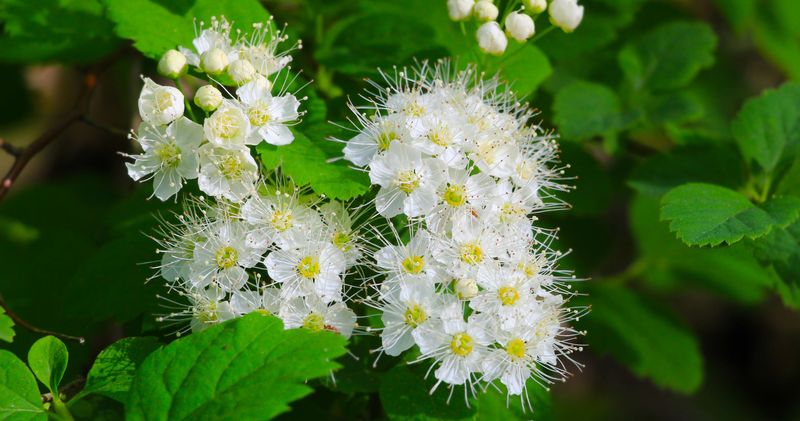
Ninebark stems shed their bark in shaggy, papery strips, and legend says you can count nine layers peeling away. I have not managed to count that many myself, but the curly texture looks fantastic against winter snow.
Physocarpus opulifolius grows five to ten feet tall, forming an upright shrub with arching branches and maple-like leaves. It handles cold winters easily and is hardy in zones three through seven, covering the whole state.
Rounded clusters of white to pinkish flowers open in May and June, drawing in bees by the dozens. Reddish seed capsules follow, puffed up like little balloons, and they hang on well into autumn.
This tough native makes a solid swap for invasive shrub honeysuckle, filling hedgerows without escaping into the woods. Birds use the dense branches for cover and nesting, and some moth caterpillars feed on the foliage.
Ninebark tolerates clay and rocky poor soil, then shrugs off drought once its roots are well established. Full sun brings the best flowering and leaf color, though partial shade still gives you a decent show.
You might notice purple-leaved cultivars like Diabolo or the compact Little Devil at many garden centers. These selections are still ninebark at heart, though straight species plants may offer more value to wildlife.
October planting gives roots several weeks to settle before frozen ground halts growth for the season. Prune right after spring flowering if needed, removing a few older stems at the base to refresh the plant.