Caught A Raccoon In Your Florida Yard? Why You Can’t Just Release It Somewhere Else
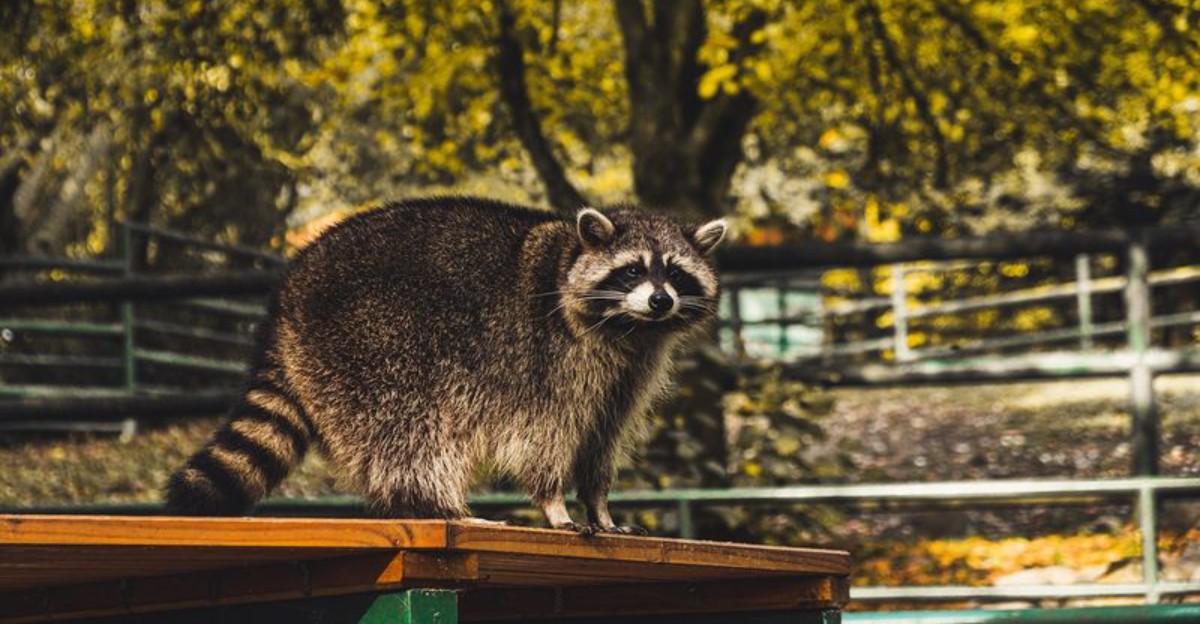
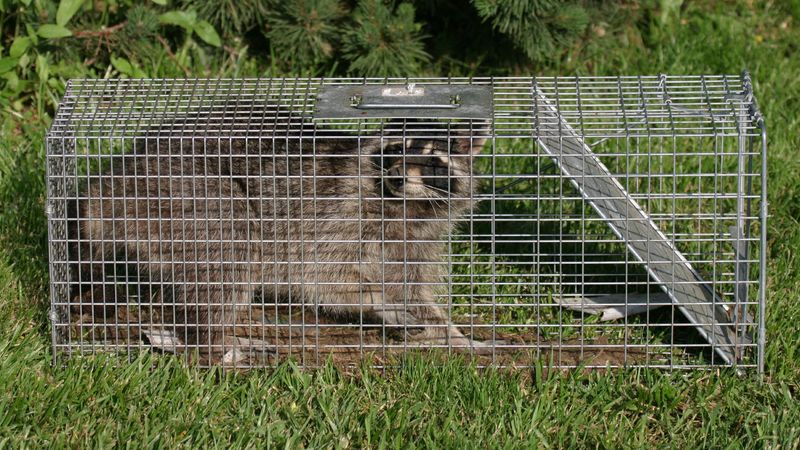
That cozy county park down the road is off-limits for the masked bandit sitting in your trap.
Dropping nuisance wildlife on public land in Florida generally breaks state rules, even with the best intentions.
I get the urge to play hero. The little culprit stares out with those dark, shiny eyes and tiny clever hands. Personally, I can’t imagine anyone feeling great about leaving it in a cage.
State wildlife officials see things differently, and their reasons are surprisingly solid. Rabies, turf battles, and a sense of direction that pulls animals back home all play a part.
Those muddy handprints on your patio carry more weight than you might expect.
So what happens after the trap door snaps shut? You have a few legal choices, and one of them might surprise you. The smartest move could start long before you ever set another trap.
1. That Trapped Masked Bandit Has Fewer Options Than You Think
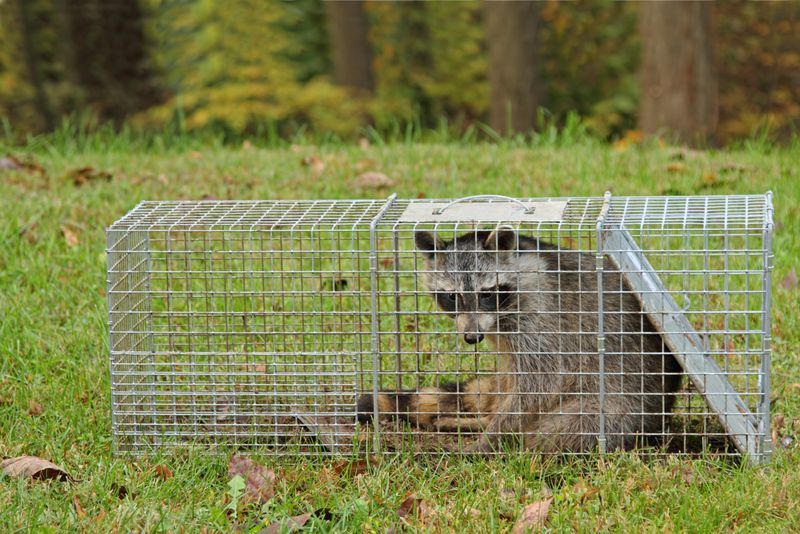
Your heart says one thing, and the rulebook says another. Raccoons are native wildlife, so the Florida Fish and Wildlife Conservation Commission (FWC) has the final word on what happens after capture.
Landowners are allowed to live-trap a nuisance raccoon on their own property. That part surprises a lot of folks, since it sounds like a free pass.
The catch is that trapping is only step one, and the next step is where most people slip up.
Once the animal is in the cage, you can’t simply pick any spot on a map and open the door. Parks, preserves, roadside woods, and your cousin’s backyard are mostly not allowed.
The rules limit both where the animal goes and how you handle it.
I like to think of the trap as a responsibility, not a solution. Before you even set it, you should know exactly what you’ll do with whatever walks inside.
Opossums, neighborhood cats, and even armadillos wander into raccoon traps more often than you’d guess.
A little planning saves a lot of stress later. Read the FWC nuisance wildlife page, check your county rules, and decide on your plan first.
Your future self, standing over a hissing cage at 6 a.m., will thank you.
2. State Rules Give Your Caged Raccoon Just Two Legal Paths
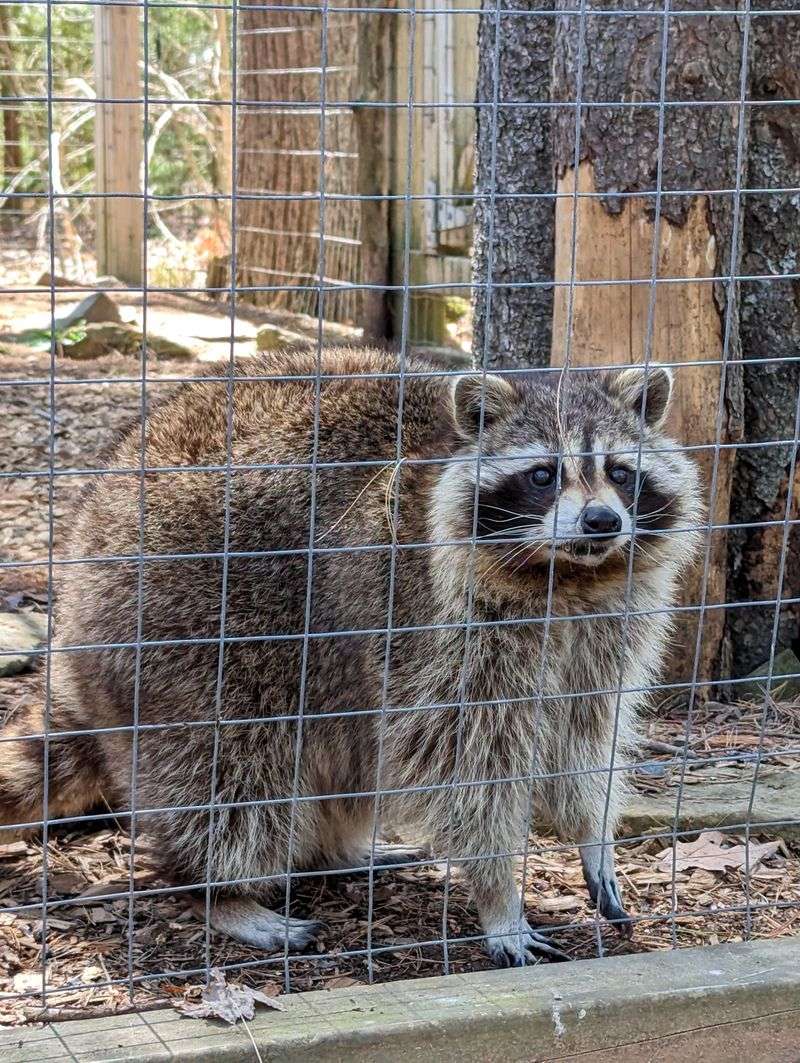
Short and simple is how I’d describe the official options. Under FWC rule 68A-9.010, a live-captured nuisance raccoon generally has two possible outcomes.
First, you can release it on the same property where you caught it. That sounds silly, but it works if you’ve already fixed the problem that drew it in, like an open trash can or a gap under the shed.
Second, you can relocate it within the same county, but only under strict conditions covered in the next section.
There’s no option where you drive to a quiet nature trail and say goodbye. Releasing it on someone else’s land without permission can lead to fines and an unhappy conversation with an officer.
Your Florida Garden Changes Every Week. Your Plan Should Too.
Gardening in Florida changes quickly throughout the season. Every Friday you’ll receive a simple weekly plan showing exactly what to plant, prune, fertilize, harvest, and protect so you never miss the right timing.
Fun fact for the curious gardener: raccoons have one of the most sensitive senses of touch among mammals. Their front paws are packed with nerve endings, which explains how they open latches so easily.
That cleverness is exactly why a release on your own property only works after you’ve raccoon-proofed everything.
3. The 40-Acre Rule Makes Raccoon Relocation A Real Puzzle
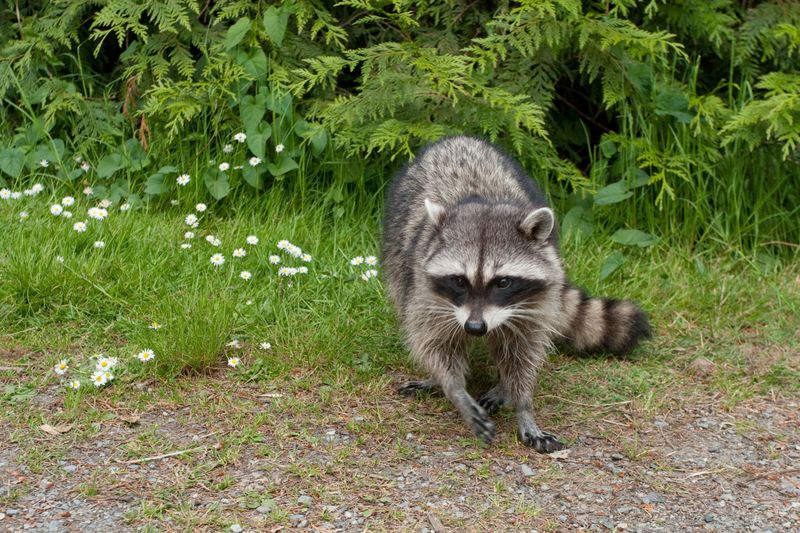
Forty acres sounds like a lot of land, and it is. If you want to move a nuisance raccoon off your property, Florida rules require a release site of at least 40 contiguous acres.
That land must sit in the same county where you caught the animal. Keeping raccoons local helps limit the spread of disease and avoids mixing populations across regions.
You also need written permission from the landowner, and a quick nod over the fence doesn’t count.
Public land is generally off the table. Federal, state, county, and city properties typically aren’t allowed for nuisance wildlife releases unless an agency specifically authorizes it.
So that big state forest down the highway won’t work.
Many guides also advise checking with your county health department for any active rabies alert before moving an animal. Releasing a raccoon into an alert zone is a bad idea for everyone involved.
Honestly, most suburban homeowners can’t meet all these conditions. Finding a ranch owner willing to sign a permission note for a cranky raccoon is harder than it sounds.
That’s a big reason many people end up calling a pro instead.
4. Rabies Can Hitch A Ride With A Relocated Raccoon
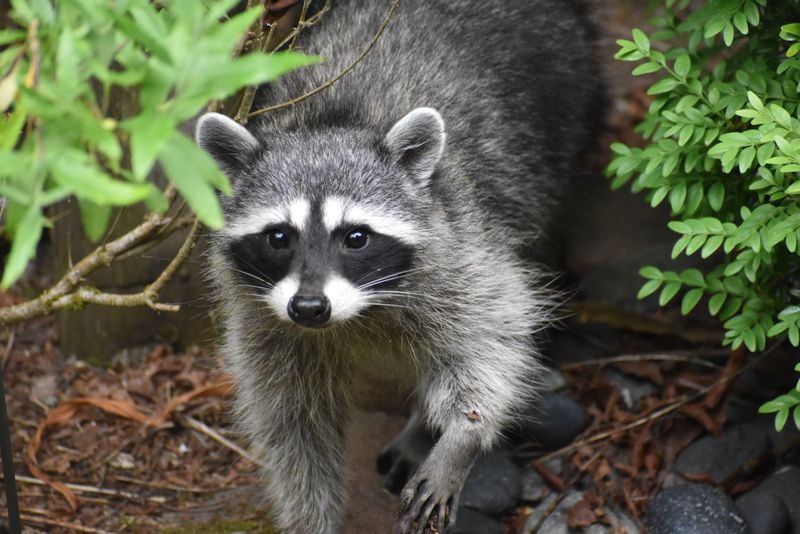
Raccoons are one of the main wildlife carriers of rabies in Florida, according to the state Department of Health. That single fact explains a big chunk of the relocation rules.
A raccoon can carry the virus for weeks before showing obvious signs. It might look healthy in your trap and still be infected.
Moving that animal miles away could introduce rabies to a new group of raccoons, foxes, bats, or even pets.
County health departments issue rabies alerts when cases pop up in an area. These alerts often last 60 days or more and cover specific zones.
Releasing wildlife into or out of those zones spreads the risk instead of containing it.
Rabies isn’t the only concern. Raccoon roundworm eggs travel in their droppings, and leptospirosis bacteria can spread through urine.
Both can affect people and dogs, so wear gloves and keep kids away from latrines and traps.
Please don’t handle a trapped raccoon with bare hands, even if it seems calm. If you’re scratched or bitten, wash the wound with soap and water for several minutes and call your doctor and county health department right away.
5. Moved Raccoons Struggle In Strange Woods Full Of Rivals
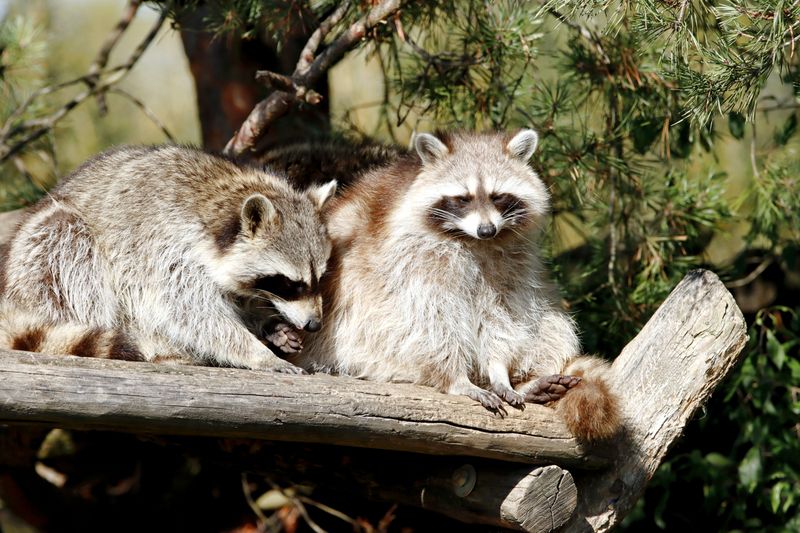
Dropping a raccoon into new woods feels like a fresh start. For the raccoon, it’s more like waking up in a strange city with no wallet, no phone, and no map.
Back home, that animal knew every dumpster, creek, and hollow tree. In an unfamiliar place, it has to find food, water, and shelter from scratch.
Research on relocated raccoons and other mammals shows many struggle badly, with high rates of loss in the first weeks after release.
Then come the neighbors. Good habitat usually already has resident raccoons, and they don’t welcome newcomers.
Fights over food and dens are common, and injuries can follow.
Many relocated animals also try to head home. Some travel surprising distances, crossing busy roads along the way.
Florida highways are not kind to wandering wildlife, especially at night.
I used to believe relocation was the gentle choice. Learning about these outcomes changed my mind.
Sometimes the kindest move is solving the attraction problem in your own yard so the raccoon can stay in its familiar territory and simply lose interest in you.
6. An Empty Backyard Raccoon Den Rarely Stays Vacant For Long
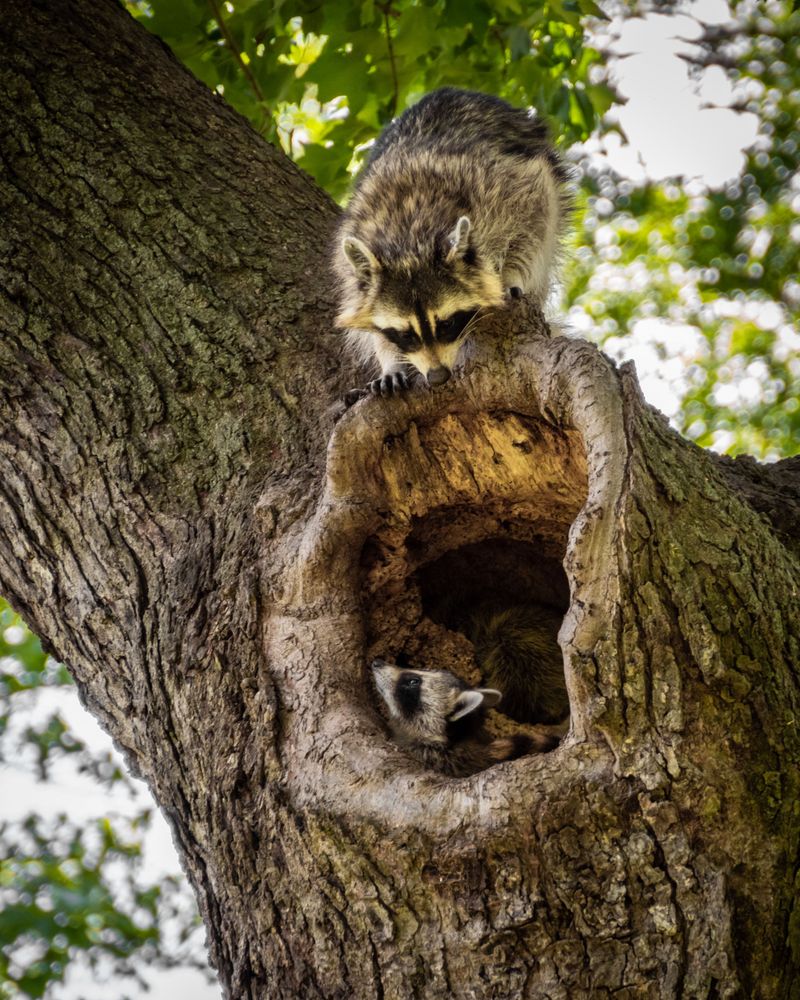
Nature hates a vacancy. Remove one raccoon from a yard full of easy snacks, and another one often moves in within days or weeks.
That’s why trapping alone rarely fixes the real issue. Your yard is attractive because of what it offers, such as pet food on the porch, fallen mangoes, a leaky crawl space, or an unlocked trash bin.
Until those disappear, new visitors will keep showing up.
Timing matters too. In Florida, raccoons can give birth from late winter into summer, and spring is a busy season for babies.
Trapping a mother during this period can leave hungry kits stuck in your attic or under your deck.
Orphaned babies create a bigger problem than the one you started with. They may cry for days, and their care requires a licensed wildlife rehabilitator, not a well-meaning homeowner with a bottle of milk.
If you suspect a den with young, wait a few weeks if possible. Mothers often move kits on their own once they’re old enough.
Gentle harassment, like a radio and bright light near the den, can also encourage a family to pack up and leave.
7. Locked Trash Cans And Chimney Caps Send Raccoons Packing
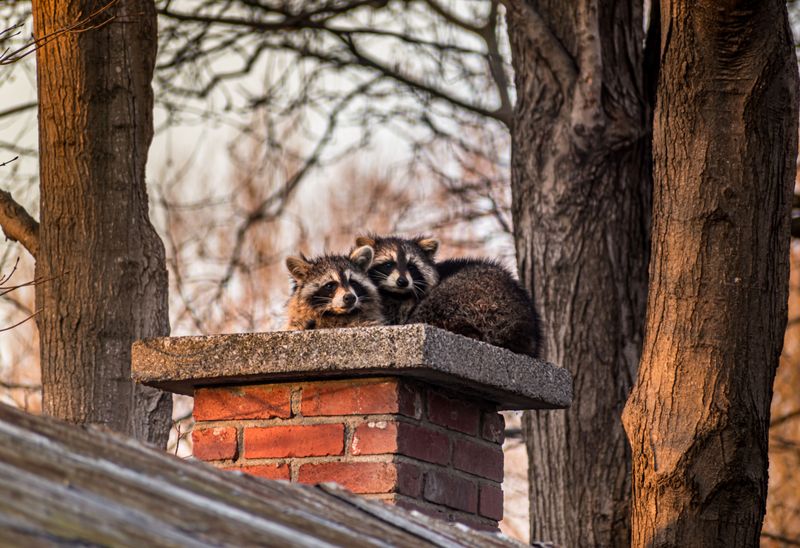
Prevention is the most satisfying win in my book. Once your yard stops being a buffet, raccoons usually wander off to find easier meals.
Start with trash. Use cans with tight, locking lids, or strap them with bungee cords.
Store bins in a garage or shed until pickup morning if you can.
Bring pet food and water bowls inside before dark. Bird feeders are another magnet, so add a baffle or take them in overnight.
Pick up fallen citrus, avocados, and figs before they become midnight snacks.
Next, look at your house like a raccoon would. Install a sturdy chimney cap, repair loose soffits, and cover attic vents with heavy screen.
Seal gaps under decks and sheds with hardware cloth buried a few inches into the soil.
Trim tree branches so they sit several feet from your roofline. Raccoons are excellent climbers, and an overhanging oak limb is basically a ladder to your attic.
Compost bins deserve attention too. Skip meat, dairy, and greasy scraps, and use an enclosed tumbler.
Small changes like these often solve the problem without a single trap.
8. A Licensed Wildlife Trapper Can Take That Raccoon Cage Off Your Hands
Calling in a professional doesn’t mean you failed. It means you value your safety, your pets, and the law.
Licensed nuisance wildlife trappers in Florida understand the FWC rules inside and out. They know how to handle a stressed raccoon safely, which outcome is legal, and how to check for babies before removing a mother.
Many also offer exclusion work, sealing entry points so new animals can’t move in.
Look for a company with good reviews, proper insurance, and clear pricing. Ask how they handle captured animals and whether they offer a warranty on exclusion repairs.
A trustworthy pro will answer those questions without hesitation.
If a raccoon looks sick, acts strangely during the day, stumbles, or seems unusually aggressive, keep your distance. Call your county animal services or health department instead of approaching it.
Injured or orphaned young raccoons belong with a licensed wildlife rehabilitator. The FWC website lists rehabilitators by county, so bookmark it before spring baby season arrives.
My biggest takeaway? Treat every raccoon problem as a yard problem first.
Fix the food, fix the gaps, and you’ll rarely need a trap at all.