This Native Pennsylvania Shrub Feeds Birds And Blocks Nosy Neighbors
Privacy and wildlife habitat are two things most Pennsylvania homeowners pursue separately, with privacy fencing on one end and a bird feeder on the other.
But there’s a native Pennsylvania shrub that delivers both at the same time, and it does it more effectively than most dedicated solutions for either goal.
This shrub grows dense enough to create real visual screening without the maintenance demands of a formal hedge.
And as it does, it produces food that birds find genuinely irresistible, drawing in species through multiple seasons and supporting them in ways that a bird feeder simply cannot replicate.
It’s not a novelty combination either. The privacy it provides is substantial, the wildlife value is well documented, and because it’s native to Pennsylvania, it handles the local climate with a resilience that imported privacy shrubs consistently struggle to match.
For homeowners who want a yard that feels both private and alive, this native shrub makes a compelling case for doing both at once.
This Shrub Feeds Birds And Blocks Noise
Not every shrub can be called a true workhorse, but inkberry holly earns that title every single season. Known scientifically as Ilex glabra, this broadleaf evergreen is native to Pennsylvania and thrives across much of the eastern United States.
It keeps its leaves year-round, which already sets it apart from most shrubs you will find at a garden center.
Its growth habit is upright, rounded, and multi-branched, making it a natural fit for informal hedges and privacy screens. Because it fills out on its own, you will not need to spend your weekends constantly trimming and shaping it.
That dense, bushy form develops without much help from you, which is always a win for busy homeowners.
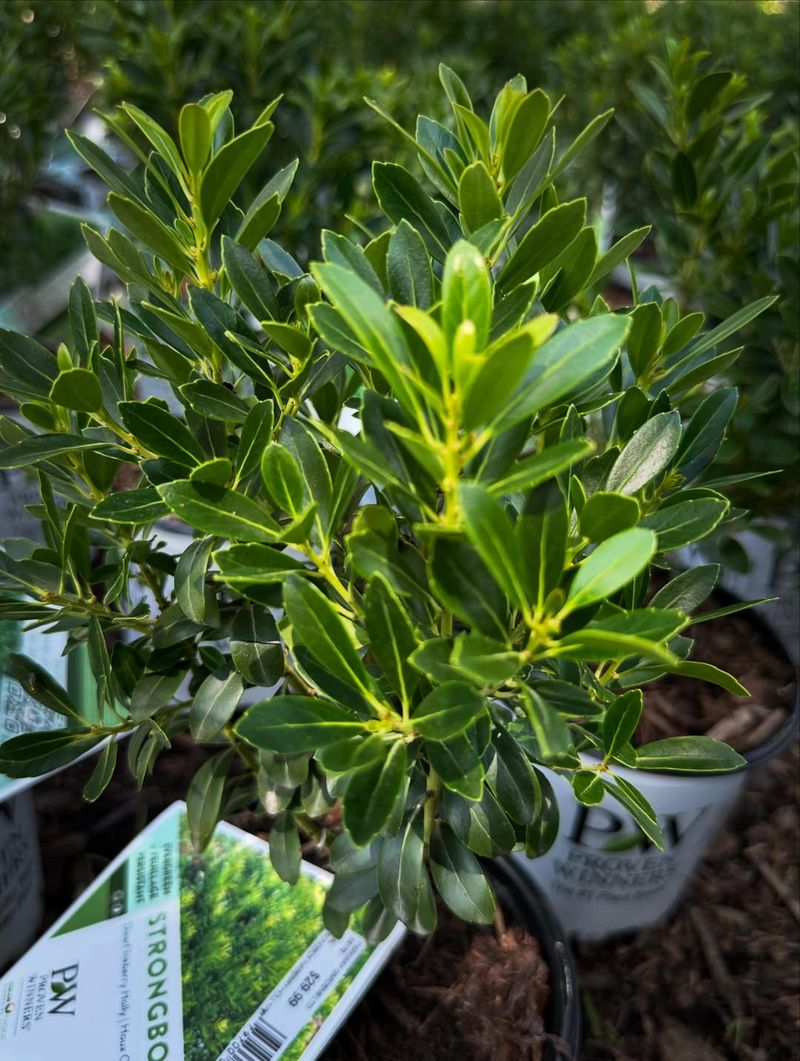
One of the most surprising things about inkberry holly is how much it resembles boxwood at first glance.
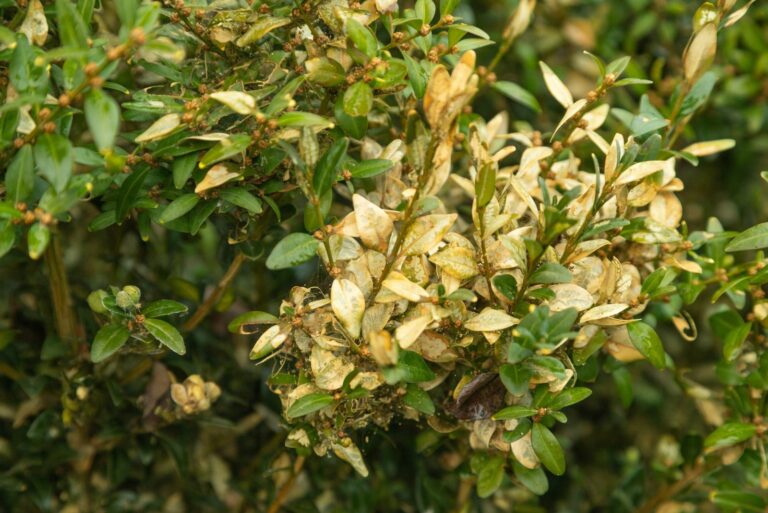
Its spineless leaves share a similar oval shape and deep green color, but inkberry is far tougher and better suited to Pennsylvania’s climate. Boxwood can struggle with disease and harsh winters, while inkberry just keeps growing.
Inkberry is also a plant with a long history in American landscapes. Native plant enthusiasts have championed it for years because it supports local ecosystems while looking polished and well-kept in a home garden.
It is not a flashy shrub with showy flowers, but its quiet reliability is what makes it special. If you have been searching for a native shrub that works hard without demanding much in return, inkberry holly is the answer.
It blends into a yard naturally, grows steadily, and rewards you with green foliage every month of the year.
Why It Provides Year-Round Privacy
Imagine planting a hedge and watching it go completely bare every November. That is the reality with many popular shrubs, and it defeats the whole purpose of having a privacy screen.
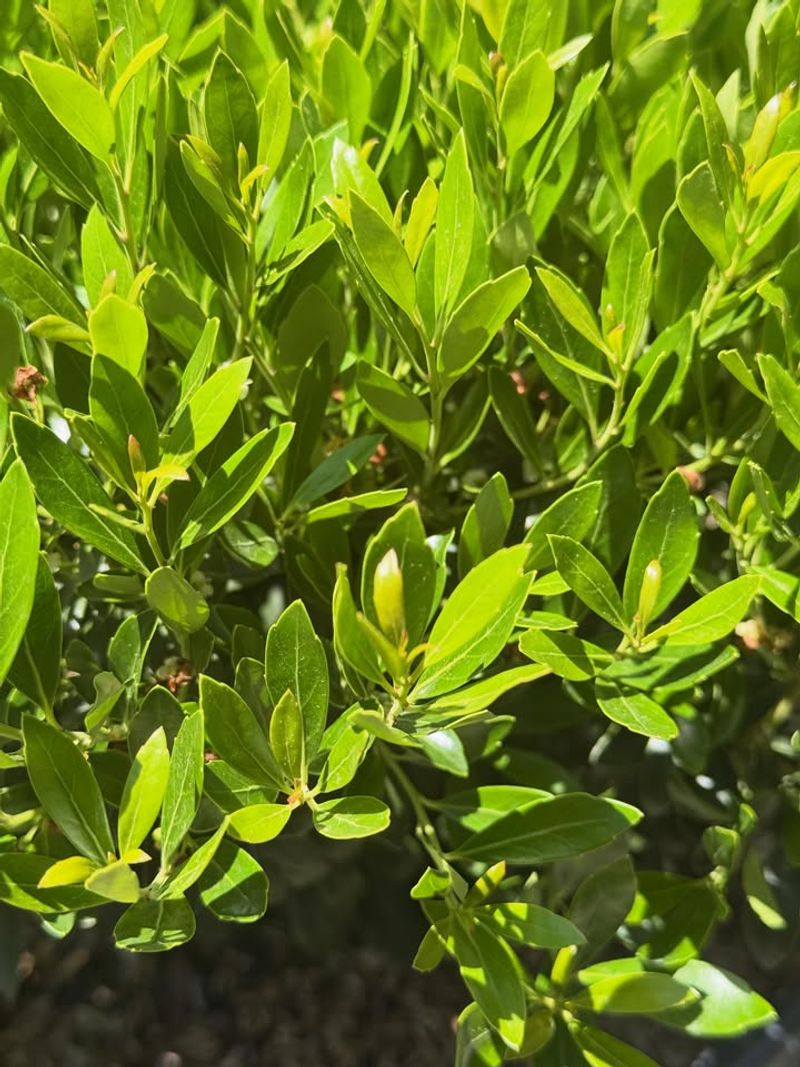
Inkberry holly solves that problem completely because its leaves stay green and full no matter what the season brings.
When deciduous shrubs drop their leaves in fall, your yard becomes an open book to neighbors and passersby. Inkberry does not do that.
Your Pennsylvania Garden Changes Every Week. Your Plan Should Too.
Gardening in Pennsylvania changes quickly throughout the season. Every Friday you’ll receive a simple weekly plan showing exactly what to plant, prune, fertilize, harvest, and protect so you never miss the right timing.
Its evergreen foliage holds on through cold snaps, snow, and ice, keeping your outdoor space feeling private and protected all year long.
Size matters when it comes to privacy, and the straight species of inkberry delivers. It can grow approximately five to ten feet tall and five to eight feet wide, which is more than enough to block sightlines from neighboring yards or the street.
That kind of natural height makes a real difference without requiring a fence. Grouping several plants together is the smartest approach for creating a broader living screen or windbreak.
When planted in a staggered row, inkberry shrubs knit together over time and form a solid green wall. You get the privacy of a fence with the beauty and ecological value of a living plant.
One important note for gardeners shopping for inkberry: choose full-sized varieties. Many modern dwarf cultivars look attractive in a nursery, but they simply do not grow tall enough to block views at the property line.
Stick with the straight species or a full-sized cultivar if screening is your main goal. Your future self will thank you for making that choice upfront.
How Its Berries Support Birds
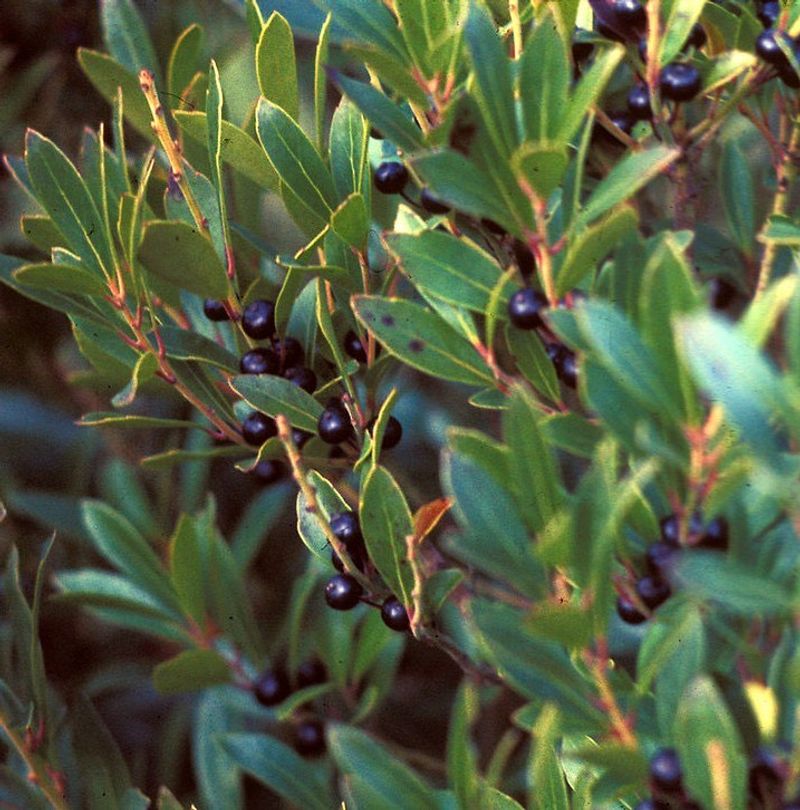
Walk past an inkberry holly in late fall or winter, and you might catch a flash of wings darting between the branches.
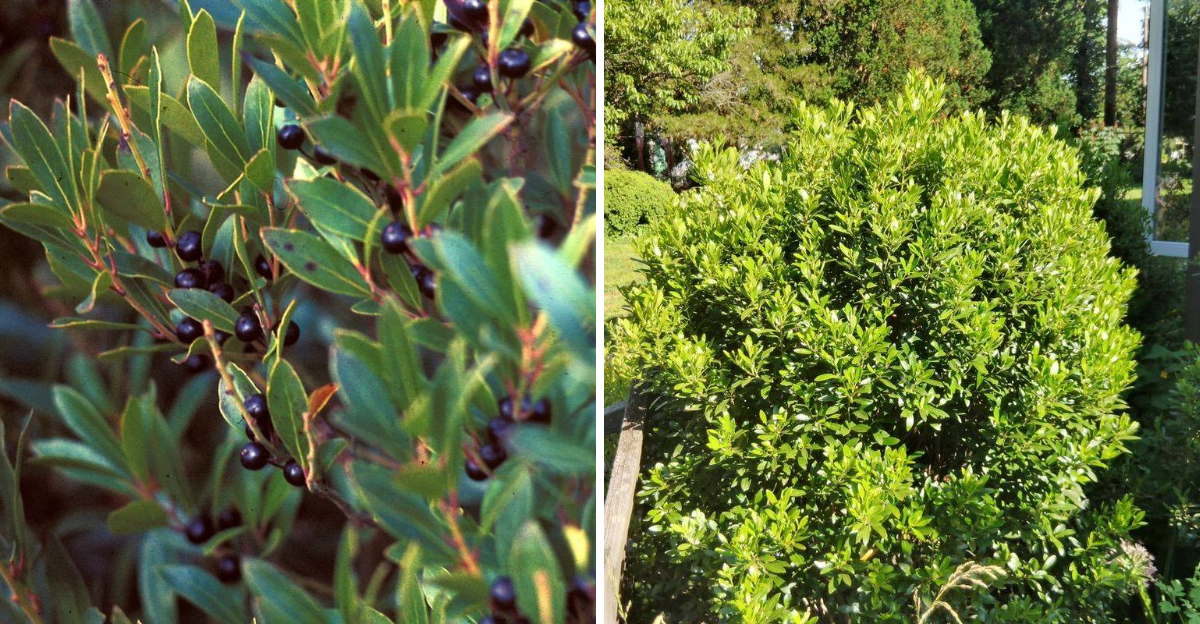
Birds absolutely love this shrub, and the reason comes down to those small, dark purple-black berries that ripen in autumn and often hang on through the coldest months of the year.
Female inkberry plants produce these fruits in clusters, and they are a reliable food source for a wide range of wildlife. Songbirds like cedar waxwings, hermit thrushes, and catbirds feast on the berries.
Game birds and small mammals also take advantage of the easy meal, making inkberry a genuine hub of backyard wildlife activity.
Beyond the berries themselves, the dense evergreen branches serve another important purpose. Birds use the thick foliage as shelter from winter storms, wind, and predators.
A row of inkberry shrubs can become a favorite roosting spot for birds looking for a safe, protected place to rest during cold nights.
It is worth mentioning that the berries are intended for wildlife, not people. The fruit can cause stomach upset and illness when eaten by humans, so keep that in mind if you have young children who might be tempted to sample them.
The birds, however, handle the berries just fine. Planting inkberry is one of the simplest ways to turn your yard into a wildlife-friendly habitat without doing anything complicated. You plant it, it grows, and the birds find it on their own.
Over time, your inkberry hedge becomes a living feeding station and shelter system that runs itself season after season.
Why You Usually Need Both Male And Female Plants
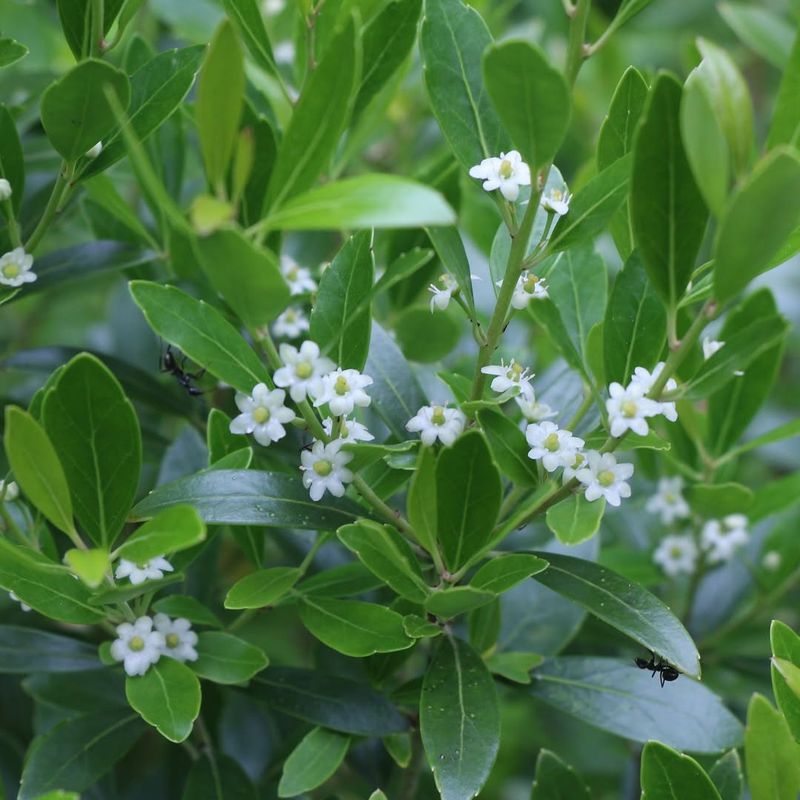
Here is something that surprises a lot of first-time inkberry growers: buying just one plant often means no berries at all.
Inkberry holly is what botanists call dioecious, which is a fancy word meaning that male and female flowers grow on completely separate plants. You cannot tell them apart just by looking at the leaves.
Only the female shrubs produce berries. The male plants exist to provide pollen, and without a compatible male nearby, the female flowers will not get pollinated.
No pollination means no fruit, and no fruit means no birds showing up to enjoy your hedge. It is a simple equation, but easy to overlook when you are shopping at the nursery.
The good news is that you do not need a one-to-one ratio of males to females. One healthy male inkberry can typically pollinate several female plants as long as their flowering periods overlap and the male is planted within a reasonable distance.
Many gardeners plant one male for every three to five females and get excellent berry production.
When shopping, check the plant tags carefully. Some nurseries label their inkberry plants by gender, while others sell named cultivars where the sex is already known.
Popular female cultivars include Compacta and Shamrock, while males like Ilex glabra males are sometimes sold under specific names depending on the nursery.
Getting the ratio right from the start saves a lot of frustration. If you plant a row of females and forget the male, you will have a lovely green hedge but a quiet one.
Add that male plant, and suddenly your yard becomes a busy, berry-filled bird destination every single fall.
Where Inkberry Grows Best
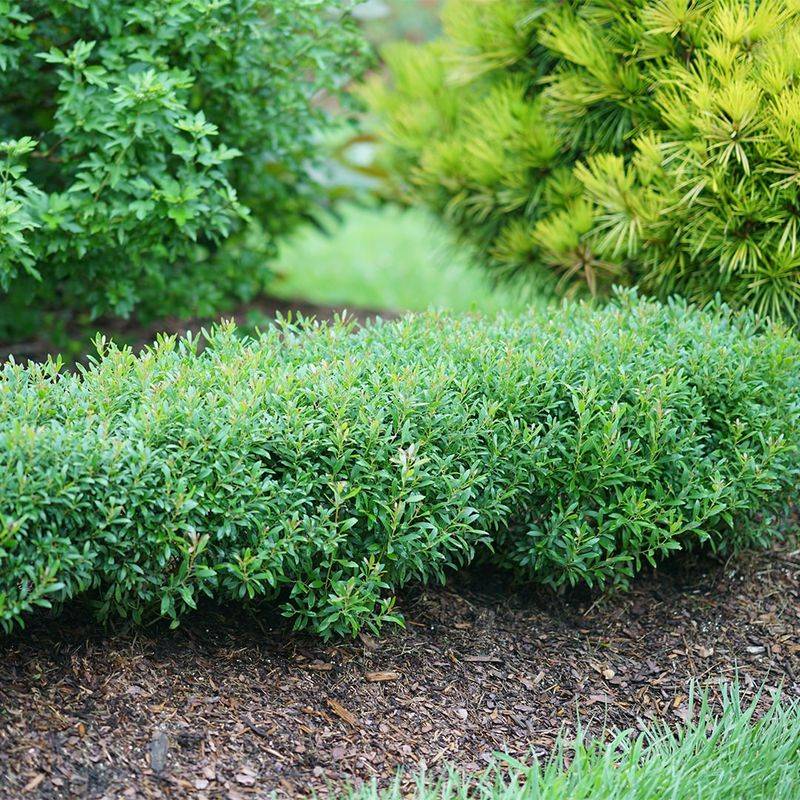
One of the best things about inkberry holly is how forgiving it is when it comes to growing conditions. Many shrubs are picky about light, soil, and moisture, but inkberry adapts to a surprisingly wide range of situations.
That flexibility makes it a reliable choice for all kinds of spots around a Pennsylvania yard. Light-wise, inkberry performs well in both full sun and partial shade. That said, stronger light tends to support denser, fuller growth.
If you plant it in a shadier spot, the shrub may become a bit more open and leggy over time. For a tight, solid privacy screen, aim for a location that gets at least six hours of sunlight each day.
Soil is where inkberry really shines as a tough native plant. It prefers acidic soil with consistent moisture, which matches the natural conditions of much of Pennsylvania’s landscape.
It also tolerates clay soil, sandy ground, and even occasionally wet or waterlogged areas that would stress out most other shrubs.
Because of that tolerance for wet conditions, inkberry is an excellent candidate for rain gardens.
Rain gardens are shallow planted areas designed to absorb runoff from roofs and driveways, and inkberry handles the cycle of wet and dry soil better than almost any other landscape shrub.
Beyond rain gardens, inkberry works beautifully in wildlife plantings, foundation beds, and informal privacy borders along property lines. It blends naturally into a Pennsylvania landscape without looking forced or out of place.
Whether your yard is sunny or shady, wet or dry, there is a good chance inkberry holly will feel right at home in it.
How To Maintain A Healthy Privacy Screen
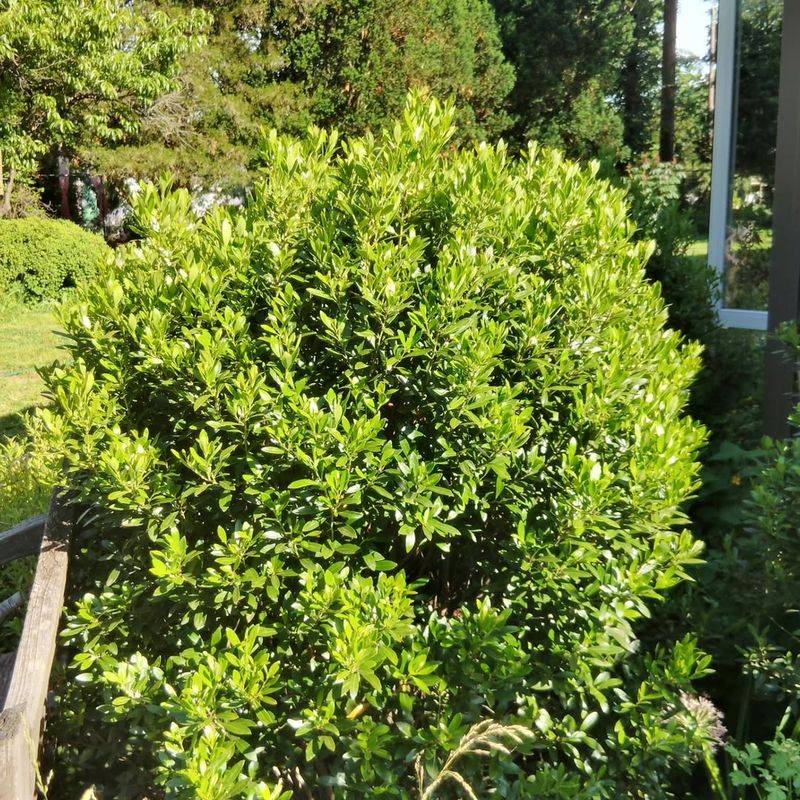
Inkberry holly is not a high-maintenance shrub, but a little attention goes a long way toward keeping your privacy screen looking its best. The first rule of thumb is simple: give each plant enough room to breathe.
Crowding shrubs too close together might seem like a shortcut to faster privacy, but it actually slows growth and can cause problems over time.
Check the mature width of your chosen variety before you plant. Space the shrubs so they can reach their natural width without running into each other.
They will fill in the gaps naturally as they mature, and you will end up with a healthier, denser screen in the long run.
Watering consistently during the first year or two after planting is the most important thing you can do for a new inkberry hedge. Once established, inkberry becomes much more self-sufficient and handles dry spells better.
Adding a layer of mulch around the root zone helps retain moisture and keeps weeds down, but keep the mulch a few inches away from the stems to prevent rot.
Pruning is rarely a big job with inkberry. Remove any damaged or crossing branches as you notice them.
If shaping is necessary, do it in early spring before new growth begins. Avoid heavy pruning in late summer or fall because that can remove next year’s berry buds.
One last thing to watch for is suckering. Inkberry can gradually send up new shoots from its roots, slowly forming a colony over time.
Those suckers can actually be useful for filling in gaps in your screen. Simply remove them where you do not want spreading, and let them grow where you do.