These Florida Plants Smother Weeds Without Any Chemicals
Florida weeds are opportunists. Leave any patch of soil open for two weeks and something you did not plant is already claiming it.
Gardeners who have fought this battle long enough know that pulling and spraying is a treadmill with no finish line. But certain plants play a completely different game.
They spread at ground level, crowd out the competition, and make bare soil a non-issue in the areas they cover. Not because someone engineered them to do it.
Because that is simply how they grow. And once they get established, the beds that used to demand constant attention start running on a fraction of the effort.
Not zero work, Florida never promises that. But real breathing room in parts of the garden that used to feel like a losing fight.
So which plants actually pull this off in Florida’s climate? More of them than most gardeners expect.
1. Plant Sunshine Mimosa To Cover Sunny Bare Soil
Picture a sunny patch of bare sandy soil in your front yard that keeps filling with weeds no matter how many times you pull them. Sunshine mimosa might be exactly what that spot needs.
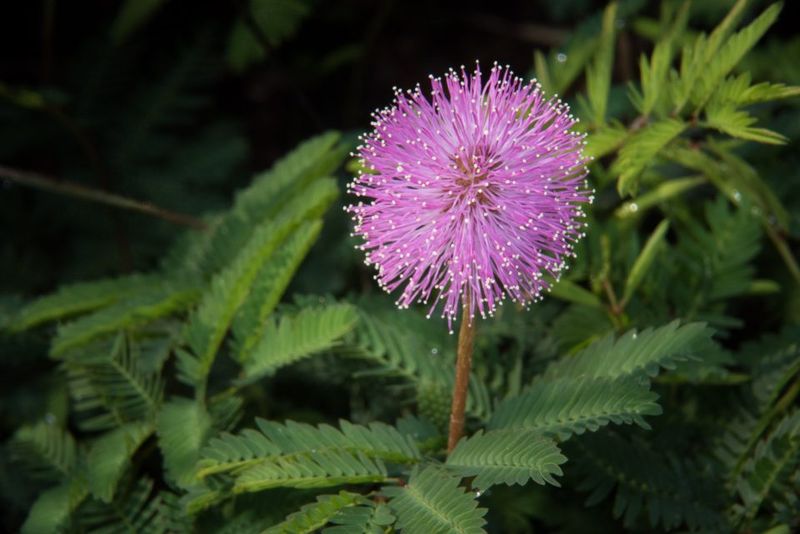
This low-growing native plant spreads across the ground in sunny sites, forming a soft, fern-like mat that shades the soil and leaves less room for weeds to settle in.
According to UF/IFAS, sunshine mimosa works well as a groundcover in open, sunny, well-drained areas. Its feathery leaves fold up when touched, which makes it a fun conversation starter for visitors.
The pink powderpuff flowers are a bonus, attracting pollinators and adding color without any extra effort from you.
The key to success with this plant is preparation. Remove all existing weeds before planting so the mimosa can establish without competition.
Give it room to spread, because it will. That spreading habit is what makes it useful in open informal beds, but it is not the right pick for tight, formal borders where you want clean edges.
Mulch lightly around new plants and water regularly until they are established. After that, sunshine mimosa is fairly low-maintenance in the right site.
Chemical-free does not mean hands-off, but once this plant fills in, it does a solid job of keeping bare soil covered and weed pressure lower.
2. Use Perennial Peanut Where Turf Struggles
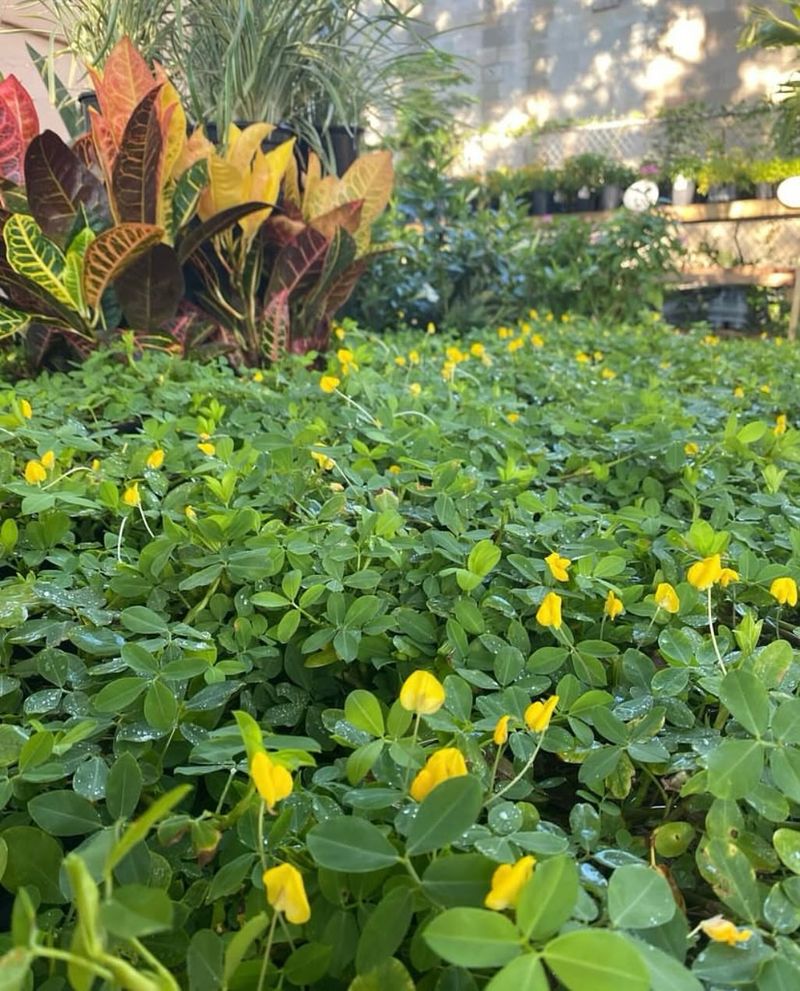
That patchy strip along the driveway where grass keeps thinning out and weeds keep moving in is a familiar frustration for many gardeners.
Perennial peanut is one plant that can genuinely thrive in those tough, sunny, well-drained spots where turf just refuses to cooperate.
UF/IFAS recommends perennial peanut as a warm-season groundcover for sunny, well-drained sites, particularly in areas where maintaining a traditional lawn is difficult.
Its small yellow flowers brighten up the landscape, and its dense low growth shades the soil enough to reduce open ground where weed seeds can sprout.
A few honest notes: perennial peanut is not a native plant, so it does not carry the same ecological value as native groundcovers. It may thin or go partially dormant during cooler months, especially in northern regions of the state.
Your Florida Garden Changes Every Week. Your Plan Should Too.
Gardening in Florida changes quickly throughout the season. Every Friday you’ll receive a simple weekly plan showing exactly what to plant, prune, fertilize, harvest, and protect so you never miss the right timing.
During those slow periods, some weeds may take advantage of the gaps, so a little hand-pulling or spot mulching can help.
Establishment takes patience. Plant it correctly, space it well, water it through the first season, and let it fill in gradually.
Once it is established and actively growing in warm weather, the dense coverage does a much better job of reducing weed pressure than bare soil ever could. Choosing the right site matters more than any shortcut.
3. Choose Beach Sunflower For Sandy Coastal Beds
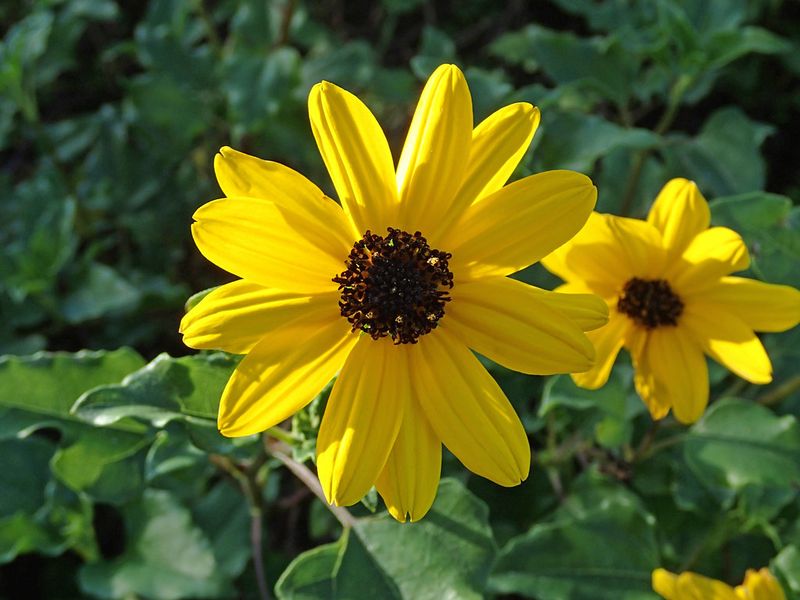
Weeds love to move into the sunny sandy gaps between shrubs in coastal-style beds. Beach sunflower has a different idea about who belongs there.
This cheerful native spreads quickly across sandy soil, covering open ground with bright yellow daisy-like blooms. It keeps those weed-friendly gaps filled with something worth looking at.
According to UF/IFAS Gardening Solutions, beach sunflower is a Florida native that tolerates sandy, salty, and sunny conditions well.
Its spreading habit makes it a practical choice for informal coverage in coastal yards, native beds, and open sunny landscapes.
It works especially well where bare sandy soil is the main challenge.
The spreading and self-seeding tendency that makes beach sunflower so useful in open informal beds can feel like too much in a narrow, tightly controlled border. In those situations, you would need to trim it back regularly to keep it in bounds.
For relaxed, naturalistic plantings, though, that same energy works in your favor.
Beach sunflower does not belong in deep shade or soggy soil. Give it sun, give it sand, and give it room to roam.
Pull existing weeds before planting, mulch lightly around new transplants, and water until the plants are established. After that, the dense spreading growth does the work of shading out bare soil and reducing the space where new weeds can take hold.
4. Grow Railroad Vine Where Open Sand Needs Coverage
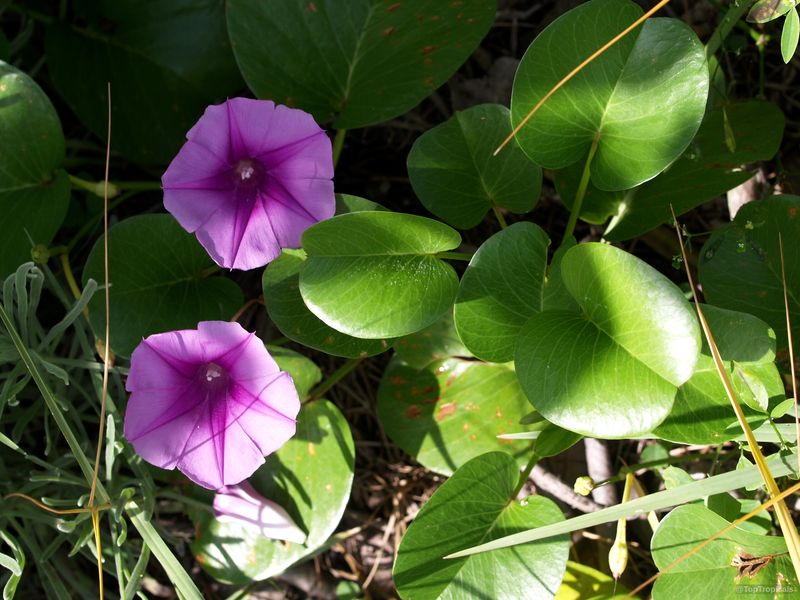
A hot, open strip of sand baking in full sun near a coastal yard can feel impossible to manage. Mulch blows away, traditional plants struggle, and weeds fill the gap fast.
Railroad vine is built for exactly that kind of challenging site, and it covers ground in a way few other plants can match in those conditions.
UF/IFAS describes railroad vine as a native coastal plant that spreads with long runners across open sandy ground. Its large purple morning-glory-like flowers are striking.
The plant’s ability to cover exposed sand quickly makes it practical for reducing bare ground in the right setting.
The long spreading runners are the whole point of this plant, so it absolutely needs room. Railroad vine does not belong in a small, tidy formal bed or a confined planter.
Put it where you actually want aggressive coverage of open sandy ground, and it will deliver.
Deep shade and wet heavy soil are not compatible with this plant. It wants sun and sand, plain and simple.
As with any groundcover, pull existing weeds before planting so the vine is not competing from the start. Water new plants through the establishment period.
Once they are settled in, the spreading growth provides living coverage that shades the soil and leaves far less open sand for weed seeds to exploit.
5. Use Frogfruit For A Low Native Pollinator Groundcover
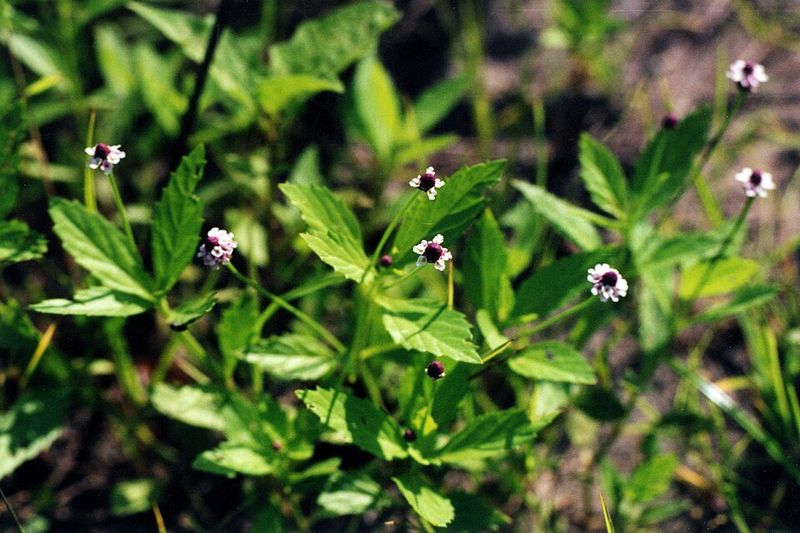
Pulling weeds from a sunny bed every week gets old fast, especially when you also want to support butterflies and bees. Frogfruit offers a two-for-one solution.
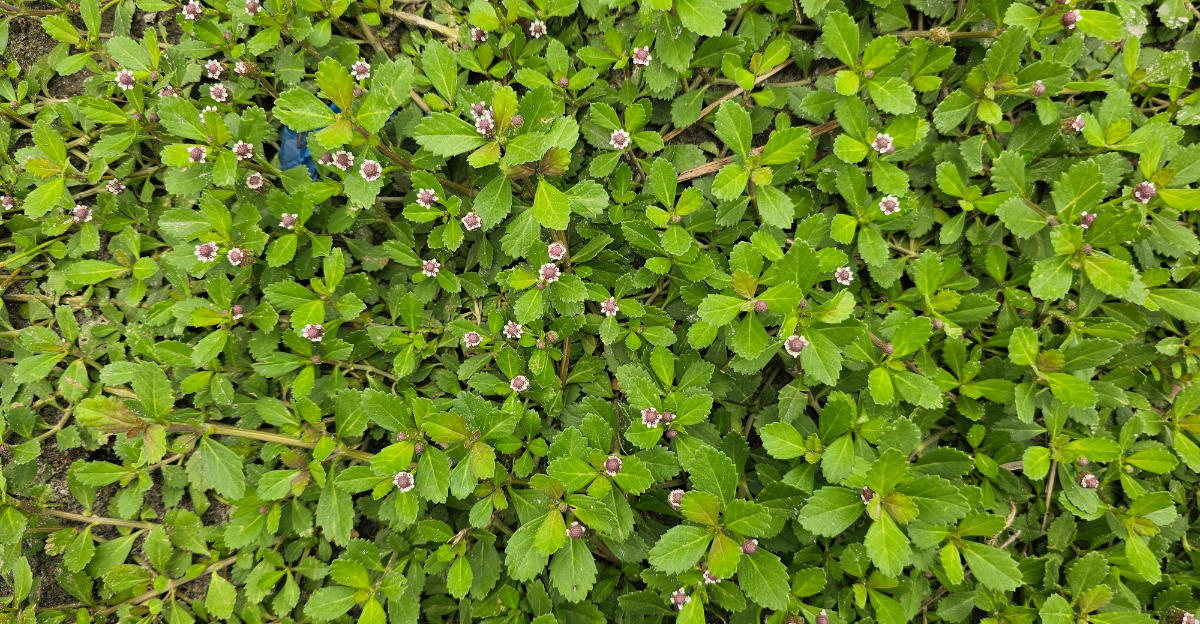
This low native groundcover spreads across sunny to partly shaded areas, shading out bare soil while quietly doing double duty as a pollinator magnet.
UF/IFAS recognizes frogfruit as a native plant with value for pollinators, including several butterfly species that use it as a larval host plant. Its small white flowers may look modest, but they attract a surprising number of beneficial insects.
The low spreading growth habit means it can fill gaps along path edges, informal beds, and naturalized areas without much fuss.
Frogfruit grows in a relaxed, naturalistic way. It is not going to give you the crisp, manicured look of a formal garden border.
If you want clean geometric edges, this is not your plant. If you want a low-growing, spreading native that reduces bare ground and invites pollinators, it is hard to beat for the right informal or native-style setting.
Prepare the soil, remove existing weeds, and give new plants consistent water during establishment. Frogfruit can handle some foot traffic once it is established, which makes it a reasonable option for low-traffic path edges.
The coverage it provides reduces open soil and lowers the chance that weed seeds find a bare spot to sprout and spread.
6. Choose Coontie To Shade Out Weeds Under Shrubs
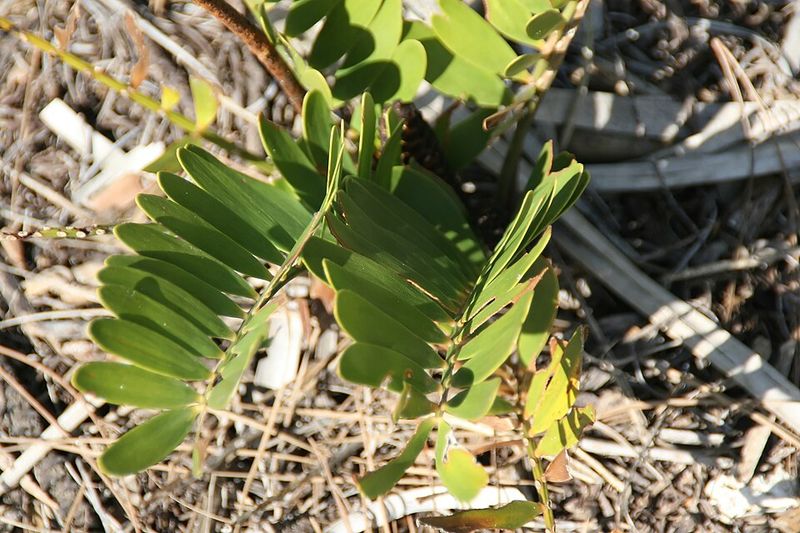
Mulch under shrubs never seems to stay put. Rain washes it thin, and weeds sprout right through the gaps before you notice.
Coontie takes a different approach to that problem. This tough native cycad builds a low, dense clump of dark green feathery fronds that shade the soil underneath and reduce the open ground where weeds love to sprout.
UF/IFAS highlights coontie as a durable native plant that tolerates drought once established. It also serves as the only larval host plant for the atala butterfly, a species that was once nearly gone from this region.
Planting coontie supports that butterfly’s recovery while also providing structure and shade in foundation plantings, under palms, or alongside shrubs.
One important note that should not be overlooked: coontie is toxic if eaten, including the seeds and all plant parts. Place it thoughtfully in yards where pets, young children, or curious visitors spend time.
Awareness of this fact keeps the plant in the right context.
Coontie grows slowly and does not act like a fast mat-forming groundcover. It will not smother weeds overnight.
The value comes from its mature clumps gradually reducing open soil over time. Pull existing weeds before planting, mulch during establishment, and give new plants regular water until they settle in.
Once established, coontie is remarkably low-maintenance and long-lived in the right site.
7. Plant Gopher Apple In Dry Sandy Native Beds
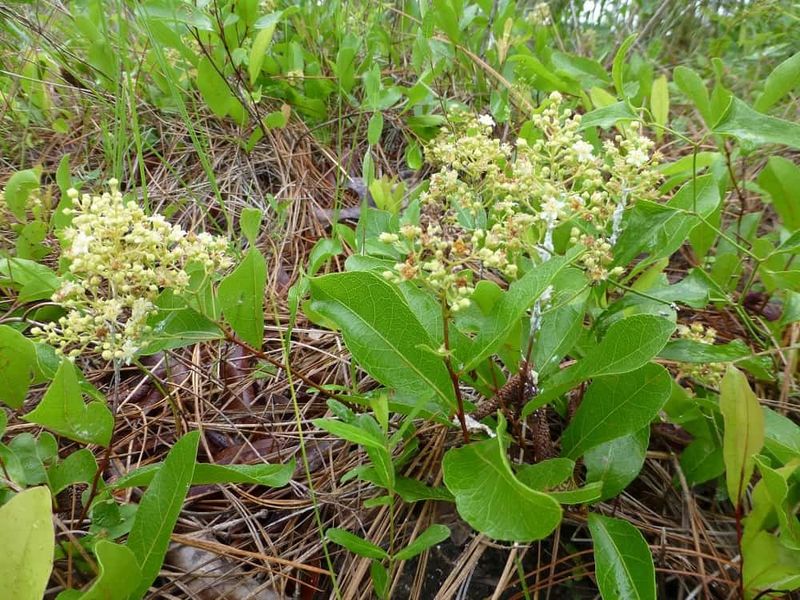
Dry sandy corners where mulch never seems to stay put are some of the trickiest spots in any native landscape. The soil is lean, moisture drains fast, and most traditional bedding plants give up after the first dry stretch.
Gopher apple, though, was practically born for conditions like that.
UF/IFAS describes gopher apple as a low-growing native groundcover suited to dry, sandy, well-drained soils.
It has a long history in sandy native landscapes across this state and provides food for wildlife, including gopher tortoises, which is how it earned its common name.
That wildlife connection gives it ecological value beyond simple weed suppression.
The plant spreads slowly through underground runners, gradually covering open sandy soil in lean, dry sites where many other plants struggle to survive.
That slow, steady spread is exactly what makes it practical for native beds that do not receive regular irrigation or soil amendment.
It fills in at its own pace, reducing bare ground over time.
Gopher apple is not suited for rich, wet, or heavily irrigated beds. Putting it in the wrong site will only lead to disappointment.
Match it to dry sandy conditions, pull existing weeds before planting, and be patient. This plant rewards the right site with reliable, low-maintenance coverage that supports local wildlife.
It also keeps open soil from becoming a weed-friendly invitation.
8. Grow Lyreleaf Sage For Weed Suppression In Part Shade
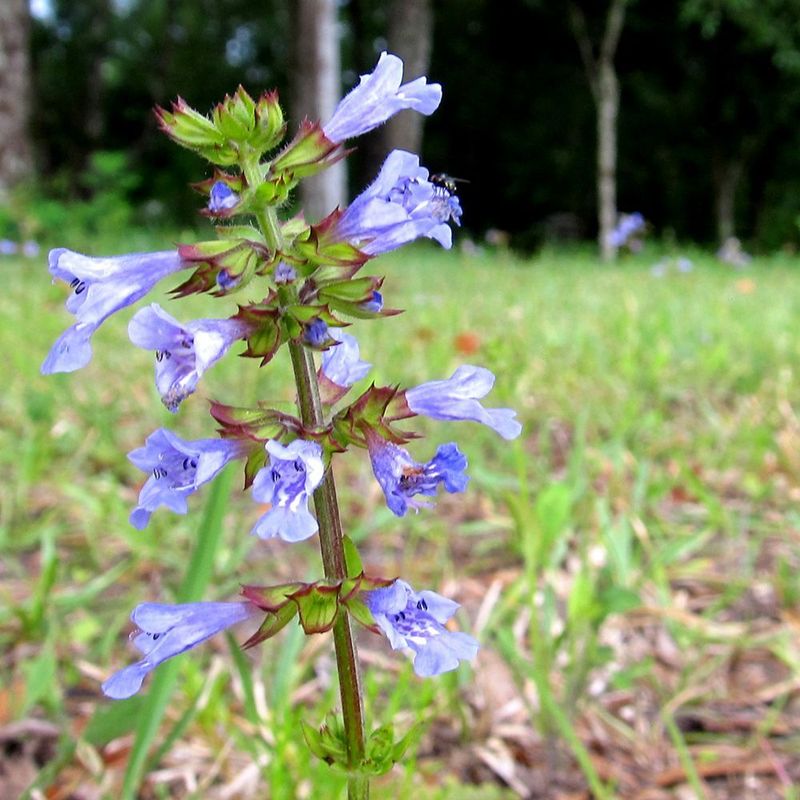
The thin spaces under oak trees and along shaded garden edges are quiet little weed highways. Light filters through, bare soil sits exposed, and before long you have a collection of unwanted seedlings filling every gap.
Lyreleaf sage is a native plant that actually enjoys those lightly shaded conditions and can spread to fill those gaps before weeds do.
According to UF/IFAS, lyreleaf sage is a native plant that grows in part shade to lightly shaded areas. It produces attractive spikes of small blue-purple flowers in spring.
The rosette-forming foliage stays low and can spread in naturalized or informal plantings. It provides coverage that reduces open soil in spots where many other groundcovers thin out.
The self-seeding and spreading habit of lyreleaf sage is a feature, not a flaw, in the right setting. Informal native-style beds, shaded edges, and naturalized areas under trees are where it shines.
In a rigid, formal bed where you want precise control over every plant, the spreading tendency would require more management than most gardeners want to deal with.
Start clean by removing existing weeds before planting. Give new plants consistent moisture during establishment, and let them fill in naturally.
The spreading foliage gradually covers open ground, shading out weed seeds and reducing bare soil in those lightly shaded spots that are otherwise so hard to manage. Like all the plants on this list, the right site makes all the difference.