12 California Tomato Tips For A Bigger Harvest This Season
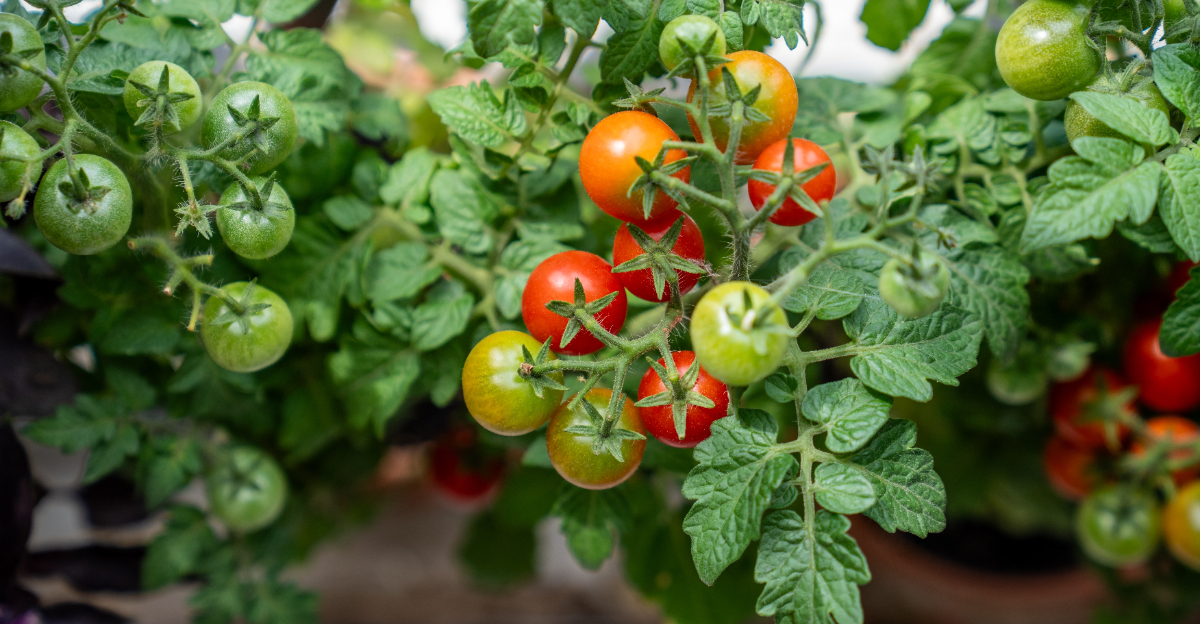
Bigger tomato harvests in California usually come down to a few smart moves, not garden magic.
The right timing, watering, feeding, and pruning habits can turn a decent tomato plant into one that pumps out fruit like it has something to prove.
California gives tomato growers a real advantage with its long season and generous sun, but that does not mean every plant automatically performs its best.
Heat stress, weak roots, crowded growth, and inconsistent watering can all cut into your harvest fast. Great tomato plants are not just planted and forgotten. They are set up to succeed.
That is where these tips come in. A few simple adjustments can lead to stronger plants, better flowering, and way more fruit over the course of the season.
Less guesswork, fewer disappointing plants, and a lot more tomatoes heading into your kitchen. That is the kind of garden math everyone likes, especially when salsa, sandwiches, and homemade pasta sauce are on the line.
Plant In Full Sun
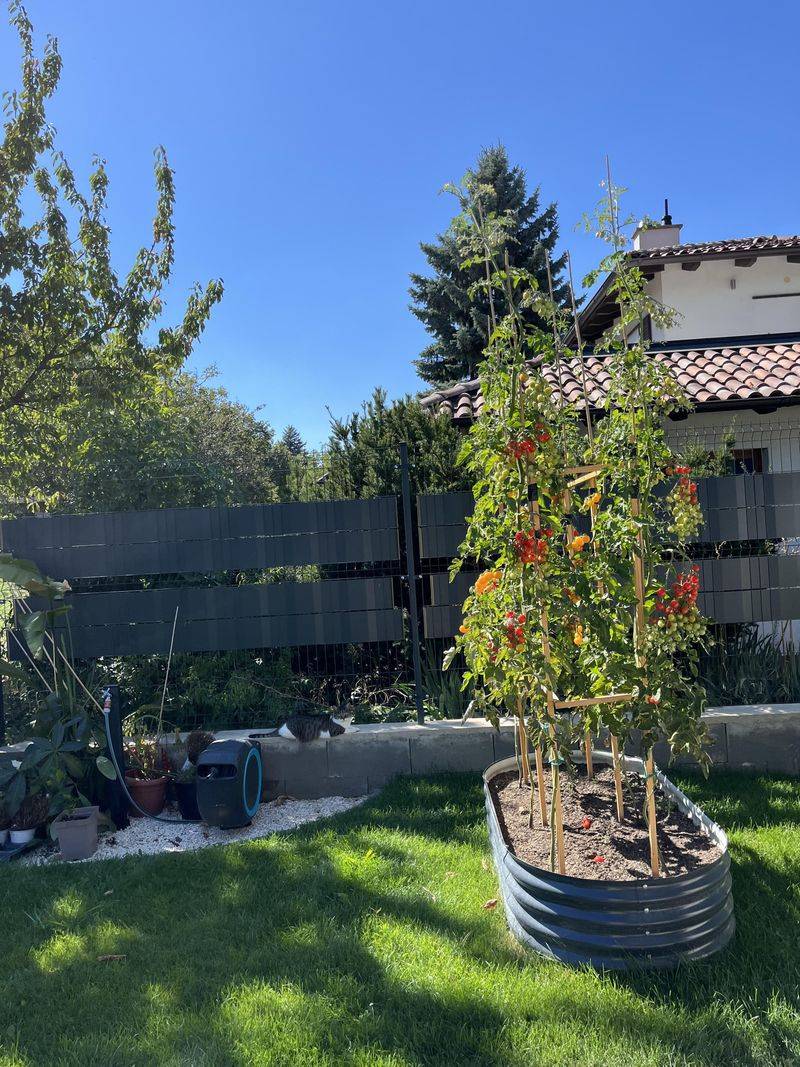
Sunshine is the secret ingredient every California tomato grower needs to know about. Tomatoes are sun-loving plants, and they need at least six to eight hours of direct sunlight every single day to produce well.
Less sun means fewer flowers, and fewer flowers means fewer tomatoes on your plate.
In California, most regions get plenty of sunshine from spring through fall, which makes the state a natural fit for tomato growing. But even here, the wrong spot can slow things down.
A shady corner near a fence or under a tree will not give your plants what they need.
Walk around your yard at different times of the day and watch how the light moves. Pick the brightest, most open spot you can find.
South-facing garden beds tend to catch the most sun throughout the day. Once you find that sweet spot, your tomatoes will reward you with big, flavorful fruit all season long.
Start With Strong Seedlings
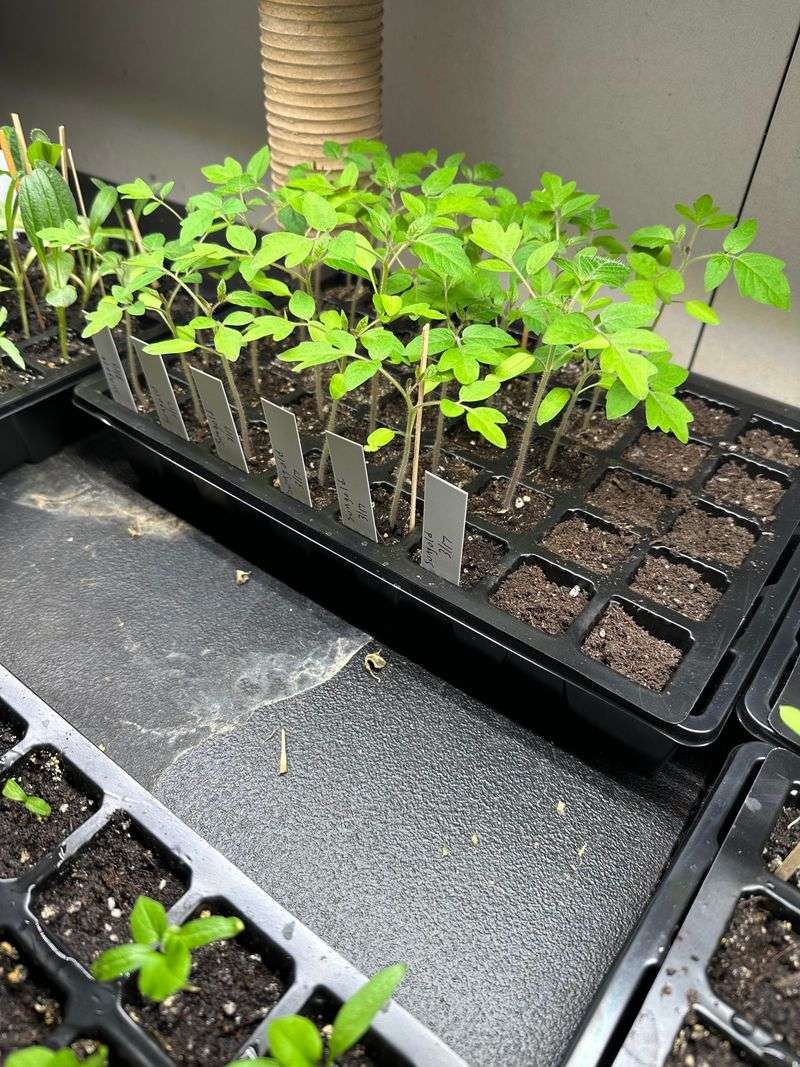
Not all tomato seedlings are created equal, and starting with a strong one gives you a real head start. A good seedling has a thick, sturdy stem, deep green leaves, and no signs of yellowing or wilting.
Avoid leggy, pale plants that look stretched out because they have been reaching for light.
In California, you can start seeds indoors about six to eight weeks before you plan to transplant them outside. This is usually around late January to February in warmer Southern California regions, and a bit later in cooler Northern California areas.
Starting early means you get to harvest sooner.
If you are buying seedlings from a nursery, take your time picking the healthiest ones on the shelf. Give them a gentle squeeze at the base of the stem.
It should feel firm, not floppy. Healthy roots matter just as much as what you see above the soil.
A plant that starts strong is more likely to fight off stress, bounce back from heat waves, and keep producing fruit all the way through California’s long growing season.
Your California Garden Changes Every Week. Your Plan Should Too.
Gardening in California changes quickly throughout the season. Every Friday you’ll receive a simple weekly plan showing exactly what to plant, prune, fertilize, harvest, and protect so you never miss the right timing.
Wait For Warm Soil
Rushing to plant too early is one of the most common mistakes California tomato growers make. Even when the air feels warm, the soil might still be too cold for tomatoes to thrive.
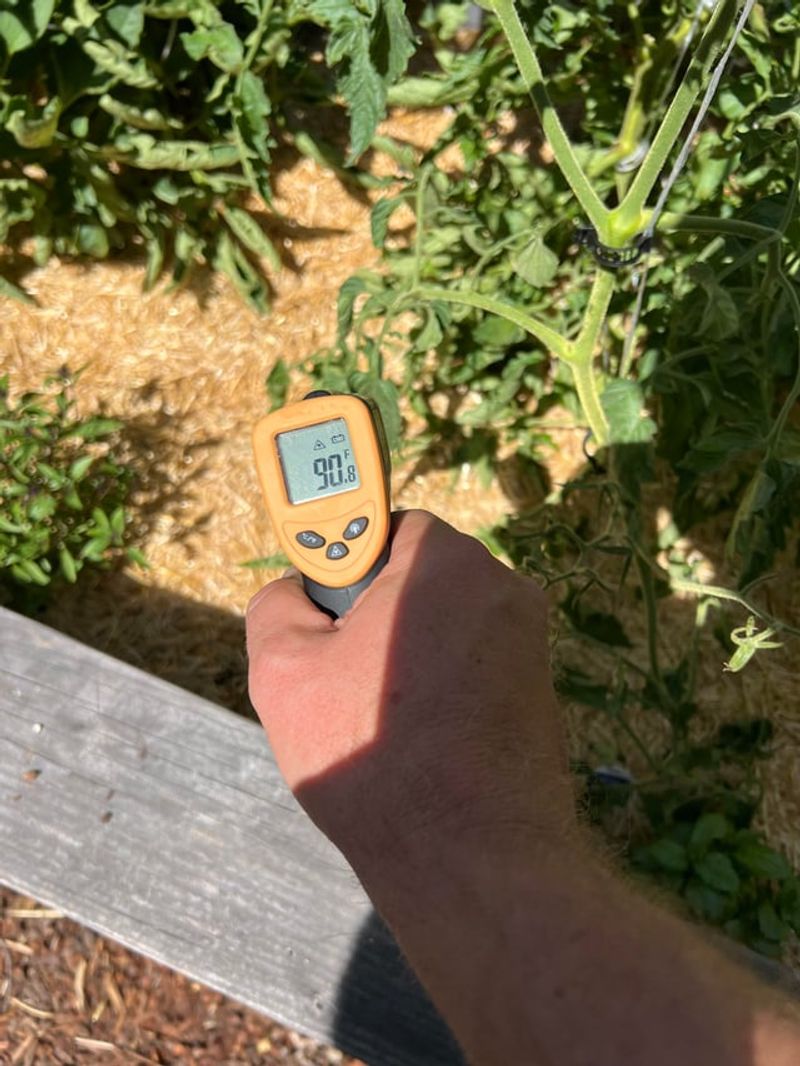
Tomato roots need soil temperatures of at least 60 degrees Fahrenheit, and they do best between 65 and 70 degrees.
Cold soil slows root growth and makes it harder for plants to absorb nutrients. You might notice plants just sitting there without growing much, even though they look fine on the surface.
That sluggish start can set back your entire season.
A simple soil thermometer costs just a few dollars and takes the guesswork out of planting time. Push it about two to three inches into the ground in the morning, when soil temps are at their lowest.
In coastal California areas, the soil warms up later than in the Central Valley or Southern California deserts. Patience pays off here.
Waiting even one extra week for the soil to warm up can lead to faster growth, stronger roots, and a much bigger harvest later in the season. Warm soil is a small detail that makes a huge difference.
Bury Stems Deep
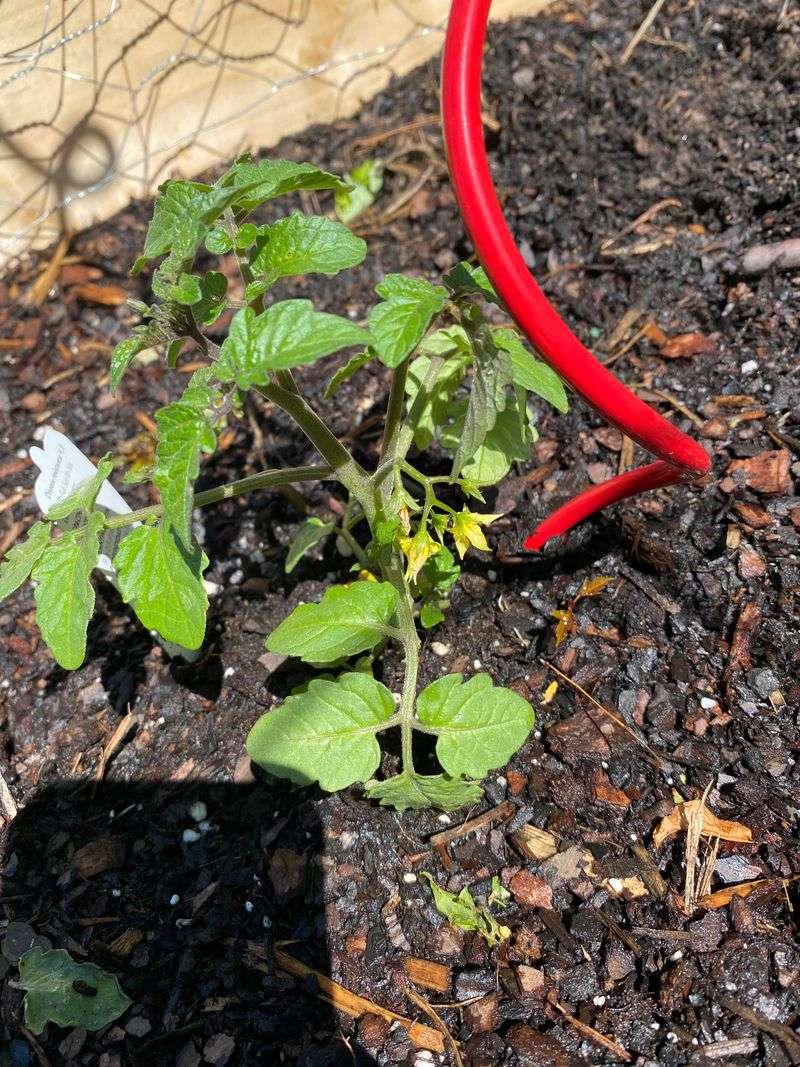
Here is a tomato trick that surprises a lot of new gardeners: tomatoes can grow roots right out of their stems. When you bury a large portion of the stem underground, the plant develops a much bigger root system.
More roots mean better water and nutrient uptake, which leads to stronger, more productive plants.
When transplanting your seedlings, remove the lower leaves and bury about two-thirds of the stem underground. You can dig a straight deep hole or dig a shallow trench and lay the stem sideways.
Either way works well, and the plant will naturally grow upward toward the California sun.
This technique is especially helpful if you started with leggy seedlings that got a little too tall before going into the ground. Instead of seeing that as a problem, you can actually use it to your advantage.
Deeper roots also help plants handle California’s summer heat waves more easily because they can reach moisture deeper in the soil. It is a simple step that costs nothing extra but can dramatically improve how your plants perform all season long.
Try it once and you will never skip it again.
Space Plants Properly
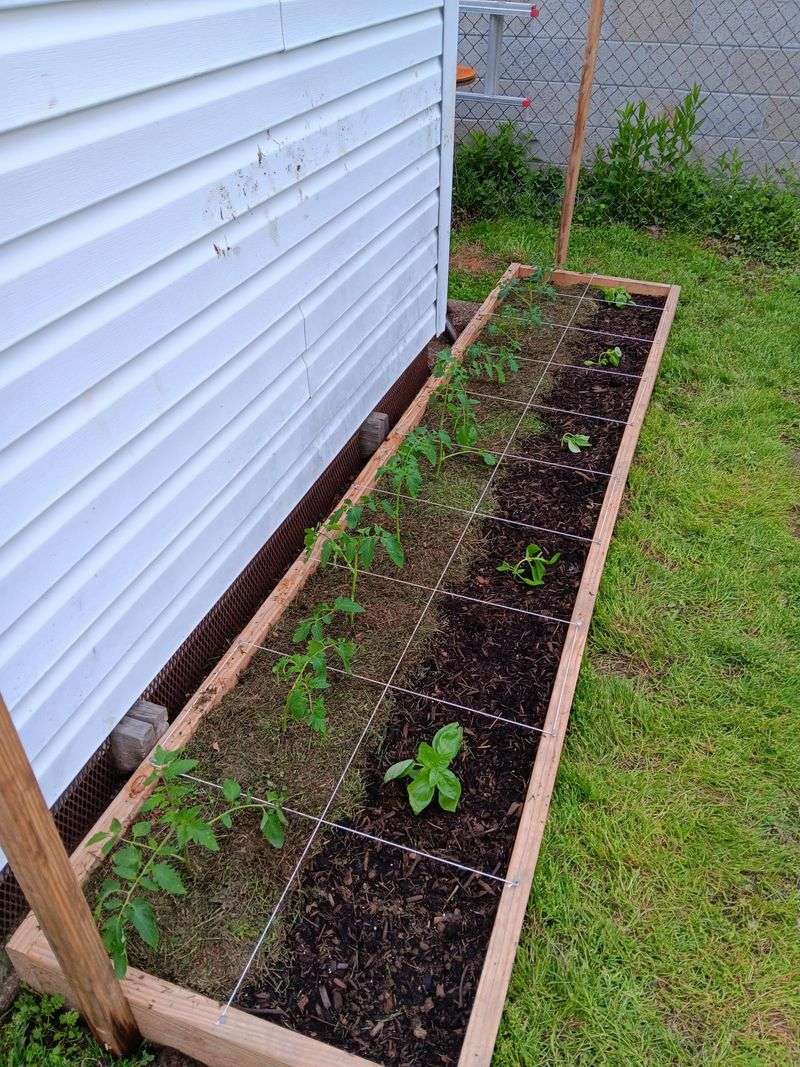
Crowding tomato plants together might seem like a way to grow more in less space, but it actually works against you. When plants are too close, air cannot flow freely between them.
That trapped moisture and heat creates the perfect conditions for fungal diseases to spread fast.
Most tomato varieties need at least two to three feet of space between plants, and some larger indeterminate types need even more. Indeterminate tomatoes keep growing all season and can get quite tall and wide, especially in California’s long warm growing season.
Giving them room lets them breathe and grow to their full potential.
Good spacing also means each plant gets its fair share of sunlight. Shaded leaves do not photosynthesize as well, which cuts into the plant’s energy and fruit production.
Wider rows also make it easier to walk between plants for watering, pruning, and harvesting without damaging stems or roots. Lay out your garden plan on paper before you start digging.
Mark where each plant will go and measure the distance carefully. A little planning before planting season saves a lot of headaches later and helps every single plant in your California garden reach its full potential.
Water Deeply And Evenly
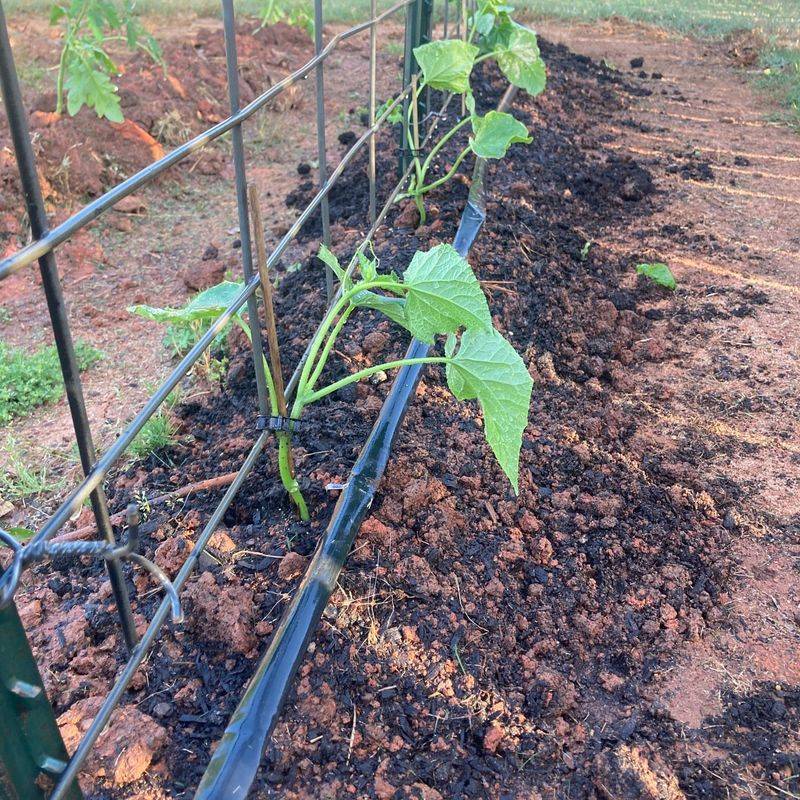
Inconsistent watering is one of the fastest ways to run into problems with your tomato crop. When plants go from too dry to too wet and back again, they develop issues like blossom end rot and cracked fruit.
Both of these problems are frustrating and completely avoidable with a steady watering routine.
Tomatoes need about one to two inches of water per week, depending on the weather. During California’s hot summer months, that number can go up quickly.
The key is to water deeply and less often, rather than giving plants a little water every day. Deep watering encourages roots to grow down into the soil, where moisture stays longer.
Drip irrigation is a popular and water-smart choice for California gardeners, especially in areas that deal with drought restrictions. It delivers water right to the root zone and keeps leaves dry, which helps prevent disease.
If you water by hand, aim for the base of the plant and avoid splashing water on the leaves. Morning is the best time to water so any surface moisture dries out before evening.
Consistent deep watering is one of the simplest things you can do for a bigger harvest.
Mulch To Hold Moisture
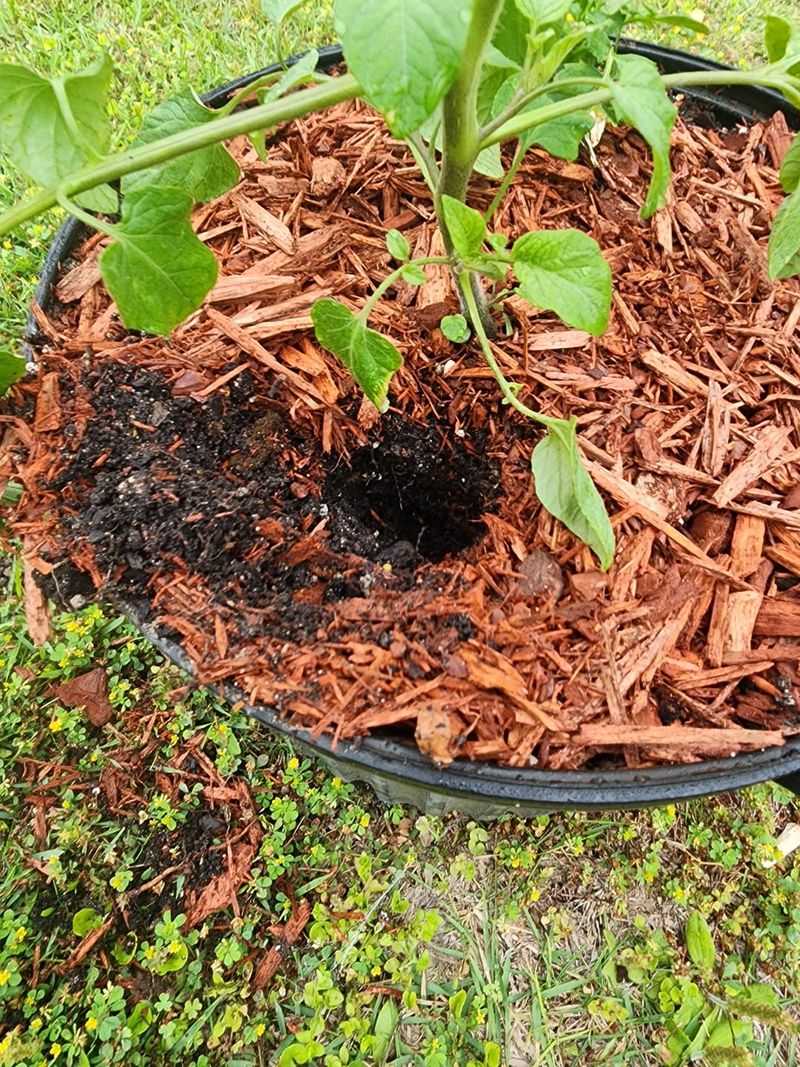
Mulch might look like a simple finishing touch, but it does some seriously heavy lifting in the garden. A good layer of mulch around your tomato plants slows down water evaporation from the soil.
That means you water less often and your plants stay more consistently hydrated, even on hot California summer days.
Spread about two to three inches of organic mulch around the base of each plant. Straw, wood chips, and shredded leaves all work great.
Keep the mulch a couple of inches away from the main stem to prevent moisture from sitting right against it, which can lead to rot.
Beyond saving water, mulch also helps regulate soil temperature. In California, summer soil can get extremely hot, especially in inland areas like the Central Valley.
Hot soil stresses plant roots and can slow fruit production. Mulch acts like a blanket that keeps the soil cooler during the day and warmer at night.
It also suppresses weeds, which compete with your tomatoes for nutrients and water. Adding mulch right after transplanting is a smart move that pays dividends all season long.
It is one of the easiest and most effective tips for any California tomato garden.
Feed Tomatoes Regularly
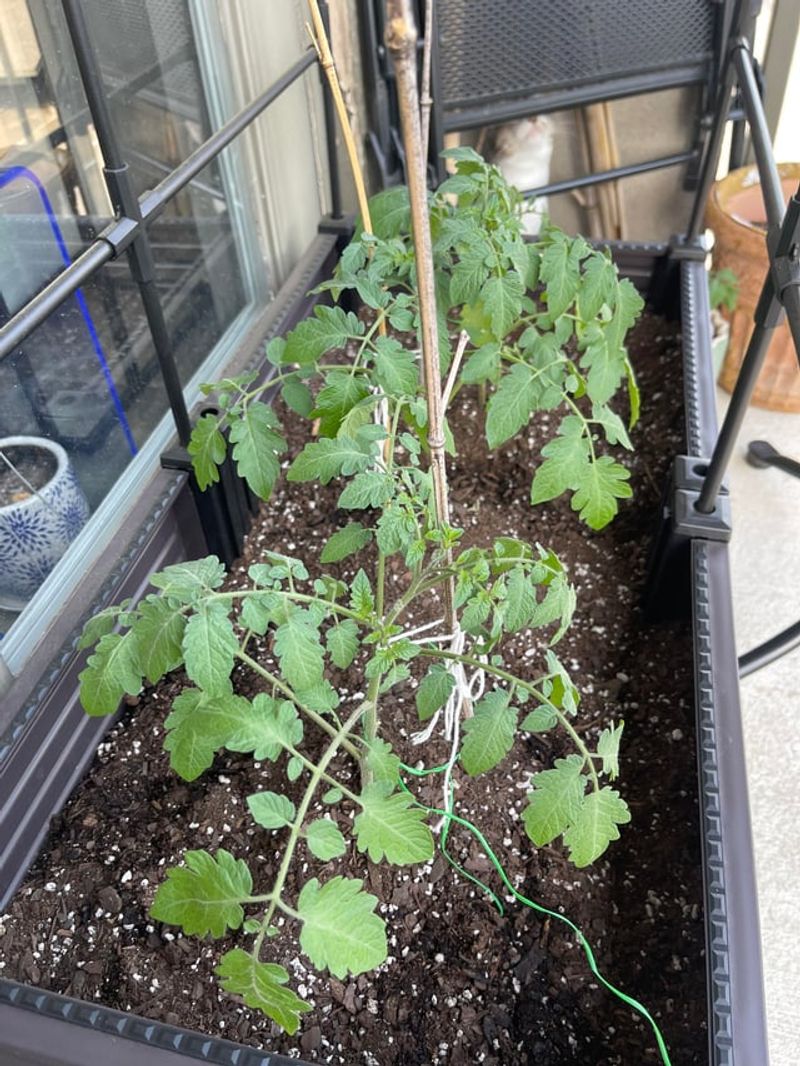
Tomatoes are heavy feeders, which means they pull a lot of nutrients from the soil throughout the growing season. If you only enrich the soil at planting time and walk away, your plants will eventually run low on what they need to keep producing.
Regular feeding keeps them strong from spring all the way through California’s long fall harvest window.
Start with a balanced fertilizer when you first transplant your seedlings. Once flowers begin to appear, switch to a fertilizer that is lower in nitrogen and higher in phosphorus and potassium.
Too much nitrogen at that stage pushes the plant to grow lots of leaves instead of setting fruit.
Compost is another excellent option for feeding tomatoes naturally. Working a few inches of compost into your soil before planting gives plants a steady, slow release of nutrients over time.
You can also top-dress with compost throughout the season as a gentle boost. Liquid fertilizers work quickly and are great for giving plants a fast pick-me-up during peak growing season.
Follow the label directions carefully and do not over-fertilize, since too much of a good thing can actually harm your plants. Steady, smart feeding leads to a much bigger California tomato harvest.
Support Plants Early
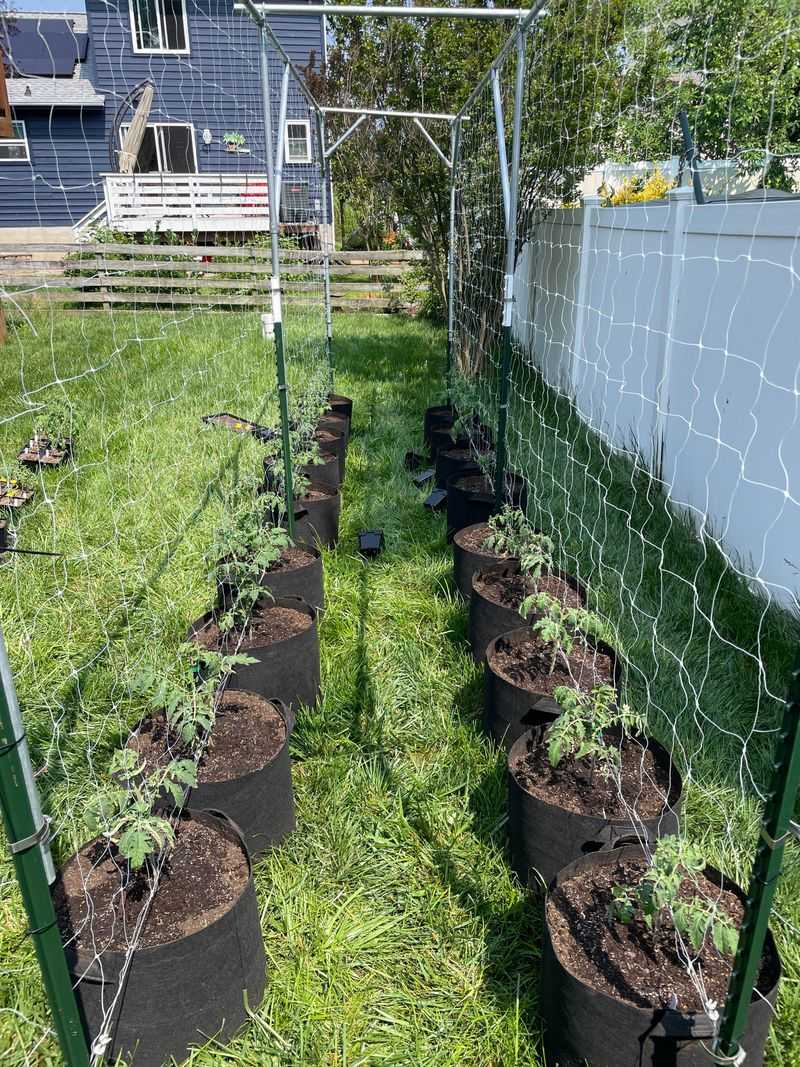
Putting up support structures after your tomato plants are already big and sprawling is a recipe for broken stems and damaged fruit. The smart move is to get your cages, stakes, or trellis systems in place right when you transplant your seedlings.
Early support means the plant grows into it naturally without any wrestling involved.
Tomato cages are popular with home gardeners because they are easy to use and work well for most varieties. For tall indeterminate types that can reach six feet or more in California’s warm climate, heavy-duty stakes or sturdy wooden trellises are a better choice.
Tie stems loosely to stakes using soft garden ties or strips of cloth to avoid cutting into the plant.
Unsupported tomato plants end up lying on the ground, where fruit can rot and pests can reach it easily. Keeping plants upright also improves airflow around the leaves, which reduces the risk of fungal problems.
In California, where the growing season stretches on for months, plants get heavy with fruit by midsummer. A strong support system protects all that hard work and keeps your garden looking tidy and productive.
Set it up early and you will thank yourself later when harvest time rolls around.
Prune Suckers On Indeterminate Types
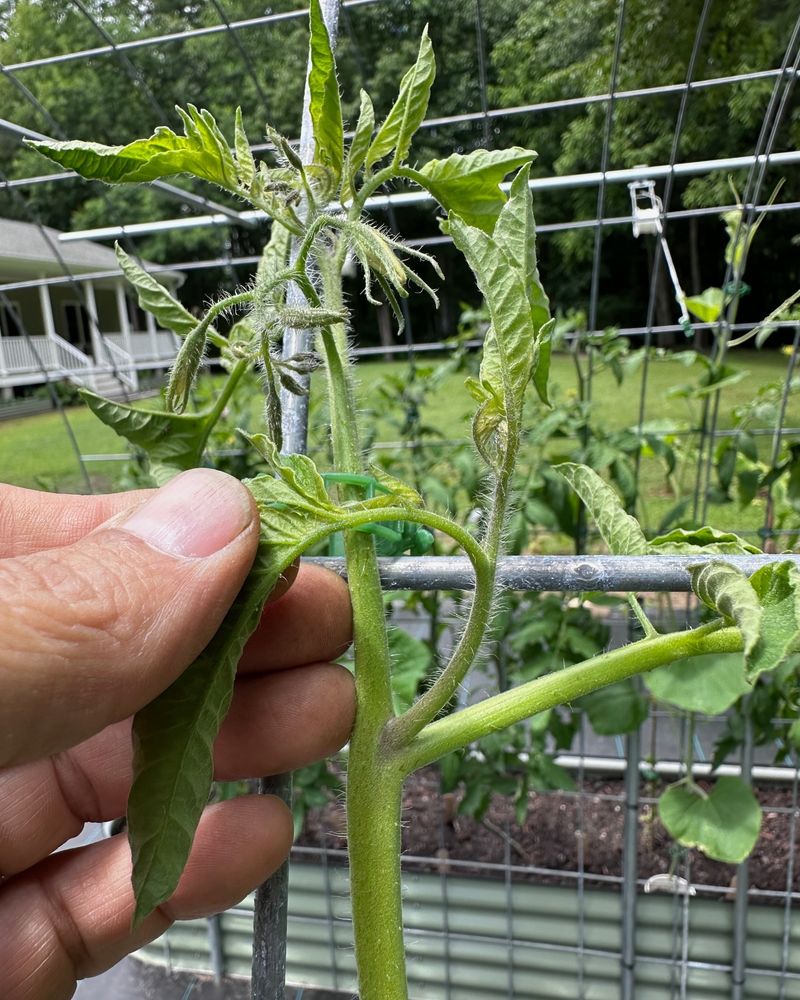
Suckers are those sneaky little shoots that pop up in the V-shaped junction between the main stem and a side branch. Left alone, they grow into full branches, and the plant puts a lot of energy into growing more leaves instead of ripening more fruit.
Removing them regularly is a simple habit that can noticeably boost your tomato yield.
This technique applies specifically to indeterminate tomato varieties, which keep growing and producing all season. Determinate types, which grow to a set size and ripen all at once, generally do not need this kind of pruning.
Check the plant tag or seed packet to know which type you have before grabbing your pruning shears.
In California, where the growing season can stretch well into October or even November in some regions, indeterminate plants have plenty of time to keep going. Keeping them pruned to one or two main stems helps the plant channel its energy into producing bigger, better fruit rather than endless leafy growth.
Pinch small suckers off with your fingers when they are still tiny. For larger ones, use clean pruning shears to make a neat cut.
Do this once a week and your plants will stay manageable and productive all season long.
Watch For Pests And Disease
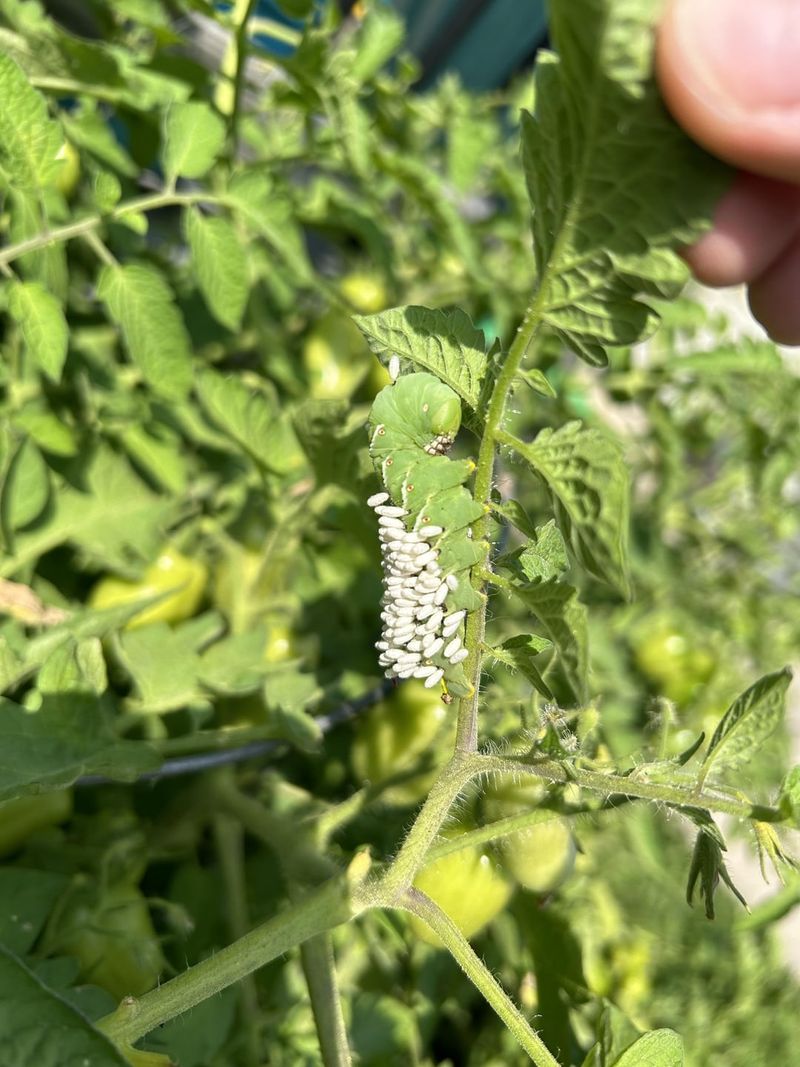
Even in California’s beautiful growing climate, tomatoes are not immune to trouble. Aphids, tomato hornworms, whiteflies, and spider mites are all common visitors to California gardens.
Catching them early makes a huge difference in how easy they are to manage before they spread across your whole planting.
Make it a habit to check your plants a few times a week. Flip leaves over and look at the undersides, where many pests like to hide and lay eggs.
Yellowing leaves, sticky residue, or tiny holes in foliage are all signs that something is going on. Early detection means you have more options and less damage to deal with.
Neem oil is a popular organic remedy that works against a wide range of pests and some fungal diseases. Insecticidal soap spray is another gentle but effective option.
Encouraging beneficial insects like ladybugs and lacewings in your California garden helps keep pest populations naturally in check. For disease prevention, avoid overhead watering, remove affected leaves promptly, and keep the area around your plants clean of fallen debris.
Staying proactive rather than reactive is the key to keeping your tomato plants healthy and productive from planting time all the way through harvest season.
Harvest Often To Keep Plants Producing
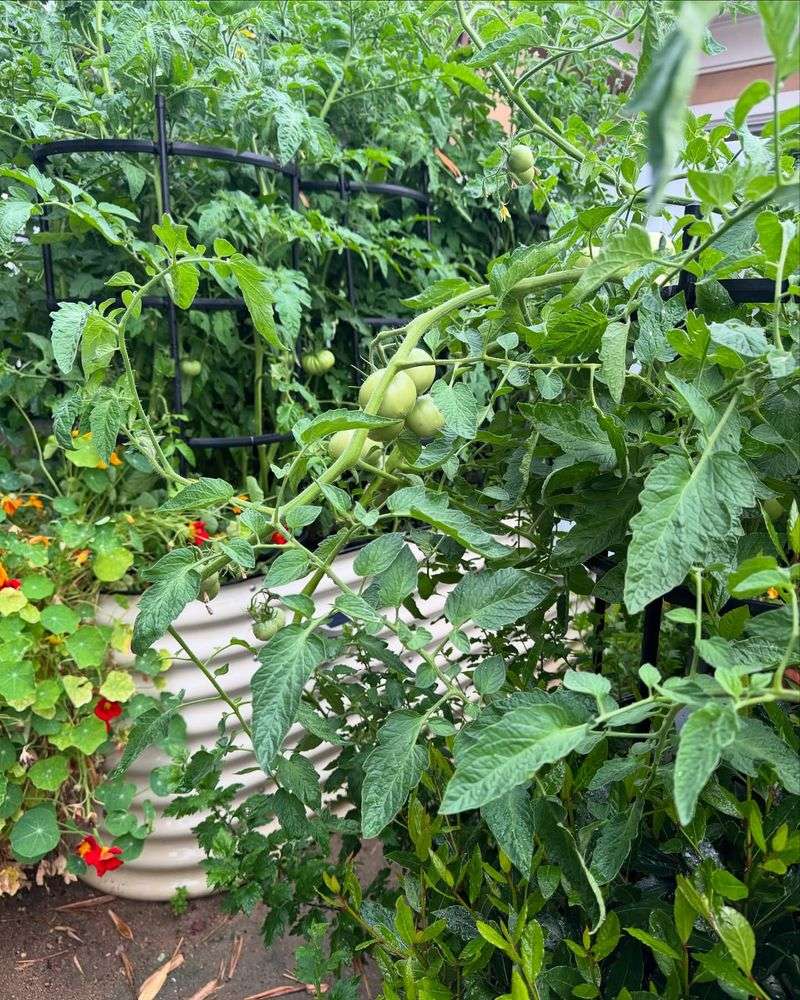
One of the most satisfying parts of growing tomatoes is picking that first perfectly ripe fruit off the vine. But here is something many gardeners do not realize: the more often you harvest, the more fruit your plant will produce.
Leaving ripe tomatoes on the vine too long actually signals the plant to slow down production.
Check your plants every day or two once fruit starts ripening. Pick tomatoes as soon as they reach their full color and feel slightly soft when gently squeezed.
You do not have to wait for them to be perfectly red on the vine. Tomatoes picked just before full ripeness will continue to ripen indoors at room temperature and often taste just as good.
Regular harvesting also prevents overripe fruit from falling to the ground, which can attract pests and create disease problems in your garden. In California, where the growing season is long and warm, consistent harvesting keeps your plants in active production mode for months.
Some California gardeners are still picking tomatoes in October and November. The more you pick, the more the plant works to replace what you took.
Stay on top of your harvest routine and your plants will keep delivering all season long without slowing down.