This Invasive Species Is Quietly Spreading Through Vermont Gardens
Beneath your boots, something unfamiliar is spreading through the soil right now. You might not notice until your favorite plants begin wilting overnight. Worms you assumed were harmless are quietly rewriting the rules underground.
Their bodies thrash like tiny snakes when you disturb the surface. Your soil texture changes early, turning rich earth into gritty crumbs. Roots weaken beneath your feet while seedlings struggle to hold on.
Gardeners like you keep discovering patches nobody can explain. Birds you love disappear too, because their food source thins out. Nobody warned you how fast this threat spread nearby.
Scientists call them jumping worms, though the name barely captures their danger. Predators barely touch them, letting populations grow in your garden fast. Traditional composting advice offers you almost no protection anymore.
Answers matter now, before your garden becomes unrecognizable by autumn. What happens next determines whether your soil holds together or gives way.
Vermont’s Newest Garden Concern Has Arrived
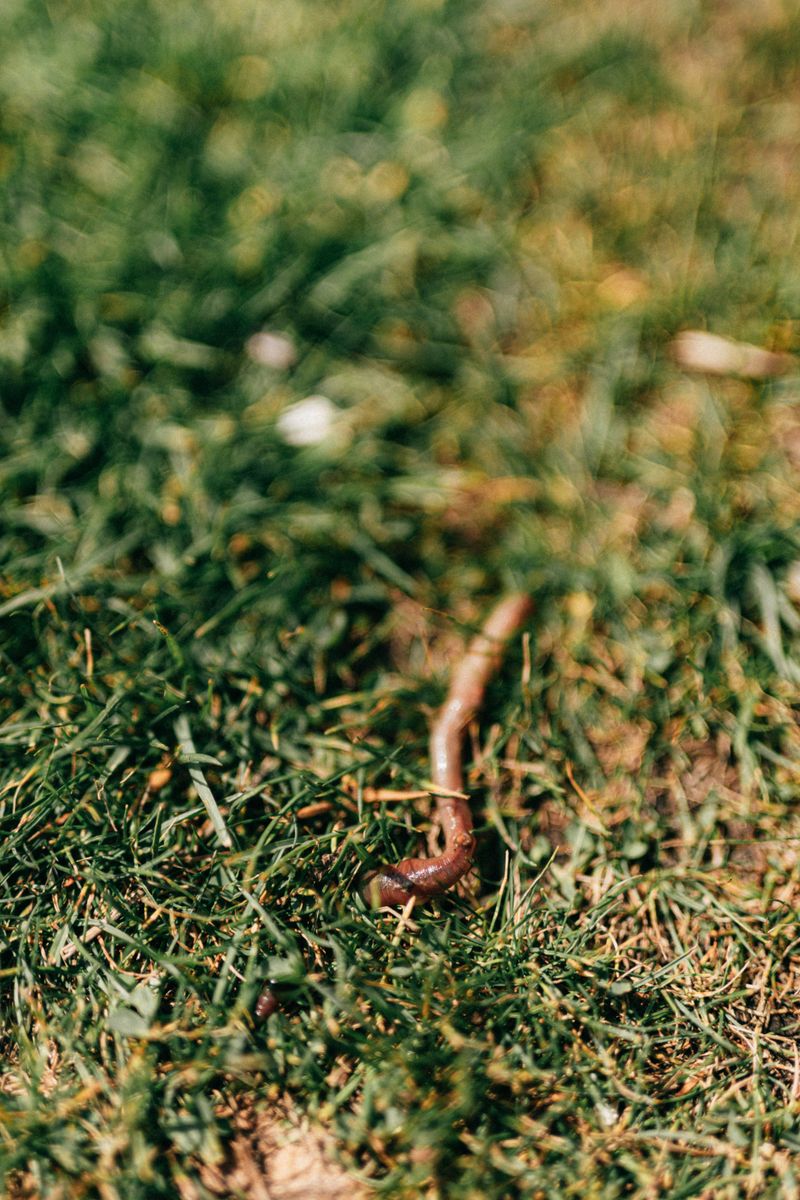
Gardeners across the Northeast have a new problem, and it moves fast. The jumping worm, known scientifically as Amynthas, has been spotted spreading through Vermont gardens at a notable rate.
Unlike the slow, familiar earthworms most people grew up with, jumping worms thrash wildly when touched. They snap and coil like a snake, which is how they earned their unsettling nickname.
These invasive creatures arrived in the United States from East Asia, likely hidden in imported plants or mulch. They have few natural predators here, which gives them an advantage over native soil organisms.
A single jumping worm can reproduce without a mate, laying cocoons that survive harsh winters. By spring, entire colonies hatch and begin consuming organic matter at a rapid pace.
This invasive species is quietly spreading through Vermont gardens because it is so easy to miss until serious damage is done. Most gardeners only notice a problem when their soil starts looking wrong.
The damage shows up as loose, grainy soil that no longer holds moisture well. Plants begin to struggle, roots dry out faster, and the garden that once thrived starts to look stressed and patchy.
Awareness is the first and most powerful tool against this threat. Once you know what to look for, you can act before the problem gets out of hand.
Why These Worms Are So Hard To Spot
Most people never see a jumping worm until the damage is already done. These worms spend the majority of their lives just beneath the soil surface, hidden under leaves and mulch.
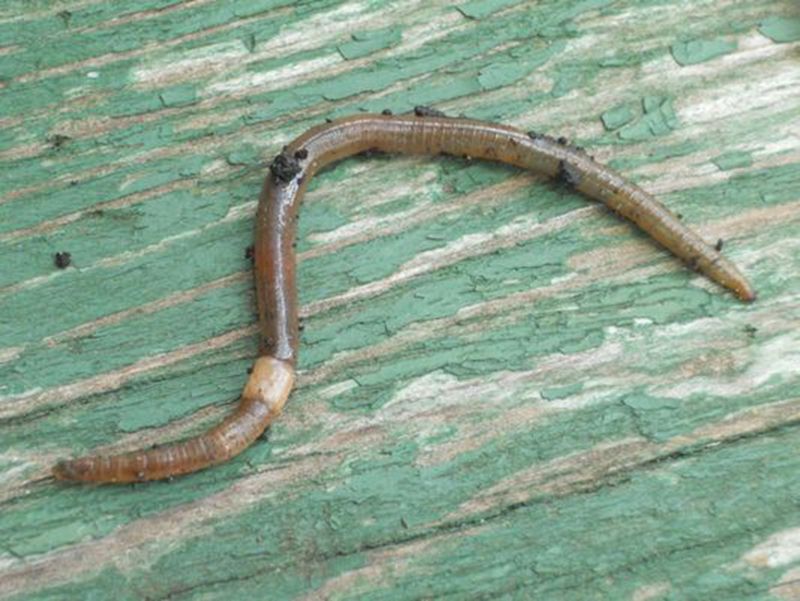
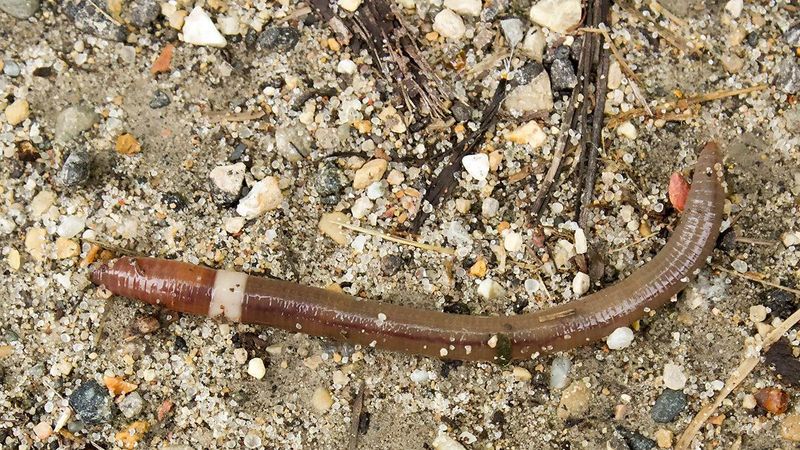
They look a lot like common earthworms at first glance. The main difference is a pale, smooth band near their head called the clitellum, which sits flat against the body instead of raised.
Jumping worms also tend to move in a frantic, almost electric way when disturbed. That wild thrashing is your clearest sign that something is very different about the worm in your hand.
Young jumping worms are even harder to catch because they are small and blend into dark soil easily. By the time they are large enough to notice, a full colony may already be established.
Another tricky part is that their cocoons are nearly invisible. About the size of a mustard seed and coated in soil, the cocoons can travel in potting mix, compost, or on dirty garden tools without anyone noticing.
This invasive species is quietly spreading through Vermont gardens partly because homeowners accidentally move the eggs themselves. Sharing plants with neighbors, buying nursery stock, or spreading mulch are all common ways the worms get a ride.
Checking your soil regularly is one of the smartest habits a gardener can build. A few minutes of observation each week can make a real difference in catching an infestation early.
The Coffee-Ground Clue Hiding In Your Soil
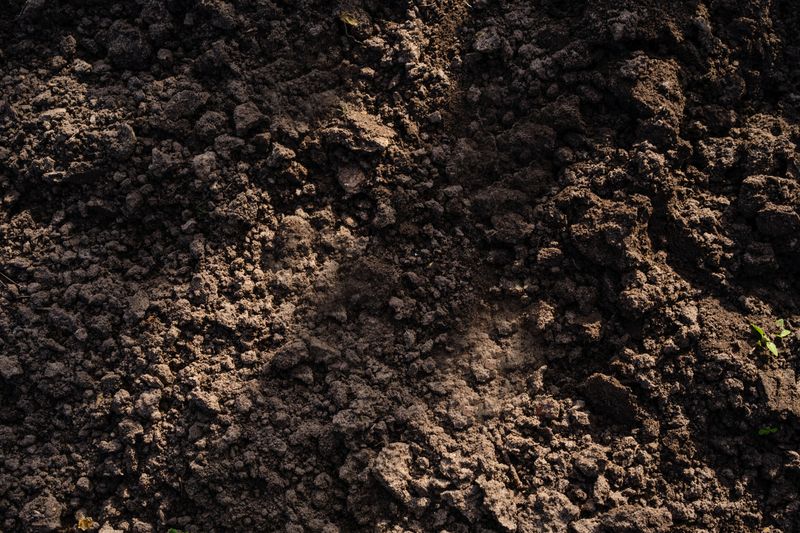
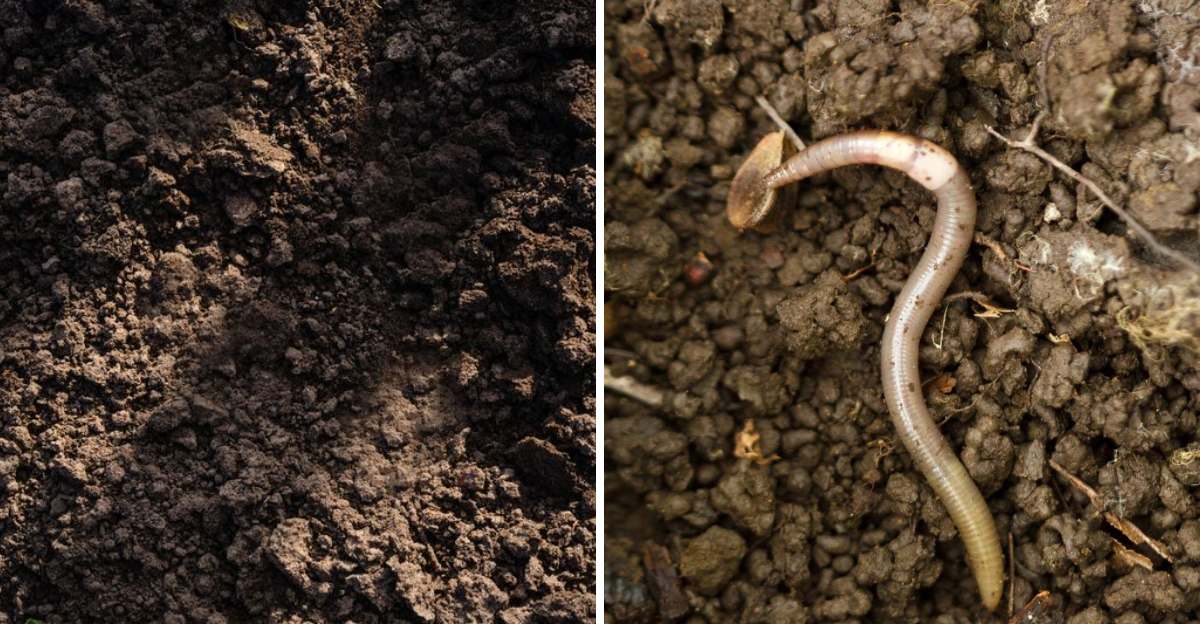
Your soil is trying to tell you something, and the clue looks like leftover coffee grounds. When jumping worms move through an area, they leave behind loose, grainy castings that look almost exactly like used coffee grounds.
Healthy garden soil should feel rich and hold together when squeezed. Soil damaged by these worms crumbles apart instantly and feels oddly dry even after watering.
This texture change is one of the earliest and most reliable signs of an infestation. If you notice your garden beds suddenly looking gritty and loose near the surface, take a closer look immediately.
The coffee-ground texture forms because jumping worms process organic matter much faster than native worms do. They strip the topsoil of nutrients and leave behind a layer of castings that plants struggle to grow in.
Over time, this altered soil becomes almost hydrophobic. Water runs off the surface instead of soaking in, which stresses plant roots and invites erosion on slopes and raised beds.
Gardeners often mistake this problem for poor watering habits or bad soil quality. Knowing that the coffee-ground texture is a biological red flag can save a lot of wasted effort and money on soil amendments.
This invasive species is quietly spreading through Vermont gardens in part because the soil changes happen gradually. Each season, the problem deepens before most gardeners connect the dots and realize what is going wrong beneath their feet.
How Jumping Worms Hitch A Ride Into Your Yard
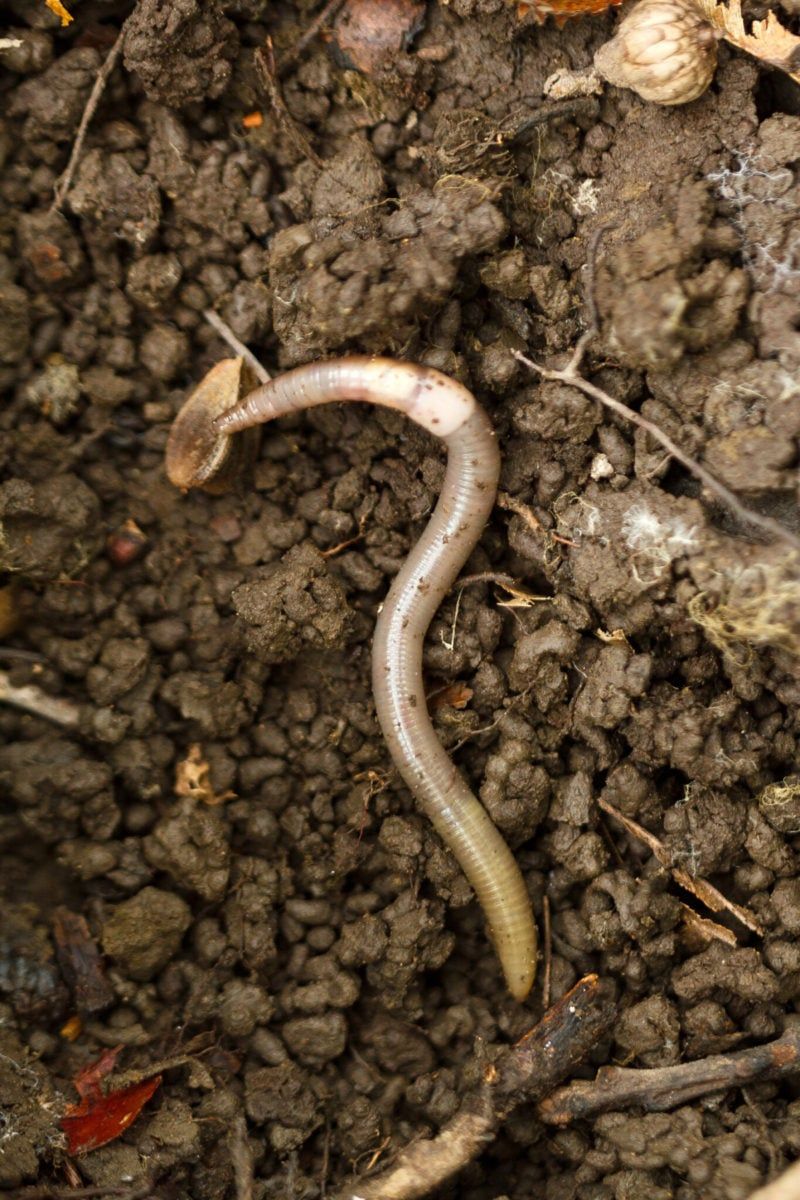
Jumping worms are expert hitchhikers, and they use humans to travel from yard to yard. The most common way they spread is through contaminated soil, mulch, compost, and nursery plants.
When you buy a potted plant from a garden center, the soil in that pot might contain cocoons. Those cocoons are so small and soil-colored that even trained eyes can miss them during inspection.
Community plant swaps are another big pathway for spreading these worms. A well-meaning neighbor shares a beloved hosta division, and a hidden cocoon travels right along with it.
Bulk mulch deliveries are a surprisingly common source of infestation too. If the mulch was processed in an area already affected, it can carry cocoons directly into your garden beds.
Dirty tools also play a role. Soil clinging to a shovel, trowel, or boot can carry cocoons from one part of your yard to another, or from a friend’s garden to yours.
This invasive species is quietly spreading through Vermont gardens because most people do not think twice about these everyday gardening habits. Awareness of how the worms travel is the first step toward slowing their spread.
Simple prevention habits go a long way. Cleaning tools between uses, inspecting purchased plants carefully, and sourcing compost from reputable suppliers are all practical steps that can protect your soil from new arrivals.
What Makes Them So Different From Nightcrawlers
Most gardeners love earthworms and for good reason. Common nightcrawlers aerate soil, pull nutrients downward, and help plants thrive in a slow, steady way that benefits entire ecosystems.
Jumping worms work in the exact opposite direction. Instead of pulling organic matter down into the soil, they consume it rapidly at the surface and leave behind that damaging granular texture.
Nightcrawlers tend to move slowly and retreat deeper into the ground when disturbed. Jumping worms stay near the surface, move aggressively, and can even shed their tail as a defense tactic.
The clitellum, that band near the head, is the easiest physical difference to learn. On a nightcrawler, it is raised and pinkish. On a jumping worm, it is flat, smooth, and white or gray in color.
Jumping worms also mature faster than nightcrawlers, reaching reproductive age in just 60 days. That speed means one generation can produce enormous populations within a single growing season.
They also stay active in cooler temperatures than most common worms, which makes them particularly well-suited to the short but productive growing seasons that define New England gardens.
Understanding the difference between these two worms is not just a fun fact. It is practical knowledge that helps gardeners make smarter decisions about what they find in their soil and how they respond to it.
Protecting Your Garden Early
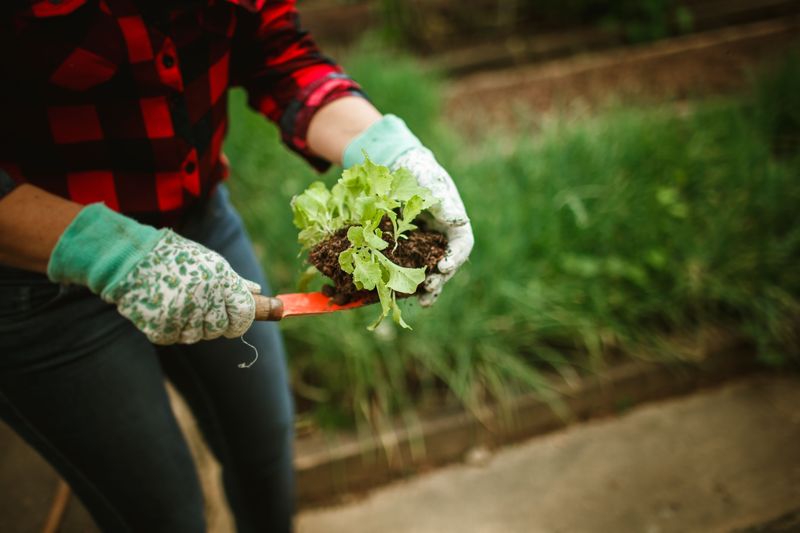
You cannot resolve a jumping worm problem overnight, but you can meaningfully slow its spread. Taking action early in the season gives your garden the best chance of staying healthy through the summer.
Start by inspecting any new plants before they go into the ground. Shake the roots gently over a white surface and look for worms or small soil-colored cocoons clinging to the root ball.
Heat is one of the most effective tools available to home gardeners. Bagging infested soil or plant material and leaving it in direct sun for several days, reaching sustained temperatures above roughly 104°F (40°C), can help destroy cocoons through thermal exposure.
Avoid moving soil or plants from affected areas to clean parts of your garden. Even a small amount of contaminated material can start a new colony in a previously healthy bed.
Some gardeners have found success using products containing saponins, a natural compound found in certain soaps. Mixing a diluted solution and pouring it on the soil causes worms to surface, where they can be collected and removed.
Mustard powder mixed with water works similarly and is easy to make at home. Pour it slowly over a small patch of soil and watch for worms to emerge within a few minutes.
This invasive species is quietly spreading through Vermont gardens, but informed gardeners have real power to respond effectively. Consistent monitoring, smart sourcing, and early intervention are effective ways to manage this invasive species.