The Heatwave Mistake That’s Quietly Stopping Blooms, And The Care Nevada Orchids Need This July
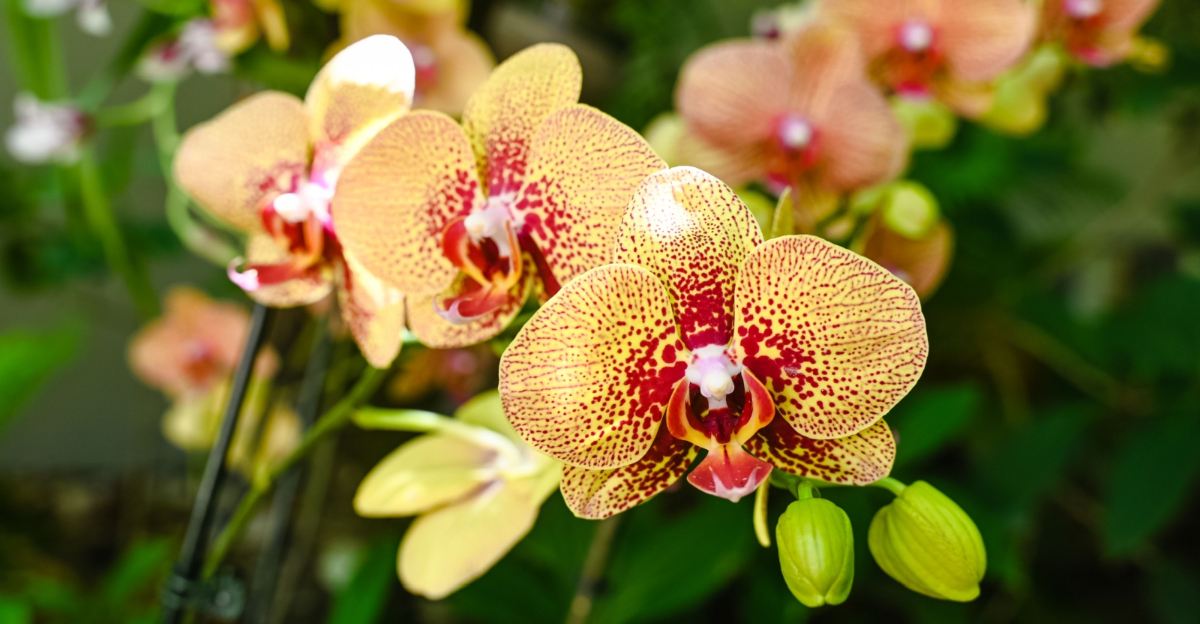
Your orchid looks perfectly healthy, yet it refuses to bloom. Something quieter than heat is undermining its flowering cycle.
Nevada summers bring intense heat that stresses many indoor plants. Sunlight pours through glass and quickly significantly raises the temperature near the window.
Then your air conditioner sends cold air straight onto the leaves. Cold exposure disrupts roots faster than heat ever could.
Nighttime swings between chilled air and warm daytime heat confuse its rhythm. Dry desert air across Nevada pulls moisture your orchid depends on.
Every missed cue pushes flowering further out of reach. You assume brighter light guarantees more flowers.
That assumption quietly denies you every bloom you expect. Heat buildup often hides behind lush, green leaves.
Nothing about this problem looks obvious before you dig deeper. Fixing it takes minutes, not miracles or drastic changes.
This July, the right adjustment moves your orchid forward, past stalling, straight into bloom.
Cold AC Drafts Quietly Stop Blooming During Heatwaves
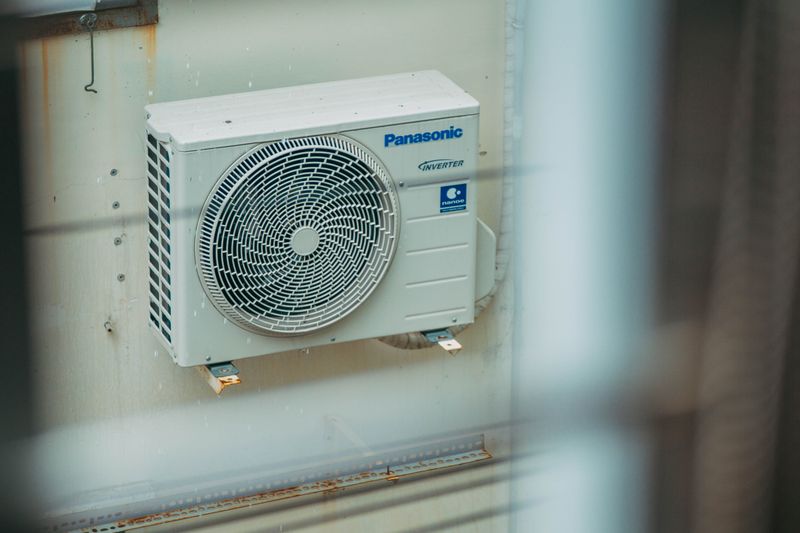
This is the heatwave mistake almost nobody talks about, and it is quietly limiting blooms in homes across the Southwest. Your AC is saving you from the heat, but it might be slowing your orchid’s progress at the same time.
Cold air blasting directly from a vent creates rapid temperature swings that confuse the plant’s internal signals. Instead of the gradual nighttime chill that triggers a spike, the orchid gets random cold shocks throughout the day.
Check where your orchid is sitting right now and look up. If there is an AC vent directly overhead or within two feet, that is likely your bloom problem.
Move the plant at least three to four feet away from any vent. Consistent ambient temperature is far healthier than alternating blasts of cold and warm air all day long.
Drafts also dry out the growing medium faster than normal evaporation would. You end up watering more often but the roots still feel stressed because the moisture is being pulled out unevenly.
Cold drafts can also cause bud blast, where a developing bloom spike suddenly drops its buds before they open. It is disappointing after weeks of patient care.
Place a small piece of cardboard or a vent deflector over the vent nearest your plant. This simple fix redirects the airflow without turning off your AC or making the room uncomfortable.
Fixing the AC draft issue is often the single change that finally unlocks blooms for Nevada orchid growers after a long, frustrating summer of waiting.
Bright Indirect Light For Several Hours Daily
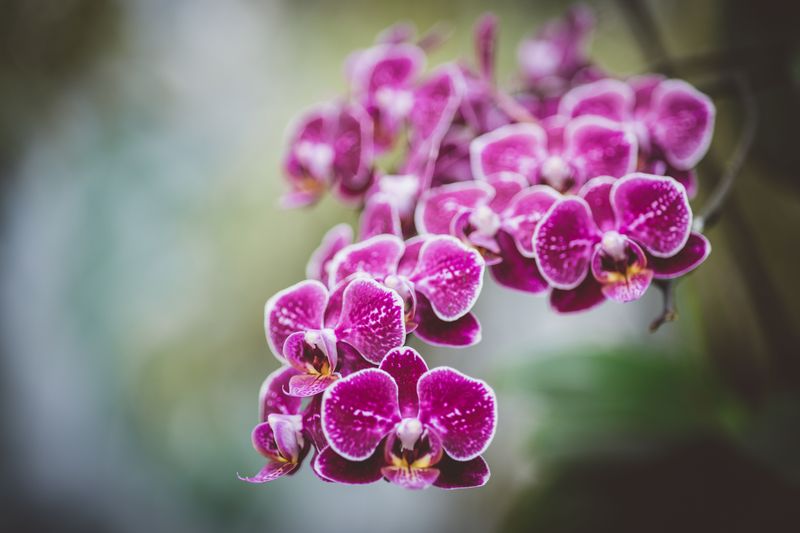
Orchids are picky about light, but not in the way most people assume. They do not want full sun blasting through glass for hours.
What Nevada orchids need in July is filtered brightness, not raw desert exposure. Think of the light that comes through a sheer curtain on a south-facing window.
Four to six hours of this kind of bright, indirect light each day is the sweet spot. Too little and your plant goes dormant; too much and the leaves turn yellow.
Your Nevada Garden Changes Every Week. Your Plan Should Too.
Gardening in Nevada changes quickly throughout the season. Every Friday you’ll receive a simple weekly plan showing exactly what to plant, prune, fertilize, harvest, and protect so you never miss the right timing.
Yellowing leaves with a slightly bleached look are a classic sign of light overload. Move the plant back two feet from the window and watch the color recover within a week.
East-facing windows are often the best choice in summer. Morning light is gentler and fades before the afternoon heat peaks outside.
A light meter app on your phone can actually help you measure foot-candles near your window. Phalaenopsis orchids, the most common houseplant variety, thrive between 1,500 and 3,000 foot-candles for most of the day.
Rotating the pot every few days ensures even exposure on all sides. Consistent, balanced light encourages the plant to push out a bloom spike instead of just sitting there looking green.
Good light is the foundation of everything else on this list. Without it, no amount of fertilizer or humidity will get those blooms going.
Nighttime Temperature Drop To Trigger Spikes
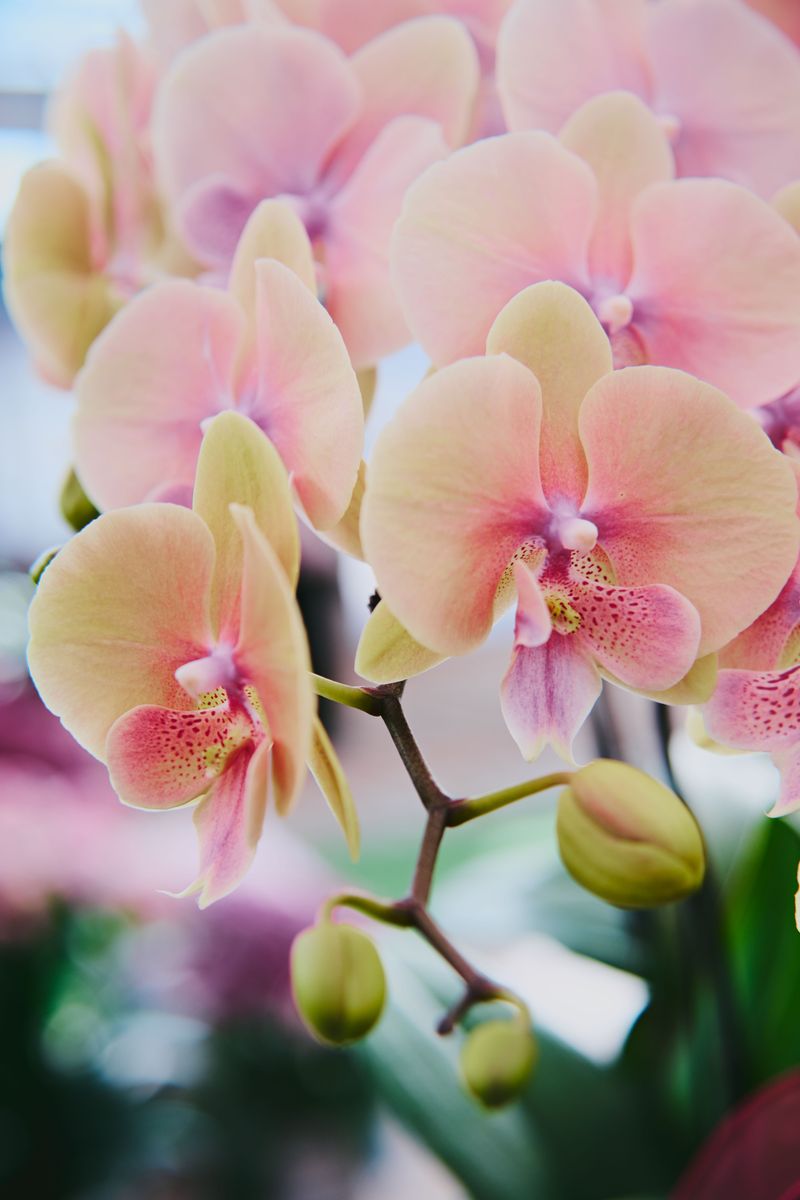
Here is something that surprises most new orchid growers: blooms do not happen without a chill. Orchids need a temperature drop of at least 10 to 15 degrees at night to trigger a bloom spike.
In parts of Nevada, July days can hit triple digits, but nights often cool to the low 70s or high 60s depending on elevation and location. That natural swing is actually a gift most people never use.
Crack a window after 9 p.m. and let that cooler desert air wash over your plant. Even 30 minutes of exposure to cooler temps can signal the orchid to start building a spike.
This process takes about four to six weeks of consistent nightly cooling. Do not expect a spike to appear overnight; patience is part of the deal here.
Many growers skip this step entirely because they keep their homes sealed tight with AC running all day and night. A stable indoor temperature feels comfortable to you but feels like a flatline to your orchid.
Set a reminder to open a window each evening after sunset. Keep the orchid near that window but away from any direct draft coming straight from the screen.
A digital hygrometer is an affordable and smart investment for any orchid grower. Pick one up and place it right next to your plant.
That nightly chill is not just helpful; it is the trigger your orchid has been waiting for all summer long.
Consistent Watering Without Letting Roots Dry Out
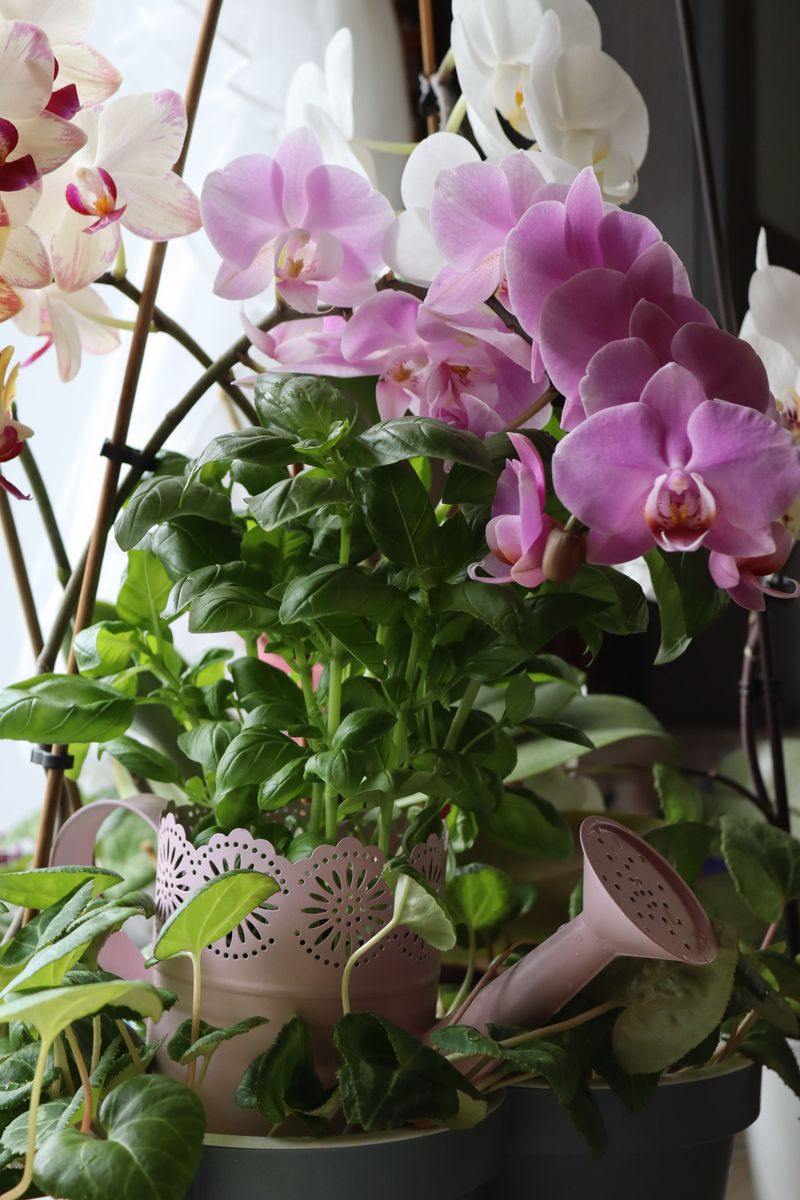
Watering an orchid in July in the desert feels like walking a tightrope. Too much water and the roots rot; too little and they become dehydrated.
The goal is consistent moisture without sogginess. Check the roots through the clear pot: silver-green means dry, bright green means moist and happy.
In July, most indoor orchids need watering every five to seven days. The dry desert air speeds up evaporation faster than you might expect.
Water thoroughly by running lukewarm water through the pot for about 30 seconds. Let every drop drain out completely before putting the pot back in its saucer.
Never let the orchid sit in standing water at the bottom of a decorative pot. That trapped moisture is a fast track to root rot, which is one of the most common causes of orchid decline.
Lukewarm water matters more than most people realize. Cold tap water can shock the roots and slow growth, especially when the plant is already stressed by heat.
Ice cube watering is generally discouraged for heat-stressed orchids due to cold shock and slow melt rate. The cold temperature and slow melt rate do not match what a heat-stressed orchid actually needs.
After watering, let the pot air out for a few minutes before replacing it in any decorative sleeve. A well-watered orchid with healthy roots is far more likely to push out new blooms before fall arrives.
Humidity Levels Kept Between 50 And 70 Percent
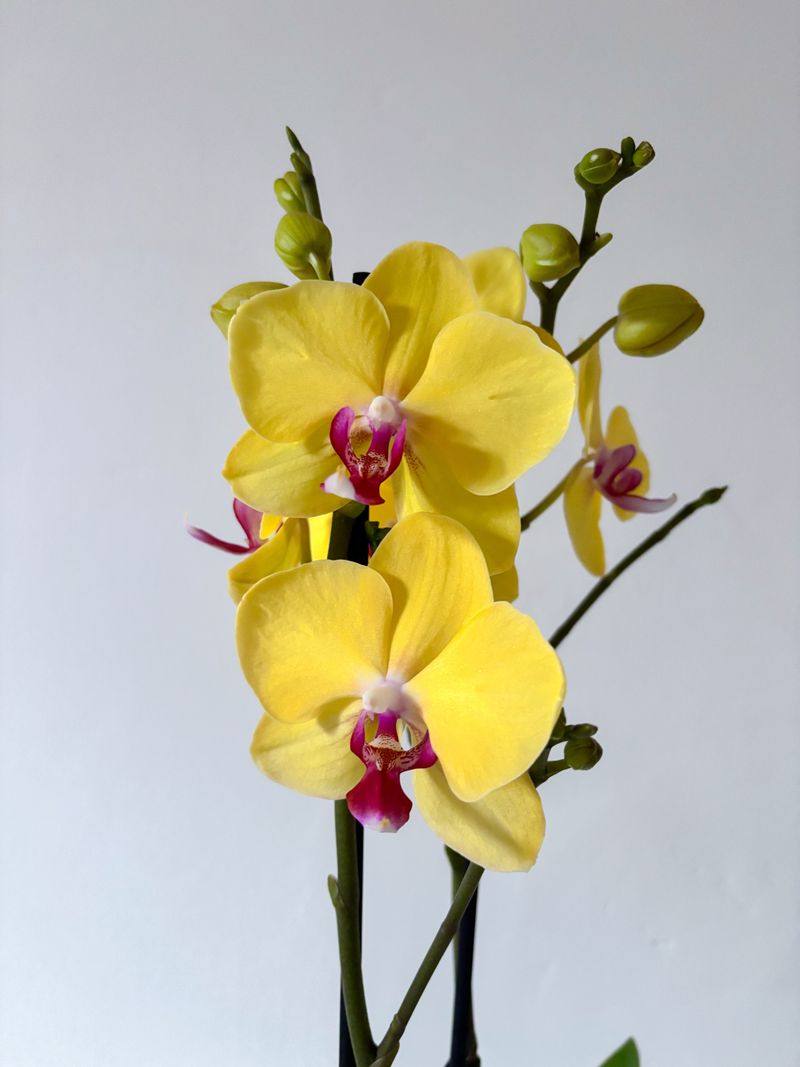
Nevada air in July is extremely drying. In low-desert areas of Nevada, outdoor humidity can drop below 10 percent.
Orchids evolved in tropical environments where humidity stays between 50 and 70 percent. When indoor air drops below 40 percent, the plant starts struggling to absorb nutrients properly.
A small cool-mist humidifier placed near your orchid can change everything. Run it for a few hours each morning and let the ambient moisture do the heavy lifting.
A digital hygrometer is a cheap and smart investment for any orchid grower. Pick one up for under fifteen dollars and place it right next to your plant.
Pebble trays filled with water are another popular option. Set the pot on top of a tray filled with pebbles and water, making sure the bottom of the pot stays above the waterline.
As the water evaporates from the tray, it creates a small humidity bubble around the orchid. It is not as powerful as a humidifier, but it adds a meaningful boost in dry conditions.
Grouping several houseplants together also raises local humidity naturally. Plants release moisture through their leaves in a process called transpiration, and clustered plants share that benefit.
Keeping humidity in the right range helps the orchid breathe, feed, and grow at full capacity. Without enough moisture in the air, even perfect watering and light will not be enough to push those blooms out.
Balanced Fertilizer With Extra Phosphorus

Fertilizer is not just plant food; it is the signal that tells your orchid what to do next. The right formula in July can push a bloom spike in just a few weeks.
Look for a fertilizer labeled with higher middle and last numbers, like 10-30-20. That middle number is phosphorus, and phosphorus is what drives flowering.
Nitrogen, the first number, is great for leaf growth but can actually delay blooming if it is too high in summer. Swap your regular balanced feed for a bloom-booster formula starting in July.
Dilute the fertilizer to half the recommended strength. Orchids are sensitive feeders, and a full dose in summer heat can damage the roots faster than you expect.
Apply it every other watering, not every single time. A simple schedule of water, skip, fertilize, skip keeps the plant fed without overwhelming it.
Always water the orchid before fertilizing. Feeding a dry-rooted plant concentrates the minerals and can cause root tip damage.
Flush the pot with plain water once a month to clear out any mineral buildup. Salt deposits from fertilizer can clog the roots and block nutrient absorption over time.
Switching to a phosphorus-rich formula in mid-summer is one of the most underrated bloom tricks out there. Your orchid will thank you with a spike that shows up right when fall temperatures start dropping.
Good Air Circulation Around The Leaves And Roots
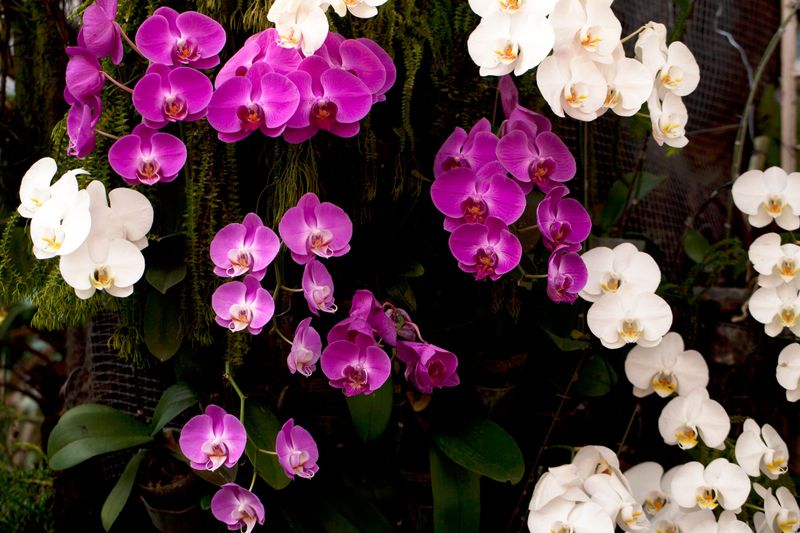
Stale air is a common overlooked issue for orchids. Without airflow, moisture sits on the leaves and creates the perfect environment for fungal issues.
A small oscillating fan set on low nearby can solve this completely. You want the leaves to flutter slightly, not bend aggressively in a strong breeze.
Good circulation also helps the roots dry slightly between waterings, which prevents rot. Aerial roots that get a little airflow stay firm and silver-green instead of turning mushy.
Place the fan across the room rather than pointing it directly at the plant. Indirect airflow is gentler and mimics the natural breezes orchids experience in their native habitats.
Running the fan for six to eight hours a day is usually enough. You do not need constant airflow; you just need to break up any stagnant pockets of moist air.
Crowded shelves and tight corners are the worst spots for orchid placement in summer. Pulling the plant out into an open space on a counter or table makes a real difference.
Airflow also helps regulate the leaf temperature during hot afternoons. A gently moving air current can drop the surface temperature of leaves by a few degrees, reducing heat stress.
Think of air circulation as an often-overlooked care step. Add a small fan to your orchid routine and you might be surprised how quickly the plant perks up and starts pushing new growth.
Protection From Direct Afternoon Sun
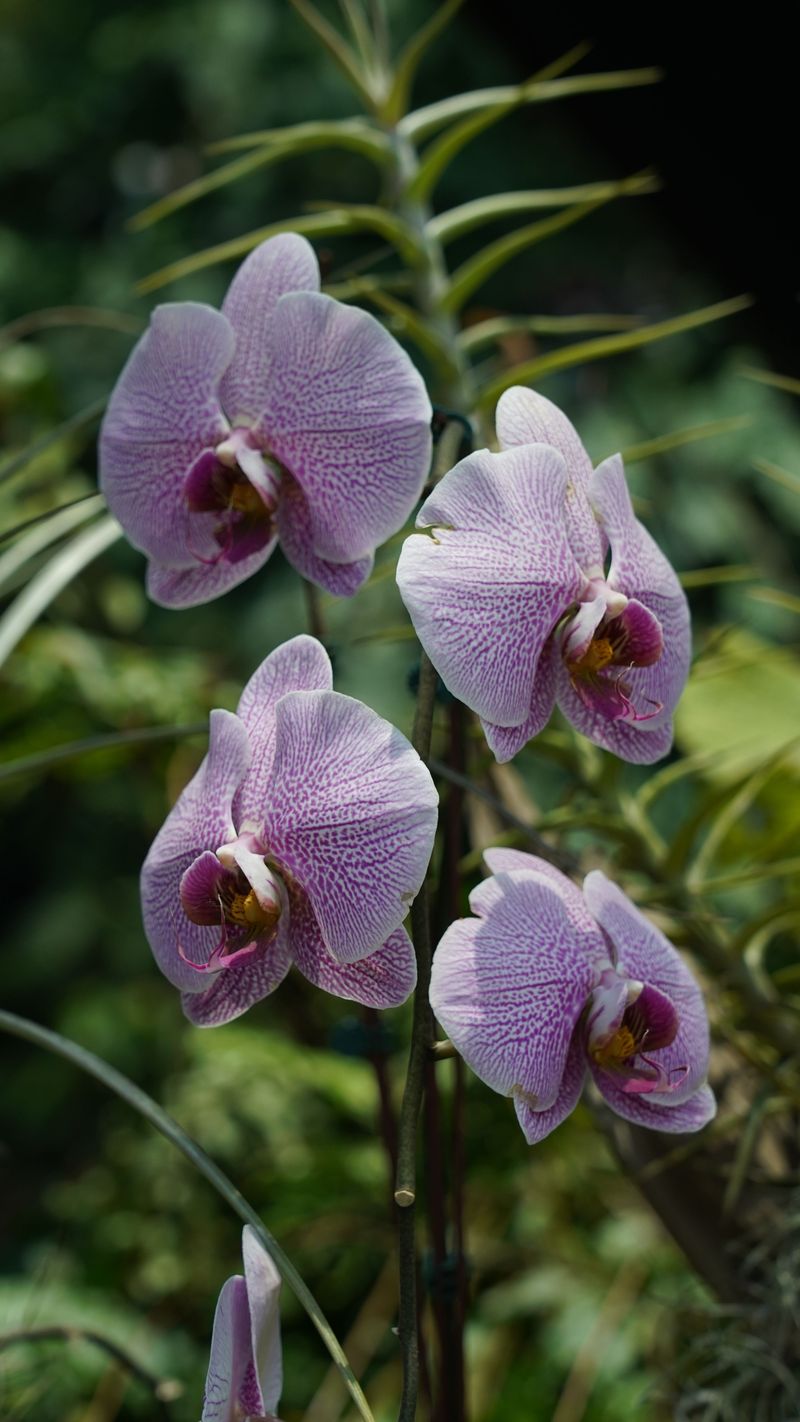
Afternoon sun in Nevada is not just bright; it is intense. By 2 p.m., light coming through a west-facing window becomes notably intense and hot.
Orchid leaves are not built for that kind of intensity. Direct afternoon exposure causes sunburn, which shows up as dry, tan, or papery patches on the leaf surface.
Move your orchid away from west-facing windows by early afternoon if possible. Even shifting the pot two feet back from the glass cuts the light intensity dramatically.
Sheer curtains are one of the simplest and most effective tools for afternoon protection. A single layer of white or cream fabric diffuses harsh rays without blocking the brightness the plant still needs.
Sunburned leaves will not recover their green color once damaged. Protecting the plant now prevents permanent cosmetic damage that can make a healthy orchid look sick for months.
If you cannot hang curtains, try repositioning the plant to an interior shelf or north-facing surface after noon. The orchid still gets ambient light without the intense direct rays.
Outdoor orchid growers in Nevada need to be even more careful. A shaded patio or covered porch with dappled light is the only safe outdoor location for summer afternoons.
Protecting your orchid from afternoon sun is one of the fastest ways to stop leaf stress and redirect the plant’s energy toward what matters most: building those long-awaited blooms.