Never Add Liquid Fertilizer To Your Pennsylvania Soil When Temperatures Spike
Heat can turn your garden into something unpredictable without warning. Pennsylvania summers test plants in ways most gardeners never expect.
You watch your plants droop and instantly reach for fertilizer. Roots struggle to breathe when soil temperatures spike overnight. Stress builds inside every stem, leaf, and blossom you tend.
Fertilizer seems like rescue, but it often becomes a setback. Nutrients flood weakened roots that cannot process the surge. Salts accumulate fast, stressing tissue already thirsty for water.
Chemistry shifts once temperatures cross uncomfortable thresholds. Growth accelerates unnaturally, demanding water reserves your plants lack. Trouble spreads quietly before wilting ever becomes visible.
Gardeners across Pennsylvania often blame drought, missing the real culprit. Timing matters more than intention when temperatures soar.
Confidence in feeding schedules fades under intense summer heat. Nobody warns you about this hidden concern lurking nearby.
Everything you thought you knew deserves urgent reconsideration. What happens next changes everything.
Why Heat Changes How Fertilizer Behaves
Hot soil is not just warm dirt. When ground temperatures soar, the chemistry inside changes fast.
Liquid fertilizer is packed with salts and concentrated nutrients. Those compounds behave very differently when soil temperatures climb above 85 degrees.
Normally, plant roots absorb nutrients through a process called osmosis. Water moves from the soil into the root, carrying dissolved minerals along for the ride.
But high heat disrupts that process. The concentration of salts in liquid fertilizer becomes too intense for roots to handle safely.
Instead of pulling water in, roots can actually start losing moisture to the surrounding soil. Scientists call this osmotic stress, and it puts real strain on your plants.
Pennsylvania summers regularly push soil temps into dangerous zones by mid-morning. A garden bed facing south or west can often reach very high surface temperatures before noon.
Liquid fertilizer applied in those conditions does not absorb evenly. It pools, concentrates, and becomes a concentrated pocket of nutrients right where roots are trying to survive.
Water in the fertilizer solution evaporates fast in extreme heat, leaving nutrients behind in a more concentrated form than intended. Timing and temperature awareness are everything when it comes to feeding plants.
Skipping the liquid feed during a heat spike is not laziness, it is smart science. Your plants will thank you when cooler conditions return, and so will your garden budget.
The Risk Of Root And Leaf Burn
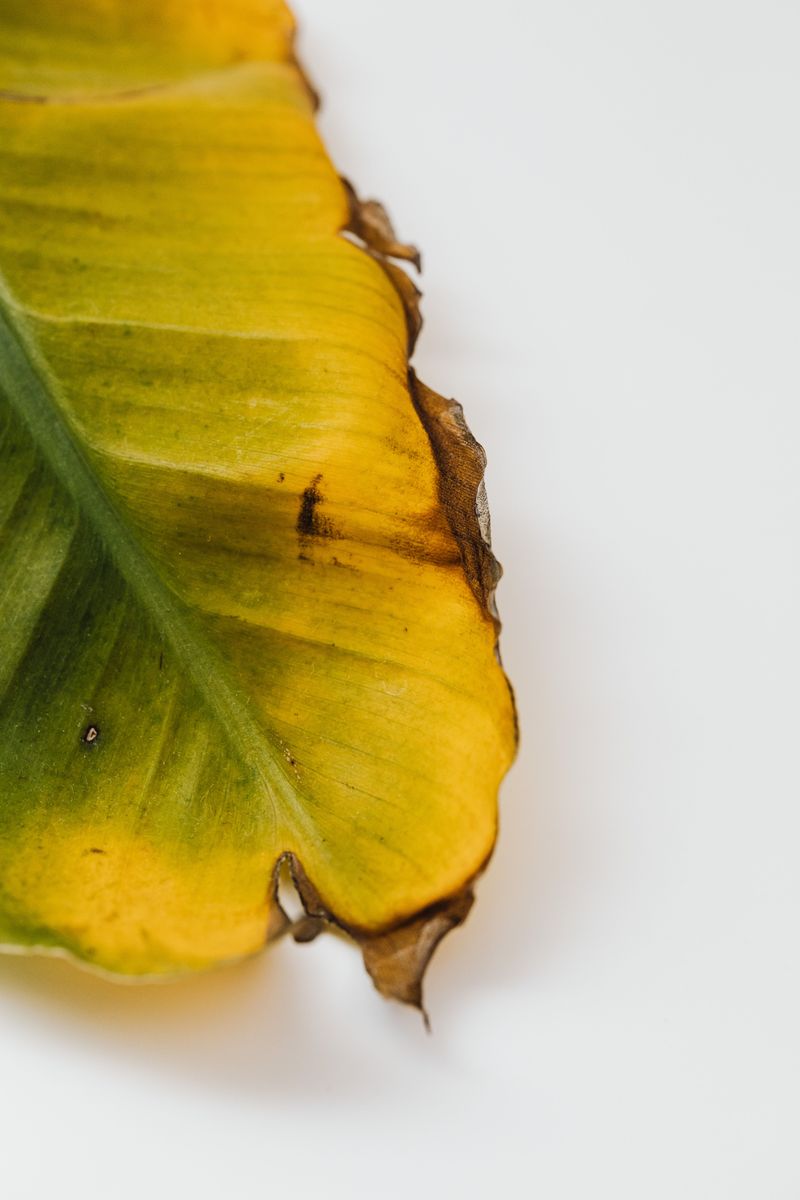
Leaf burn is a common concern for gardeners. Brown, crispy edges on your tomatoes or peppers are a sign that something went seriously wrong.
Fertilizer burn is one of the most common causes of that damage. It happens when concentrated nutrients overwhelm the plant’s ability to absorb moisture safely.
In cooler temperatures, plants can handle a reasonable dose of liquid feed without much stress. Heat changes that equation dramatically and quickly.
When soil is hot and dry, liquid fertilizer concentrates near the root zone fast. The salt content creates a pulling effect that draws water out of root tissue instead of into it.
Your Pennsylvania Garden Changes Every Week. Your Plan Should Too.
Gardening in Pennsylvania changes quickly throughout the season. Every Friday you’ll receive a simple weekly plan showing exactly what to plant, prune, fertilize, harvest, and protect so you never miss the right timing.
Roots begin to shrivel and lose their ability to function properly. Once root damage sets in, the whole plant starts showing symptoms within hours.
Leaf burn from liquid fertilizer is especially common when foliage gets splashed during application. Droplets sitting on hot leaves under direct sun act like tiny magnifying glasses.
That moisture evaporates fast, leaving behind a concentrated residue of mineral salts. Those deposits scorch leaf tissue and create the brown patches gardeners dread seeing.
Recovering from fertilizer burn during a heat wave is tough because the plant is already stressed. Adding chemical injury on top of heat stress can push a struggling plant past what it can recover from.
Prevention is far easier than recovery in this case. Keeping liquid fertilizer away from hot foliage and scorched soil is the smartest move you can make. Protecting your roots now means protecting your harvest later.
How High Temperatures Stress Plants Already
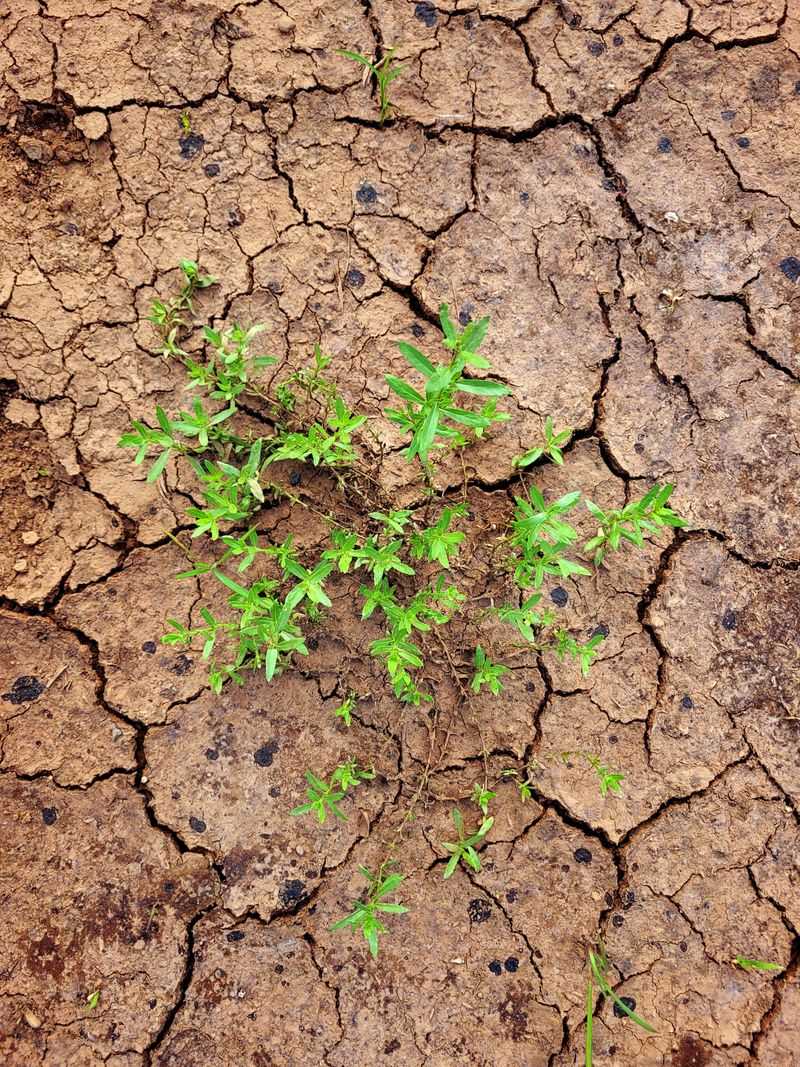
Plants are not just sitting there looking pretty during a heat wave. They are working incredibly hard just to stay alive.
When air temperatures rise above 90 degrees, most garden vegetables enter a kind of survival mode. Growth slows, flowering pauses, and energy gets redirected toward basic functions.
Photosynthesis becomes less efficient in extreme heat. The enzymes that drive food production inside leaves start breaking down above certain temperatures.
Stomata, the tiny pores on leaves, close up to prevent moisture loss. That shutdown also blocks the gas exchange plants need to breathe and grow.
Water demand skyrockets during heat events, but uptake slows down because stressed roots cannot function at full capacity. The plant ends up in a dangerous deficit.
Adding liquid fertilizer to a plant in this state is like handing someone a heavy meal when they already feel sick. The body cannot process it, and the attempt makes things worse.
Fertilizer pushes plants to grow and produce. That demand requires energy and resources the plant simply does not have during a heat spike.
Forcing growth during stress weakens the plant’s immune response to pests and disease. A heat-stressed plant that gets over-fertilized becomes more vulnerable to pests and disease.
Giving your garden a break during extreme heat is not giving up on it. Backing off on inputs lets the plant focus on survival instead of performance. Support your plants through the heat first, then feed them when conditions improve.
Nutrient Runoff And Wasted Fertilizer
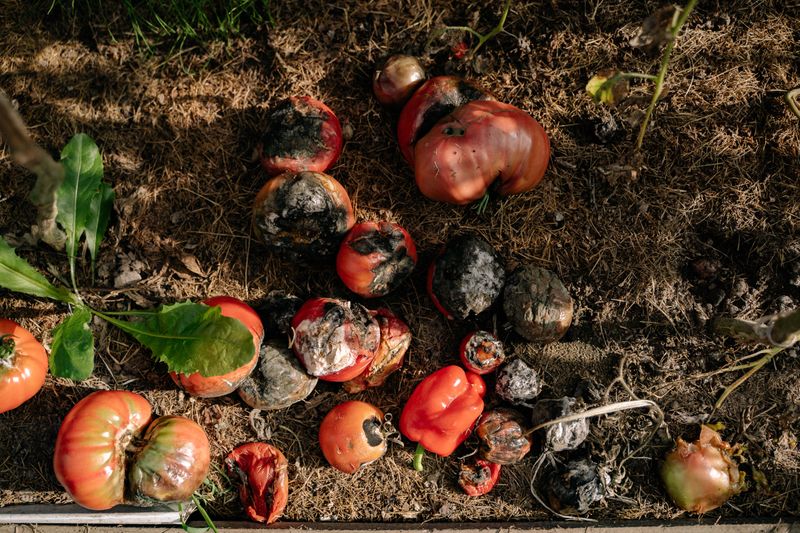
Money literally washes away when you fertilize at the wrong time. Liquid fertilizer applied to hot, dry, or hard soil does not absorb the way you expect it to.
Baked soil loses its structure and becomes almost impermeable in some spots. Water and liquid nutrients run across the surface instead of soaking in deeply.
That runoff carries your fertilizer straight off your property. It flows into storm drains, nearby streams, or low spots in your yard where it does no good.
Excess nitrogen and phosphorus in runoff are serious environmental problems. These nutrients feed algae blooms in local waterways, which deprives fish of oxygen and disrupts entire ecosystems.
Pennsylvania, like much of the region, faces ongoing water quality concerns tied to agricultural and residential runoff. Home gardeners contribute more to this problem than many people realize.
Even if the liquid fertilizer stays in your yard, it may pool in the wrong places. Concentrated puddles of nutrient-rich solution can burn grass, damage mulch layers, and harm beneficial soil organisms.
Earthworms and beneficial microbes are sensitive to high salt concentrations. A single bad application during peak heat can set back your soil’s microbial health for weeks.
Healthy soil biology is what actually delivers nutrients to your plants over time. Protecting that underground ecosystem is just as important as what you spray on top.
Wasting fertilizer also means wasting money on a product that never helped a single plant. Waiting for cooler conditions guarantees better absorption and better results. Smart timing is the cheapest upgrade your garden routine can get.
Better Times Of Day To Feed Your Plants
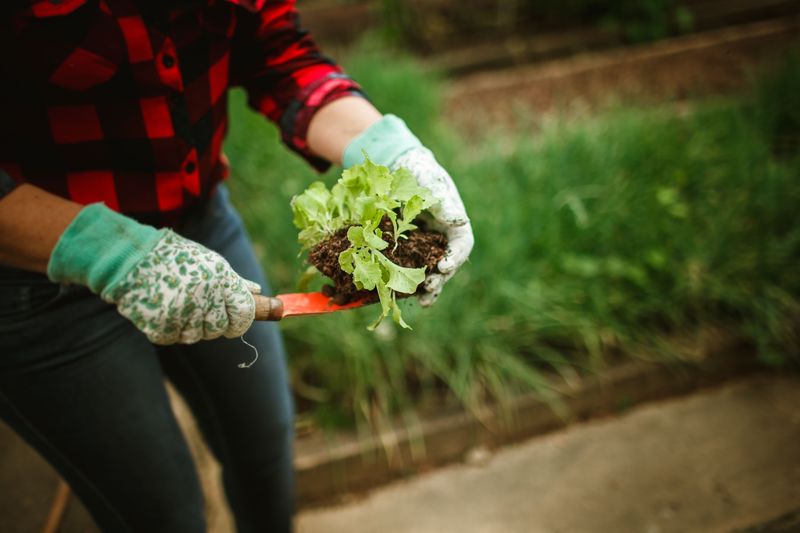
Early morning is an ideal window for feeding your plants. Temperatures are lower, soil moisture is higher, and plants are primed to absorb what you give them.
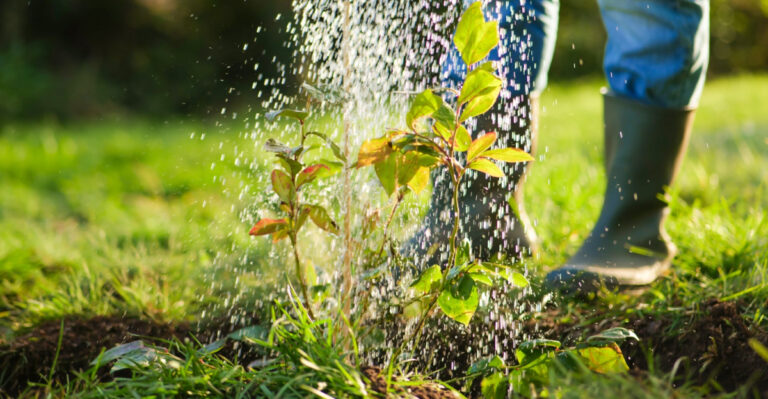
Applying liquid fertilizer early in the morning gives nutrients time to soak in before the sun heats the soil.
Evening is the second-best window for feeding plants during warm weather. Once the sun drops and temperatures ease back below 80 degrees, plants relax and open back up.
Stomata reopen in the evening, and root activity picks back up as soil cools. That combination makes late afternoon to early evening a surprisingly effective feeding window.
Avoid fertilizing during the hottest hours of the day during any stretch of hot weather. That window is when soil and air temperatures peak and plants are most vulnerable to stress.
Checking the forecast before feeding is a habit worth building. If a heat wave is expected over the next three days, hold off on liquid applications entirely.
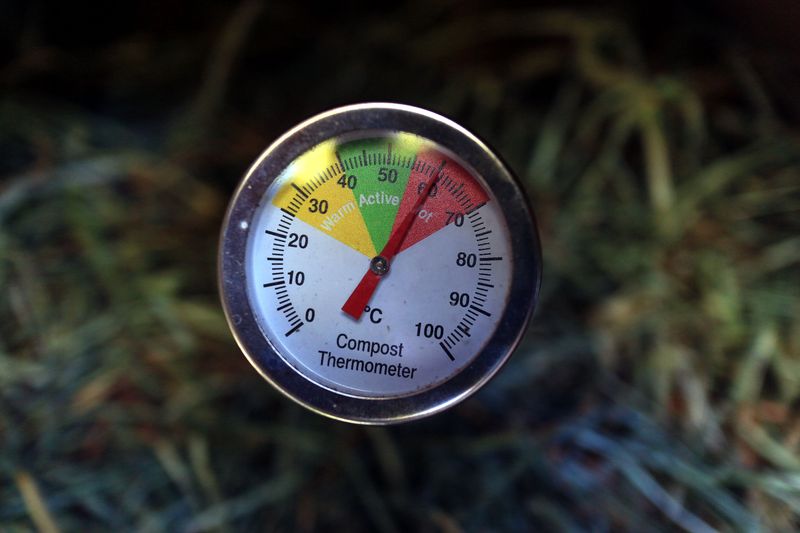
Soil temperature matters as much as air temperature. Use an inexpensive soil thermometer to check root zone temps before applying anything. Once soil temperature climbs into the danger zone at root depth, hold off on fertilizing.
Consistent timing builds a healthier garden over an entire season. Small adjustments to your routine make a bigger difference than any premium product can. Feed smart, not just often, and your plants will reward you generously.
Safer Alternatives During A Heat Wave
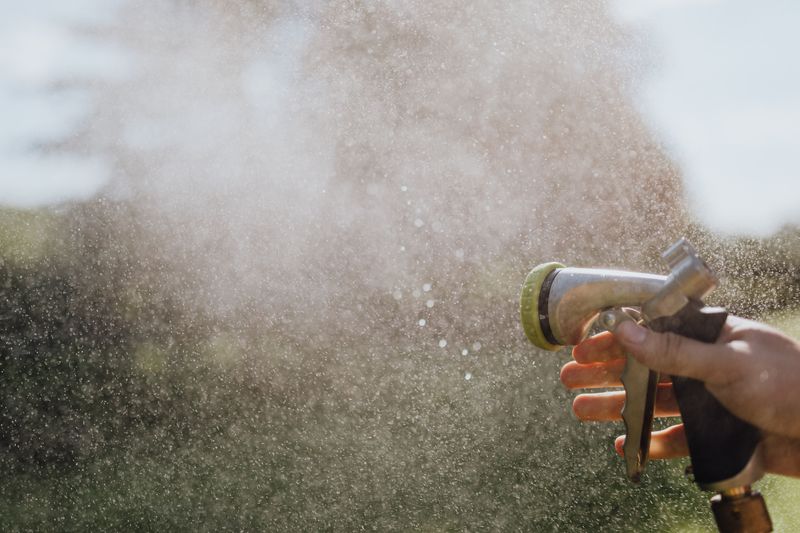
A heat wave does not have to mean doing nothing for your garden. Smarter, gentler approaches can support your plants without adding chemical stress.
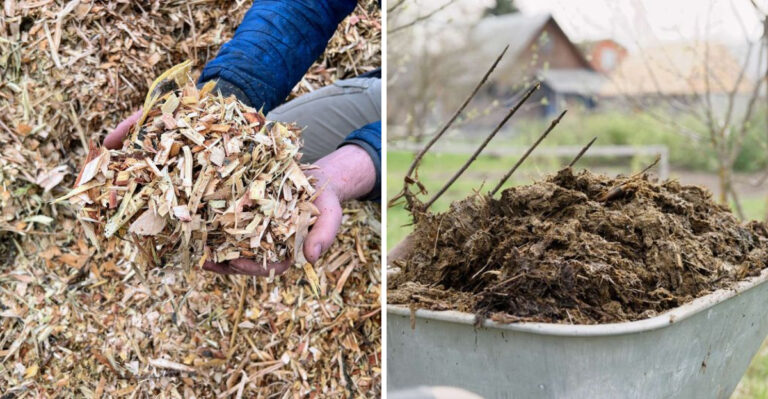
Thick mulch is one of the best tools you have during hot spells. A two to three inch layer of wood chips or straw insulates the soil and keeps root zone temps from spiking.
Cooler soil means less plant stress and better moisture retention. That alone reduces the urgency your plants feel during extreme heat events.
Compost tea is a mild, organic liquid option some gardeners prefer during heat waves. It delivers gentle nutrition without the high salt concentration found in synthetic liquid fertilizers.
Diluting any liquid feed to half strength is another buffer strategy. Less concentration means less risk of burn, even if conditions are not ideal.
Seaweed extract is a popular choice for heat-stressed gardens. It contains natural hormones that help plants manage stress without pushing aggressive growth.
Foliar sprays applied in the early morning can deliver quick micronutrients directly through leaf pores. Keeping the solution diluted and applying early in the morning reduces any risk of leaf scorch.
Deep watering before any fertilizer application helps buffer the soil. Moist soil distributes nutrients more evenly and reduces concentration hotspots near roots.
Slow-release granular fertilizers are another heat-wave-friendly option. They release nutrients gradually over time, avoiding the sudden chemical surge that liquid products deliver.
When temperatures spike, patience and protection are the real fertilizers your garden needs. Never add liquid fertilizer to your Pennsylvania soil without checking conditions first.