Plant This Pennsylvania Native To Help Monarch Butterflies Thrive
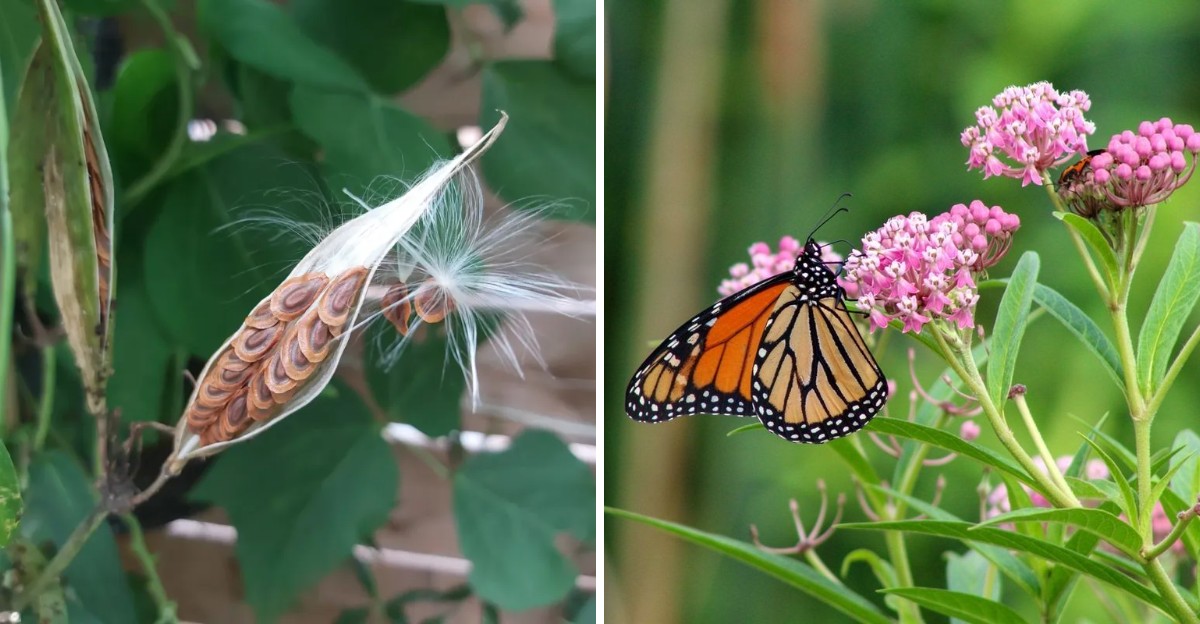
Every fall, monarch butterflies flutter across Pennsylvania on one of the most amazing journeys in the natural world.
Some will travel well over 2,000 miles to reach the mountain forests of central Mexico. Each one weighs less than a paperclip.
As incredible as that trip is, monarchs are facing serious trouble. Their numbers have dropped sharply over the past few decades, and one big reason is the loss of a single type of plant.
Monarch caterpillars are extremely picky. They can only feed on one group of native plants, and without it, the next generation simply can’t survive.
Those plants also contain natural compounds that make the caterpillars taste bad to predators.
The good news is that this native grows well across Pennsylvania, and fall is a great time to get it started.
The Key To Helping Monarchs
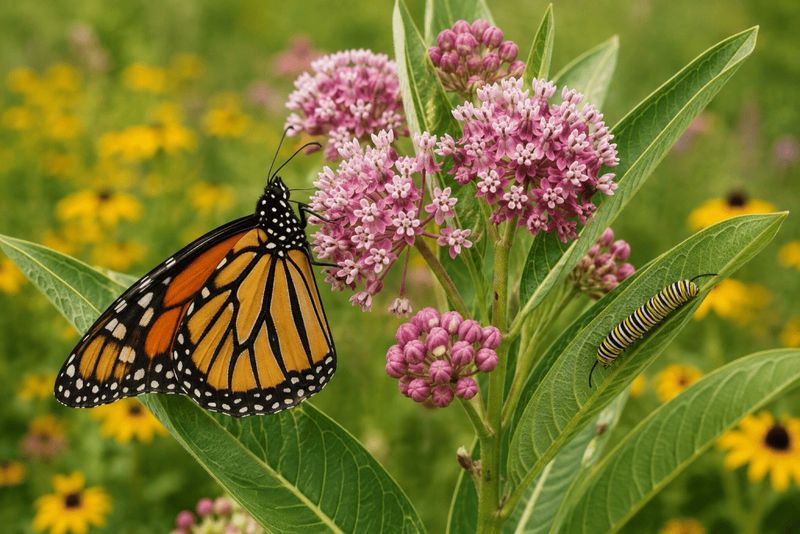
Every monarch butterfly starts life as a tiny egg stuck to the underside of a milkweed leaf. A mother monarch will search for miles to find the right plant. She knows her babies have only one choice for food.
Monarch caterpillars eat milkweed and nothing else. They munch on the leaves day and night, growing bigger and bigger. In about two weeks, a caterpillar can grow to around 2,000 times its starting weight.
Without milkweed, the monarch life cycle simply stops. No milkweed means no eggs, no caterpillars, and no new butterflies. That is why gardeners and scientists call it the most important plant for monarchs.
Planting milkweed from seed is one of the easiest ways to help. Seeds are cheap, and one packet can fill a whole garden bed.
Many nature centers, local garden clubs, and conservation groups in Pennsylvania even give seeds away for free.
You can also collect seeds yourself in the fall. Look for dry, brown pods that have started to split open. Inside, you will find flat brown seeds attached to silky white fluff that helps them float on the wind.
Gather the pods before the fluff blows away. Pull the seeds off the silk and store them in a paper envelope in a cool, dry place. Label the envelope with the plant type and the date so you remember later.
Here is a fun fact. During World War II, kids across America collected milkweed fluff. It was used to stuff life jackets for sailors because it floats so well.
Today, those same fluffy seeds can do another important job. They can bring monarchs back to your neighborhood, one plant at a time.
Choose Native Milkweeds For Pennsylvania
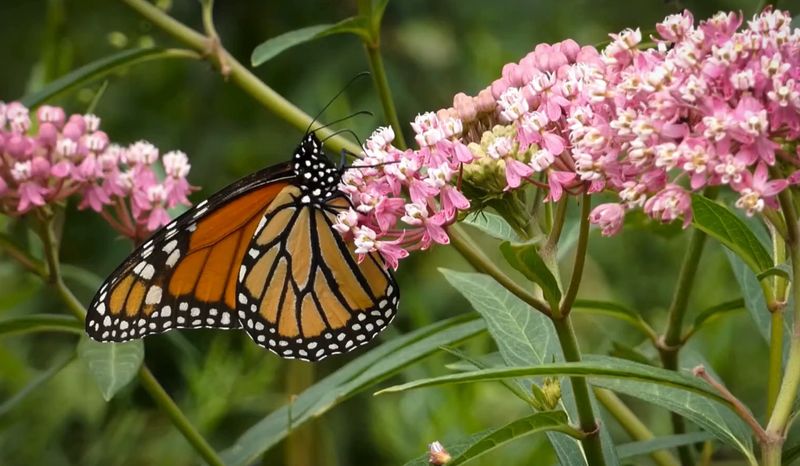
Walk into a big garden store, and you might spot a milkweed with flashy red and yellow flowers. It looks lovely, but hold on before you buy it. That plant is usually tropical milkweed, and it does not belong in Pennsylvania.
Tropical milkweed comes from warmer places. Experts suggest skipping it because it can confuse monarch travel habits and may spread a harmful parasite. Native plants are a much safer bet.
Luckily, Pennsylvania has some wonderful milkweeds of its own. Three stand out as great picks for home gardens.
Your Pennsylvania Garden Changes Every Week. Your Plan Should Too.
Gardening in Pennsylvania changes quickly throughout the season. Every Friday you’ll receive a simple weekly plan showing exactly what to plant, prune, fertilize, harvest, and protect so you never miss the right timing.
Common milkweed is the tall, sturdy one you may see along country roads. It has big oval leaves and round clusters of pinkish purple flowers. The blooms smell sweet, a bit like honey or lilacs.
Swamp milkweed has narrow leaves and pretty pink flowers. Despite its name, it grows well in regular garden soil that stays somewhat damp. It also stays neat and does not wander around your yard.
Butterfly weed is the showstopper of the group. Its blazing orange flowers look like little fireworks in midsummer. It stays short, usually about two feet tall, which makes it perfect for small spaces.
Native plants have lived alongside local wildlife for thousands of years. They are used to Pennsylvania winters, hot summers, and our local soil. That means less watering and fussing for you.
When shopping, read the label carefully. Look for the scientific names Asclepias syriaca, Asclepias incarnata, or Asclepias tuberosa. Buying from native plant nurseries or local seed swaps is a smart way to get the real thing.
Mixing all three types gives monarchs plenty of choices. It also adds color to your yard from early summer into fall.
Sow Seeds In Late Fall To Let Winter Do The Work
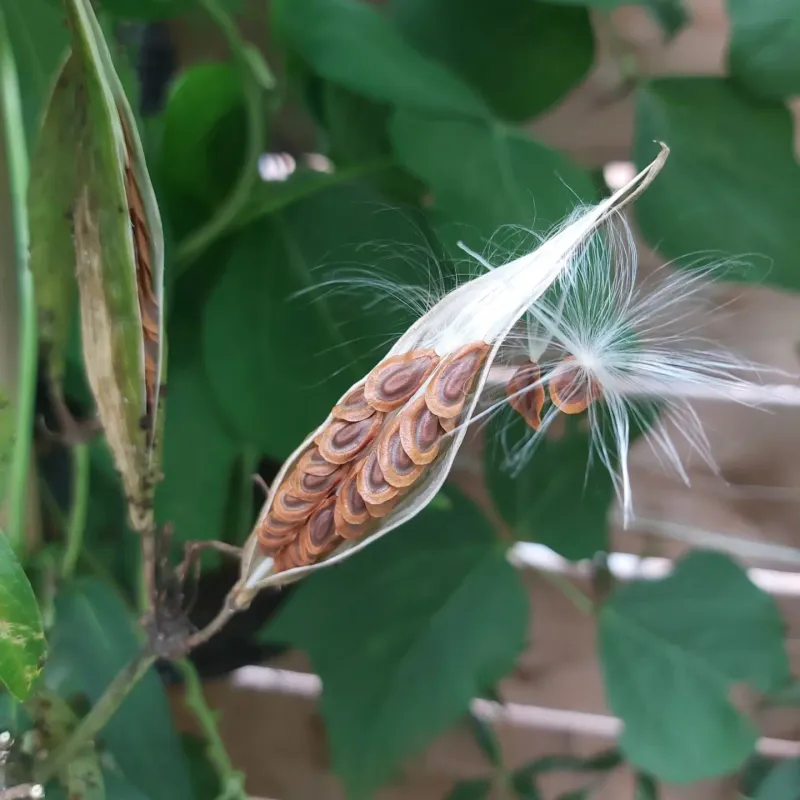
Lazy gardeners, rejoice! Milkweed actually prefers that you plant it and then walk away for the winter. The cold months do most of the hard work for you.
Milkweed seeds have a built-in safety lock. They will not sprout until they have spent several weeks in cold, wet conditions. Scientists call this process cold stratification.
Think about how nature does it. Pods burst open in fall, and seeds float down to the ground. Snow and rain soak them all winter, and then they wake up when spring warms the soil.
You can copy that natural plan. Wait until late fall, usually November in most of Pennsylvania. The ground should be cold, but not frozen solid yet.
First, clear a small patch of weeds and grass. Loosen the top inch of soil with a rake. Then scatter your seeds across the area.
Press the seeds gently into the soil with your hand or foot. Cover them with only a thin layer of dirt, about a quarter inch. Milkweed seeds need a little light, so do not bury them deep.
Mark the spot with a stick or small sign. Come spring, baby milkweed can look a lot like weeds. A marker keeps you from pulling them by mistake.
Worried about hungry birds or squirrels? Lay a piece of old window screen over the area until spring. Just remember to remove it once sprouts appear.
If you missed fall planting, there is a backup plan. Mix seeds with damp sand in a sealed bag. Keep it in the fridge for 30 days, then plant outside in spring.
Pick The Right Spot For Each Type
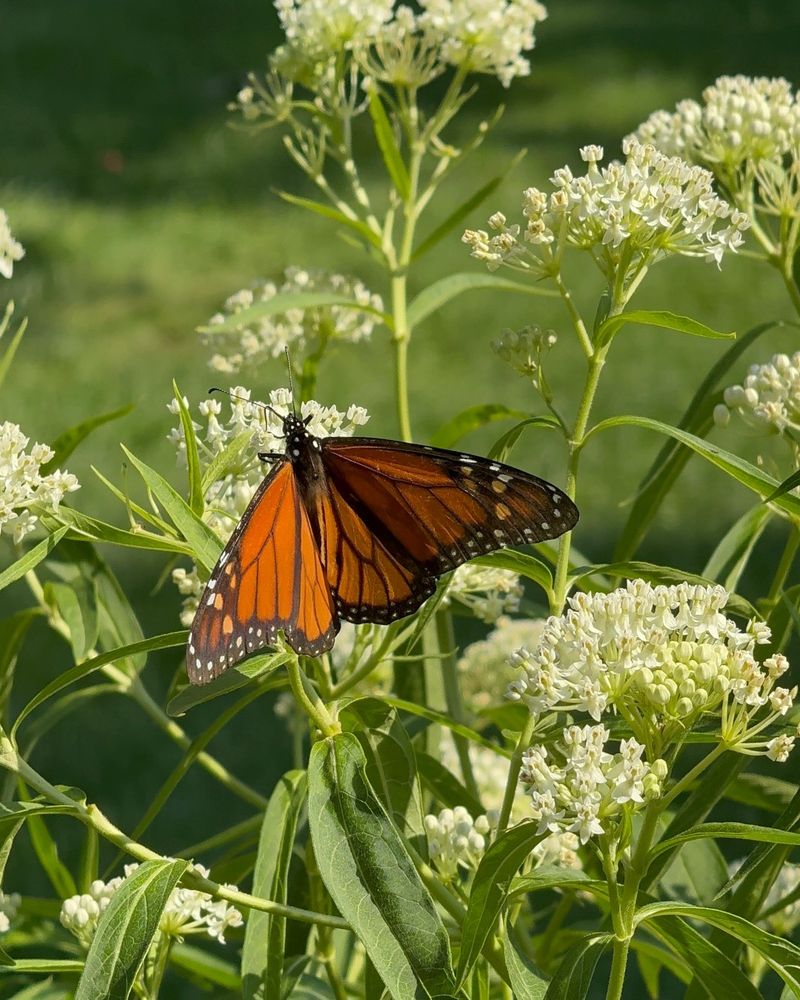
Location matters for plants just like it does for people. Put a milkweed in the right place, and it will reward you for years. Put it in the wrong spot, and it may sulk.
Start by finding the sunniest part of your yard. Most milkweeds want at least six hours of direct sunlight each day. A spot that gets sun from morning until late afternoon is ideal.
Next, check your soil. Grab a handful after a rain and see how it feels. Is it soggy and muddy, or does it drain fast and feel sandy?
Butterfly weed loves dry ground. It grows a long taproot that reaches deep for water. Rocky slopes, sandy beds, or the edge of a hot driveway can be perfect homes for it.
Swamp milkweed is the opposite. It enjoys damp soil near ponds, ditches, or low spots where water collects. A rain garden is an excellent match.
Common milkweed is the explorer of the family. It spreads through underground roots and pops up new stems each year. In a tidy flower bed, it can take over quickly.
Give common milkweed plenty of room. A meadow, a back corner of the yard, or a large wildflower patch works nicely. Some gardeners plant it near a fence line where it can roam freely.
Consider adding nectar flowers nearby, too. Adult monarchs need food for energy. Purple coneflower, goldenrod, and New England aster are Pennsylvania natives they adore.
Planting milkweed in small groups of three or more helps mother monarchs find them. A cluster is much easier to spot from the air than one lonely plant.
Be Patient During The First Year Or Two
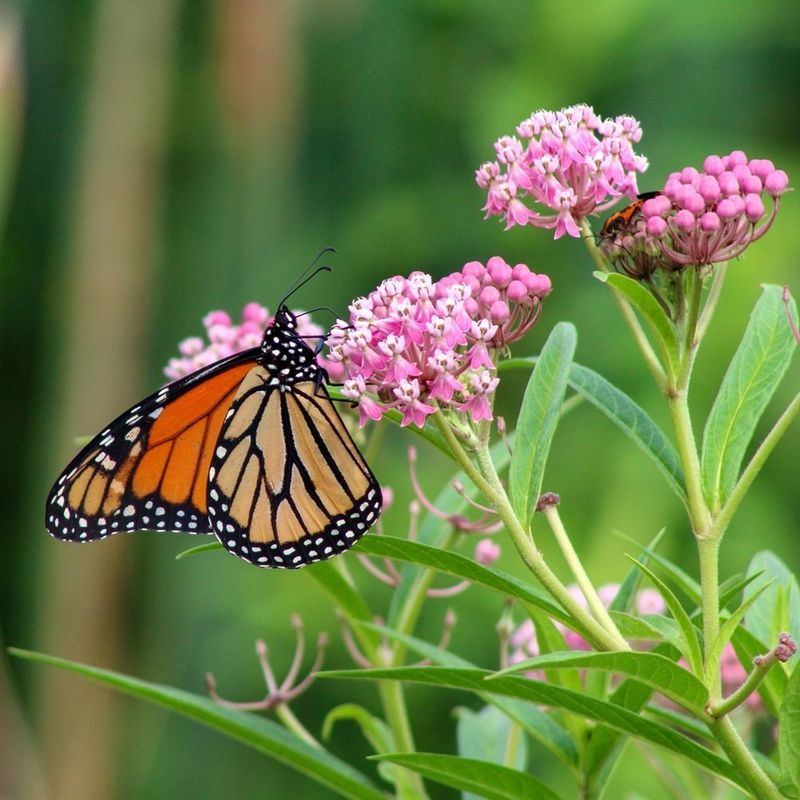
My neighbor once planted milkweed seeds and nearly gave up on them. By the end of summer, she had only a few short, skinny stems. Two years later, her yard was full of blooms and fluttering monarchs.
Her story is pretty normal. Milkweed grown from seed takes its sweet time. During the first year, most of the action happens underground.
Young plants spend their energy building strong roots. Butterfly weed grows a deep taproot, while common milkweed sends out spreading runners. Above the soil, you may only see a few leaves.
Do not worry if there are no flowers that first summer. Many plants bloom in their second year. Some wait until their third season before putting on a real show.
Here is the good part. Even small first-year plants can help monarchs. Mother butterflies often lay eggs on young, tender leaves.
During the first season, water seedlings when the soil feels dry. Pull weeds around them so they do not get crowded out. After that, they become very independent.
Milkweed is a perennial, which means it returns every year. The tops fade in fall, but the roots stay alive under the ground. Fresh shoots appear again in late spring.
Be careful during spring cleanup. Milkweed is one of the last plants to wake up, often not showing until late May. Mark your plants so you do not dig them up by accident.
Once established, milkweed needs almost no care. No fertilizer, no fancy tools, and very little watering. Your patience now pays off with years of butterfly visits.
Handle With Care
Snap a milkweed leaf, and a sticky white liquid oozes out. It looks a bit like glue or milk, which is how the plant got its name. That sap is actually a clever defense system.
Milkweed sap contains natural chemicals called cardiac glycosides. They taste bitter and can make animals sick. Most hungry insects and animals learn to stay away.
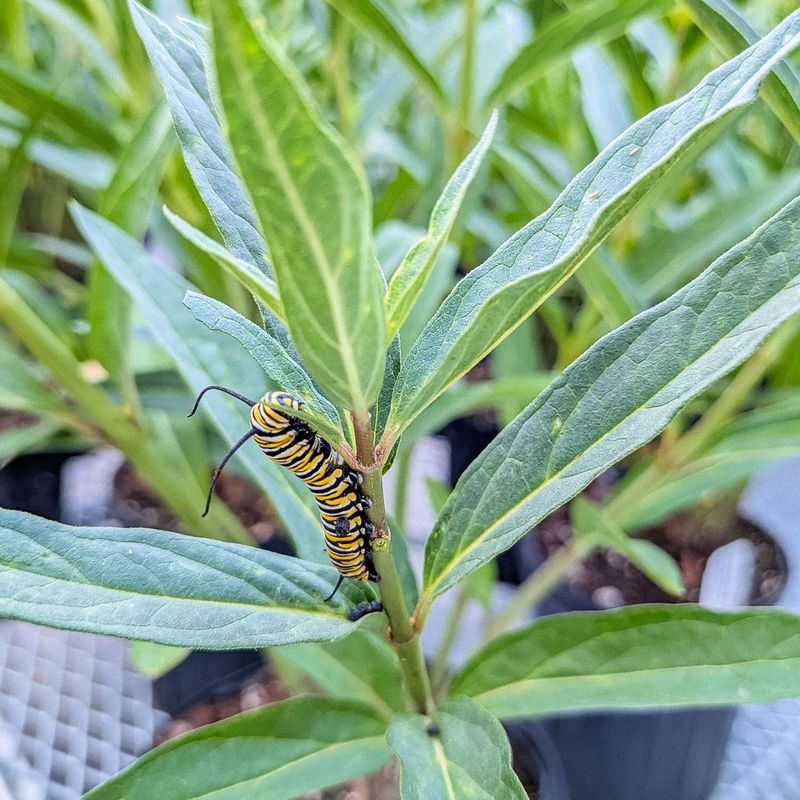
Monarch caterpillars are special, though. They can eat milkweed without trouble. Even better, they store those chemicals in their bodies as they grow.
The stored chemicals make caterpillars and adult butterflies taste awful to birds. A bird that tries one usually spits it out and remembers the lesson. The bright orange and black colors work like a warning sign that says, do not eat me.
For people, the sap is mostly a nuisance. It can irritate your skin, and it can cause real pain if it gets in your eyes. Some people have needed a doctor after rubbing their eyes with sappy fingers.
Protect yourself with a few easy habits. Wear garden gloves when cutting or moving milkweed. Long sleeves help, too, if you are working with lots of plants.
Always wash your hands with soap and water after gardening. Do this before touching your face, eating snacks, or rubbing your eyes. Teach kids the same rule.
Pets usually avoid milkweed because of its bitter taste. Still, keep an eye on dogs that like to chew plants. Ask your vet if you have any concerns.
With simple care, milkweed is safe to enjoy. Treat it with respect, and it will keep feeding monarchs for years.