The Perennial Spacing Mistake That Causes Disease In Michigan Gardens Every Summer
Planting perennials too closely together is one of the most common mistakes causing recurring disease problems in Michigan gardens each summer.
Crowded plants restrict airflow significantly, trapping humidity around leaves and creating ideal conditions for fungal issues like powdery mildew to take hold.
This problem becomes especially pronounced during Michigan’s humid midsummer stretches, when moisture already lingers longer on foliage.
Checking mature plant sizes before planting helps avoid this issue from the very beginning, rather than trying to fix overcrowding later.
Thinning or dividing existing overcrowded perennials improves airflow immediately, often reducing disease pressure within just one growing season.
Spacing plants according to their full grown width, rather than their appearance as young transplants, prevents this problem from developing in the first place.
Watering at the base, rather than overhead, further reduces moisture buildup on already closely spaced foliage. Correcting this simple spacing mistake often resolves disease issues that seemed persistent and difficult to manage for years.
1. The Mistake Is Planting Too Close
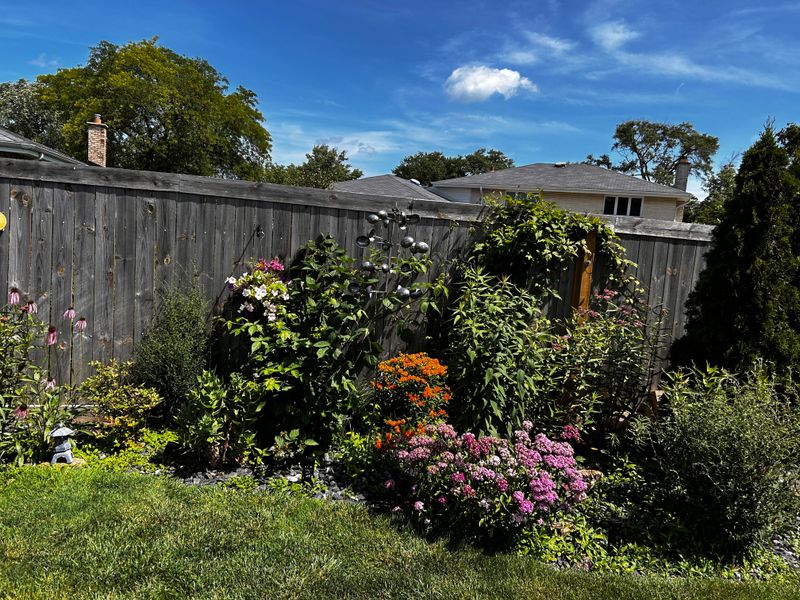
Squeezing plants together feels smart when a bed looks bare and empty in spring. Those tiny starter plants seem lonely with so much soil around them, so gardeners tuck them in tight to fill the space fast.
The problem shows up weeks later. Perennials grow wider and taller than most people expect, and soon their leaves press against each other with no room left. That tight tangle becomes a cozy home for trouble.
Crowded roots also fight for the same water and food underground. When plants compete like this, they grow weaker, and weaker plants catch diseases much more easily than strong ones.
Air is the biggest reason spacing matters. When leaves overlap, fresh air cannot flow through the bed.
Still, damp air trapped between stems creates the exact conditions that fungus and bacteria love.
In Michigan, summer humidity makes this even worse. Warm, sticky days combined with packed foliage give spores a perfect place to settle and spread.
Think of it like people packed into a small room. Germs move fast when everyone stands shoulder to shoulder, but they struggle when there is space to breathe.
The fix is easy once you understand it. Check the plant tag, follow the spacing numbers, and trust that your garden will fill in over time. A little patience now saves you from spraying, pruning, and worrying later.
2. Crowded Leaves Trap Humidity
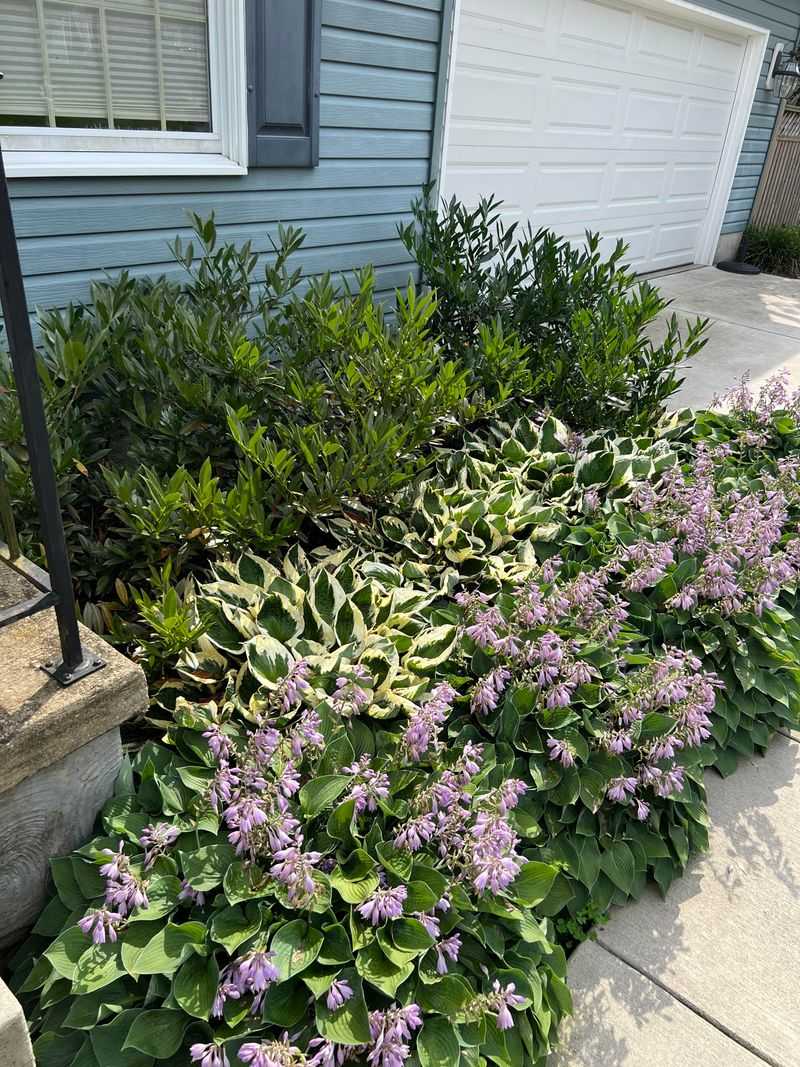
Picture a thick wall of leaves with no gaps between them. Air that gets stuck inside that leafy jungle has nowhere to go, and moisture just hangs around instead of drifting away.
Plants naturally release water through their leaves during the day. When foliage is spread out, that moisture floats off into the breeze.
But when leaves are packed tight, the water vapor stays trapped, and the humidity right around the plants climbs higher and higher.
Michigan already brings plenty of sticky summer air, especially near the lakes. Add crowded plants to that mix, and you create a steamy pocket that never seems to dry out.
Your Michigan Garden Changes Every Week. Your Plan Should Too.
Gardening in Michigan changes quickly throughout the season. Every Friday you’ll receive a simple weekly plan showing exactly what to plant, prune, fertilize, harvest, and protect so you never miss the right timing.
Fungus spores wake up and multiply in these damp, warm spots. They need moisture to grow, and dense foliage hands it to them on a silver platter.
Good air movement changes everything. A gentle breeze passing through your beds carries humidity away and keeps the surface of each leaf drier. Drier leaves are simply harder for disease to attack.
You can help by spacing plants so light and wind reach the center of the bed. Skip the urge to cram in one more plant, even when a gap looks tempting.
Some gardeners also trim lower leaves on tall perennials to open up the bottom of the plant. That small step lets air sweep across the soil and keeps the whole area fresher through the hottest, muggiest weeks.
3. Wet Leaves Stay Wet Longer
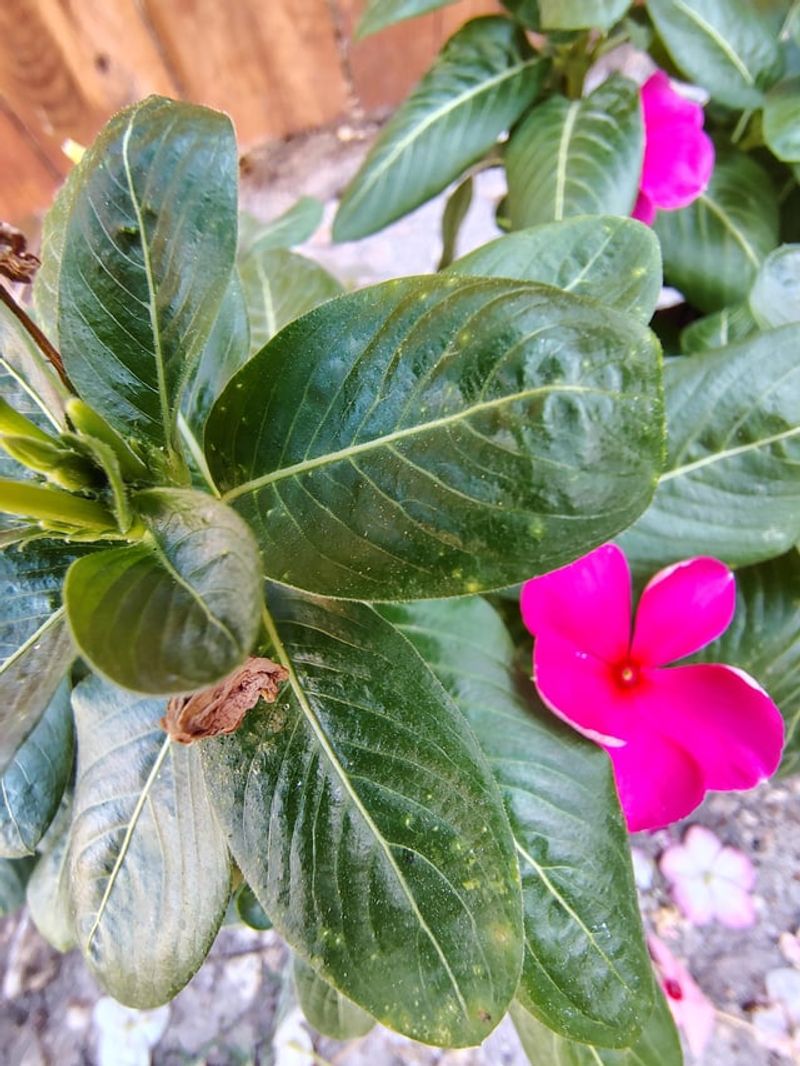
Rain and morning dew leave every garden damp, and that part is normal. The trouble starts when those wet leaves cannot dry out quickly afterward.
In an open, well-spaced bed, sunshine and wind dry the foliage within an hour or two. Water beads roll off, the surface warms up, and the plant is ready for the day.
Crowded beds work against that natural drying. Sunlight cannot reach the inner leaves, and trapped air holds the moisture in place. As a result, leaves can stay soggy for many hours longer than they should.
That extra time is exactly what disease needs. Most fungal spores require a wet surface to sprout and dig into the leaf. The longer a leaf stays damp, the bigger the window for infection.
Michigan mornings often bring heavy dew, and summer storms roll through fast. If your plants never fully dry between soakings, they stay stuck in a risky, moist state day after day.
Smart spacing lets each plant catch the morning sun and the afternoon breeze. Those two things dry foliage in record time and shut the door on many problems.
Watering habits matter too. Water the soil early in the day instead of the evening, and aim for the roots rather than the leaves.
Give the sun plenty of hours to finish the drying job, and your perennials will thank you with cleaner, spot-free foliage.
4. Powdery Mildew Loves Crowded Plants
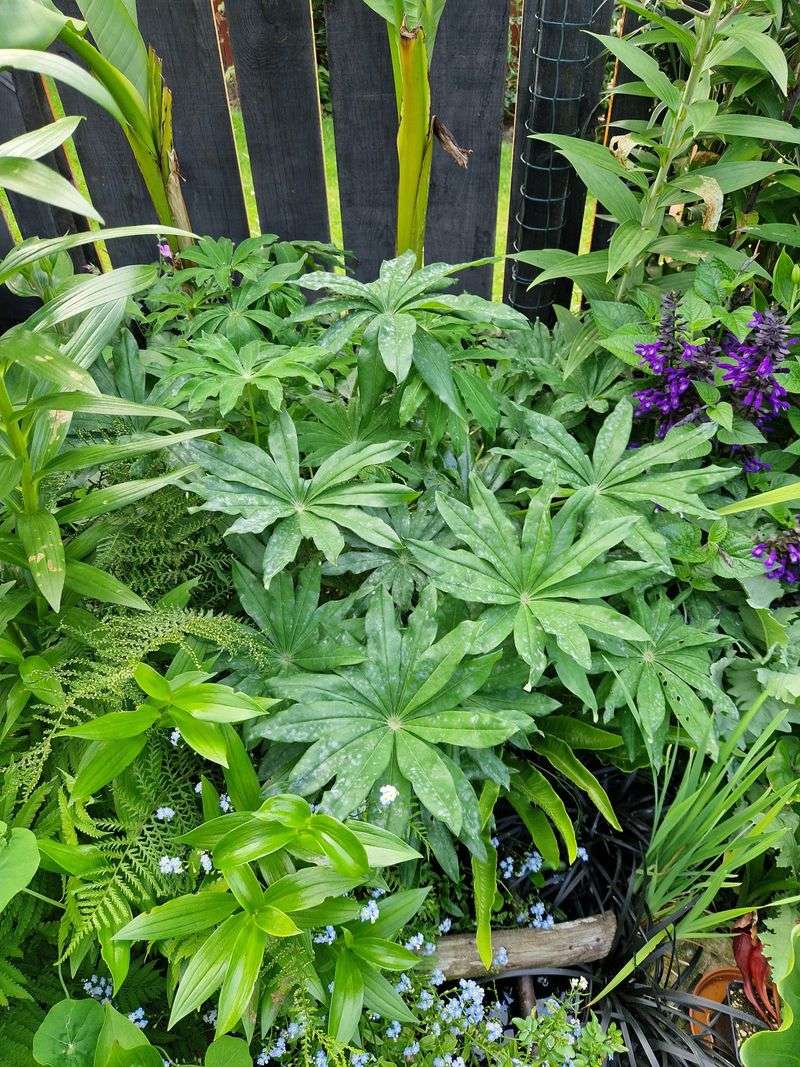
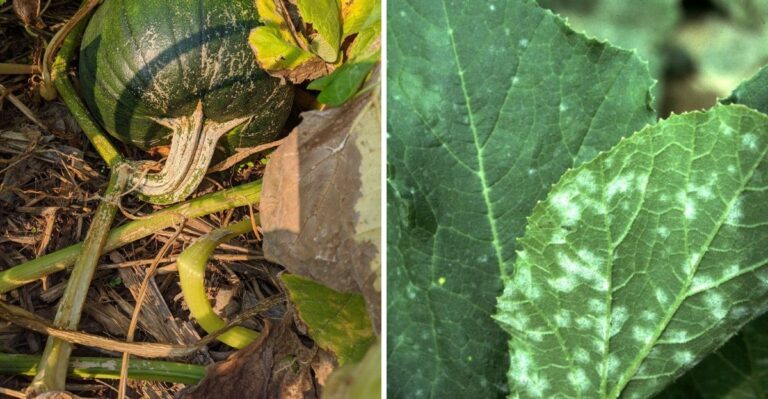
That dusty white coating on leaves is powdery mildew, and it is one of the most common summer headaches in Michigan gardens. It looks like someone sprinkled flour across your plants.
Certain perennials get hit almost every year. Bee balm, phlox, peonies, and zinnias top the list of plants that struggle with this fuzzy invader.
Unlike many fungi, powdery mildew does not even need wet leaves to take hold. It thrives when the air is humid and still, which is exactly what crowded plants create around themselves.
When foliage is jammed together, the pockets of damp, calm air become a paradise for mildew spores. They drift from leaf to leaf without any breeze to blow them away.
Spacing is your best defense here. Plants set far enough apart get steady airflow, which keeps the surrounding air drier and less friendly to mildew.
Sunlight helps too, since most mildew-prone perennials fight the fungus better in bright spots than in shady, packed corners. Give them room and light together for the strongest results.
If mildew still shows up, remove the worst leaves and toss them in the trash rather than the compost pile. That stops spores from lingering nearby.
Choosing mildew-resistant varieties makes life even easier. Many phlox and bee balm types are bred to shrug off the problem.
Pair those tough plants with proper spacing, and you will rarely see that powdery white dust again.
5. Leaf Spots Spread More Easily
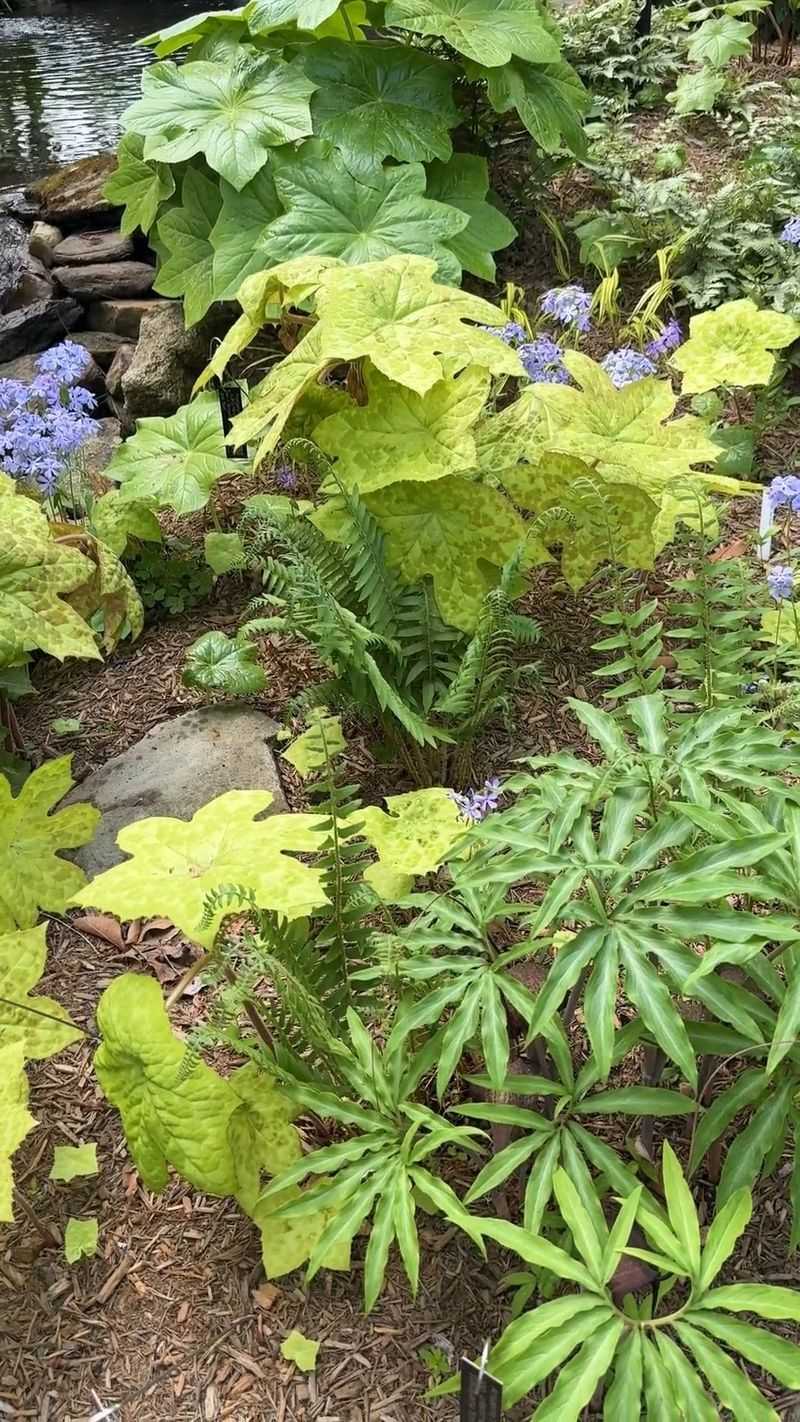
Brown and black spots peppering your leaves usually point to fungal troublemakers like Alternaria or anthracnose. These diseases spread through water, and crowded plants make their job simple.
Here is how it works. When rain hits an infected leaf, tiny droplets splash upward and outward, carrying spores with them. Those spores land on nearby leaves and start brand new spots.
In a packed bed, healthy leaves sit just inches from sick ones. Every splash travels a short distance and finds a fresh target, so the disease jumps quickly from plant to plant.
Space changes the math completely. When plants stand farther apart, splashing water has more empty air to cross before it reaches another leaf. Many spores simply fall to the ground and never infect anything.
Watering from above makes splashing worse. A hose blasting the leaves flings spores everywhere, so switch to soaker hoses or water gently at the base instead.
Mulch also helps by covering the soil where spores like to hide. A layer of mulch blocks them from splashing back up onto your plants during storms.
Cleaning up matters as much as spacing. Rake away fallen, spotted leaves at the end of the season so the fungus has no place to overwinter in your beds.
Put these habits together, and leaf spot diseases lose their easy path. Your perennials stay greener, cleaner, and far more attractive through Michigan’s rainy summer stretches.
6. Nursery Size Can Fool You
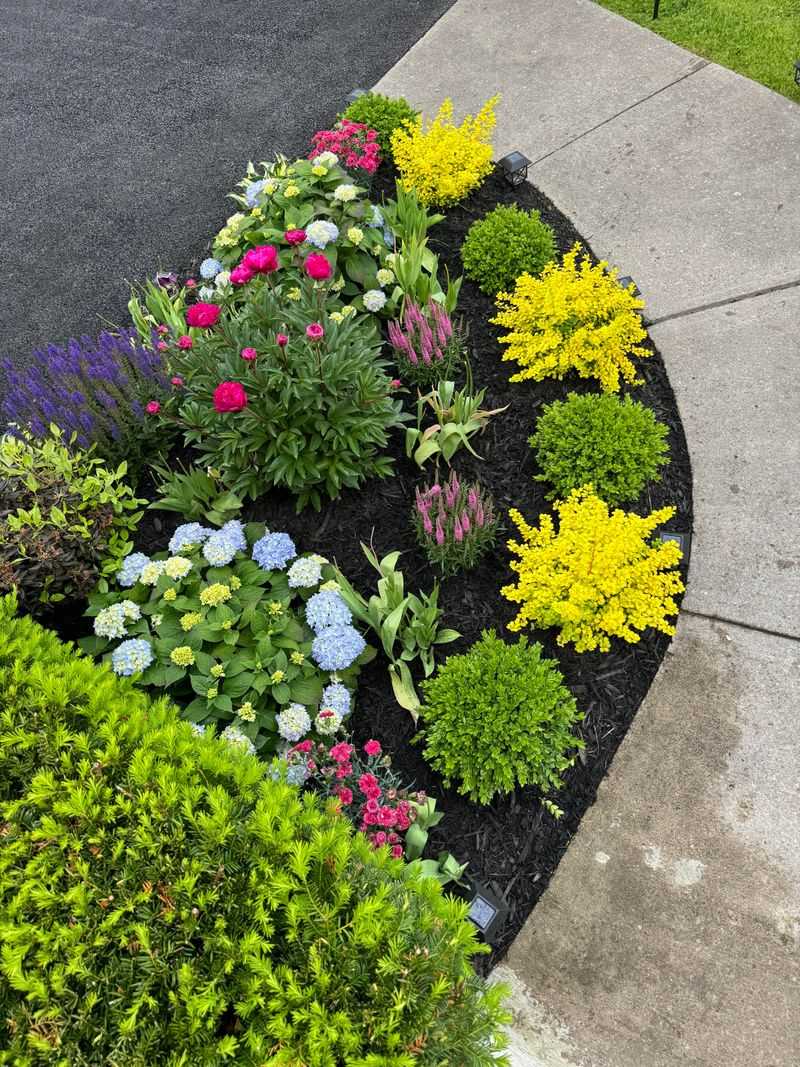
Walk into any garden center and the perennials look adorable and tiny. Those little pots trick your eyes into thinking each plant needs only a small patch of soil.
The truth hides on the plant tag. A perennial that fits in a four-inch pot today might spread two or three feet wide by midsummer of its second or third year.
Gardeners fall into this trap all the time. They place plants close together because the spacing looks generous compared to those small nursery pots, but they are really planning for baby size, not grown-up size.
A year or two later, those cute plants have exploded into full-size clumps that crowd and shove against each other. Suddenly the bed is a tangled mess with all the disease risks that come with it.
Always plant for the mature width printed on the label. If a tag says a plant reaches 24 inches wide, give it that full space from its neighbors, even if the gaps look silly at first.
Fill those bare spots with mulch or a few annual flowers for the first season. Annuals bloom fast, look pretty, and pull out easily once the perennials grow in.
Patience pays off here more than anywhere else. A bed that looks a little empty in spring will look perfectly full and healthy by summer, without the crowding that invites disease into your beautiful Michigan garden.
7. Thin Crowded Beds When Needed
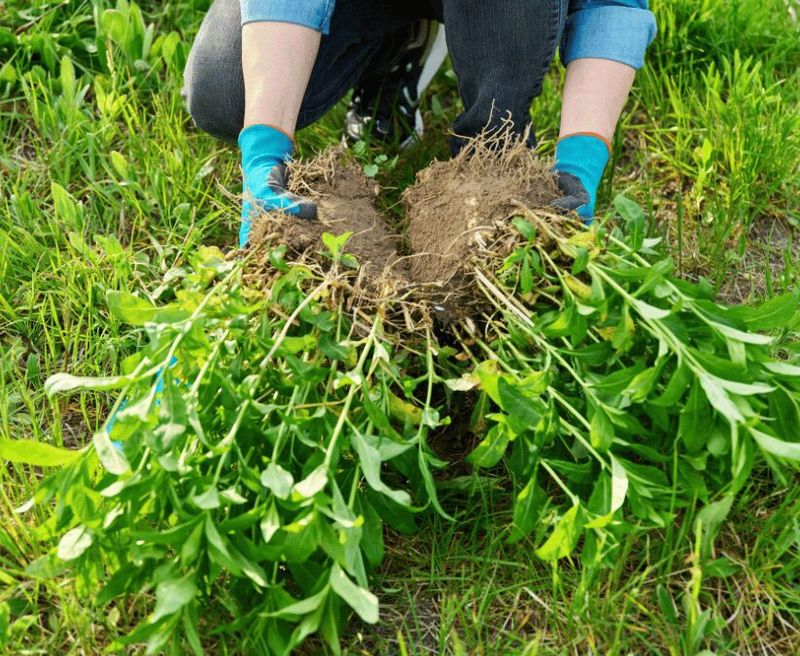
Maybe you already have a bed bursting at the seams. Do not worry, because thinning and dividing can rescue crowded perennials and bring back the airflow they crave.
Over time, healthy perennials multiply and form dense clumps. Hostas, daylilies, coneflowers, and many grasses grow so thick that the center gets packed and the leaves start rubbing together.
Dividing solves two problems at once. You dig up the clump, split it into smaller pieces, and replant those pieces with proper space between them.
The parent plant gets relief, and you get free plants for other spots.
Spring and fall are the best times for this job in Michigan. Cooler weather lets the divisions settle in without the stress of blazing summer heat.
Thinning works well when you do not want to dig anything up. Simply remove some stems or leaves from the middle of a bushy plant to open a path for air to flow.
Use clean, sharp tools every time. Wipe the blades between plants so you do not carry any lingering disease from one to another.
After dividing, water the new pieces well and add a little mulch to help them recover. Within a few weeks, they perk up and look right at home.
A once-crowded bed transforms into a breezy, open space where disease struggles to gain a foothold. Regular dividing keeps your garden looking tidy and thriving year after year.
8. Give Every Plant Room To Breathe
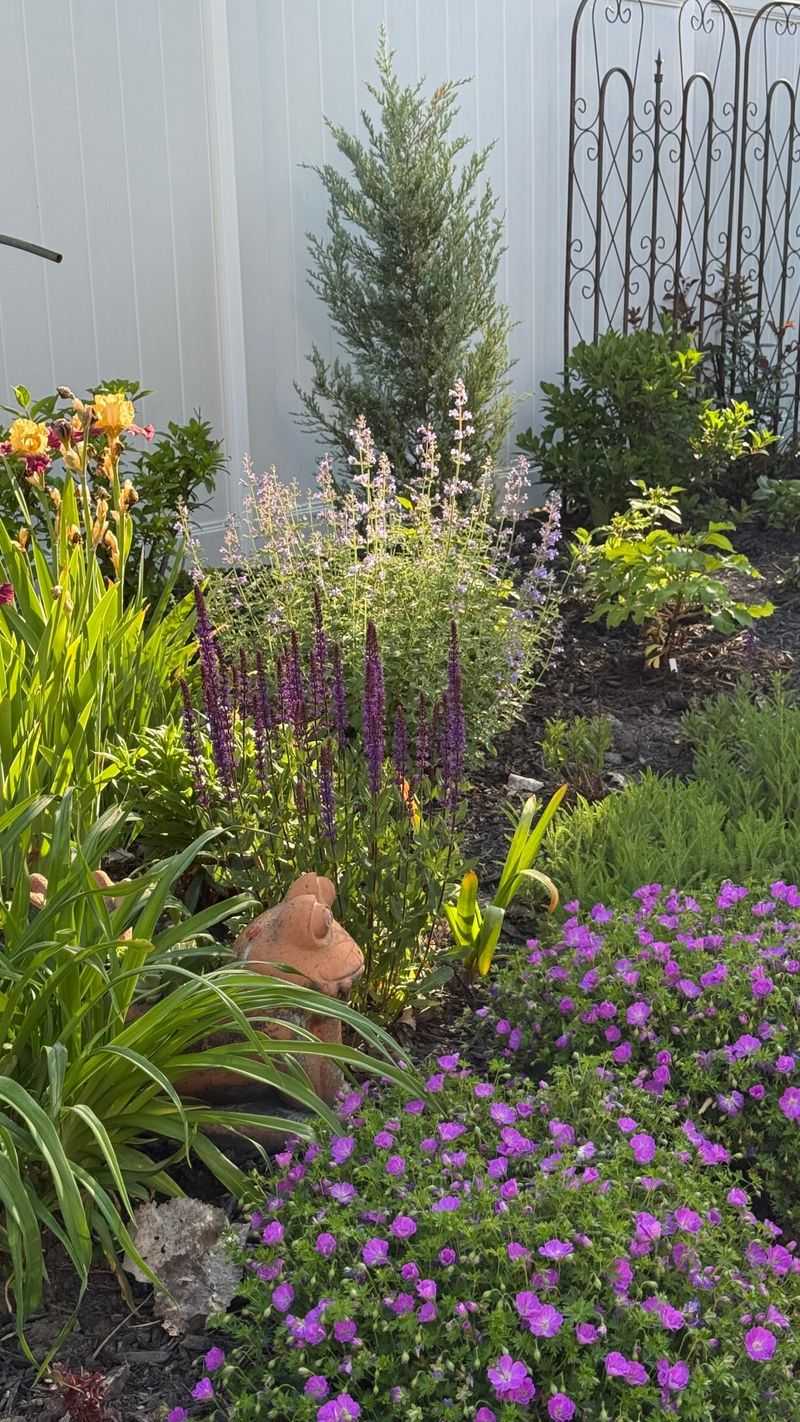
All these tips lead back to one simple idea. Give each plant enough room, keep the leaves dry, and let the air move freely through your beds.
Proper spacing does the heavy lifting. When plants stand apart at their mature width, breezes sweep between them, sunlight reaches every leaf, and moisture disappears fast after rain.
Dry foliage is unfriendly foliage as far as disease is concerned. Most fungal spores need wetness to grow, so a leaf that dries quickly rarely gets sick in the first place.
Good airflow ties it all together. Moving air carries away humidity, blows spores off course, and keeps that damp, still atmosphere from ever forming around your plants.
These three habits cost nothing extra and take almost no special skill. You just plan a little at planting time and stay patient while your garden fills in.
Michigan summers will always bring humidity and rain, but you control how your plants handle it. Spacing is the one factor completely in your hands.
Think ahead to next year. Beds that started out looking a bit sparse will be full, healthy, and blooming with far fewer spots, molds, or mildews to fight.
The reward is a garden that mostly takes care of itself. Less spraying, less pruning of sick leaves, and more time simply enjoying the flowers.
Give every plant room to breathe, and your summer garden will stay vibrant and strong.