Never Walk On Your Bare Pennsylvania Soil Immediately After Heavy Thunderstorms
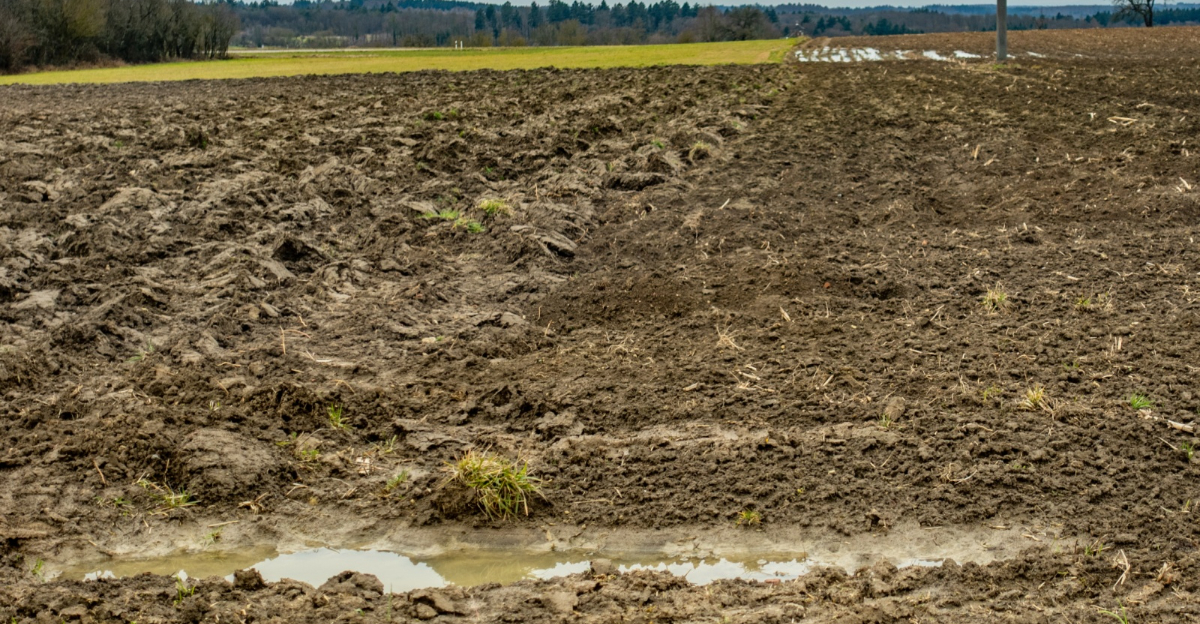
Rain stops, but tension underneath your Pennsylvania lawn keeps building. Every footstep you take next could reshape your soil’s future. Pennsylvania clay holds water long after storms pass through.
Compaction happens fast, quietly pushing out the air your roots need to survive. Nobody warns you that saturated ground remembers pressure for months. Your boots might feel harmless, but they aren’t.
This isn’t guesswork, it’s basic soil physics. Beneath the surface, oxygen pockets shrink under invisible weight you barely notice. Roots weaken slowly while extra water tries to drain properly.
Timing matters more than you think right now. Delay works in your favor when the ground stays wet longer. Waiting even a few hours can change everything for your garden.
Understanding what happens underground gives you real control. You need a plan before you step outside again. What you do in the next few minutes decides your soil’s fate.
Why Wet Soil Compacts So Easily After Storms
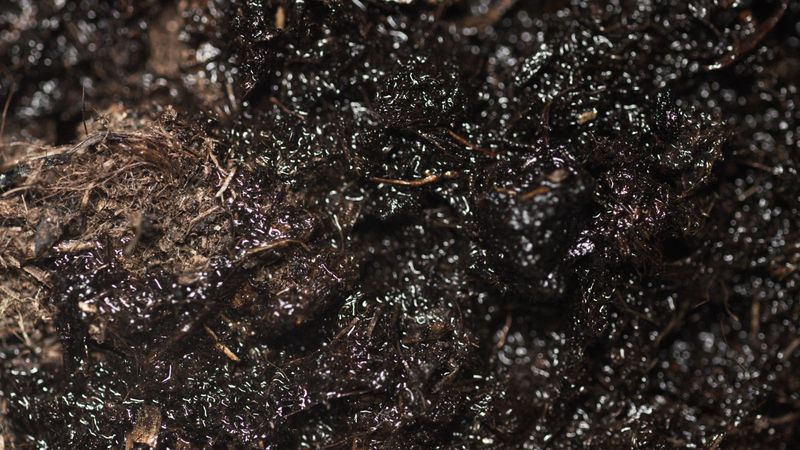
Rainwater changes everything beneath your feet. When a thunderstorm hits, water fills every tiny air pocket inside your soil, leaving it soft and vulnerable.
Soil is not just dirt. It is a living system made of particles, water, air, and organic matter all working together.
When those air pockets fill with water, the particles lose their grip on each other. One footstep can press them flat in seconds.
Pennsylvania soils are especially tricky after storms. Many regions here have heavy clay content, which absorbs water slowly and releases it even slower.
Clay particles stick together tightly when wet. That stickiness makes compaction happen almost instantly under any weight.
Sandy loam soils in other parts of the state drain faster. But even those lighter soils become fragile right after a downpour.
Think of wet soil like a wet sponge. Press it once and the structure collapses inward without bouncing back.
Bare Pennsylvania soil after storms is at peak vulnerability. No plant roots or mulch layer is there to absorb the impact of your steps.
A single adult footstep can exert significant pressure per square inch, enough to compress saturated soil in an instant. That pressure is significant for waterlogged ground.
Understanding why this happens is the first step toward making smarter gardening decisions after every storm season.
How Compaction Damages Soil Structure And Roots
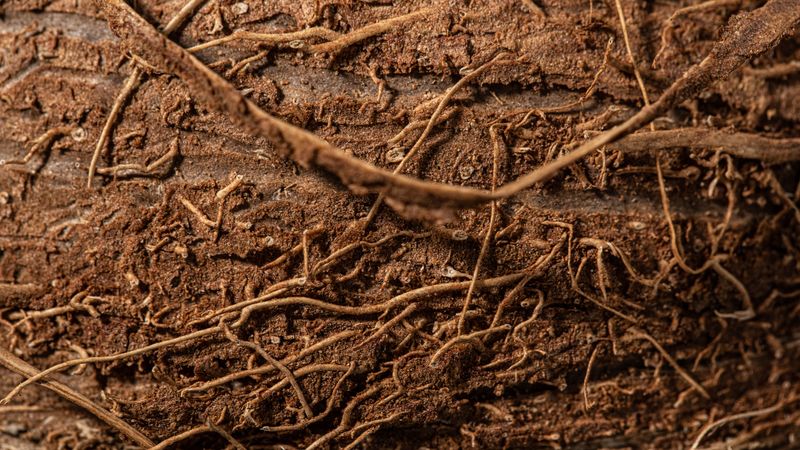
Soil compaction is often hard to detect. You cannot always see it, but your plants feel it immediately after it happens.
Compacted soil squeezes out the air spaces that roots need to breathe and expand. Without those spaces, roots struggle to grow through compacted soil.
Roots need oxygen just as much as leaves do. Crushed soil cuts off that oxygen supply fast, stressing plants from the ground up.
Water drainage also declines badly. Compacted ground cannot absorb rainfall properly, so puddles form and roots sit in standing water too long.
Prolonged waterlogging weakens root systems even further. Plants begin showing stress signs like yellowing leaves and stunted new growth.
Your Pennsylvania Garden Changes Every Week. Your Plan Should Too.
Gardening in Pennsylvania changes quickly throughout the season. Every Friday you’ll receive a simple weekly plan showing exactly what to plant, prune, fertilize, harvest, and protect so you never miss the right timing.
Beneficial soil organisms also take a hit. Earthworms, fungi, and helpful bacteria need loose, airy soil to survive and thrive.
When you compact wet soil, you are removing the conditions these organisms need to survive. Recovery for the microbial community can take an entire growing season.
Vegetable gardens show the most visible damage. Shallow-rooted crops like lettuce and spinach show decline within just days of compaction events.
Deeper-rooted plants like tomatoes struggle too. Their roots hit the compressed layer and curl sideways instead of pushing downward for nutrients.
The structural damage from one bad decision after a storm can follow your garden for the rest of the year. Protecting bare Pennsylvania soil right after heavy rain pays off in ways you will notice all season long.
Signs Your Pennsylvania Soil Is Too Wet To Walk On
Your soil will tell you when it is off limits. You just need to know the signals it is sending after a storm.
The squeeze test is the easiest check you can do. Grab a handful of soil and squeeze it firmly in your fist.
If water drips out or the clump stays perfectly molded like clay, the ground is way too wet. Wait longer before setting foot out there.
Another quick test is the ribbon test. Press the soil between your thumb and finger and try to form a ribbon shape.
A ribbon longer than one inch means your soil has too much moisture. High clay content soils, common in many parts of central Pennsylvania, often pass this test after storms.
Standing water is the most obvious sign. If puddles are still sitting on your garden beds, the soil beneath is completely saturated.
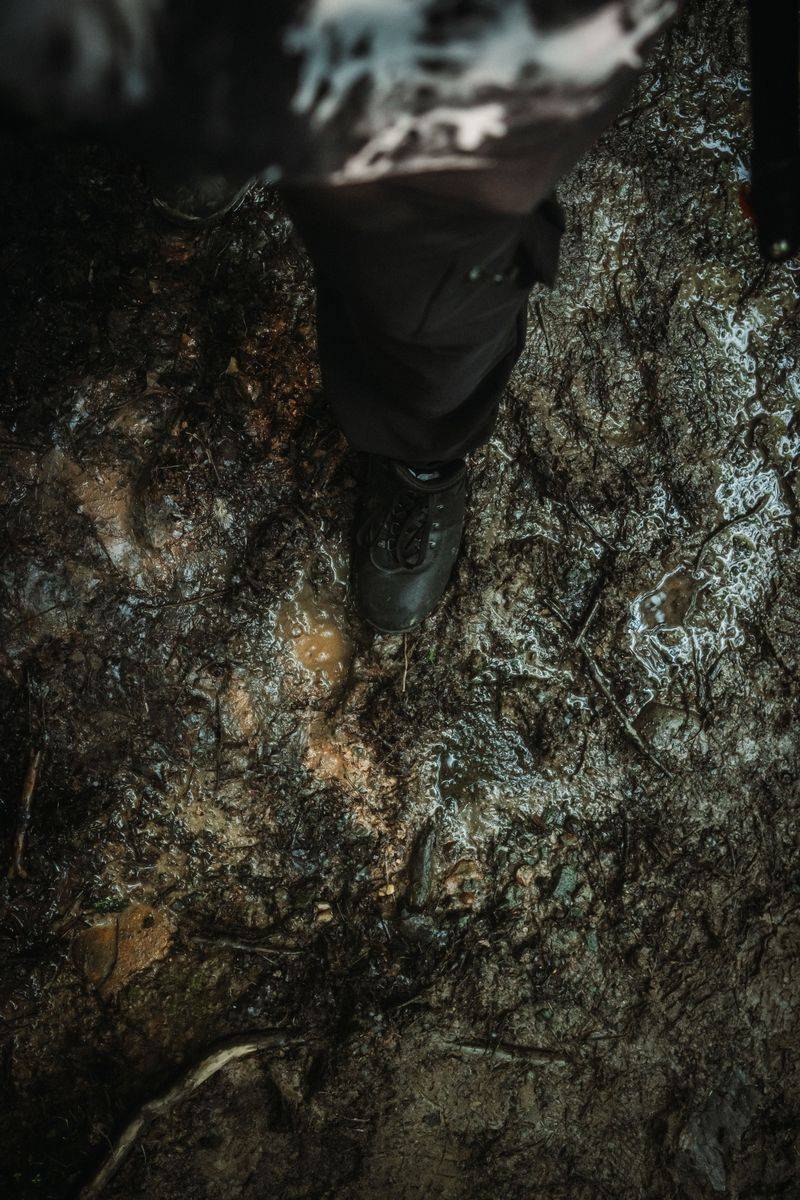
Shiny or glossy-looking soil surfaces also signal excess moisture. That shine means water is still sitting right at the top layer of the ground.
Mud sticking heavily to your boots is another red flag. If you are pulling clumps off your soles, you are already doing damage.
Check your soil in multiple spots around the yard. Low-lying areas stay wet much longer than raised beds or sloped sections of your garden.
Trust these signs over your schedule. Your garden does not care that you planned to weed today, and pushing through anyway will cost you later.
How Long To Wait Before Walking On Soil
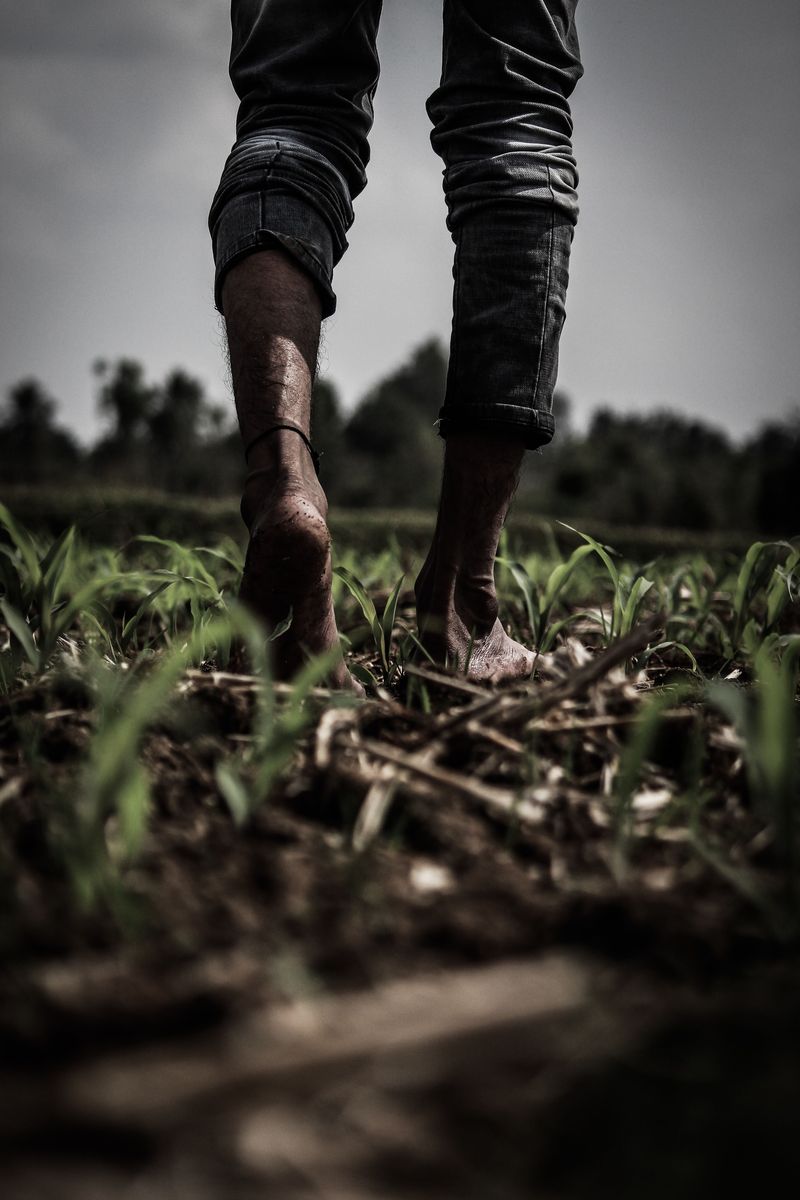
Patience after a storm is genuinely one of the best gardening tools you own. The waiting period protects everything you have worked to build.
Many gardening resources suggest waiting roughly a day or two after heavy rain before walking on bare soil. That window gives water time to drain through the top layers.
Clay-heavy soils, found in many parts of Pennsylvania, need even more time. Those areas may require several extra days before conditions are safe for foot traffic.
Weather matters too. Warm sunny days after a storm speed up drying significantly. Cloudy, cool, or humid days after rain slow the process down considerably.
Do not just count hours blindly. Use the squeeze test again before stepping out to confirm the ground is actually ready.
Sandy soils found in some eastern Pennsylvania regions may dry out faster. But even quick-draining soil benefits from at least a day of rest after a serious storm.
Raised garden beds drain faster than ground-level plots. If your beds are elevated at least six inches, you might be able to walk around them sooner.
Newly planted beds need the longest wait. Fresh transplants are especially fragile, and compacted soil around young roots can stunt them permanently.
Mark your calendar or set a phone reminder after every major storm. That small habit will save you from making impulsive decisions when you are eager to get outside and garden.
Safer Alternatives For Garden Access After Rain
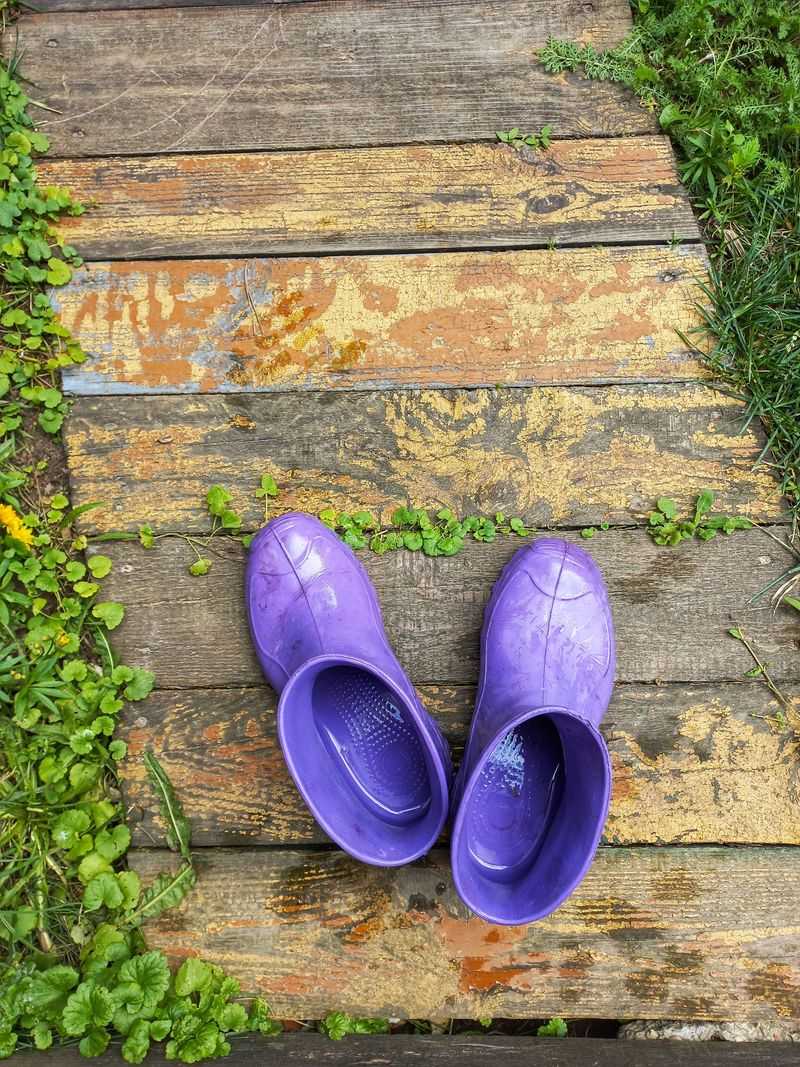
You do not have to stay completely out of your garden after a storm. Smart access solutions let you check on your plants without harming the ground beneath.
Stepping stones are the most popular fix for this exact problem. Flat stones placed strategically through your garden distribute your weight over a wider area.
Wooden planks work just as well in a pinch. A simple two-by-twelve board laid across a wet bed spreads pressure evenly and protects the soil below.
Permanent garden paths made from gravel or crushed stone are worth the investment. They stay dry faster and give you a safe route no matter how heavy the storm was.
Some gardeners use old pallets laid flat as temporary walkways. They are free, easy to move, and surprisingly effective at protecting saturated ground.
Avoid thick rubber mats after heavy rain. They trap moisture underneath rather than allowing it to escape, which can actually make compaction worse over time.
Raised bed gardening is the ultimate storm-proof setup. When your soil sits above ground level, drainage improves dramatically and you never need to step inside the bed.
Kneeling boards are another great option for close-up work. They spread your weight like a plank but give you a comfortable surface for weeding or planting tasks.
These tools are affordable and widely available at garden centers. Investing in a few of them now means your bare Pennsylvania soil stays protected through every future storm season.
Preventing Soil Compaction Going Forward
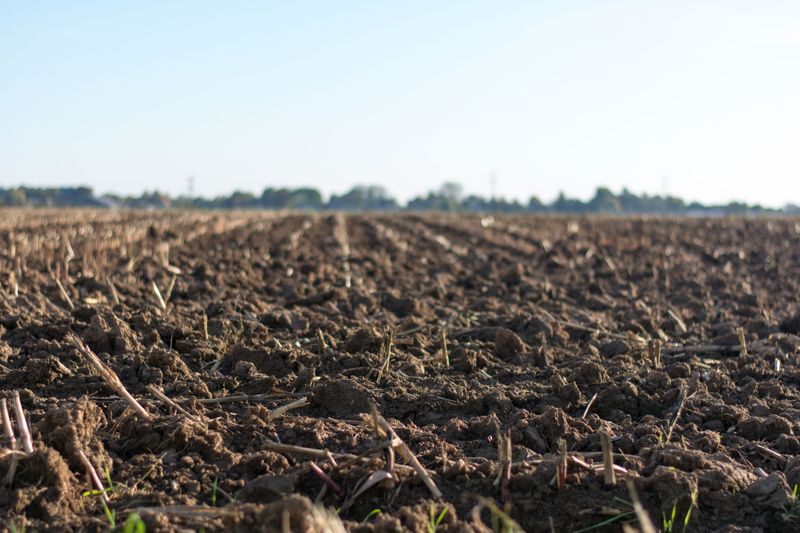
Prevention is generally more effective than repair when it comes to soil health. A few smart habits now will save you serious work later in the season.
Mulching is the single most powerful protective step you can take. A three-inch layer of organic mulch cushions the soil from both rain impact and foot pressure.
When raindrops hit bare soil at full force, they break apart the surface structure. Mulch absorbs that impact before it can do any damage to the layers below.
Compost added to your beds each season improves soil structure dramatically. Organic matter helps soil hold its shape under stress and bounce back faster after storms.
Cover crops are another underused strategy for Pennsylvania gardeners. Plants like clover or winter rye hold soil particles together with their roots through the wet season.
Installing permanent pathways between your beds removes the temptation to step in the wrong spot. Clear routes keep your feet off bare Pennsylvania soil automatically.
Avoid tilling wet soil in the spring or fall. Tilling saturated ground can damage structure similarly to walking on it.
Test your soil every couple of years, or more often in heavily used garden beds, for compaction levels. A simple penetrometer tool measures resistance and gives you a reliable reading of how compressed your ground has become.
Every improvement you make compounds over time. Healthy soil after storms comes from consistent choices made well before the next storm arrives.