What It Means When Squash Bugs Cluster Under Your Pennsylvania Melon Leaves
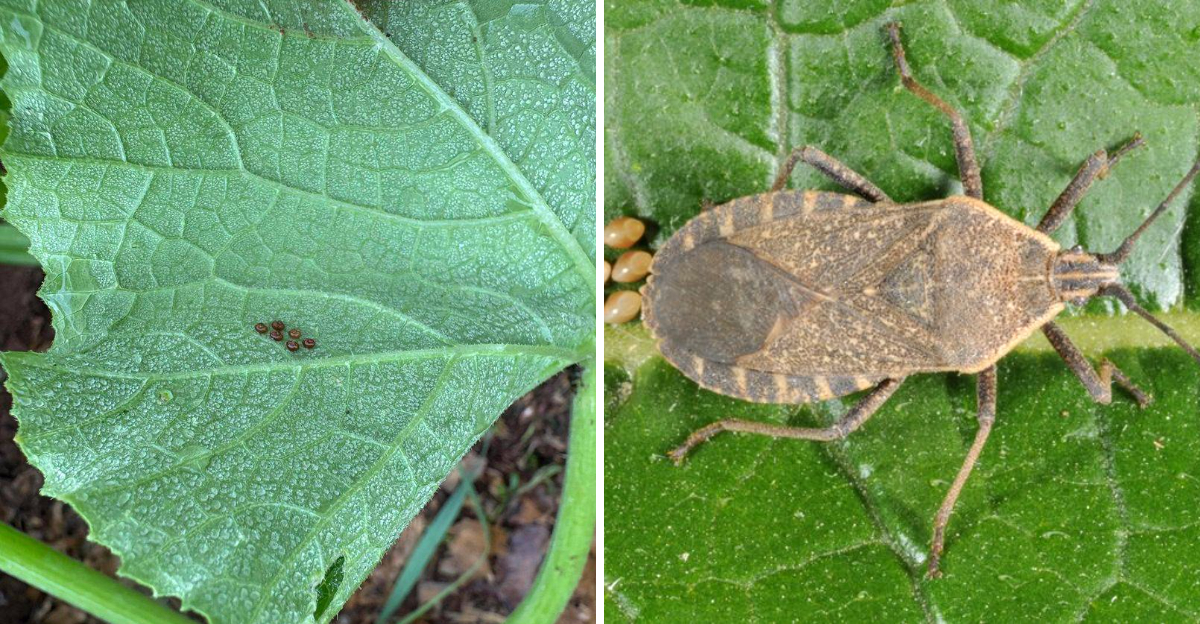
A melon leaf can hide a lot more than shade on a warm Pennsylvania morning.
Flip one over, and a neat patch of bronze eggs may be staring back. Another leaf might shelter pale nymphs along the veins. A few feet away, flat brown adults can sit tucked against a stem like they own the place.
That cluster is not random.
Squash bugs gather where broad cucurbit leaves give them cover from sun, weather, and curious gardeners. Their numbers can build quietly, especially once summer heat settles in and vines start sprawling across the bed.
So what does each group actually tell you?
The answer depends on who is there.
Eggs mean the next generation is waiting. Tiny nymphs mean hatching has already started. Mixed ages usually point to a population that has been building for longer than one morning.
Melons are not their favorite host, but they are still useful real estate.
Read the clues early, and one flipped leaf can save you from a much bigger summer headache.
1. Read Clusters As A Squash Bug Population Building
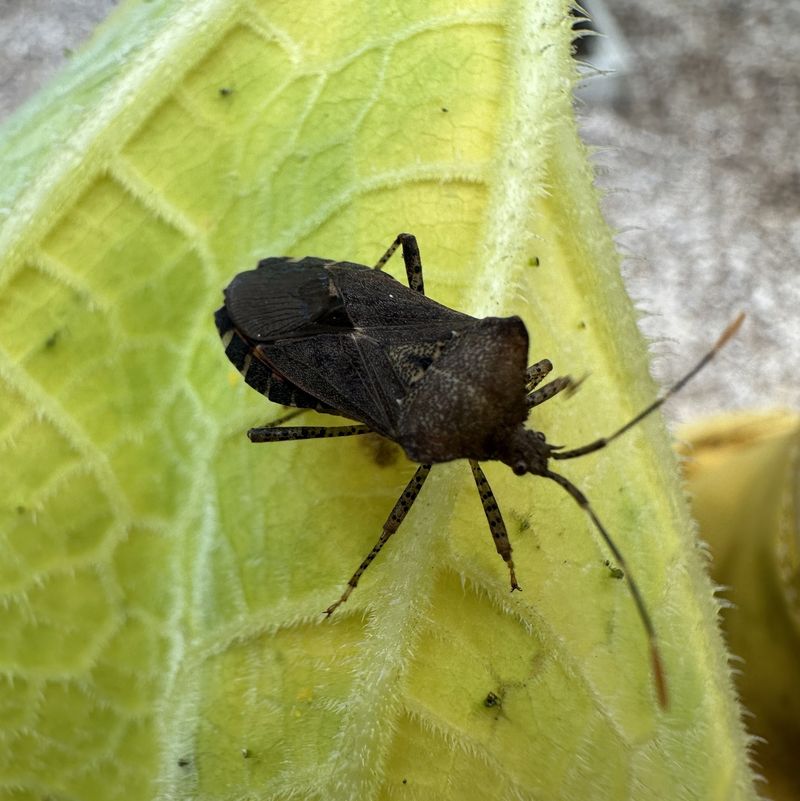
One squash bug under a melon leaf may be a visitor.
A whole group means the situation deserves a closer look.
Adults and nymphs often gather in sheltered spots beneath broad cucurbit leaves. That cover protects them from direct sun and gives them a quiet place to feed.
Once several life stages appear together, the population has usually moved beyond a single stray insect.
Start by noticing who is in the group.
A few adults early in summer may be overwintered bugs that recently moved into the bed. Pale nymphs mixed with darker, older ones suggest eggs have already hatched and development is underway.
That changes the urgency.
Young nymphs are easier to remove before they spread through the canopy. A large mixed cluster later in summer can mean several egg batches are nearby, so one leaf inspection should quickly become a whole-vine inspection.
Check stressed plants carefully.
Squash bugs often become easier to notice on vines already struggling with heat, dry soil, or heavy fruit load. Those plants have less room for additional feeding damage.
Do not judge the population from across the bed.
Lift leaves one by one and inspect the veins, stems, and shaded crown area.
A crowd under one leaf is basically the garden version of a meeting that nobody invited you to. Once attendance gets high, it is time to read the agenda.
2. Check Leaf Undersides For Bronze Egg Patches
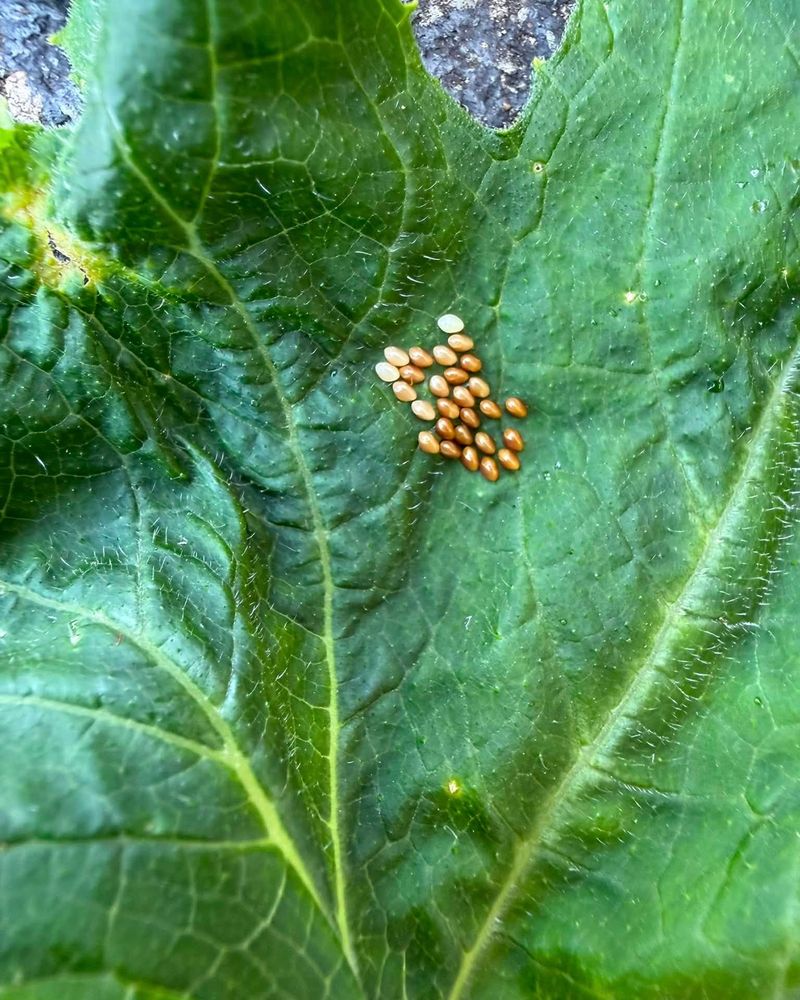
Bronze dots arranged in a tidy pattern are one of the best clues you can catch early.
Female squash bugs often place egg clusters on the undersides of cucurbit leaves, especially near larger veins. The eggs look shiny and metallic, which makes them stand out once you know the color.
A fresh cluster means the next wave has not hatched yet.
That gives you a useful window.
Warm summer weather can move those eggs toward hatching in roughly a week and a half, so waiting too long can turn one easy removal job into dozens of mobile nymphs.
Your Pennsylvania Garden Changes Every Week. Your Plan Should Too.
Gardening in Pennsylvania changes quickly throughout the season. Every Friday you’ll receive a simple weekly plan showing exactly what to plant, prune, fertilize, harvest, and protect so you never miss the right timing.
Check leaves every few days through the main egg-laying stretch.
Start near the crown and work outward along the vines. Older, broader leaves often provide the sheltered surface adults seem to favor.
Remove the eggs before they open.
A strip of tape pressed gently over the cluster can lift many eggs from the leaf. You can also scrape them carefully into a container and dispose of them away from the bed.
Try not to tear the leaf in the process.
The goal is fewer bugs without creating extra plant stress.
One egg patch may hold several dozen future feeders, so this is one of the rare garden chores where a few seconds of work can erase a surprisingly large problem.
Bronze may look pretty in a jewelry box. On the underside of a melon leaf, it is more of an eviction notice.
3. Look Along Veins For Newly Hatched Nymphs
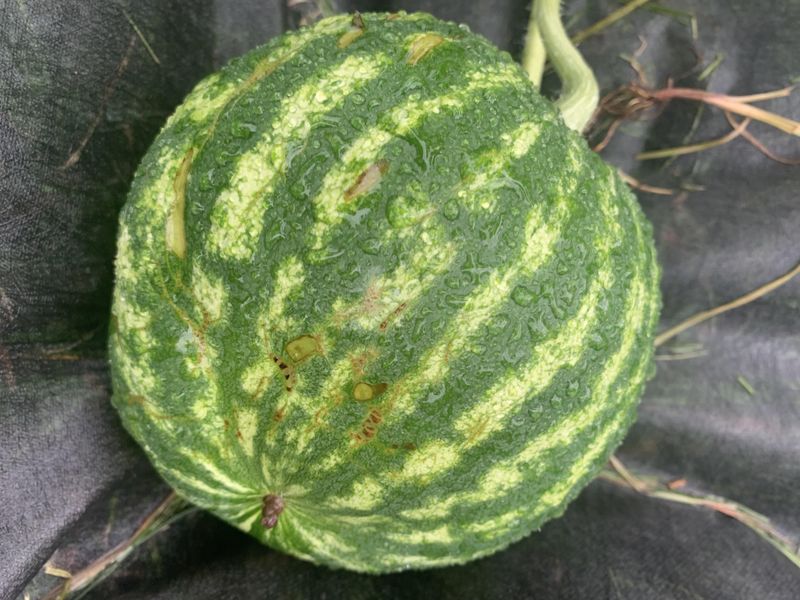
Tiny pale bugs lined up beside an old egg patch mean the timing just changed.
Squash bug nymphs emerge small, light colored, and easy to miss. Soon after hatching, they often stay close together along leaf veins before they spread farther across the plant.
That early cluster is your best opportunity.
Young nymphs are easier to spot in a group and easier to remove before they become larger, darker, and more mobile.
As they mature through several stages, they gradually take on the gray color and shape gardeners associate with older squash bugs.
Their feeding starts immediately.
Nymphs pierce plant tissue and draw sap from leaves and stems. A large group can leave yellowed areas, wilted sections, or dry brown patches behind, especially on a vine already stressed by summer heat.
Morning scouting can make the job simpler.
Cooler temperatures often leave the insects less active than they are later in the day. Turn the leaf carefully and look along the main veins, around the stem junction, and near any empty bronze egg shells.
Remove what you can while the group is still concentrated.
A handheld vacuum used only for garden pests, a container of soapy water, or careful hand removal can all help in a small patch.
The smallest nymphs are not harmless because they are tiny. They are simply the infestation before it learns how to scatter.
4. Remember Melons Still Give Them A Host
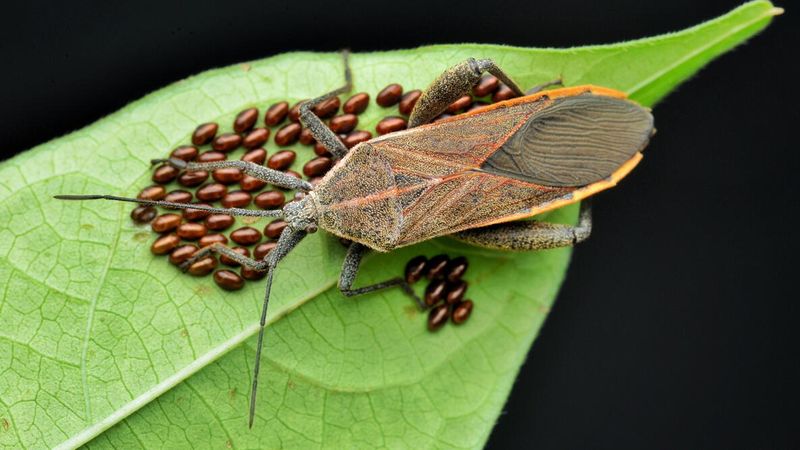
Squash and pumpkins may attract the heaviest squash bug pressure, but melon vines are not automatically safe.
Once populations build, adults and nymphs can move onto nearby melons and feed there too. A garden planted only with melons can still attract them, especially when squash or pumpkins grow in neighboring yards or fields.
That makes host preference useful, not protective.
A melon leaf with adults underneath deserves the same inspection you would give a zucchini plant. Check the veins for eggs, scan the stem bases for nymphs, and watch the vine for sudden wilt or brown patches around feeding sites.
Heavy pressure can reduce plant vigor.
Melons may tolerate some feeding better than more susceptible squash, but repeated sap loss still adds stress during hot Pennsylvania weather. A vine carrying developing fruit has enough work already without a crowd of insects tapping the plumbing.
Disease concerns add another reason to pay attention.
Squash bugs can be associated with cucurbit yellow vine disease in susceptible crops, so a large population should not be treated as harmless simply because the plant is a melon.
Keep mixed cucurbit beds under one scouting routine.
Inspect melons even when the squash plants nearby look like the obvious target.
Squash bugs may have favorites, but they are not loyal diners. Once the preferred table gets crowded, the melon section can suddenly look like open seating.
5. Clear Old Cucurbit Vines After Harvest
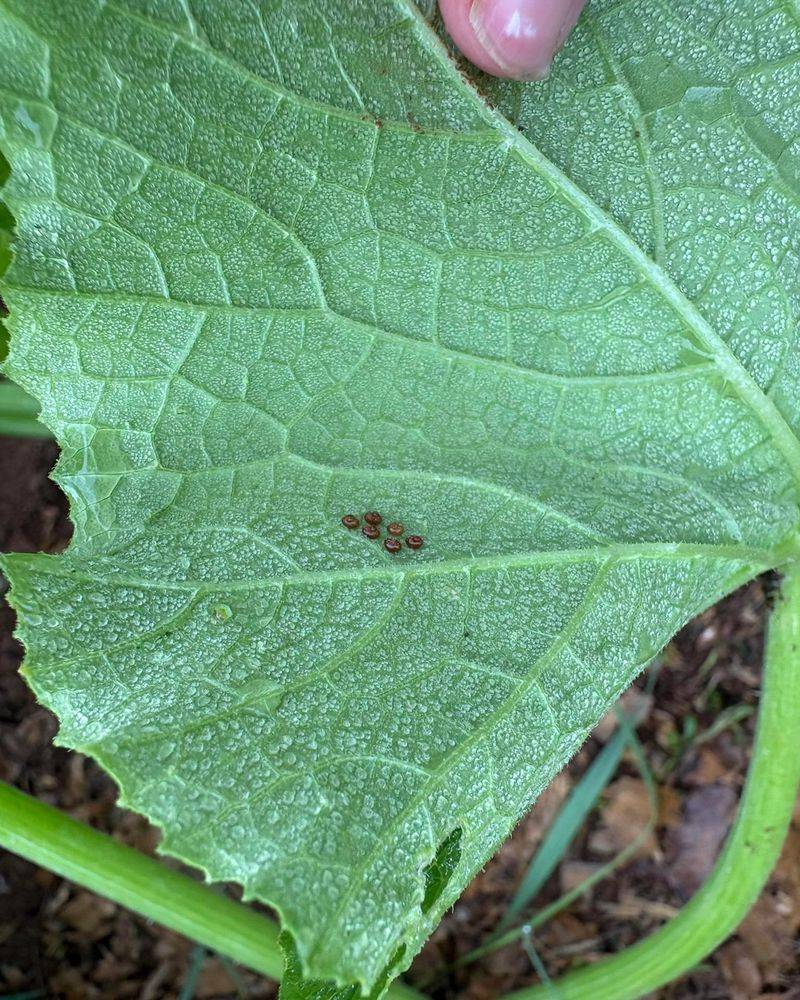
The last melon does not mean squash bug season is finished.
Adults still need somewhere to spend the colder months, and old cucurbit vines can give them exactly the shelter they want. Tangled stems, fallen leaves, and plant debris create protected spaces close to next year’s bed.
Remove spent vines promptly.
Cut them at the soil line, gather loose foliage, and carry the material away from the planting area. Leaving a dried cucurbit patch in place gives overwintering adults an easy place to settle before temperatures drop.
Do not let cleanup drift deep into fall.
A short delay after harvest is one thing. Several weeks of untouched debris gives adults more time to find cover and stay close to the garden.
Compost only when the pile is managed well enough to break material down thoroughly.
A cool, neglected pile beside the vegetable bed can become another shelter zone. Bagging badly infested debris for disposal may make more sense in a small home garden.
Rake the soil surface lightly after vines are gone.
That can expose adults hiding beneath loose leaves or plant scraps and makes the bed easier to inspect before winter.
Fall sanitation will not erase every squash bug in the neighborhood.
It simply removes one convenient hotel.
After a long season of stealing sap from your melons, they do not need complimentary winter lodging too.
6. Remove Boards And Debris Near The Bed
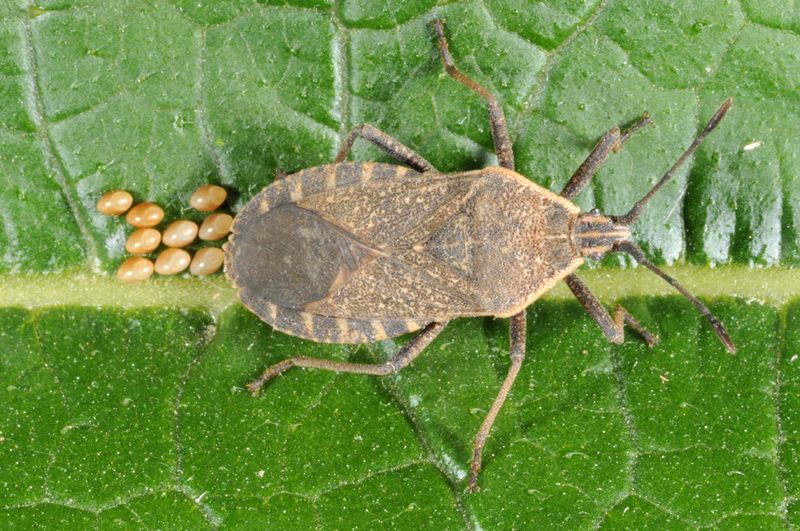
A tidy melon bed can still sit beside perfect squash bug shelter.
Old boards, stacked pots, folded tarps, weed piles, and scraps of landscape fabric create dark, protected spaces where adults can hide as the season cools.
That shelter matters because squash bugs overwinter as adults.
The insects you see next spring did not appear from nowhere. Many spent winter tucked beneath debris close enough to walk straight back into the cucurbit patch once temperatures rose.
Do a perimeter check in fall.
Move boards, turn over unused pots, clear weed piles, and remove anything that has sat undisturbed near the garden for months. Fence lines and woodpile edges deserve attention too.
Repeat the inspection before spring planting.
An adult found beneath a board in April or May is much easier to deal with than a whole generation scattered through melon vines in July.
You do not need to sterilize the yard.
Wildlife still needs shelter, and a garden does not have to look like an empty parking lot. The useful goal is to avoid concentrated debris immediately beside the crops squash bugs prefer.
Keep intentional habitat farther from the cucurbit bed when possible.
That small bit of distance can make the route back to your melons less convenient.
Squash bugs are persistent enough without curbside service. Moving the welcome mat away from the vegetable bed gives next season a cleaner start.