The Mulch In Your Florida Beds Might Be Inviting Snakes Closer
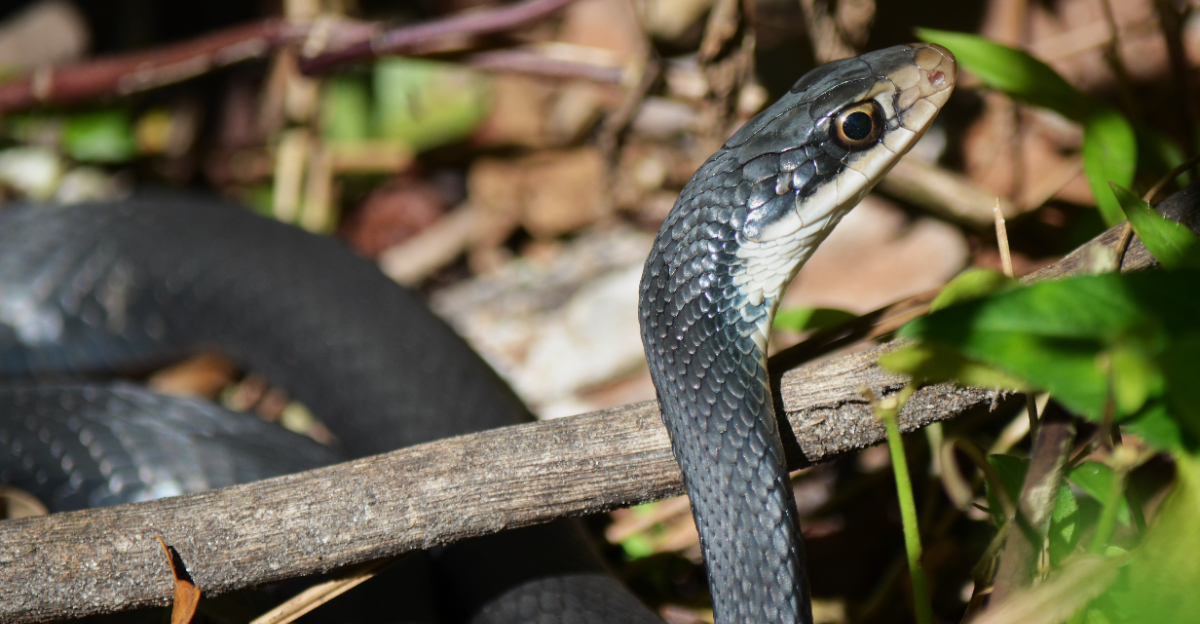
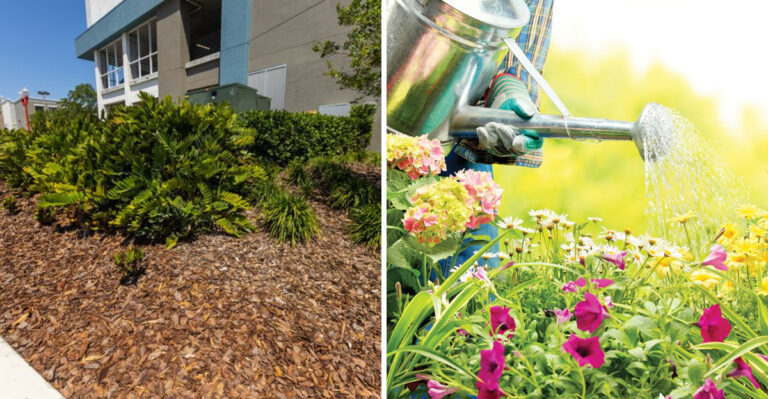
Mulch in a Florida bed does its job quietly. Moisture retention, weed suppression, a finished look that makes the landscape feel intentional.
What it also does, quietly, at ground level where nobody is paying attention, is create conditions that snakes find genuinely useful. Warmth trapped beneath the surface.
Dense cover that conceals movement. A microhabitat that attracts the insects, frogs, and small animals that snakes follow.
Some mulch types deliver all of that more effectively than others, and the ones doing it best tend to be the most popular choices at the garden center. A snake in a Florida bed is not always a crisis.
Most are harmless and do real work in the ecosystem. But mulch positioned close to the house, the porch, or entryways that functions as snake habitat is worth reconsidering.
What gets spread around the foundation matters more than most Florida homeowners think to question.
1. Deep Mulch Gives Small Snakes Room To Vanish
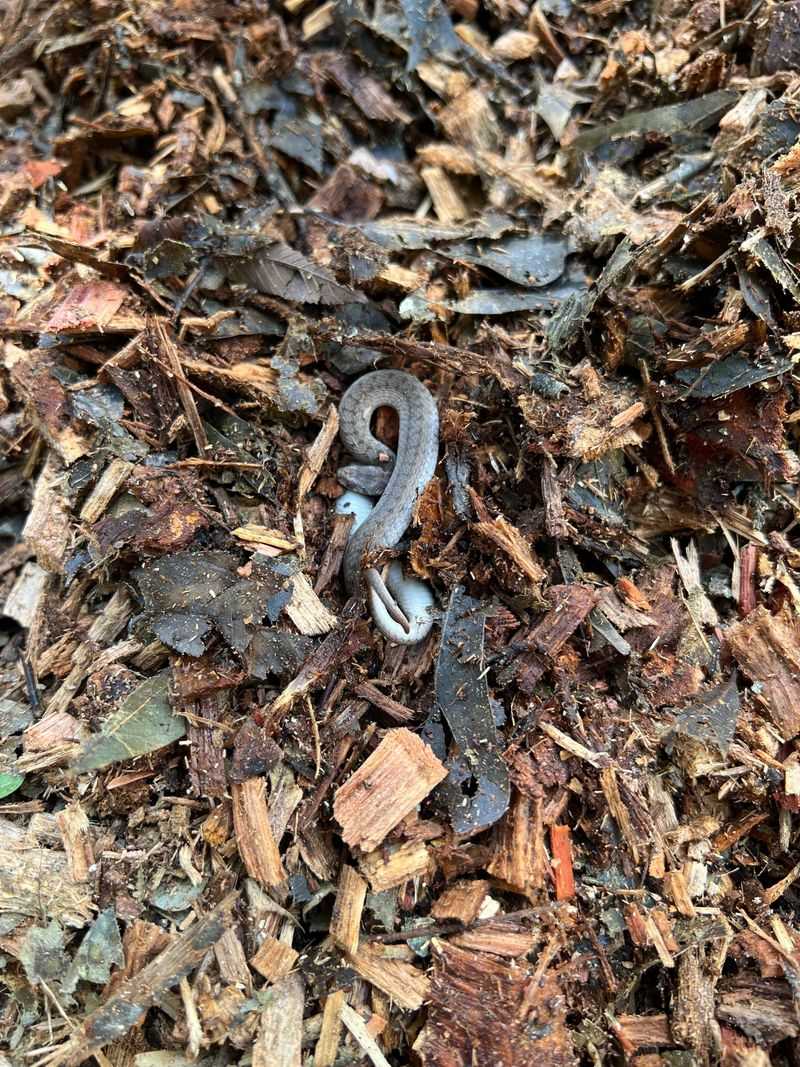
Piling on fresh mulch every season without pulling up the old layer seems harmless enough, but those combined layers can stack up fast. University of Florida IFAS guidelines recommend keeping mulch at two to three inches deep for most landscape beds.
Go beyond that, and you are essentially building a soft, loose tunnel system at ground level.
Small snakes, especially juveniles, do not actually burrow through packed mulch the way earthworms do. Instead, they slip into the natural gaps that form between loose pieces of bark, straw, or wood chips.
A thick bed creates more of those gaps, and that means more concealed space near the soil surface.
The fix here is straightforward. Before adding new mulch each year, rake back and remove the old compressed layer first.
This keeps your total depth in the recommended range and eliminates the spongy buildup that forms hidden pockets. Properly maintained mulch still does its job beautifully, holding soil moisture, regulating temperature, and reducing weeds.
You do not have to go bare to stay smart. A light, even layer kept at the right depth benefits your plants and reduces the amount of sheltered ground cover sitting right beside your home.
2. Damp Beds Keep Frogs And Other Prey Close By
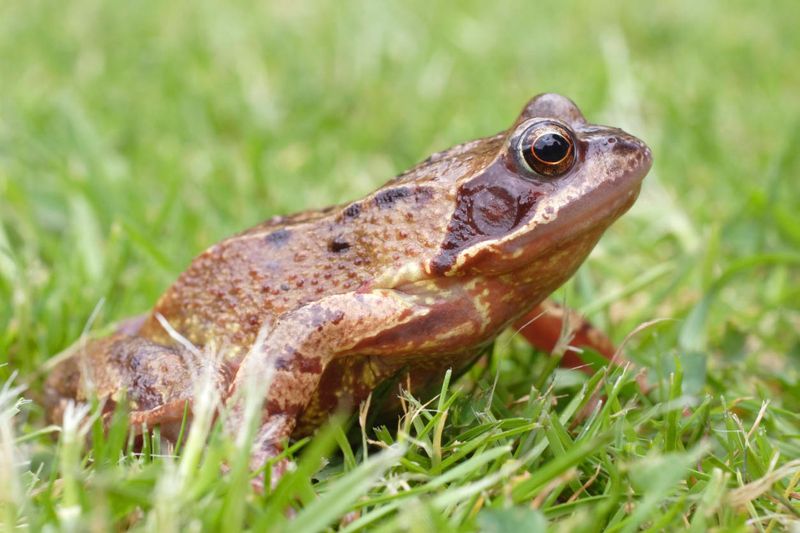
Frogs are charming little visitors until you realize they are also a reliable food source for several snake species common to residential Florida yards.
Shaded, consistently irrigated beds create exactly the kind of cool, moist environment where frogs, lizards, slugs, and insects tend to gather.
Where prey is plentiful and reliable, snakes may pass through more regularly.
This does not mean wet mulch chemically draws snakes in. The connection is indirect.
Moisture supports a thriving community of small animals, and that community is what captures a snake’s attention. Fixing a leaking irrigation head can make the area less hospitable to prey species near the house.
Adjusting your watering schedule to let beds dry slightly between sessions can also help.
That said, do not stress your landscape plants by cutting off water they genuinely need. The goal is to avoid unnecessary saturation, especially in beds directly against the foundation or near doorways.
Your Florida Garden Changes Every Week. Your Plan Should Too.
Gardening in Florida changes quickly throughout the season. Every Friday you’ll receive a simple weekly plan showing exactly what to plant, prune, fertilize, harvest, and protect so you never miss the right timing.
Check for drip heads that run longer than needed, and consider whether some areas could shift to a less frequent deep-watering schedule. Reducing puddles and soggy patches near the house benefits your plants and soil structure.
It can also help limit the small animal activity occurring right outside your door.
3. Mulch Against The Foundation Shortens The Covered Route
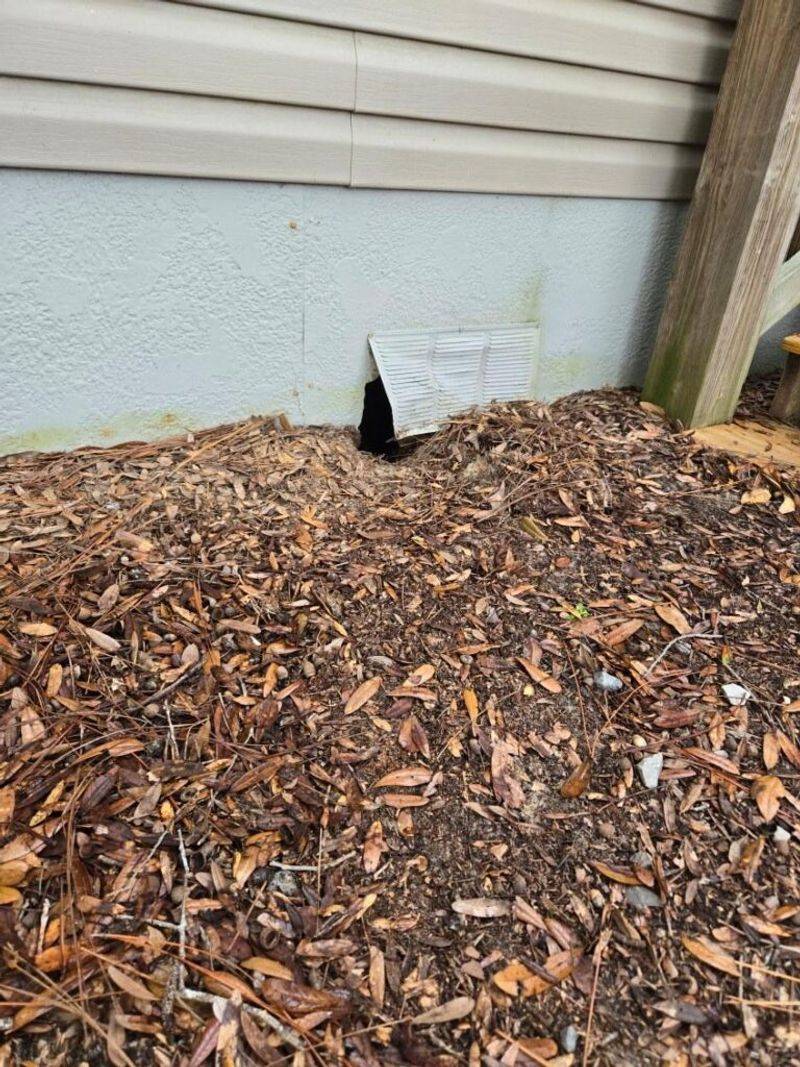
Continuous ground cover running from the outer edge of your Florida landscape bed all the way to the wall of your house creates an unbroken concealed corridor.
Any small animal moving through that space, including a snake, can travel from the garden to the foundation without ever being exposed.
That is the core concern, not the mulch touching concrete itself.
Doorways, utility line openings, porch edges, and gaps around air conditioning units deserve extra attention. A snake passing close to the house might find a way inside or simply settle nearby.
Maintaining a visible buffer, even a modest one, between dense mulch and the wall breaks up that covered route. You do not need to follow a single mandatory clearance measurement.
A few inches of visible, open ground can make a meaningful difference in reducing concealment right at the house.
A practical homeowner action here is to pull your mulch back from the foundation during your next yard session and take a good look at what is underneath. Clear out any debris that has accumulated against the wall.
Keeping that zone visible and uncluttered helps you spot anything unusual quickly. It also removes the sheltered access that a densely mulched bed running wall to wall can provide over time.
4. Leaf Litter Turns A Neat Bed Into Deeper Shelter
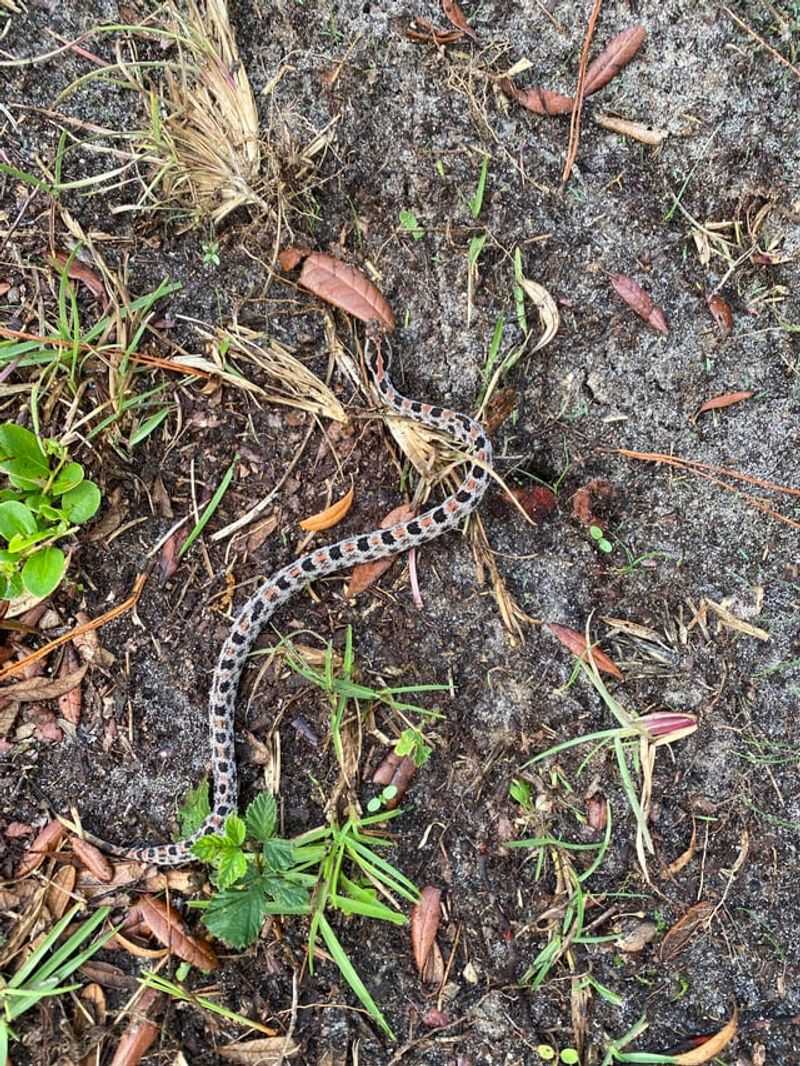
A freshly mulched bed can look clean and tidy in October and feel like a completely different environment by January.
Fallen leaves from oaks, palms, and other trees accumulate on top of existing mulch throughout the cooler months, quietly adding depth and complexity to the ground layer.
That buildup creates a cooler, darker, more sheltered surface than the mulch alone would provide.
Near buildings, heavily used paths, and doorways, that extra layer is worth managing. Selective cleanup in those zones reduces the total depth of cover beside the house.
Rake out accumulated leaves and keep the bed surface visible and even. You do not need to strip every leaf from wildlife-friendly areas farther back in the yard.
Leaf litter serves real ecological purposes, supporting beneficial insects and soil health in areas away from the structure.
The distinction worth making is location. Leaf buildup near the foundation or along a path you walk daily is worth addressing regularly.
Buildup in a back corner near a tree line is far less relevant to your home’s immediate surroundings. A quick rake-out near the house every few weeks during heavy leaf-drop season keeps the bed shallow and visible.
It also prevents layered organic material from slowly building up against the wall.
5. Birdseed Above The Mulch Can Bring Rodents Into The Mix
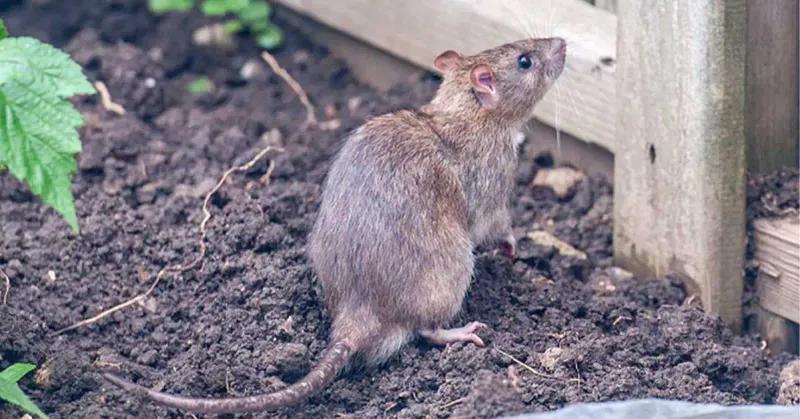
Bird feeders are a joy to have in the Florida yard, but the seed that misses the tray and lands in the mulch below is another matter entirely.
Spilled seed is a reliable food source for mice and rats, and those rodents do not stay hidden for long once they find a consistent supply.
A feeder positioned directly above a mulched bed essentially delivers a buffet to the ground level, right where concealment is already available.
Rodents near structures are the main reason snakes may appear repeatedly around the same area. A snake that finds mice near a feeder has a reason to return.
This is less about the mulch itself and more about what the mulch conceals and supports when food is scattered across it regularly.
Moving your feeder away from beds close to the house, or placing it above a hard surface that is easy to sweep clean, reduces how much fallen seed reaches the mulch.
Clean up spilled seed every day or two and store bagged seed in sealed containers. Keeping pet food indoors also helps reduce rodent activity near the foundation.
Fewer rodents near the house means fewer reasons for snakes to circle back to the same spots. Addressing the food source is a more direct solution than trying to manage the mulch alone in this situation.
6. Rocks And Landscape Debris Add Crevices Beneath The Surface
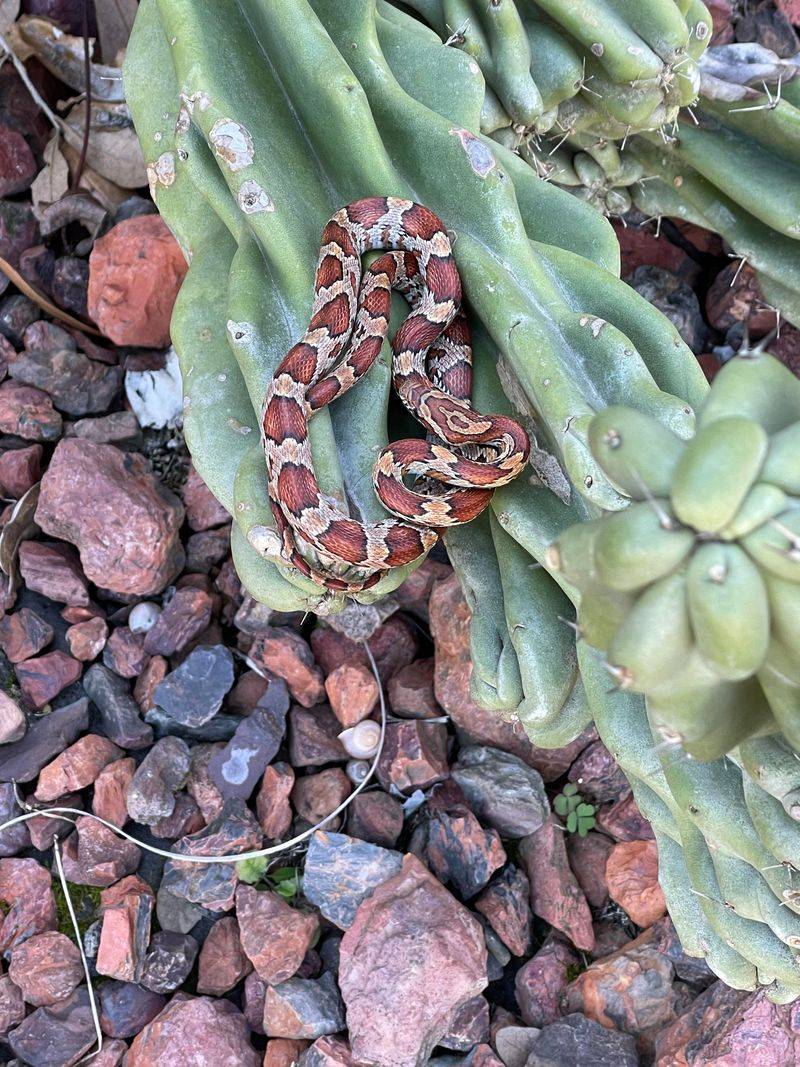
Decorative rocks, stacked edging bricks, old boards, unused pots, landscape fabric, and forgotten logs can all create sheltered gaps. Those spaces are more enclosed than loose mulch alone.
These objects can sit just high enough off the ground to create a covered space underneath. That tight, dark gap is the kind of spot where a small snake might temporarily settle.
The mulch type matters far less in these situations than the physical structure created by objects sitting within it.
A bed filled with smooth pine bark but loaded with stacked rocks and old boards provides far more shelter than a deeper mulch bed with nothing sitting in it.
Clear debris from beds near doors, foundations, sheds, and heavily used areas. This removes ready-made hiding spots without requiring you to overhaul your entire landscape design.
One important safety note: never reach blindly under rocks, boards, or pots in a mulched bed without first using a long tool to gently move the object. Any animal resting beneath it deserves a moment to move away on its own.
Flip objects carefully from the side, not from above, and give yourself a clear exit path. This habit protects both you and whatever might be sheltering there, and it costs nothing to practice.
7. Overgrown Plants Make Mulched Beds Much Harder To Inspect
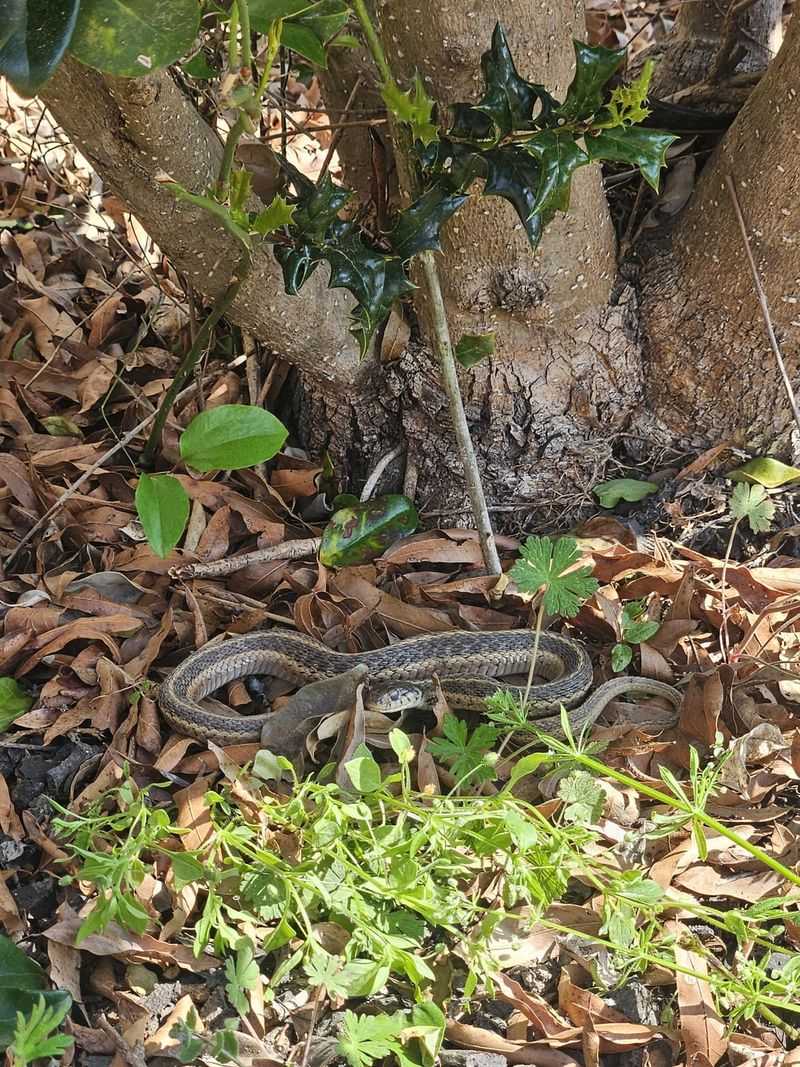
Thick groundcovers, unpruned shrubs with branches sweeping the ground, and weedy growth between plants do not just look untidy. They turn a mulched bed into a space that is nearly impossible to scan from a standing position.
When you cannot see the ground surface clearly, you have no way of knowing what might be resting, moving, or passing through that area close to your house.
Dense vegetation creates an uninterrupted canopy over the mulch, and that canopy adds a second layer of concealment on top of whatever the mulch itself provides.
The combination of low branches and a thick ground layer means that even a routine visual check of the bed becomes unreliable.
Selective pruning and lifting shrub canopies make it easier to see beneath plants. Keeping groundcovers from forming a solid, unbroken mat also improves visibility.
Plant density matters more here than whether a species is native or nonnative. A well-spaced native shrub with a clear view beneath it is far easier to manage than a sprawling ornamental groundcover that touches the ground on all sides.
Aim for defined bed edges and enough open space between plants to allow a clear line of sight to the mulch surface. Trim back any growth that creates a continuous covered route running from the outer garden toward the house or foundation.
8. A Clear Strip Near The House Takes Away The Easy Cover
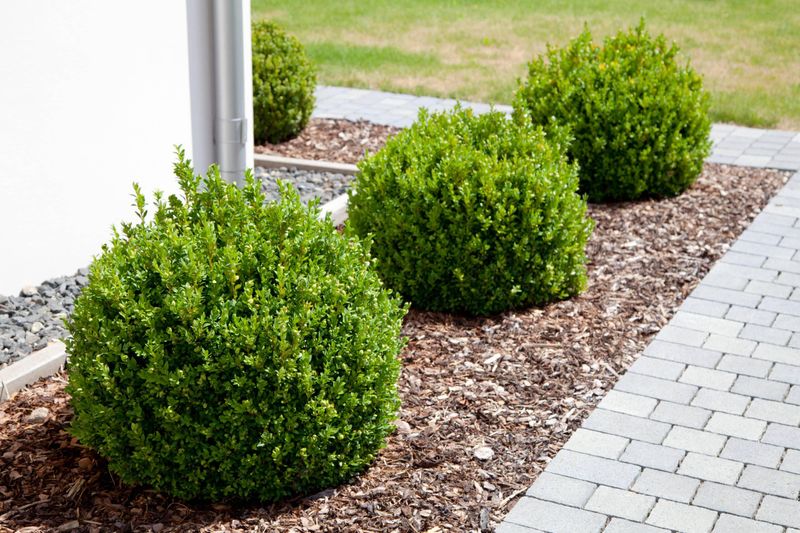
Good bed design does not mean sacrificing the landscape you have worked hard to build. Keeping attractive, healthy beds while improving visibility near the house is entirely achievable with a few consistent habits.
Moderate mulch depth, clean bed edges, controlled irrigation, and regular debris removal all improve visibility near the foundation. Paying attention to rodent food sources helps as well.
Keep a visible strip along the wall with shallow mulch and no clutter. This breaks up the continuous covered route that a heavily planted, deeply mulched bed can create.
You do not need bare soil across the entire yard. The focus is on the zone directly beside the structure, especially near doors, vents, and utility openings where access to the inside is more plausible.
If you ever spot a snake in your yard and cannot identify it with confidence, give it space and do not attempt to handle, corner, or chase it. Most snakes passing through residential yards move on quickly when left undisturbed.
Contact your local wildlife agency or a professional if you have ongoing concerns. The broader takeaway is simple: thoughtful bed management near the house reduces hidden travel routes.
You can do that without removing the landscaping that makes the outdoor space worth enjoying.