The Late-August Mulching Mistake That Can Cause Problems Once Oregon Rains Return
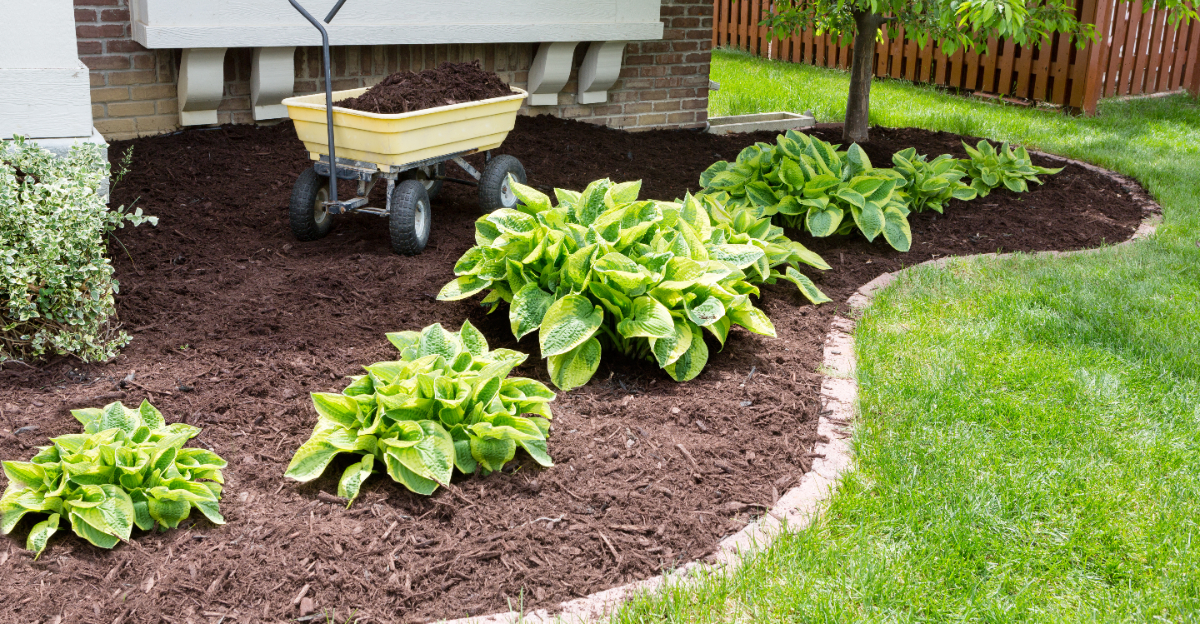
Late August can feel like the perfect time to tidy up garden beds before the season starts to shift. Mulch often becomes part of that cleanup, especially after weeks of heat have left soil looking dry and exposed.
But one common late-summer habit can create trouble later, once Oregon’s wetter weather returns. The frustrating part is that nothing may look wrong at first.
Beds can appear neat, finished, and ready for fall while a problem is quietly being set up for the weeks ahead. Because the effects tend to show up after conditions change, the connection is easy to miss.
That is why this small end-of-summer task deserves a second look before the first steady rains arrive. A simple adjustment now can save a lot of confusion later in the season.
1. Piling Mulch On Way Too Thick
You might think more mulch means more protection, but piling it on too thick is one of the most common late-summer mistakes. Most gardeners assume a deeper layer will do a better job, but that logic can backfire fast when the rains arrive.
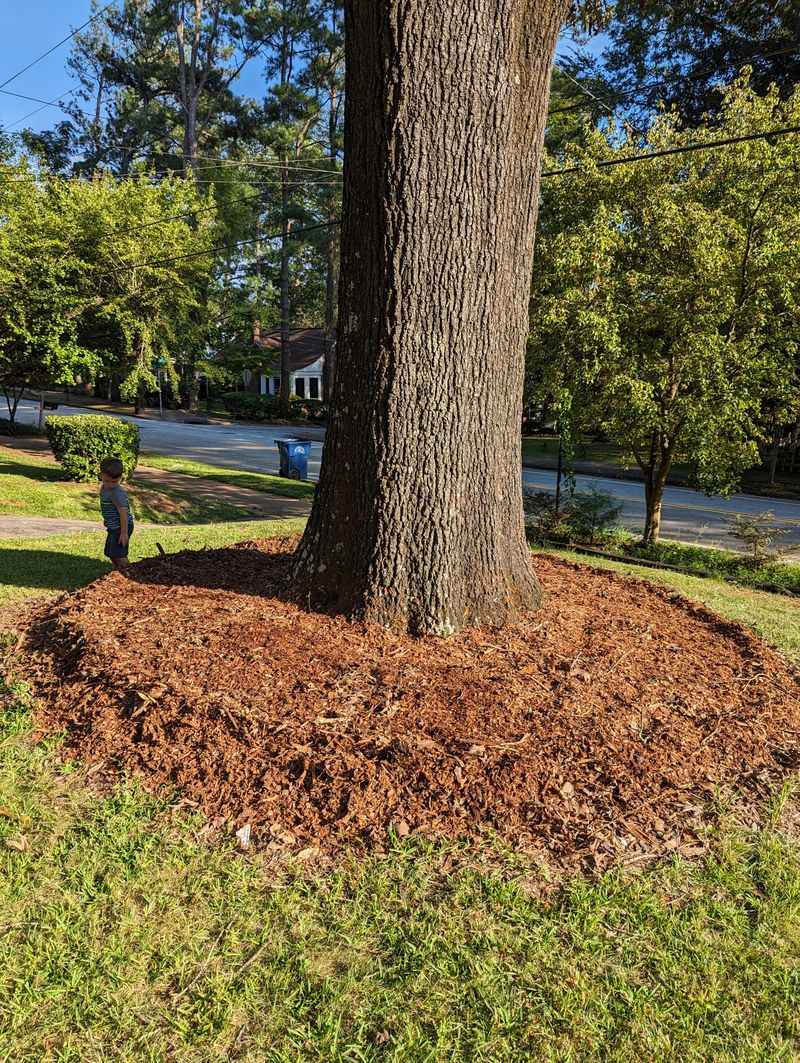
A good layer of mulch should be about 2 to 3 inches deep. Anything beyond that starts to create problems.
When mulch gets 4, 5, or even 6 inches thick, it blocks air from reaching the soil. Roots need oxygen just as much as they need water.
Thick mulch also traps moisture for much longer than thin layers. During Oregon’s dry summers, that might not seem like a big deal.
But once fall rains start, the ground under a thick mulch layer stays wet for days or even weeks at a time. That kind of prolonged wetness encourages root rot, fungal growth, and other issues that can weaken plants significantly.
Another problem with overly thick mulch is that it can actually repel water at first. The top layer dries out and becomes almost waterproof, causing rain to run off instead of soaking in.
So you end up with dry soil under the mulch and puddles forming on top. Keeping your mulch layer at a reasonable depth is one of the simplest and most effective ways to protect your garden heading into the wet season.
2. Mulch Against Stems Trapping Too Much Moisture
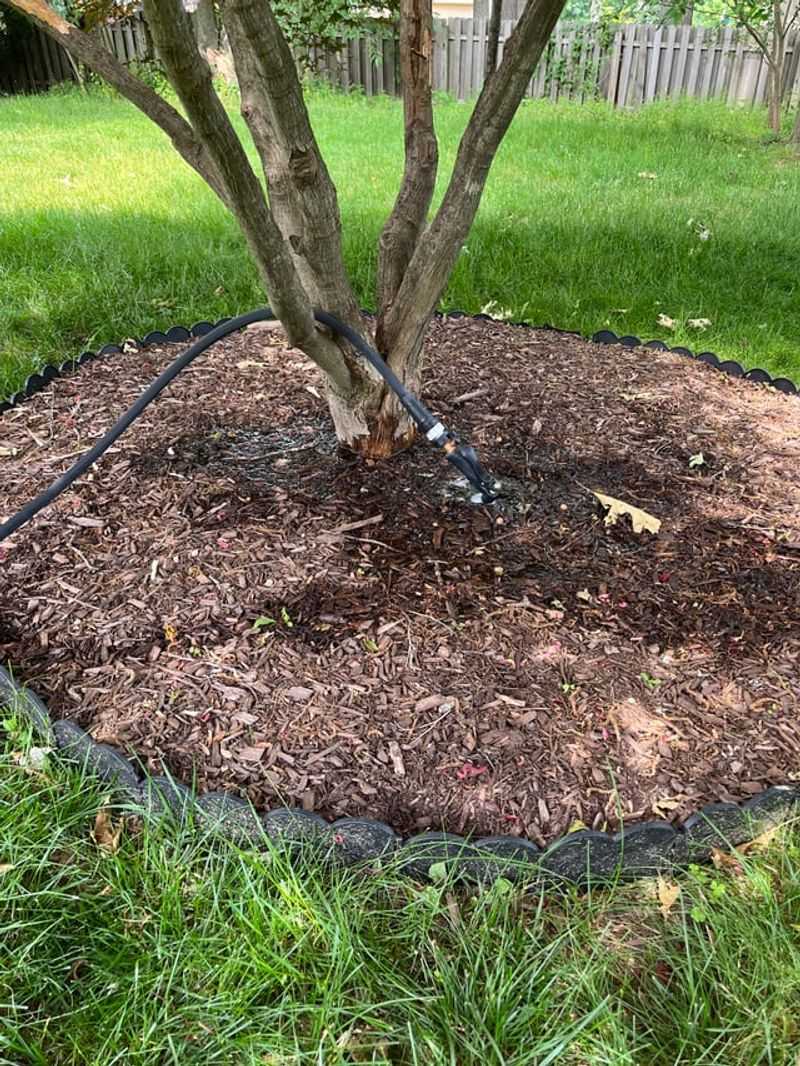
Pushing mulch right up against plant stems is a habit many gardeners have without even thinking about it. It looks neat and tidy, but underneath all that mulch, something unwanted is happening.
When mulch presses directly against a stem, it holds moisture against the plant tissue. Stems are not designed to stay constantly wet.
Over time, that trapped moisture softens the outer layer of the stem, making it easier for fungal diseases and harmful organisms to get in. Some gardeners call this collar rot, and it can quietly weaken a plant from the base up.
Leaving a small gap of a few inches between the mulch and the stem gives that area a chance to breathe. Air circulation is important for keeping plant tissue healthy.
A little open space around the base of a plant might not look as polished, but it makes a real difference in how well the plant handles wet weather.
Your Oregon Garden Changes Every Week. Your Plan Should Too.
Gardening in Oregon changes quickly throughout the season. Every Friday you’ll receive a simple weekly plan showing exactly what to plant, prune, fertilize, harvest, and protect so you never miss the right timing.
Late August is actually a perfect time to check your existing mulch and pull it back from stems before the rains return. Even if you mulched earlier in the season, the mulch can shift or settle closer to stems over time.
Taking a few minutes to create that breathing room now can prevent a lot of frustration once fall arrives. Small adjustments like this one are easy to make and well worth the effort.
3. Heavy Layers Keeping Wet Soil Wet For Too Long
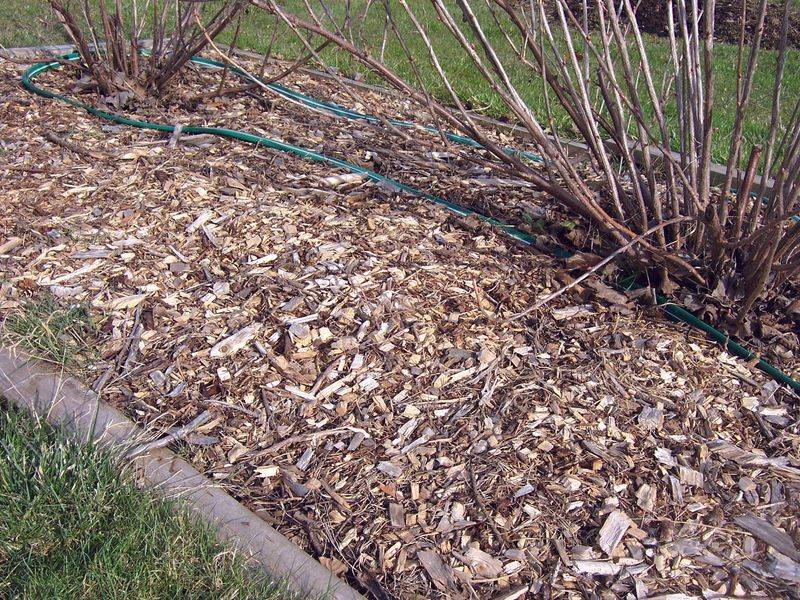
Soil that stays wet for too long is not just uncomfortable for plants. It becomes a breeding ground for problems that are hard to reverse once they take hold.
Heavy mulch layers play a big role in this issue.
During the summer, soil dries out between waterings or rainfalls. That cycle of wet and dry is actually healthy.
It allows roots to breathe, encourages deeper root growth, and keeps the soil ecosystem balanced. When a thick layer of mulch sits on top, that natural drying cycle slows way down.
Once fall rains begin, the soil under heavy mulch can become saturated quickly. And because the mulch acts like a lid, the water has nowhere to go.
It just sits there. Many plants, especially those that prefer well-drained soil, cannot tolerate these conditions for more than a short time.
Their roots begin to suffer, and the plant starts to look droopy or discolored even though there is plenty of water around.
Checking soil moisture before adding more mulch in late August is a smart habit. If the soil already feels damp several inches down, adding a thick new layer is not a great idea.
You can also consider using a lighter, more open mulch material that allows better airflow and faster drying. Bark nuggets and coarse wood chips tend to breathe better than fine, dense materials like sawdust or shredded leaves packed tightly together.
4. Late-Summer Mulch Hiding Drainage Problems
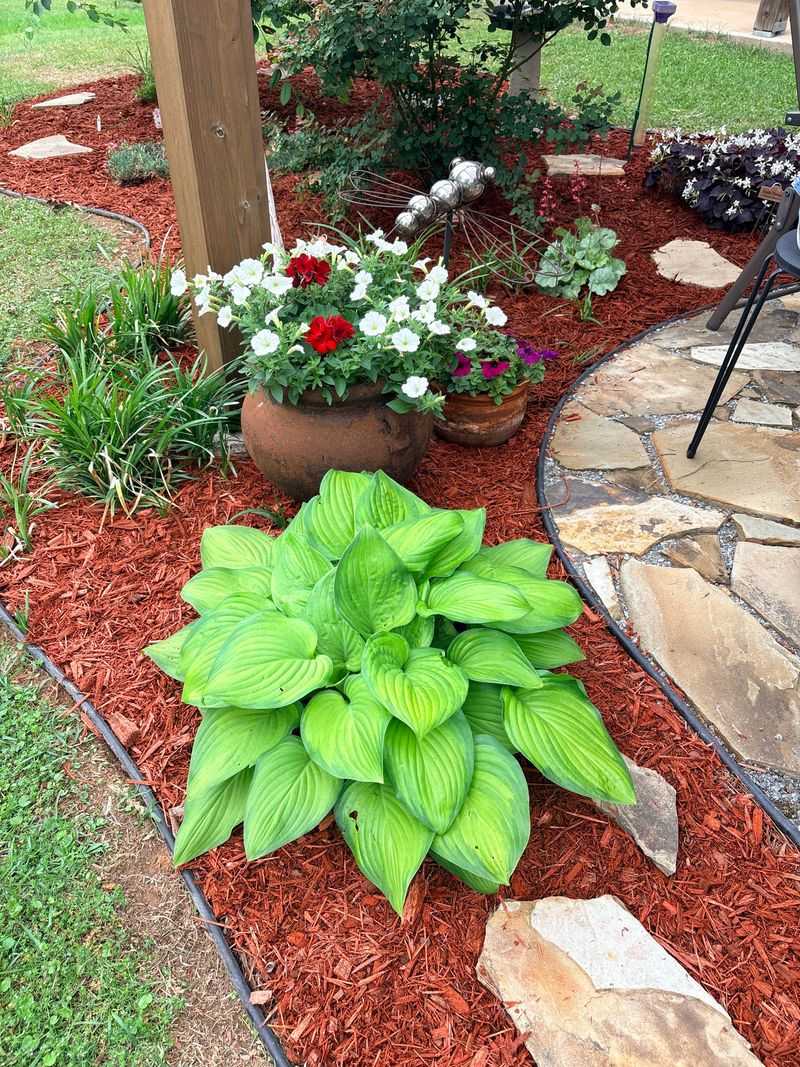
One sneaky thing mulch does in late summer is cover up drainage problems that were already there. When the soil is dry and everything looks fine on the surface, it is easy to miss spots where water tends to collect once it rains.
Poor drainage can happen for a lot of reasons. Compacted soil, clay-heavy ground, or low spots in a garden bed can all cause water to pool.
During dry months, those areas look just like the rest of the garden. But once the rain starts, they become miniature swamps.
And if mulch is sitting on top of them, the problem gets worse.
Mulch over a poorly draining area acts like a sponge that never gets squeezed out. The water collects underneath, the soil stays soggy, and plant roots sit in wet conditions for far too long.
Many gardeners are puzzled when their plants start struggling in fall because everything looked fine just a few weeks earlier in summer.
Before mulching in late August, take a little time to observe your garden after any irrigation or light rain. Look for spots where water lingers longer than it should.
Those areas need attention before you add mulch on top. You might need to improve drainage by adding organic matter, creating a slight slope, or choosing plants that actually enjoy wetter conditions.
Fixing drainage issues before the rains return is much easier than dealing with the aftermath.
5. Rainy Weather Turning Mulch Into A Soggy Blanket
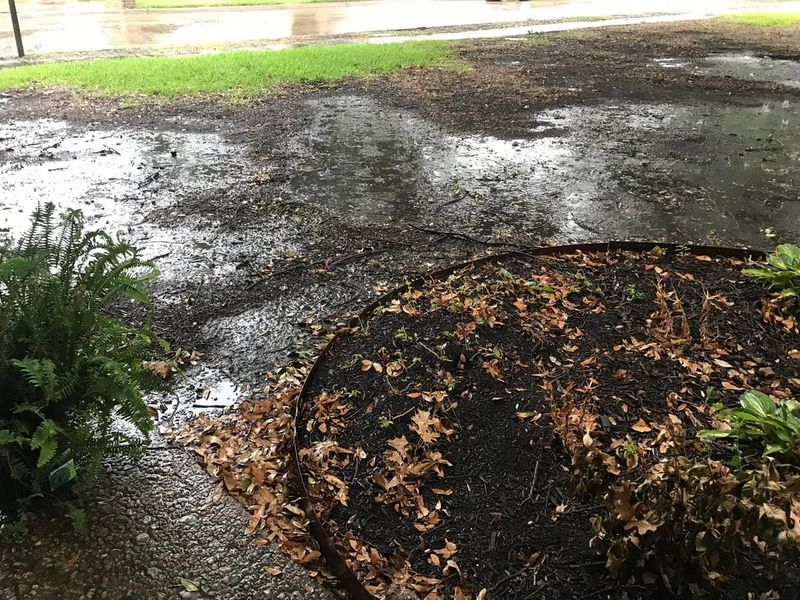
Fresh mulch laid down in late August looks great. It smells earthy, it covers the soil neatly, and it gives the garden a polished look.
But that same mulch can turn into a soggy, heavy blanket the moment the fall rains show up.
Some mulch materials absorb water like a sponge. Shredded wood, bark dust, and compost-based mulches can hold a surprising amount of moisture.
When they get soaked through by heavy rain, they become dense and heavy. That weight presses down on the soil and reduces the air spaces that roots depend on.
A waterlogged mulch layer also changes temperature more slowly. In late fall, that can mean the soil under soggy mulch stays colder longer.
Cold, wet soil is not ideal for most garden plants trying to establish or settle in for the winter season.
Choosing the right mulch material matters a lot. Coarser materials like wood chips or bark nuggets do not compact as much when wet.
They still allow some airflow even after heavy rain. Straw can also work well because it does not mat down as easily as finer materials.
If you are planning to mulch in late August, think about what the material will look and behave like after several weeks of steady fall rain.
A little planning now can keep your garden beds in much better shape through the wet months ahead.
6. Crowns Staying Damp Once Fall Rains Begin
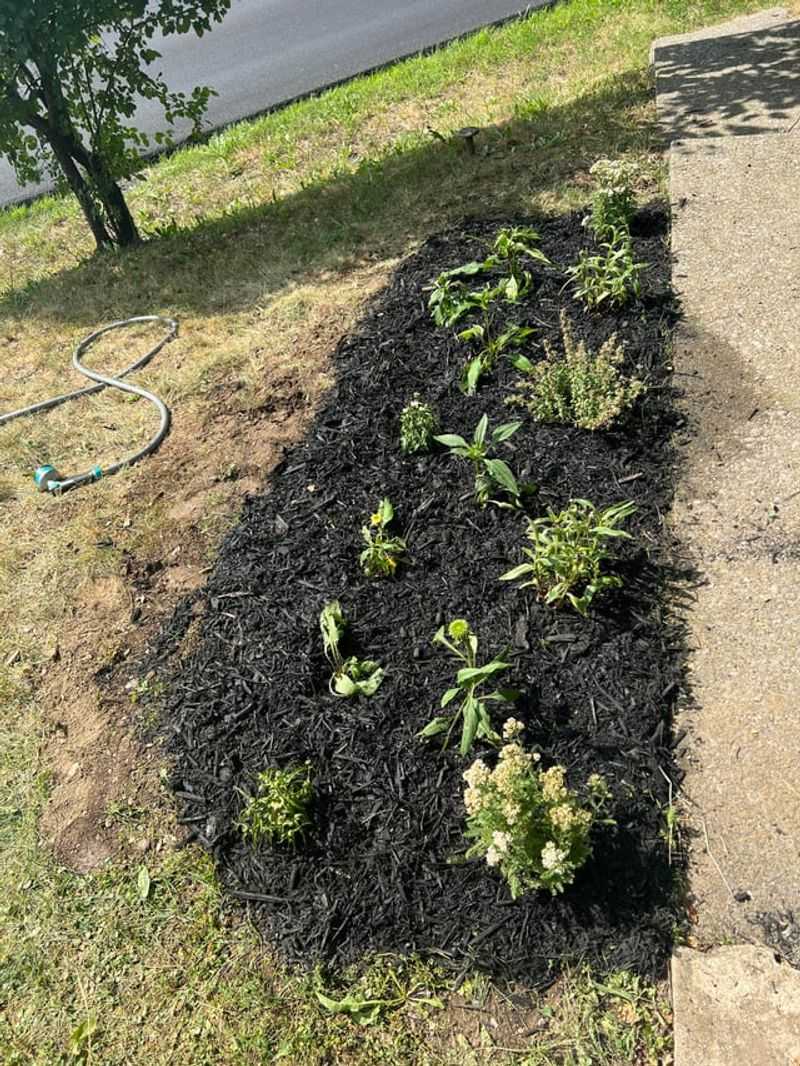
Plant crowns are the spot where the stem meets the roots, right at or just below the soil surface. For many plants, this area is especially sensitive to prolonged moisture.
Keeping it damp for too long can lead to serious trouble.
When mulch is piled up and the fall rains begin, that crown area can stay wet for days at a time. Some plants handle this just fine.
But many perennials, shrubs, and vegetables are prone to crown rot when the base of the plant stays constantly moist. The tissue softens, weakens, and becomes vulnerable to fungal infections that spread quickly in wet conditions.
Lavender, rosemary, and other Mediterranean-type plants are especially sensitive to wet crowns. These plants evolved in dry climates and simply are not built for soggy conditions.
Even plants that are generally considered tough can struggle if their crowns stay waterlogged through a long, wet fall season.
Pulling mulch back from the crown area creates a dry zone that helps protect that sensitive tissue. Even a 3 to 4 inch gap can make a meaningful difference.
Some gardeners also mound the soil slightly around the crown area so water drains away from the base rather than pooling there.
Being mindful of how mulch sits around the base of each plant, especially before the rains return, is a simple habit that pays off in healthier, stronger plants through the wet months.
7. Slugs Loving The Cool Moist Hiding Spots
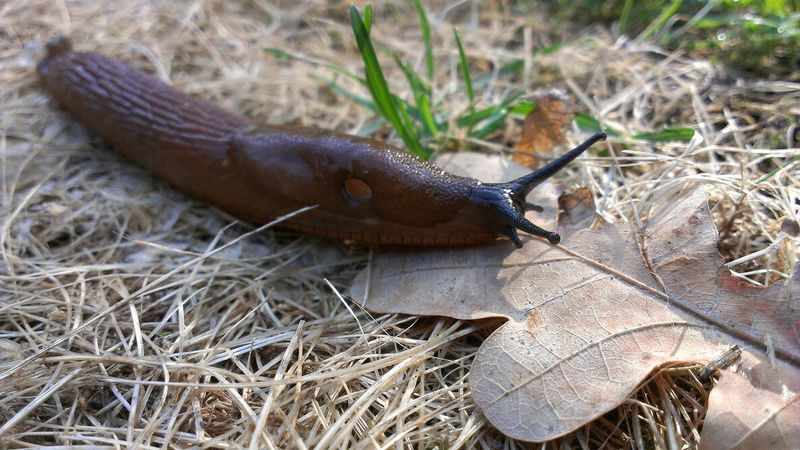
Slugs are a fact of life in the Pacific Northwest, and any gardener who has dealt with them knows how quickly they can chew through young plants and leafy greens. What most people do not always connect is how much mulch encourages them to move in.
Thick, moist mulch is basically a five-star hotel for slugs. They love cool, damp hiding spots where they can stay protected during the day and venture out at night to feed.
Late-August mulching followed by fall rains creates exactly the kind of environment they prefer most.
The problem gets worse because slugs lay their eggs in moist soil and mulch. A fresh mulch layer applied right before the rainy season gives them a ready-made nursery.
By the time you notice the damage on your plants, there may already be a thriving slug population living just below the surface.
There are a few ways to reduce this problem. Keeping mulch thinner, especially close to vulnerable plants, removes some of the shelter slugs depend on.
You can also check under mulch regularly and remove any you find by hand. Copper tape, iron phosphate baits, and diatomaceous earth are all options that many gardeners use with good results.
Being aware that mulch creates slug habitat is the first step toward managing the problem before the rains make it much harder to control. A little prevention in late summer goes a long way through the fall.
8. Mulch Volcanoes Causing Trouble Around Shrubs
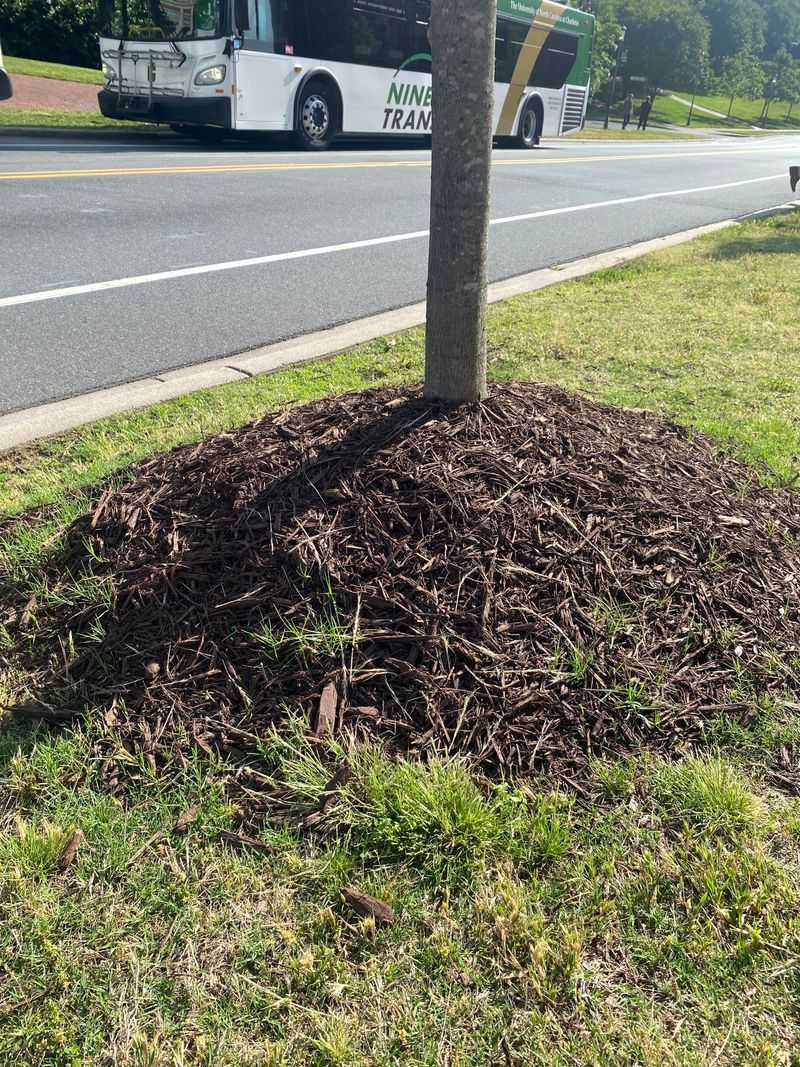
Walk through almost any neighborhood and you will spot them. Mounds of mulch piled high around the base of shrubs and small trees, shaped like little volcanoes.
It looks intentional and even professional to some people, but this practice causes real harm over time.
Mulch volcanoes keep the bark of shrubs and tree trunks constantly moist. Bark is designed to stay relatively dry.
When it stays wet for extended periods, it begins to break down. Insects that prefer moist, soft wood are attracted to the area.
Fungal growth can take hold in the bark tissue, slowly working its way inward.
Once the Oregon fall rains arrive, a mulch volcano becomes even more problematic. The mound soaks up rain like a sponge and holds it right against the bark for days.
Over a few seasons, this repeated cycle of wet bark can seriously weaken a shrub from the outside in.
Fixing a mulch volcano is simple. Pull the mulch away from the base of the shrub so there is a clear gap of several inches.
Spread the excess mulch outward into a flat, even layer that extends to the drip line of the plant instead. That flat donut shape, with no mulch touching the trunk, is the correct way to mulch around shrubs and small trees.
Making this correction before the rainy season starts gives shrubs a much better chance of staying healthy and strong through the wet months ahead.