How To Spot Overwatering Symptoms In Humid Louisiana Summers
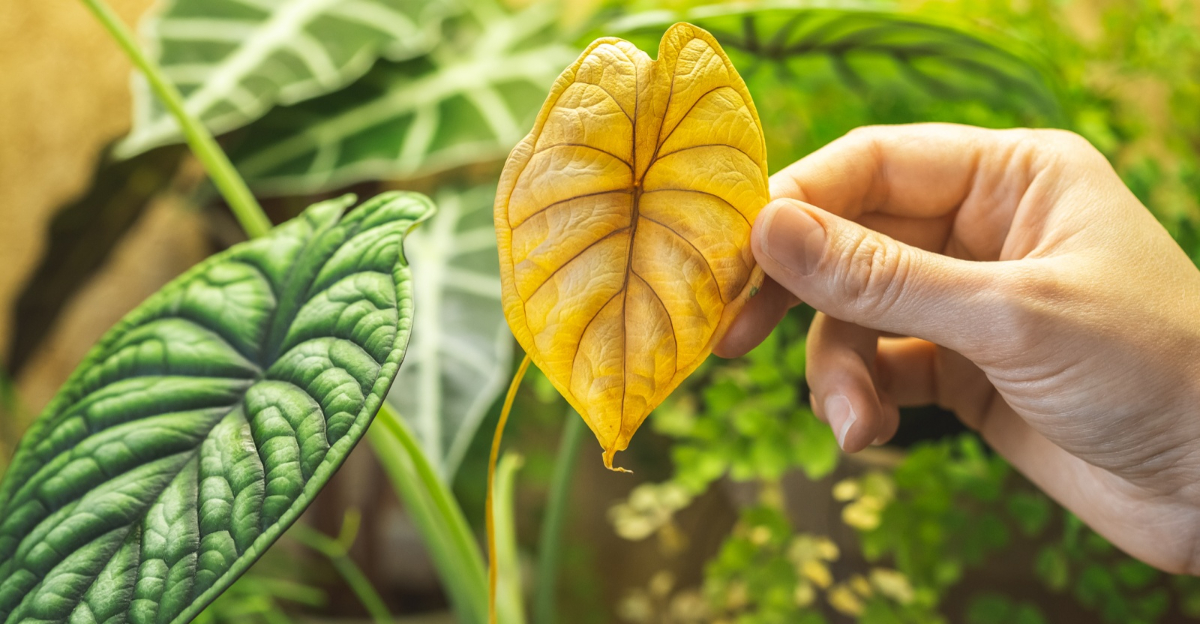
Wilting leaves don’t always mean your garden is thirsty. Louisiana humidity tricks you into thinking plants need more water. Thick air holds moisture in soil far longer than you expect.
Roots sitting in soggy soil rot before you notice any signs. Yellow leaves and soft stems often signal drowning, not thirst. Confusing these signs leads you toward fixes that backfire.
Humidity keeps soil damp long after rain has stopped. Southern Louisiana summers expose guesswork faster than most gardens do. Every plant reacts differently, so patterns matter more than instinct.
Spotting subtle clues early can save your roots from collapse. Smell, texture, and leaf color reveal separate warning signs. Your instincts might mislead you, but close attention won’t.
Weather shifts quickly, and your plants notice before you do. Careful attention now prevents bigger problems later in the season. The next section shows you exactly how these hidden signals quietly reveal themselves.
1. Check If Leaves Are Yellowing From The Bottom Up
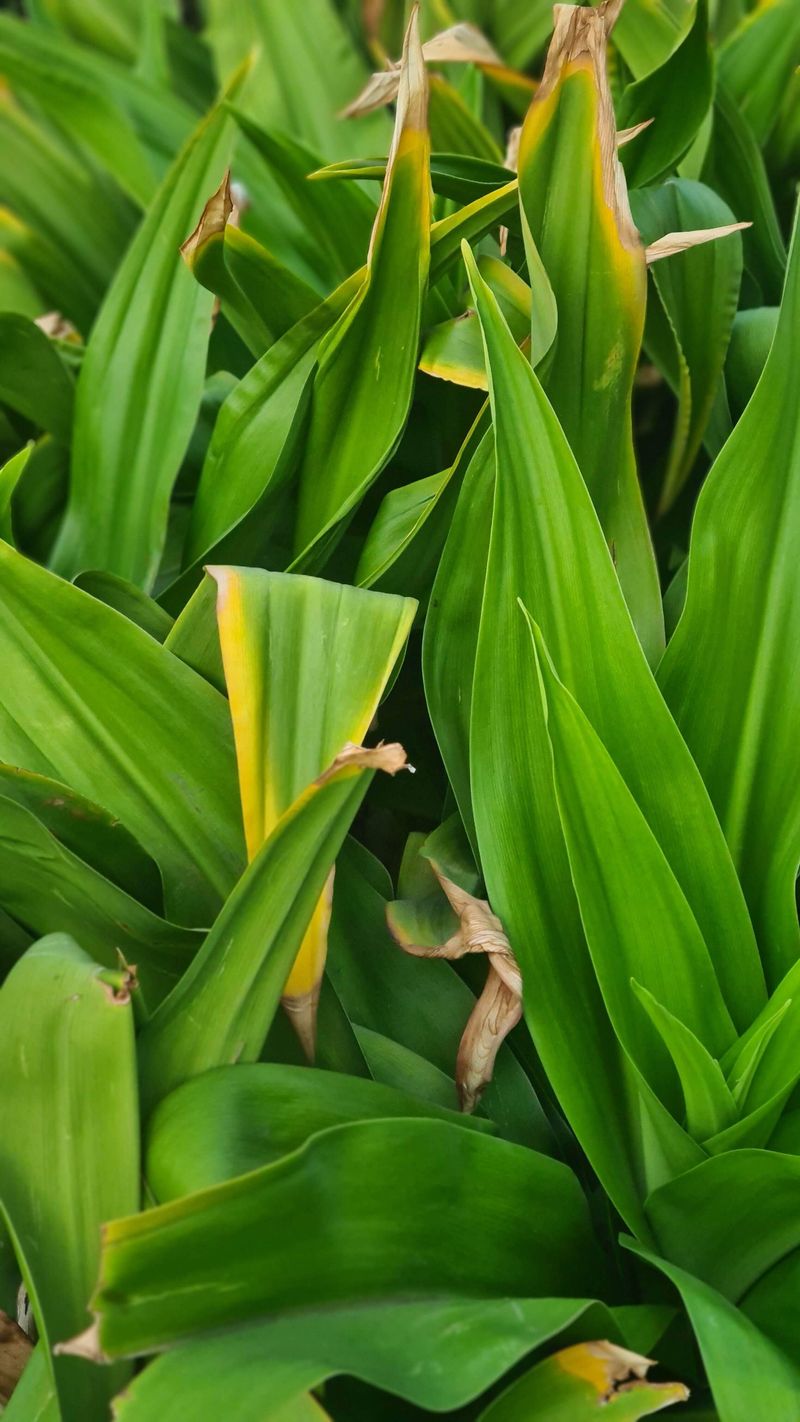
Your plant is waving a yellow flag, and you should pay attention. Yellowing leaves are one of the first overwatering symptoms gardeners notice, especially during muggy Gulf Coast summers.
When leaves turn yellow starting from the lowest ones and creeping upward, that pattern tells a story. It usually means the roots are sitting in too much moisture and cannot pull in nutrients properly.
Healthy roots absorb minerals and send them up through the stem. Waterlogged roots get deprived of oxygen and stop working, so the lower leaves lose their green color first.
Many gardeners panic and assume the plant needs fertilizer. Adding more fertilizer to an overwatered plant can worsen the stress it’s already under.
Before grabbing any bottle or bag, check your watering schedule first. If you have been watering every single day in the heat, that habit might be the real culprit.
Louisiana summers create a false sense of urgency because the air feels so wet already. Plants lose less water through their leaves when humidity is high, so they need less from you.
Pull a lower yellow leaf gently off the stem. If it comes away easily and feels soft or mushy at the base, overwatering is almost certainly the cause.
Cut back watering immediately and move the pot to a spot with better airflow. Give the soil a chance to dry out before adding another drop of water.
2. Look For Soil That Stays Soggy Days After Watering
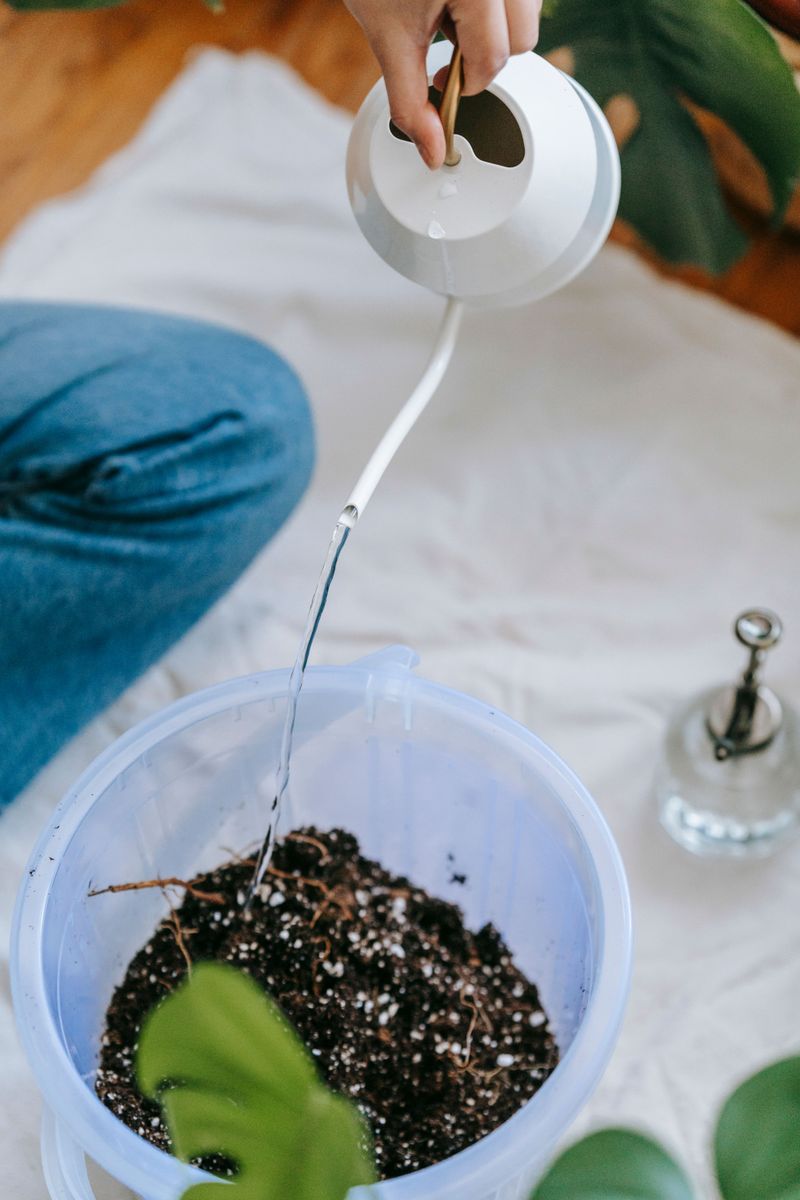
Stick your finger into the soil two inches deep. If it still feels soaking wet three days after your last watering session, something is seriously off.
Soggy soil is one of the clearest overwatering symptoms you can find without even looking at the plant itself. The ground should feel slightly moist, not like a wet sponge being squeezed.
Louisiana summers bring high humidity that slows evaporation dramatically. Soil that would dry out quickly in a drier climate can stay wet for noticeably longer here in the South.
Dense or compacted potting mixes make this problem even worse. They hold water longer and leave roots gasping for oxygen in waterlogged conditions.
Your Louisiana Garden Changes Every Week. Your Plan Should Too.
Gardening in Louisiana changes quickly throughout the season. Every Friday you’ll receive a simple weekly plan showing exactly what to plant, prune, fertilize, harvest, and protect so you never miss the right timing.
A simple fix is to check drainage holes at the bottom of your pots. If water does not flow freely out the bottom after watering, the mix is holding too much moisture.
Try lifting the pot after watering and then again two days later. A pot that still feels extremely heavy after 48 hours has not drained enough.
Switching to a well-draining potting mix with added perlite can help dramatically. Perlite creates air pockets that let excess water escape faster.
Outdoor beds can be tested with a simple moisture meter from any garden center. These inexpensive tools remove the guesswork and help you water smarter in every season.
Trusting your schedule over your soil is a common mistake that costs plants their lives every summer.
3. Notice Mushy, Dark, Or Foul-Smelling Roots
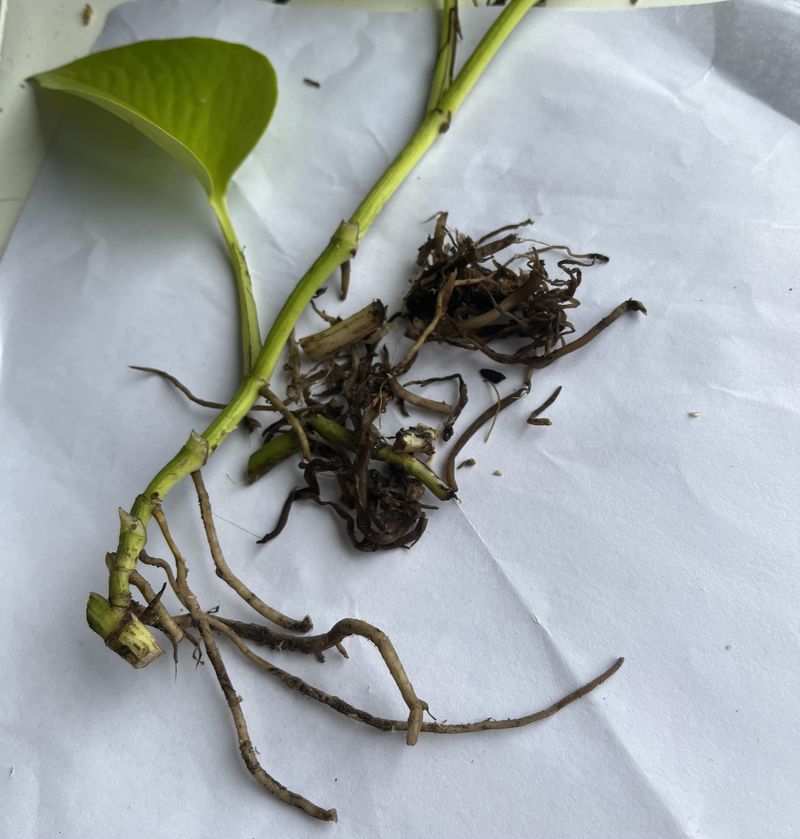
Root rot produces a distinct smell that’s easy to recognize once you’ve encountered it. It is sharp, earthy, and unpleasant in a way that instantly tells you something has gone very wrong underground.
Healthy roots are white or light tan and feel firm when touched. Rotted roots turn brown or black, feel mushy like overcooked pasta, and may fall apart when you handle them.
To check your roots, gently remove the plant from its container. Shake off loose soil and look carefully at what is attached to the base of the stem.
Root rot is caused by a fungus that thrives in wet, oxygen-starved conditions. Humid summers create the perfect breeding ground when overwatering is already happening.
Catching root rot early gives you a real chance to save the plant. Trim away any dark or mushy sections using clean scissors or pruning shears.
After trimming, let the roots air dry for about thirty minutes before repotting. Place the plant in fresh, dry soil with good drainage to give it a clean start.
A diluted hydrogen peroxide solution is sometimes used to help combat remaining fungal spores in the new soil, though ratios can vary and results aren’t guaranteed.
Checking roots might feel intimidating at first, but it becomes second nature with practice. Catching this issue early is one of the most powerful moves any gardener can make.
4. Feel For Wilting Despite Consistently Moist Soil
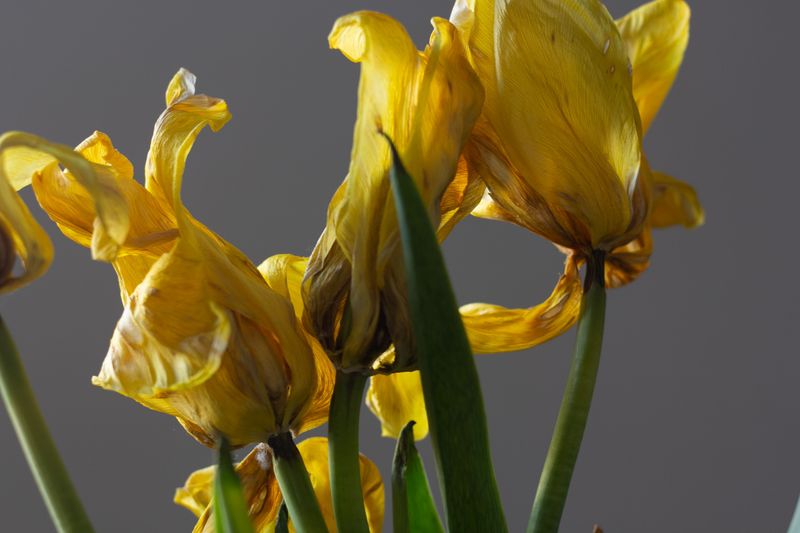
A wilting plant normally screams one thing: water me now. But when the soil is already damp and the plant is still drooping, that is a confusing and important signal.
Wilting despite moist soil is one of the trickiest overwatering symptoms to catch because it looks identical to drought stress at first. Most gardeners respond by watering more, which makes everything worse.
The real problem is that waterlogged roots cannot absorb water efficiently. Even though moisture surrounds them, damaged roots cannot transport it up to the leaves and stems.
Think of it like trying to drink through a straw that is completely crushed. The water is right there, but it just cannot get through to where it needs to go.
Check the soil moisture level before reaching for the watering can. Press two fingers about two inches into the soil and hold them there for three full seconds.
If the soil feels wet or cool and the plant is still drooping, stop watering immediately. Move the plant somewhere with shade and strong air circulation to help it recover.
Sometimes removing the plant from its pot and letting the root ball breathe for a few hours makes a noticeable difference. Lay it on dry newspaper to absorb excess moisture from the roots.
Wilting in wet soil is one of the clearest warning signs a plant can show. Listening to that signal instead of reacting on autopilot can turn a struggling plant back into a thriving one.
5. Watch For Leaves Dropping While Still Green
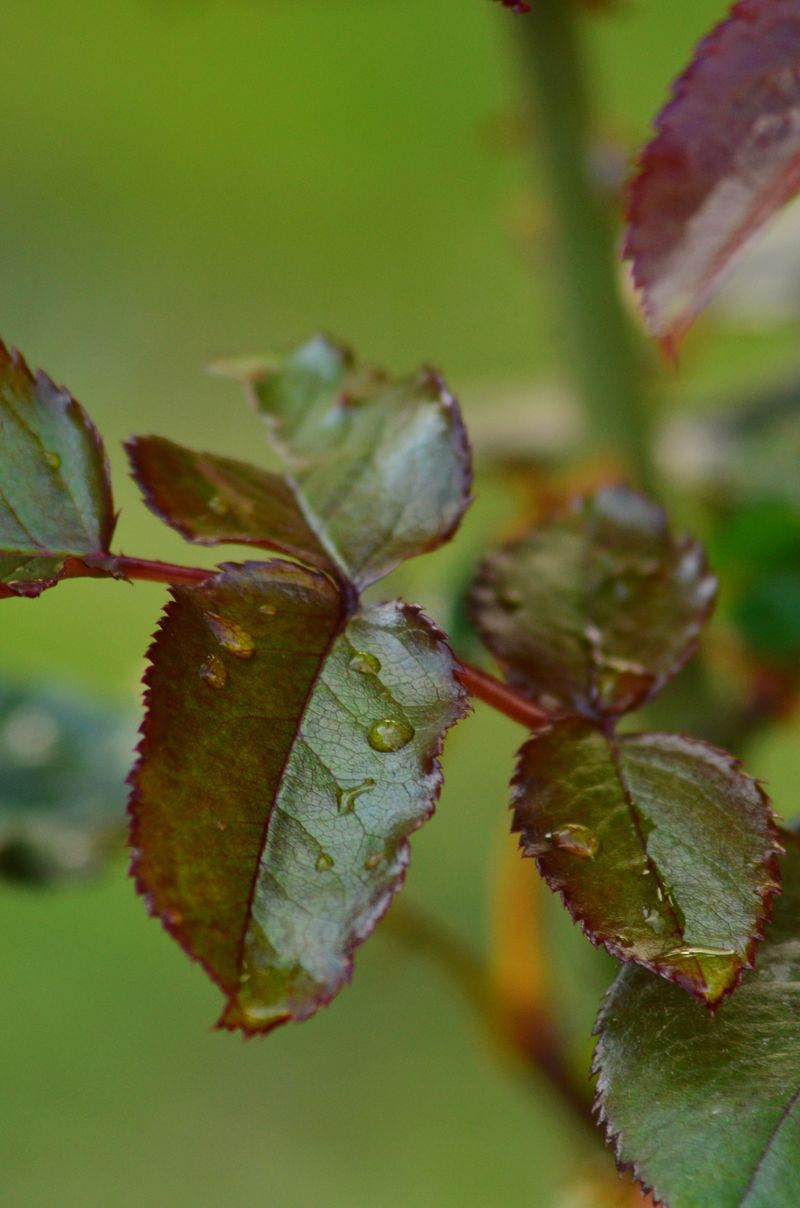
Green leaves should not fall off a plant that looks perfectly healthy on the outside. When they do, it is one of the strangest and most overlooked overwatering symptoms around.
Most people associate leaf drop with fall or with a plant that is clearly struggling. Seeing bright green leaves detach and drop without warning catches even experienced gardeners off guard.
Overwatered plants sometimes shed leaves as a survival strategy. The plant senses that its root system is damaged and sheds foliage to reduce the demand for water and nutrients.
It is a bit like a ship throwing cargo overboard during a storm. The plant is trying to lighten its load so the weakened roots can keep up.
Pay close attention to where the dropping leaves are located on the plant. If they are falling from multiple levels rather than just the bottom, the stress runs deeper.
Check the soil and the base of the stem carefully when you notice this happening. A soft or discolored stem near the soil line points directly to root-zone moisture problems.
Reduce watering right away and check drainage to make sure water can escape freely. If the pot has no drainage hole, repot the plant immediately into one that does.
Green leaf drop during a summer growing season is not normal, and it deserves your full attention. Catching it within the first few days gives the plant its best shot at bouncing back strong.
6. Spot Fungus Gnats Hovering Near The Soil Surface
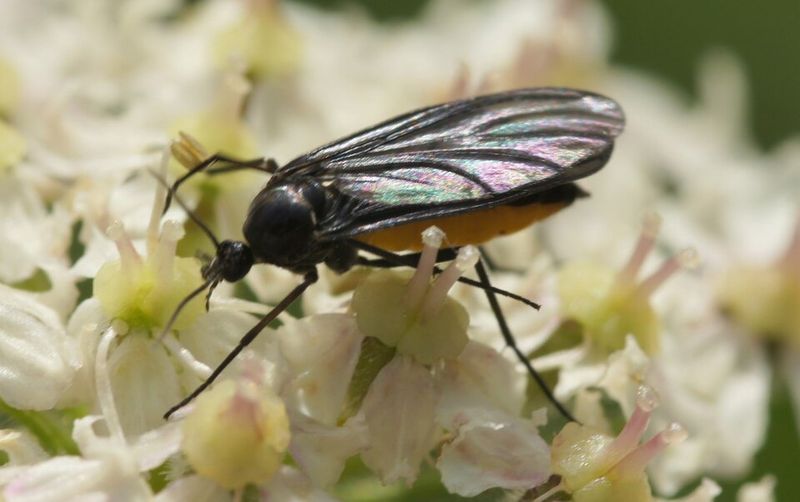
Tiny flies buzzing around your plant pots are not random houseguests. They are fungus gnats, and their presence is a reliable sign that your soil has been staying too wet for too long.
Fungus gnats love moist, organic-rich soil because it is where they lay their eggs. The larvae feed on fungal growth and plant roots, making a bad situation even worse over time.
Spotting these pests near your plants is one of the more specific overwatering symptoms because gnats rarely appear in properly dried-out soil. Dry soil breaks their breeding cycle almost completely.
Adult gnats are harmless on their own, but the larvae can damage root systems in young or already-stressed plants. If you see adults, assume larvae are already working below the surface.
Let the top two inches of soil dry out completely between watering sessions. Fungus gnat eggs and young larvae cannot survive in dry conditions for more than a day or two.
Yellow sticky traps placed near the pot catch adult gnats and help you gauge how bad the infestation has gotten. Count what you catch over three days to track improvement.
Watering from the bottom by setting the pot in a shallow tray of water also helps. The top layer stays drier while the roots still get what they need from below.
Fungus gnats are nature’s way of telling you the soil has been too wet for too long. Treat the cause, not just the symptom, and the gnats will disappear on their own.
7. Press Down To Find Compacted, Waterlogged Potting Mix
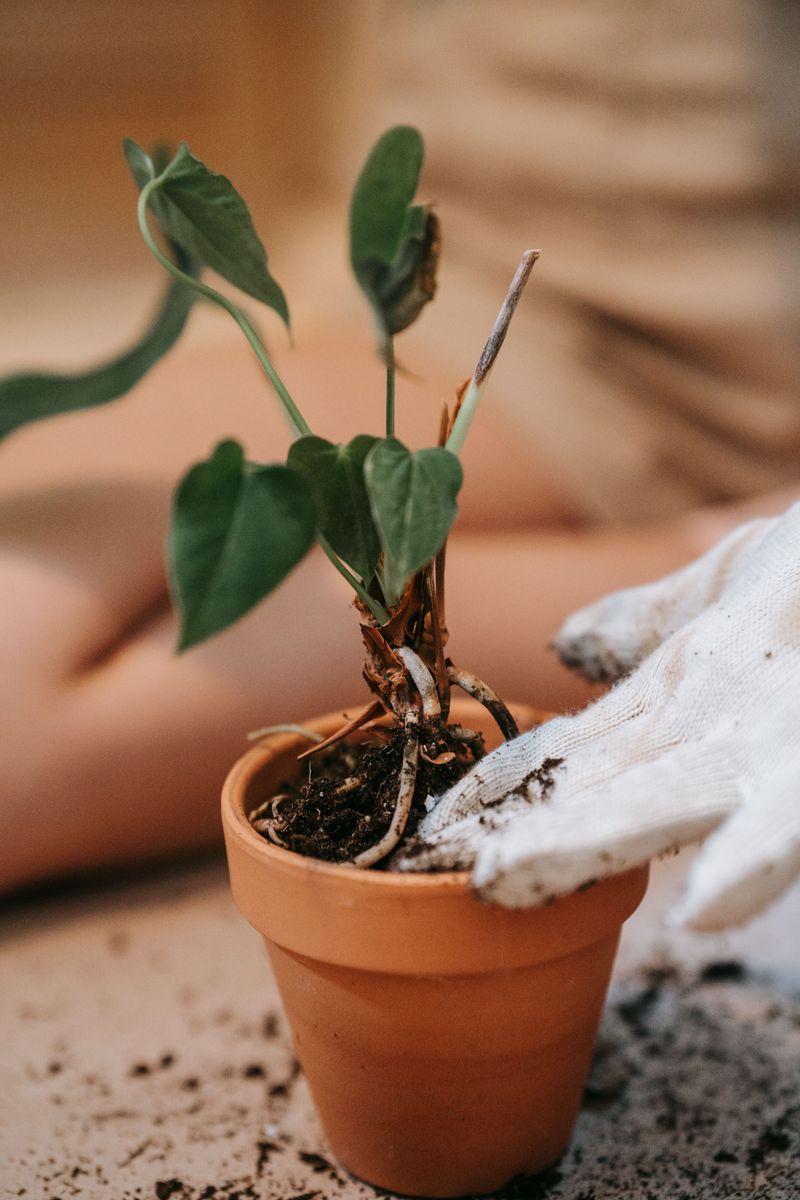
Press your palm flat against the surface of the potting mix and push down gently. If the soil feels dense, solid, and slow to spring back, it has likely been waterlogged for days.
Compacted, waterlogged potting mix is a physical overwatering symptom that you can literally feel with your hands. It is one of the most satisfying clues to find because it requires no equipment.
Fresh, healthy potting mix feels light and slightly crumbly. Over time, excess water breaks down the structure of the mix, causing it to compress and lose the air pockets roots depend on.
Without air in the soil, roots are deprived of oxygen even when surrounded by moisture. This is one reason why overwatered plants look so similar to underwatered ones from the outside.
Aerating the soil with a chopstick or pencil can temporarily help restore some airflow. Gently poke holes around the perimeter of the root zone without disturbing the roots too aggressively.
Adding perlite or coarse sand when repotting helps prevent future compaction. These materials stay chunky and resist breaking down under repeated watering cycles.
Outdoor garden beds can develop the same compacted, waterlogged texture during heavy summer rains. Raised beds with amended soil handle excess moisture far better than flat ground-level planting areas.
Running your hands through healthy soil should feel almost effortless and airy. When the mix fights back with density and weight, it is time to rethink your watering routine entirely.
8. Smell For A Musty Or Rotten Odor From The Pot
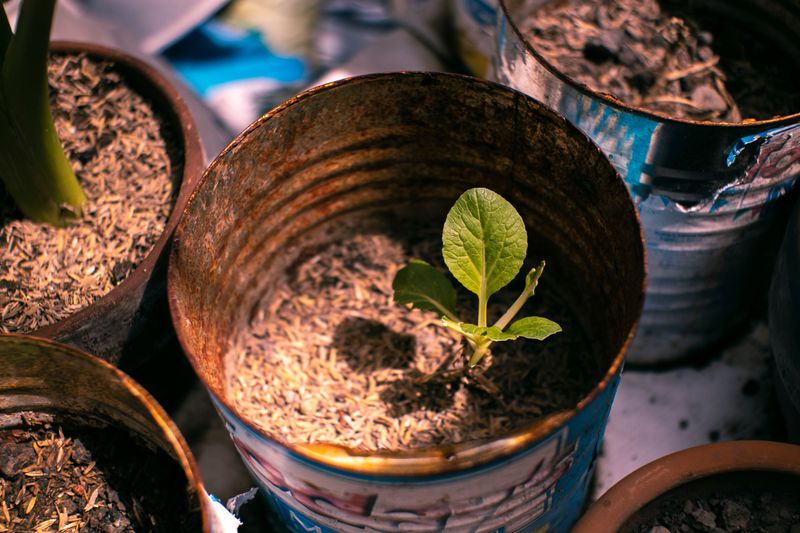
Bring your nose close to the soil and take a slow breath. A healthy pot smells like fresh earth, but an overwatered one carries a sharp, musty, or rotten scent that is hard to ignore.
That unpleasant smell is caused by anaerobic bacteria thriving in oxygen-depleted, waterlogged soil. These microbes break down organic matter in ways that release sulfur compounds and other foul gases.
Smelling your pots might sound strange, but it is one of the fastest ways to catch overwatering symptoms before visible damage appears. Your nose often knows before your eyes do.
A mild earthy smell is completely normal and even pleasant. The moment it crosses into something sour, swampy, or rotten, treat it as a red flag that demands immediate action.
Remove the plant from its pot and inspect the roots and soil closely. Discard any soil that smells strongly, since it likely contains harmful bacteria and fungal spores.
Wash the pot with a diluted bleach solution before refilling it with fresh mix. This step clears out lingering pathogens that could reinfect healthy roots in the new soil.
Repot the plant in a clean container with fresh, well-draining mix and resist the urge to water right away. Let the plant settle for a day or two before giving it a light drink.
Catching overwatering symptoms in humid Louisiana summers starts with paying attention to every sense, not just sight. Smell can be a useful early diagnostic tool for gardeners.