7 New Jersey Garden Tasks To Finish Before July Ends
July in New Jersey turns gardens into a real test of patience. The sun bakes the soil dry within hours, the air sits thick and heavy, and every plant in your yard is either holding its ground or quietly falling behind.
Weeds creep in faster than you can pull them, containers dry out before noon, and that lush June growth can turn brittle the moment you look away. This is also the exact month that decides how your fall garden will look.
Skip a few key tasks now, and September rolls in with yellowing leaves and bare patches. Handle them right, and your yard shifts into a second wind just as the heat breaks.
From a Jersey City balcony to a backyard plot in Hunterdon County, these seven tasks will carry your garden through summer’s toughest stretch.
1. Finishing Pruning On Spring Flowering Shrubs This Week
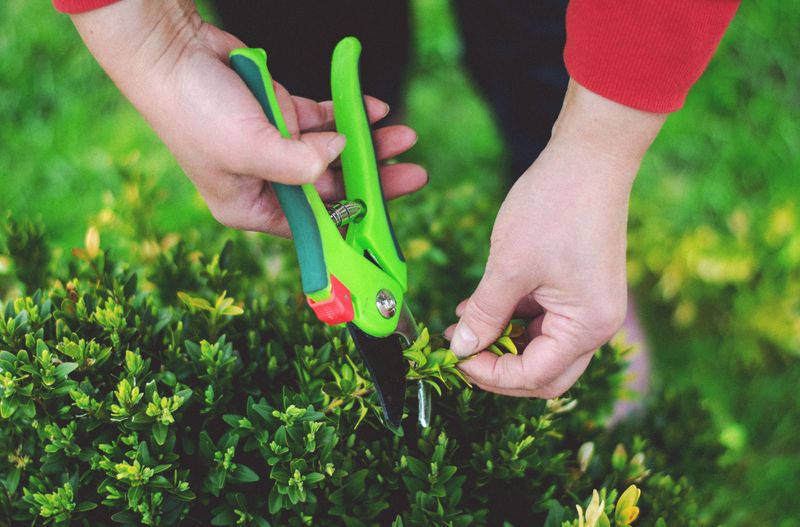
Put down the iced tea and pick up those pruners. Spring-flowering shrubs like lilac, forsythia, and weigela set their flower buds on this season’s new growth.
If you wait past late July to prune, you risk snipping off next spring’s blooms before they ever form. Timing here is everything, and the window closes fast.
Start by removing any damaged or crossing branches first. This opens the center of the shrub and lets air move through freely.
Next, cut back the longest stems by about one-third of their length. Avoid shearing the whole plant into a ball shape, since that weakens the structure over time.
Clean cuts heal faster and resist disease better than ragged ones. Sharp bypass pruners make a real difference, so sharpen yours before you start.
Cut at a slight angle just above a healthy bud whenever possible. This lets water run off the cut surface instead of pooling and encourages growth in the direction you want.
Forsythia responds especially well to hard renewal pruning every few years. Cutting a few of the oldest canes all the way to the ground encourages vigorous, fresh stems to sprout up.
Weigela and beautybush benefit from similar treatment. Removing older wood keeps the plant youthful and blooming at its best each spring.
After pruning, give your shrubs a deep soak to reduce stress. A layer of mulch around the base will hold moisture and keep roots cool through August.
One last tip: bag and remove all pruned material right away. Leaving it on the ground invites pests and fungal problems you definitely do not want. Your shrubs will thank you come April.
2. Sowing Fall Crops Before The Month Runs Out
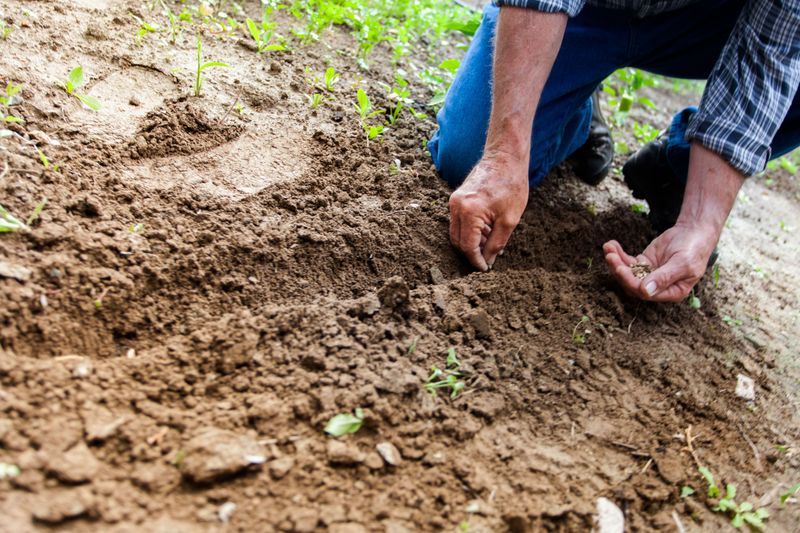
Most gardeners think spring is the only time to sow seeds, but July is secretly a golden window. Fall crops like kale, broccoli, arugula, and spinach need to be started now to mature before the first frost hits.
New Jersey gardeners in zones 6 and 7 typically see first frost between mid-October and early November. That means your crops need roughly 60 to 90 days of growing time, starting right now.
Your New Jersey Garden Changes Every Week. Your Plan Should Too.
Gardening in New Jersey changes quickly throughout the season. Every Friday you’ll receive a simple weekly plan showing exactly what to plant, prune, fertilize, harvest, and protect so you never miss the right timing.
Direct sow fast-maturing greens like arugula and radishes straight into prepared beds. For slower crops like broccoli and cauliflower, start seeds indoors under a grow light for two to three weeks first.
Soil temperature matters as much as air temperature. If your soil is above 85 degrees, seeds may struggle to germinate, so water the bed down before sowing to cool things off.
Keep the soil surface consistently moist until germination occurs. A light layer of straw mulch helps retain moisture without smothering emerging seedlings.
Thin seedlings early and consistently. Crowded plants compete for nutrients and end up producing less than you expect.
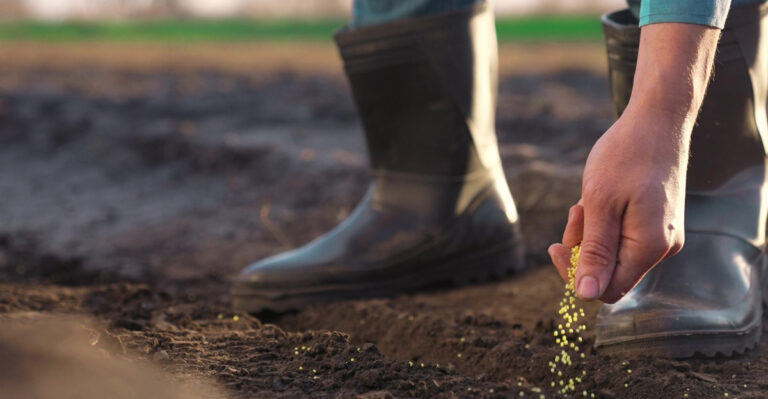
Add a balanced slow-release fertilizer to your bed before sowing. Fall crops need a strong nutritional start to power through the shorter days ahead.
Succession planting every two weeks extends your harvest window nicely. Sow a short row of lettuce now, then another row in two weeks for a steady supply.
Row covers will protect tender seedlings from late summer heat spikes. They also deter early-season pests like flea beetles that love fresh young greens.
Finishing these New Jersey garden tasks before July ends sets the stage for a harvest-filled fall season.
3. Ordering Fall Bulbs While Selection Is Still Wide
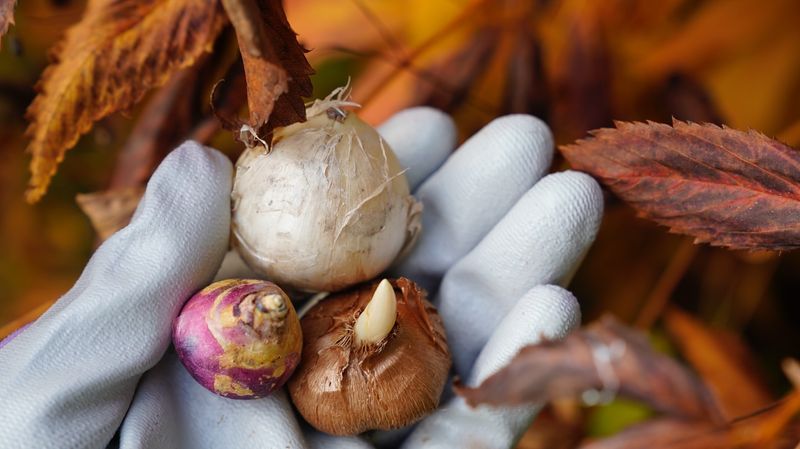
Bulb shopping in October feels festive, but the best varieties are long gone by then. Ordering fall bulbs in late July gives you first pick of tulips, daffodils, alliums, and hyacinths before the popular selections sell out.
Dutch bulb suppliers and reputable online nurseries open their fall catalogs in midsummer. Waiting even a few weeks can mean settling for whatever is left in the bargain bin.
Focus on varieties suited to New Jersey’s climate. Tulips and daffodils perform beautifully in zones 6 and 7, while alliums add dramatic height and texture to any planting design.
Think about bloom succession when placing your order. Choosing early, mid-season, and late-blooming varieties keeps your yard colorful from March through May without any extra effort.
Planting depth matters just as much as bulb selection. Most large bulbs like tulips and daffodils go three times deeper than the bulb’s height, while smaller bulbs need only a couple inches of cover.
Deer resistance is worth considering too. Daffodils and alliums are naturally unappealing to deer, which is a big deal in suburban and rural parts of the state.
Order more than you think you need. Bulbs are affordable in bulk, and a generous planting always looks more dramatic than a sparse one.
Store your bulbs in a cool, dry, well-ventilated spot until planting time in October or November. Paper bags work better than plastic, which traps moisture and causes rot.
Label your bags clearly with variety name and bloom time. Mixing up your tulip types mid-planting is a frustrating mistake that is easy to avoid.
Placing your order today costs almost nothing in time but pays off in spectacular spring color. Do not put this one off another week.
4. Cutting Back Spent Berry Canes For Next Season
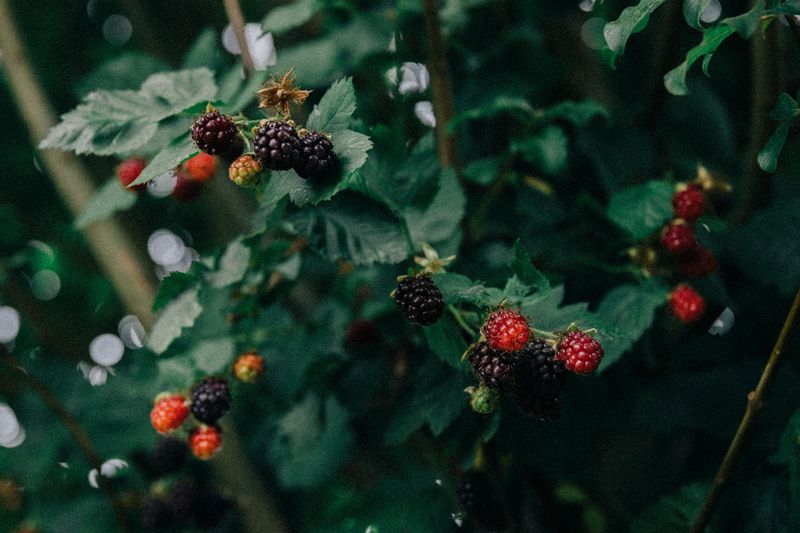
Raspberry and blackberry plants are two-year performers, and understanding that cycle changes everything. The canes that fruited this summer are now spent, and leaving them standing invites disease and crowds out next year’s producers.
Floricanes, the canes that bore fruit, turn woody and brown after harvest. Cutting them out at ground level right now is one of the highest-return tasks you can do in July.
Use sharp loppers or bypass pruners sanitized between cuts. This simple step prevents the spread of cane blight, which can seriously damage an entire planting in a single season.
Leave the green, flexible primocanes standing tall. Those are your next season’s fruit producers, and they need all the sunlight and airflow they can get right now.
After removing the old canes, thin the remaining primocanes to about four to six per foot of row. Fewer canes mean bigger, better berries next summer.
Tie the remaining canes loosely to their support wire or trellis. This keeps them upright through summer storms and makes future pruning much easier.
Dispose of the cut canes in the trash rather than the compost pile. Diseased plant material in compost can spread problems back to your garden later.
Top-dress the bed with compost after cleanup. A two-inch layer feeds the roots and suppresses weeds through the rest of summer.
Healthy canes now mean heavy fruit production next July. A little effort today creates a berry patch worth bragging about.
5. Deep Watering To Offset The Peak Summer Heat
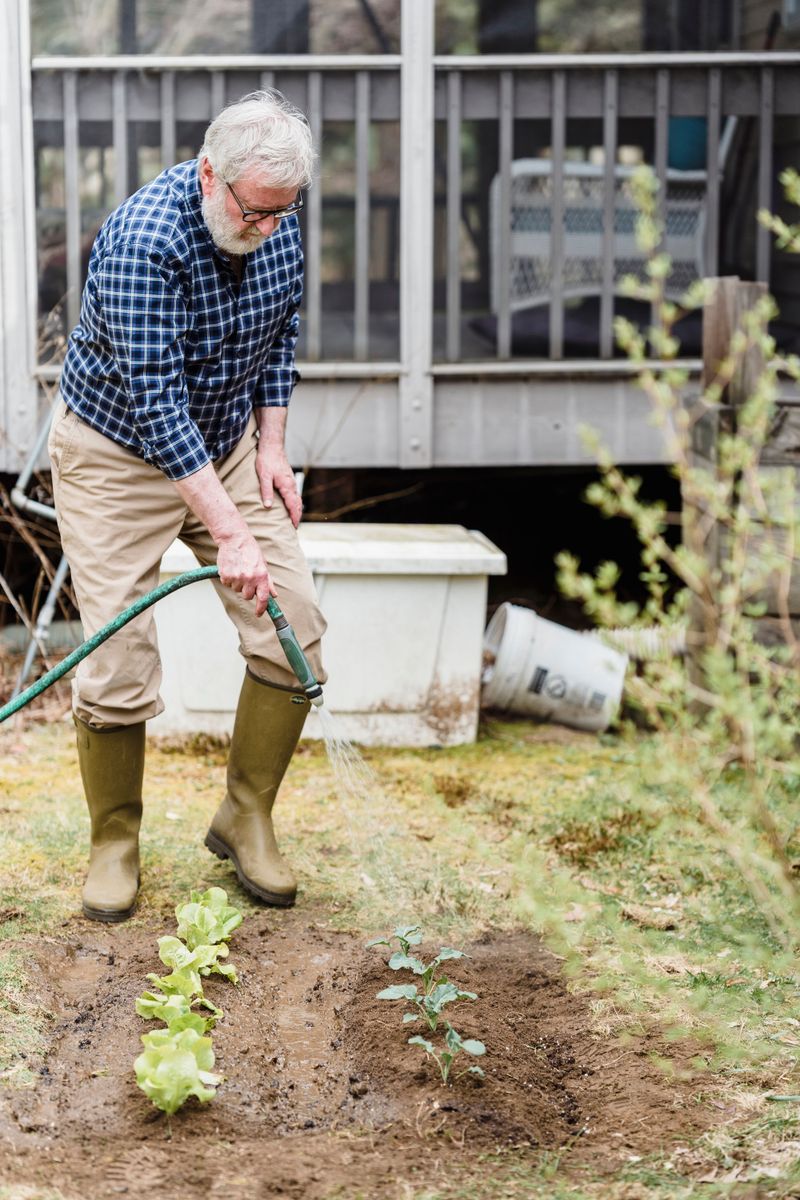
Shallow watering is one of the most common mistakes home gardeners make in July. Sprinkling the surface for five minutes encourages roots to stay near the top of the soil, where heat and drought stress them the most.
Deep watering means getting moisture down eight to twelve inches into the root zone. Plants rooted that deep are dramatically more resilient when temperatures push past 90 degrees.
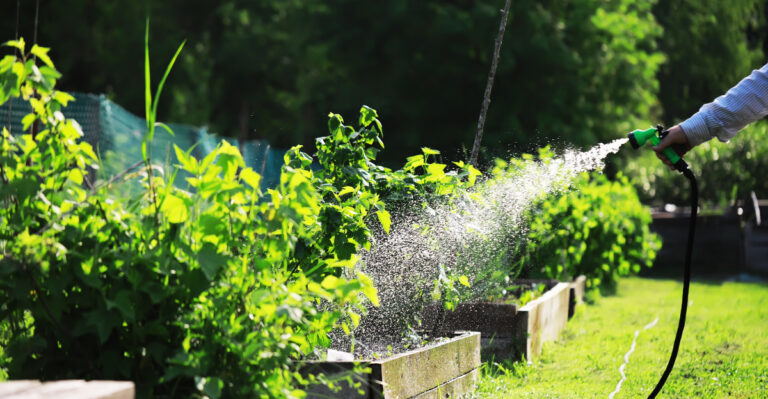
Soaker hoses and drip irrigation are the most efficient tools for the job. They deliver water slowly right at the root zone, reducing evaporation compared to overhead sprinklers.
Water in the early morning whenever possible. Evening watering keeps foliage wet overnight, which encourages powdery mildew and other fungal problems.
Sandy soils common in South Jersey drain fast and may need watering every other day in peak heat. Clay-heavy soils in North Jersey retain moisture longer but can develop surface crust that blocks penetration.
Push a screwdriver six inches into the soil after watering. If it slides in easily, your moisture level is good; if it meets resistance, water longer next time.
Mulching around your plants is just as important as watering frequency. A three-inch layer of shredded wood mulch can meaningfully cut soil moisture loss during hot weeks.
Container plants need even more attention since pots dry out fast in direct sun. Check them daily and water until it flows freely from the drainage hole.
Consistent deep watering is one of the most impactful New Jersey garden tasks you can master this month.
6. Removing Bolted Crops To Free Up Bed Space
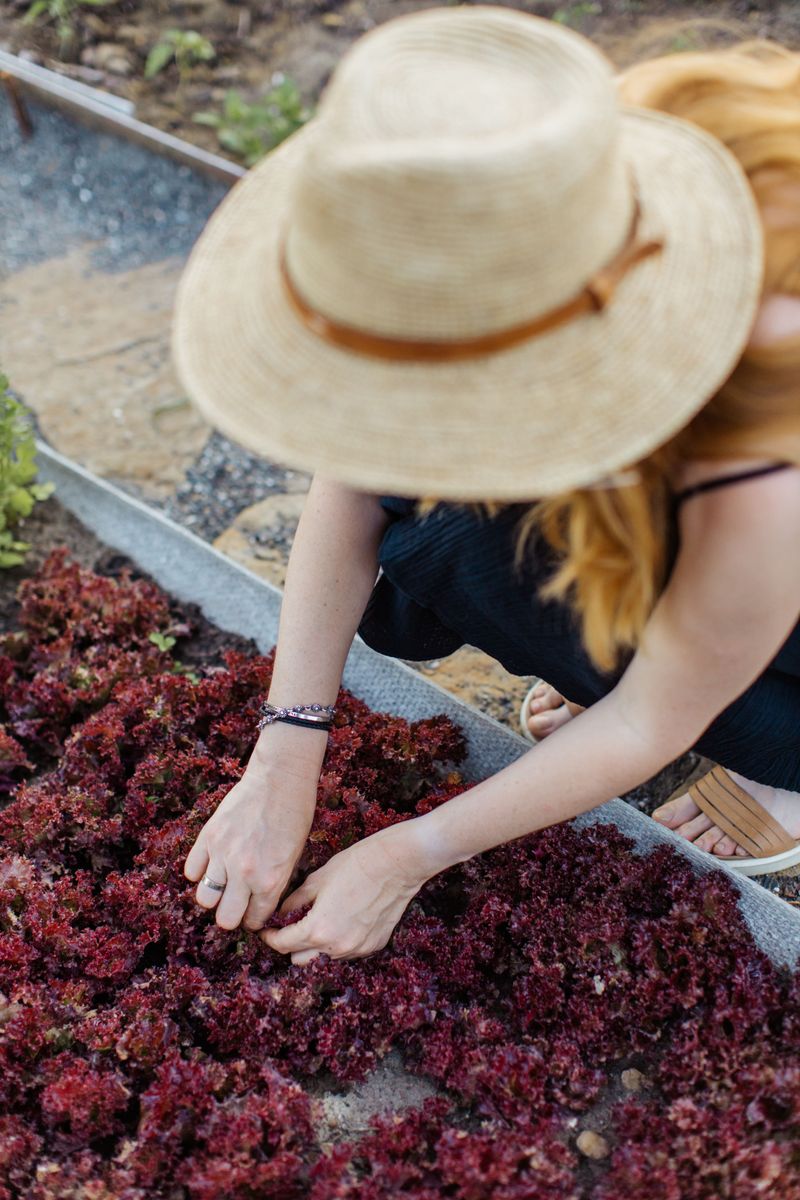
Bolted crops are sending you a clear signal: their season is over. Lettuce, spinach, cilantro, and arugula that have shot up tall flower stalks are no longer producing edible leaves worth harvesting.
Once a plant bolts, its leaves turn bitter and tough almost overnight. Keeping bolted plants in your beds wastes space, water, and nutrients that fall crops desperately need.
Pull bolted plants out roots and all rather than just cutting the tops. Leaving roots behind slows bed preparation and can harbor pests or disease.
Toss the pulled plants into your compost bin if they show no signs of disease. Bolted greens break down quickly and add good organic matter back to your pile.
After clearing, loosen the top few inches of soil with a garden fork. Compacted soil from a full season of growth benefits from some aeration before new seeds go in.
Work in a few inches of compost before replanting. Spent beds are often nutrient-depleted by midsummer, and fresh compost restores fertility fast.
Check for any lingering pests like aphids or slugs hiding in the cleared area. A quick scan and hand-removal now prevents them from damaging your fall seedlings immediately.
Mark what you grew in each section to practice crop rotation. Planting the same family of crops in the same spot season after season builds up soil-borne disease pressure over time.
A clean, cleared bed is full of possibility. You just created prime real estate for the most productive fall garden you have ever grown.
7. Feeding Fast Growing Plants Before Nutrients Run Low
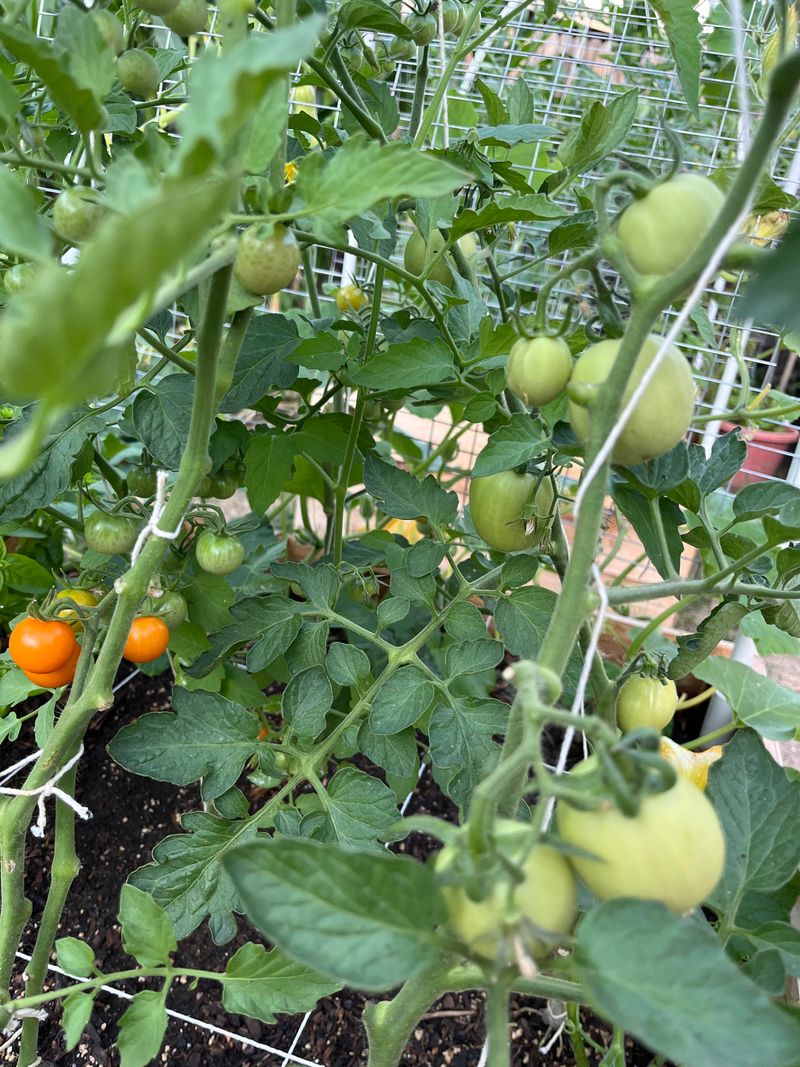
Tomatoes, peppers, squash, and cucumbers are working overtime right now. Peak summer production demands a steady supply of nutrients, and most garden soils are running low on key minerals by late July.
A soil that looked rich in May has been feeding hungry plants for three months straight. Without a mid-season boost, yields drop, fruit quality declines, and plants become more vulnerable to pests.
Liquid fertilizers work fastest when plants need an immediate pick-me-up. Fish emulsion and liquid kelp are popular organic options that feed through both the roots and the leaves.
Tomatoes specifically need a fertilizer lower in nitrogen and higher in phosphorus and potassium once they start fruiting. Too much nitrogen at this stage pushes leafy growth at the expense of fruit production.
Side-dressing with granular slow-release fertilizer is another solid approach. Scratch it into the soil about three inches from the base of each plant and water it in well.
Calcium is often overlooked but critically important for tomatoes and peppers. Blossom end rot, that ugly black patch on the bottom of tomatoes, is a classic sign of calcium deficiency in the soil.
Foliar sprays of diluted calcium or magnesium can show results within days. They are especially helpful when heat stress slows root absorption of soil nutrients.
Feed every two weeks through the rest of the season for best results. Consistent nutrition keeps plants producing well into September and sometimes beyond.
Wrapping up these New Jersey garden tasks before July ends puts your entire yard in the best position for a thriving, productive fall.