The Meaning Behind A Chipmunk Suddenly Disappearing From Your Pennsylvania Garden
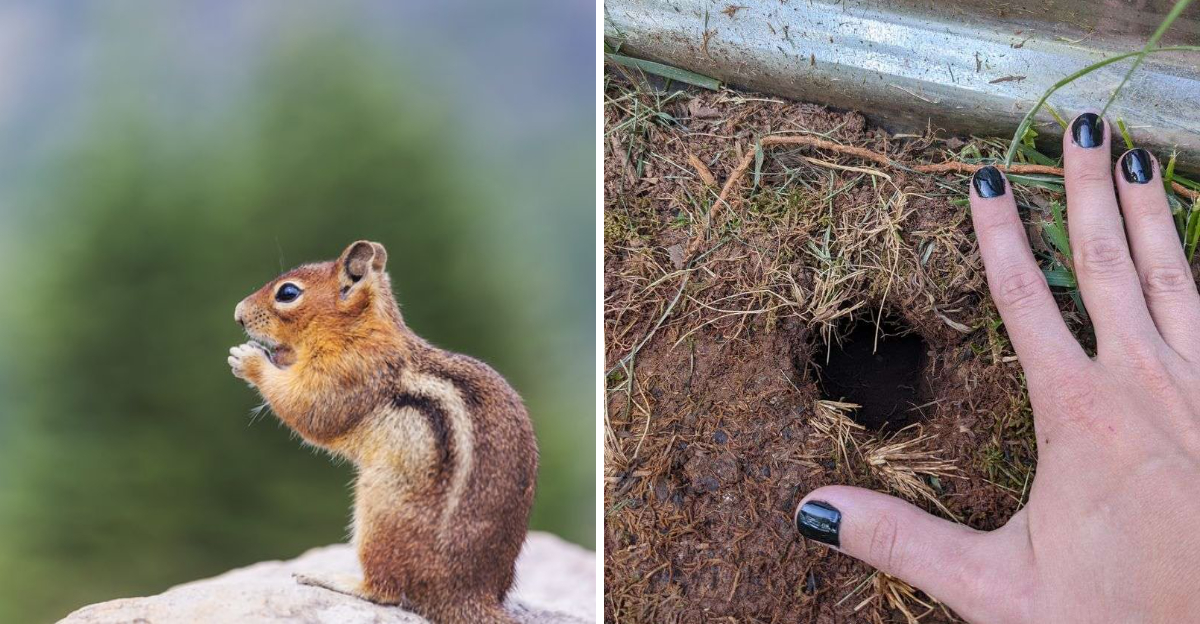
Chipmunks are one of those backyard presences that most Pennsylvania gardeners take for granted.
That quick, striped dash across the patio, the cheeks stuffed impossibly full, the way they pause and look around with alert little eyes before disappearing into the garden.
They become part of the rhythm of your outdoor space without you ever really thinking about it. And then one day they’re just gone.
No gradual tapering off, no obvious explanation. The chipmunk that was reliably appearing every day simply stops showing up.
For gardeners who have grown fond of their backyard visitors, that absence can feel surprisingly noticeable and even a little unsettling. But a chipmunk’s sudden disappearance is rarely random.
These animals follow patterns driven by season, instinct, food availability, and the presence or absence of predators, and when the pattern breaks it usually means something specific has shifted in your garden environment.
Here’s what a chipmunk suddenly going missing from your Pennsylvania garden likely means and what, if anything, you should do about it.
1. It May Have Shifted To A Better Food Source Nearby
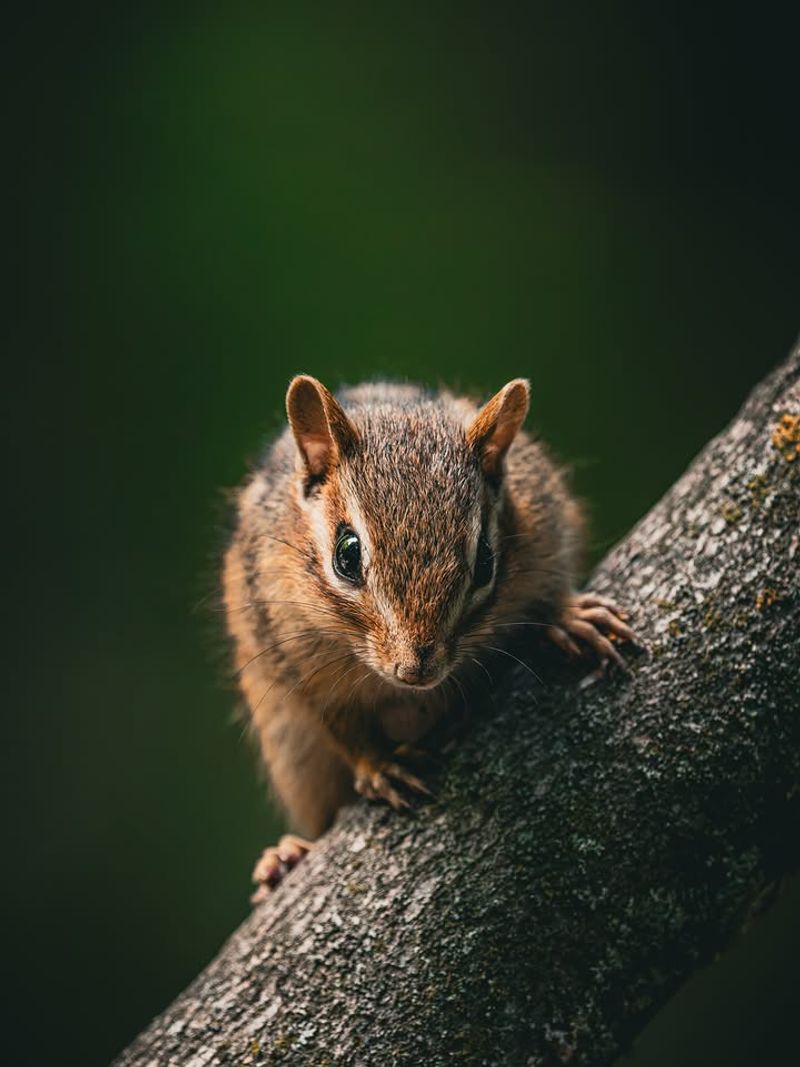
Chipmunks are always on the move when it comes to food. They are opportunistic little foragers, meaning they go wherever the eating is easiest and most rewarding.
If your garden suddenly has fewer seeds, fallen fruit, or accessible insects, a chipmunk will not stick around out of loyalty.
Pennsylvania yards are surrounded by all kinds of food sources. A neighbor’s bird feeder, a nearby oak tree dropping acorns, a berry bush along the fence line, or even a compost pile can pull a chipmunk away from your garden entirely.
They follow their nose and their instincts, not a set territory. Chipmunks also respond to seasonal food availability. In late summer, wild berries and nuts become plentiful in woodland edges and hedgerows.
A chipmunk may simply be spending more time at a richer food patch and less time in your yard. This kind of shift is completely normal and happens regularly throughout the warmer months.
If you want to encourage a chipmunk to return, you can scatter a small amount of unsalted sunflower seeds or cracked corn near a garden bed.
Keeping a consistent food source available makes your yard more competitive with whatever is drawing the chipmunk elsewhere.
You do not need to do anything dramatic. Sometimes just refreshing a bird feeder or leaving a small pile of seeds near a burrow entrance is enough to bring a familiar visitor back around within a few days.
2. Predators May Be More Active In The Area
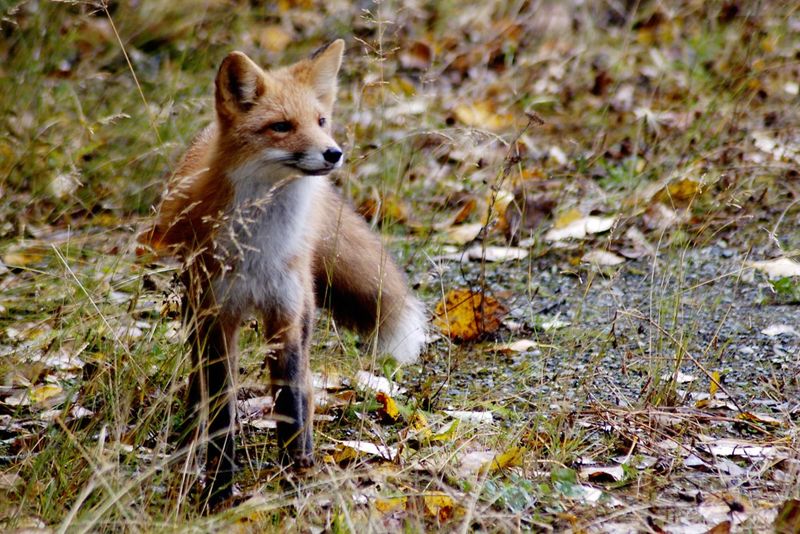
Feeling safe is everything to a chipmunk. These small animals are prey for a long list of hunters, and when danger shows up in a neighborhood, chipmunks respond fast.
Hawks, owls, red foxes, coyotes, black rat snakes, and even roaming cats or dogs can completely change how often a chipmunk feels comfortable being out in the open.
Pennsylvania has a healthy population of red-tailed hawks and Cooper’s hawks, both of which actively hunt small mammals in suburban yards. If one of these birds has been making regular passes over your garden, a chipmunk will notice long before you do.
Your Pennsylvania Garden Changes Every Week. Your Plan Should Too.
Gardening in Pennsylvania changes quickly throughout the season. Every Friday you’ll receive a simple weekly plan showing exactly what to plant, prune, fertilize, harvest, and protect so you never miss the right timing.
Chipmunks are wired to detect threats from above, and even a hawk’s shadow can send one scrambling underground for hours.
Ground predators matter just as much. A fox that has started cutting through your yard, a neighbor’s outdoor cat, or a curious dog can disrupt a chipmunk’s entire daily routine.
Once a predator establishes a regular path through an area, chipmunks adjust by avoiding that space or moving around only during the safest windows of the day, usually very early morning.
Check your yard for signs of predator activity. Feathers on the ground, disturbed mulch, or dog and cat tracks near garden beds can tell you a lot.
If you spot a predator using your yard regularly, the chipmunk has likely relocated its above-ground activity to a safer zone nearby. It may still be living in the same burrow but simply choosing not to be visible during hours when the threat is present.
3. It Could Be Spending More Time Underground
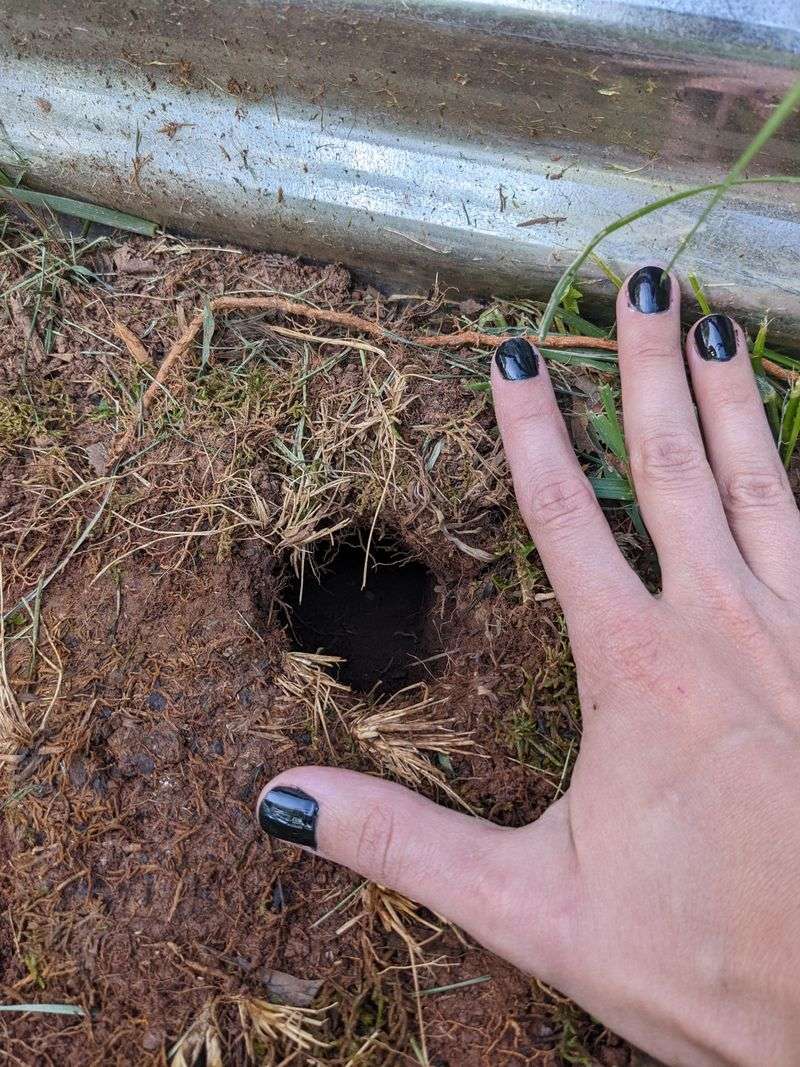
Not every chipmunk disappearance means the animal has gone far. Sometimes the simplest explanation is that it has retreated underground and is spending more time in its burrow system.
Chipmunks are surprisingly good engineers. Their tunnels can stretch several feet long and include separate chambers for sleeping, storing food, and even waste.
Hot, dry spells in a Pennsylvania summer can push chipmunks underground more often. When the heat is intense, staying in a cool burrow is a smart survival strategy.
The same goes for heavy rain, which can flood surface areas and make foraging uncomfortable or risky. Weather extremes, in either direction, tend to make chipmunks less visible above ground for stretches of several days at a time.
Stress can also trigger extended underground stays. If something disturbed the yard recently, like loud construction, a visiting animal, or even a large landscaping project, a chipmunk may retreat and wait for things to settle down before coming back out.
They are cautious by nature and take their time before trusting a changed environment again.
To check if a chipmunk is still around, look for small burrow openings near garden borders, stone walls, or the base of shrubs. A freshly used entrance will often have loose, recently disturbed soil around it.
You might also notice tiny seed shell fragments or small piles of debris near the opening. These are signs the tunnel is still active, even if you have not spotted the chipmunk itself running around in several days.
4. Seasonal Behavior May Be Changing
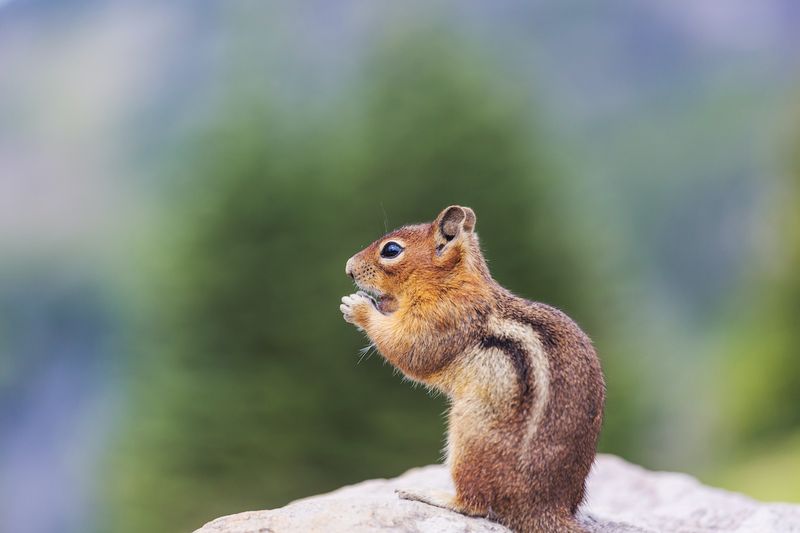
Chipmunks follow a rhythm that shifts with the seasons, and that rhythm can make them seem to vanish even when they are still very much around. Pennsylvania chipmunks are not true hibernators, but they do enter a state called torpor during the coldest months.
During torpor, they sleep for long stretches, occasionally waking to eat from their stored food supply before going back to sleep.
Late summer and early fall are the busiest times for chipmunks in Pennsylvania. During this period, they are laser-focused on gathering and storing as much food as possible.
You might notice them moving quickly and purposefully, stuffing their cheek pouches and disappearing underground repeatedly. Then, seemingly overnight, they stop appearing altogether as they shift to managing their underground stores full time.
By late October or November, most Pennsylvania chipmunks have gone underground for the season.
If you noticed your chipmunk becoming less active through September and then disappearing by fall, seasonal behavior is almost certainly the explanation. This is completely normal and happens every year without fail across the state.
Spring is when they reemerge, usually sometime in March or April depending on how cold the winter has been. If you are watching your garden in fall or winter and wondering where your chipmunk went, patience is the best response.
Mark the spot where you last saw it foraging or entering a burrow. Come spring, there is a very good chance you will see the same familiar little animal back in your garden, resuming its routines right where it left off.
5. Your Garden May Have Become Less Inviting

Gardens change, sometimes on purpose and sometimes gradually, and chipmunks notice those changes quickly.
If your yard has recently become tidier, more open, or less food-friendly, a chipmunk may have quietly decided to look elsewhere for a better setup. These animals rely on specific conditions to feel comfortable and safe above ground.
Dense ground cover, brush piles, thick mulch, and overgrown garden borders all serve as important cover for chipmunks. When they move through a yard, they prefer to stay close to something they can duck under or behind if a predator appears.
A garden that has been heavily pruned, cleaned up, or opened up can feel exposed and risky to a small animal that depends on quick escapes. Fallen seeds and spilled birdseed are also major chipmunk attractions.
If you recently switched to a no-mess bird feeder, moved a feeder to a new location, or stopped feeding birds altogether, you may have removed one of the main reasons the chipmunk was visiting your yard in the first place.
The same applies to removing a compost pile, cutting back berry-producing shrubs, or pulling up plants that previously produced seeds.
You do not have to let your garden go wild to make it chipmunk-friendly again. Adding a small brush pile in a corner, planting native shrubs like elderberry or serviceberry, or placing a flat rock near a garden border can restore some of the features chipmunks find appealing.
Small adjustments can make a big difference in whether a chipmunk chooses your yard as part of its regular territory.
6. The Chipmunk May Still Be There, Just Harder To See
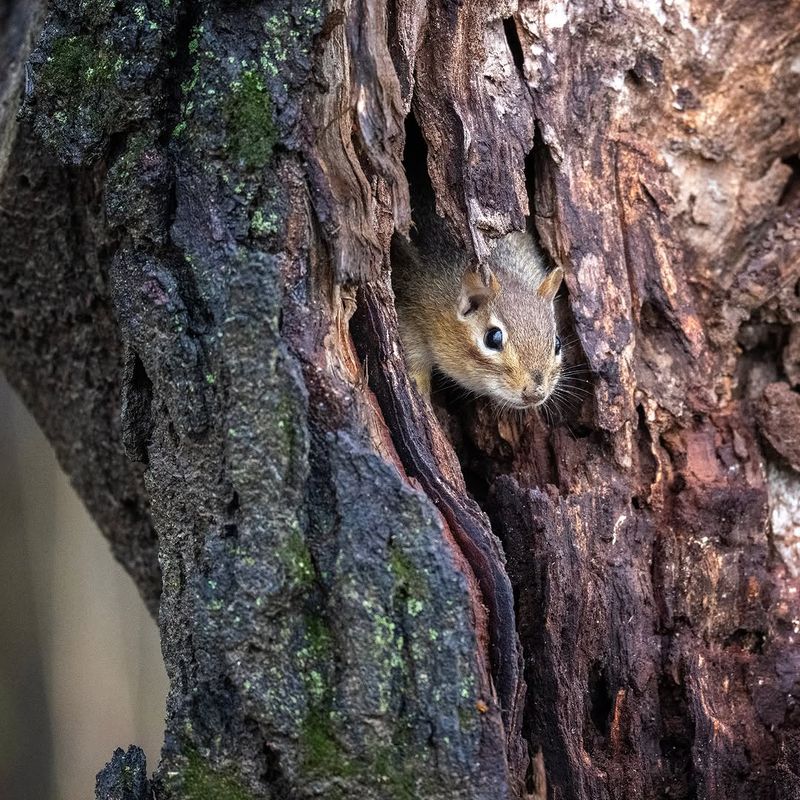
Sometimes the most reassuring explanation is also the most obvious one. A chipmunk that seems to have vanished may simply be harder to spot than it used to be.
These animals are small, fast, and remarkably good at blending into their surroundings. A slight shift in their daily routine can make them nearly invisible to a casual observer.
Chipmunks tend to be most active in the early morning hours, typically just after sunrise. If you have been checking your garden at midday or in the afternoon, you may be missing the window when the chipmunk is actually out and about.
Try sitting quietly near a known burrow entrance or garden border around 7 a.m. and see what shows up. You might be surprised by how much activity happens before most people even finish their morning coffee.
Look for indirect signs of chipmunk presence rather than waiting to spot the animal itself. Small, neatly chewed seed shells scattered near a rock or log are a strong clue.
Freshly dug soil near a garden bed edge, tiny tracks in soft dirt after rain, or a small hole that was not there last week can all point to an active chipmunk nearby.
Chipmunks are cautious animals that change their visible habits based on stress, weather, food, and perceived safety.
Before concluding that a chipmunk has left for good, spend a few mornings observing quietly. Bring a cup of coffee, sit still, and watch.
More often than not, the chipmunk will reveal itself with a quick dash across the garden or a brief appearance at a favorite feeding spot, proving it never really left at all.