New Jersey Lawn Pests That Hide Behind Drought Damage And How To Tell Them Apart
Drag a hose across a browning lawn long enough and doubt starts to creep in.
That is exactly what happened to a New Jersey homeowner who watered faithfully for two weeks straight.
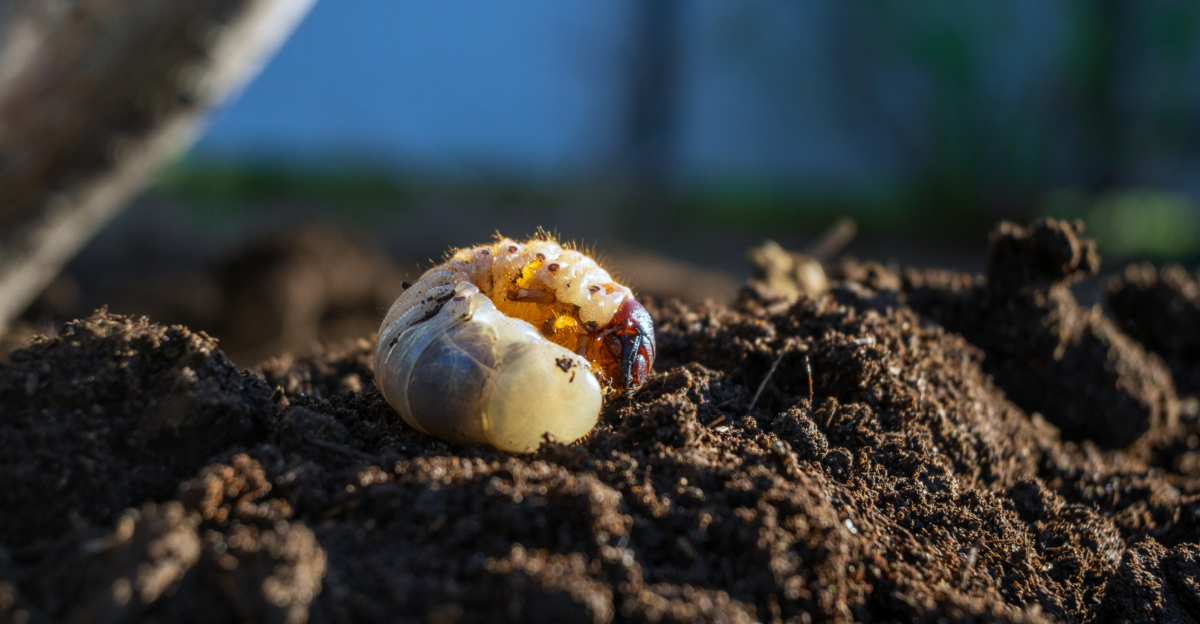
Nothing improved. He finally pulled back a patch of turf and found the soil moving underneath. Not drought. Grubs.
The whole root system was gone. How many New Jersey lawns get soaked and written off as heat stress when something else is feeding on them from below?
More than you think. The worst lawn pests are masters at mimicking drought. They feed invisibly, spread quietly, and let summer take all the credit.
By the time the signs become obvious, the window to act without major repair has already closed.
Knowing the difference between a thirsty lawn and an invaded one changes everything. Read the signals. Trust the turf. Then act before the season does it for you.
1. White Grubs
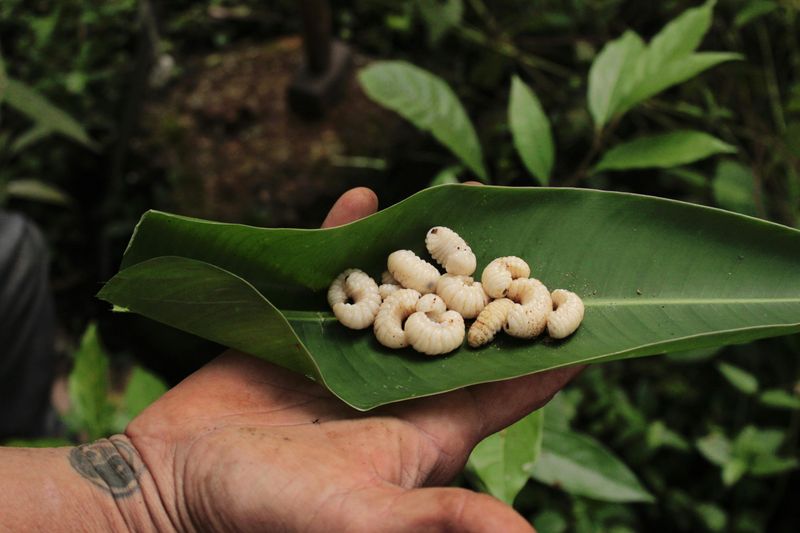
White grubs feed on grass roots just a few inches underground. The loss happens below the surface, so your lawn just looks dry and stressed.
Most homeowners water more, wait, and watch the patches spread wider. No amount of irrigation fixes root loss.
The grass has nothing left to absorb moisture with.
It wilts and browns exactly like drought-stressed turf, making the two nearly impossible to tell apart without digging in.
Grub populations above five to ten per square foot are considered damaging in New Jersey turf. Pull back a small section of brown sod and check the soil directly beneath it.
Fat, creamy-white, C-shaped larvae mean you have found your answer. If the sod peels back easily with little resistance, that is another strong sign.
Grubs sever the root system completely, leaving nothing to anchor the turf to the soil below.
Grubs are most active in late summer, typically August through September, when they are still small and feeding near the surface. That is your best treatment window.
Applying a targeted grub control product while they are young and shallow gives you the highest chance of success. Waiting too long means the larvae burrow deeper and become much harder to reach.
Early action stops the spread before it reaches more of your yard and leaves you with bare, patchy turf heading into fall.
Check your lawn now and do not wait for the brown patches to confirm what is already happening below.
2. Hairy Chinch Bugs
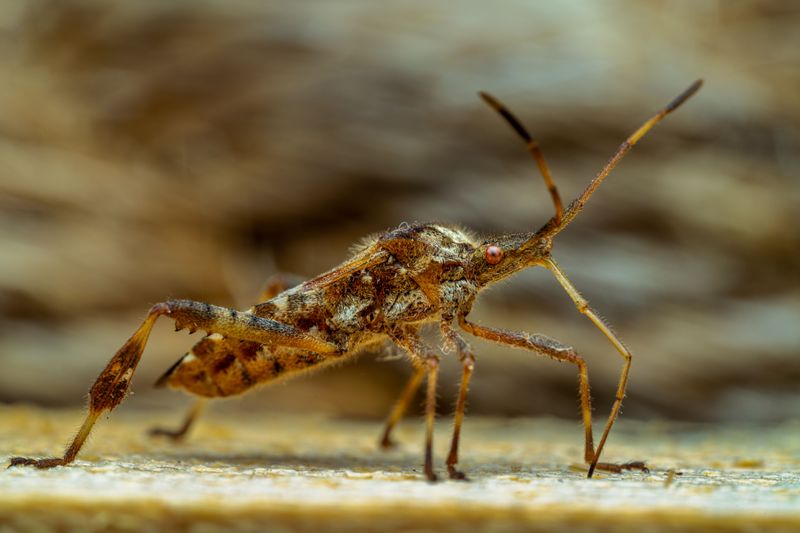
Chinch bugs are tiny, but the damage they cause can be significant. They are one of the most common and misidentified pests across New Jersey lawns.
They pierce individual grass blades and suck out plant juices. At the same time, they inject a toxic saliva that blocks water movement inside the plant.
The blade browns from the tip downward, patch by patch. Sound familiar? That is exactly what heat stress looks like, and that is exactly why they go undetected for so long.
Affected patches tend to appear first in the hottest, driest areas of your lawn. Think along sidewalks, driveways, and south-facing slopes.
Your New Jersey Garden Changes Every Week. Your Plan Should Too.
Gardening in New Jersey changes quickly throughout the season. Every Friday you’ll receive a simple weekly plan showing exactly what to plant, prune, fertilize, harvest, and protect so you never miss the right timing.
Those spots already dry out faster than the rest of the yard, so the sun takes the blame. Get on your hands and knees and part the grass near the edge of an affected patch.
Look for tiny black bugs with white wings folded across their backs. They move quickly through the thatch layer close to the soil surface.
Adult chinch bugs are only about one-fifth of an inch long, so patience is essential when searching. Populations can build up rapidly during hot, dry stretches in July and August.
A single square foot of lawn can hold hundreds of insects at peak infestation. The affected area spreads outward steadily from those original hot spots.
Catch them early and a targeted lawn spray or insecticidal soap can bring numbers down before the affected area becomes too widespread to recover easily without reseeding large sections of your yard.
3. Sod Webworms
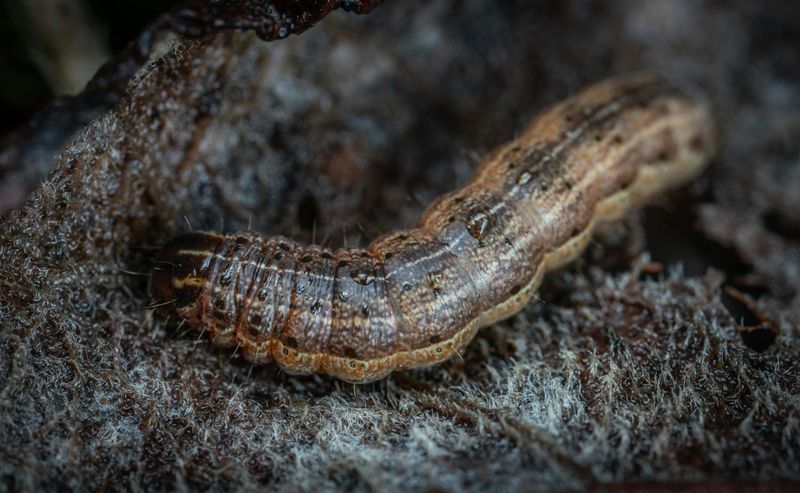
Buff-colored moths zigzagging low over your turf at dusk are a warning sign you should not ignore. Those moths are sod webworm adults dropping eggs as they fly across the lawn.
Within days, tiny caterpillars hatch and begin chewing grass blades off right at the soil line. They leave behind ragged, uneven patches that look sun-scorched and completely dried out.
Drought stress fades smoothly and evenly across a section. Webworm feeding has rough, chewed edges that give it away once you know what to look for.
Birds pecking at specific spots on your lawn are another strong clue. They are finding larvae in the thatch and feeding heavily.
Sod webworms build small silk-lined tunnels in the thatch layer close to the soil. Push the grass aside near an affected area and look for tiny tubes along with small green pellets.
Those pellets are frass, or insect droppings, left behind by actively feeding larvae underneath. The larvae are greenish-gray with small dark spots and grow to about three-quarters of an inch long when fully mature.
New Jersey lawns are most vulnerable from June through August when multiple generations can overlap and compound the pressure on turf quickly.
Each new generation adds more feeding pressure before the previous one has finished. A soap flush test is one of the fastest ways to confirm their presence before committing to a treatment.
Catching an infestation before the larvae fully mature gives you the best chance of saving your turf without a complete renovation.
4. Billbug Larvae
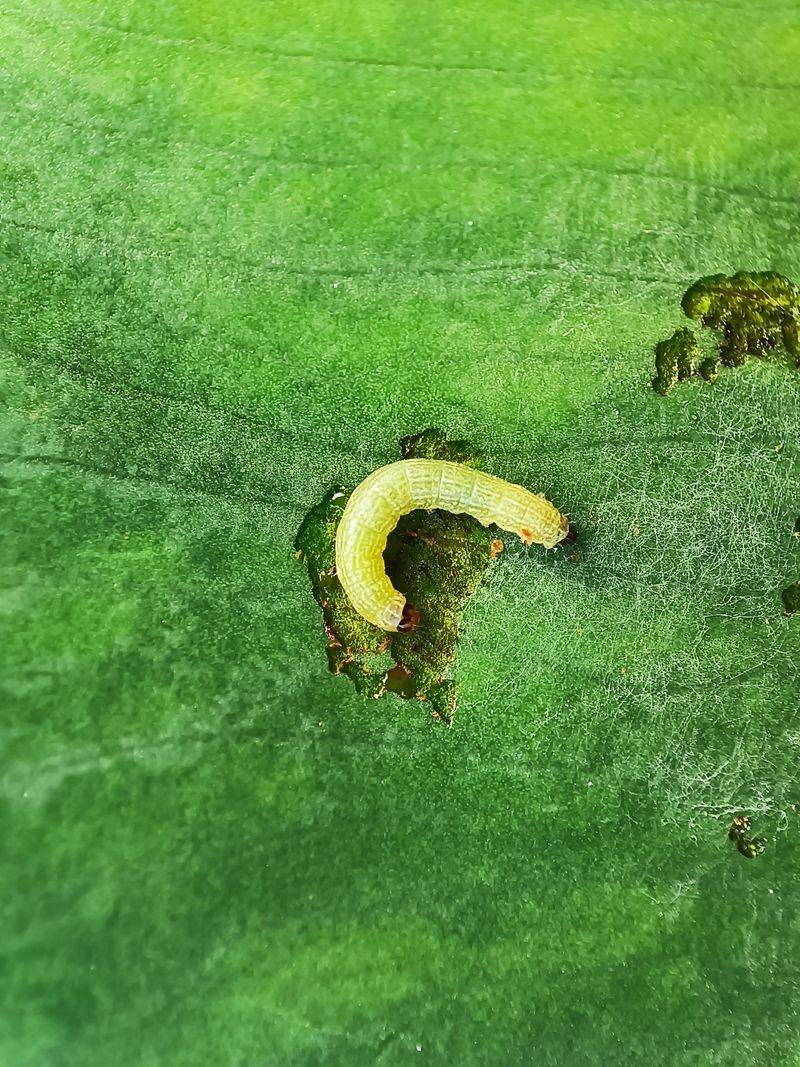
Billbugs are one of the most overlooked grub pests in New Jersey lawns. Most people have never heard of them, and that is exactly the problem.
Unlike white grubs that go straight for the roots, billbug larvae start by boring directly into the grass stem near the crown.
They work their way downward to the roots later in the season. The plant looks completely healthy from above until it suddenly collapses without warning.
That two-stage feeding pattern makes the situation look even more like drought stress than most other pests.
The tug test gives billbugs away quickly. Grab a handful of brown turf and pull upward with steady pressure.
If the stems snap off cleanly at the crown with no root system attached, billbug larvae have very likely been feeding there.
Drought-stressed grass resists pulling and comes up with its roots still mostly intact. That difference in feel is one of the clearest signals you will get without digging into the soil itself.
Billbug larvae are legless, which immediately separates them from the C-shaped white grubs most people recognize.
They are creamy white with a distinct orange or brown head capsule and look like a small grain of rice with a face.
You will find them at the thatch and soil interface, not deeper like other species. Zoysia and bluegrass lawns tend to suffer the worst in New Jersey.
Adults are active in spring, often spotted crossing driveways and sidewalks. Treating in late spring gives you the best window before larvae begin feeding below the surface.
5. Water And Wait 48 Hours
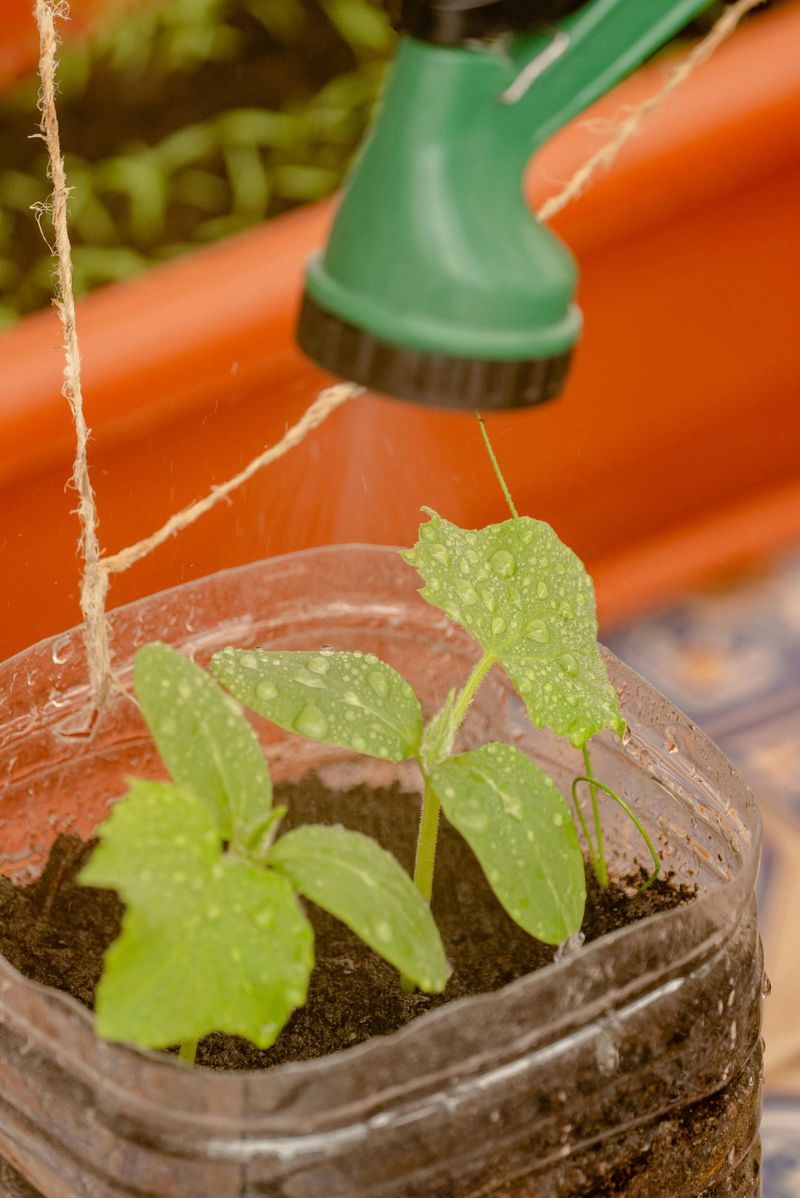
Sometimes the simplest test delivers the clearest answer. Water the affected area deeply and leave it completely alone for exactly 48 hours.
Do not touch it, mow it, or water it again during that window. True drought stress responds fast.
Grass blades begin to stand upright and green up noticeably within one to two days of getting a good soaking. Pest-affected turf does not recover that quickly.
In many cases, it rarely recovers, regardless of how much water you apply.
Patches that stay flat, brown, and lifeless after a thorough soaking are a strong signal that something else is going on.
The roots are either gone entirely or too badly affected for water to make any difference. That is your first real confirmation that pests are likely involved rather than dry weather alone.
This test works best when temperatures stay below 90 degrees. Heat waves muddy the results because even healthy turf struggles to bounce back quickly under extreme heat.
Choose a cooler morning to run this experiment for the most reliable reading. Watch the edges of the affected patches carefully, not just the center.
Healthy lawn surrounding a pest-affected zone responds normally to water and greens up within the 48-hour window.
The affected center stays stubbornly brown and flat. That contrast between recovering grass and brown, unresponsive patches points directly to an insect problem, not the weather.
6. Tug The Grass
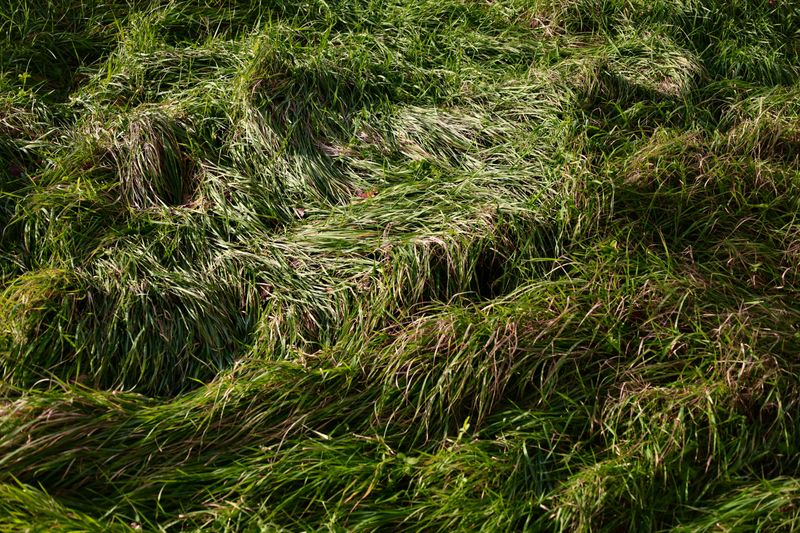
Your hands are one of the most powerful diagnostic tools you have available right now. The tug test costs nothing, takes less than a minute, and delivers surprisingly accurate results in the field.
Grab a fistful of brown turf in the damaged area and pull upward with firm, steady pressure. Pay close attention to how it feels as you pull.
Drought-stressed grass resists firmly.
The root system holds its ground and you feel real tension building before the turf finally gives way. When it does come up, the roots are still attached and mostly intact underneath.
Pest-damaged turf tells a completely different story. It peels back with almost no resistance, like lifting a loose rug off a floor.
The roots have been chewed through entirely or the stems have been severed right at the crown by feeding larvae. That effortless lift is a clear red flag that should send you straight to the next step.
If the turf rolls back easily, look underneath immediately. Examine the soil surface and the underside of the sod for grubs, larvae, or any sign of tunneling activity.
Even if you do not spot insects right away, the absence of a healthy root system is strong enough evidence to keep investigating.
Try a soap flush next or dig a small section for a closer look. Repeat the tug test in several spots, including areas that still appear green and healthy.
Pests rarely stay contained to one patch. Early damage is often already spreading into sections of your lawn that have not started browning yet.
7. Soap Flush
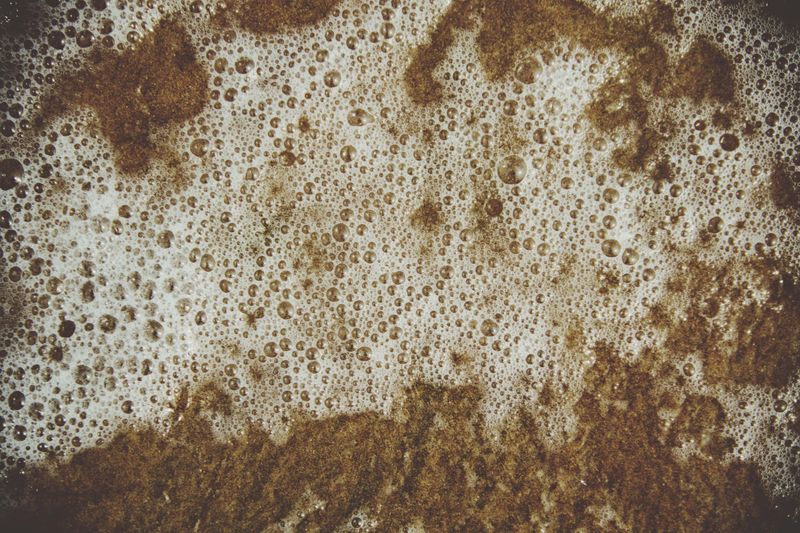
Two tablespoons of dish soap in a gallon of water is a reliable way to bring hidden insects to the surface fast.
The soap flush is a time-tested detection method used by turf professionals and experienced backyard gardeners across the country.
It works by irritating insects enough to drive them upward from the thatch where you can see, count, and identify them clearly.
Pour the solution slowly and evenly over about one square foot of turf at the edge of an affected patch. Do not rush the pour.
A slow, even application gives the solution time to penetrate down into the thatch layer where insects are hiding.
Watch the treated area closely for the next ten minutes. Insects will crawl upward to escape the solution within minutes.
Count what you find per square foot and compare that number against the known threshold for each specific pest.
That count tells you whether you have a situation worth treating or a population still too small to cause serious concern.
This method works best on a calm, warm morning when insects are already active near the surface. Windy conditions cause insects to scatter before you can get an accurate count.
Bright sunlight makes it much easier to spot small bugs moving through the grass blades. A soap flush is safe for your lawn at this dilution when used as an occasional diagnostic tool.
Repeated applications can stress turf, so use it only when needed. This is a detection step, not a treatment, but the information it provides points you directly toward the right solution.