9 Reasons Why Your Tomatoes Are Splitting In New Jersey And How To Stop It Before It Gets Worse
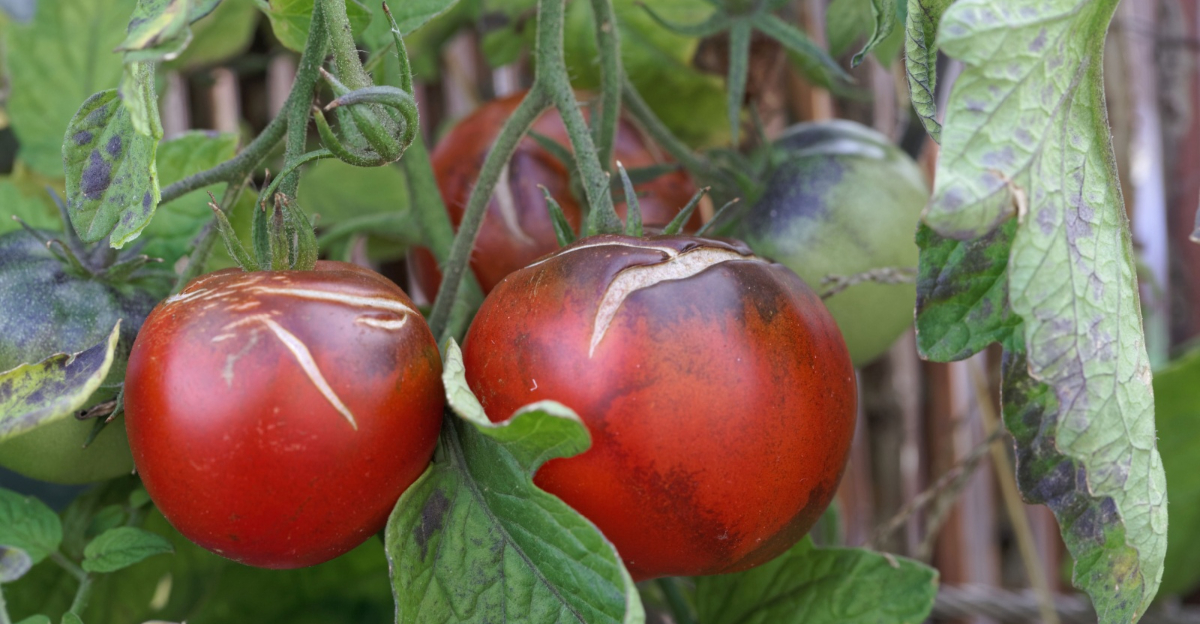
You did everything right.
You watered, you staked, you talked to your tomatoes when nobody was watching.
And then one morning you walked outside and found them split open like they had somewhere better to be.
Welcome to one of New Jersey’s most reliable summer disappointments.
The frustrating part is that cracked tomatoes almost never happen because of one big mistake.
They happen because of a handful of small, fixable things that quietly add up over the course of a season.
The even more frustrating part?
Most gardeners find out about them only after the damage is done.
The good news is that once you understand what is actually going on inside that fruit, you can stop it before it starts.
Here are the nine most common reasons your tomatoes are splitting in New Jersey, and what to do about each one.
Inconsistent Watering
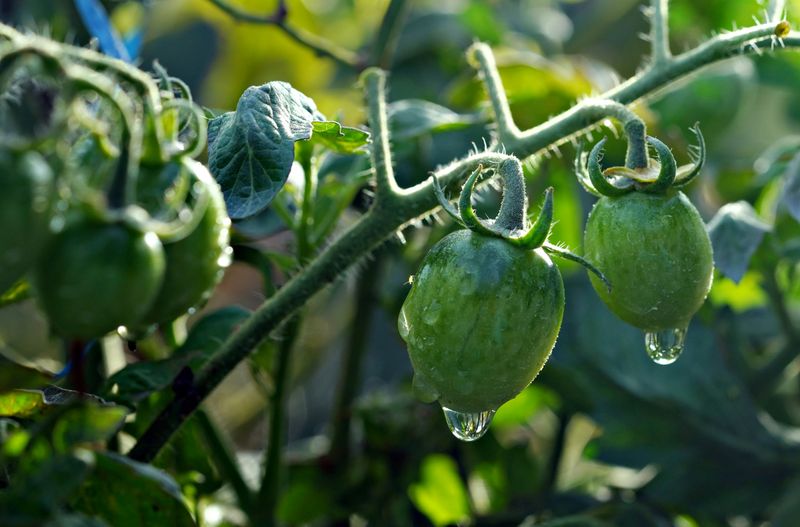
Your tomato plant is basically a balloon, and water is the air inside it.
When you water heavily one day and skip the next three, the fruit expands and contracts like crazy.
That constant push and pull puts enormous pressure on the skin.
Tomatoes absorb water fast when they get it after a dry stretch.
The inside of the fruit swells up faster than the outer skin can stretch.
The result is a split that runs right down the side or circles the top of the fruit.
Aim for one to two inches of water per week, spread out evenly.
A drip irrigation system or soaker hose makes this much easier to manage.
Consistency is the single most powerful weapon against splitting.
Check your soil moisture every day by sticking a finger about two inches deep.
If it feels dry, it is time to water.
If it feels damp, give it another day before reaching for the hose.
Sudden Heavy Rain After A Dry Spell
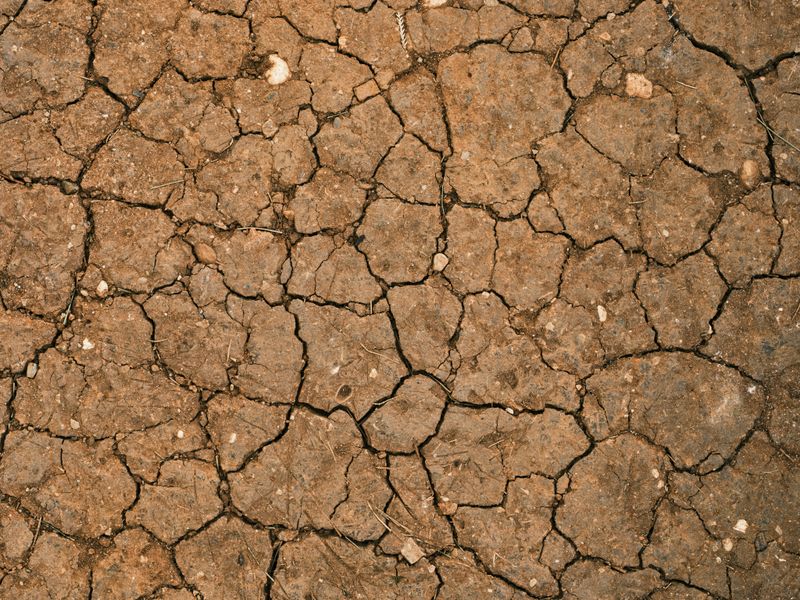
New Jersey has a talent for extremes, and your tomato plants have no choice but to deal with them.
When a heavy storm rolls in after a dry stretch, the plant does exactly what it is designed to do, it absorbs as much water as it can, as fast as it can.
The problem is that the fruit cannot expand quickly enough to handle that sudden rush, and the skin gives way before it has a chance to catch up.
The good news is that you can take steps before the storm even arrives.
If rain is in the forecast, water your plants deeply the day before.
A plant that is already well-hydrated absorbs far less during a downpour, which takes the pressure off the fruit significantly.
During heavy rain events, laying a temporary row cover over your plants can help.
Plastic sheeting works just as well and is easy to find at any garden center.
Neither option is perfect, but both slow down how much moisture hits the soil at once.
That small buffer gives your tomatoes enough time to adjust without cracking.
Your New Jersey Garden Changes Every Week. Your Plan Should Too.
Gardening in New Jersey changes quickly throughout the season. Every Friday you’ll receive a simple weekly plan showing exactly what to plant, prune, fertilize, harvest, and protect so you never miss the right timing.
Improving your soil drainage before the season starts also makes a real difference.
When water moves through the ground freely instead of pooling around the roots, the plant absorbs it at a slower and more manageable pace.
You cannot stop the rain, but you can make sure your garden is ready for it.
Too Much Nitrogen In The Soil
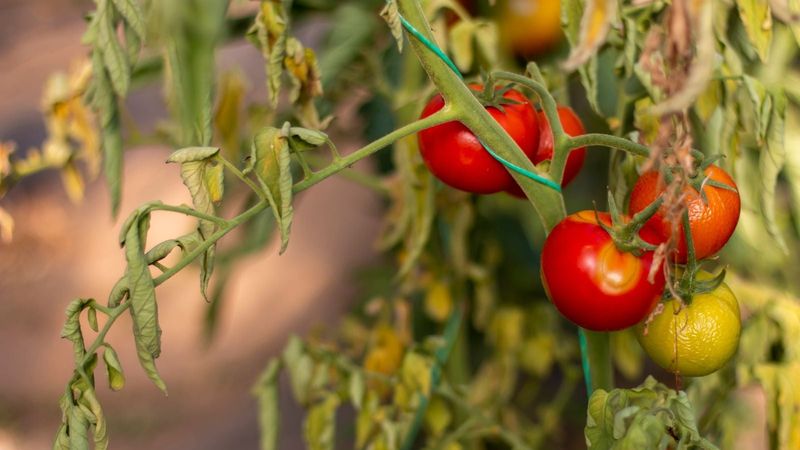
Nitrogen is the nutrient that makes plants grow big, green, and fast.
But too much of it sends your tomato plant into a leafy frenzy that actually works against fruit quality.
When the plant focuses all its energy on growing foliage, the fruit development gets thrown off balance.
Excess nitrogen pushes rapid, uneven growth inside the tomato.
The cells multiply quickly but unevenly, creating internal pressure that the skin cannot handle.
The result looks like the tomato exploded from the inside out.
Before planting, get your soil tested through your local New Jersey cooperative extension office.
A simple test tells you exactly what your soil needs so you are not guessing.
Balanced fertilizers with equal parts nitrogen, phosphorus, and potassium work much better for fruiting crops.
Once your plants start flowering, switch to a low-nitrogen fertilizer.
Products labeled specifically for tomatoes are formulated to support fruit development rather than leaf growth.
Read the label carefully and resist the urge to add more than recommended, because more is definitely not better here.
Leaving Tomatoes On The Vine Too Long
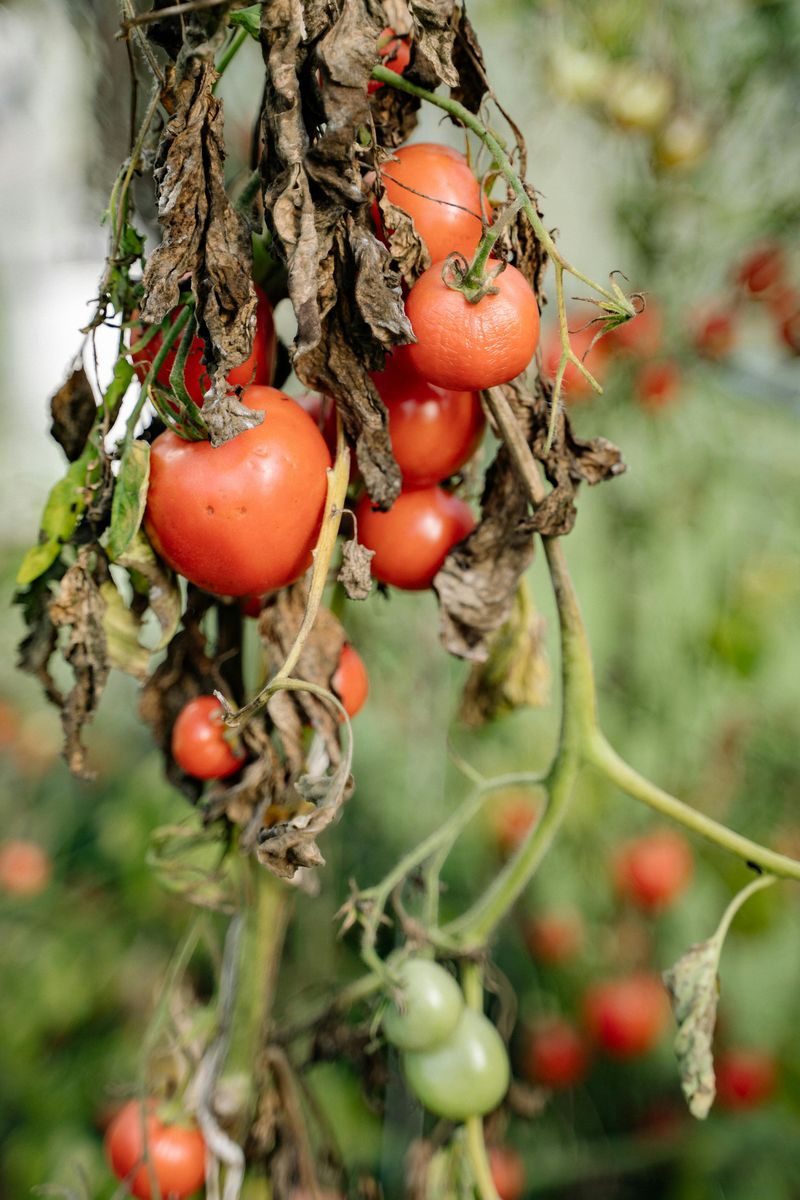
Patience is a virtue, but not when your tomatoes have been fully ripe for a week.
The longer a tomato hangs on the vine past peak ripeness, the more vulnerable its skin becomes.
That tough protective layer starts to break down, making splitting almost inevitable.
As a tomato ages on the vine, the skin loses its natural elasticity.
Any sudden moisture change, even a light rain, can trigger a crack in overripe fruit.
The flesh inside is also softer and more prone to rapid water absorption at that stage.
Most tomatoes are ready to pick when they feel slightly soft to a gentle squeeze and the color is deep and even.
You do not need to wait for perfection on the vine.
Tomatoes ripen beautifully on a countertop at room temperature after picking.
Make a habit of walking through your garden every two days during peak season.
Pick anything that looks close to fully ripe before it has a chance to crack.
Pick early, and the plant does not mourn the loss, it gets back to work on everything still hanging on the vine.
Poor Soil Drainage
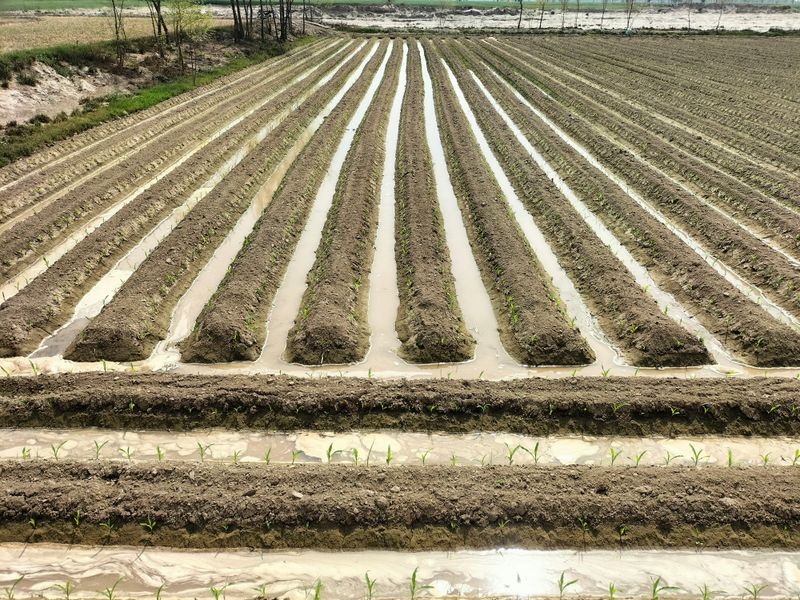
Standing water around your tomato roots is a silent saboteur that most gardeners overlook completely.
When soil holds too much water and cannot drain properly, the roots absorb moisture far beyond what the plant needs.
All that extra water has to go somewhere, and it goes straight into the fruit.
Heavy clay soils are common across many parts of New Jersey, and they are notorious for holding water too long.
After a rainstorm, clay soil can stay saturated for days.
Your tomato roots sit in that puddle and keep pulling moisture in, causing rapid fruit expansion and splitting.
Improving drainage starts with amending your soil before planting season.
Mixing in compost, aged manure, or perlite loosens clay and helps water move through more freely.
Raised garden beds are another excellent option because they naturally drain better than in-ground plots.
If your yard has areas that flood regularly, consider relocating your tomato patch to higher ground.
You can also build simple French drains or berms to redirect water away from your planting area.
If your soil cannot drain properly, nothing else you do in that garden really matters.
Extreme Heat And Temperature Swings
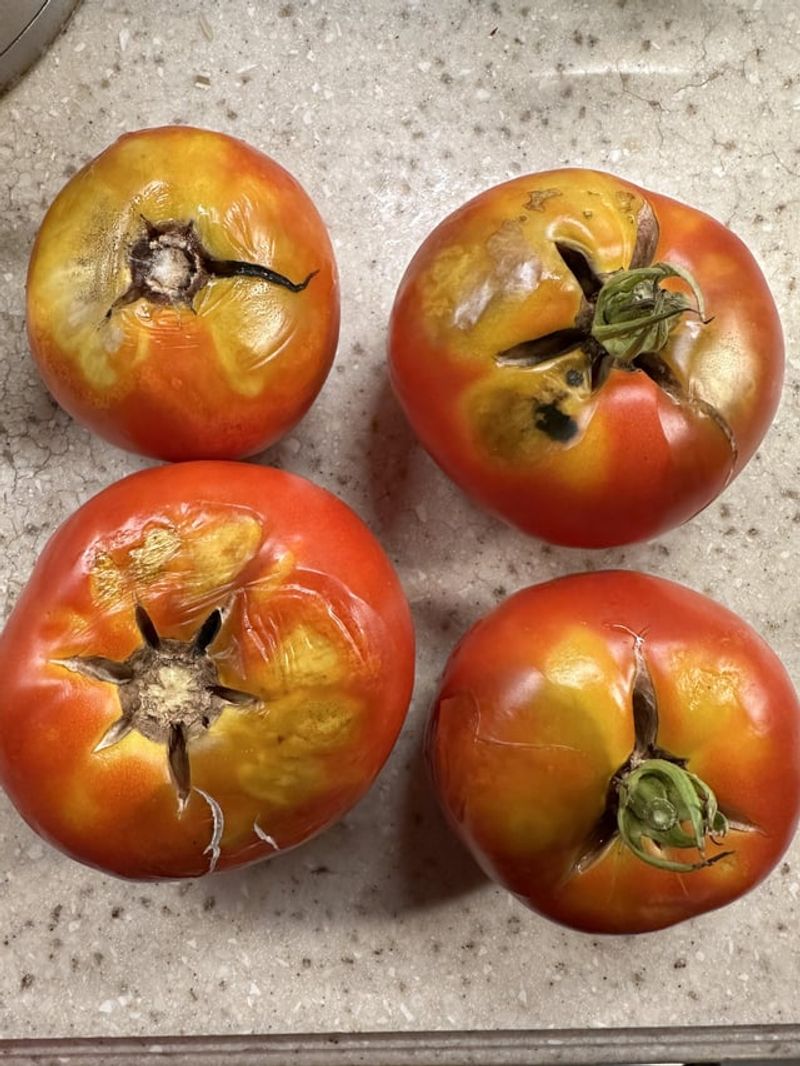
New Jersey summers can feel like a different climate every single week.
Temperatures swing from cool and cloudy to blazing hot within a matter of days, and tomatoes feel every single degree of that change.
Those rapid shifts mess with how evenly the fruit develops, and the skin ends up paying the price.
When heat spikes suddenly, plants pump water into the fruit quickly to stay hydrated.
The inside swells fast while the outer skin stays rigid from the heat stress.
Cracks form along the shoulders or around the stem end of the tomato, exactly where the skin is at its thinnest and most vulnerable.
Shade cloth stretched over your plants during peak afternoon heat can make a noticeable difference.
A layer of protection from the most intense sun slows down the rapid temperature changes your fruit experiences.
Even a simple row cover draped loosely overhead helps moderate conditions around the plant.
Watering in the early morning rather than midday also keeps root-zone temperatures more stable throughout the day.
Slow and steady does not just win the race, it wins the harvest.
Wrong Tomato Variety For The Climate
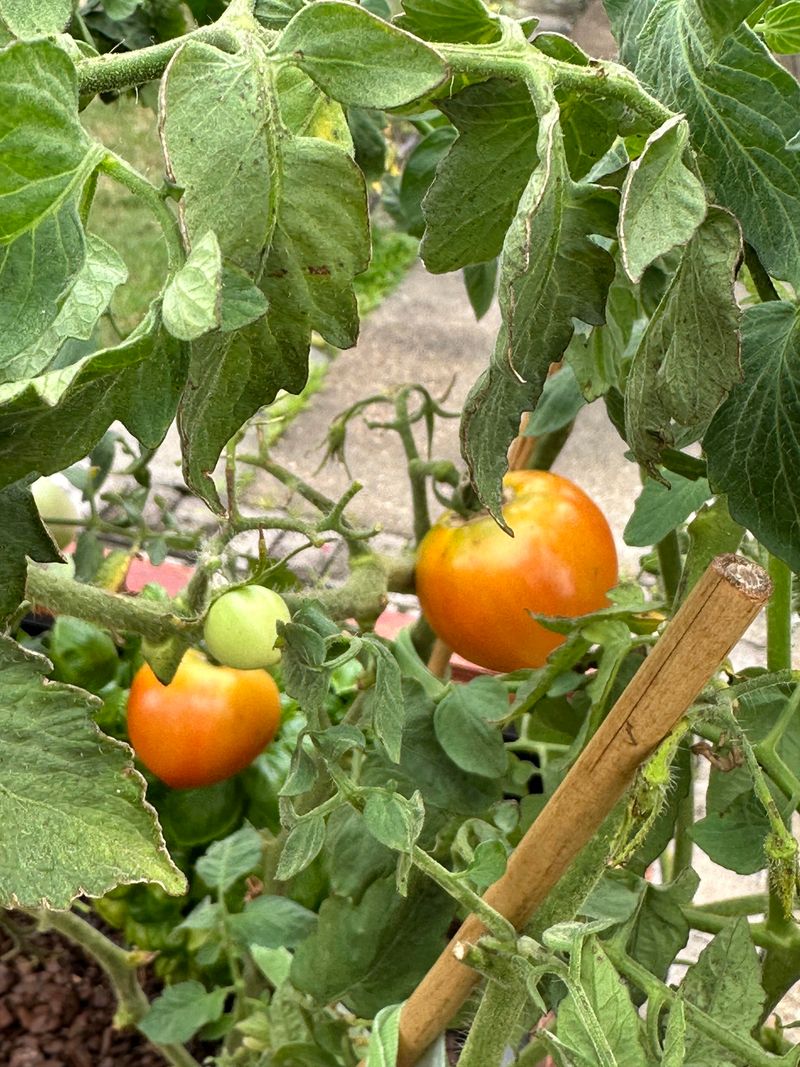
Picking the wrong tomato variety for New Jersey is a bit like wearing a winter coat in August.
It just was not made for what you are about to put it through.
Some varieties have thin skin that cracks at the first sign of moisture stress.
Choosing the wrong type for your local conditions is one of the most common and easily fixed mistakes home gardeners make.
Heirloom tomatoes are gorgeous and flavorful, but many of them have delicate skin that splits easily.
They were bred for flavor, not weather resilience.
If you live in an area with heavy summer rain or wide temperature swings, a crack-resistant hybrid may serve you better.
Look for tomato varieties specifically labeled as crack-resistant or disease-tolerant when shopping for seeds or transplants.
Varieties like Mountain Fresh, Celebrity, and Jet Star perform well in humid, variable climates similar to what New Jersey offers.
Your local garden center staff can point you toward what grows best in your specific county.
Trying two or three different varieties in the same season is a smart strategy.
You get to compare how each one handles your local conditions firsthand.
Two seasons of paying attention beats ten years of guessing.
Not Using Mulch
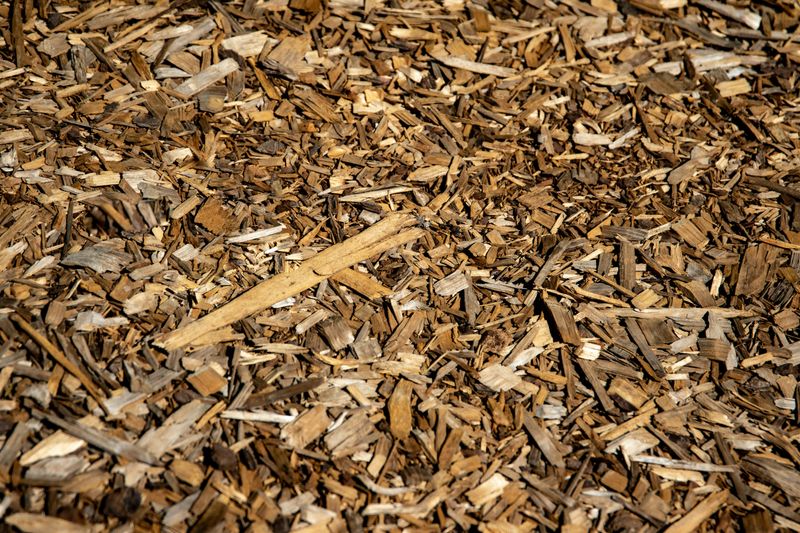
Bare soil around your tomato plants is basically an open invitation for moisture problems.
Without a protective layer on top, the ground heats up fast, dries out quickly, and then soaks up rain like a sponge.
That cycle of extreme dry and wet is exactly what triggers splitting.
Mulch acts as a buffer between your plants and all of that chaos.
A two to three inch layer of straw, wood chips, or shredded leaves keeps soil moisture levels far more consistent.
When the ground stays evenly moist, your tomatoes absorb water at a slow and steady pace instead of all at once.
Apply mulch right after transplanting your seedlings in spring.
Keep it a few inches away from the main stem to prevent rot at the base.
Refresh the layer mid-season if it breaks down or thins out from rain and foot traffic.
Mulch also keeps soil temperatures cooler during heat waves, which is a bonus benefit for New Jersey gardeners.
Cooler roots mean a calmer plant overall, one that handles stress without sending a flood of water into its fruit.
Do not believe it makes that much difference?
Try one bed with mulch and one without.
Your tomatoes will settle the argument by August.
Planting Too Close Together
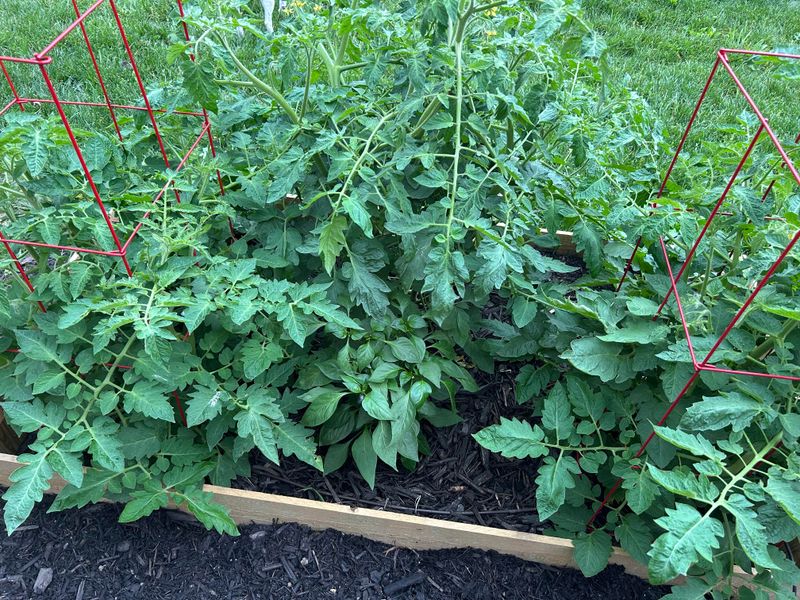
Think of poor spacing as a multiplier.
It does not cause splitting by itself, but it amplifies every other problem on this list until something gives.
Nobody plants too close together on purpose.
It just happens, one extra seedling here, a little optimism there.
And suddenly your garden is a humidity trap that your tomatoes cannot escape.
When tomato plants grow too close together, air cannot move freely between them.
That trapped air stays humid and warm, especially during New Jersey summers when the air is already thick with moisture.
High humidity around the plant affects how evenly the fruit develops and makes the skin far more sensitive to any sudden change in water intake.
Crowded plants also compete aggressively for the same water and nutrients in the soil.
One plant may absorb a disproportionate amount after rainfall while the other goes without.
That uneven distribution creates exactly the kind of stress that makes splitting far more likely, especially if watering is already inconsistent.
Most determinate varieties need at least 24 to 36 inches of space between plants, while indeterminate varieties do better with 36 to 48 inches.
Staking and pruning also become much harder when plants are crowded, which means more leaves are blocking airflow and trapping humidity against the fruit.
If space is limited in your garden, growing in raised beds or large containers gives you more control over spacing and drainage at the same time.
Take the time to plan your layout before planting and resist the urge to squeeze in just one more plant.
Give your tomatoes room to breathe and they will give you a harvest worth talking about.