New York Homeowners Should Stop Feeding Roses In September For This Important Reason
That first cool morning in September, when the air carries the smell of fallen apples and the grass stays wet until the sun catches up, your roses are quietly sending you a message.
They are not asking for another boost of fertilizer. They are getting ready to slow their growth, strengthen their stems, and store energy for the long winter ahead.
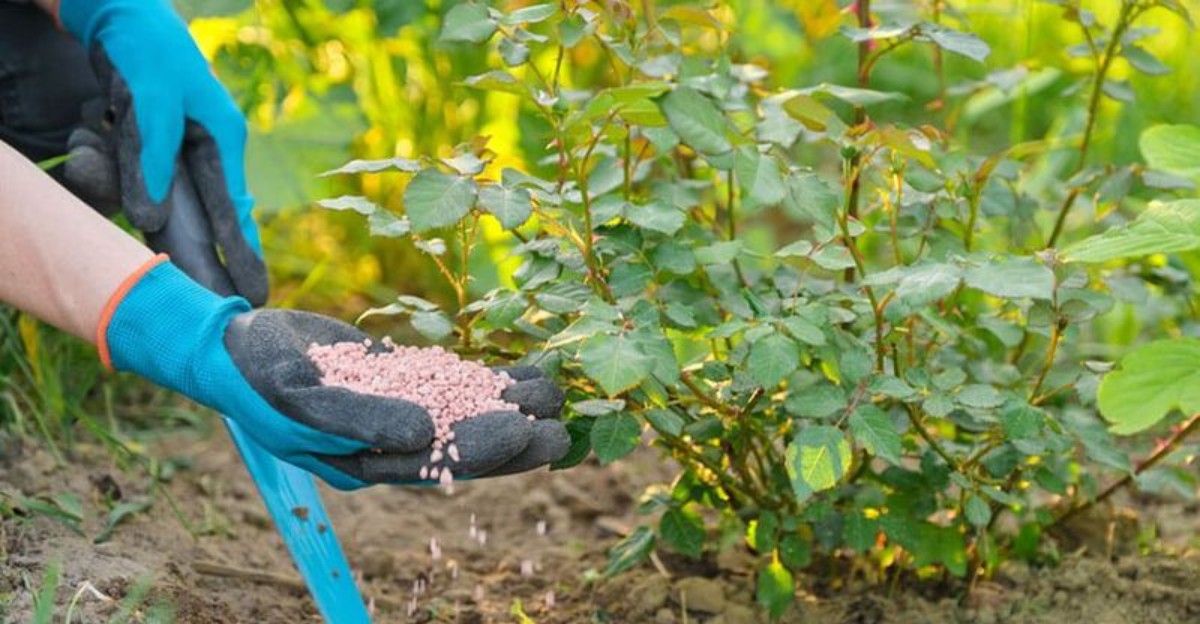
Still, many New York gardeners reach for the fertilizer, hoping for one final wave of blooms. The problem is that late-season feeding can encourage tender new growth when roses should be hardening off for winter.
Those fresh shoots are more vulnerable to freezing temperatures and may leave the plant with damaged growth before spring returns. So put the fertilizer aside for now and let your roses shift into winter mode.
1. Understand Why Late Fertilizing Can Encourage Tender New Growth
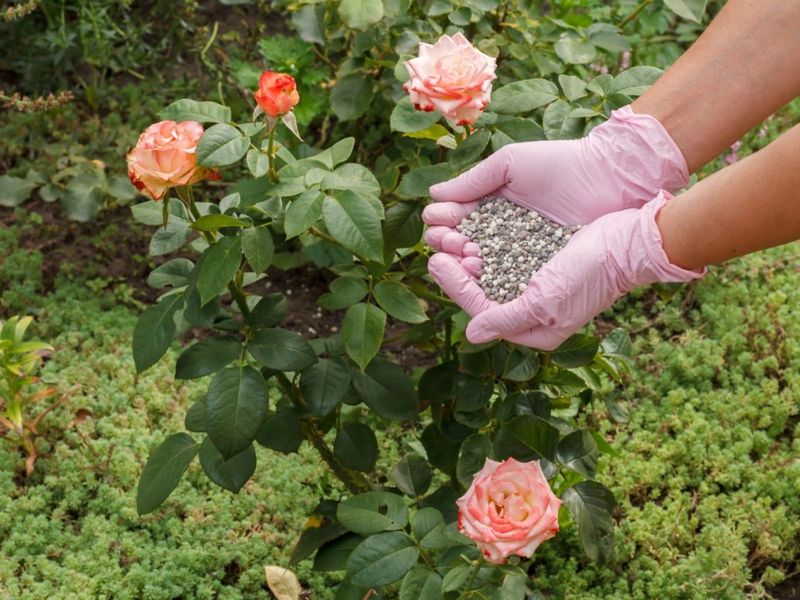
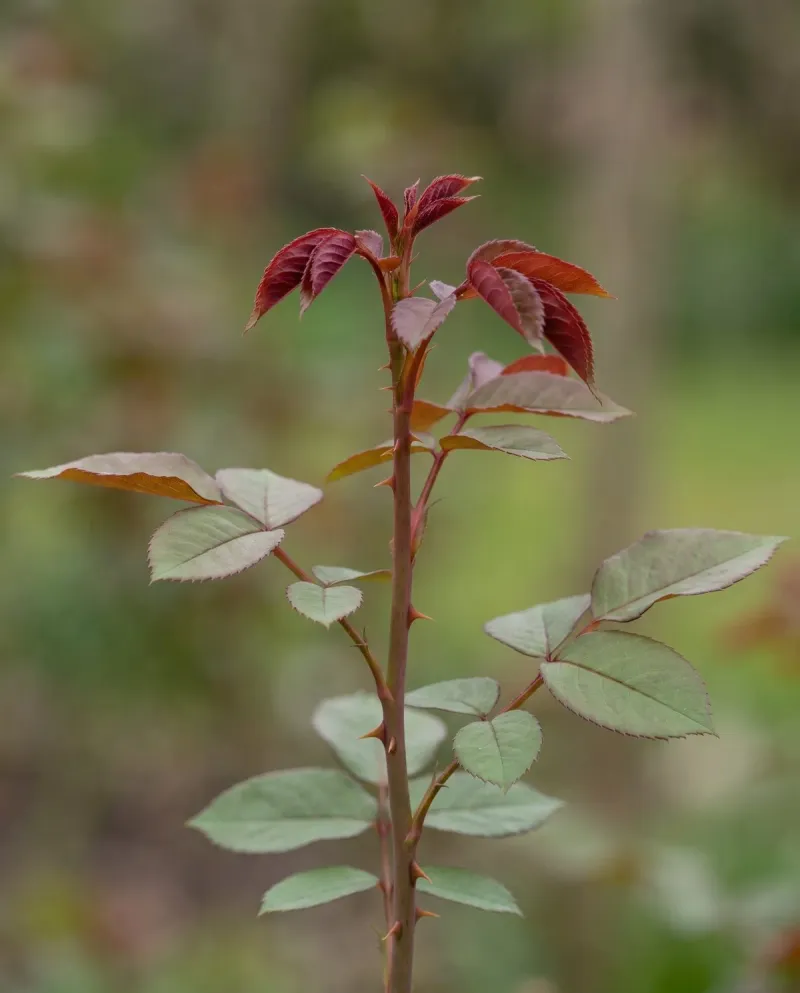
Nitrogen is basically a wake-up call for a rose bush. Feed it in September and the plant responds the only way it knows how, by pushing out fresh red shoots and soft leaves.
Those baby stems are full of water and have thin, unfinished cell walls. They need time to mature and harden before freezing temperatures arrive, and late-season growth in New York may not have enough time to fully prepare before the first hard frosts.
When the first real frost arrives, that soft growth gets hit hardest. Blackened tips, mushy shoot ends, and dieback down the cane are the usual results, and the damage often creeps further than you expect.
There is a second cost that gardeners tend to miss. Every bit of energy spent on doomed new shoots is energy that did not go into thickening roots and storing carbohydrates underground.
Roots are the savings account that funds next spring’s growth. A rose that spent September showing off has less in the bank when March rolls around.
Stopping fertilizer several weeks before the expected first hard frost gives the plant time to slow growth, mature stems, and prepare for winter. Growth slows, stems mature, and the wood hardens naturally before cold weather settles over the state.
Think of it as helping your rose finish its homework before the deadline.
2. Recognize When Roses Begin Preparing For Winter Dormancy
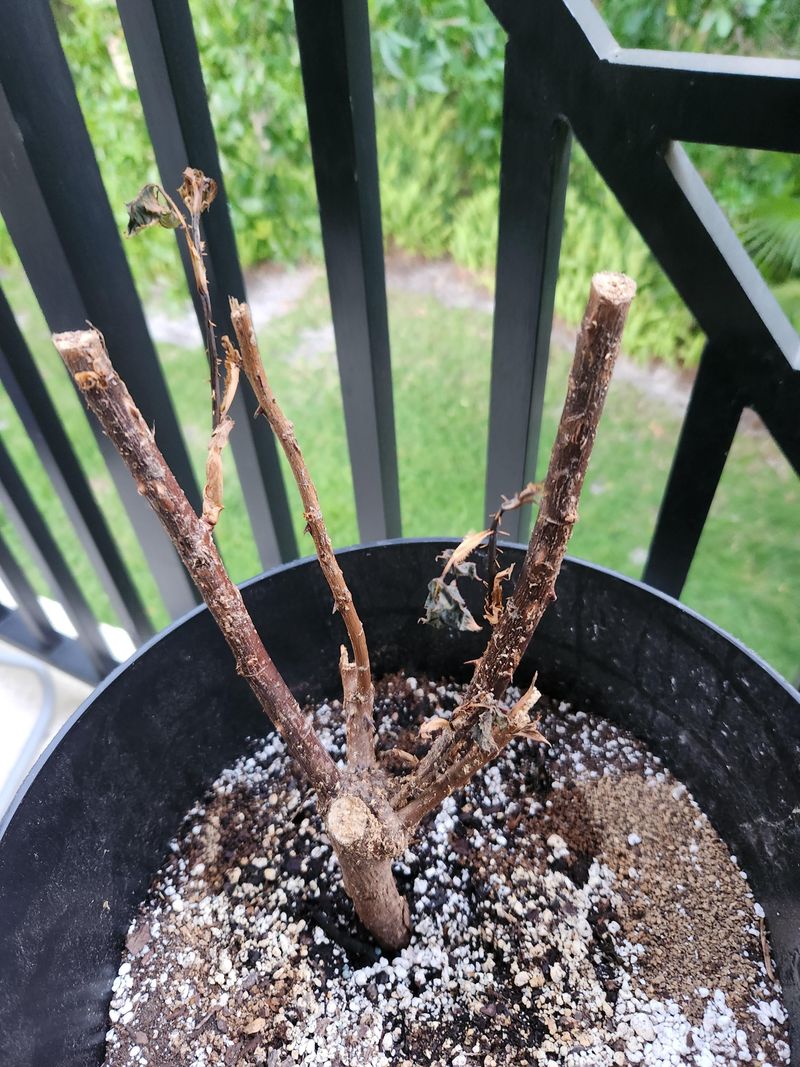
Roses keep a calendar, and they read it through daylight and temperature. Once the days shorten noticeably and nights cool off, the whole plant starts shifting gears without any help from you.
Watch for the clues. Growth slows down, leaf color deepens or begins to yellow, and new buds appear less often and open more slowly than they did in July.
The clearest signal of all is the rose hip. When spent flowers are left alone, they swell into round orange or red seed pods along the stems.
Rose hips signal that flowers have moved into seed production, and allowing them to form can encourage the plant to slow its focus on producing new blooms.
In much of the state, this natural wind-down begins in early September and picks up speed through October. Gardeners who keep feeding and fussing are basically arguing with the plant’s own instincts.
Your New York Garden Changes Every Week. Your Plan Should Too.
Gardening in New York changes quickly throughout the season. Every Friday you’ll receive a simple weekly plan showing exactly what to plant, prune, fertilize, harvest, and protect so you never miss the right timing.
Fun bit of history: rose hips were harvested across Britain during World War II for vitamin C syrup when citrus was scarce.
So let the hips form. They feed birds, look charming against snow, and tell your roses that rest time has officially started.
3. Adjust Rose Care As Temperatures Start To Cool
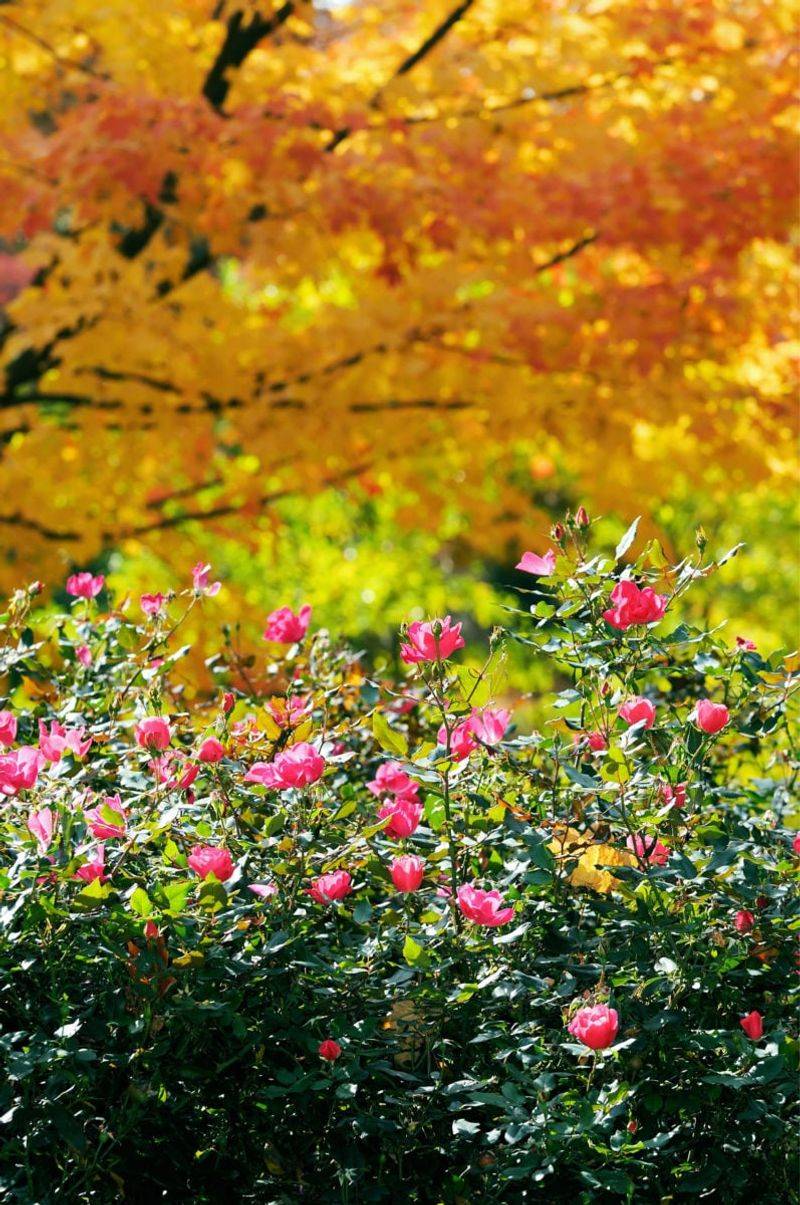
Fall rose care is less about doing more and more about doing less, on purpose. A few small changes protect months of work.
Step one is simple. Put away the fertilizer by early September if you garden anywhere in New York, from Long Island to the Adirondack foothills.
Step two involves the pruners. Reduce or stop trimming off spent blooms several weeks before your expected first hard frost, especially if you want the plant to focus on winter preparation rather than producing fresh growth.
Watering, though, keeps going. Roses still need moisture until the ground freezes solid, and a dry root zone heading into winter causes more trouble than cold air does.
Give each bush a deep soak once a week during dry spells rather than frequent light sprinkles. Deep water encourages roots to stay down where soil temperatures stay steadier.
Aim the hose at the soil, not the leaves. Cool autumn evenings plus wet foliage is an open invitation for blackspot and powdery mildew.
Skip any heavy pruning too. Cutting back hard right now triggers the same soft growth that fertilizer does, which defeats the whole purpose. Small tweaks, big payoff by spring.
4. Use Fall Cleanup To Support Healthier Rose Plants
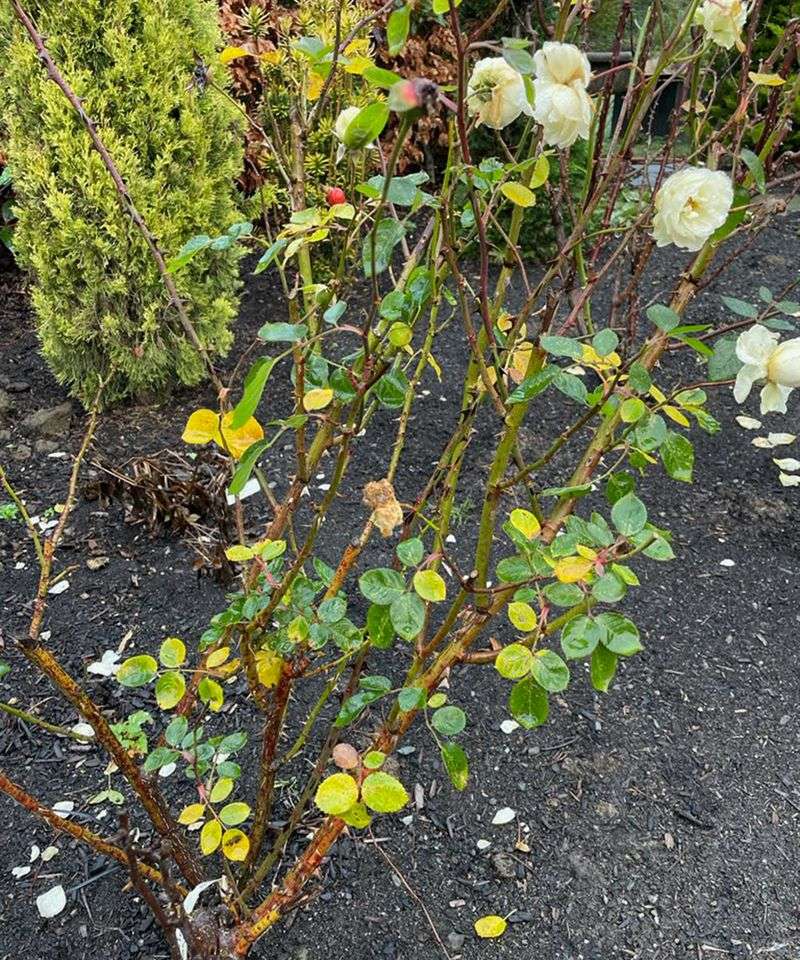
Ask any experienced grower about the single most useful hour they spend in autumn, and cleanup usually tops the list. It is unglamorous work that pays dividends.
Fallen rose leaves are not harmless litter. Blackspot spores overwinter in that debris and splash right back onto fresh spring leaves with the first rains.
Rake up every leaf, petal, and twig from under each bush. Bag the debris rather than composting it, since home compost piles rarely get hot enough to neutralize fungal spores.
Next, look at the plant itself. Clip off any spotted or yellowed leaves still clinging to the canes, using sharp, clean shears so you do not tear the stem.
Remove broken, cracked, or clearly unhealthy canes while you are there. Wipe your blades with rubbing alcohol between bushes to avoid spreading trouble around the bed.
Once most leaves have dropped, a dormant spray such as lime sulfur or horticultural oil coats the canes and soil surface. It knocks back overwintering pests and fungal spores before they settle in.
New York gardens deal with plenty of damp autumn weather, so this cleanup matters more here than in dry climates.
5. Protect Rose Roots With Proper Mulching Techniques
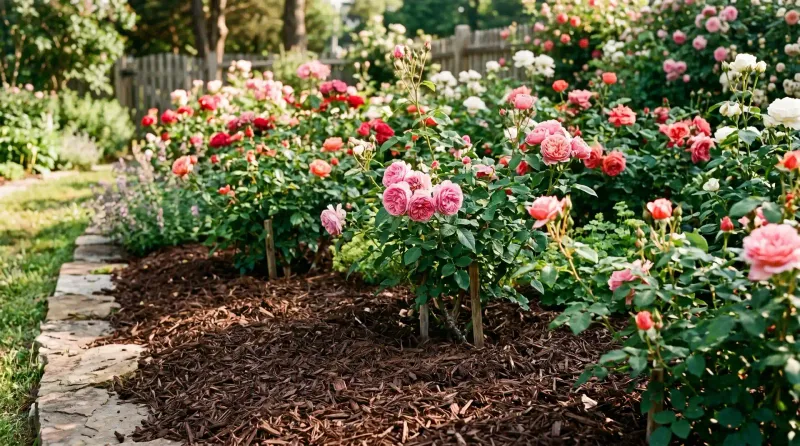
Timing trips up more gardeners than technique does. Winter mulch is not meant to keep roots cozy, it is meant to keep soil temperature steady.
Wait until the ground has taken two or three hard freezes. In much of the state, that lands somewhere around Thanksgiving, when nights hover near 20 degrees for several days running.
Mulching too early traps warmth, encourages rodents to move in, and can coax the plant into thinking spring arrived. Patience beats enthusiasm here.
When the time comes, mound soil, compost, or mulch about six to twelve inches deep around the base of each bush. Hybrid teas and grafted climbers especially need that graft union buried and shielded.
Coarse materials work best because they hold insulating air pockets. Shredded bark, wood shavings, dry oak leaves, straw, pine needles, or aged compost all do the job nicely.
Leave a gap of two to six inches right around the stems. Packing material tight against the crown traps moisture and invites rot.
Come spring, pull the mound away gradually as new growth appears. Removing it all at once exposes tender shoots to late frosts. Steady soil, happy roots.
6. Check Roses For Disease Issues Before Winter Arrives
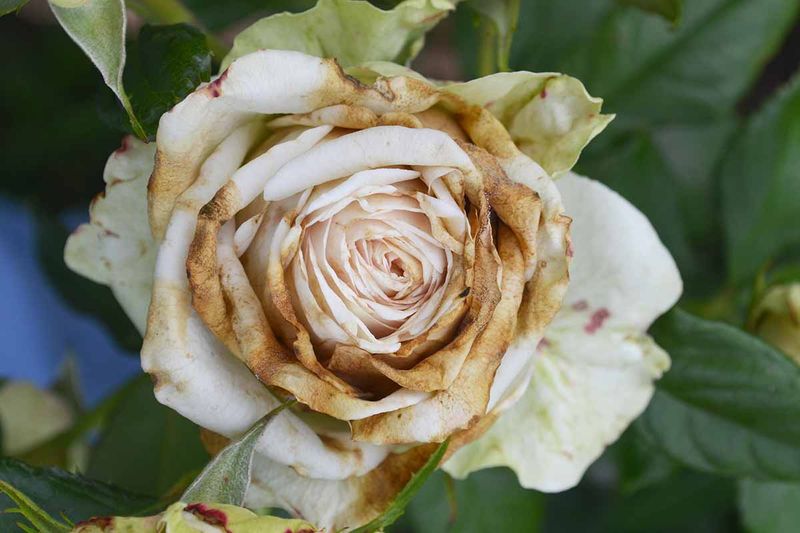
Spotted leaves in September send gardeners into a panic every year. Often the yellowing and dropping is just normal dormancy, not a crisis.
Still, a careful walk-through pays off. Look at leaf undersides, along cane joints, and at the soil surface for signs of blackspot, rust, or powdery mildew.
Blackspot shows as dark round spots with fringed edges, usually on lower leaves first. Rust appears as orange powdery pustules underneath the foliage.
Whatever you find, the response is the same. Strip off affected leaves, gather anything that has fallen, and get that material out of the garden entirely.
Spraying fungicide now does little good because the leaves are on their way out anyway. Sanitation is the real weapon at this point in the season.
After most foliage has dropped, a lime sulfur dormant spray coats canes and the ground beneath. It reduces the spore population waiting to greet you in April.
Also check for cane borers, which leave small round holes in cut stem ends. Sealing fresh cuts with a dab of white glue blocks them. Humid summers make this inspection especially worthwhile.
7. Remove Spent Blooms Without Encouraging Fresh Growth
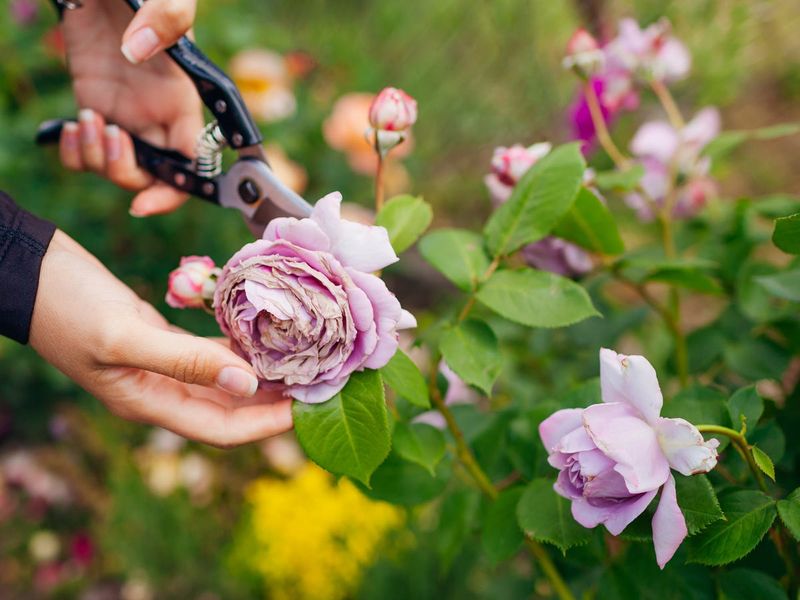
Trimming spent blooms feels almost automatic by August. Snip the faded flower, get another bloom, repeat all summer long.
Autumn flips the logic. Every cut you make signals the rose to produce more flowers, and more flowers means more soft growth heading into frost season.
Set Labor Day as your stopping point, or count back six to eight weeks from your average first frost date. For most gardens that lands in early to mid September.
After that, leave the spent blooms alone and let them swell into hips. The plant reads hip formation as a clear end-of-season cue.
If tidiness nags at you, there is a middle path. Pinch off just the withered petals with your fingers while leaving the swelling base of the flower intact.
Hips bring real benefits beyond signaling. Cardinals, robins, and cedar waxwings snack on them all winter, and frosted orange hips look striking against gray December light.
Once-blooming shrub roses and species types put on the showiest hip display. Rugosas produce fat, tomato-like hips that hold color for months.
Let the garden look a little wild. It is working.
8. Maintain Soil Health Without Adding Excess Nutrients
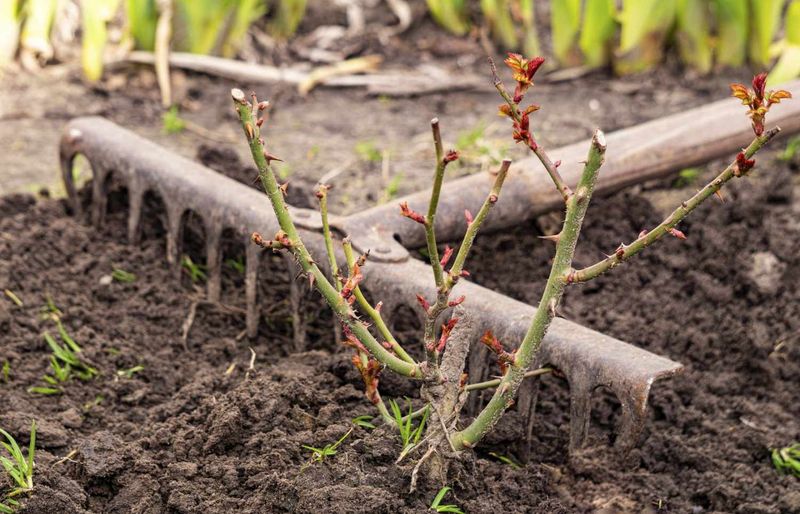
Skipping fertilizer does not mean ignoring your soil. Fall is honestly one of the best windows for improving what happens underground.
The distinction matters. Feeding the plant pushes growth, while feeding the soil builds structure, drainage, and microbial life for the long haul.
Spread a two to three inch layer of well-aged compost or thoroughly rotted manure over the bed. Worms and freeze-thaw cycles will work it down through winter without any effort from you.
Organic matter improves clay soils common across parts of New York by opening up air channels. It also helps sandy soils hold moisture better through summer.
Avoid fresh manure, which runs hot with nitrogen and can burn roots. Aged material that smells earthy rather than sharp is what you want.
If you prefer a slow-release product, choose one low in nitrogen but higher in phosphorus and potassium. Potassium in particular supports cold hardiness and sturdier cell walls.
Even then, apply it no later than six to eight weeks before your first frost. Timing rules still apply regardless of the formula.
Healthy soil means less fertilizer dependence overall next season.
9. Prepare Rose Canes For Changing Weather
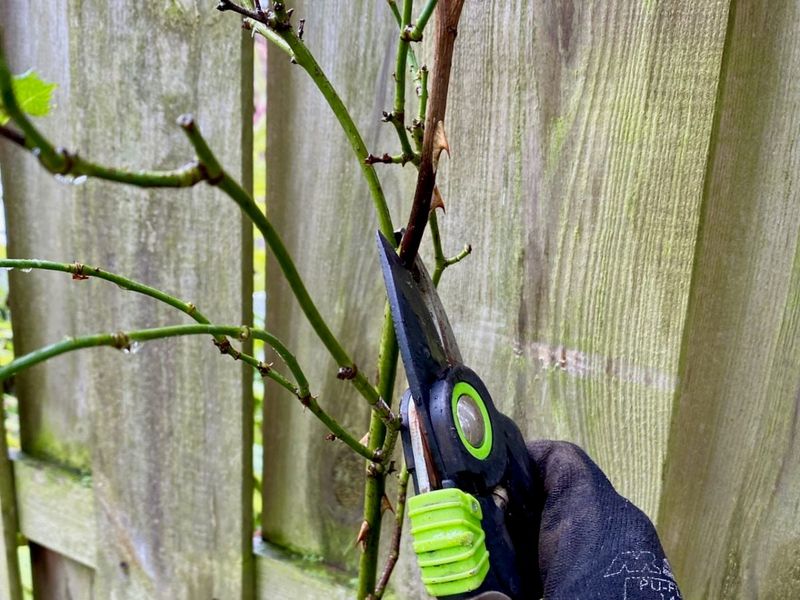
Wind does more damage to roses than cold does, and most gardeners find that out the hard way. A long cane whipping in a January gale rocks the whole root ball loose.
After several hard frosts, consider shortening very tall or exposed canes only if needed to prevent winter damage. Save major pruning for spring. That is not real pruning, just wind management.
Save the serious cutting for spring. Heavy pruning now wakes up dormant buds you would rather keep sleeping.
Bundle taller shrubs and climbers by tying the canes loosely together with twine or strips of soft cloth. Loose is the key word, since tight ties cut into bark as canes shift.
Climbers appreciate extra attention. Wrap them in breathable burlap, or in harsher upstate areas, detach the canes, lay them down, and cover with soil and mulch.
Burlap helps reduce drying winter winds and temperature swings. Both desiccation and freezing temperatures can contribute to cane damage.
Plastic wrap is a poor substitute because it traps moisture and cooks canes on sunny days. Secure canes ride out winter far better.
10. Plan Spring Rose Care During The Fall Season
Some of the best garden thinking happens with a notebook and a mug of coffee, not a shovel. Autumn gives you both the time and the perspective.
Walk the beds and jot down what actually happened this year. Which bush bloomed hardest, which one sulked, which corner stayed too shady or too soggy.
Note disease patterns too. A rose that battled blackspot every summer may simply be in a spot with poor air movement, and moving it in spring solves more than spraying ever did.
Fall is also prime shopping season for catalogs and research. Hardy shrub roses, rugosas, and Canadian Explorer series varieties often perform well in winters, though protection needs vary by location and growing conditions.
Own-root roses deserve a look as well. If winter damages the top growth, they regrow true to type instead of reverting to rootstock.
Make a short spring to-do list while everything is fresh. Pruning dates, mulch removal timing, and any plants you want to relocate all belong on it.
Roses that go into winter clean, hydrated, and unfertilized wake up ready to work. Your quiet September restraint becomes June’s best flush.