That Rotten Smell In Your Long Island Yard After The Nor’easter Has A Cause
Rotten eggs and soggy soil share the same chemical calling card. That sharp sulfur stink comes from hydrogen sulfide, a gas made by tiny microbes that work without oxygen.
After a big Nor’easter rolls across Long Island, those microbes get their moment. Rain fills every air pocket in the ground, and the oxygen-loving crowd steps aside. The smell can hang around for days in low spots, mulch beds, and shady corners.
I like a mystery, but not one that makes me hold my breath while checking the hydrangeas. Personally, I want to know whether my yard is just grumpy or trying to warn me about something bigger. You need to know the difference too.
Some causes fix themselves once the sun comes out. Others point to cracked pipes, a tired septic tank, or a beach full of soggy seaweed.
So which one is lurking under your lawn?
Waterlogged Lawn Soil Is Sending You A Smelly Message
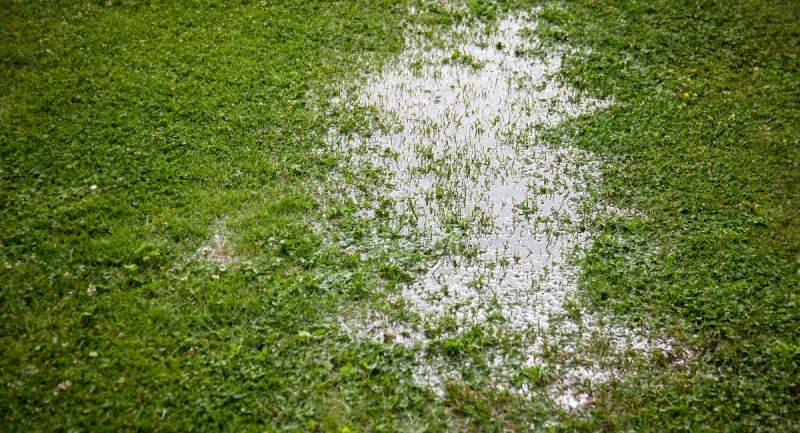
Soil breathes, believe it or not. Healthy ground is full of tiny air spaces between grains of sand, silt, and clay.
Roots, worms, and helpful microbes all rely on that air.
A Nor’easter can dump several inches of rain in a day or two. That water pushes air out of those spaces and fills them up.
When oxygen runs low, a different team of microbes takes over the job of breaking down roots, thatch, and old leaves.
These anaerobic bacteria work slowly and messily. Instead of turning organic matter into harmless carbon dioxide, they release sulfur gases and other sour compounds.
That is the rotten egg smell drifting up from your lawn.
I find it fascinating that the same process happens in salt marshes along the South Shore. Marsh mud smells like sulfur for the exact same reason.
Your yard is basically acting like a tiny wetland for a few days.
The smell is usually strongest where water sits longest. Look at dips in the lawn, spots near downspouts, and corners beside fences or patios.
Heavy clay patches and compacted paths are common trouble zones.
Most of the time, this odor fades as the ground drains and air returns. Sunshine, wind, and a few dry days often do the trick.
If it lingers for a week or more, though, keep reading, because something else may be going on.
Sniff Test Clues That Separate Soggy Soil From Sewage
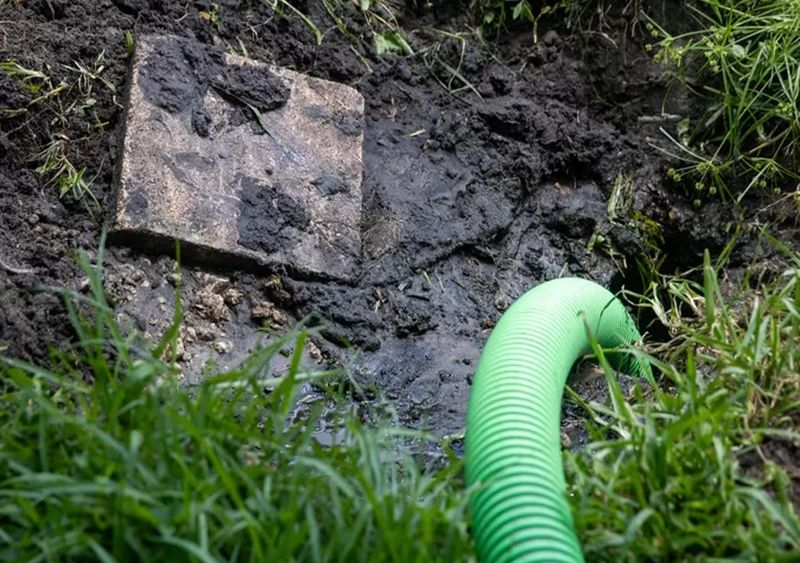
Your nose is a surprisingly good detective. Different smells often point to different sources, so take a slow walk around the yard and pay attention.
A sour, swampy, or rotten egg odor spread around low areas usually means waterlogged soil. It tends to be strongest right after the storm and weakens each sunny day.
You might notice it more in the morning when air is still.
A heavy, musty, or mildew-like smell near flower beds often comes from wet mulch or piles of leaves. Lift a handful and sniff it.
If the mulch is matted, slimy, or gray underneath, you found your culprit.
Your New York Garden Changes Every Week. Your Plan Should Too.
Gardening in New York changes quickly throughout the season. Every Friday you’ll receive a simple weekly plan showing exactly what to plant, prune, fertilize, harvest, and protect so you never miss the right timing.
A true sewage smell is different. It is sharper, more like a bathroom, and it often stays in one spot.
Watch for it near your septic tank lid, drain field, cleanout pipe, or the path where your sewer line runs to the street.
Fishy or briny stink near the water usually means marine debris. If you live close to a bay or the ocean, the wind can carry it surprisingly far.
Here is a quick tip I use. Note where the smell is strongest, what time of day it appears, and whether it gets better or worse over three days.
Those simple notes can save a contractor time and save you money.
Septic Tanks And Drain Fields Struggle After Heavy Rain
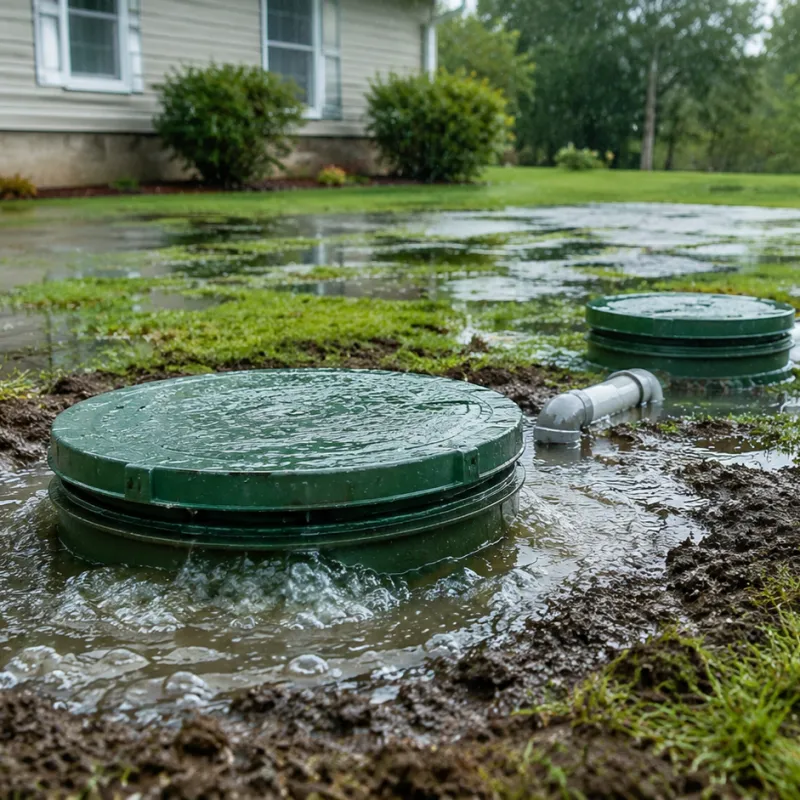
Long Island has a lot of septic systems and cesspools. Suffolk County alone has hundreds of thousands of homes that are not connected to public sewers.
That makes storm season a stress test for many backyards.
A drain field works by letting wastewater soak slowly into the soil. After a Nor’easter, that soil is already packed with rainwater.
There is simply nowhere for the extra liquid to go.
When that happens, untreated wastewater can rise toward the surface. You may notice spongy grass, unusually bright green strips, standing water near the tank, or gurgling drains inside the house.
A sewage smell outdoors is a big warning sign.
Keep kids and pets away from any soggy area that smells like waste. That water can carry bacteria and viruses.
Wash your hands well after working nearby.
Try to go easy on water use for a few days. Spread out laundry loads, take shorter showers, and skip the dishwasher when you can.
Less water flowing in gives the system a chance to recover.
If the smell continues after the ground dries, call a licensed septic professional. Many tanks need pumping every three to five years.
Suffolk County also offers grant programs for upgrading to newer nitrogen-reducing systems, which is worth a look if your setup is old.
Cracked Sewer Lines Can Push Odors Up Through The Grass

Old pipes have a way of keeping secrets until the rain arrives. Many Long Island homes were built decades ago with clay or cast iron sewer lines.
Over time, tree roots and shifting soil can crack them.
On a dry day, a small crack might not cause much trouble. Saturated ground changes the picture.
Water pressure around the pipe can force sewer gas out through gaps and up into the soil.
Leaks also let waste seep into the ground, where rainwater spreads it around. The result is a stubborn smell in the same stretch of lawn every time it storms.
Sometimes you will see a sunken line or an oddly lush strip of grass.
Heavy storms can overwhelm public sewers too. In some low-lying neighborhoods, backups have pushed sewage into basements and streets.
If your neighbors smell it too, contact your town or sewer district.
For problems on your own property, a plumber can run a camera through the line. It shows cracks, root intrusions, and sagging sections without digging up the whole yard.
I would not wait on this one. A small repair today usually costs far less than a collapsed pipe later.
Plus, your nose will thank you every time the forecast calls for a coastal storm.
Washed Up Seaweed And Fish Bring Stink From The Shoreline
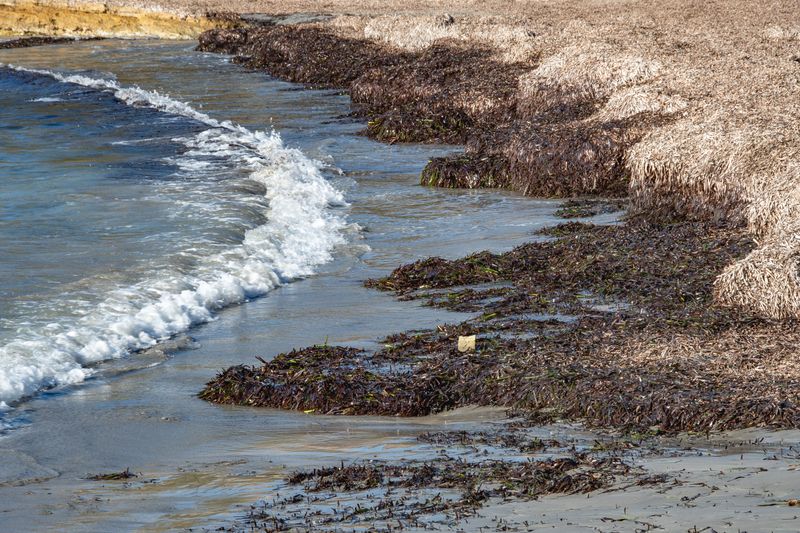
Living near the water has plenty of perks, but post-storm aroma is not one of them. Strong winds and high tides from a Nor’easter push all sorts of material onto beaches, docks, and bayfront lawns.
Seaweed is a common offender. An invasive red seaweed called Dasysiphonia japonica has been reported in Long Island waters, including the Great South Bay.
When large mats wash up and rot, they release hydrogen sulfide, the same rotten egg gas found in soggy soil.
Fish can add to the problem. Menhaden, also called bunker, sometimes gather in huge schools in local bays and canals.
Low oxygen in warm, still water has caused large fish losses on Long Island, mostly in summer, and storms can strand any fish remains still in the water.
Breezes off the water carry these odors inland. You might smell it in your backyard even if you cannot see the beach.
If debris lands on your property, rake it up with gloves on. Bag fish for the trash.
Seaweed can go into compost in small amounts once rinsed, though salt-heavy loads are better spread thin or disposed of.
For larger fish losses, report them to the New York State Department of Environmental Conservation. That information helps scientists track water quality.
Soggy Mulch And Leaf Piles Turn Sour Fast
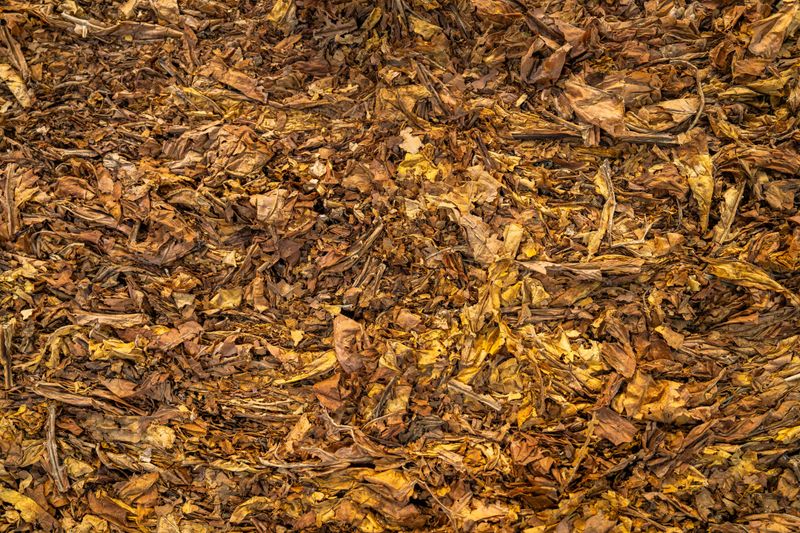
Mulch is a garden hero most of the year. After a soaking storm, though, a thick layer can turn into a stinky mess.
Wood mulch piled more than three or four inches deep traps water underneath. Air cannot reach the lower layers, so anaerobic microbes move in.
The result is often called sour mulch, and it smells like vinegar, ammonia, or rotten eggs.
Sour mulch is more than unpleasant. Penn State Extension and other experts note that acids from it can burn tender leaves and stems on nearby plants.
Watch for scorched-looking foliage after spreading old, soggy mulch.
Leaf piles and grass clippings behave the same way. Wet, matted layers in corners or behind sheds create pockets of slow, smelly decay.
The fix is pretty simple. Grab a garden fork and fluff the mulch so air can get in.
Pull it back a few inches from tree trunks and shrub stems.
Spread leaf piles out to dry or mix them into a compost bin with dry material like shredded paper or straw. A balanced compost pile should smell earthy, not rotten.
Personally, I keep mulch at about two to three inches. It still holds moisture and blocks weeds, without turning into a swamp.
Standing Puddles Point To Drainage Fixes Worth Making
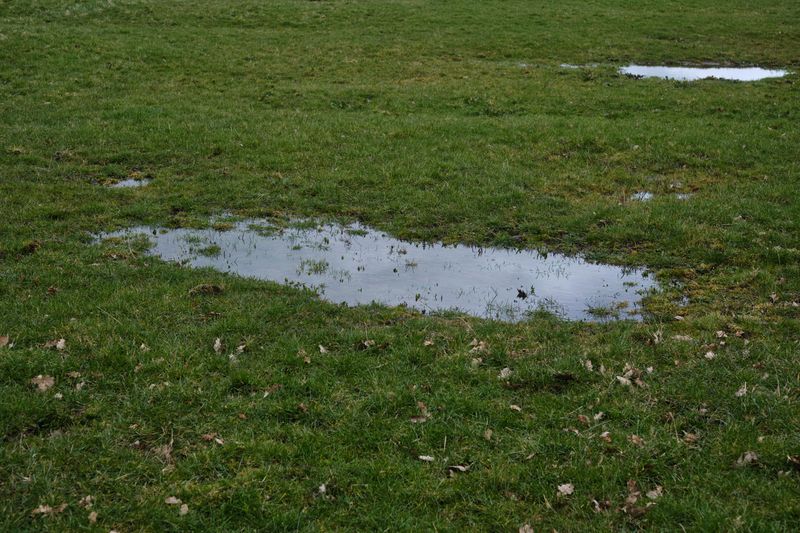
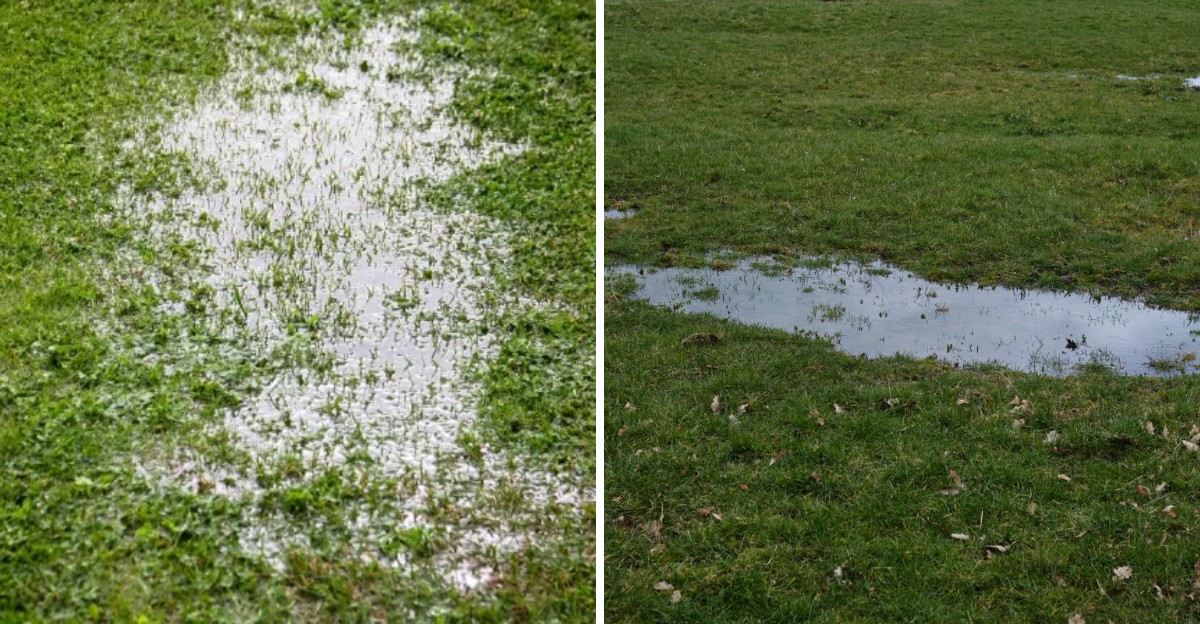
Puddles that stick around for more than a day or two are a clue. They show exactly where your yard has trouble letting water soak in.
Start with your gutters and downspouts. Clogged gutters overflow right next to the foundation, and short downspouts dump water into one spot.
Extensions that carry water several feet away can make a big difference.
Next, check the shape of the land. Water flows downhill, so low areas collect runoff from the whole yard.
Gently filling dips with topsoil helps water move along instead of pooling.
A rain garden is one of my favorite solutions. It is a shallow bed planted to catch runoff and let it soak in slowly.
Native plants like swamp milkweed, blue flag iris, switchgrass, and New England aster handle wet feet well and feed pollinators too.
Many parts of Long Island have sandy soil that drains quickly. Clay pockets, fill dirt, and compacted areas are the usual exceptions, so drainage can vary even within one yard.
For serious problems, a landscaper may suggest a dry well or French drain. Check with your town before major grading work, since some areas have rules about redirecting water toward neighbors or wetlands.
Core Aerating Your Lawn Helps Keep Future Storms From Stinking

Prevention is where the real payoff lives. A yard that breathes easily recovers faster after every storm, and it smells better too.
Core aeration is a great first step. The machine pulls small plugs of soil from the lawn, opening channels for air and water.
Cornell and other extension experts suggest aerating cool-season lawns in early fall or spring, when grass grows actively.
Wait until the soil is moist but not soggy. Running an aerator through mud can actually make compaction worse.
A dry week after the storm is ideal.
After aerating, spread a thin layer of compost over the lawn. Organic matter improves soil structure, feeds earthworms, and helps water drain more evenly.
Worms are free aerators, so welcome them.
Stay off soggy lawns as much as you can. Heavy footsteps, mowers, and parked cars squeeze air out of wet soil.
Keep up with routine chores too. Clean gutters each fall, rake leaves before they mat down, and refresh mulch thoughtfully.
Septic owners should schedule regular pumping and inspections.
My takeaway is simple. A little rotten smell after a Nor’easter is usually nature at work and fades quickly.
A smell that hangs on, follows the same path, or reminds you of a bathroom deserves a closer look right away.