New York Wants Hunters To Take More Does This Year. What Does That Mean For Your Garden?
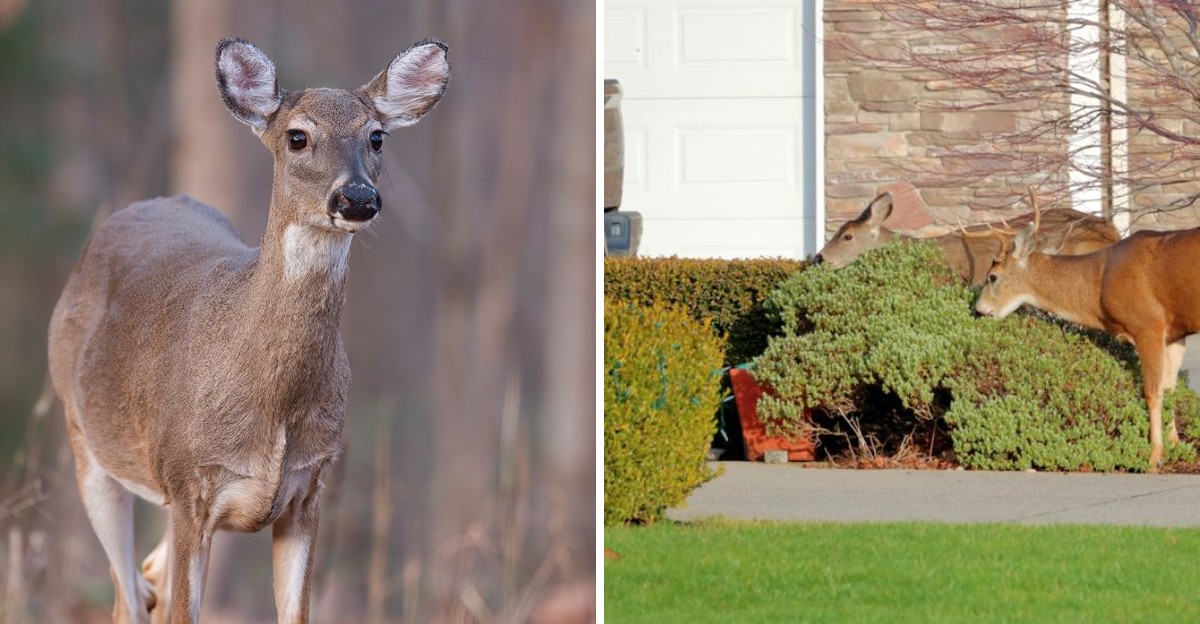
White-tailed deer are munching their way through forests, farms, and backyard flower beds across New York. State wildlife managers now have a plan, and it centers on hunters taking more does.
Fewer does now can mean fewer hungry mouths in a year or two. So what does that change for the tulips by your mailbox or the arborvitae along your fence?
The answer comes with a few hopeful signs and some gentle reality checks. Some relief may arrive slowly, while other problems need your attention right away.
Knowing what the doe harvest push can and can’t do helps you plan smarter. A few steps this season can protect the plants you love most.
Too Many Deer Are Damaging Forests And Yards
Walk through many New York woods today and you may notice something missing. The forest floor looks oddly bare, with few young trees or wildflowers.
Deer are a big reason for that empty look. When herds grow too large, they eat tiny seedlings before those trees get a chance to grow.
Foresters call the problem regeneration failure. Old trees eventually fall, but no young ones stand ready to replace them.
Native wildflowers like trilliums also suffer under heavy browsing. Meanwhile, invasive plants that deer dislike spread into the open spaces left behind.
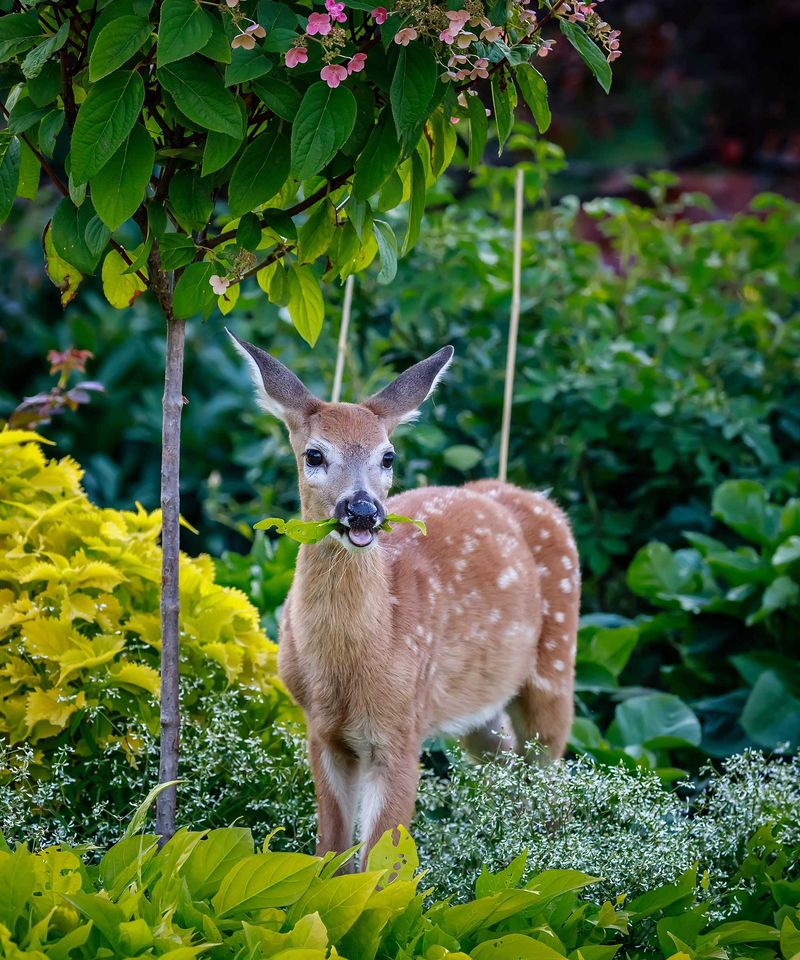
Backyards feel the same pressure on a smaller scale. Hostas, daylilies, roses, and young fruit trees are some of the most common victims.
Many homeowners spend hundreds of dollars replacing plants each year. Some simply give up on certain flowers because the deer win every time.
The Department of Environmental Conservation tracks these impacts across the state. Their goal is a herd size that the land can support without falling apart.
Here is a helpful tip for your own yard. Take photos of your plants each month so you can track browsing patterns over time.
Those pictures show which plants get hit first and during which season. With that record, you can plan protection before damage gets out of hand.
Healthy forests and healthy gardens share the same need. Both thrive when deer numbers stay in balance with available food.
More Doe Harvest Means Fewer Fawns Next Spring
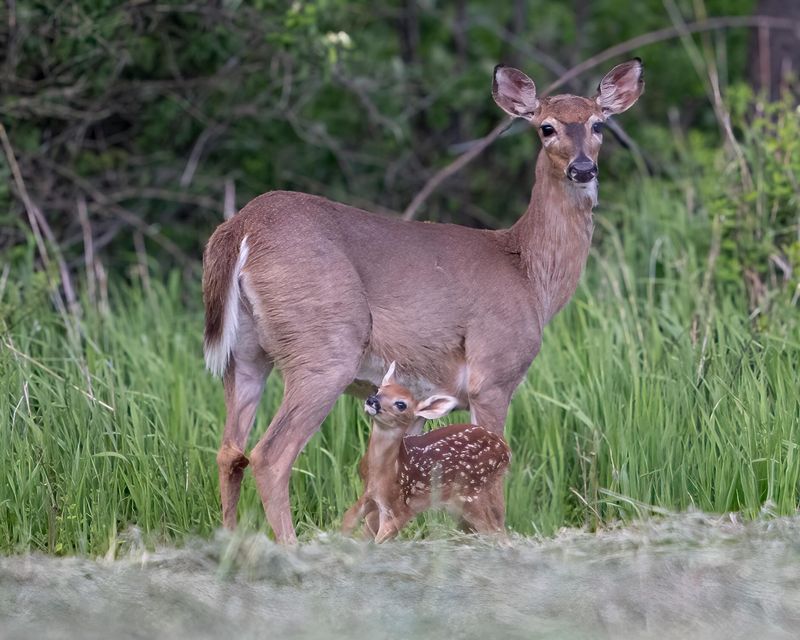
Here is some simple deer math that explains the whole strategy. One doe can produce one or two fawns every single year.
Bucks matter far less for herd growth than many people think. A single buck can breed with many does, so removing him barely slows things down.
Taking a doe works differently. Her future fawns, and their future fawns, are removed from the population too.
This season, New York is offering more doe tags, a longer September doe season in more areas, and a new rule: hunters must take a doe before earning a second buck tag.
In the state, deer typically breed from October through January. The busiest breeding period usually lands around mid-November.
Pregnancy lasts roughly 200 days for white-tailed deer. Fawns usually arrive in late May or June, right when gardens are bursting with tender growth.
Your New York Garden Changes Every Week. Your Plan Should Too.
Gardening in New York changes quickly throughout the season. Every Friday you’ll receive a simple weekly plan showing exactly what to plant, prune, fertilize, harvest, and protect so you never miss the right timing.
So a doe harvested this fall means fewer spotted fawns next spring. Over several seasons, the effect can add up in a meaningful way.
Fun fact: fawns are born almost scentless. That trick helps them hide from predators while their mothers feed nearby.
For gardeners, patience is part of the deal. One season of extra harvest will not empty your neighborhood of deer overnight.
Results tend to show up gradually over a few years. Keep using your current protection methods while the herd slowly adjusts.
If you own land, consider talking with local hunters about access. Many experienced hunters welcome permission to help manage deer on private property.
Your Shrubs Could Get A Little Relief
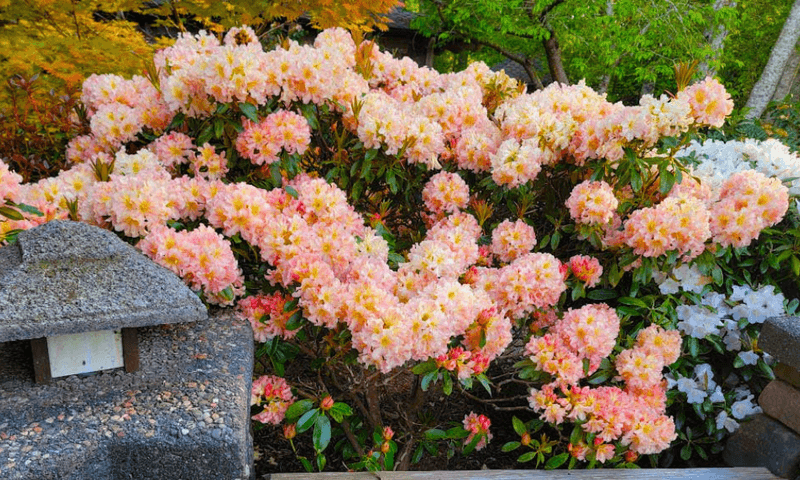
Picture a rhododendron that finally blooms without a ragged, chewed-off top. For many homeowners, that small win would feel like a huge victory.
Shrubs take a beating when deer numbers climb. Hydrangeas, azaleas, and rhododendrons often lose their buds before spring even arrives.
Fewer deer usually means less competition for food. With lighter browsing pressure, damaged shrubs get breathing room to push out fresh growth.
Deer are true creatures of habit, though. They return to the same yards and feeding spots again and again.
So relief may feel uneven at first. A yard on a well-worn deer path may keep seeing visitors even as the overall herd shrinks.
You can help struggling shrubs recover faster. Prune away torn, ragged tips with clean shears so plants heal neatly.
A light layer of compost in early spring also gives roots a boost. Healthy shrubs bounce back from occasional nibbling much better than stressed ones.
Watch for clues that deer did the damage. Deer lack upper front teeth, so they tear branches and leave rough, shredded ends.
Rabbits leave clean, angled cuts instead. Knowing the difference helps you choose the right protection for each plant.
Think of the bigger doe harvest as a helping hand, not a cure. Your shrubs will thank you for combining it with smart care at home.
Winter Is Still Peak Browsing Season
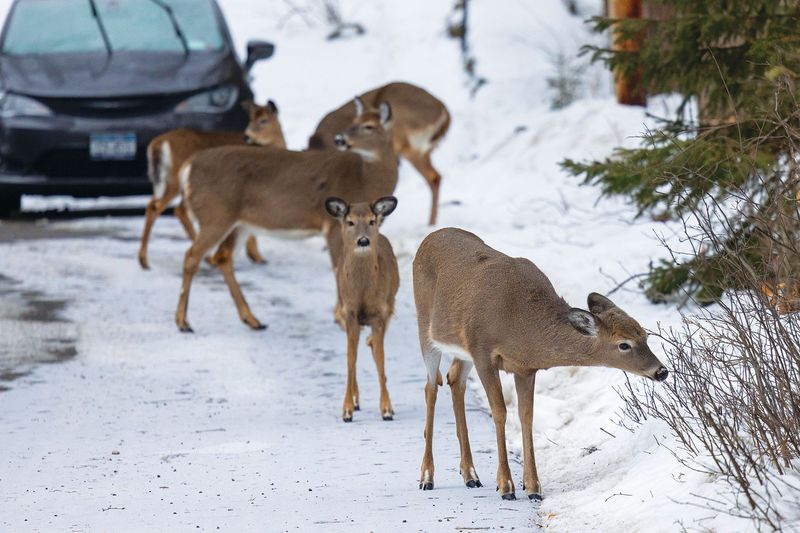
Snow falls, the garden goes quiet, and many people assume the deer trouble is over. Unfortunately, cold months bring some of the worst damage of the year.
Deer eat leaves, twigs, fruits, and nuts when they can find them. Once snow buries most food, they get far less picky.
Your landscape suddenly looks like an open buffet. Twigs, buds, and evergreen needles become prime targets during long winters.
Deep snow makes things even trickier. Deer can reach higher branches by standing on packed drifts.
A smaller herd does help a bit in winter. Fewer hungry animals means less pressure on every shrub and young tree.
Still, any deer that remain will be searching hard for meals. Hungry animals take chances they might skip in summer.
Plan your winter defense in late fall, before the first big storm. Wrap vulnerable shrubs in burlap or deer netting by Thanksgiving.
Check those wraps after every heavy snowfall. Snow can push netting down and expose the tops of plants.
Here is a quirky detail worth knowing. Deer slow their metabolism in winter, yet they still need several pounds of food daily.
Those daily pounds have to come from somewhere nearby. Keeping your yard less inviting during this stretch can save a whole season of growth.
Evergreens Need Protection Most
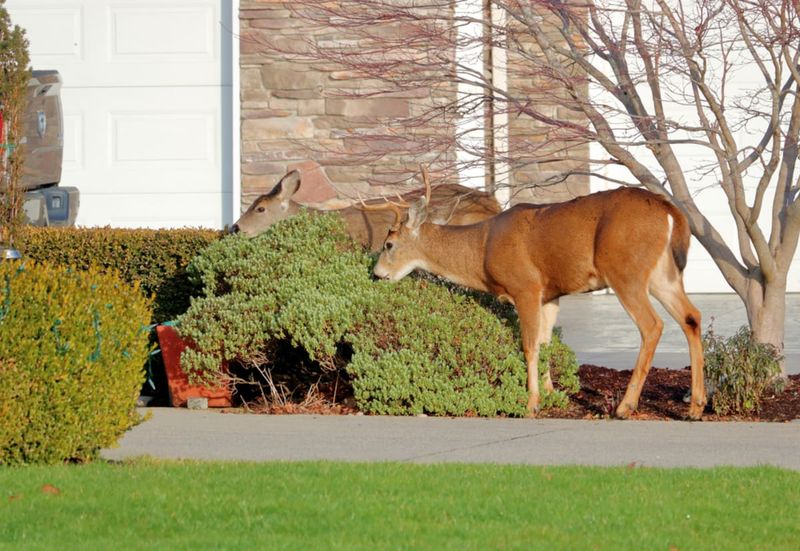
Ever seen an arborvitae hedge that looks like it is wearing a short skirt? That bare lower half is a classic sign of hungry deer.
Gardeners call it a browse line. Deer strip everything they can reach, often up to five or six feet high.
Arborvitae and yews top the list of favorite winter snacks. Both stay green when almost everything else is brown and bare.
Once those lower branches are gone, they rarely grow back. Arborvitae especially struggles to fill in old wood after heavy browsing.
Protection pays off big here. Wire cages or wraps at least six feet tall work well for individual trees.
Burlap screens offer another option for longer hedges. They also shield plants from drying winter winds, which is a nice bonus.
Planning a new evergreen planting? Consider species that deer tend to skip.
Boxwood and inkberry holly have strong reputations for deer resistance. Spruce, with its sharp needles, is also less appealing than soft arborvitae.
Hungry deer may still sample these plants in a harsh winter. Even so, they usually take far less damage than yews.
Mixing a few tougher evergreens into your design spreads out the risk. If deer hit one plant, the whole screen will not vanish at once.
Fencing Remains The Most Reliable Fix
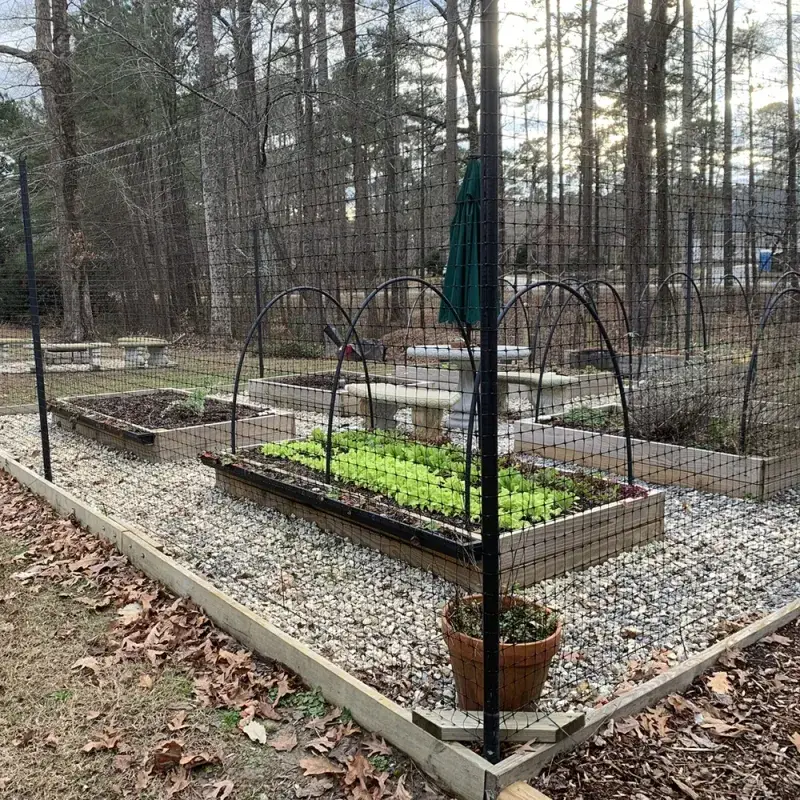
Ask a seasoned gardener for the one fix that truly works, and you will likely hear one word. Fences.
No spray or plant list beats a physical barrier for keeping deer out. It is the closest thing to a guarantee in deer-heavy country.
Height is the secret ingredient. A truly deer-proof fence should stand at least seven and a half to eight feet tall.
Deer are impressive jumpers, so a short garden fence barely slows them down. An eight-foot woven-wire fence is widely considered the gold standard.
You have a few material choices. Options include hexagonal web, polypropylene mesh, and high-tensile woven wire.
Polypropylene mesh is light, affordable, and blends into the landscape nicely. Woven wire costs more but stands up to years of weather and pressure.
Before building, check your town rules in New York. Some villages limit fence height, so a quick call can save headaches.
Here is a clever trick for smaller spaces. Deer dislike jumping into tight areas where they cannot see a safe landing.
A small vegetable plot with a fence around it may stay safe at slightly lower heights. Double fences spaced a few feet apart can also confuse deer.
Even as the doe harvest trims the herd, fencing keeps working. Think of it as a long-term investment that protects your garden year after year.
Repellents Work Best Before Damage Starts
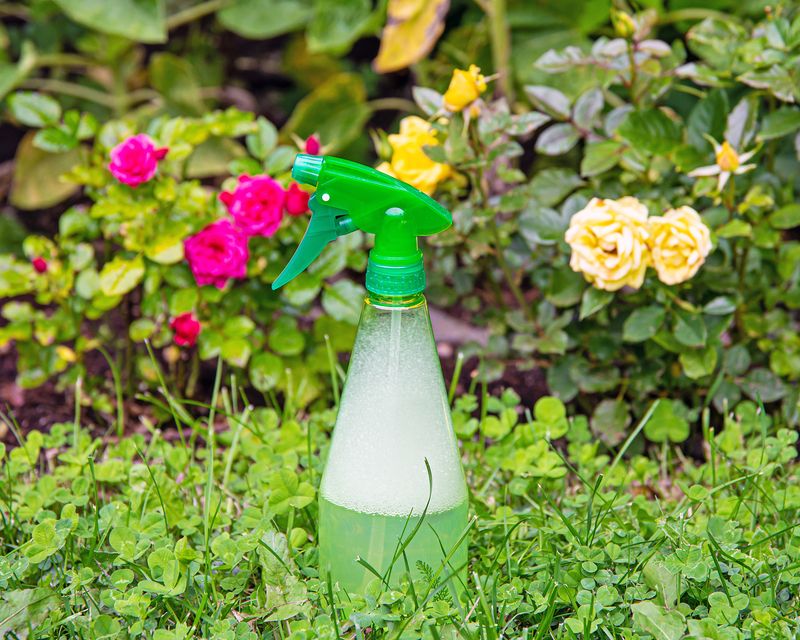
Timing matters more than most people realize with deer sprays. Once deer have found a tasty plant, convincing them to leave is much harder.
Repellents work by making plants smell or taste awful. Many contain putrescent whole egg solids, which create an odor deer strongly dislike.
People can barely notice the smell once the spray dries. Deer, with their powerful noses, pick it up right away.
Start spraying before you see any damage. Early spring, just as new shoots appear, is a smart moment for the first round.
Fresh growth needs fresh coverage. A plant sprayed last week may have new leaves that carry no protection at all.
Reapply on a regular schedule, usually every few weeks. Check the label, since some products last longer and resist rain better than others.
Rotating between two different repellents can help too. Deer sometimes get used to one scent if it stays the same all season.
Try pairing an egg-based spray with a garlic or pepper product. Switching every month keeps deer guessing.
Spray on dry days when temperatures sit above freezing. Most formulas need a few hours to dry and stick properly.
A smaller herd means less pressure on your sprayed plants. Repellents become even more effective when fewer hungry deer are testing them.
Deer-Resistant Plants Pay Off Long Term
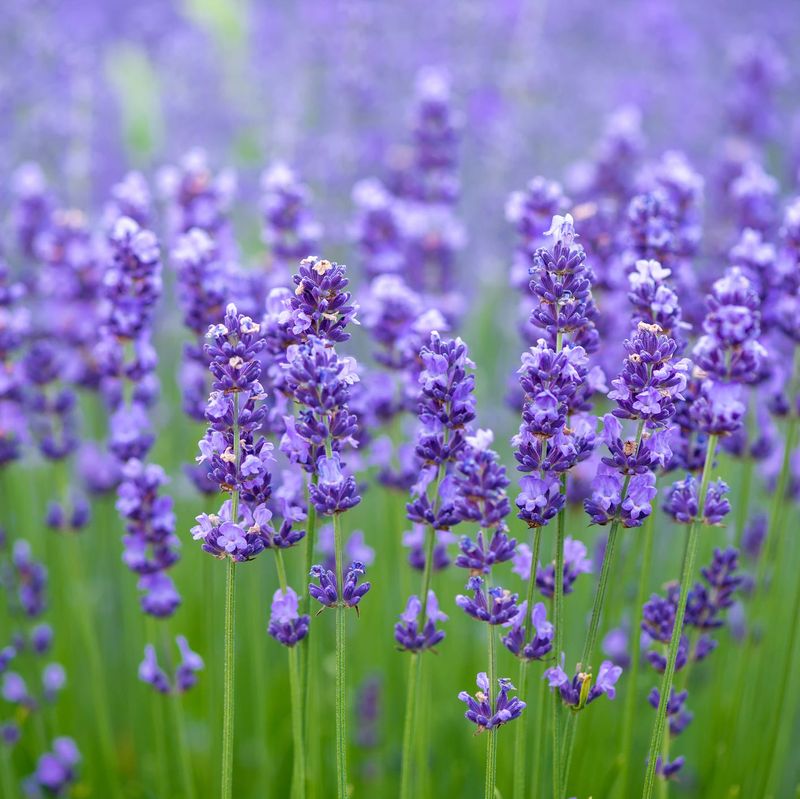
Some plants practically hang up a sign that says no deer welcome. Choosing them can save you years of frustration and replacement costs.
Deer tend to avoid plants that taste bitter, feel fuzzy, or smell strong. Their noses and taste buds steer them toward softer, sweeter options.
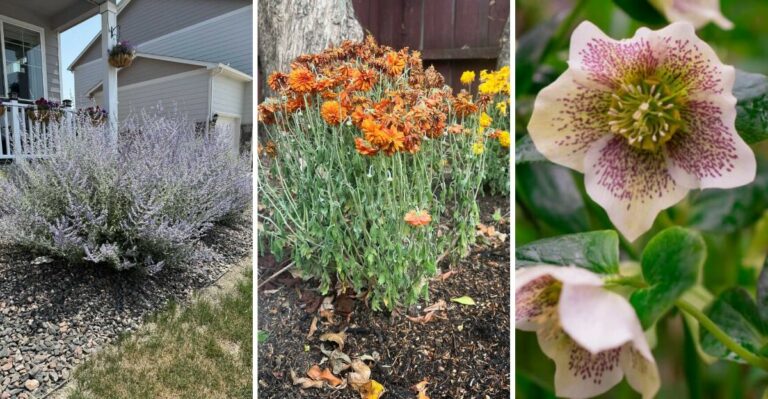
Plenty of good choices grow well in New York. Lavender, Russian sage, coneflowers, and many ferns are popular picks.
Other favorites include catmint, bee balm, and ornamental grasses. Daffodils are a classic too, since deer usually leave their bulbs alone.
One honest warning belongs here. No plant is truly deer-proof, especially when herds are large or food runs short.
A hungry deer in February may nibble almost anything. Resistant plants simply get chosen last instead of first.
Start with your most visible beds. Swapping a few hostas for ferns near the front walk can make a quick difference.
Planting resistant flowers around more tempting ones can also help. Strong scents act like a natural shield for nearby favorites.
Local garden centers often keep deer-resistant lists handy. Cornell Cooperative Extension offices across the state share helpful guides as well.
Over time, a yard full of tougher plants needs less spraying and less worry. Paired with a shrinking herd, that choice pays dividends for many seasons.
Fewer Deer May Mean Fewer Ticks Too
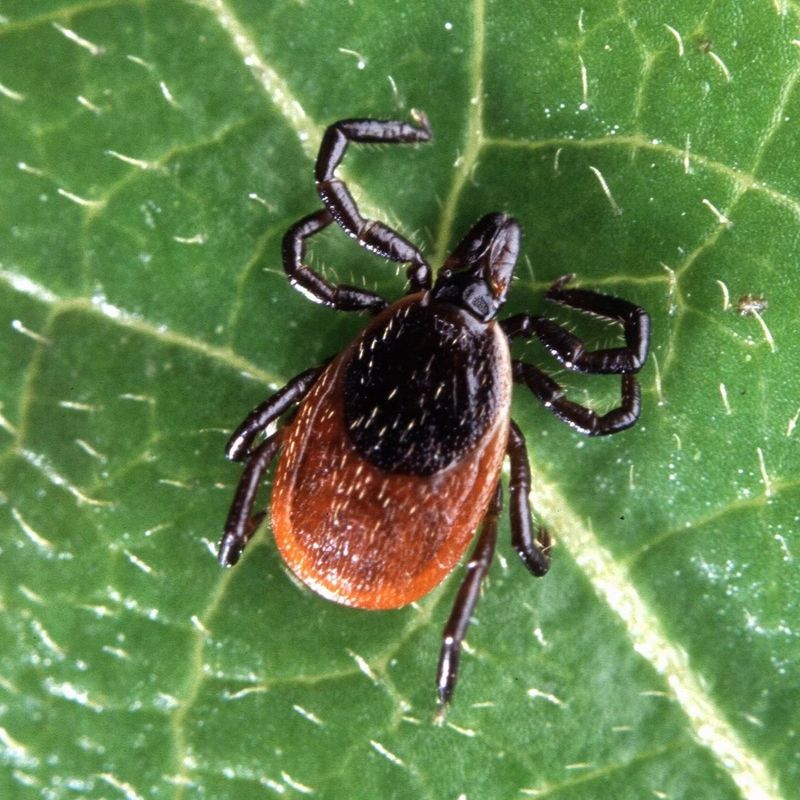
Garden chores in tall grass come with an unwelcome passenger for many families. Blacklegged ticks, the ones linked to Lyme disease, thrive where deer roam.
Adult ticks rely heavily on white-tailed deer for their final big meal. Female ticks feed on deer, then drop off to lay thousands of eggs.
Each deer wandering through your yard can carry dozens of ticks. When those ticks drop into your flower beds, the next generation starts right there.
More deer usually means more adult ticks reproducing and spreading. Research suggests large herd reductions can lower tick numbers over time.
Experts note that tick drops are most noticeable when deer numbers fall quite low. Mice and other small animals still host young ticks, too.
So the doe harvest is a helpful piece, not the whole puzzle. Personal habits still matter a great deal for staying safe in New York.
Keep grass short near patios, play areas, and garden paths. A strip of wood chips or gravel between lawn and woods discourages ticks.
Wear long pants and tuck them into your socks while gardening. Light-colored clothing makes ticks easier to spot.
Do a full tick check after every session outdoors. Pay attention to knees, waistbands, and behind the ears.
A healthier deer balance benefits more than just your roses. It may also mean safer afternoons for everyone who loves spending time in the yard.