Don’t Let September End Without Doing This For Your New York Peonies
That first crisp morning in New York is a reminder that winter is getting closer, and your peonies are preparing too. The summer foliage may be fading, but the plant is still storing energy underground and getting ready for next year’s growth.
September is when a few simple choices can make a big difference for spring blooms. A little cleanup, a careful inspection, and knowing what not to disturb can help your peonies head into winter in better shape.
Ignore these steps, and you may end up with weak growth or fewer flowers when the season returns. Give them the right attention now, and your garden will be rewarded with stronger, healthier blooms next spring.
1. Wait For Frost Before Cutting Back Peony Foliage
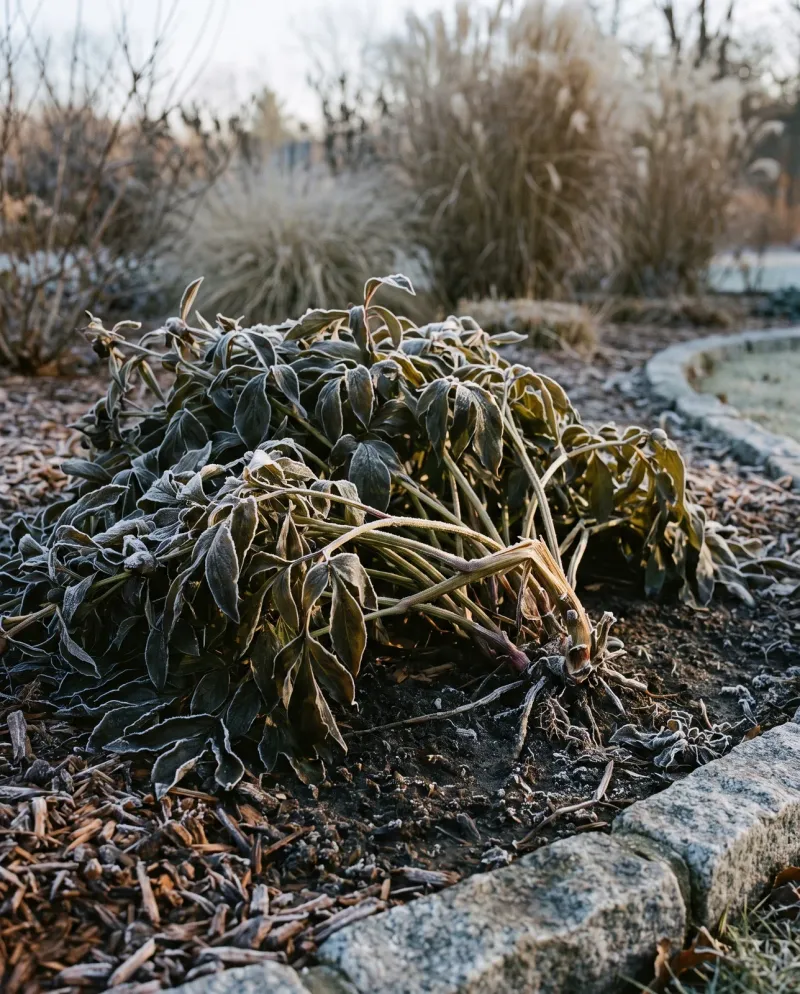
Gardeners get itchy hands in September, and peony leaves start looking shabby right around now. Resist the scissors anyway, because those tired leaves are still working hard.
The remaining healthy foliage is still helping replenish the roots before winter. Cut them off early, and you rob the plant of the fuel it needs for next year’s flowers.
Across New York, the first real frost usually arrives somewhere between mid October and early November, depending on how far north you garden. Watch for the foliage to turn yellow, bronze, or brown and go limp after that cold night.
Once the leaves have given up their color, grab clean shears. For herbaceous peonies, cut the stems down to about two or three inches above the soil.
Tree peonies and Itoh hybrids play by different rules. Snip off their leaves but leave the woody stems standing, since next year’s growth comes from that wood.
Toss everything you cut into the trash or yard waste bin instead of the compost pile. Fungal spores love to overwinter in old peony stems and they will happily find their way back to your plants.
Wipe your blades with rubbing alcohol between plants if you have several clumps. It takes ten seconds and stops one sick plant from sharing trouble with the rest of the bed.
Mark the date on your calendar so the job does not slip your mind once the holidays arrive.
2. Clear Fallen Leaves From Around The Peony Clump
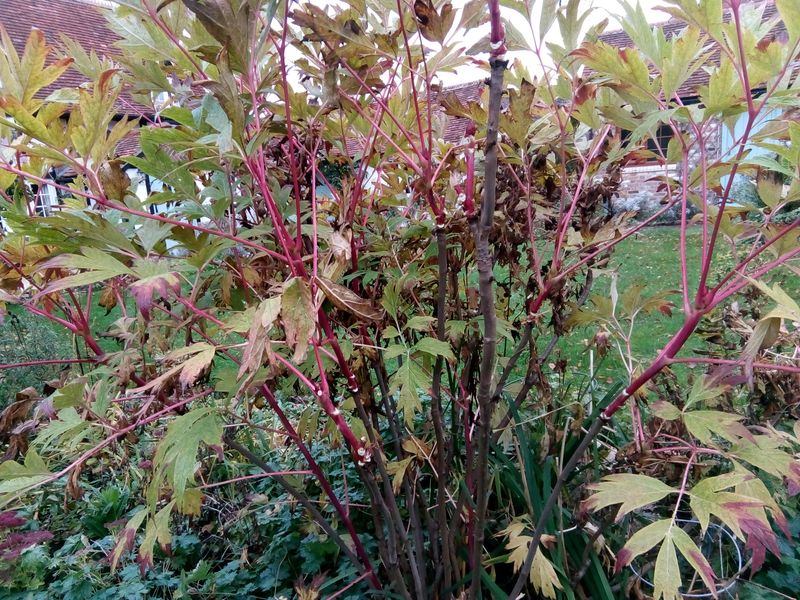
Maple and oak leaves start piling up fast, and peony clumps act like little leaf traps. Those damp mats look cozy, but they cause real problems.
Wet leaves hold moisture right against the crown, and steady dampness invites rot. Clearing them out keeps air moving and the soil surface drying between rains.
Mice and voles also love a thick leaf blanket. Give them one and they will nest just inches from your peony roots, nibbling buds all winter long while you have no idea.
Use a small hand rake or simply pull the debris away with gloved fingers. Work gently around the base so you do not scrape or bruise the crown hiding just below the surface.
Pay extra attention to any leaves that came from the peony itself, especially if you spotted dark blotches or gray fuzz during the summer. Those pieces carry disease spores straight into next season.
Your New York Garden Changes Every Week. Your Plan Should Too.
Gardening in New York changes quickly throughout the season. Every Friday you’ll receive a simple weekly plan showing exactly what to plant, prune, fertilize, harvest, and protect so you never miss the right timing.
Bag up anything suspicious and send it out with the trash. Unless your compost pile reliably reaches high temperatures, it is safer to discard diseased peony debris rather than risk carrying pathogens into future beds.
While you are down there, take a quick look at how crowded the spot has become. Crowding neighbors like hostas or daylilies can block airflow, and thinning them helps more than people expect.
A tidy, open base is one of the cheapest disease preventions available to any gardener.
3. Remove Spent Flowers To Keep The Plant Tidy
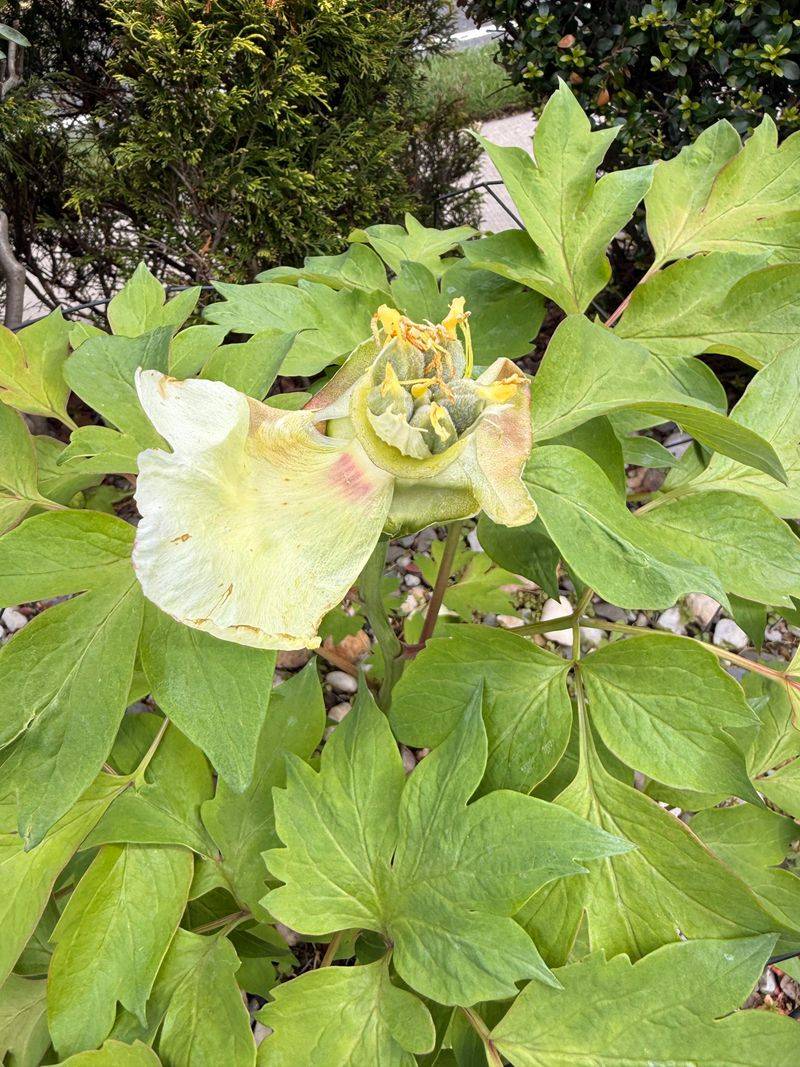
Removing spent flowers usually belongs to June, but stragglers have a way of hanging on. Faded blooms and swollen seed pods are often still clinging to stems well into September.
Every pod left behind is a tiny energy project the plant did not need. Seed making pulls resources away from root growth and next year’s eyes.
Snip the spent bloom or pod just above the first set of healthy leaves. Keeping those leaves matters because they are still feeding the roots through early fall.
Brown, mushy petals are also a favorite landing spot for botrytis. Removing them takes away a launching pad for gray mold before the wet weather of October settles in.
A quirky side note for collectors: some folks deliberately leave a pod or two to harvest seeds. Just know that peony seeds can take two full years to sprout and rarely match the parent plant, so it is a patience project.
Use snips rather than pulling with your hands. Tearing can strip bark from the stem or loosen the crown, and neither does the plant any favors.
Drop the clippings into a bucket instead of leaving them on the ground. Anything you carry out is one less place for spores to overwinter.
Five minutes with a pair of snips leaves the bed looking cared for and gives the plant a cleaner start heading into its long rest.
4. Check The Crown For Signs Of Rot Or Disease
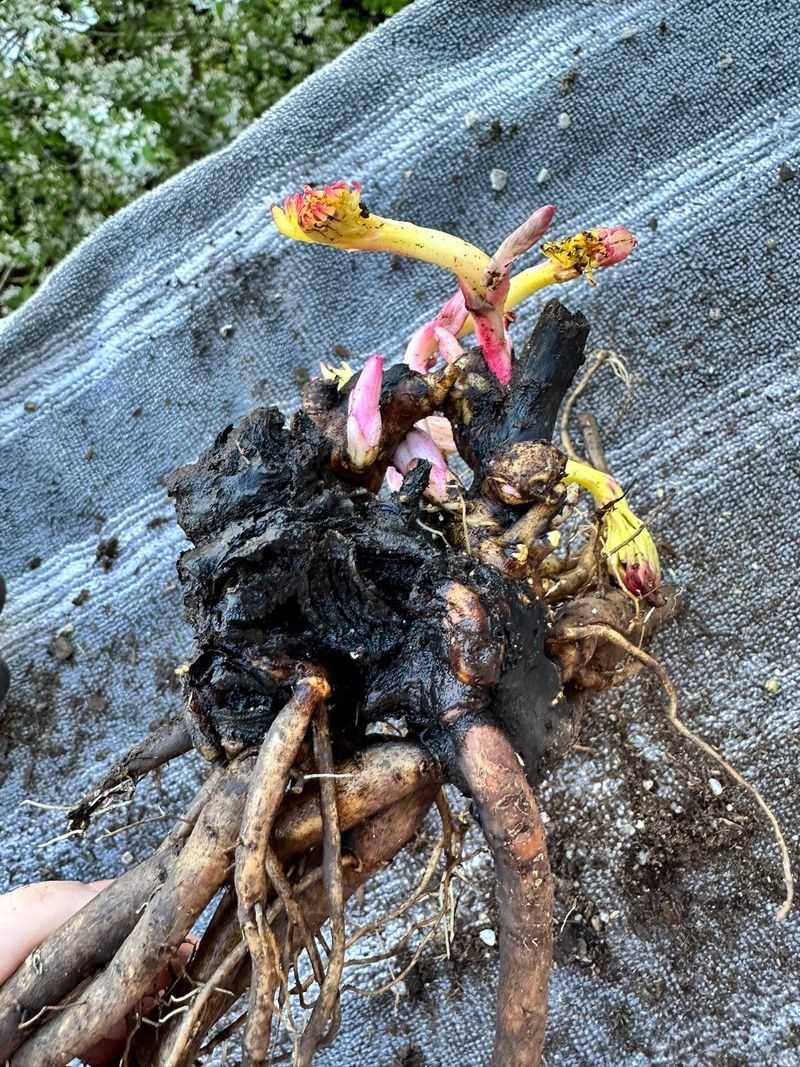
Peony troubles almost always start at ground level, right where the stems meet the soil. September is a fine time to get on your knees and look closely.
Pull the remaining foliage aside gently and study the base of each stem. Healthy tissue looks firm and pale tan, not soft, slimy, or blackened.
Botrytis blight is the most common complaint in gardens, especially after a damp spring. Look for dark spots on leaves, stems that blackened near the bottom, and buds that shriveled without opening.
Phytophthora blight is less common but far more serious. It shows up as a wet, mushy rot at the crown along with leathery dark brown cankers, and it can take out an entire clump.
Stunted growth, yellowish leaves, or a plant that just seemed off all summer are worth noting too. Those symptoms often trace back to poor drainage, planting too deep, or fresh manure touching the roots.
Cut away any affected stems well below the discolored area and bag them for the trash. Clean your blades afterward so you are not spreading spores to the next plant.
If drainage seems to be the culprit, plan a spring move to a raised spot or a bed with looser soil. Peonies tolerate a lot, but soggy feet are not on the list.
Jot down what you found so next June’s inspection has a useful baseline.
5. Keep Mulch Away From The Peony Crown
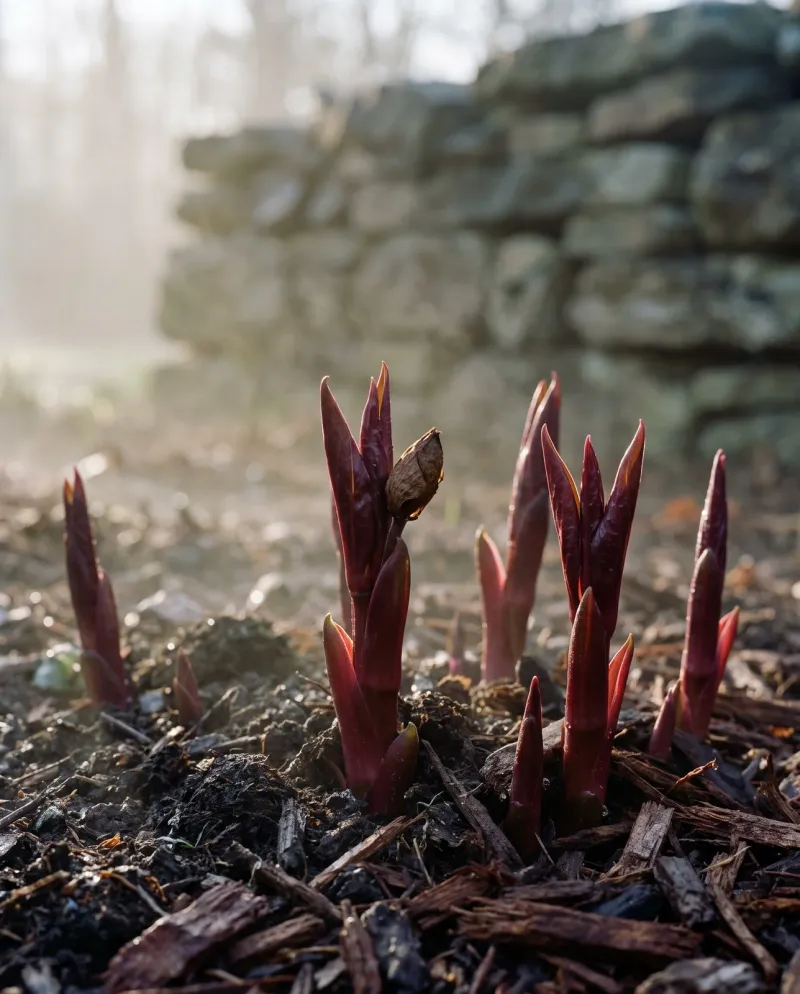
Here is the mistake that costs more peony blooms than any pest or disease: burying the crown under mulch. Gardeners do it with the best intentions and wonder for years why they get leaves instead of flowers.
Peony eyes need to sit only about one to two inches below the soil surface. Pile three inches of bark on top and you have effectively planted them too deep.
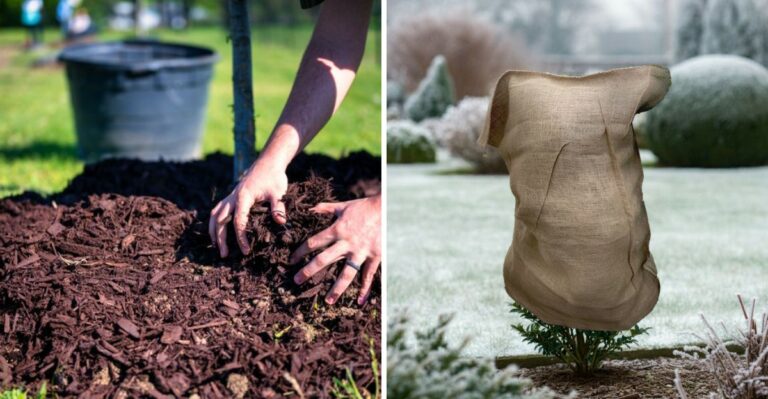
Spread mulch in a ring instead, leaving several inches of bare soil around the stems. The ring still holds moisture and blocks weeds without smothering anything important.
Thick mulch against the crown also traps dampness, which is exactly what rot and fungal problems want. In a humid summer, that little collar of wet bark can undo all your other careful work.
Rodents appreciate deep mulch as much as they appreciate leaf piles. Voles tunnel through it and chew on roots and buds where you cannot see them.
Newly planted peonies are the one exception. A light layer of straw or evergreen boughs after the ground freezes helps prevent frost heaving during their first winter.
Pull that winter covering off in early spring as soon as red shoots appear. Leaving it on delays growth and brings back all the moisture problems you were trying to avoid.
Think of mulch as a friendly neighbor for peonies, welcome nearby but not invited onto the porch.
6. Check Soil Moisture Before The Ground Freezes
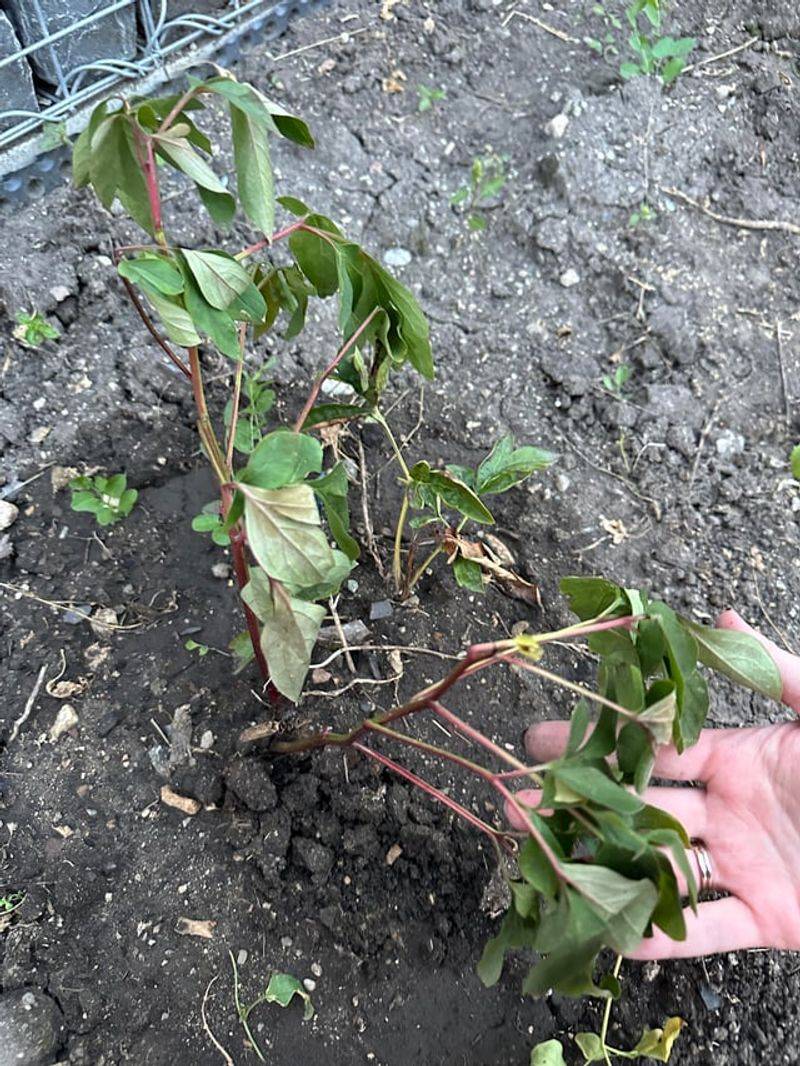
Autumn rain has a reputation for being generous, but New York gets dry stretches in October more often than people remember. Roots still need moisture heading into the cold.
Push a finger into the soil about three inches deep near the plant. If it comes out dusty and dry, the clump could use a good drink.
Water deeply and less often rather than sprinkling every few days. A slow soaking reaches the fleshy storage roots where it actually does some good.
Aim the water at the drip line, meaning the circle of soil under the outer edge of the plant. Dumping water into the center of the crown sets up pooling and freeze damage.
Established plants need far less than young ones. A peony that has been in the same spot for five years mostly takes care of itself unless the fall turns unusually parched.
Drainage deserves just as much attention as watering. If puddles linger after storms, poor drainage can increase the risk of crown rot and winter injury.
Once the ground firms up with hard frost, put the hose away. Dormant peonies want nothing from you until spring except to be left alone.
Newly divided or transplanted roots are the exception and benefit from steady moisture right up until freeze up. Their new feeder roots are still getting established.
7. Skip Late Season Fertilizer As Peonies Prepare For Dormancy
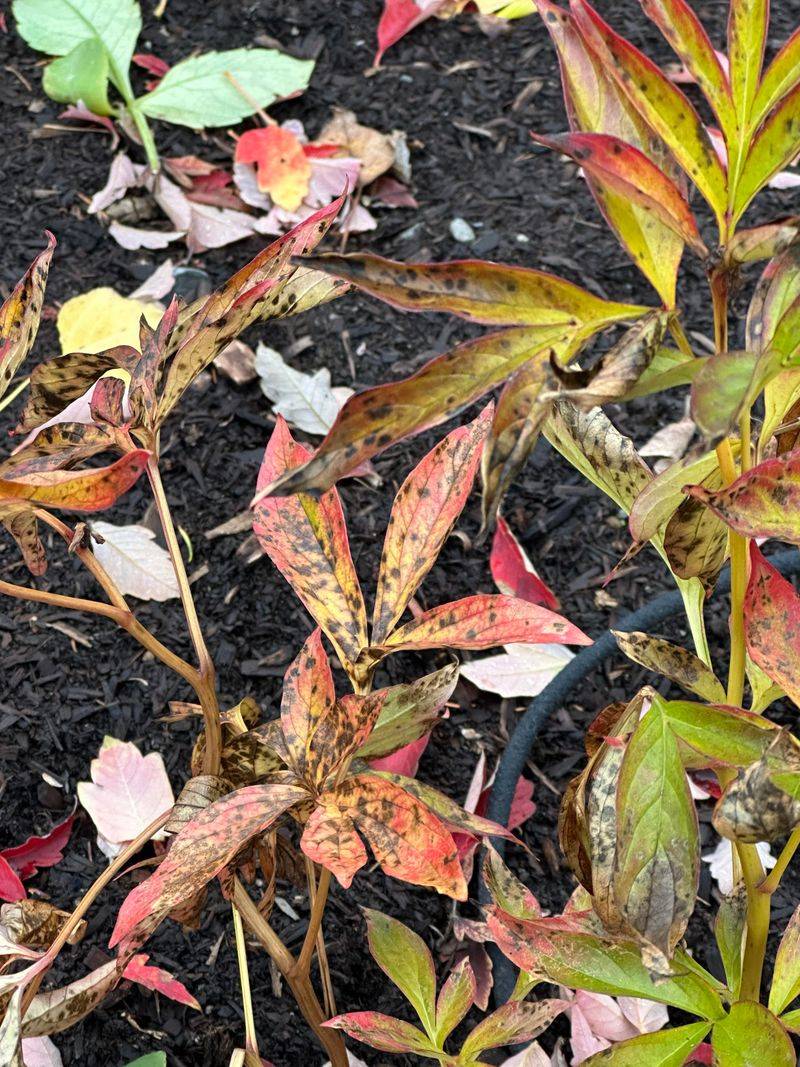
Feeding plants feels like kindness, which is exactly why this tip surprises people. Heavy nitrogen fertilizer late in the season can encourage tender growth at the wrong time and is usually unnecessary.
Nitrogen tells a plant to grow, and growth is the last thing a peony should attempt in October. Tender new shoots get zapped by the first hard frost.
That wasted effort comes straight out of the energy budget meant for next year’s buds. You can end up with fewer flowers as a direct result of being helpful.
Established peonies in decent soil rarely need feeding at all. They are famously long lived, with some clumps blooming happily for fifty years or more without a scoop of anything.
If yours genuinely seem hungry, the right windows are early spring when red shoots appear and mid summer right after blooming finishes. Around July or Labor Day works well for that second feeding.
Aged compost is the friendlier choice over synthetic granules. Spread a thin layer around the plant, keeping it off the crown, and let winter rain carry the nutrients down slowly.
Avoid adding phosphorus products like bone meal unless a soil test shows they are needed. Either way, spring is the time for it.
Skipping the fall feeding also saves you money and effort. Sometimes the best garden chore is the one you cross off the list entirely.
8. Mark The Plant Location Before Its Foliage Disappears

Come February, a peony bed looks like plain dirt. Herbaceous peonies vanish so thoroughly that even careful gardeners forget where they planted them.
That forgetfulness leads to real damage. A shovel through a dormant crown while planting bulbs or edging a bed is a genuinely sad discovery come spring.
Push a sturdy stake or a metal plant label into the soil a few inches from each crown. Place it to the side rather than directly above the crown so you never spear the roots when installing it.
Write the variety name with a paint pen or weatherproof marker. Plastic labels fade badly over a New York winter, and you will be glad you used something permanent.
Tall stakes work better than short ones when snow arrives. Anything under six inches disappears under the first real storm and stays hidden until March.
Some gardeners take a quick photo of the bed in June while everything is blooming. Pull it up on your phone in early spring and you have an instant map.
Marking also helps if you plan to divide or move plants in future autumns. Knowing exactly where the crown sits means cleaner digging and less root damage.
Small effort, big payoff. When those crimson shoots push up through cold New York soil next April, you will know precisely what is coming and where.