7 Popular Arizona Shrubs You Should Not Plant Near Your House
Planting shrubs close to a house in Arizona can seem like a smart way to fill empty areas fast, especially when everything looks small at first. A few months pass, then growth picks up and problems start showing.
Branches press against walls, roots compete with foundations, and heat reflects back, making conditions even harsher.
Space that felt open suddenly feels crowded, and trimming turns into a constant task just to keep things under control.
Some shrubs handle desert conditions well, but placement near a house changes how they grow and how much stress they create over time.
Choosing the wrong type in the wrong spot leads to more work, higher water demand, and long term issues that are hard to reverse. Knowing which shrubs to avoid near your house helps prevent those problems before they start.
1. Pyracantha Develops Sharp Thorns That Are Hard To Manage
Walk past a pyracantha without paying attention and you’ll feel it immediately. Those thorns are not a minor inconvenience, they’re long, rigid, and strong enough to puncture thick gloves.
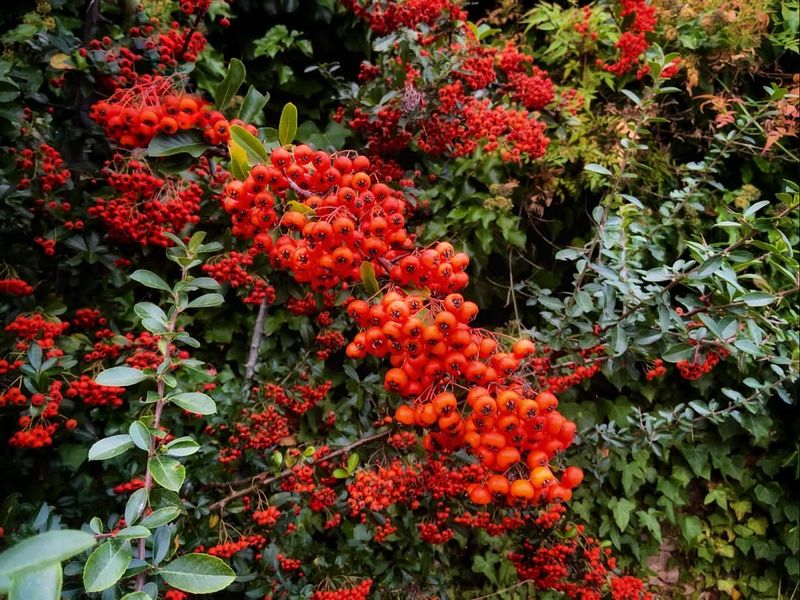
Pyracantha, often called firethorn, is popular in Arizona because of its bright red or orange berry clusters and its ability to handle dry conditions reasonably well.
Planted near a house, though, it becomes a maintenance nightmare fast. Branches push outward in all directions and can scratch up window screens, siding, and door frames before you even realize it’s happening.
Trimming it back means suiting up seriously, and even then, cuts and scrapes are basically guaranteed. The thorns are angled in a way that makes pulling your hand back worse than the initial contact.
Pyracantha also grows with real enthusiasm in Arizona’s climate, sending out new shoots regularly through the warmer months.
If you skip a few pruning sessions, the shrub can press hard against walls and eaves, giving pests like rodents and insects a convenient covered pathway right toward your home.
Dense, thorny shrubs sitting flush against a structure are exactly the kind of shelter small animals look for.
There’s also the berry situation. Birds love pyracantha berries, which sounds pleasant until you have dozens of birds congregating right next to your house and leaving their mark on everything nearby.
Keeping this plant at least ten to fifteen feet from any structure gives it room to do what it does without creating problems for your home or anyone walking by.
2. Oleander Contains Toxic Compounds In All Parts
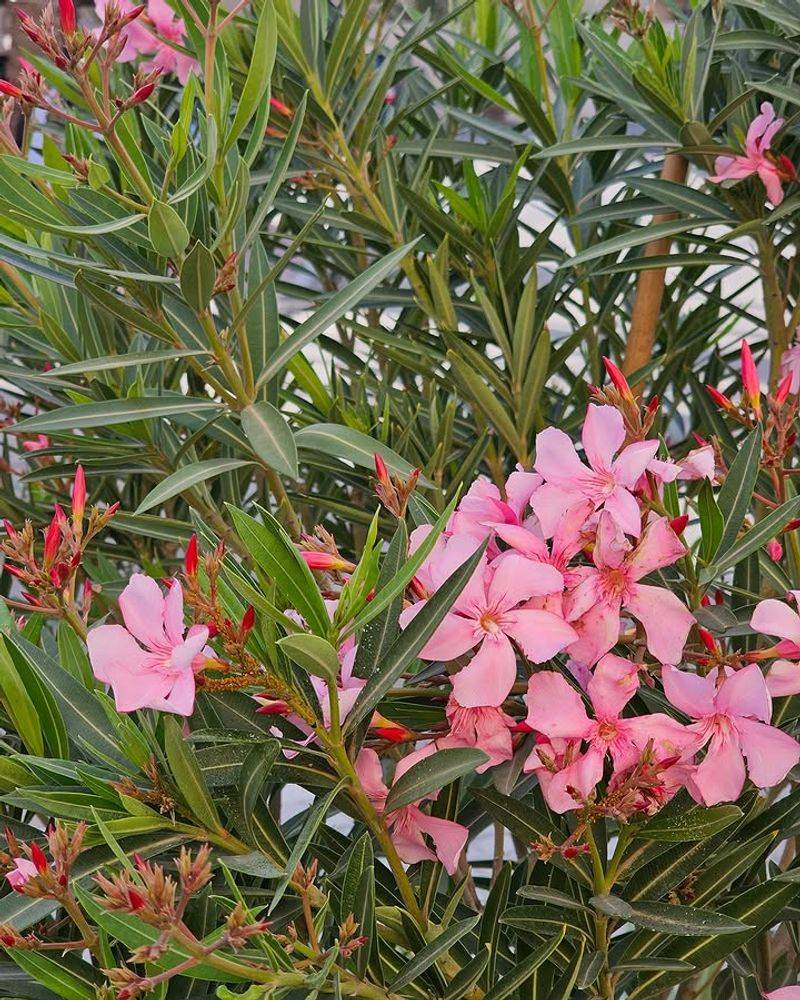
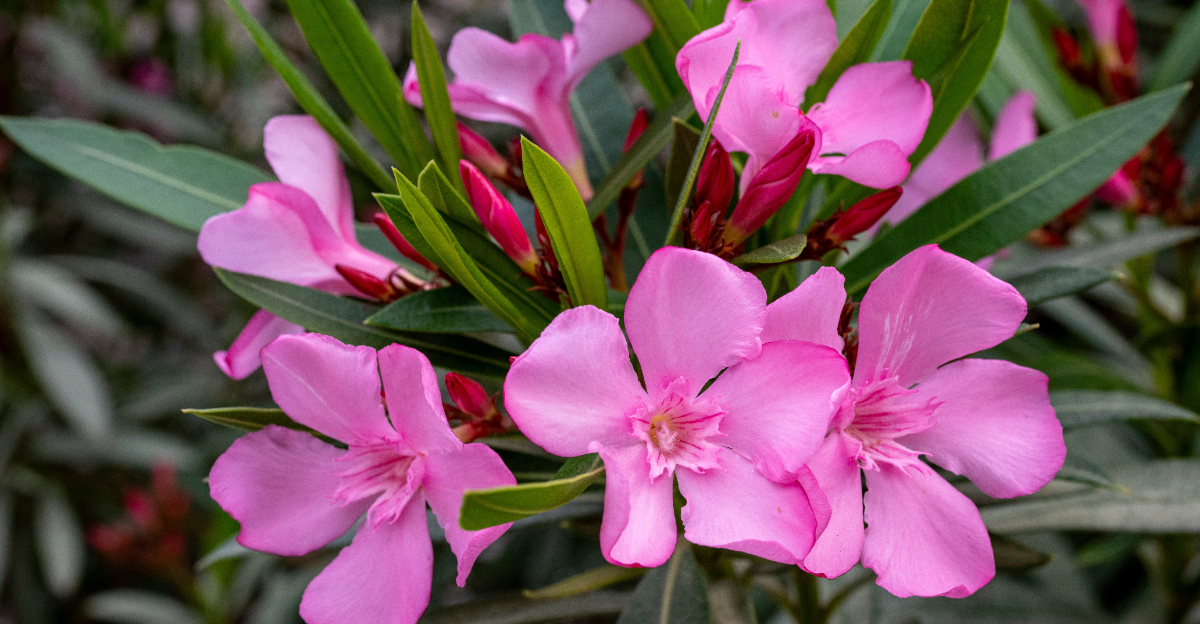
Oleander is one of the most widely planted shrubs across Arizona, and it’s not hard to see why. Those clusters of pink, white, or red flowers look stunning against a desert backdrop, and the plant handles brutal summer heat without much fuss.
But planting it right next to your house is a decision many Arizona homeowners end up regretting.
Every single part of this plant contains cardiac glycosides, which are toxic compounds that can cause serious harm if swallowed. Leaves, stems, flowers, roots, even the smoke from burning cuttings, all of it carries those compounds.
Your Arizona Garden Changes Every Week. Your Plan Should Too.
Gardening in Arizona changes quickly throughout the season. Every Friday you’ll receive a simple weekly plan showing exactly what to plant, prune, fertilize, harvest, and protect so you never miss the right timing.
Pets and young children are especially vulnerable, and oleander poisoning cases get reported in Arizona every year. If you have dogs that chew on plants or kids who play in the yard, having oleander up against your house puts them in a risky spot.
Beyond the toxicity issue, oleander grows tall and dense quickly in the Arizona heat. When it’s pressed against your exterior walls, that thick foliage traps moisture and limits airflow, which can lead to mold problems on stucco or wood surfaces over time.
Pruning it back regularly helps, but the job isn’t pleasant since you have to handle the cuttings carefully and never burn them.
Planting oleander out in an open area away from foot traffic makes much more sense. Use it as a property border or windbreak in a spot where people and animals aren’t hanging around constantly.
It’s a useful plant in the right place, just not right next to your front door.
3. Bougainvillea Produces Strong Thorns And Spreads Quickly
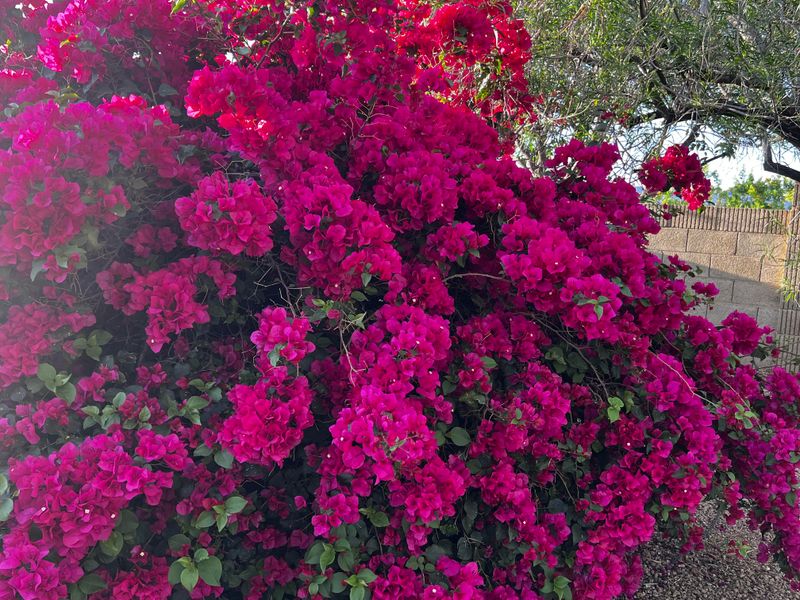
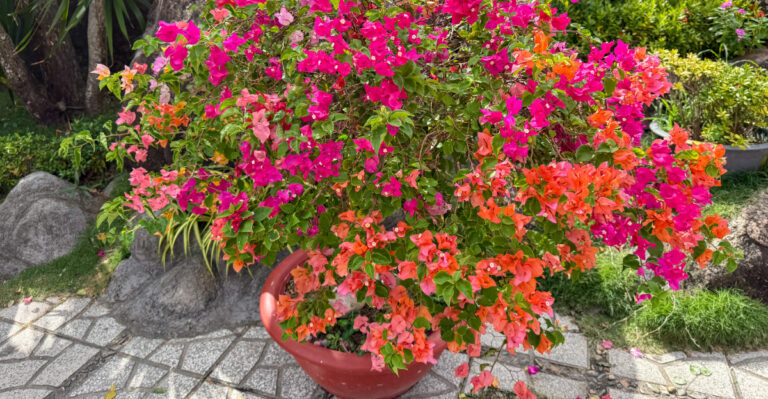
Bougainvillea is practically a symbol of the Southwest, and in Arizona it grows with a kind of relentless energy that catches a lot of homeowners off guard. The color payoff is real, those bright magenta, orange, and purple bracts are genuinely eye-catching.
But right up against your house is not where you want this plant living.
For starters, the thorns are serious. Bougainvillea thorns are curved, strong, and positioned along the canes in ways that make pruning feel like a wrestling match.
Thick gloves help but don’t fully protect you. Any time you’re trying to pull a cane away from your wall or window frame, expect resistance and scratches.
People in Arizona who’ve tried to remove an established bougainvillea from a wall know exactly how stubborn this plant can be.
Spread is the other major concern. Bougainvillea sends out long, arching canes that root where they touch soil and grab onto any surface they can reach.
Against a house, those canes work their way under roof tiles, into gutters, and along eave edges. Over a season or two, what looked like a manageable accent plant can cover an entire wall section and start lifting materials away from the structure.
In Arizona’s long warm season, bougainvillea barely slows down. It doesn’t need much water to keep pushing new growth, which means you can’t rely on dry spells to keep it in check.
Plant it on a sturdy freestanding trellis or a pergola at a safe distance from the house, and it’ll give you all the color with far less risk.
4. Catclaw Acacia Has Hooked Thorns That Snag Skin
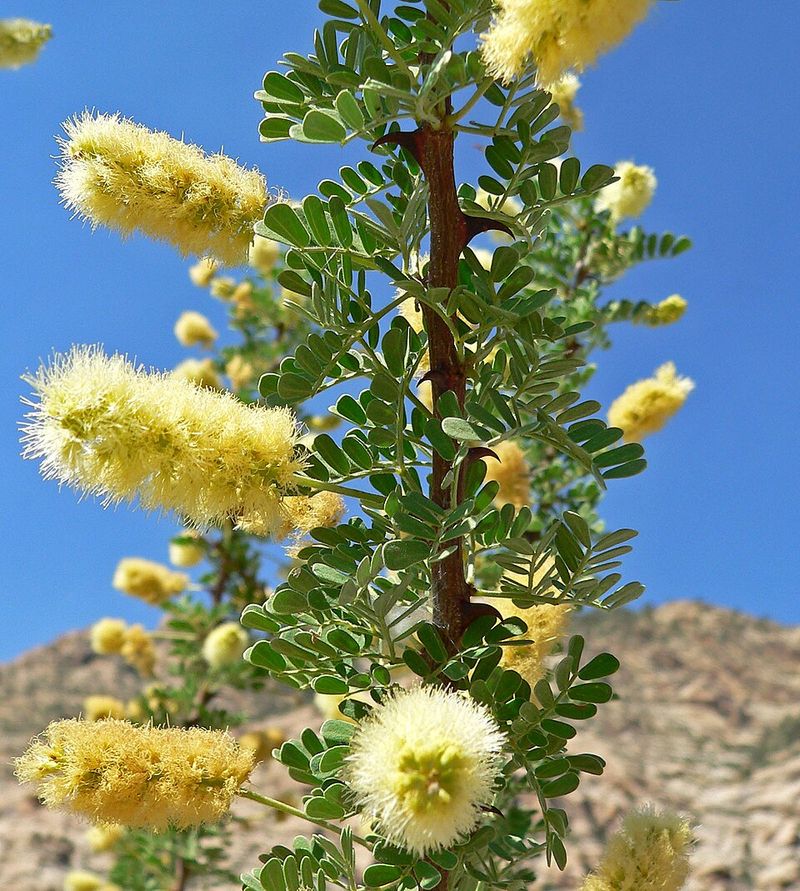
Catclaw acacia earned its name honestly. Those small, curved thorns grab onto skin, clothing, and fur like tiny fishhooks, and pulling away quickly just makes things worse.
It’s a native Arizona plant that handles extreme heat and drought without complaint, which is exactly why it shows up in so many yards across the state.
Native or not, planting catclaw acacia close to your house creates real daily problems. Pathways near the plant become hazardous, especially for kids running around or pets brushing past the branches.
Even a moderately sized catclaw can snag a shirt sleeve or scratch an arm when you’re just walking by to check the mail. Put it right next to a doorway or walkway and someone’s going to get caught on it regularly.
Root behavior is another reason to keep this one away from structures. Catclaw acacia develops a strong, spreading root system suited for finding water in dry soil.
Near a house, those roots can work toward irrigation lines, cracks in foundations, and plumbing. Arizona’s clay-heavy soils in some areas can actually amplify this by channeling root growth along moisture paths near structures.
Wildlife does benefit from catclaw acacia in open desert settings. Birds nest in the thorny branches for protection, and pollinators visit the yellow flowers.
Out in a larger yard space or along a back fence line well away from the house, it plays a legitimate role in a desert landscape. Just give it a generous buffer from anything you don’t want scratched, snagged, or rooted into.
Fifteen feet of clearance is a reasonable starting point for Arizona properties.
5. Desert Broom Spreads Aggressively And Takes Over Areas
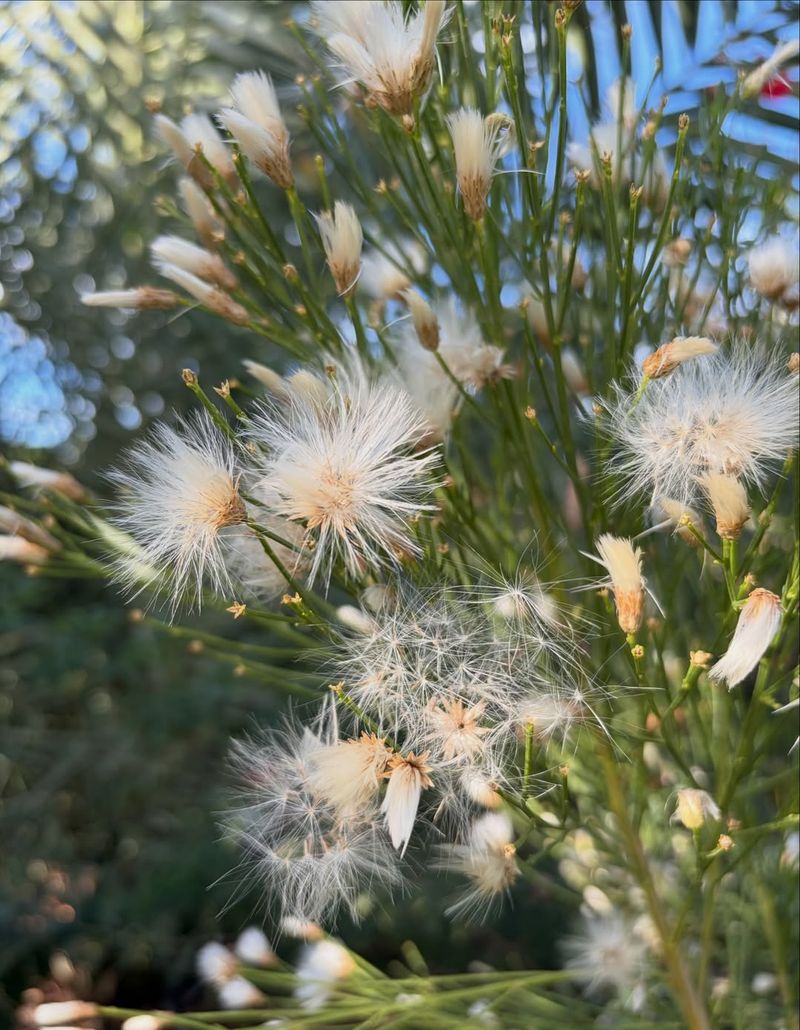
Desert broom looks harmless for most of the year, just a green, leafless-looking shrub that blends into the background. Come fall, though, the female plants explode with white, fluffy seed heads that drift on the wind and land absolutely everywhere.
If you have one planted near your house in Arizona, you’ll be pulling up seedlings from your flower beds, gravel, cracks in the patio, and gutters for months.
Seed production from a single female desert broom plant is staggering. Those lightweight seeds travel far and germinate quickly in disturbed soil, which means any bare patch near your house becomes a potential nursery.
Gravel yards, which are common across Arizona, actually make great germination beds for desert broom because the rocks hold warmth and the seeds can settle between them easily.
Growth rate is also worth thinking about. Desert broom doesn’t creep along slowly.
A young plant can put on significant size within a single Arizona growing season, especially if it’s near any supplemental irrigation.
Before long, a shrub that seemed manageable is pressing against your foundation, blocking airflow vents, or crowding out other plants you actually wanted to keep.
Allergy sufferers in Arizona already know this plant well. Desert broom pollen is a significant trigger during fall bloom season, and having a large plant right outside your windows or vents means that pollen has a direct path inside your home.
Keeping it out of the immediate yard area around your house isn’t about hating the plant, it’s just practical. In open desert areas further from the structure, it’s doing its ecological job just fine.
6. Yellow Oleander Contains Highly Toxic Compounds
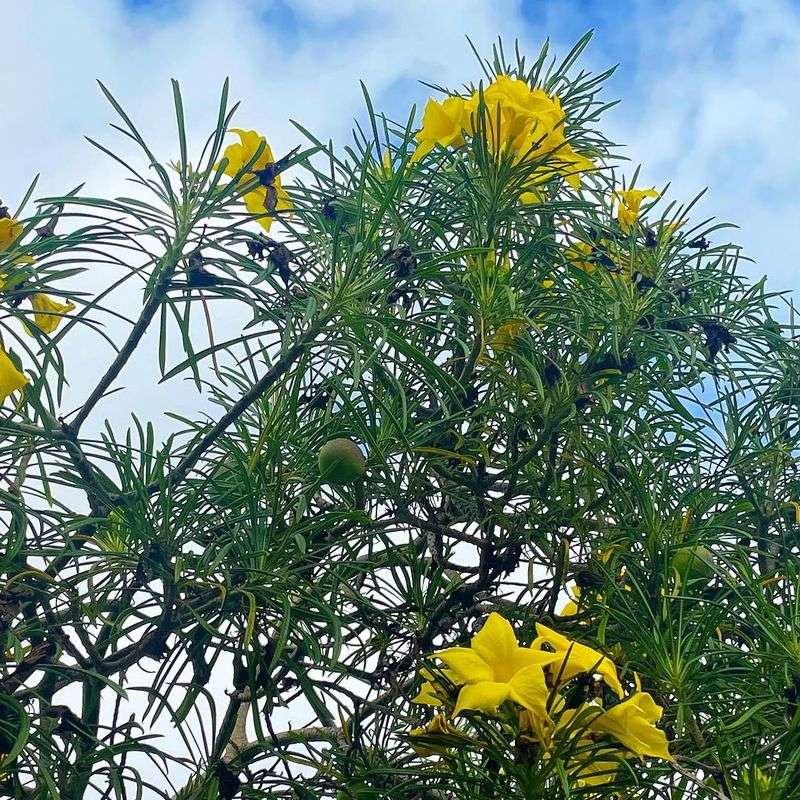
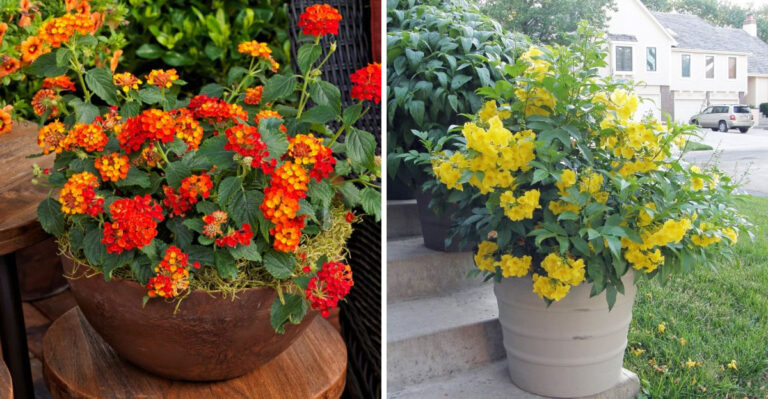
Yellow oleander looks cheerful and tropical, with bright yellow trumpet-shaped flowers that bloom reliably in Arizona’s warm weather.
Plenty of homeowners plant it near entryways or along fences because it’s showy and relatively easy to grow in the desert heat.
The problem is that yellow oleander is actually more toxic than its pink-flowered relative, and that’s saying something.
Every part of yellow oleander, known botanically as Thevetia peruviana, contains toxic compounds including thevetin and neriifosid.
These compounds affect the heart and nervous system, and exposure doesn’t require eating large amounts to cause a serious reaction.
Children who handle the seeds, which are encased in a hard shell that can look interesting to small hands, face real risk. Arizona poison control centers have handled yellow oleander cases, and the outcomes can be severe.
Planted near a house, yellow oleander creates an ongoing safety concern that’s hard to fully manage. Seeds and fallen flowers accumulate on patios, in planters, and along walkways.
Pets sniff around fallen plant material constantly, and curious kids pick things up off the ground without thinking. Keeping this plant in a high-traffic area near your home means staying vigilant every single day.
Beyond toxicity, yellow oleander grows vigorously in Arizona and can reach heights that push against eaves or overhang walkways. Pruning requires gloves and care since the sap is also irritating to skin.
If you want the tropical color effect in your Arizona yard, there are safer flowering shrubs that deliver visual impact without the same level of risk to people and animals living nearby.
7. Hopbush Grows Dense And Crowds Nearby Structures
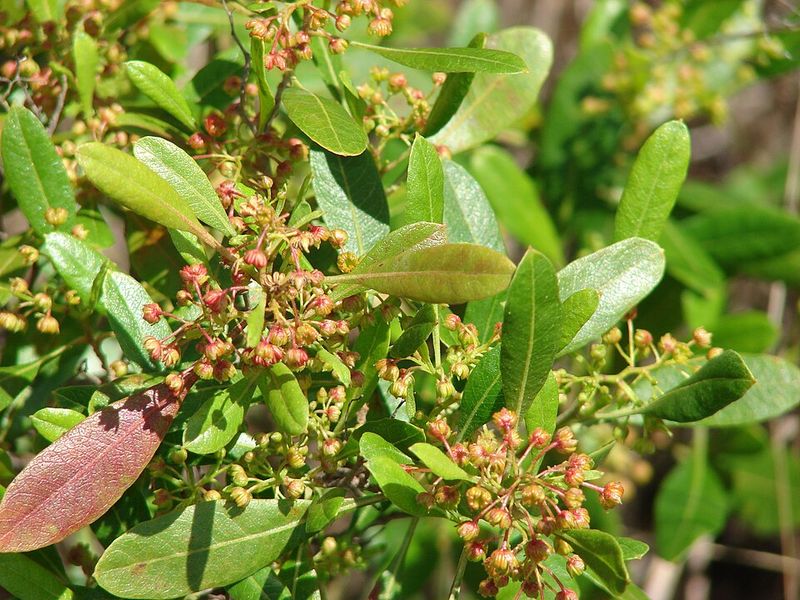
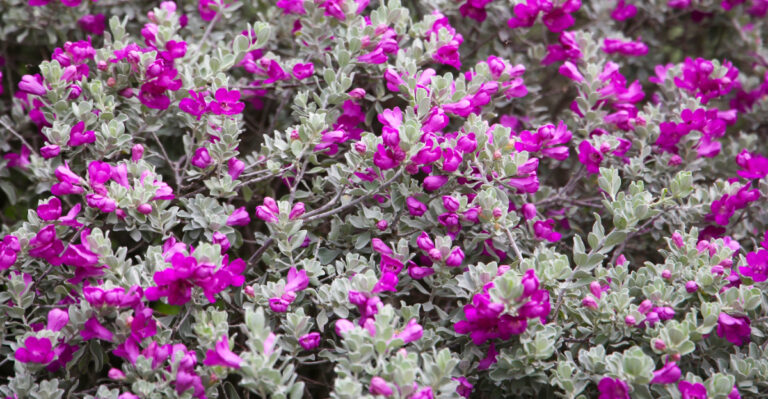
Hopbush is a go-to recommendation at many Arizona nurseries because it’s drought-tolerant, attractive, and grows without much fuss. Purple-leafed varieties especially get a lot of attention for their color contrast against desert-toned walls and gravel yards.
Sounds perfect, right? Up close to your house, though, hopbush creates a different story.
Density is the core issue. Hopbush doesn’t grow loosely or openly, it fills in thick.
When planted within a few feet of a wall, that dense canopy presses against the structure and stays there.
Moisture gets trapped between the foliage and the wall surface, and in Arizona where stucco is everywhere, prolonged moisture contact can cause surface damage and encourage mold in shaded spots that don’t dry out quickly.
Root spread also deserves attention. Hopbush develops a fairly wide lateral root system as it matures, and in Arizona’s compacted desert soils, those roots follow moisture sources.
Near a house with drip irrigation or a leaky outdoor spigot, roots can extend toward the foundation or work along irrigation lines. It’s not as dramatic as some trees, but over several years it adds up.
Mature hopbush plants can also crowd out airflow around the base of a home, which matters in Arizona where ventilation around structures helps manage heat buildup and moisture.
Keeping hopbush trimmed is doable but requires consistent effort since it rebounds quickly after cutting.
Planting it at least eight to ten feet from your exterior walls gives it room to develop its natural shape without becoming a structural problem. Used as a mid-yard accent or border planting, hopbush genuinely earns its reputation as a reliable Arizona landscape shrub.