North Carolina Gardeners Who Do This In May Get More Oakleaf Hydrangea Blooms
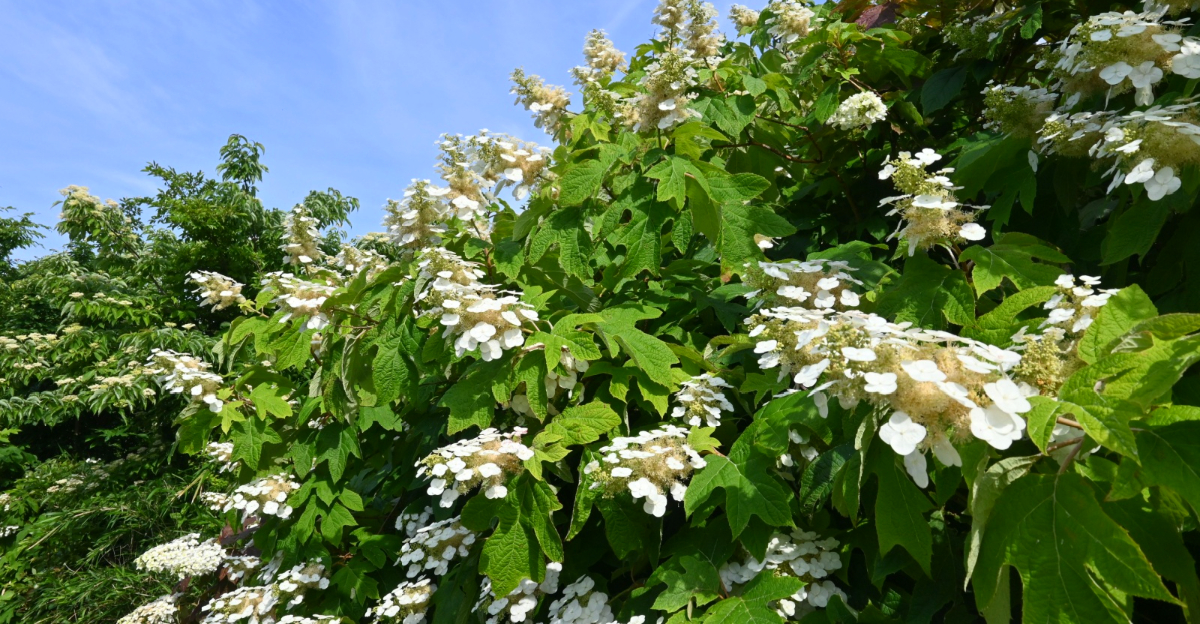
May is when oakleaf hydrangeas in North Carolina start looking especially promising. Fresh leaves are out, buds are swelling, and it is easy to start fussing over them a little too much.
That is usually when gardeners get into trouble. The smartest move is much simpler.
During dry May weather, steady watering can help oakleaf hydrangeas stay comfortable and keep growth moving in the right direction.
At the same time, this is not a good month for pruning, since those older stems may already be carrying the blooms you want to enjoy.
A little patience goes a long way here.
In North Carolina, simple May care often does more for oakleaf hydrangeas than any big garden “fix.”
1. Consistent Watering Helps Blooms Stay On Track
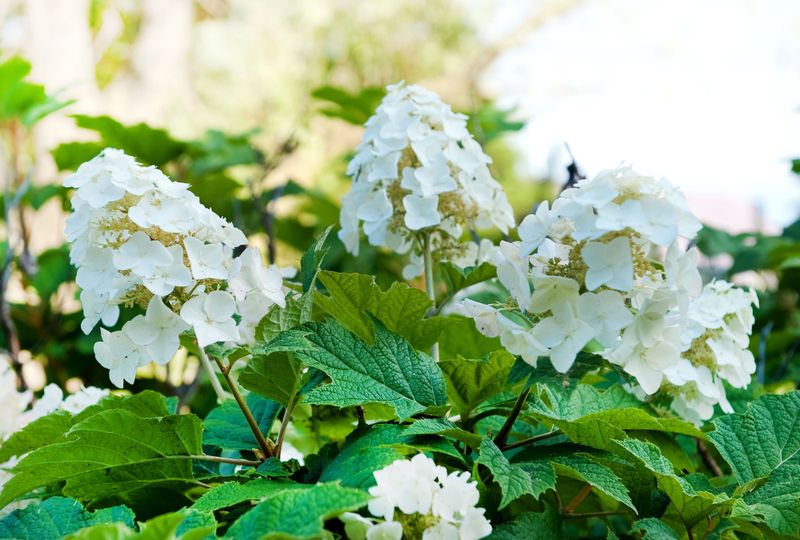
Watering consistently through May is one of the most practical things a North Carolina gardener can do to support oakleaf hydrangea blooms.
When spring arrives and temperatures begin climbing, soil moisture can shift quickly, especially during weeks when rainfall is light or unpredictable.
Oakleaf hydrangeas respond to that kind of inconsistency in ways that show up later in the season.
Steady soil moisture during the weeks when buds are developing helps the plant focus energy on flowering rather than managing stress.
In many parts of North Carolina, May can bring stretches of dry weather between rain events, and young or recently planted shrubs tend to feel that dryness faster than established ones.
Checking the soil a few inches down gives a clearer picture than relying on surface appearance alone.
Watering slowly and deeply, rather than giving a quick daily sprinkle, encourages roots to stay well-hydrated and better prepared for warm weather ahead.
Gardeners growing oakleaf hydrangeas in foundation beds, mixed borders, or woodland edges across North Carolina often find that plants receiving steady moisture through May enter the bloom season looking fuller and more vigorous.
No single watering session is a cure-all, but building a reliable routine through May can make a noticeable difference when flower clusters finally open.
2. Dry Spells Can Slow Oakleaf Hydrangeas Down
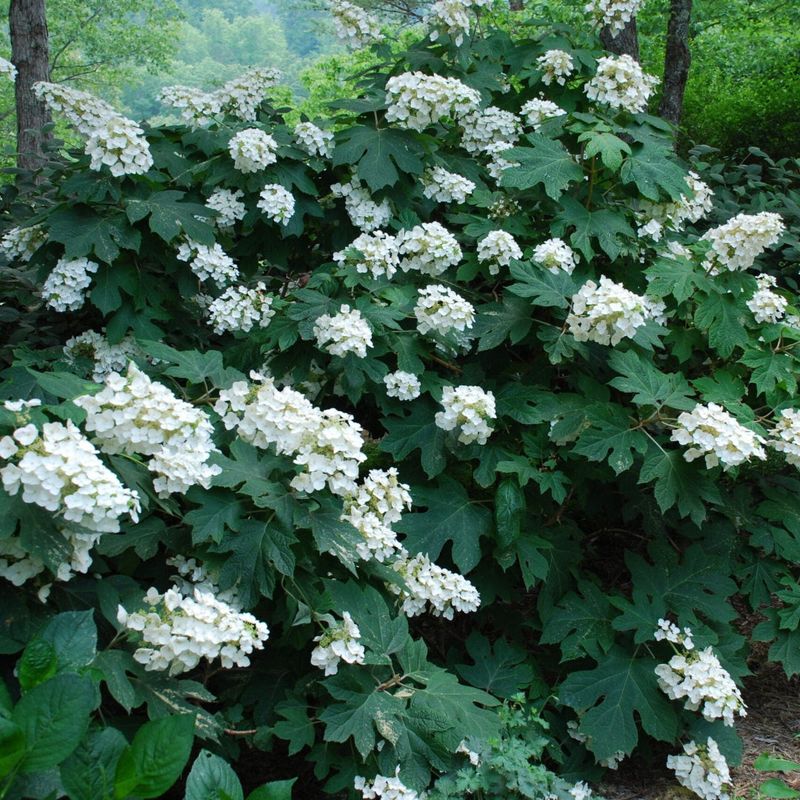
Dry spring weather in North Carolina can arrive without much warning, and oakleaf hydrangeas feel it more than some other shrubs.
During May, when the plant is actively pushing out new growth and preparing flower buds, a stretch of dry days without supplemental watering can interrupt that process in ways that are hard to reverse mid-season.
Gardeners sometimes notice the large, lobed leaves beginning to droop slightly during the hottest part of the afternoon.
That drooping can be a normal response to afternoon heat, but when it happens early in the day or persists into the evening, it often signals that the soil has dried out too much.
In North Carolina, sandy or well-draining soils tend to lose moisture faster, which means dry spells hit harder in some locations than others.
Keeping an eye on the weather forecast through May helps gardeners plan watering sessions before the soil gets too dry rather than after.
Your North Carolina Garden Changes Every Week. Your Plan Should Too.
Gardening in North Carolina changes quickly throughout the season. Every Friday you’ll receive a simple weekly plan showing exactly what to plant, prune, fertilize, harvest, and protect so you never miss the right timing.
Oakleaf hydrangeas growing in partly shaded spots may handle dry spells a little better than those in full sun, but even woodland-edge plantings can struggle when rainfall drops off for more than a week.
Recognizing early signs of moisture stress and responding with a deep watering session can help the plant stay on course toward a fuller bloom season later in summer.
3. Mulch Helps The Soil Stay Evenly Moist
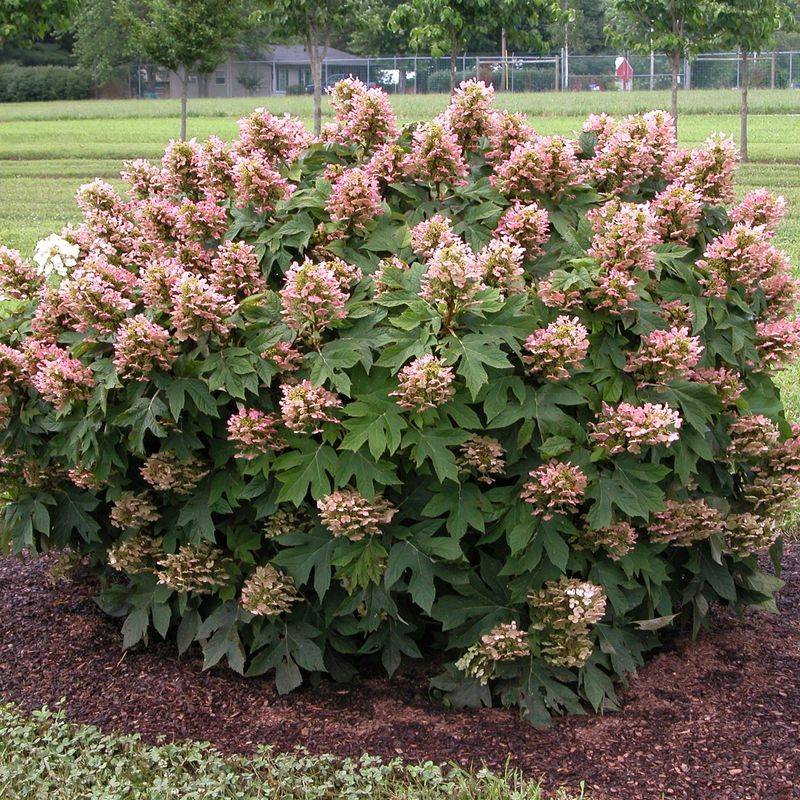
Spreading a layer of mulch around an oakleaf hydrangea in May is one of those habits that quietly does a lot of work in the background. Mulch slows evaporation, which means the soil beneath it holds onto moisture longer between rain events or watering sessions.
In North Carolina, where May temperatures can climb quickly and sunny days can dry out garden beds faster than expected, that moisture retention really matters.
Shredded bark, wood chips, or pine straw are all commonly used mulching materials in North Carolina gardens, and each one can help moderate soil temperature while reducing how often you need to water.
A layer roughly two to three inches deep is generally enough to make a difference without smothering the root zone.
Keeping mulch pulled back slightly from the main stem helps avoid creating conditions that could stress the plant at the base.
Gardeners who mulch their oakleaf hydrangeas in spring often notice that the soil stays workably moist for longer stretches, even when May brings a dry week or two.
In woodland-edge plantings or shaded foundation beds, mulch also helps mimic the naturally leaf-covered forest floor where oakleaf hydrangeas tend to do well.
Adding or refreshing mulch early in May rather than waiting until summer heat sets in gives the shrub a better buffer right when it needs consistent moisture most.
4. Soggy Soil Can Create New Problems
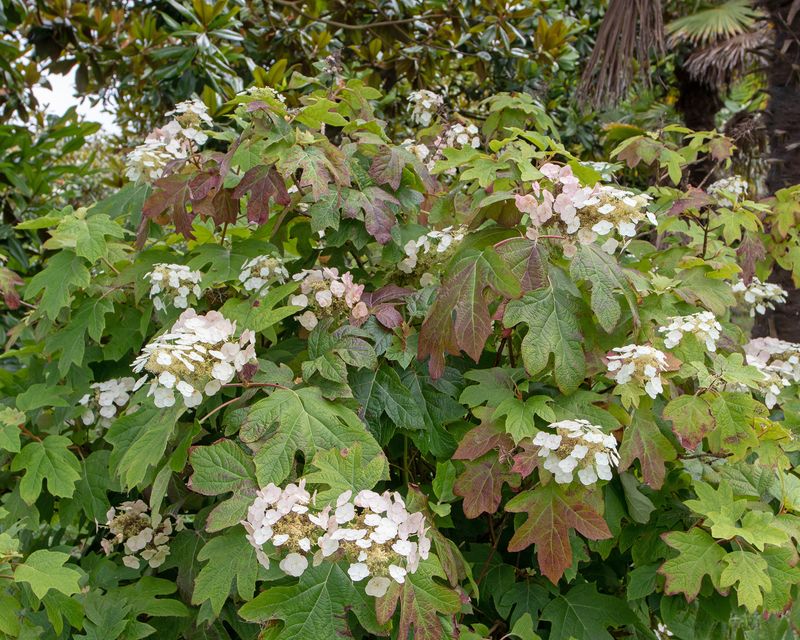
Good drainage matters just as much as consistent moisture when it comes to oakleaf hydrangeas in North Carolina.
While these shrubs appreciate steady soil moisture through May, sitting in waterlogged conditions can put stress on the root system and interfere with overall plant health.
Soggy soil and healthy roots rarely get along well for very long.
Low-lying areas in a yard, spots near downspouts, or beds with heavy clay soil that holds water after rain are all locations where drainage problems can show up.
Oakleaf hydrangeas planted in those spots may struggle even when watering seems appropriate, because the real issue is water that has nowhere to go.
Yellowing leaves, sluggish growth, or a generally unhappy appearance in May can sometimes point back to poor drainage rather than too little water.
Before adding more water, it helps to check whether the soil is actually dry or just slow to drain. In North Carolina, soil types vary widely across the state, and what works well in the Piedmont may behave differently in the coastal plain or mountain foothills.
Gardeners dealing with drainage issues sometimes benefit from raising the planting area slightly or amending the soil to improve its structure over time.
Getting the moisture balance right, not too wet and not too dry, gives oakleaf hydrangeas the steady foundation they need to build toward a strong bloom season.
5. Skipping May Pruning Protects Future Blooms
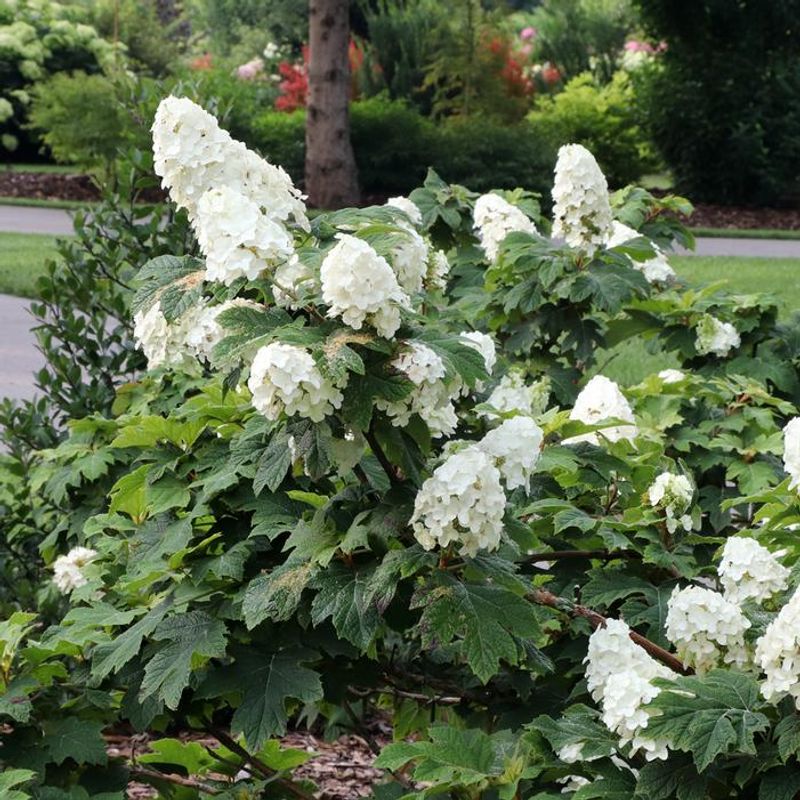
Reaching for the pruning shears in May feels natural for a lot of gardeners. Shrubs are growing quickly, some stems may look scraggly, and the urge to tidy things up is understandable.
For oakleaf hydrangeas, though, May pruning is one of the most common reasons gardeners end up with fewer blooms than they hoped for.
Oakleaf hydrangeas bloom on old wood, which means the flower buds for the current season were already set on last year’s stems during the previous summer and fall. When stems get cut in May, those buds go with them.
The shrub may still look healthy and produce plenty of new foliage, but the bloom potential for that year has already been reduced with each cut.
If pruning is needed for shaping or to remove damaged wood, late summer or early fall, right after the blooms have faded, is a much better window. At that point, the plant still has time to develop new buds on the growth that remains before winter sets in.
In North Carolina, many gardeners find that oakleaf hydrangeas actually need very little routine pruning once they are established and sited in a spot with enough room to grow naturally.
Letting the shrub develop on its own through May, rather than cutting it back, is one of the simplest ways to protect the bloom display you have been waiting for.
6. Old Wood Holds The Flower Buds
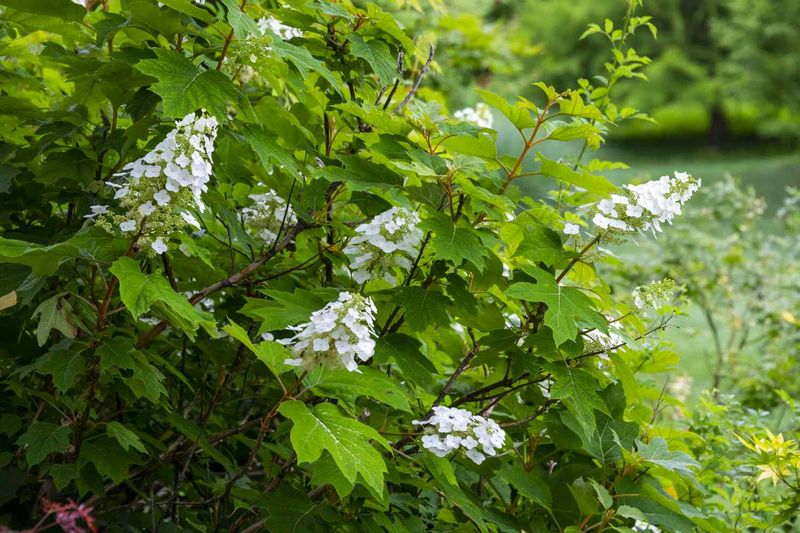
One of the most useful things to understand about oakleaf hydrangeas is where their flower buds actually come from.
Unlike some flowering shrubs that produce blooms on brand-new growth each year, oakleaf hydrangeas develop their flower buds on stems that grew the previous season.
That old wood is carrying the blooms for this year, and protecting it through the winter and into May matters more than most people realize.
When gardeners see those older, brownish stems and wonder whether they should be removed, it helps to know that cutting them means removing the buds already waiting inside.
The stems may not look as fresh as the bright green new growth emerging in spring, but they are doing important work.
Buds on old wood begin to swell and show themselves as the weather warms through April and into May in North Carolina.
Unusually cold winters or late frosts can sometimes damage old wood before those buds have a chance to develop fully, which is one reason bloom performance can vary from year to year in North Carolina.
In most years, though, stems that have been left intact through winter carry a healthy set of buds into spring.
Recognizing the value of that old wood, and resisting the urge to prune it away in May, is one of the clearest ways to support a fuller and more reliable bloom season on oakleaf hydrangeas.
7. A Bit Of Sun Helps Blooming Happen
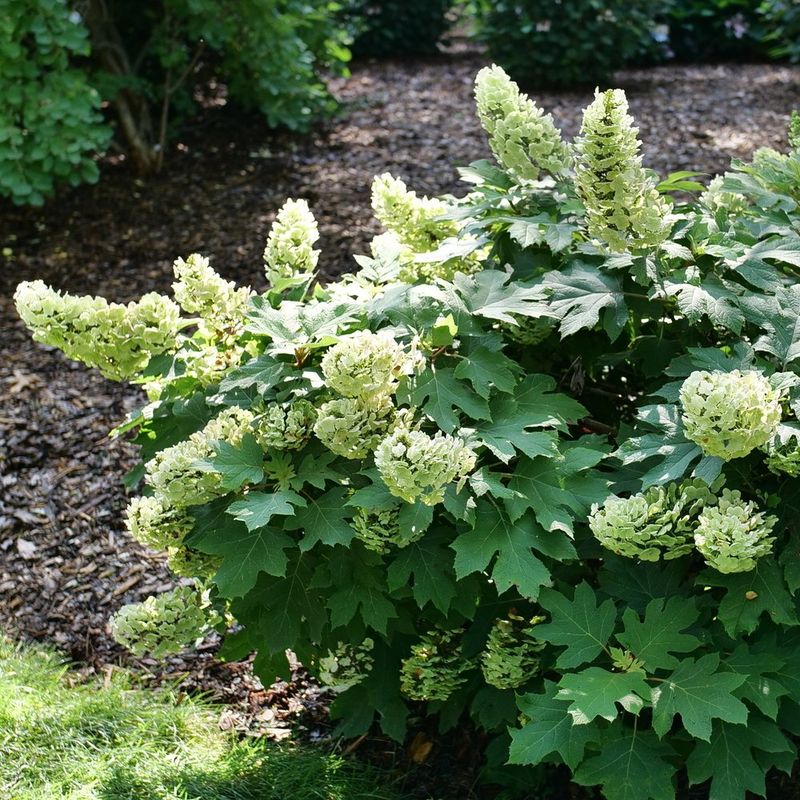
Sunlight plays a real role in how well oakleaf hydrangeas bloom, and May is the month when that relationship starts to show itself most clearly.
These shrubs are known for handling shade better than many flowering plants, but there is a difference between dappled shade and deep, dense shade where very little light reaches the ground.
Too little sun through the growing season can result in fewer flower clusters come summer.
In North Carolina, a spot with morning sun and afternoon shade, or a position at the edge of a tree canopy where filtered light comes through for several hours, tends to suit oakleaf hydrangeas well.
Full shade under dense tree cover can limit blooming, while full sun in the hottest parts of the state can stress the plant during summer heat.
Finding a middle ground often produces the best results.
Gardeners who notice that their oakleaf hydrangea looks healthy but produces fewer blooms than expected sometimes find that the canopy above it has grown denser over the years, reducing the light reaching the shrub.
Selectively thinning nearby trees or moving the shrub to a better-lit spot can sometimes improve bloom performance over time.
In May, paying attention to how much sun actually reaches the plant through the day is a useful exercise, and it can help inform decisions about placement, pruning of overhead branches, or care adjustments for seasons ahead.
8. Steady May Care Supports A Better Show
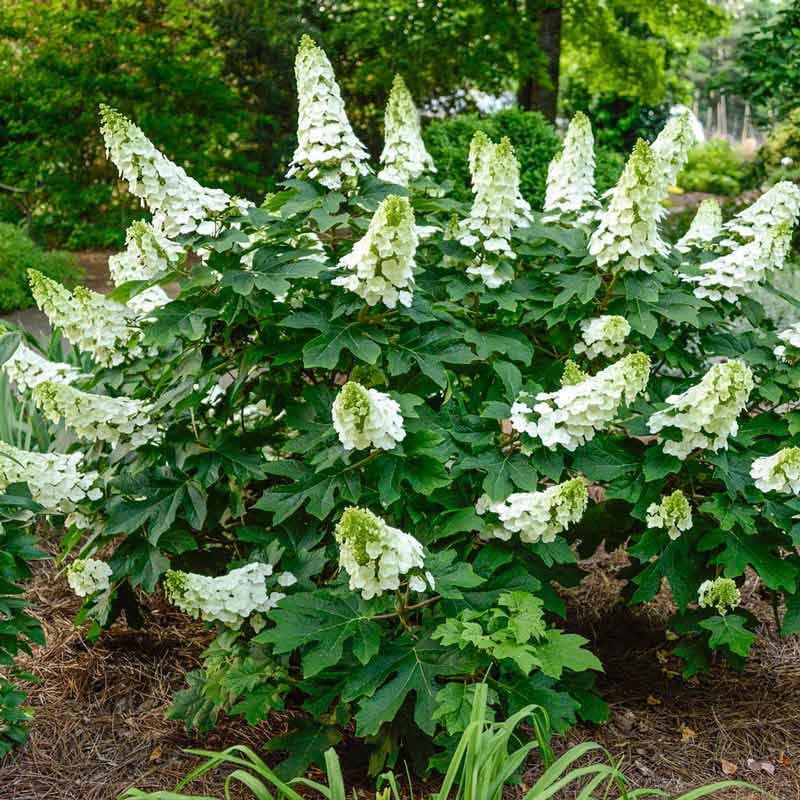
Putting it all together in May does not require an elaborate routine or a long list of products.
For oakleaf hydrangeas in North Carolina, the practices that support the best bloom season tend to be straightforward ones that work together rather than in isolation.
Consistent watering, sensible mulching, good drainage, adequate light, and leaving old wood intact all contribute to the same goal.
Gardeners who check soil moisture regularly through May, refresh mulch early in the season, and resist the urge to prune stems that are carrying this year’s flower buds often find that their oakleaf hydrangeas reward them with a fuller, more impressive display when bloom time arrives.
The shrub does the heavy lifting on its own once the right conditions are in place.
North Carolina gardens vary widely in terms of soil type, rainfall patterns, sun exposure, and microclimate, so what works well in one yard may need slight adjustments in another.
The key is paying attention to how the plant looks and responds through May, making small corrections as needed, and trusting that steady, sensible care adds up over time.
Oakleaf hydrangeas are resilient and adaptable shrubs that tend to thrive when they are given consistent moisture, reasonable light, and the space to grow without unnecessary interference. May is the month when all of that care starts to matter most.