7 North Carolina Herbs That Grow Better In Partial Shade
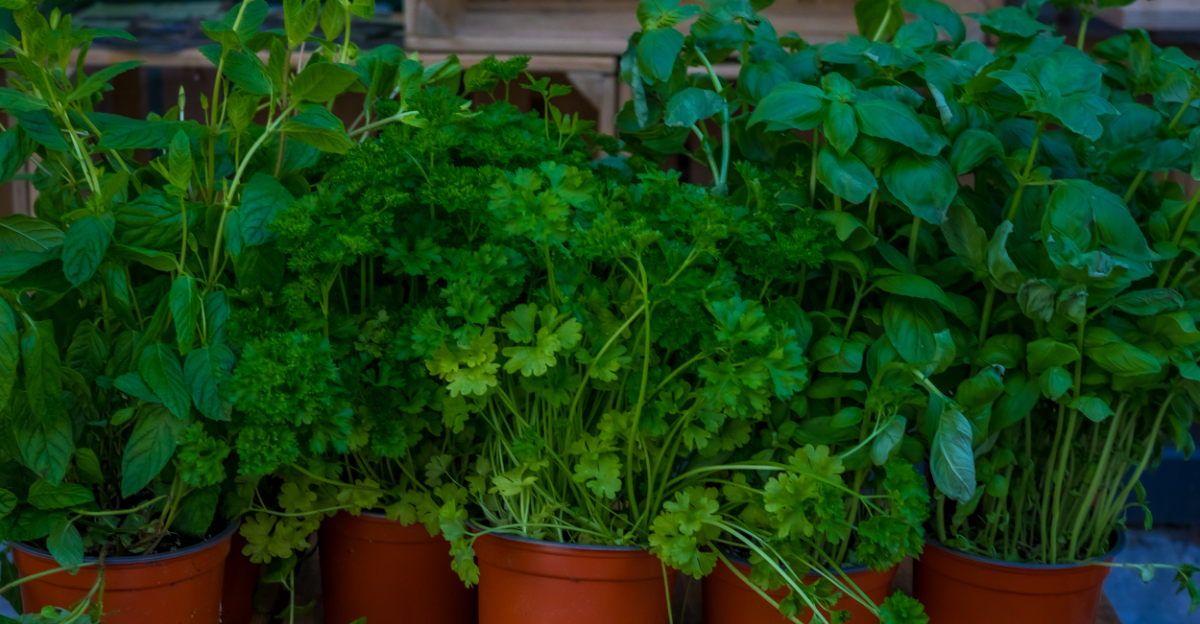
Most herb growing advice assumes full sun is non negotiable, leaving North Carolina gardeners with shadier yards feeling like herbs simply aren’t an option for them.
But a specific group of herbs actually performs better with some relief from direct sun, especially during the state’s intense summer heat.
Understanding which herbs fall into this category could open up an entirely new area of your yard you’d previously written off.
Many gardeners are surprised to discover just how well these particular herbs thrive in conditions they assumed would only lead to disappointment.
This list could completely change how you think about the shadier corners of your garden. Once you know which herbs actually prefer partial shade, filling those overlooked spaces becomes a lot more exciting.
A shady yard might be more capable of growing herbs than you ever expected.
1. Parsley Appreciates A Cooler Spot
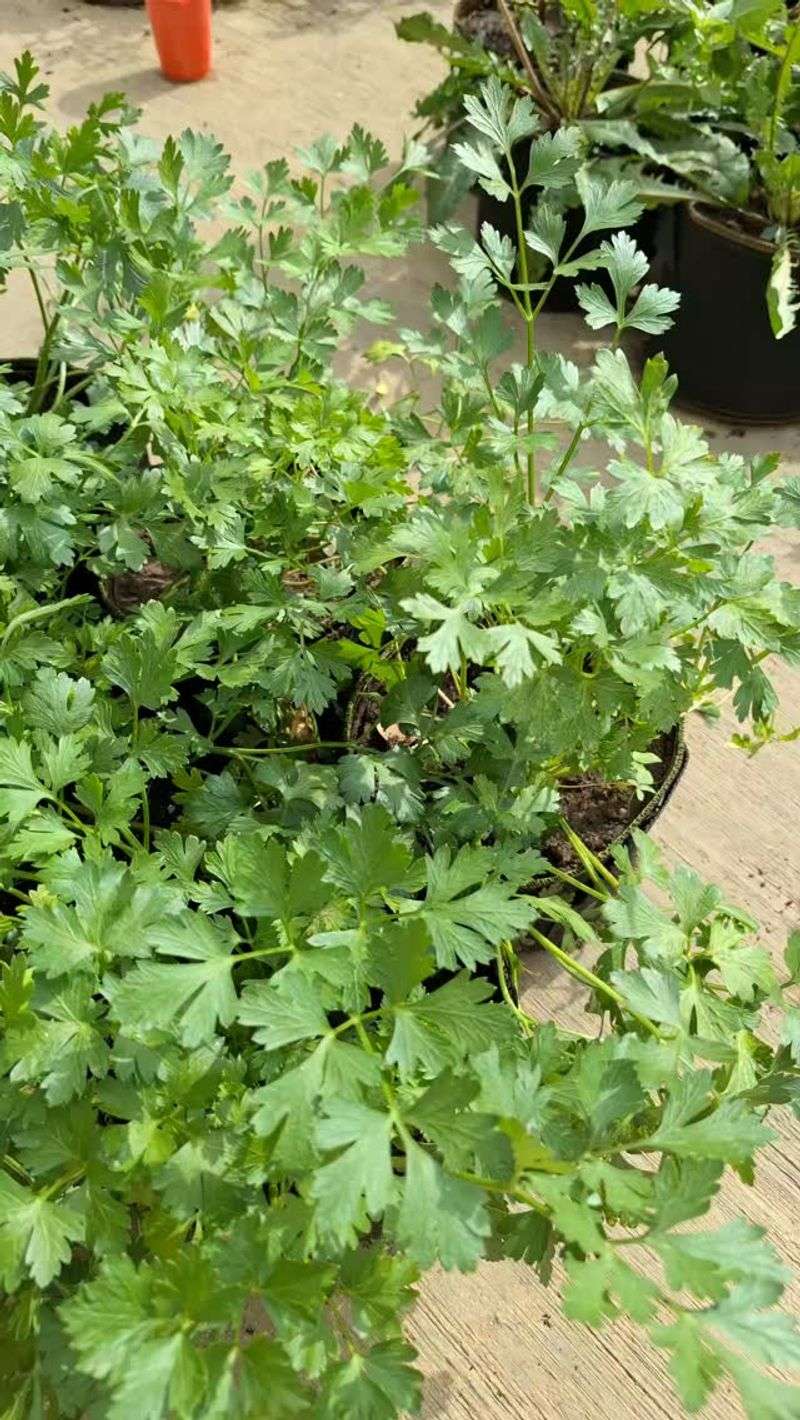
Green, leafy, and packed with flavor, parsley is one of the easiest herbs to keep happy in a spot that gets shade during the hottest part of the day. Full sun in a North Carolina summer can be a lot for these tender leaves.
When temperatures climb into the 90s, parsley planted in blazing sun often turns yellow and tough. A little afternoon shade keeps the leaves soft, bright, and tasting sweet instead of bitter.
Morning sun with cool shade later is close to perfect for this plant. Parsley also holds moisture better when it is protected from harsh rays. That means you water less and the roots stay comfortable.
Try planting it near taller vegetables or along the east side of a fence where the sun fades by early afternoon.
You can snip outer stems as they grow, and the plant keeps making more. This cut-and-come-again habit works even better in partial shade because the plant does not feel stressed.
Stressed parsley tends to flower early, which ruins the flavor of the leaves. Here is a fun bit of history: parsley was once used by ancient Greeks as a decoration for winners at games, long before people cooked with it. Today it brightens soups, salads, and sauces.
Give it rich soil, steady water, and a break from the strongest sun, and you will have fresh parsley for months. It is a forgiving herb that rewards even beginner gardeners with a steady, tasty harvest.
2. Cilantro Lasts Longer With Less Heat
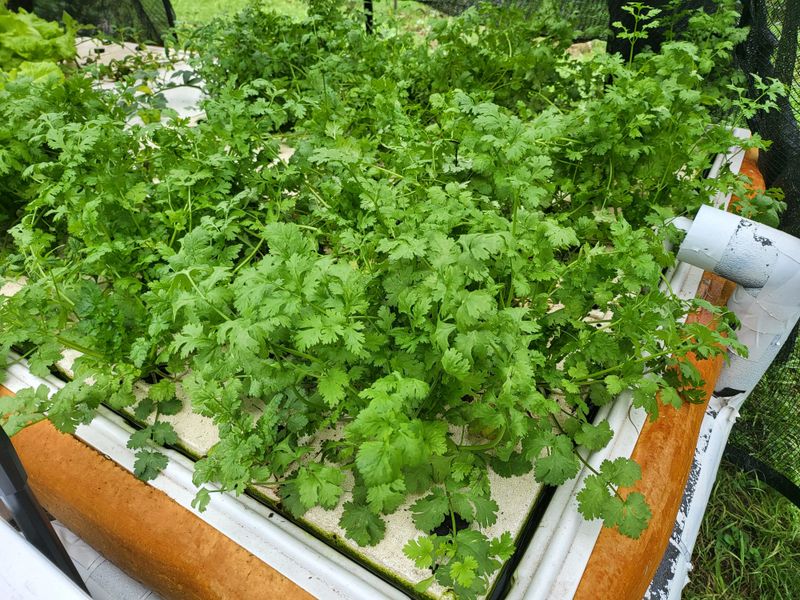
If cilantro has ever left you frustrated, you are not alone. This herb loves cool weather and rushes to flower the moment things heat up, a habit gardeners call bolting.
North Carolina summers make cilantro race toward flowering fast, and once it does, the leaves shrink and turn feathery. The flavor changes too, becoming sharp instead of fresh.
Light afternoon shade slows this whole process down by keeping the plant cooler.
When cilantro sits in a shadier spot, it stays leafy longer and gives you more time to harvest. The shade tricks the plant into thinking the weather is milder than it really is.
Your North Carolina Garden Changes Every Week. Your Plan Should Too.
Gardening in North Carolina changes quickly throughout the season. Every Friday you’ll receive a simple weekly plan showing exactly what to plant, prune, fertilize, harvest, and protect so you never miss the right timing.
That extra week or two of good leaves makes a big difference for salsa lovers.
Plant cilantro where it catches morning light but hides from the intense sun after lunch. Keep the soil evenly moist, since dry roots also push the plant to flower early.
Cutting the leaves often encourages fresh growth and delays bolting a little more.
Another smart trick is planting a new batch every couple of weeks. This way you always have young, tender cilantro coming up even as older plants slow down.
Gardeners call this succession planting. Did you know the seeds of cilantro are actually coriander? One plant gives you two spices, so even a bolted plant is not wasted.
Let it flower, and you can collect the round seeds later. With a cooler home and steady water, cilantro becomes far less fussy and much more rewarding.
3. Chervil Loves Partial Shade
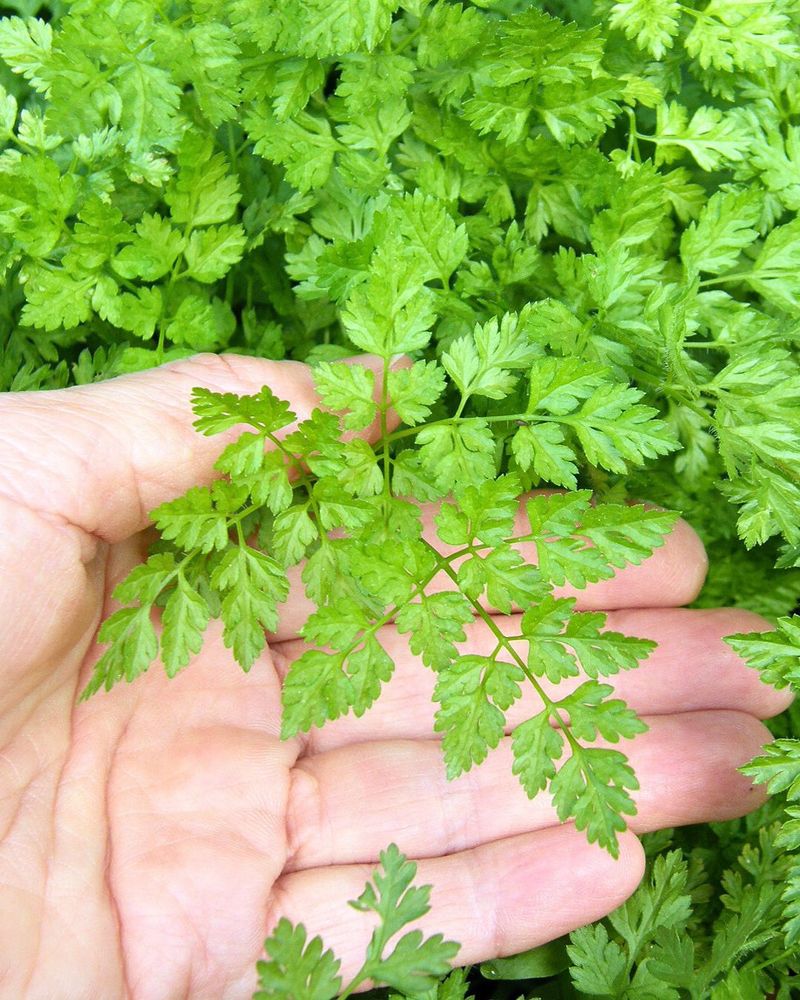
Meet chervil, the quiet star of the shade garden. This delicate French herb has lacy leaves and a mild taste that hints at both parsley and anise, and it truly shines when the sun is soft.
Unlike sun-loving herbs, chervil actually struggles in bright, hot spots. Too much direct light scorches its thin leaves and pushes it to flower fast.
A shady garden that catches only a few hours of gentle sun is exactly where this plant feels at home.
Chervil grows best in cool, moist soil, so a shaded bed helps the ground stay damp longer. In the heat of a North Carolina summer, that protection keeps the leaves tender and full of flavor.
Many gardeners tuck it under taller plants for natural cover. Because it grows quickly, you can enjoy fresh chervil just six to eight weeks after planting. Snip the outer leaves and let the center keep producing.
The flavor is best fresh, since cooking too long makes it fade. Chefs love chervil in eggs, fish dishes, and light spring sauces. It is one of the classic herbs in a French blend called fines herbes, mixed with parsley, chives, and tarragon.
Plant it in spring or fall when the weather is mild, and give it a shady corner where other herbs might sulk. With steady moisture and a break from harsh sun, chervil will fill that spot with soft, feathery greens you can harvest again and again.
4. Mint Handles Shade Easily
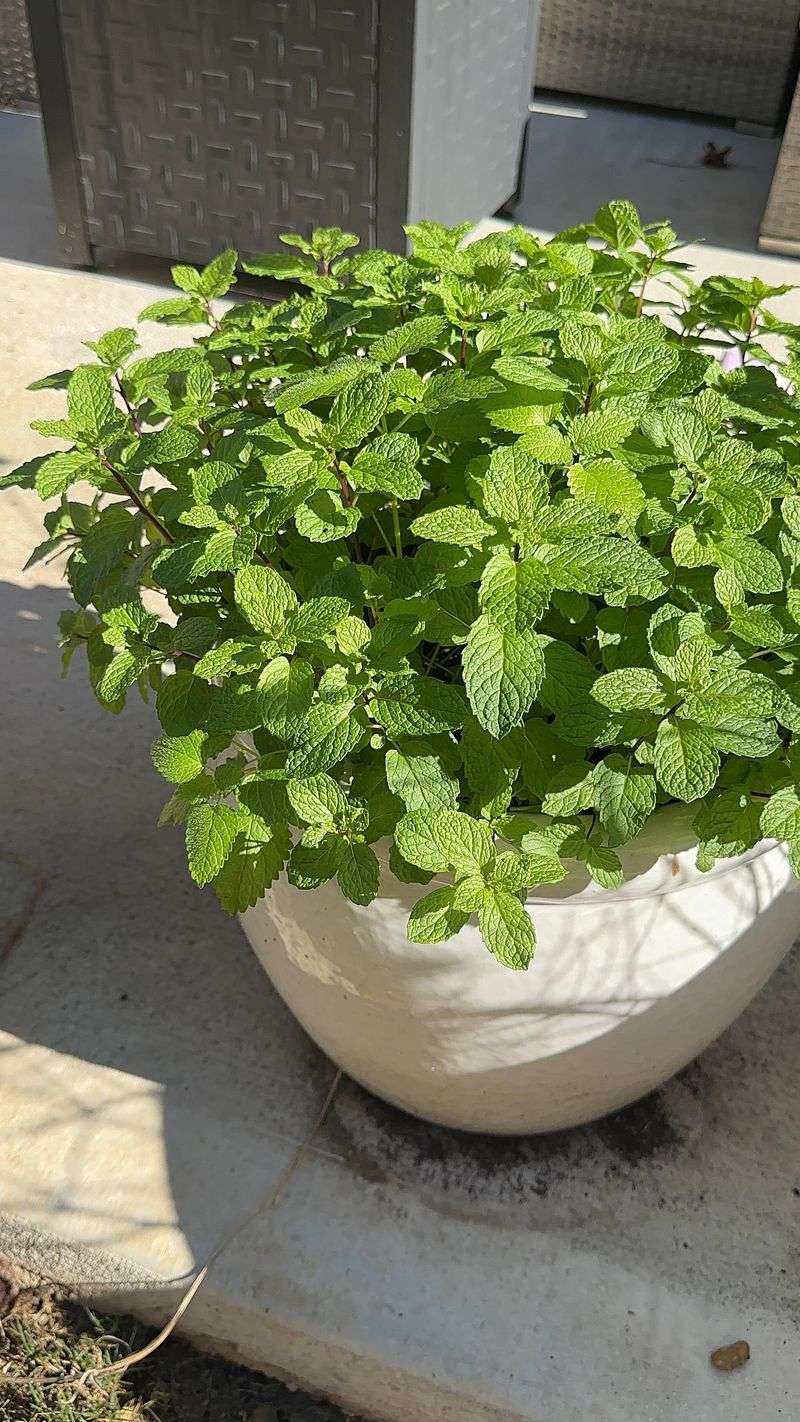
Few herbs are as tough and cheerful as mint. This leafy plant practically begs for a shady, damp corner and rewards you with a strong, refreshing scent every time you brush against it.
Mint does not need full sun to thrive, which makes it a great pick for shadier yards. In fact, hot afternoon rays can dry out its leaves and leave them looking sad.
A spot with morning light and afternoon shade keeps mint lush and green. Steady moisture is the real secret to happy mint. The plant loves cool, damp soil, so shade helps hold that water in the ground.
Near a downspout or a shady garden edge is often a perfect home. Here is the catch you should know about. Mint spreads fast, sending runners underground that pop up all over the place.
If you plant it straight in the ground, it can take over a whole bed before you know it. The easy fix is growing mint in a pot or a buried container with a bottom. This keeps the roots in check while still letting you enjoy endless leaves.
Snip stems often, and the plant grows back bushier. There are dozens of fun kinds, from peppermint to chocolate mint to spearmint. Each one adds something special to tea, lemonade, or desserts.
Give mint a little shade, plenty of water, and some boundaries, and it will keep you stocked with fragrant leaves all season with almost no effort on your part.
5. Chives Do Not Need All Day Sun
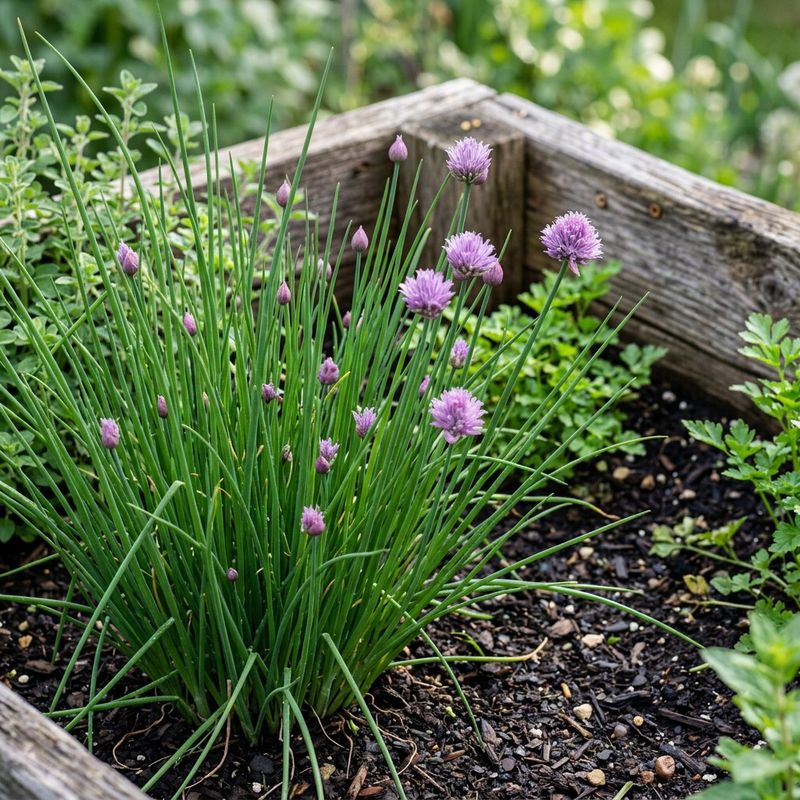
Slender, grassy, and topped with pretty purple flowers, chives bring a mild onion flavor to your kitchen without demanding much in return. Best of all, they do not need a full day of sun to grow well.
Give chives about four to six hours of light, and they happily produce plenty of hollow green leaves. In North Carolina, that partial exposure actually protects them from the strongest midday heat.
The leaves stay softer and taste better with a little afternoon shade. These hardy plants come back year after year, making them a smart choice for busy gardeners. Once they settle in, they need very little fuss.
A quick trim keeps the leaves fresh and encourages new growth from the base. To harvest, snip the leaves near the ground with scissors and leave a couple of inches so the plant keeps going.
Chives grow in tidy clumps, so they will not spread and take over like mint does. Every few years you can dig up a clump and split it into more plants.
The purple blossoms are not just for looks either. They are edible, with a gentle onion taste that brightens salads and looks lovely scattered on a plate. Bees and butterflies love them too.
Chives shine when sprinkled fresh over baked potatoes, eggs, or creamy soups. Because they tolerate shade so well, you can plant them in spots where fussier herbs would sulk, and still gather flavorful leaves for your cooking all season long.
6. Lemon Balm Stays Productive In Light Shade
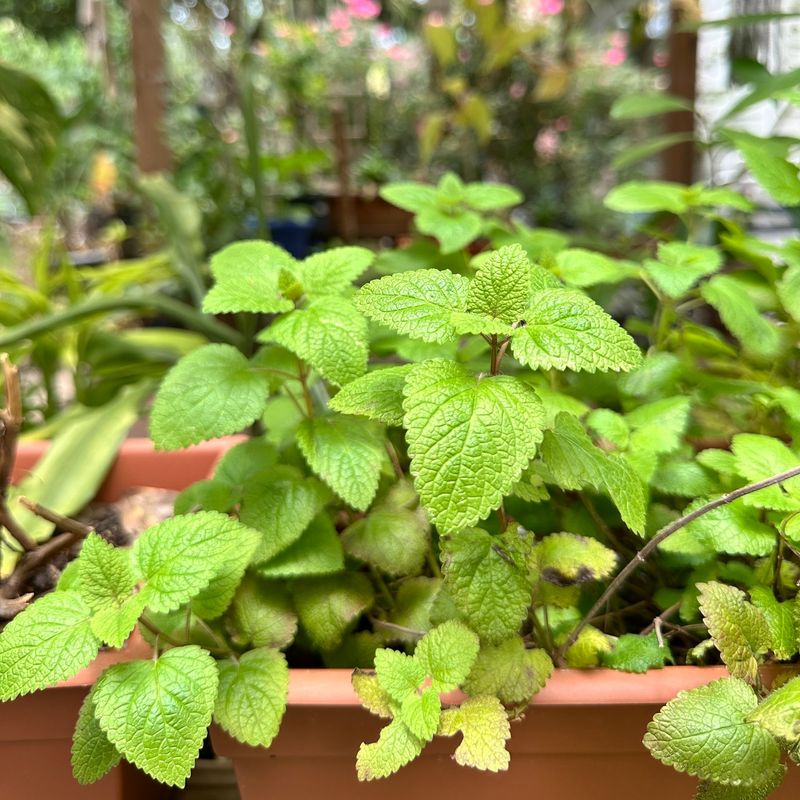
Crush a leaf of lemon balm and you get a burst of bright, citrusy scent that instantly lifts your mood. This member of the mint family grows beautifully in light shade, making it a wonderful pick for a partly sunny yard.
Lemon balm does not sulk when the sun is limited. A few hours of morning light with shade later in the day keeps the leaves fresh and green.
Too much harsh sun can actually make the edges brown and crispy in summer heat.
Because it is related to mint, lemon balm shares one bold habit: it grows fast and spreads. If you plant it in open soil, it will happily fill the space and reseed itself around the garden.
Keeping it in a pot or a defined bed helps you enjoy the plant without letting it wander. Regular trimming also slows it down and gives you more tender leaves to use.
Cut it back before it flowers to keep the flavor at its best. The leaves make a soothing tea that many people sip to relax in the evening. You can also add them to lemonade, fruit salads, or chilled water for a fresh twist. Pollinators adore the tiny flowers too.
Farmers and gardeners have grown lemon balm for over two thousand years, and beekeepers once rubbed it inside hives to keep bees content. Give this cheerful herb a shady corner and a little control, and it will stay generous all season.
7. Basil Can Use Afternoon Relief
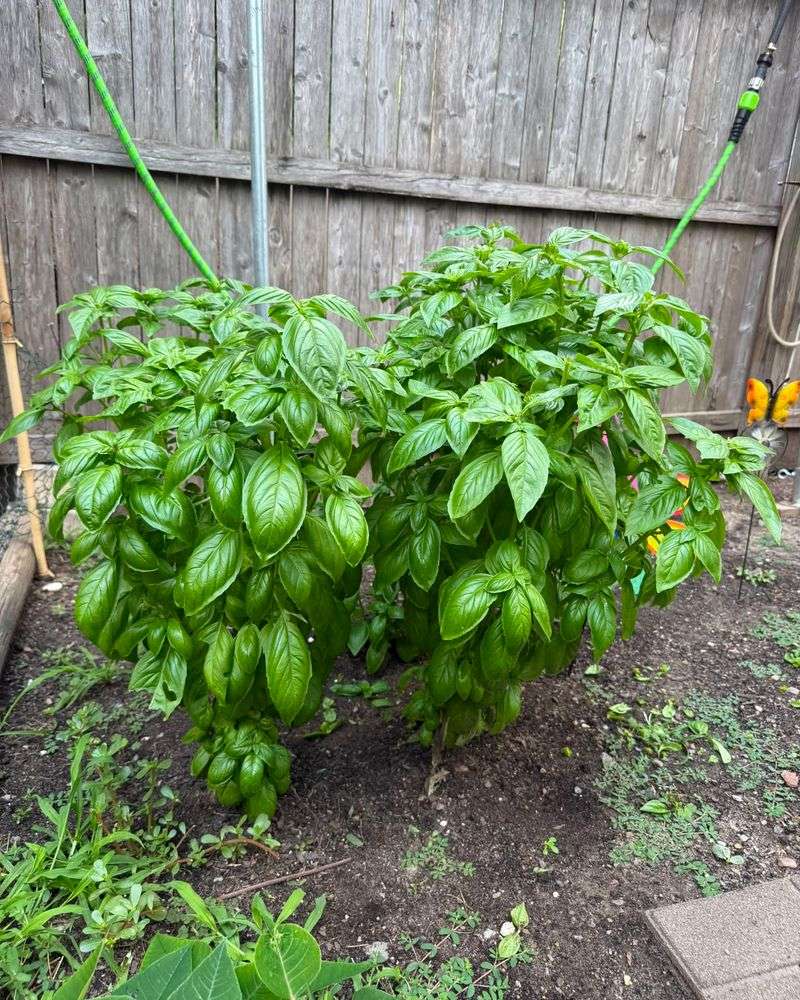
Basil has a reputation as a sun lover, and that is mostly true, but North Carolina summers can be too much of a good thing. When the afternoon sun blazes, even this warm-weather herb can start to wilt and struggle.
A spot that gets bright morning light and some shade after lunch helps basil stay comfortable. That break from the harshest rays reduces heat stress and keeps the leaves broad, green, and full of flavor.
Wilting in the afternoon is a sign your plant would welcome the relief. Partial shade also helps the soil hold moisture, which basil craves during hot spells. Dry, baking roots can leave the plant limp and unhappy.
A little afternoon cover means you water less often and the plant stays perkier. Pinching off the top leaves regularly keeps basil bushy and stops it from flowering too soon. Once basil flowers, the leaves lose some of their sweet taste.
So snip often and enjoy the harvest. This herb loves warmth, so it still needs several hours of good sun to grow strong. The goal is balance: plenty of morning light with a gentle escape from the fierce afternoon glare.
Basil comes in many fun types, from classic sweet basil to spicy Thai and lemon-scented varieties. Fresh leaves shine in pasta, pizza, and homemade pesto.
Plant it after the last frost, give it rich soil, and offer a bit of afternoon shade in the peak of summer. Your basil will thank you with a steady supply of fragrant leaves.