Do This To Your North Carolina Coneflowers After They Bloom So They Come Back Stronger
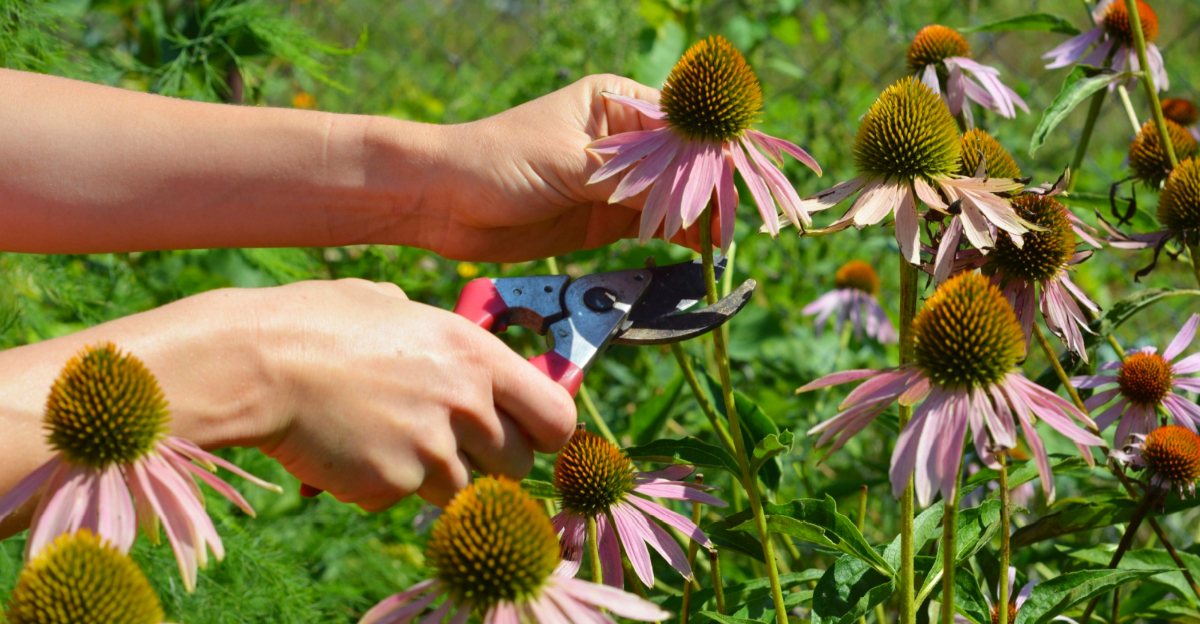
Most North Carolina gardeners give coneflowers a lot of love and attention right up until those purple petals start fading, and then the plants get largely ignored for the rest of the season.
Totally understandable, but here is the thing: what you do after the blooms pass actually matters quite a bit for how your plants look and perform next year.
Spent blooms, dry seed cones, crowded clumps, humid beds, and early signs of disease or distorted growth all deserve a closer look once the main show wraps up.
A little selective after-bloom care, knowing which stems to cut, when to leave things alone, and how to manage drainage and dry spells, can genuinely support healthier plants and better future growth in your North Carolina garden.
Future you will appreciate the effort.
1. Deadhead Some Spent Blooms During The Main Bloom Season
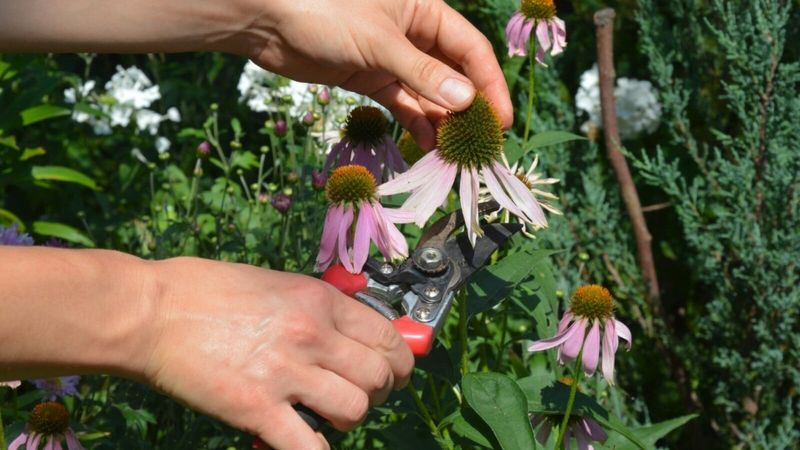
Fading purple petals on a coneflower are not always a sign that the plant is done for the season. During the main bloom period, removing some spent blooms can tidy up the plant and may encourage it to push out a few more flowers before the season winds down.
This process is called deadheading, and it simply means cutting off flower heads that have finished blooming before they fully form seed.
To deadhead a coneflower, snip the stem just above the nearest set of leaves or a side bud. This redirects the plant’s energy away from seed production and toward new growth.
In North Carolina, where summer heat can stretch well into September, a mid-season deadhead can sometimes extend your bloom window noticeably.
That said, deadheading does not need to be done to every single stem. A selective approach works well for most backyard beds.
Removing about half the spent blooms while leaving others to form seed heads gives you the best of both worlds, a tidier plant with some continued flowering potential and plenty of seed heads left for birds and wildlife later in the season.
Use clean, sharp pruners to avoid tearing the stems and reducing the chance of introducing problems into an otherwise healthy plant.
2. Leave Some Seed Heads For Birds
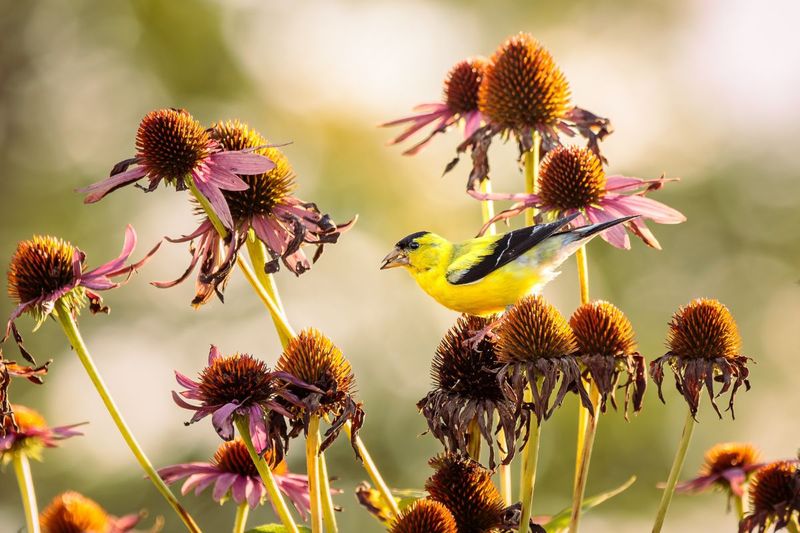
Goldfinches are a familiar sight in North Carolina gardens during fall and early winter, and dried coneflower seed heads are one of the reasons they keep coming back.
Once the petals drop and the center cone turns dark and spiky, it becomes a small but reliable food source for seed-eating birds working their way through the garden.
Leaving a portion of your coneflower stems standing after bloom is a simple way to support local wildlife without much extra effort. The seed heads do not need to be prepared or processed in any way.
Birds will find them on their own, often clinging to the stems and picking seeds directly from the dry cones throughout the cooler months.
From a gardening standpoint, allowing seed heads to mature also means your coneflowers may self-sow in nearby soil, gradually filling in gaps in your perennial border over time.
Your North Carolina Garden Changes Every Week. Your Plan Should Too.
Gardening in North Carolina changes quickly throughout the season. Every Friday you’ll receive a simple weekly plan showing exactly what to plant, prune, fertilize, harvest, and protect so you never miss the right timing.
This is especially useful in naturalistic plantings, cottage gardens, and pollinator borders common across North Carolina residential landscapes.
You do not need to leave every single stem standing, but keeping a good number of them through fall and into winter gives birds a better chance of finding a consistent food supply.
It also adds some visual texture to the garden during a quieter season when most other plants have gone dormant.
3. Cut Stems Back To 12 To 24 Inches Instead Of The Ground
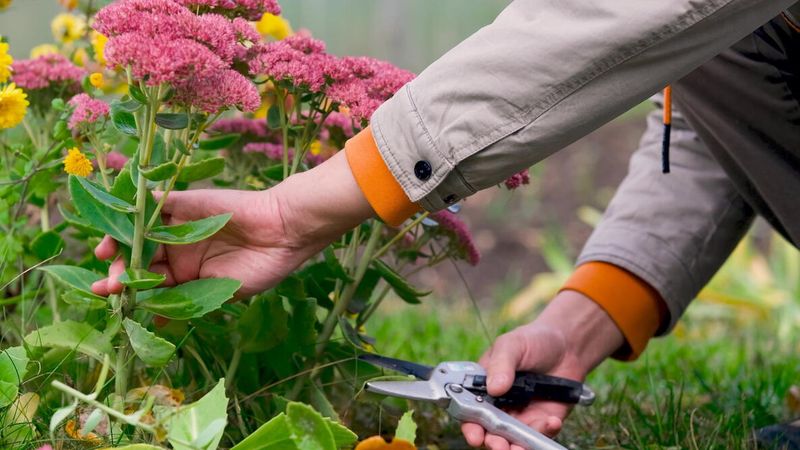
Cutting coneflower stems all the way to the ground after bloom might seem like the tidiest option, but leaving some height behind can actually benefit the plant and the garden ecosystem.
Trimming stems back to somewhere between 12 and 24 inches, rather than cutting flush with the soil, is a practice that many perennial gardeners find useful for several reasons.
Standing stems, even short ones, can provide shelter and nesting material for certain native bees that use hollow or pithy plant stems to overwinter.
In North Carolina, native bee populations include many cavity-nesting species that rely on garden plants for habitat, especially in residential landscapes where natural nesting sites may be limited.
Leaving some stem height through the cooler months gives these insects a better chance of completing their life cycle.
From a purely visual standpoint, shortened stems also look less jarring than bare soil, especially in a mixed perennial border or a native plant garden.
A 12 to 24 inch stem still carries some texture and structure into the fall garden without looking overgrown or neglected.
When spring arrives and new basal growth begins to emerge from the base of the plant, you can cut the remaining stems back further or remove them entirely to make room for the fresh growth coming up from the crown below.
4. Wait Until Late Season Or Spring For Bigger Cleanup
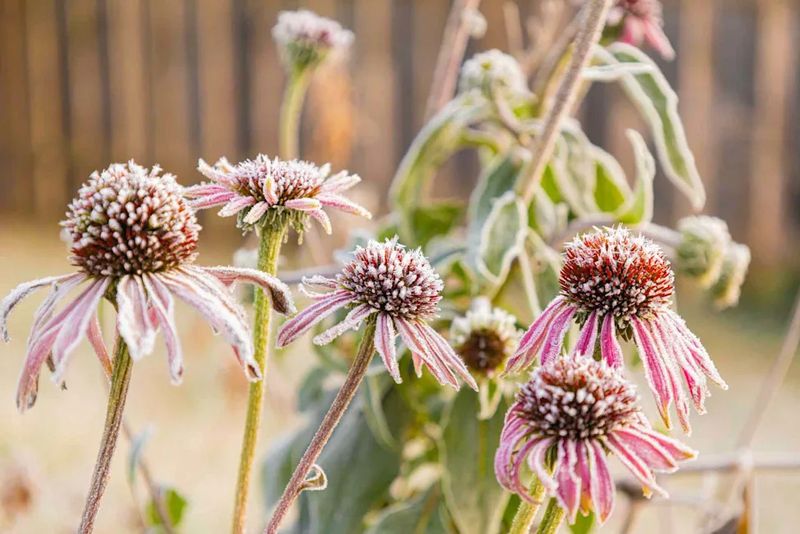
There is a strong temptation to cut everything back the moment summer blooms fade, but holding off on a full garden cleanup can benefit both the plants and the creatures that use them.
Waiting until late fall or early spring before doing a thorough trim gives native bees, overwintering insects, and seed-eating birds more time to make use of what the garden has to offer.
In North Carolina, where winters are relatively mild compared to much of the country, standing coneflower stems can remain reasonably intact through December and even into January.
A hard freeze will eventually knock them back, but the structure often holds long enough to be useful.
Many gardeners find that a late-winter cleanup, done just before new basal growth begins to emerge in early spring, is the most practical approach for perennial beds in the region.
Doing a big cleanup too early in the season also risks disturbing overwintering insects before they have had a chance to complete their cycle. Leaving some of the garden standing through the colder months is not about being lazy or letting things go.
It reflects a more thoughtful approach to managing a residential landscape that supports both plant health and local wildlife.
When cleanup time does arrive, cutting stems back and removing old material helps the crown breathe and reduces the chance of moisture-related issues developing near the base of the plant.
5. Check For Crowding Before Dividing
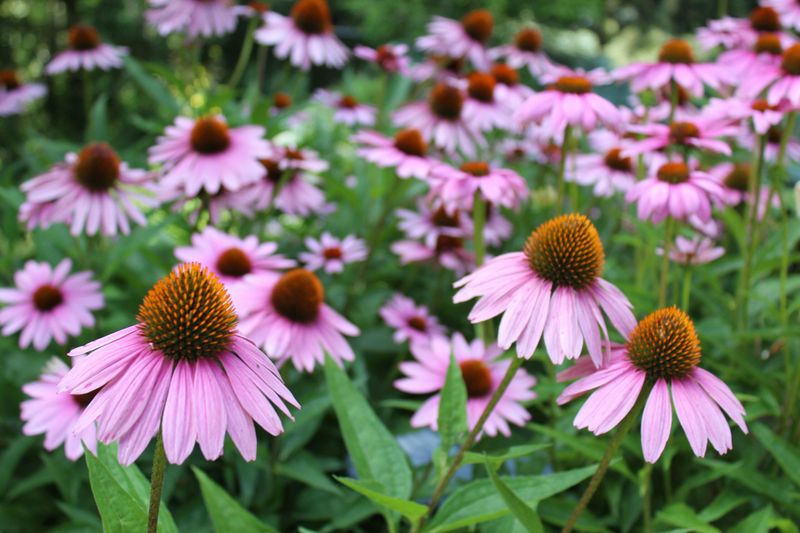
Crowded perennial clumps are something many North Carolina gardeners notice after a few years of growing coneflowers in the same spot.
When plants are packed too tightly together, they can start to show signs of stress, including fewer blooms, smaller flower heads, or stems that flop over more than usual.
These are often signals that the clump has outgrown its space.
Before reaching for a shovel, take a close look at the base of the plant. If the center of the clump looks woody, hollow, or less vigorous than the outer edges, that is a good indication that dividing may help.
Healthy outer sections can be separated and replanted while the tired center is removed.
Fall, after the bloom period has passed, is a reasonable time to divide coneflowers in North Carolina, though early spring also works well when the plants are just beginning to show new growth.
Dividing does not need to happen on a strict schedule. Some coneflower clumps grow happily for several years without needing to be split.
The key is to watch the plant’s performance over time rather than dividing on a set calendar. Freshly divided plants benefit from consistent moisture during the weeks after replanting, especially if the division happens during a dry stretch.
Giving them a good start in well-prepared soil with decent drainage will help them settle in before the next growing season begins.
6. Keep The Soil Well Drained After Bloom

Soggy soil is one of the more common reasons coneflowers struggle in North Carolina gardens, particularly in areas with heavy clay.
After the bloom period ends and the plant shifts energy back toward its root system, sitting in waterlogged conditions can create problems that show up the following season.
Good drainage is not just a planting concern; it matters throughout the year.
In parts of North Carolina where clay soil is common, raised beds, amended planting areas, or sloped garden spots can make a real difference.
Adding compost or coarse material to dense clay before planting helps improve drainage over time, though results are gradual rather than immediate.
If you notice water pooling around your coneflower crowns after a heavy summer or fall rain, that is worth addressing before the plant goes dormant.
Coneflowers are native to open prairies and meadows where soils tend to drain relatively freely, so they are reasonably tolerant of dry conditions once established but less forgiving of prolonged moisture around the crown.
Mulching around the base of the plant can help moderate soil temperature and retain some moisture during dry spells, but keeping mulch pulled back slightly from the crown itself reduces the chance of excess moisture sitting directly against the plant.
A thin layer of mulch applied after the growing season wraps up is generally enough to protect roots without causing drainage issues.
7. Water Newer Plants During Long Dry Spells
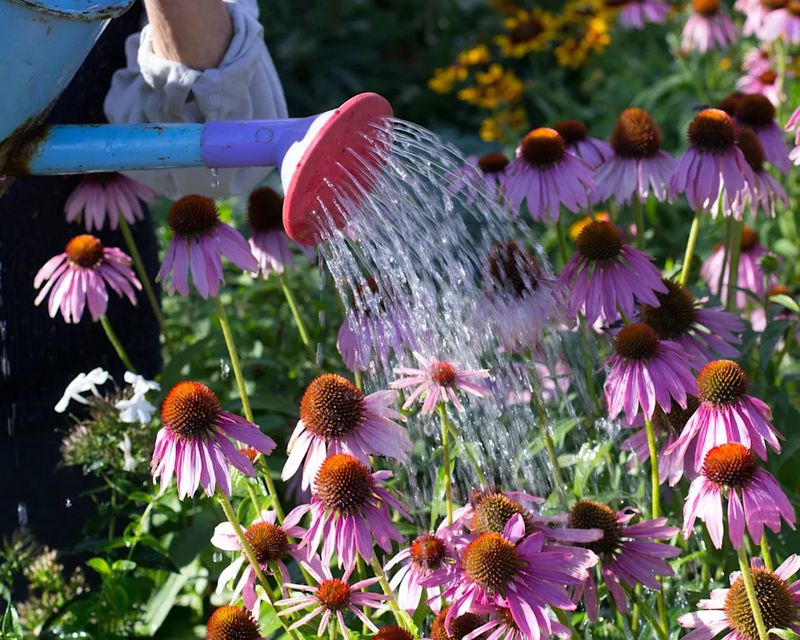
Established coneflowers in North Carolina can handle dry stretches reasonably well once their root systems are fully developed, but newer plants are a different story.
A coneflower planted within the past year or two has not yet had enough time to send roots deep enough into the soil to find moisture on its own during extended dry periods.
During the summer and early fall following planting, keep an eye on the forecast and check the soil around younger plants after a week or more without rain.
If the top few inches feel dry and the plant shows signs of stress, such as drooping leaves or stems that look less firm than usual, a deep, slow watering can help.
Watering deeply and less frequently is generally more useful than light, frequent watering, because it encourages roots to grow downward rather than staying close to the surface.
In North Carolina, dry spells can develop quickly during July and August, especially in the Piedmont and western regions where summer heat can be intense.
Newer plants in sunny borders or raised beds may need more attention during these stretches than those tucked into spots with partial afternoon shade.
Once a coneflower has been in the ground for two or more full growing seasons, it typically handles dry conditions with much less intervention.
Getting it through those first few summers with thoughtful watering makes a meaningful difference in how strong the plant becomes over time.
8. Watch For Aster Yellows Or Distorted Growth
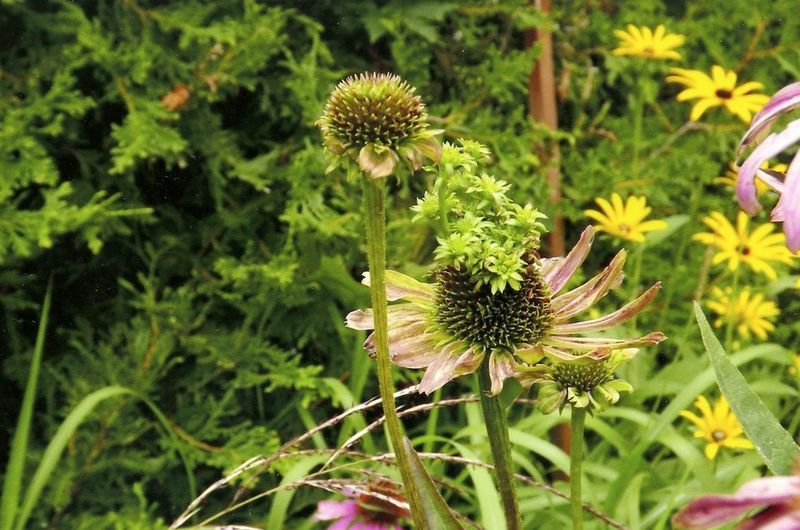
Something looks off when a coneflower produces strange, bunched-up growth at the center of the flower head, or when the petals emerge twisted and greenish instead of the familiar soft purple.
These symptoms are often associated with aster yellows, a plant disease caused by a phytoplasma that is spread by leafhoppers.
It shows up in North Carolina gardens from time to time and is worth knowing about.
Plants affected by aster yellows may also show yellowing foliage, distorted stems, or small secondary shoots growing from unusual spots on the plant. Once a plant is infected, there is no treatment that will reverse the symptoms.
Removing and disposing of affected plants promptly helps reduce the chance of leafhoppers spreading the phytoplasma to nearby healthy plants in the garden.
Not every odd-looking coneflower has aster yellows. Stress from heat, irregular watering, or insect feeding can also cause unusual growth.
If you are unsure, comparing the plant’s symptoms to reliable descriptions from horticultural resources can help you figure out what you are dealing with before removing anything.
Keeping your garden healthy overall, with good drainage, appropriate spacing, and reasonable care after the bloom period, supports plants that are better positioned to handle environmental stress.
Staying observant during and after the bloom season means you are more likely to catch potential problems early, before they have a chance to spread through a whole bed.