The Underrated Florida Native Flower That Thrives In Deep Shade
Shady spots in a Florida yard have a reputation for being problem areas, and honestly that reputation is earned. Beneath oak canopies, pine trees, and dense shrubs, most flowering plants take one look at the low light situation and quietly check out.
Finding a native wildflower that actually handles those conditions and still manages to produce real color is the kind of gardening win that feels genuinely satisfying. Carolina wild petunia, known scientifically as Ruellia caroliniensis, is exactly that plant.
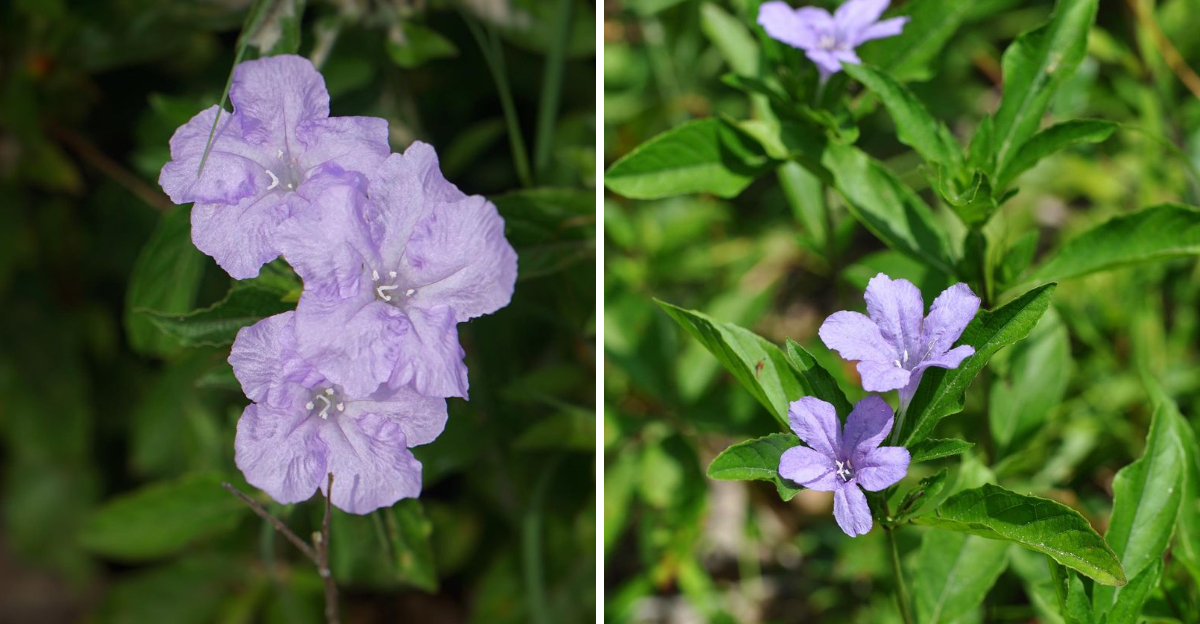
This Florida native perennial wildflower produces soft blue to lavender blooms in spots where most other flowering plants would rather not be, and it fits naturally into woodland edges, sandy garden beds, and naturalistic landscapes without demanding a lot of attention in return.
Underrated is honestly an understatement for this one.
1. Carolina Wild Petunia Handles Deep Shade
Shady garden corners can feel like a puzzle. Most flowering plants need plenty of sun to perform well, which leaves those darker spots under live oaks or magnolias looking bare and uninspiring.
Carolina wild petunia, Ruellia caroliniensis, offers a practical solution for those lower-light areas.
Current UF/IFAS information lists this species as capable of growing across a wide light range, from full sun all the way to full shade.
Florida Native Plant Society information also indicates that it can tolerate fairly deep shade, which sets it apart from many other flowering natives that fade quickly without direct sunlight.
This flexibility makes it genuinely useful for woodland edges, areas beneath dense tree canopies, and shaded beds along fences or building foundations.
That said, light levels can still influence how well any individual plant performs. A spot with some filtered light filtering through a canopy may encourage somewhat more consistent flowering than the darkest corner of a yard.
Flowering can vary depending on the specific conditions of each planting site, so choosing a location with at least some indirect brightness may give the plant a helpful advantage.
Still, for Florida gardeners working with genuinely shaded spaces, this native wildflower stands out as one of the few options that can realistically handle the challenge without requiring major soil amendments or extra maintenance to keep it growing.
2. Blue-Lavender Flowers Add Soft Color
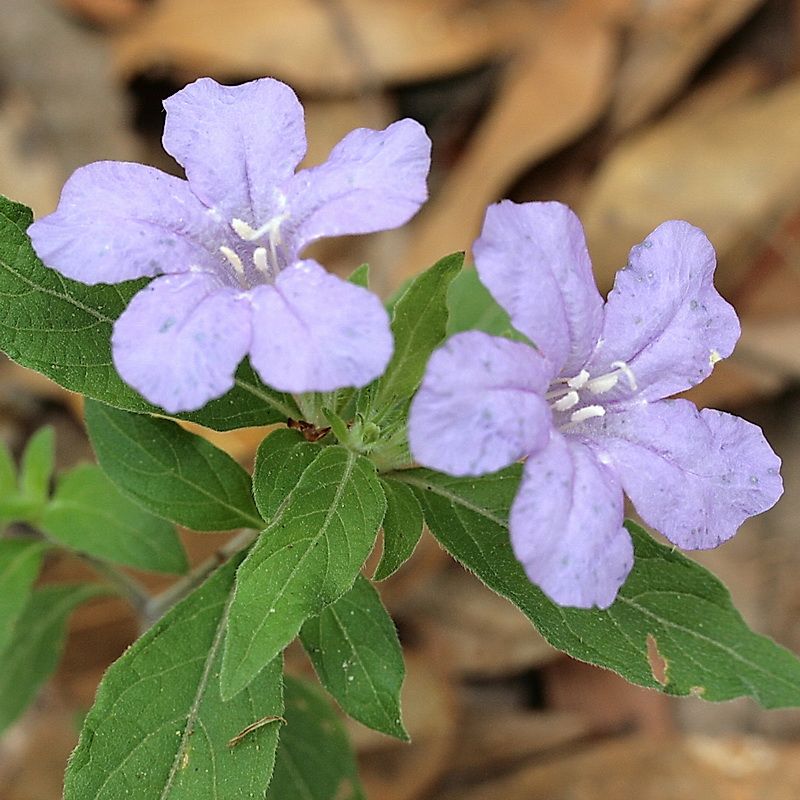
There is something quietly appealing about a flower that does not try too hard. The blooms of Carolina wild petunia carry a soft blue to lavender color that feels relaxed and natural rather than loud or showy.
Each individual flower is tubular and funnel-shaped, giving it a delicate look that suits informal or naturalistic garden settings well.
In Florida landscapes where bold tropical colors often dominate, this understated native offers a welcome change of pace.
The blue and lavender tones work especially well in shaded beds, where softer colors tend to stand out more than they would in bright, sun-washed areas.
Paired with ferns, native groundcovers, or other woodland plants, these flowers can bring a gentle layer of color to parts of the yard that would otherwise stay green all season.
Your Florida Garden Changes Every Week. Your Plan Should Too.
Gardening in Florida changes quickly throughout the season. Every Friday you’ll receive a simple weekly plan showing exactly what to plant, prune, fertilize, harvest, and protect so you never miss the right timing.
The flowers themselves are relatively small, so expecting a dramatic floral display from a single plant may lead to some disappointment.
However, as the plants spread and fill in over time, the combined effect of multiple blooms can become genuinely attractive in a low-key, woodland-garden kind of way.
Florida gardeners who appreciate subtle native beauty rather than high-maintenance showpiece plantings often find that Carolina wild petunia fits the aesthetic they are going for without requiring much effort to keep it looking appropriate for the space.
3. Blooms Can Continue Into Late Summer
Summer is not always the easiest time for a garden. Heat, humidity, afternoon thunderstorms, and occasional dry spells can stress plants that are not well adapted to local conditions.
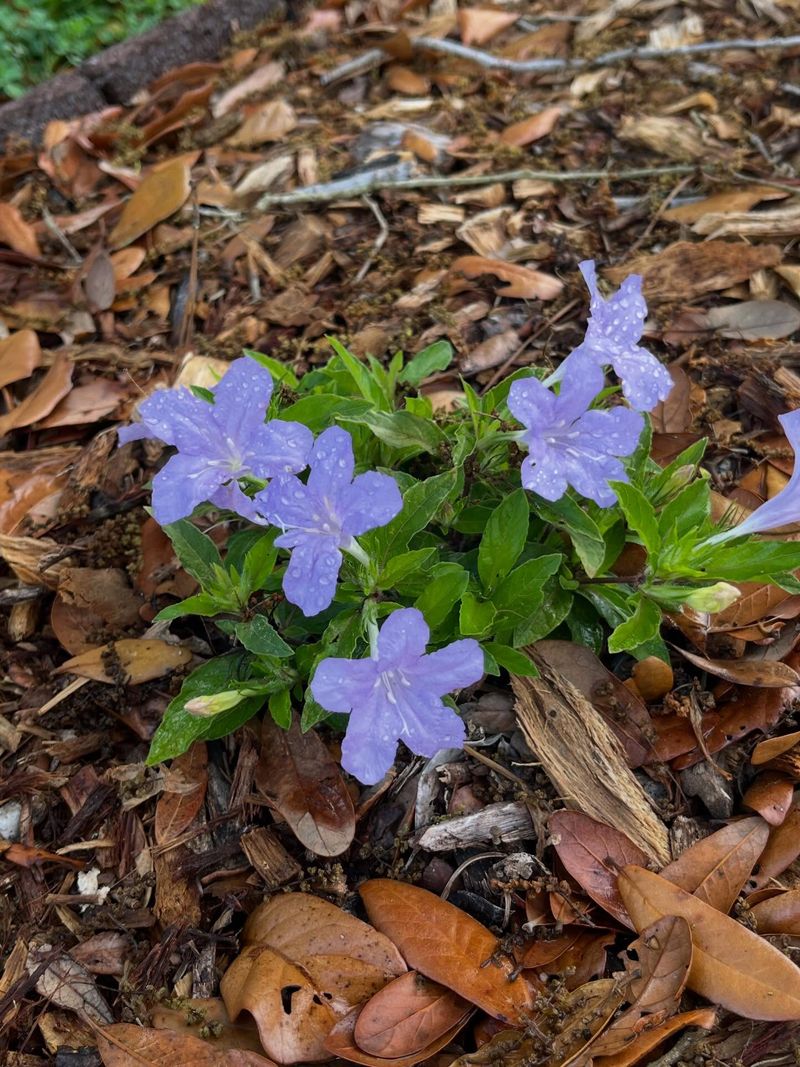
Carolina wild petunia, being a Florida native, handles the warm season reasonably well and can continue producing flowers from spring through summer into the later weeks of the warm season.
Flowering periods for any plant can shift depending on where it is growing, how much moisture it receives, what the light conditions are like, and how established the individual plant is.
A plant growing in a spot with more filtered light may flower somewhat differently than one in deeper shade or direct sun.
Expecting a plant to stay covered in blooms from March through September without interruption is not realistic, but the general flowering window for this species is a useful one for Florida landscapes.
What makes this extended bloom period particularly valuable is the relative scarcity of shade-tolerant flowering natives that perform during hottest months. Many plants that flower well in spring fade out once the real heat arrives.
Carolina wild petunia can continue offering color into late summer, giving shaded beds a reason to remain visually interesting well past the spring flush.
Gardeners who plan their native plantings with seasonal interest in mind may find this trait worth factoring into their design choices for woodland or filtered-light areas.
4. Sandy Soil Suits This Native Well
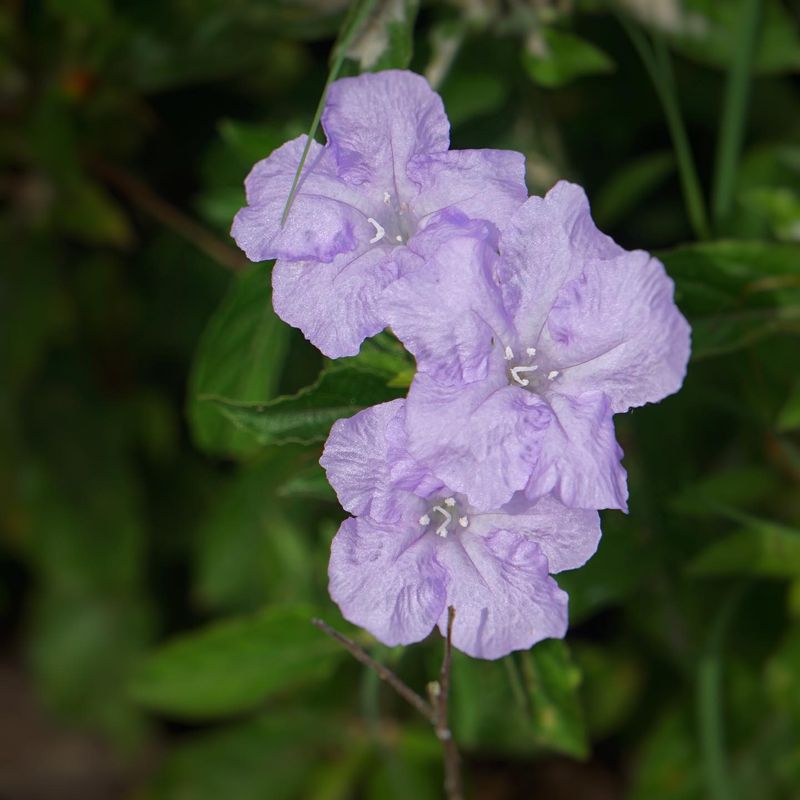
Sandy soil is something gardeners deal with constantly. Much of the state sits on well-drained, low-fertility sand that drains quickly after rain and holds little moisture or organic matter.
Many ornamental plants struggle in these conditions, but Carolina wild petunia is naturally adapted to them because it evolved right here in Florida habitats where sandy soils are common.
This native wildflower occurs naturally in Florida’s scrubs, flatwoods edges, woodland margins, and other areas where sandy, well-drained soils are the norm. That means it does not need heavily amended beds or rich garden soil to perform reasonably well.
Gardeners who have tried to grow plants that demand fertile, moisture-retentive soil in sandy landscape know how frustrating and expensive that process can be.
Choosing a plant that is already adapted to local soil conditions removes a significant layer of difficulty from the gardening process.
Well-drained sandy conditions tend to suit this species better than heavy, waterlogged soils, so placement matters. Spots where water pools after rain are probably not the best choice.
However, typical Florida residential landscapes with their sandy, fast-draining soils can work quite well.
Incorporating some organic matter when planting can help get new plants established more quickly, but over the long term, Carolina wild petunia generally manages in the lean, sandy conditions that define so much of the state’s natural and residential landscape.
5. Established Plants Handle Drier Spells
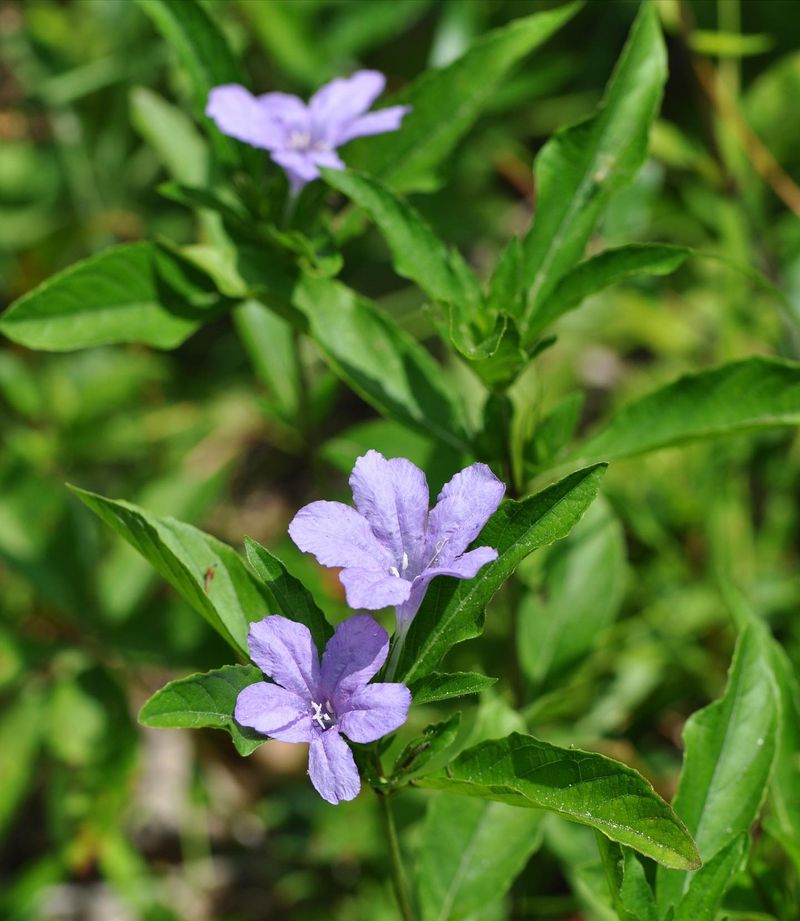
Once a Carolina wild petunia has had time to settle in and develop a solid root system, it can handle periods of relatively dry conditions without falling apart.
This is a trait that matters a lot in Florida, where summer rainfall can be inconsistent and where water restrictions sometimes limit how much supplemental irrigation gardeners can apply.
The key word here is “established.” A newly planted specimen still working to push roots into the surrounding soil needs regular moisture to survive and get off to a healthy start.
Planting during cooler months and watering consistently through the first growing season gives the plant the best chance to build the root depth it needs to manage on its own later.
Skipping that establishment phase and expecting a brand-new plant to tough out a dry stretch is a common mistake that can lead to early plant loss.
Once established, however, Carolina wild petunia can tolerate shorter dry periods that would stress less adapted plants. This does not mean it thrives with zero moisture or that it will look its best through an extended drought.
Measured language is appropriate here: it can manage drier spells better than many non-native ornamentals, and it fits well into Florida-Friendly Landscaping approaches that prioritize using plants suited to local rainfall patterns.
Supplemental watering during unusually long dry stretches can still be helpful, especially in sunnier or sandier locations where soil dries out quickly.
6. Its Spreading Habit Works As Groundcover
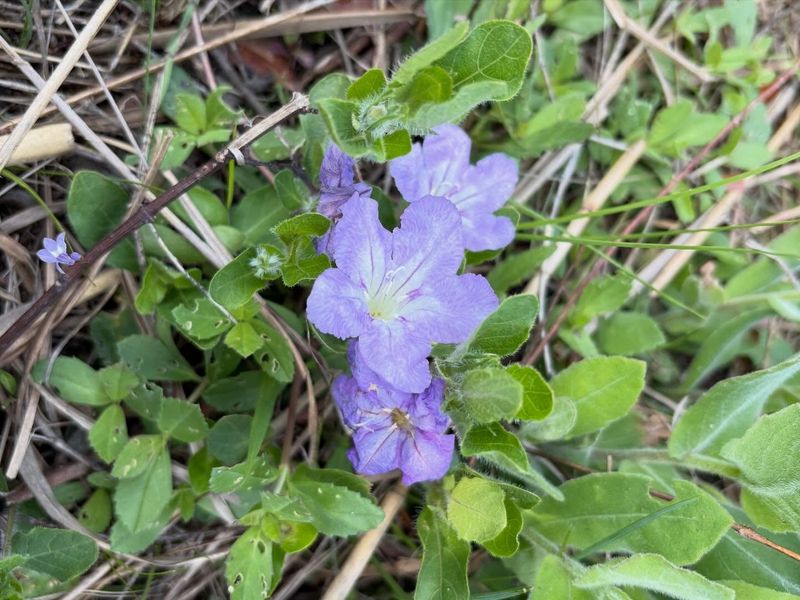
Low-growing plants that fill in naturally over time are genuinely useful in shaded landscape beds where bare soil tends to look untidy and weeds take advantage of any open space.
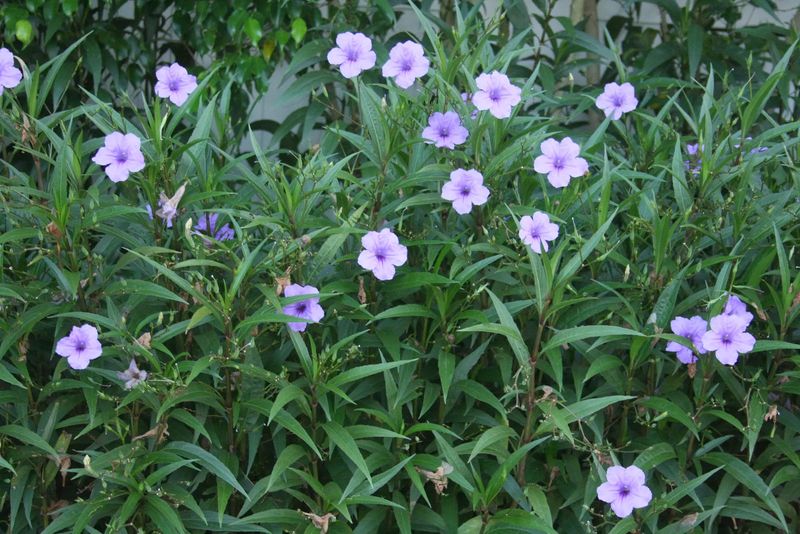
Carolina wild petunia has a natural spreading growth habit that allows it to gradually expand and cover ground in a relaxed, informal way that suits woodland-style gardens and naturalistic planting beds.
The plant typically stays relatively low, which makes it a reasonable candidate for use as an understory groundcover beneath trees or taller native shrubs.
As it spreads through its natural growth pattern, it can soften the look of shaded beds and help reduce the amount of open soil where weeds might otherwise establish.
This spreading behavior is a normal characteristic of the native species and should not be confused with the invasive spreading documented for non-native relatives like Mexican petunia.
Calling it a groundcover does come with some honest expectations to set. Carolina wild petunia does not form the same dense, weed-suppressing carpet that some conventional groundcover plants produce.
It spreads in a looser, more open way that feels natural rather than manicured. For gardeners who prefer a tidy, formal look, that may require some adjustment in expectations.
But for those working toward a naturalistic Florida native garden with a woodland feel, the way this plant gradually fills in a shaded bed can be exactly the kind of low-effort coverage they are looking for.
7. Butterflies Benefit From The Flowers
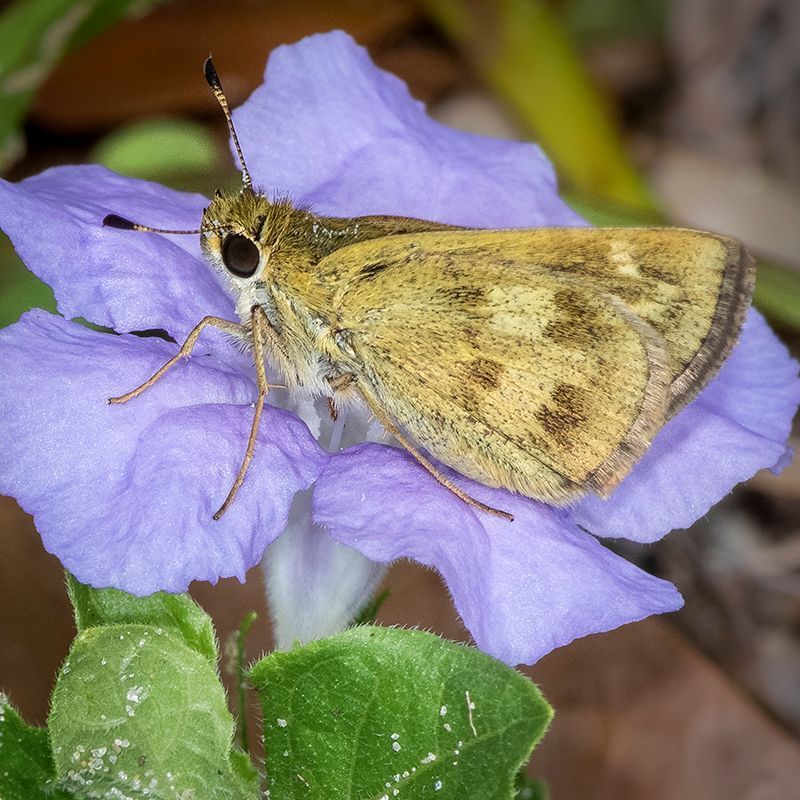
Watching butterflies move through a garden is one of the quiet rewards of planting natives, and Carolina wild petunia has documented relationships with some familiar butterfly species found across the state.
The flowers can provide nectar and pollen resources for visiting insects, making the plant a useful addition to any landscape designed with pollinators in mind.
Beyond offering nectar, Carolina wild petunia also serves as a larval host plant for certain butterfly species.
Current native plant sources identify it as host material for caterpillars of the common buckeye and the white peacock, two butterfly species that Florida gardeners are likely to recognize.
The common buckeye, with its bold eyespot wing markings, is a frequent visitor to sunny and partly shaded gardens. The white peacock is another species well adapted to the state’s warm climate and is often seen nectaring on low-growing flowers.
Having a plant that supports both adult butterflies and their caterpillars adds meaningful ecological value beyond simple visual appeal. Host plants are the foundation of butterfly populations because they are where eggs are laid and where caterpillars feed and develop.
Planting one Carolina wild petunia will not guarantee a yard full of butterflies, but including it as part of a broader native planting strategy can make a real difference over time.
For gardeners interested in supporting local wildlife, this connection to native butterfly species gives Carolina wild petunia an appeal that goes well beyond its flowers.
8. It Offers A Native Alternative To Mexican Petunia
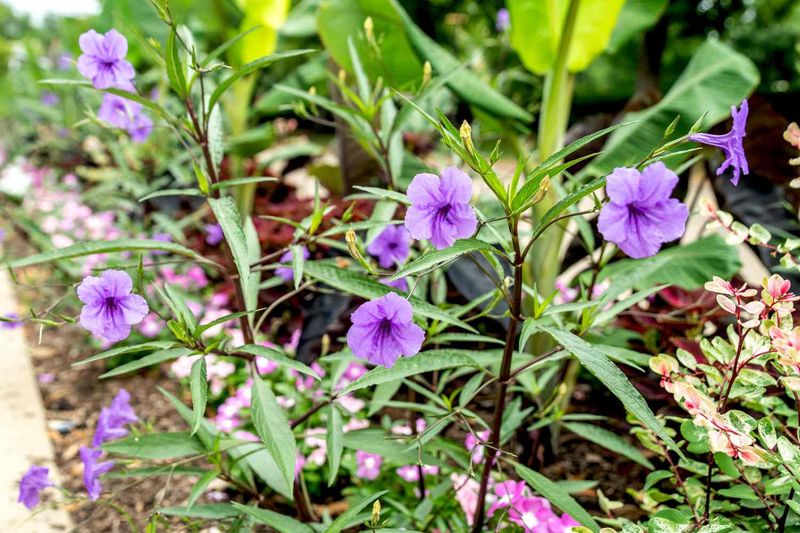
Choosing between plants that look similar on the surface but behave very differently in the landscape is one of the more important decisions Florida gardeners face.
Mexican petunia, Ruellia simplex, has been widely planted across the state for its showy purple flowers and easy growth, but it carries a documented invasive history and is considered a problematic species by current invasive-plant guidance.
Carolina wild petunia, Ruellia caroliniensis, is a completely different plant despite sharing a genus name and a broadly similar flower color.
It is native to Florida, meaning it evolved here alongside local insects, birds, and other wildlife rather than being introduced from elsewhere.
Its growth habit is generally smaller and more restrained than Mexican petunia, which can grow quite large and spread aggressively into natural areas, roadsides, and waterways.
Switching from Mexican petunia to Carolina wild petunia is not simply a matter of swapping one purple flower for another. The two plants differ in size, spread, and ecological impact.
Mexican petunia’s invasive tendencies can displace native vegetation in natural areas, while Carolina wild petunia contributes to rather than competes with the native plant community.
For gardeners who have relied on Mexican petunia in the past and want a more responsible native choice, Carolina wild petunia offers an option worth considering, particularly for shaded beds and woodland-edge plantings where the native species can perform well.