North Carolina Plants You Can Safely Prune In April And Those To Leave Alone
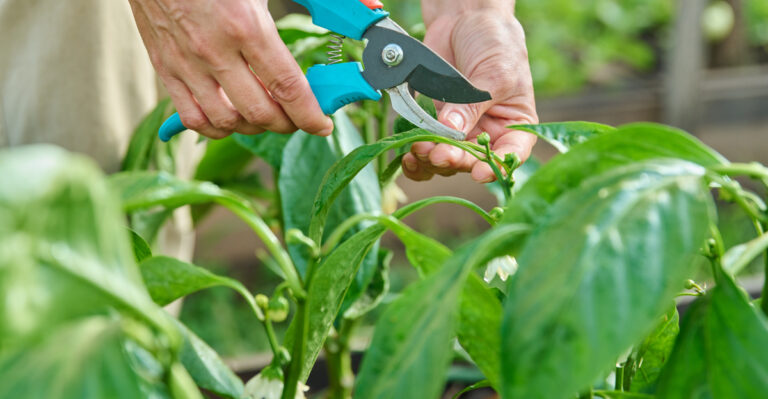
April is a busy time in North Carolina gardens, and it can be tempting to grab the pruners and start shaping everything in sight.
With plants waking up and new growth appearing, it feels like the perfect moment to tidy up the landscape. However, not every plant benefits from being cut back this time of year.
Some are ready for pruning, while others are already forming buds that could be affected if trimmed too soon.
Knowing the difference can save you from fewer blooms and unnecessary stress on your plants.
North Carolina’s climate allows for early growth, which makes timing even more important. A little patience and the right approach can keep your garden looking its best.
Understanding what to prune and what to leave alone in April can make a big impact on how your landscape performs through the rest of the season.
1. Smooth Hydrangea (Hydrangea Arborescens)
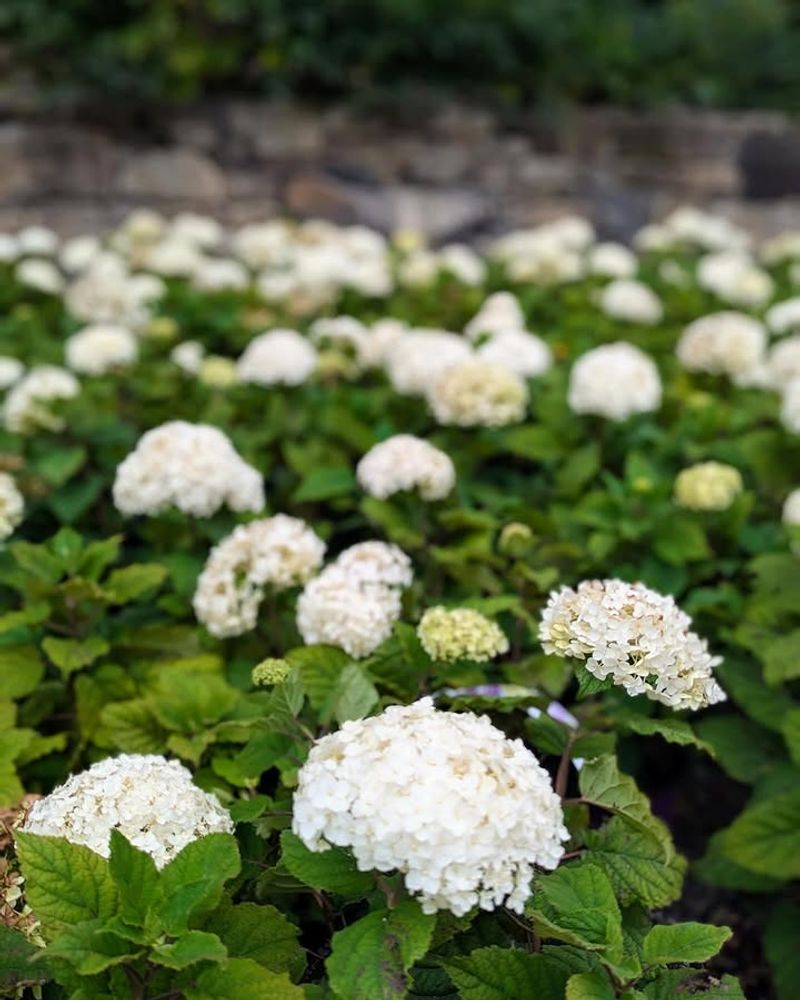
Few shrubs are as forgiving and rewarding as the smooth hydrangea, and April is genuinely one of the best times to pull out your pruning shears.
Unlike some of its cousins, this plant blooms entirely on new wood, which means cutting it back in early spring does not cost you a single flower.
In fact, pruning it now encourages the plant to push out strong, fresh stems that will carry bigger, bolder blooms by summer.
North Carolina gardeners can cut smooth hydrangea back to about 12 to 18 inches from the ground without any worry.
Varieties like the beloved Annabelle are especially responsive to this treatment, bouncing back quickly with upright growth that holds up those heavy white flower clusters.
Skipping this step often leads to weak, floppy stems that struggle under the weight of the blooms.
Timing matters here, and early April in North Carolina is just right. The soil is warming up, and the plant is ready to channel energy into new growth the moment you give it room.
Sharp, clean pruning shears make the job easier and reduce any risk of spreading plant disease from one stem to another.
A little effort now pays off with a spectacular summer display that draws compliments from every neighbor who walks by.
2. American Beautyberry (Callicarpa Americana)
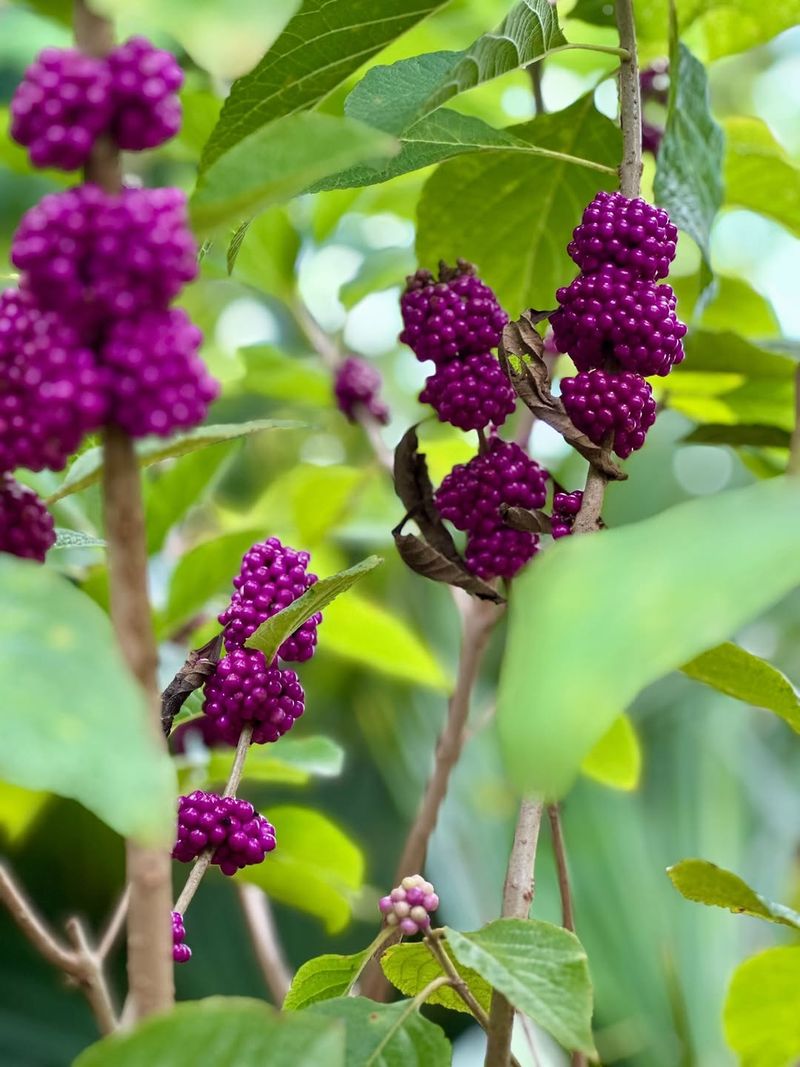
American beautyberry is one of those plants that looks almost magical by fall, covered in clusters of vivid purple berries that stop people in their tracks.
What many North Carolina gardeners do not realize is that pruning it in April is not just safe, it is actually encouraged.
This native shrub produces its flowers and fruit on new growth, so a good spring cutback sets the stage for an even more impressive berry show later in the year. Early April is the sweet spot for this one.
You can cut the stems back fairly hard, some gardeners trim them down to just a foot or so from the ground, and the plant responds with enthusiastic new growth almost immediately.
The result is a fuller, healthier shrub that produces more of those eye-catching berry clusters that make autumn gardens in North Carolina so memorable.
Your North Carolina Garden Changes Every Week. Your Plan Should Too.
Gardening in North Carolina changes quickly throughout the season. Every Friday you’ll receive a simple weekly plan showing exactly what to plant, prune, fertilize, harvest, and protect so you never miss the right timing.
Beyond the berries, American beautyberry is a fantastic wildlife plant. Birds absolutely love the fruit, and the shrub provides good cover throughout the warmer months.
Skipping the spring prune means you may end up with a leggy, open plant that produces fewer berries and looks a bit tired by midsummer.
A simple cutback in April keeps it compact, productive, and ready to steal the show when fall rolls around across the Carolinas.
3. Switchgrass (Panicum Virgatum)
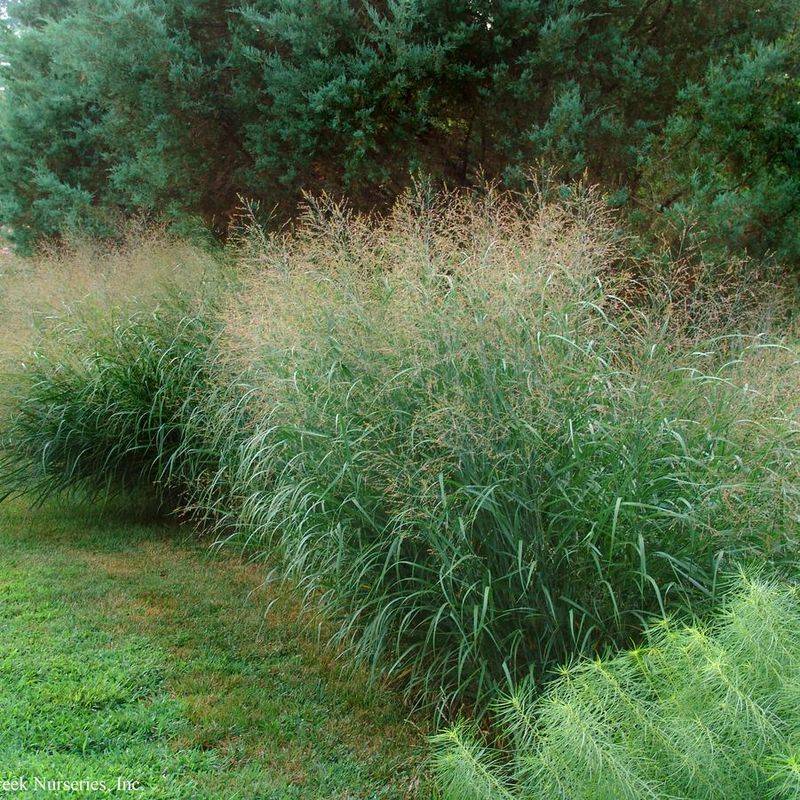
Switchgrass is one of those native warm-season grasses that earns its keep in a North Carolina garden all year long, from the airy summer plumes to the golden fall color and the sculptural winter stems.
By April, though, those old stems have done their job, and the plant is absolutely ready for a fresh start.
Cutting switchgrass back in early spring is not just acceptable, it is the right move for keeping the clump looking its best.
The goal is to trim the old growth down to about four to six inches before the new season’s shoots get going.
Wait too long, and you risk cutting into the emerging green growth, which can set the plant back.
North Carolina gardeners who catch it at the right moment in April will see bright new shoots pushing up quickly, filling in the clump with clean, fresh color that looks great in naturalistic plantings and rain gardens alike.
One of the best things about switchgrass is how low-maintenance it is once you get this one annual task done.
It handles heat, humidity, and the occasional dry spell that comes with a Carolina summer without much fuss.
Leaving the old stems standing too long into spring can make the clump look ragged and even slow down new growth.
A quick April cutback keeps everything on track and gives the plant the clean slate it needs to thrive.
4. Little Bluestem (Schizachyrium Scoparium)
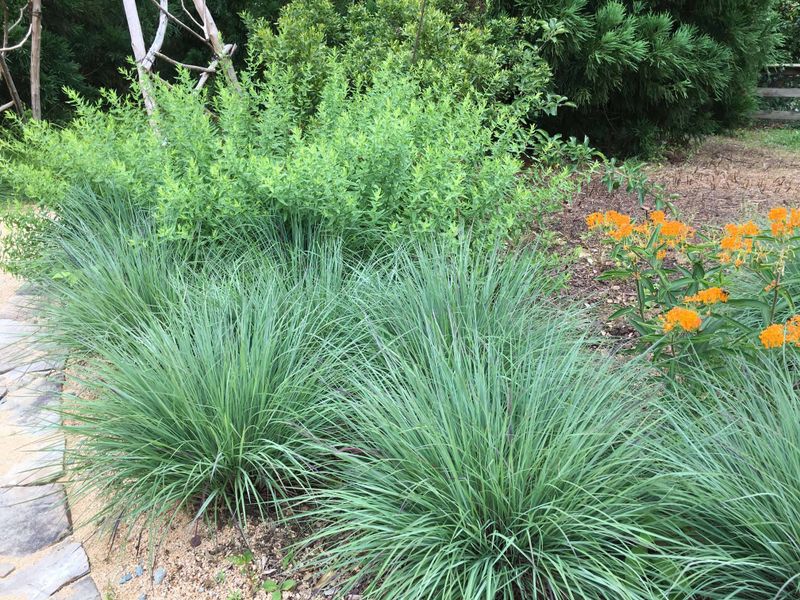
Little bluestem is a North Carolina native that punches well above its weight in the garden. The blue-green summer foliage, the feathery seed heads, and the brilliant copper-red fall color make it a four-season plant that landscape designers love.
Come April, it is time to do the one maintenance task this tough little grass actually needs, which is cutting back last year’s growth to make room for the new season.
Trimming little bluestem down to about three to four inches in early spring gives the emerging shoots a clear path to grow without competing with the old dried stems.
North Carolina gardeners who skip this step often end up with clumps that look weedy or uneven, with the new growth struggling to be seen through last year’s leftover material.
A clean cutback fixes all of that and keeps the planting looking intentional and tidy. What makes this grass especially worth growing in North Carolina is its adaptability.
It handles poor, dry soils that would stress out most other plants, making it perfect for sunny slopes, roadside plantings, and naturalistic garden beds.
Wildlife benefits too, since the seeds feed birds through the colder months, and the clumps offer shelter for overwintering insects.
After your April cutback, just step back and let this resilient native do what it does best, which is growing beautifully with almost no help from you at all.
5. Oakleaf Hydrangea (Hydrangea Quercifolia)
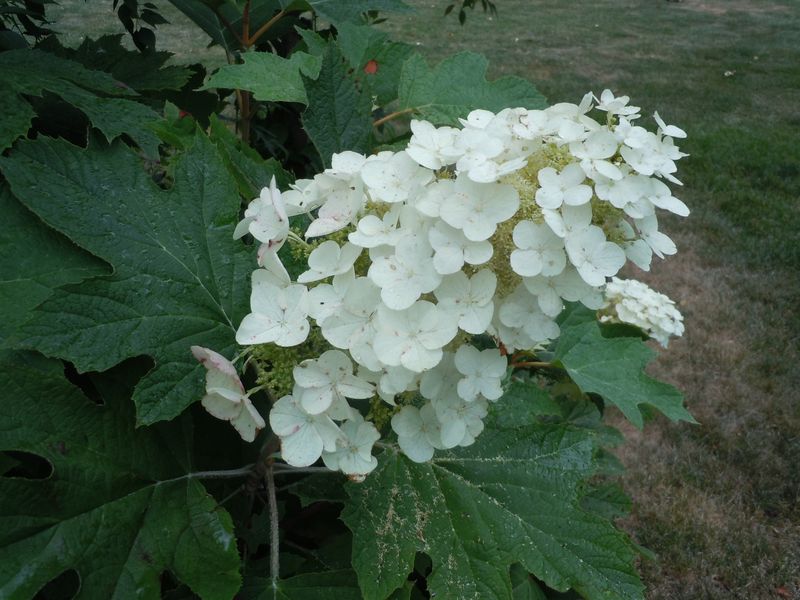
Oakleaf hydrangea is one of the true stars of the North Carolina woodland garden, and in April it is quietly doing something very important: forming the flower buds that will become those gorgeous cone-shaped blooms you see in early summer.
This is a plant that blooms on old wood, meaning the buds were set on last year’s stems before winter even arrived.
Any major pruning in April goes straight through those buds, and the blooms disappear with them.
The only pruning that makes sense on an oakleaf hydrangea in April is removing branches that suffered obvious winter damage.
If a stem snapped under ice or looks clearly unhealthy, go ahead and clean that up. But resist the urge to shape or reduce the plant right now, no matter how tempting it feels when spring cleaning mode kicks in across Carolina gardens.
If you want to prune for shape or size, mark your calendar for right after the blooms fade, typically in midsummer.
That timing lets you enjoy the full flower show and still gives the plant plenty of time to set new buds for the following year.
Oakleaf hydrangea also offers stunning peeling bark, rich fall foliage color, and persistent seed heads that look beautiful in winter, so it earns its space in the garden many times over. Patience in April is absolutely worth it.
6. Virginia Sweetspire (Itea Virginica)
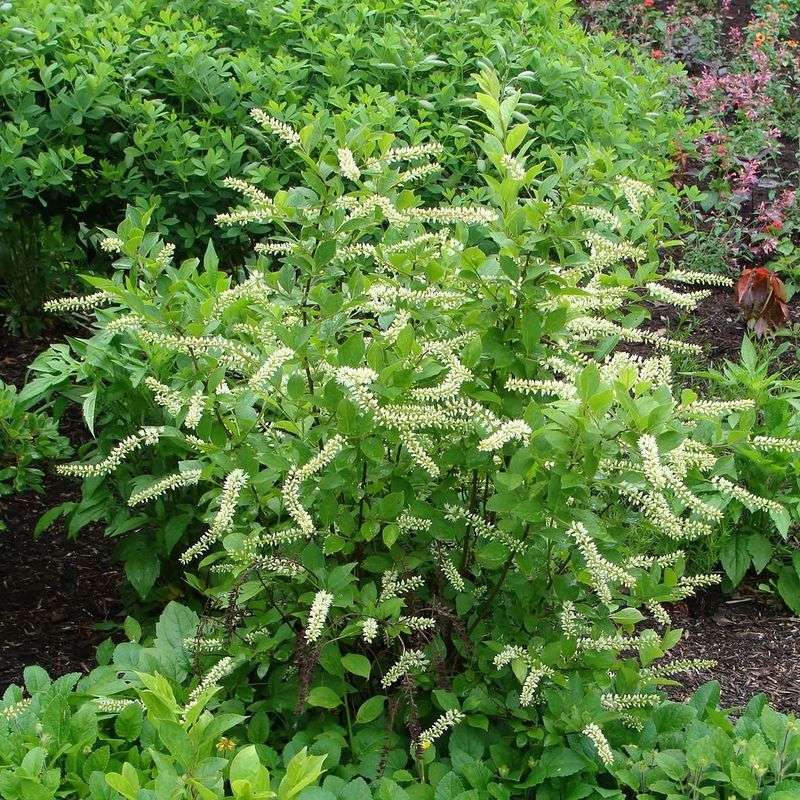
Virginia sweetspire is a native shrub that earns loyal fans everywhere it grows in North Carolina, and it is easy to see why.
The arching branches covered in fragrant white flower spikes are a highlight of early summer, and the fall foliage turns a fiery mix of red, orange, and purple that rivals anything in the garden.
In April, though, this plant needs to be left alone, because those flower spikes are already developing on last year’s wood.
Pruning Virginia sweetspire heavily in April means cutting off the very branches that are about to bloom.
The result is a shrub that looks trimmed but produces far fewer flowers, which defeats the whole purpose of growing it in the first place.
North Carolina gardeners who make this mistake often wonder why their sweetspire looks healthy but never quite delivers the floral display they were expecting each season.
The right time to prune this shrub is right after it finishes blooming, usually in midsummer. At that point, you can shape it lightly or remove any crossing branches without affecting the next year’s flower buds.
Virginia sweetspire naturally spreads into a graceful, layered clump over time, and it rarely needs heavy pruning to look good.
It also tolerates wet spots and part shade, making it incredibly useful along stream banks and shady garden edges throughout the Carolinas.
7. Piedmont Azalea (Rhododendron Canescens)
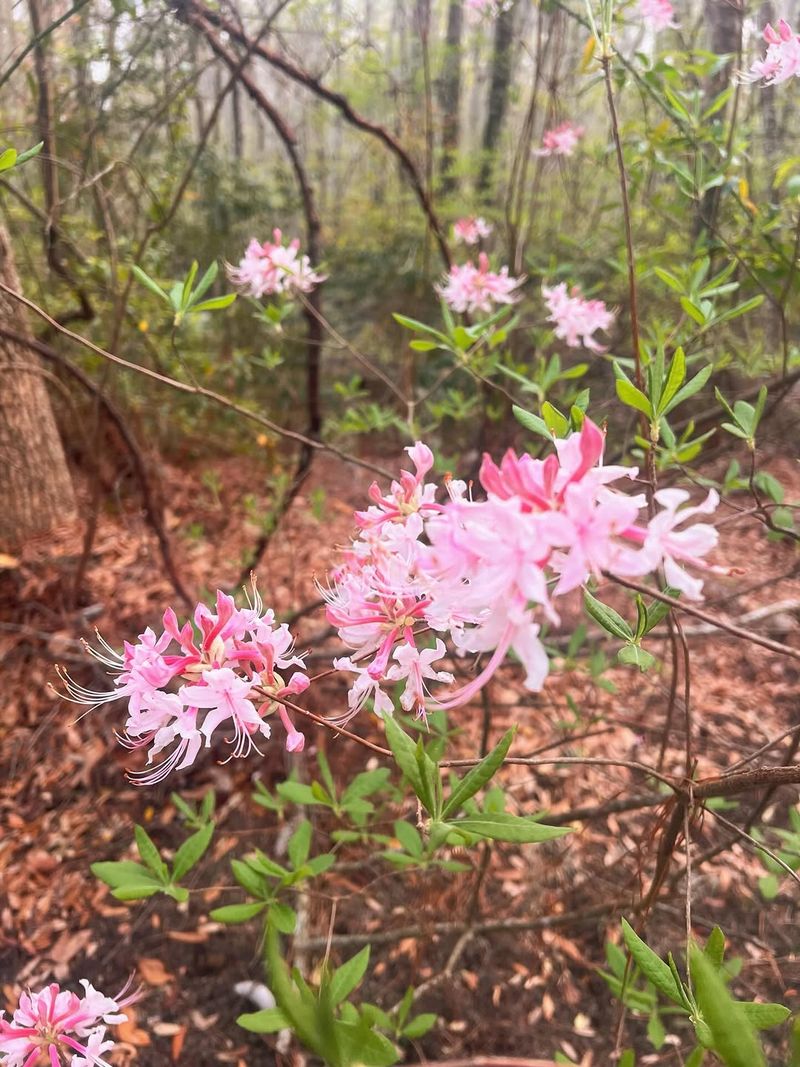
Walk through a North Carolina woodland in April and you might catch the sweet, unmistakable fragrance of Piedmont azalea drifting through the trees before you even see the flowers.
This native beauty produces its soft pink blooms on old wood, meaning the buds formed last fall and have been waiting patiently through winter for their moment.
Pulling out the pruning shears in April would cut straight through that patience and cost you the entire flower show.
Piedmont azalea is different from many of the hybrid azaleas sold at garden centers, and it deserves to be treated accordingly.
It has a naturally elegant, open branching structure that looks best when left to grow on its own terms.
Heavy pruning at the wrong time not only removes flowers but can also stress the plant and disrupt the graceful form that makes it such a standout in naturalistic North Carolina landscapes.
Once the blooms have fully faded, usually by late spring, that is your window to do any light shaping or cleanup pruning if the plant truly needs it.
Most of the time, Piedmont azalea is best left alone to do its thing. It is also a valuable plant for pollinators, with native bees and early butterflies drawn to the fragrant flowers.
Growing it alongside other woodland natives creates a layered, naturalistic garden that feels genuinely connected to the beautiful Carolina landscape around it.
8. Mountain Laurel (Kalmia Latifolia)
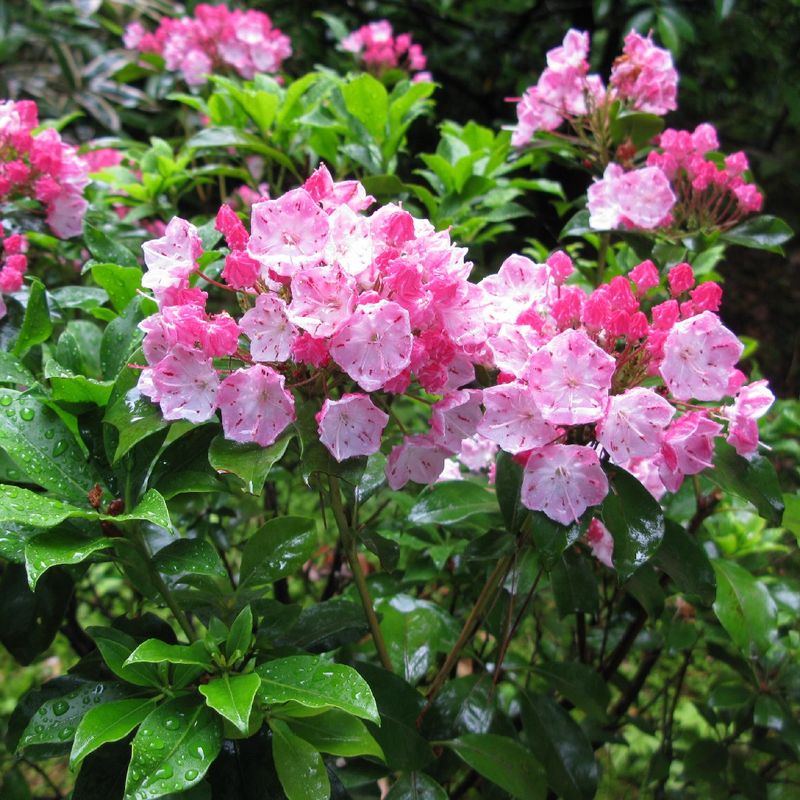
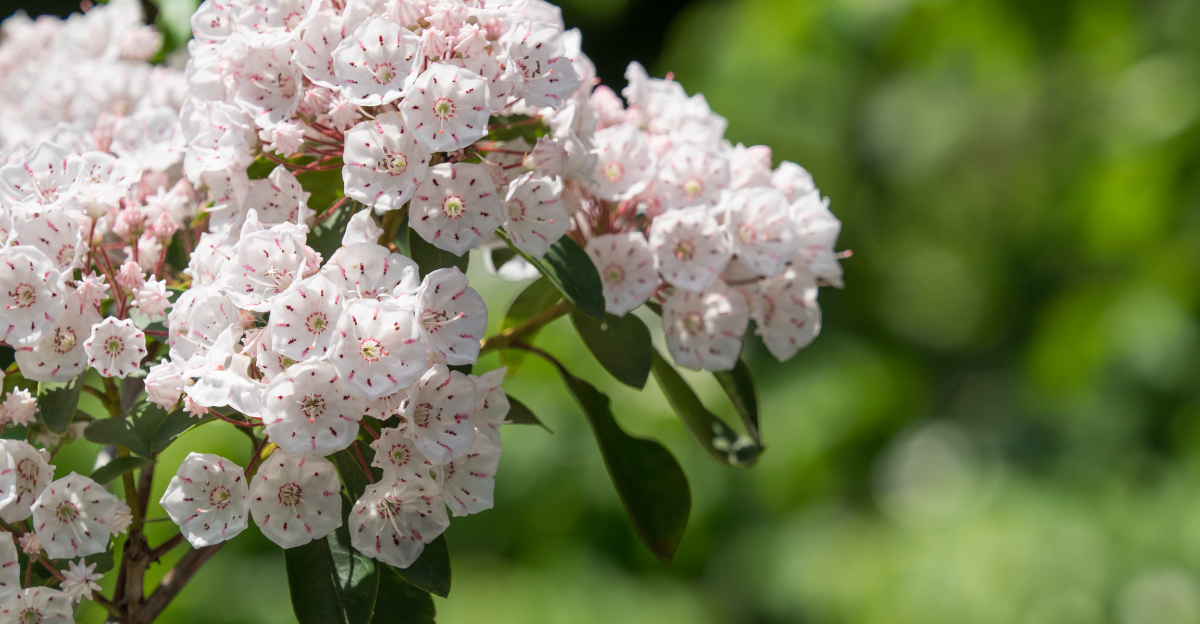
Mountain laurel is one of the most visually striking native shrubs in all of North Carolina, with its clusters of intricately patterned flowers that look almost too perfect to be real.
By April, those flower buds are already visible and swelling, getting ready to open into a display that draws hikers and gardeners alike to the North Carolina mountains every spring.
Hard pruning right now would remove exactly what you have been waiting all year to see. This is a plant that blooms on old growth, so the rule is simple: do not prune in April.
The buds sitting on those glossy evergreen branches right now represent this season’s entire flower show.
Even well-meaning cleanup cuts can accidentally remove flowering wood and leave the shrub looking sparse and bloomless when it should be at its absolute best in late spring and early summer.
If mountain laurel genuinely needs shaping or size management, wait until right after the blooms fade.
At that point, you can make thoughtful cuts that guide the plant’s shape without sacrificing next year’s bud set.
Mountain laurel is also a slow grower, so heavy pruning is rarely necessary and should always be approached carefully.
In North Carolina, this plant thrives in acidic, well-drained soils under the dappled shade of pines and oaks, and when you let it grow on its own schedule, it rewards you with one of the most spectacular floral displays a native garden can offer.