North Georgia Raspberries Have A Short Fall Window Gardeners Shouldn’t Miss
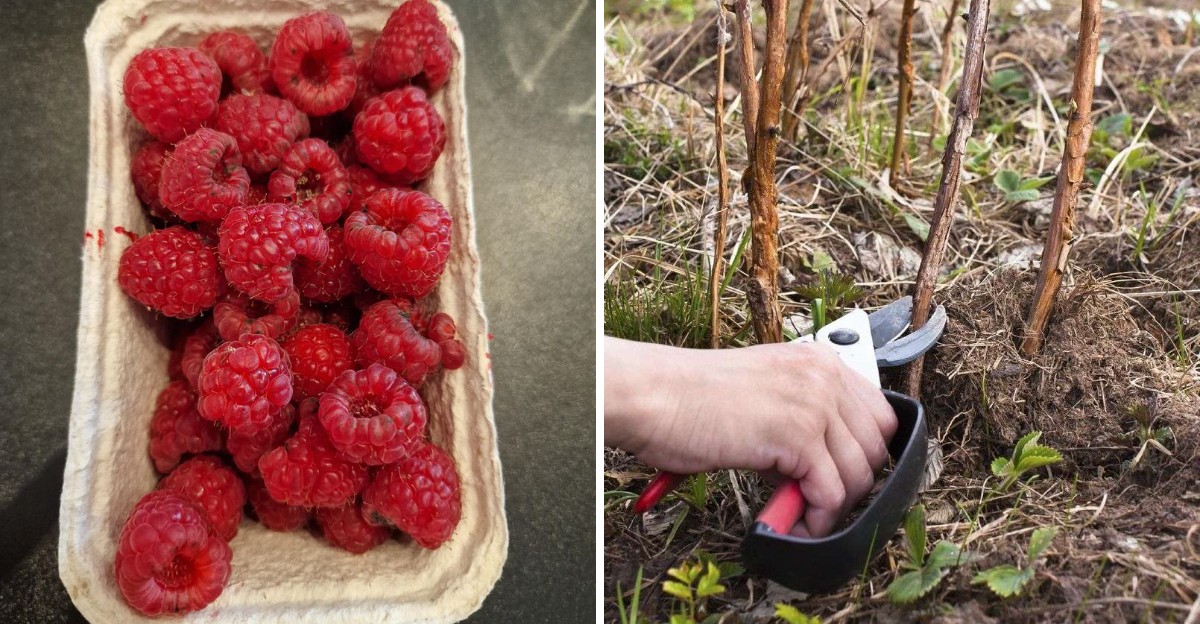
Raspberries ripening in October can surprise gardeners who think of berries as strictly an early summer treat.
Fall-bearing types produce fruit on canes that grew this year, and they keep going until cold weather shuts them down.
That season can end quickly once frost arrives, so the harvest window is shorter than many expect.
Berries also ripen fast in mild weather and can turn soft or moldy if left too long. In north Georgia, a few missed days can cost you a good part of the crop.
Picking often is part of the answer, but timing and care matter just as much. A little planning now can also help next year’s canes.
Keep an eye on the forecast as nights cool, since the first hard frost usually marks the end.
1. Fall-Bearing Varieties Ripen Their Main Crop As Summer Fades
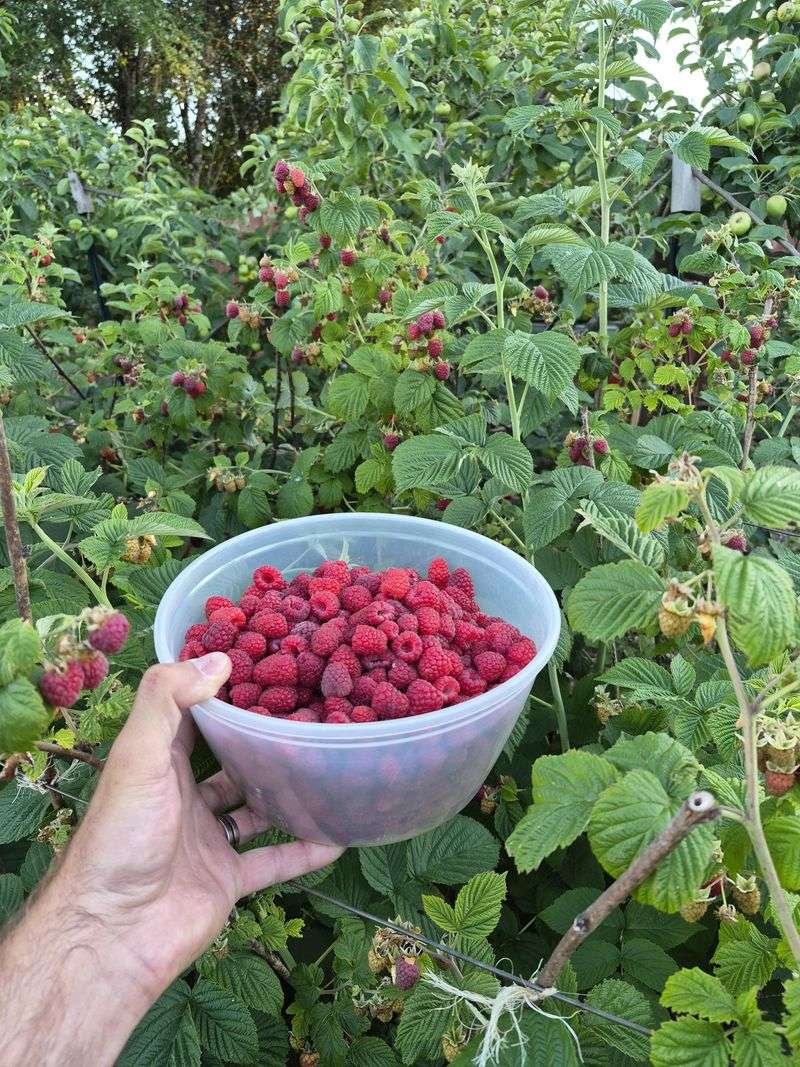
Some raspberries simply refuse to follow the summer crowd. Fall-bearing types, also called primocane or everbearing raspberries, set fruit on canes that grew that same year.
Instead of fruiting in early summer, they ripen at the top of new canes as summer winds down.
In North Georgia, that often means picking starts in late summer and carries into fall. Exact timing shifts with elevation, variety, and how warm the season runs.
Varieties such as Heritage, Caroline, and Autumn Bliss are common picks for home gardens. Each one ripens a little differently, so check plant tags or nursery notes for expected timing.
Hot weather can slow things down or reduce berry quality, which is a real concern at lower elevations in Georgia.
Cooler mountain gardens tend to suit raspberries better than hotter spots farther south. If you live in the foothills, afternoon shade and steady watering may help plants handle late summer heat.
Watch the cane tips as August turns toward September.
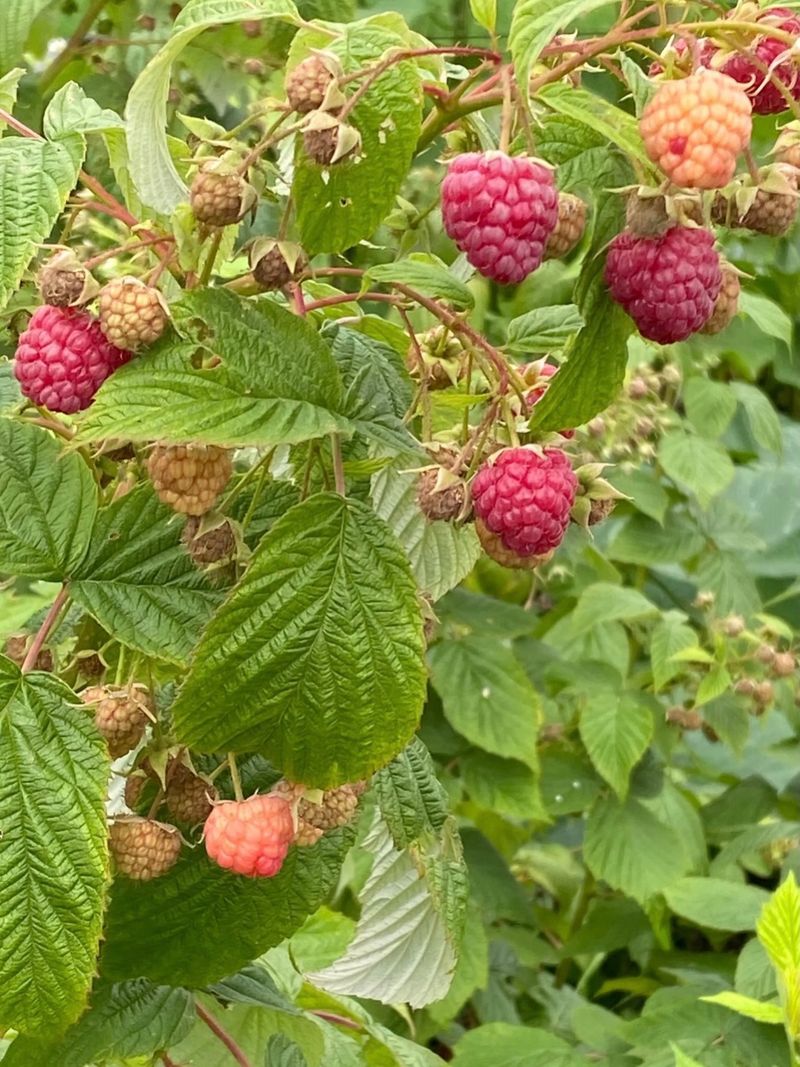
Small green clusters will swell, then blush pink, then deepen to full color. Once you see that first ripe berry, the season is officially open, and it tends to move quickly from there.
2. Picking Stops With The First Hard Frost
Cold weather sets the true end date. A hard frost usually damages tender fruit and flowers, so whatever is still green at that point may not finish ripening.
A light frost is a different story, and plants sometimes keep going afterward.
Timing for that first hard freeze varies a lot across North Georgia. Mountain valleys and higher ridges often see it earlier than lower foothill areas, and some years arrive early or late.
Local weather forecasts are your best tool once nights start cooling in fall.
When a cold night is coming, pick every ripe or nearly ripe berry beforehand. Berries that are fully colored will hold up better in the fridge than on a frozen cane.
Some gardeners try covering short rows with frost cloth on borderline nights.
Results vary, since frost cloth only offers a few degrees of protection and tall canes are hard to cover. Still, it may buy an extra week or so of picking during a mild stretch.
Your Georgia Garden Changes Every Week. Your Plan Should Too.
Gardening in Georgia changes quickly throughout the season. Every Friday you’ll receive a simple weekly plan showing exactly what to plant, prune, fertilize, harvest, and protect so you never miss the right timing.
Keep a simple notebook with the dates of your first and last harvests each year. Over a few seasons, you get a clearer picture of how your own yard behaves.
3. Ripe Berries Slip Off The Core With A Gentle Tug
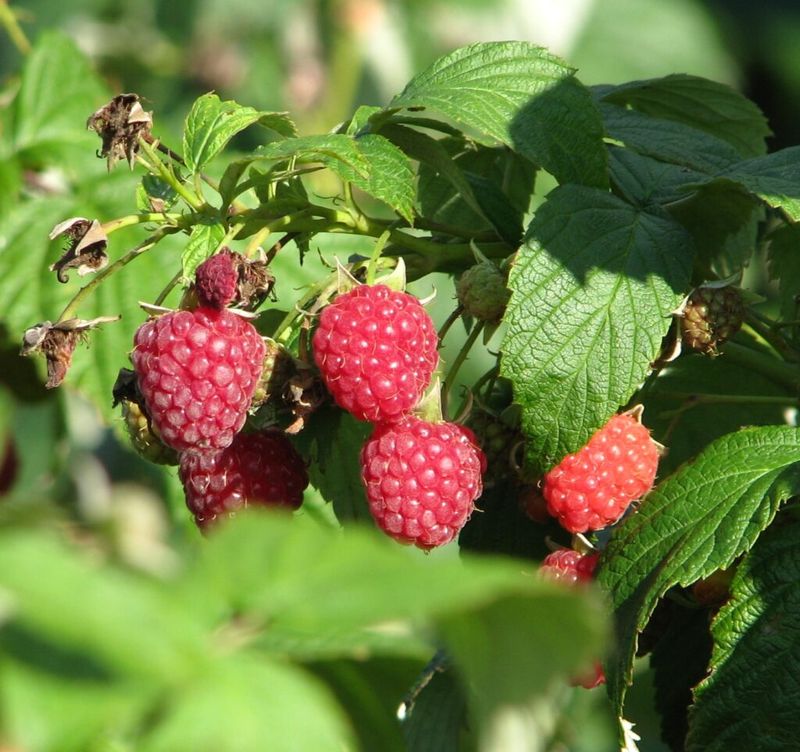
Color alone can fool you. A raspberry may look red and ready while still clinging tightly to the plant, and that grip usually means it needs another day or two.
Ripe raspberries separate from the white center, called the receptacle or core, with very little effort.
Hold the berry between your fingers and give a light pull. If it slides right off and leaves the core behind, it is ready to eat.
Resist forcing a stubborn berry off the cane.
Pulling hard tends to crush the fruit, and underripe berries often taste sour anyway. Waiting a short time usually rewards you with better flavor and a softer texture.
Ripe fruit also looks a bit duller and fuller than berries that are still firm. Some varieties turn a deep red, while golden types like Anne show a warm apricot shade instead.
Gardeners across Georgia often pick in the cool morning, once any dew has dried.
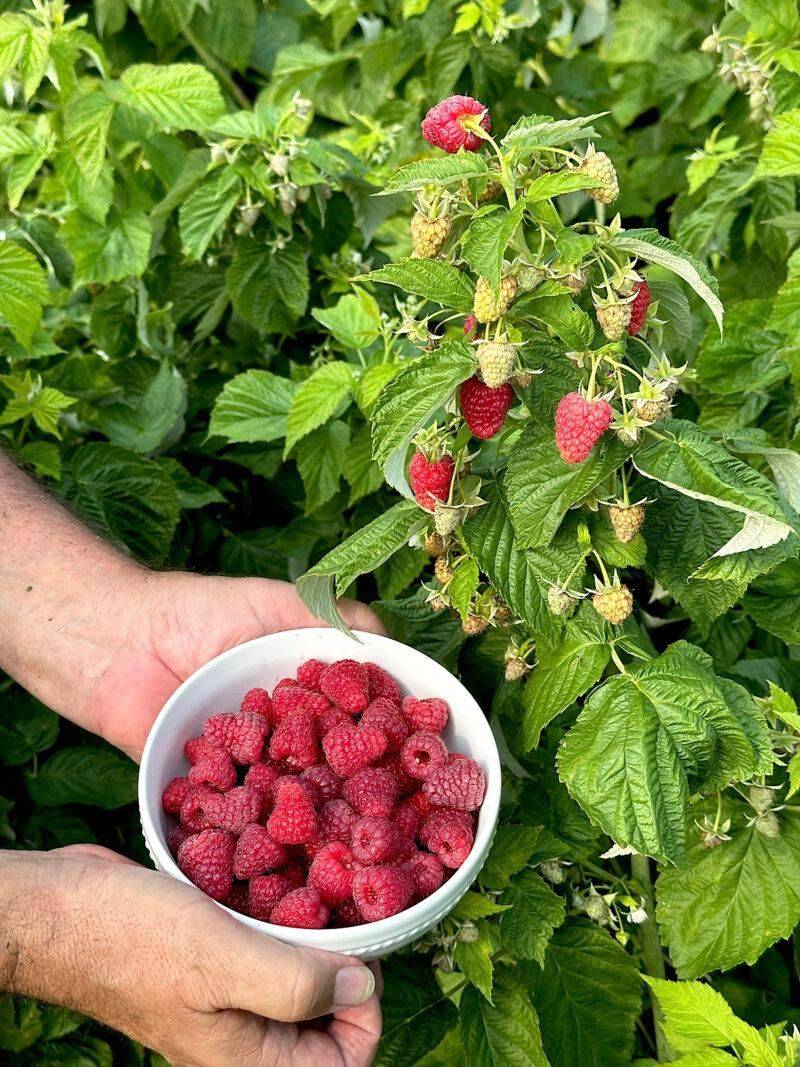
Use shallow containers so berries on the bottom do not get squashed. A small bowl or tray works much better than a deep bucket for these delicate fruits.
4. Checking Plants Every Couple Of Days Keeps Fruit From Going Soft
Raspberries do not wait for your schedule. A berry that looks almost ready on Monday can be overripe or moldy by the weekend, especially during warm, humid weather.
Picking every two or three days during peak season is a common recommendation from Extension sources.
Frequent picking matters because soft berries attract insects and can spread rot to nearby fruit. Gray mold, a fungal problem, is more likely when overripe fruit sits on the cane in damp weather.
Quick, regular visits also make the job easier.
You spend less time sorting mushy fruit from good fruit. Each trip yields a manageable amount, which helps if you plan to eat berries fresh rather than freeze them.
Fall weather in North Georgia can swing from warm afternoons to rainy spells.
After a rain, check plants soon, since wet berries soften faster. Toss any moldy or damaged fruit into the trash rather than leaving it on the ground near the row.
Look underneath leaves and deep inside the canes while you pick. Hidden clusters are easy to miss, and those are often the ones that end up going bad.
5. Spotted Wing Drosophila Often Targets Late-Season Fruit
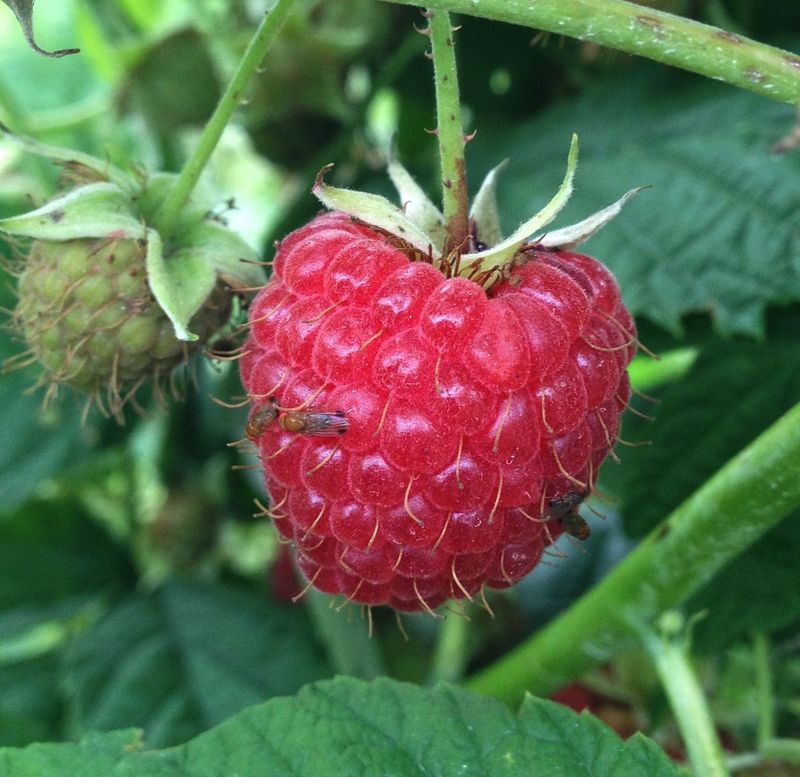
Tiny flies can cause big headaches in fall berry patches. Spotted wing drosophila, often shortened to SWD, is a small fruit fly that lays eggs inside ripening fruit.
Unlike common fruit flies, females can cut into healthy, firm berries rather than just overripe ones.
Populations often build up as the season goes on. That timing makes fall raspberries a frequent target in Georgia and much of the Southeast.
Signs include soft spots, leaking juice, or tiny white larvae inside berries.
To check, some gardeners soak a few berries in salty water and watch for larvae floating out. It is not pleasant, but it tells you what is happening in your patch.
Harvesting often and removing overripe or damaged fruit is one of the simplest ways to reduce problems.
Keeping the row pruned and open may also help, since the flies seem to prefer shady, humid spots. Very fine insect netting is another option, though it takes effort to install over a full row.
If you are thinking about sprays, contact your local UGA Extension office first. They can explain what is appropriate and safe for home gardens near harvest.
6. Chilling Berries Soon After Picking Extends Their Short Shelf Life
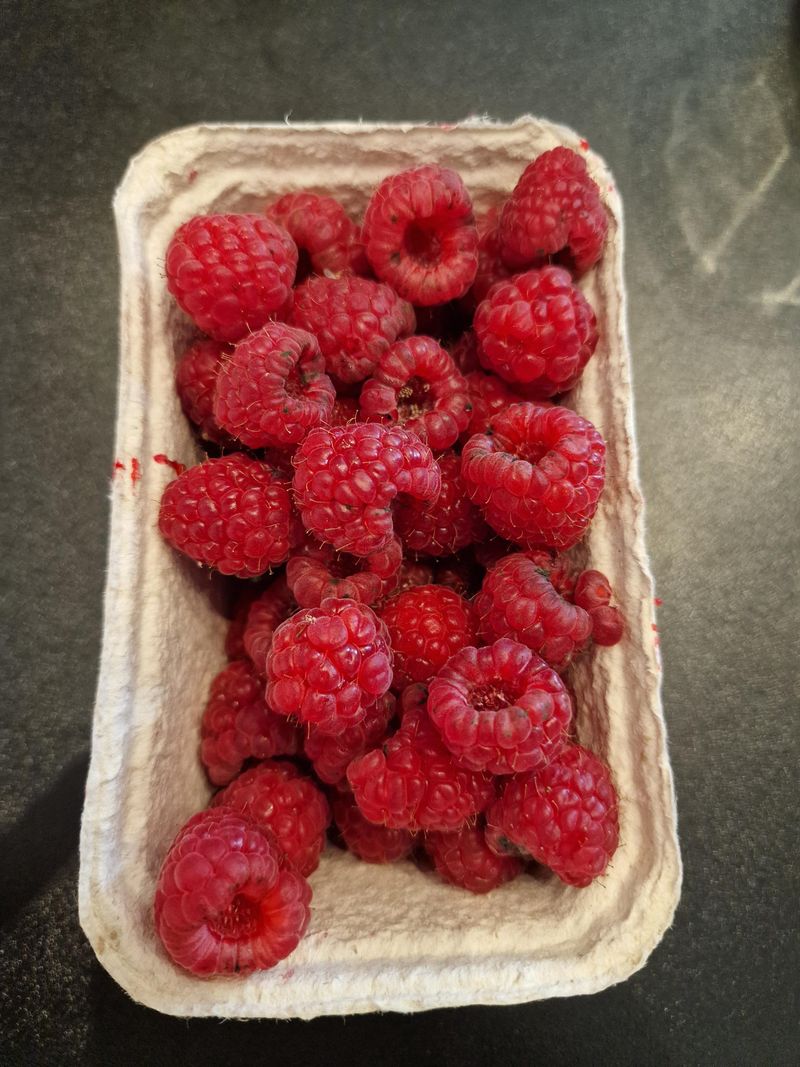
Fresh raspberries are fragile, even under the best care. Most only last a few days in the refrigerator, so getting them cold quickly helps.
Warm berries left on the counter tend to soften and mold sooner.
Move your harvest into the fridge soon after picking. Spread berries in a shallow container, ideally in one or two layers, so they are not crushed under their own weight.
Hold off on washing until right before you eat them.
Extra moisture speeds up spoilage, so rinsing early usually backfires. A paper towel under the berries can soak up stray drips and help them stay drier.
Sort as you store, removing any soft or moldy fruit.
One bad berry can spread mold to its neighbors faster than you might expect. Checking the container daily keeps small problems from spreading.
When the harvest outpaces your appetite, freezing is a solid choice. Lay berries on a tray in the freezer, then transfer them to bags once firm so they do not clump.
Plenty of North Georgia gardeners also turn extras into jam. Tested recipes from Extension sources help ensure safe canning results.
7. Mowing Canes Down In Late Winter Sets Up Next Fall’s Crop
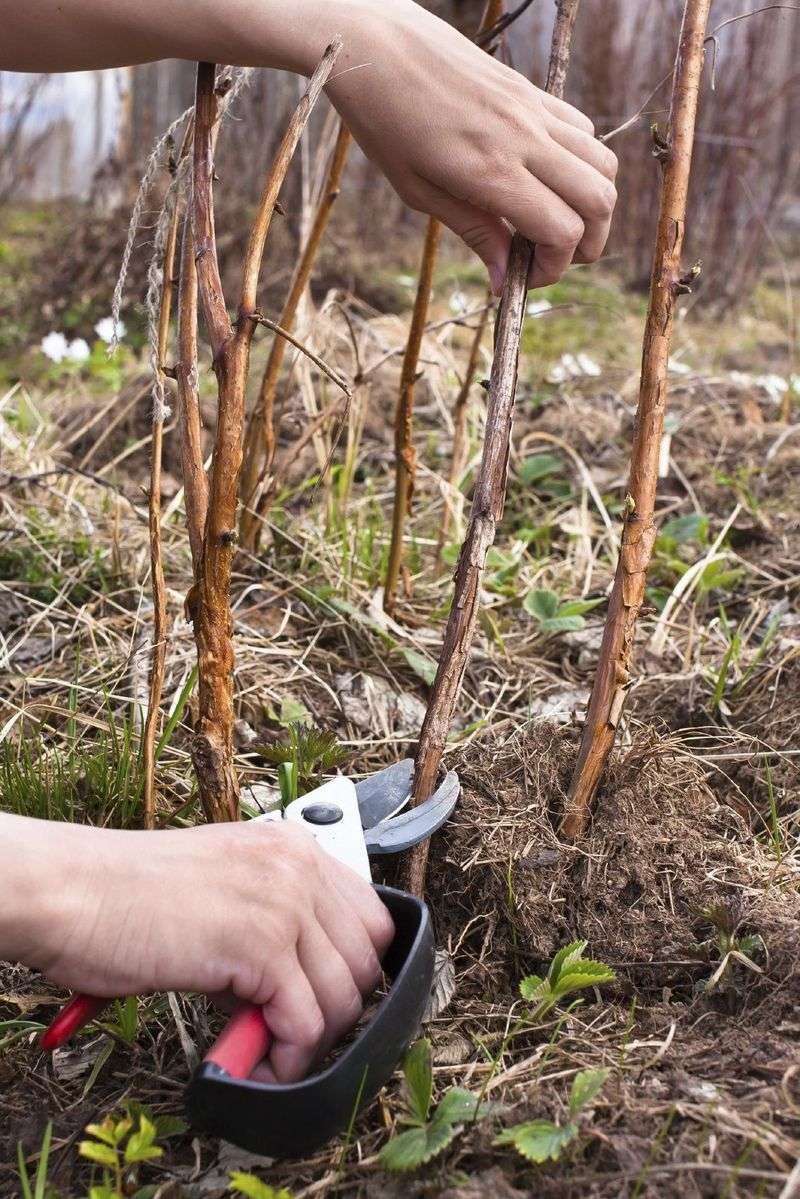
Cutting every cane to the ground sounds harsh, yet it is a standard method for fall-bearing raspberries. Removing all canes in late winter, while plants are dormant, simplifies care quite a bit.
New canes then sprout in spring and bear fruit that same fall.
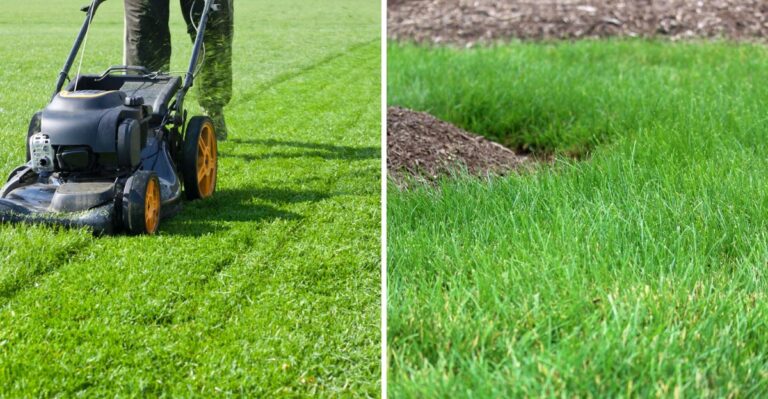
You can use a mower on a high, sturdy setting, a string trimmer, or loppers. Cut close to the soil so no stubs remain that might harbor disease or pests.
Rake up and remove the old cane pieces afterward.
This approach gives up the small early summer crop that older canes might produce. In exchange, many gardeners find that the fall harvest becomes easier to manage and often more uniform.
Some Georgia growers prefer a different method that keeps old canes for a light summer harvest.
In that case, you only cut the tops that already fruited, then remove those canes after the summer crop. Both methods work, so choose based on how much effort you want to put in.
After cutting, a layer of mulch may help with weeds and soil moisture. Your local Extension office can offer fertilizer advice based on a soil test.