10 Ohio Flowers That Peak In July And How To Extend Their Season
July is the month Ohio flower gardens either deliver or disappoint, and the difference almost always comes down to what was planted with that specific window in mind. Spring bloomers are finished.
Fall performers are not ready. July belongs to a specific group of flowers that know how to own the hottest stretch of the Ohio growing season.
Getting them to peak is one thing. Keeping that peak going is another conversation entirely, and most gardeners leave weeks of bloom on the table by not knowing what to do once the show starts.
A few targeted moves at the right moment extend July color well into August without stressing the plants or requiring daily attention. The flowers that respond best to this are also the ones most worth extending, because nothing coming later in the season quite replicates what July delivers at its best.
Ten Ohio flowers own this month. Here is how to make them last.
1. Keep Black-Eyed Susans Blooming With Light Spent-Flower Trimming
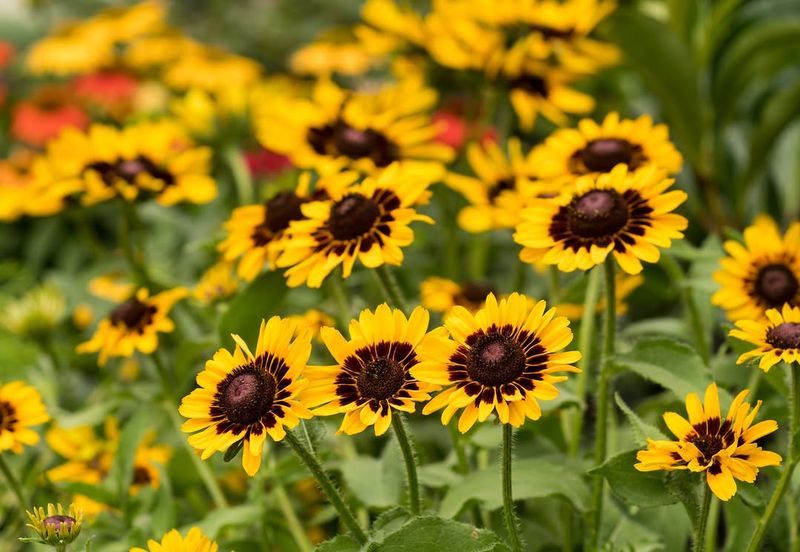
A golden clump can stay fresh-looking for weeks longer when the oldest flowers are not left to drag down the whole plant. Black-eyed Susans, known botanically as Rudbeckia, tend to peak in July across most Ohio local gardens.
Removing some of the faded blooms can tidy the plant and may encourage a few more flowers to open, depending on the species and growing conditions.
The native species, Rudbeckia hirta, is a short-lived perennial or biennial that often self-seeds. Trimming every spent flower can reduce that natural reseeding, so be selective.
Rudbeckia fulgida includes the popular Goldsturm cultivar and tends to hold its form well. It also responds a bit better to light spent-flower removal without losing much self-seeding value.
In July heat, do not cut plants back hard. Stick to snipping individual faded stems just above a leaf or side bud.
Water during dry stretches, since black-eyed Susans handle drought reasonably well but bloom longer with steady moisture. Leaving some seed heads in late summer and fall feeds goldfinches and other birds.
Think of spent-flower trimming as a selective tool, not a rule you apply to every stem on every visit.
2. Cut Purple Coneflowers Selectively To Balance Blooms And Seed Heads
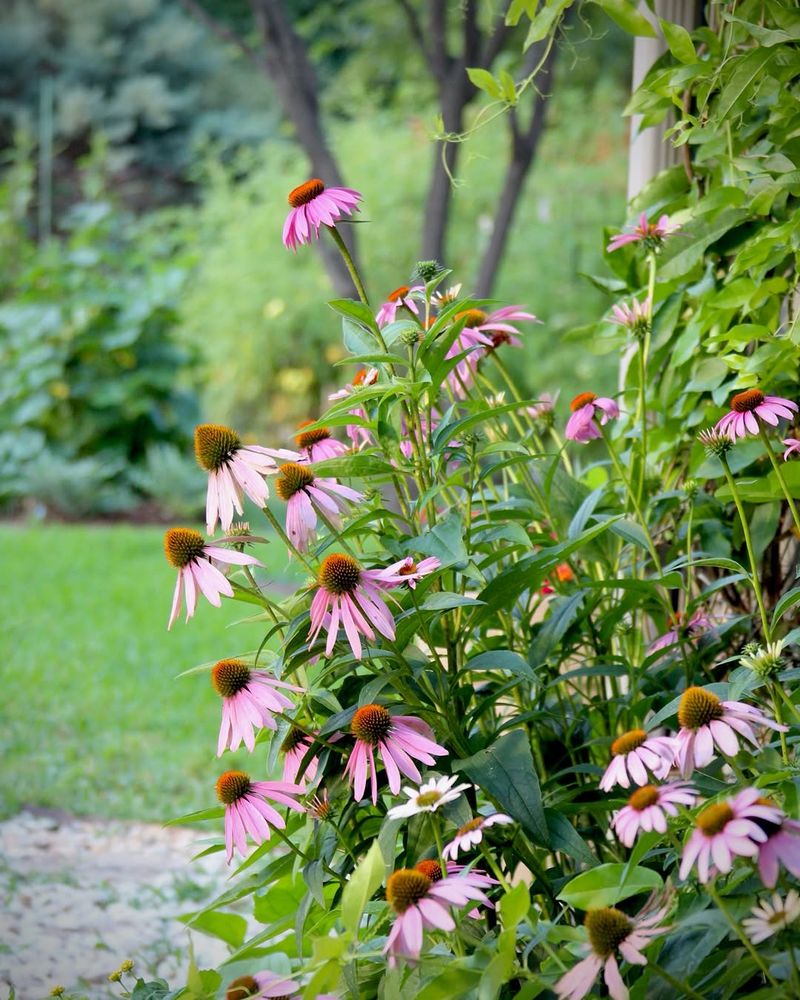
Seed heads forming on a coneflower are not a sign of failure. They are actually part of what makes Echinacea so valuable in a summer border.
Purple coneflowers tend to peak in July, producing those familiar raised cones surrounded by reflexed petals in shades of pink and purple. How you handle spent blooms depends on what you want from the plant.
Cutting some faded flowers back to a side bud or leaf can encourage the plant to push out more blooms. This works best in the earlier part of the flowering season, before July heat peaks.
Once temperatures climb and the plant is working hard just to stay hydrated, aggressive cutting can stress it. Trim selectively, targeting the most tired-looking stems while leaving others to develop seed heads.
Those seed heads are worth keeping. Goldfinches visit them regularly from late summer into fall, and the dried cones add structure to the garden even after color fades.
Your Ohio Garden Changes Every Week. Your Plan Should Too.
Gardening in Ohio changes quickly throughout the season. Every Friday you’ll receive a simple weekly plan showing exactly what to plant, prune, fertilize, harvest, and protect so you never miss the right timing.
If powdery mildew appears on the leaves in humid stretches, improve airflow by thinning crowded stems at the base. Water at soil level rather than overhead.
Coneflowers are tough, but they bloom longer with a little thoughtful attention rather than aggressive management.
3. Shear Catmint Lightly After Its First Big Flush
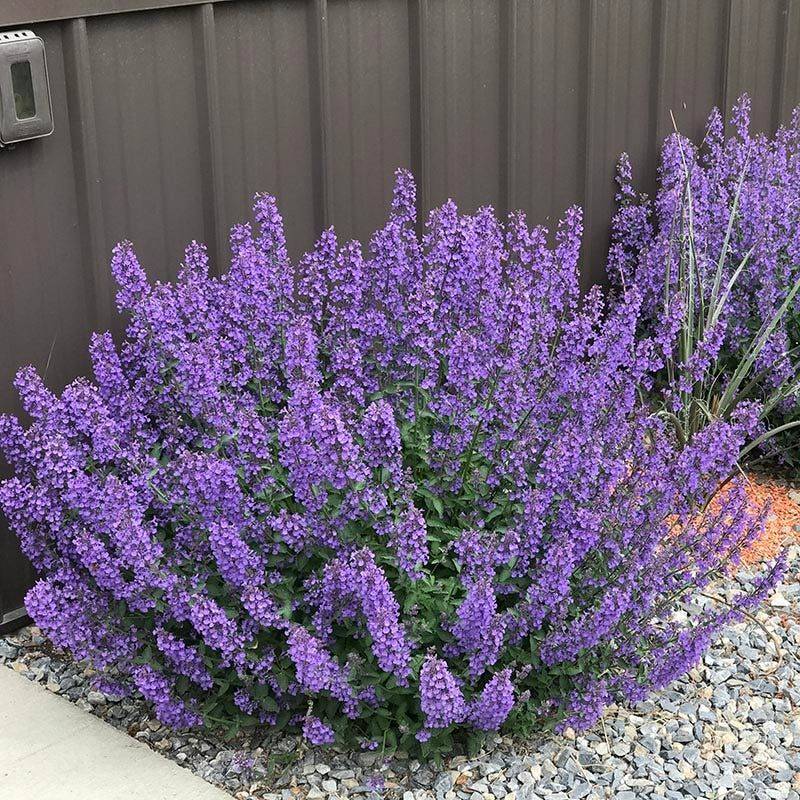
By early July, many catmint plants have already pushed through their first big flowering flush and are starting to look a little ragged. The lavender-blue spikes fade, stems flop outward, and the whole clump can lose its shape.
A light shear at this point can refresh the plant and set it up for a second round of growth and possible rebloom later in the season.
The key word here is light. Shear the plant back by roughly one-third to one-half, cutting above the woody base growth.
Do not cut into the thick, older woody stems near the soil. Those need to stay intact.
After shearing, water the plant well, especially if July has been dry. Catmint handles heat and drought better than many perennials, but a drink after being cut helps the plant push new growth without extra stress.
New foliage typically appears within a couple of weeks, and a second flush of flowers often follows in late summer or early fall. The timing and fullness of that rebloom depend on weather, cultivar, and how established the plant is.
Walker’s Low is one of the most reliable cultivars for this response in regional Ohio gardens. Catmint also stays deer-resistant throughout the season, which is a practical bonus in many home landscapes.
4. Cut Zinnias Often Before Flowers Turn Tired
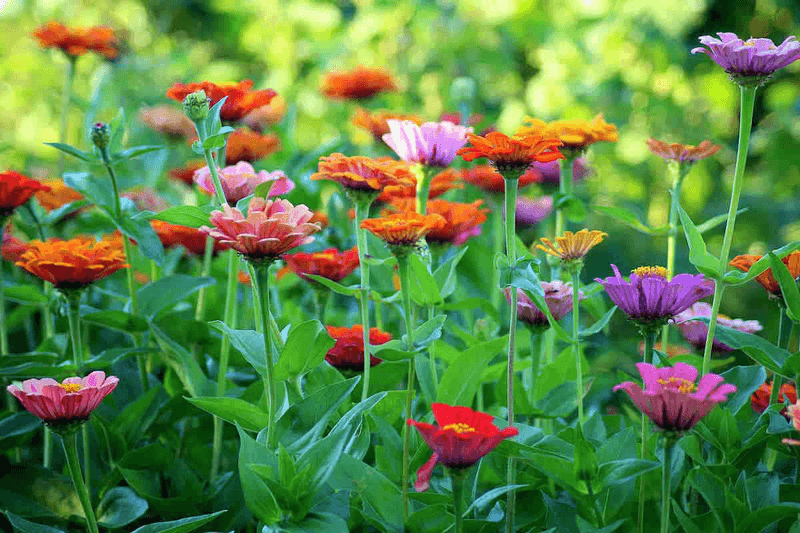
Few flowers reward cutting as generously as zinnias do. The more you cut them, the more stems they tend to send up, making them one of the hardest-working plants in a July cutting garden.
Waiting too long between cuts lets old blooms sit on the plant, which signals it to slow down production. Getting ahead of that process keeps things moving.
Cut stems when the flower is fully open but still fresh, not when petals start to curl or fade. Use clean, sharp scissors or snips and cut back to a set of leaves or a side shoot.
This encourages branching and more buds. Zinnias need full sun, at least six hours, and good airflow around the plants to stay healthy.
Crowded plants in humid July weather are more prone to powdery mildew and fungal spotting on the leaves.
Water at the base rather than overhead, and avoid wetting the foliage when possible. Zinnias are not fussy about soil as long as it drains well, but they do need consistent moisture during heat waves to keep budding steadily.
Starting seeds in succession, a few weeks apart, gives you plants at different stages so the cutting garden does not peak all at once and then fade together. Zinnias take real work to keep at their best through July and August.
5. Trim Bee Balm After Bloom To Encourage Fresh Growth
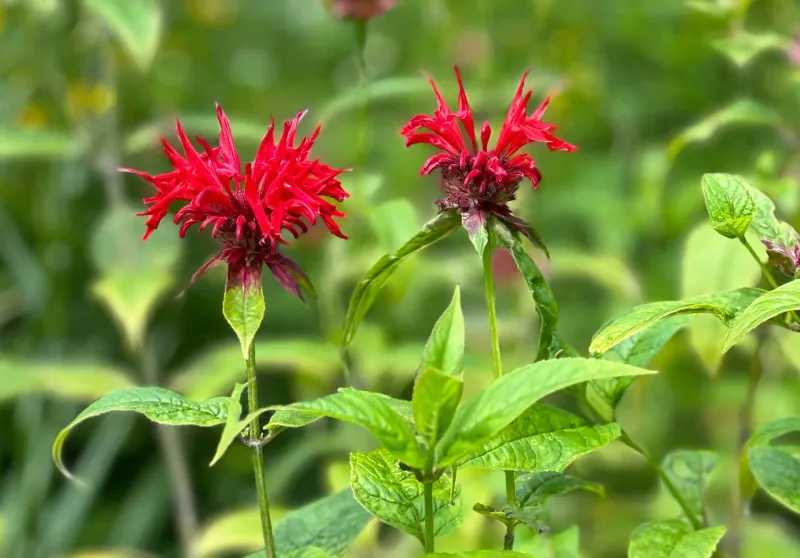
A patch of bee balm in full bloom is one of the loudest things in an Ohio July garden. The shaggy flower heads in red, pink, purple, and white attract hummingbirds, bees, and butterflies at a time when many other plants are just getting started.
But bee balm blooms relatively quickly, and once the flowers fade, the plant can start to look messy fast.
Trimming spent flower stems back to a set of healthy leaves after bloom can tidy the plant and encourage fresh foliage growth. Whether you get a meaningful second flush of flowers depends on the cultivar, the weather, and how much energy the plant has left.
Do not count on a full rebloom in most cases, but the fresh growth that follows trimming is still worthwhile for the garden’s appearance.
Powdery mildew is a real concern with bee balm in humid summer weather. Good airflow helps.
When trimming, thin out any crowded stems at the base to open up the center of the clump. Water at the soil level rather than overhead.
Resistant cultivars like Jacob Cline, Raspberry Wine, and Colrain Red hold up better against mildew pressure than older varieties.
If mildew hits hard despite good care, cutting the plant back more firmly and letting it regrow with fresh foliage is a reasonable approach in most summers.
6. Keep Coreopsis Going By Removing Faded Flowers
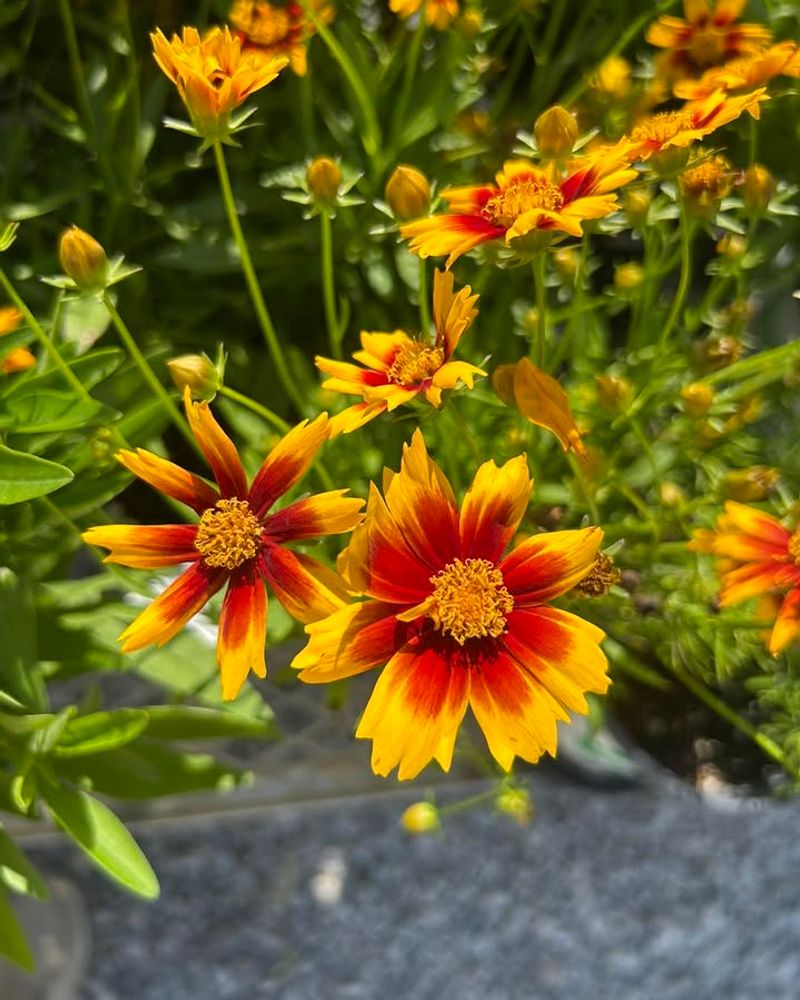
Cheerful and reliable, coreopsis earns its place in the front of a July border without much fuss. The small, daisy-like flowers in yellow, gold, and sometimes pink or bicolored shades tend to open in waves through the summer.
Removing faded flowers can help some types keep producing new buds and prevents the plant from putting energy into seed development before you are ready for that.
Threadleaf coreopsis, Coreopsis verticillata, is one of the most dependable types in local gardens. It produces fine, ferny foliage and a steady stream of small yellow flowers.
Light shearing of the whole plant after a heavy flush can refresh it nicely. Lanceleaf coreopsis, Coreopsis lanceolata, tends to bloom hard in early summer and may slow down in July heat regardless of how carefully you trim.
Some coreopsis varieties are shorter-lived than others, especially certain hybrids. If a plant starts to look thin or patchy after a few seasons, it may simply need dividing or replacing rather than more trimming.
Divide clumps in early fall or early spring to refresh them. Coreopsis prefers well-drained soil and full sun.
Wet, heavy soil shortens its life noticeably. Consistent but moderate watering during dry July stretches helps the plant keep blooming without pushing it into stressed, soggy conditions.
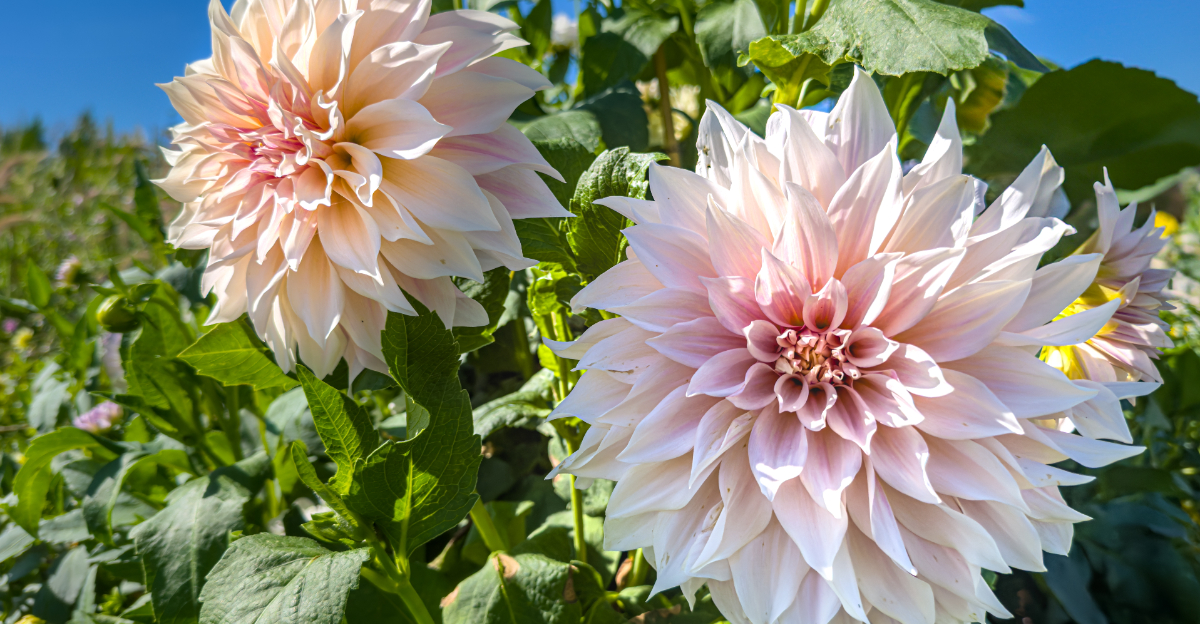
7. Water Dahlias Deeply So July Buds Keep Opening
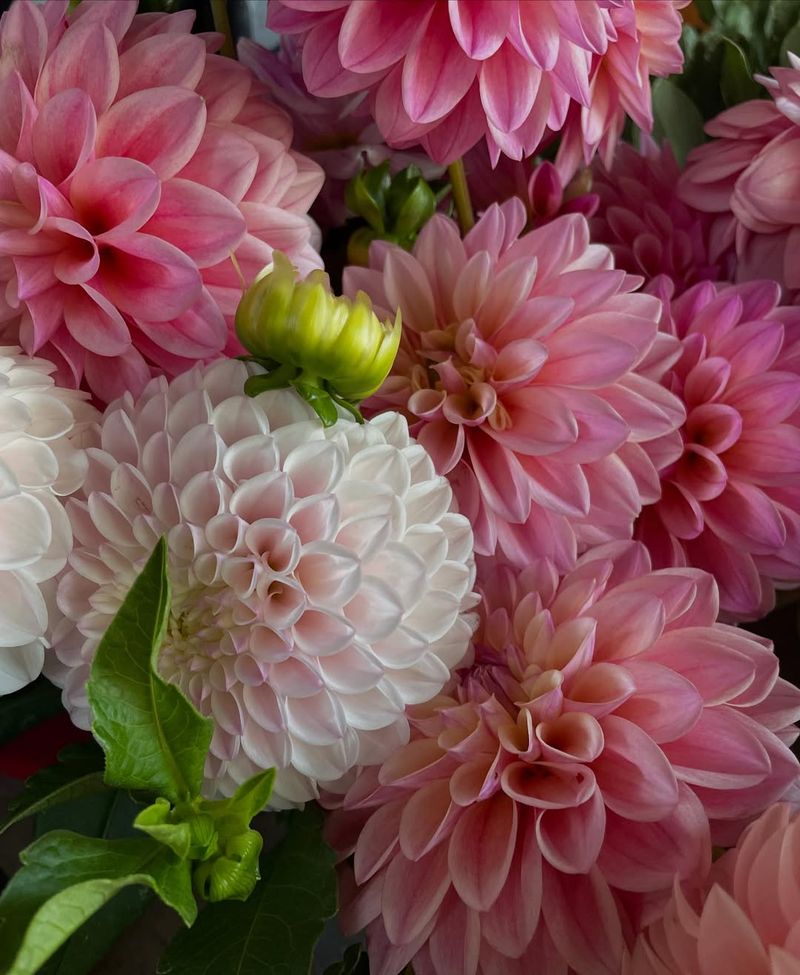
Dahlia buds forming in July heat need steady moisture to open fully and hold their form. When soil dries out too much during a hot stretch, buds can stall and flowers may open smaller than expected.
The plant then uses energy just trying to survive rather than bloom. Deep, consistent watering makes a real difference during these weeks.
Water dahlias thoroughly at the base, soaking the soil several inches down rather than just wetting the surface. Aim to water deeply a few times per week during dry spells, adjusting based on rainfall and soil type.
Mulch around the base of the plant helps hold moisture and keeps soil temperatures from spiking. Just keep mulch a few inches away from the main stem to prevent rot.
While watering is the main priority in July, cutting flowers and trimming spent blooms also support the plant. Cut stems when flowers are about three-quarters open, early in the morning if possible.
Remove faded blooms to keep the plant tidy and focused on new bud development. Dahlias do not like soggy soil, so good drainage matters as much as regular moisture.
Raised beds or well-amended garden soil helps tubers stay healthy through the season. Pinching growing tips earlier in summer, before July, encourages more branching and more flowers overall.
8. Pinch Back Garden Phlox To Stagger Bloom Time
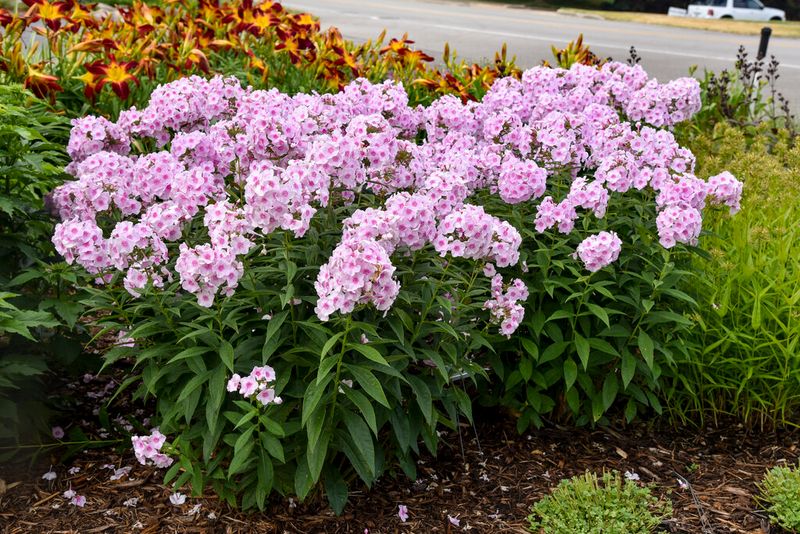
Fragrant and tall, garden phlox is one of the showiest things in a late-July border. The big clusters of pink, white, lavender, and red flowers draw attention from across the yard.
Getting the most from this plant in July actually starts with what you did earlier in the season. Pinching back a portion of the stems in late spring or early June delays their bloom slightly, which staggers the display and keeps the garden looking fresh longer.
By the time July arrives, the focus shifts. Water the plants deeply and consistently, since phlox struggles during dry spells and may drop lower leaves.
Remove spent flower clusters by cutting them back to a side shoot or healthy leaf to keep the plant tidy and potentially encourage more blooms. Do not remove every cluster at once if some are still opening fresh.
Powdery mildew is the biggest challenge with garden phlox in this state. Humid summers and crowded planting conditions create ideal conditions for it.
Space plants well, water at the soil level, and choose resistant cultivars like David, Robert Poore, or Jeana when possible. If mildew does appear, it is mostly cosmetic and will not stop the plant from blooming.
Good airflow throughout the season reduces how badly it spreads across the clump.
9. Cut Lantana Clusters Before Berries Slow New Flowers
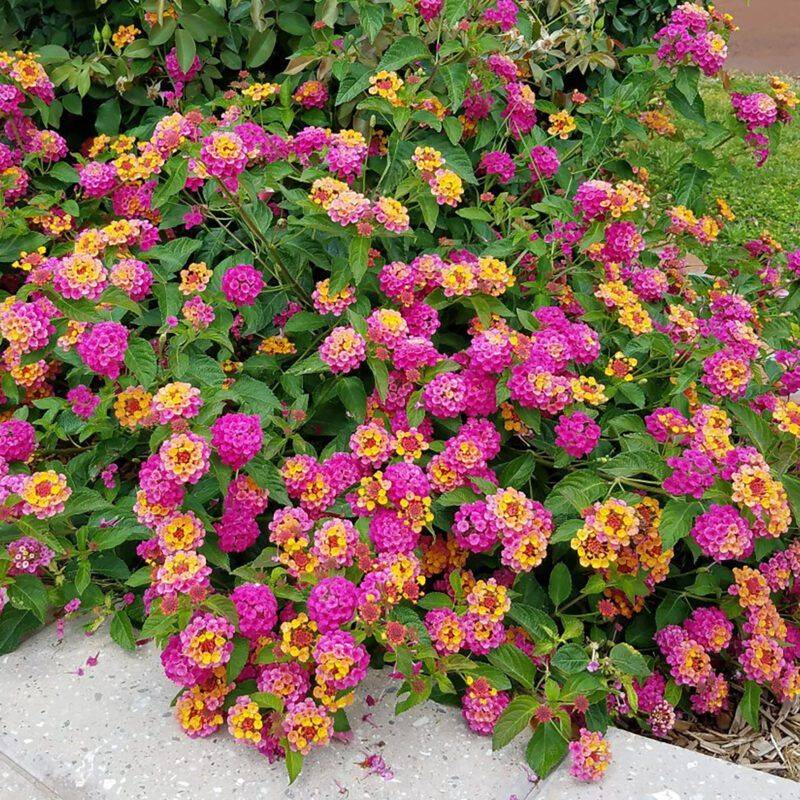
Lantana moves fast in July heat. The small, tightly packed flower clusters open in waves of orange, yellow, red, pink, and white, often shifting color as individual florets age.
Once a cluster finishes blooming and small green berries begin forming, the plant starts putting energy into those berries rather than pushing new flowers. Removing old clusters before berries fully develop helps redirect that energy.
Pinch or snip off spent flower clusters regularly, aiming to catch them before the berries harden and darken. This does not have to be a precise operation.
A general pass over the plant every week or so, removing obvious old clusters, keeps things moving. Lantana is commonly grown as a summer annual across this state since it cannot survive winter outdoors in most regions here.
Full sun is non-negotiable for good lantana performance. Plants in part shade bloom less freely and stretch toward light.
Lantana handles heat and dry conditions surprisingly well once established. Container-grown plants may need more frequent watering since pots dry out faster than garden beds.
Avoid heavy fertilizer applications, which can push leafy growth at the expense of flowers. A light, balanced fertilizer applied occasionally through the season is enough to keep a healthy plant blooming without overfeeding it.
10. Harvest Cosmos Often For Airy Late-Summer Stems

Airy and unpretentious, cosmos is one of the most rewarding plants in a summer cutting garden. The feathery foliage and daisy-like flowers in pink, white, magenta, and bicolored shades look effortless in a vase.
Cutting stems often is the most effective way to keep cosmos producing through July and into late summer. The plant responds to harvest by pushing new buds from side shoots.
Cut stems when flowers are freshly open, not when they start to look papery or faded. Cut back to a leaf node or side shoot rather than just snipping the flower head.
This encourages branching and a longer harvest window. Cosmos grown in overly rich soil tends to produce lots of lush foliage and fewer flowers, so resist the urge to fertilize heavily.
Well-drained, moderately lean soil suits this plant better than amended, nutrient-dense beds.
Full sun is essential. Plants in too much shade stretch tall and lean, producing fewer blooms and weaker stems.
Cosmos handles dry conditions fairly well once established, but consistent moisture during July heat waves helps it stay productive. Tall varieties may need light staking after summer storms.
Starting seeds in succession, a few weeks apart through late spring, keeps plants at different stages. That way, the cutting garden does not peak and fade all at once.