Ohio Gardeners Can Pollinate Tomatoes By Hand With These 7 Easy Methods
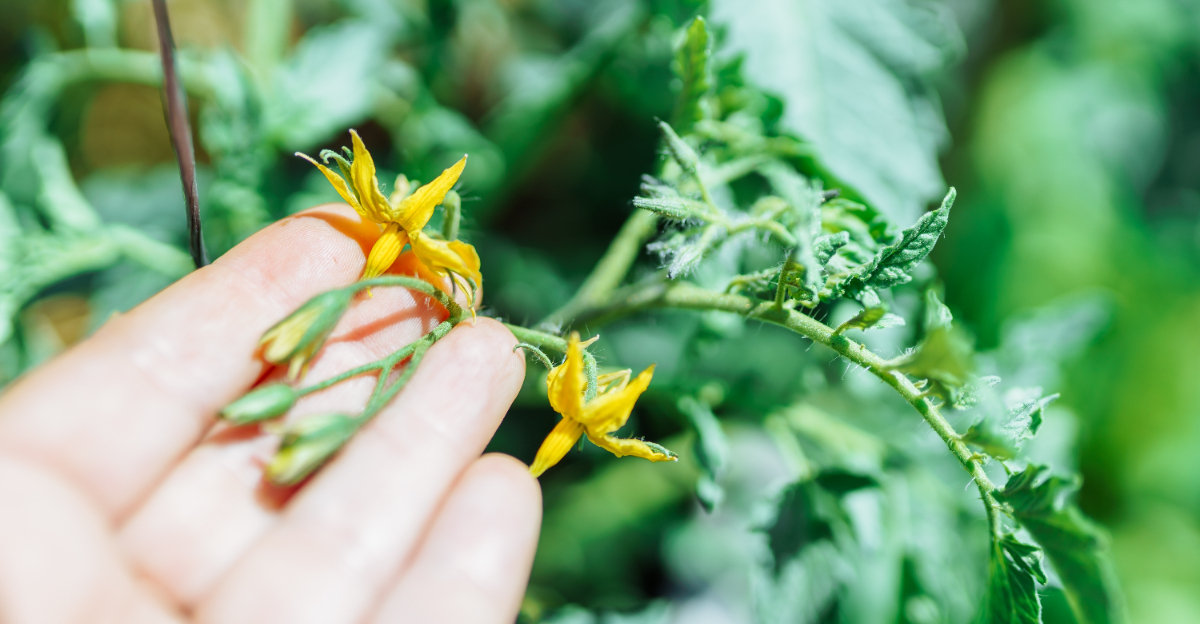
The tomato plants look healthy. The flowers are opening on schedule. Everything appears to be going exactly right.
And then nothing happens.
No fruit. No swelling behind the spent flowers. Just a steady parade of yellow blooms that open, linger for a few days, and drop off without leaving anything behind.
Ohio gardeners growing tomatoes in hoop houses, high tunnels, or during those long stretches of still summer air know this frustration well. The plant is doing its part. The environment is not cooperating.
Tomatoes are technically self-pollinating, which sounds like it should solve the problem automatically. Each flower carries everything it needs.
The catch is that pollen still requires movement to get where it needs to go, and movement is exactly what disappears during Ohio’s quietest, muggiest weeks.
A few simple techniques change that equation completely. None of them require special equipment or horticultural expertise. Most take under five minutes per plant.
Have you ever tapped a tomato flower and watched a tiny cloud of yellow pollen release into the air?
These methods do exactly that, and one of them involves a tool already sitting in your bathroom.
1. Tap Flower Clusters Gently
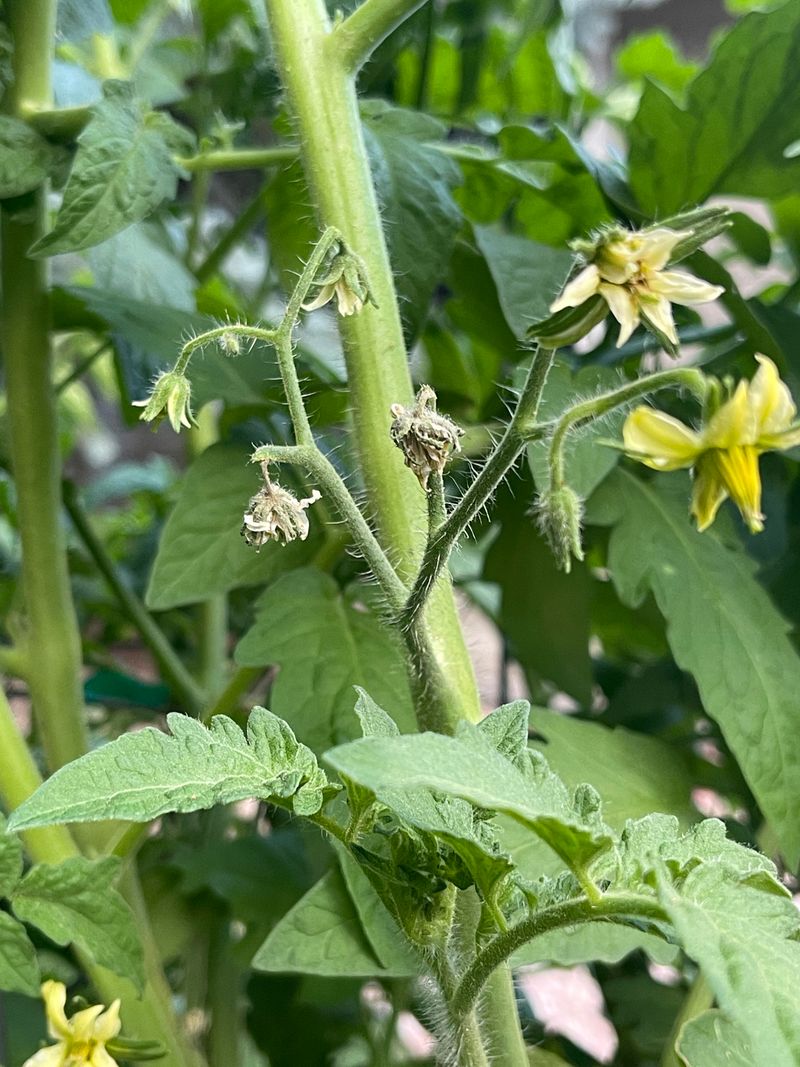
Still mornings in the Ohio garden can feel peaceful and productive right up until the point where you realize those loaded flower clusters are not setting any fruit.
Low air movement is one of the most common reasons tomatoes stall, and a finger tap on the stem is one of the fastest fixes available.
Tomatoes release pollen when their flowers vibrate. In an outdoor setting with decent air movement, wind and visiting bumblebees handle that naturally.
On a still day, or inside a tunnel greenhouse where wind rarely penetrates, pollen simply sits inside the flower waiting for a signal that never arrives.
A light tap on the stem just behind a flower cluster sends a small shockwave through the bloom. That vibration is enough to knock pollen loose so it can reach the stigma inside the same flower and begin fruit development.
Two or three soft taps per cluster is the right amount. The goal is subtle vibration, not a hard knock that stresses the stem. No need to touch the petals directly. The stem carries the vibration exactly where it needs to go.
Work from the bottom of the plant upward, moving through each visible cluster. The whole routine takes under two minutes per plant and leaves nothing behind except the possibility of small green fruits forming within the next week or two.
Tomatoes set fruit best when temperatures stay between 65 and 85 degrees Fahrenheit. Pairing the tapping routine with warm midday conditions gives pollen the best chance to do its job.
Consistency matters more than technique here. Daily tapping during peak flowering produces noticeably better results than occasional sessions during the same period.
2. Shake Cages During Dry Weather
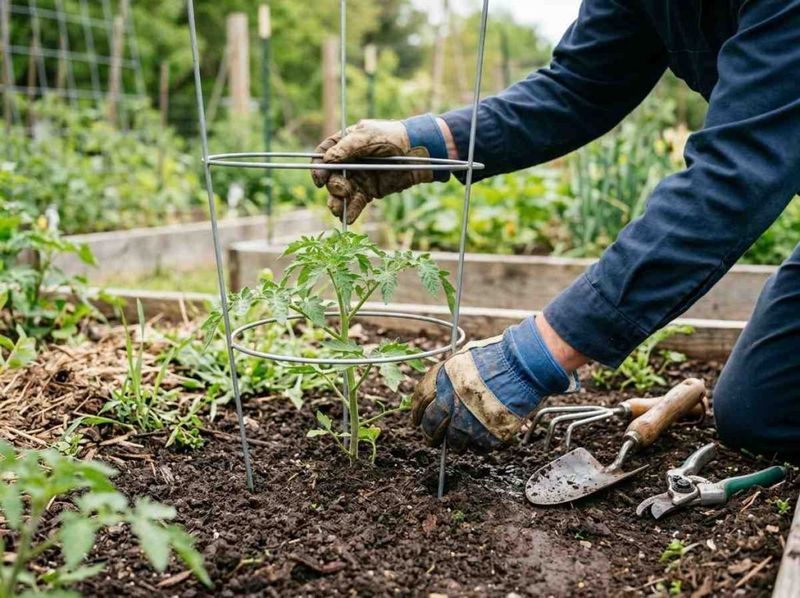
On a warm breezy Ohio day, tomato plants get constant natural assistance.
The cage rattles, the stems sway, and pollen shakes loose inside those yellow flowers without anyone doing a thing. When the air stops moving entirely, that helpful motion disappears and fruit set drops along with it.
Your Ohio Garden Changes Every Week. Your Plan Should Too.
Gardening in Ohio changes quickly throughout the season. Every Friday you’ll receive a simple weekly plan showing exactly what to plant, prune, fertilize, harvest, and protect so you never miss the right timing.
Shaking the cage manually is a fast, satisfying replacement for the wind that did not show up.
Grab the top of the tomato cage with both hands and give it a firm but controlled shake for three to five seconds. The goal is full plant movement, not just wire rattling.
That motion vibrates the flower clusters in the same way a gust of wind would, releasing pollen and improving the odds of successful fertilization across every open bloom on the plant.
Dry conditions are essential for this method to work well. Tomato pollen is powdery and free-flowing when the air is warm and dry.
High humidity causes pollen to clump and stick together, which significantly reduces how effectively it transfers to the stigma.
Ohio summers can turn humid quickly, so checking conditions before heading out improves the results considerably.
One shake per plant per day during peak flowering is a productive routine. For staked plants without a cage, a gentle grip on the middle of the main stem and a brief, careful shake accomplishes the same thing.
Gardeners growing tomatoes under row cover or inside a high tunnel will find this method particularly valuable.
Those environments receive almost no natural air movement, which makes manual cage shaking one of the most important habits in the whole growing season.
3. Use An Electric Toothbrush Nearby
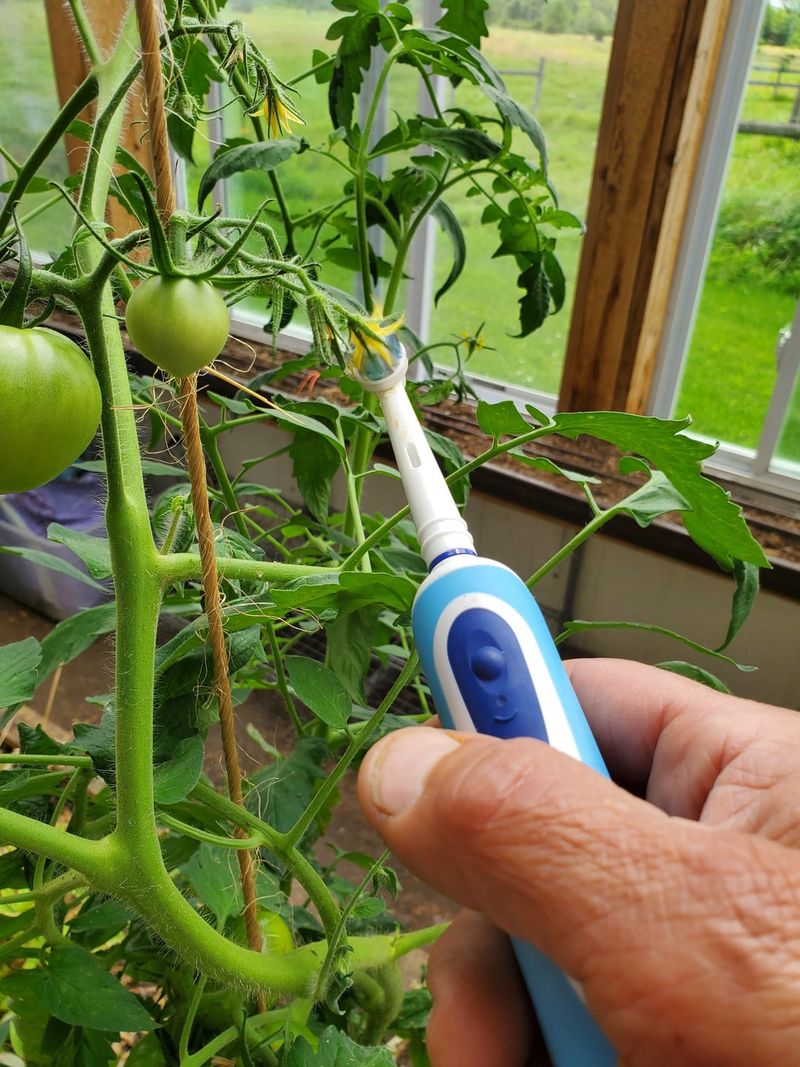
This one sounds unusual the first time someone mentions it. An electric toothbrush as a garden tool raises reasonable questions about the person suggesting it. Then it works, and those questions disappear.
Bumblebees use a technique called buzz po
llination, or sonication, where they grip a flower and vibrate their flight muscles at a specific frequency. That vibration shakes pollen loose far more efficiently than a simple tap or shake.
Commercial tomato growers actually use electric wands called buzz pollinators specifically to replicate this effect at scale.
An electric toothbrush produces a very similar vibration frequency.
Holding the back of the handle against the stem just below a flower cluster lets that vibration travel directly through the plant to the flower without touching the petals at all. Two to three seconds per cluster is adequate.
The bristles never need to contact the flower. The handle does all the work, and the plant conducts the signal exactly where pollination needs to happen.
A used toothbrush with worn bristles works perfectly for this. No need to purchase anything new.
Some Ohio gardeners keep a dedicated toothbrush hanging near the garden shed just for this purpose, which is a perfectly reasonable life choice that produces genuinely good tomatoes.
Work from the bottom of the plant upward, treating each visible cluster. The whole plant takes about three minutes. No chemicals, no mess, and no damage to the blossoms.
The bumblebee patented the technique. The toothbrush is just a reasonable substitute when the bee has other commitments.
4. Brush Pollen With A Soft Paintbrush
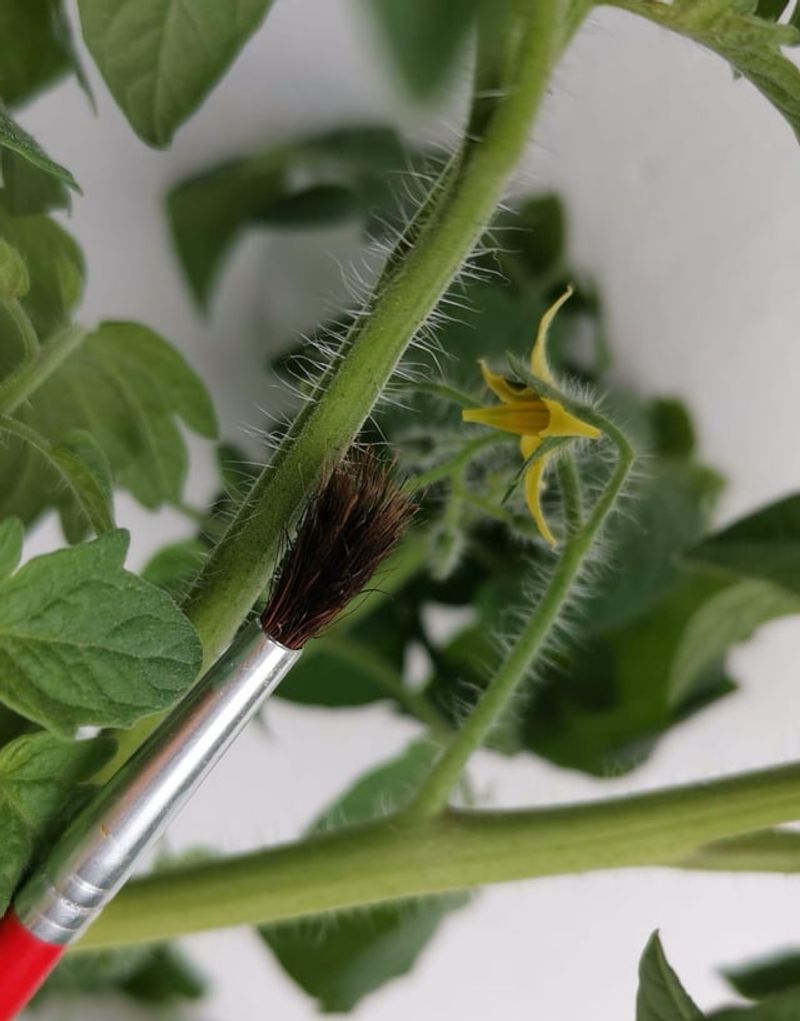
The most precise hand pollination tool available to an Ohio gardener costs about two dollars at any craft store and was designed for an entirely different purpose.
A small soft-bristled artist’s paintbrush, the size typically used for watercolor detail work, picks up tomato pollen and deposits it on the stigma with a level of accuracy that other methods cannot match.
This approach earns its place when only a few flowers are open at a time, when the goal is thorough pollination of every available bloom, or when other vibration methods feel too imprecise for the situation.
Tomato flowers contain an anther cone that surrounds the stigma at the center of the bloom. Pollen collects on the outside of that cone when conditions are right.
A soft brush swirled gently inside an open flower picks up that pale yellow pollen dust and carries it directly to the sticky tip of the stigma on the next flower visited.
The touch required is genuinely light. Tomato petals are delicate, and pressing too firmly or bending them backward can damage the reproductive parts before pollination is complete.
A slow, gentle swirling motion is more effective than any kind of forceful application.
Wiping the brush on a dry cloth between flowers keeps older pollen from contaminating the next bloom. This method shines on still days when no breeze is available and every open flower deserves individual attention.
A two-dollar watercolor brush from the craft store produces the same results as a specialized pollination tool that costs considerably more. The tomatoes have no preference.
5. Pollinate During Warm Midday Hours
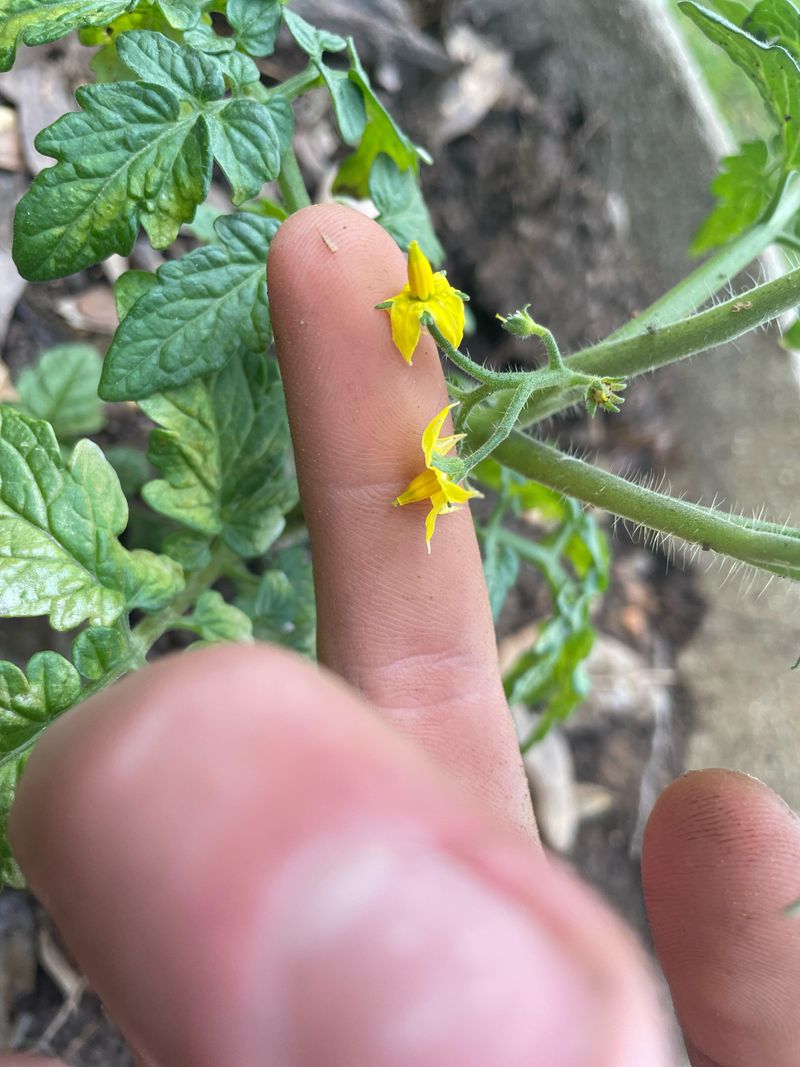
Heading out to pollinate tomatoes at six in the evening after everything else is done is better than not pollinating at all. Heading out at eleven in the morning produces noticeably better results for a specific biological reason.
Tomato pollen sheds most freely during the warmest, driest part of the day. That window typically falls between ten in the morning and two in the afternoon.
During those midday hours, the anther cone inside the flower dries out just enough to release pollen freely. Earlier in the morning, overnight humidity and dew can cause pollen to clump together and resist transfer.
Later in the afternoon during Ohio’s July heat waves, temperatures above ninety degrees reduce pollen viability quickly.
The productive temperature range for tomato pollen sits between 70 and 85 degrees Fahrenheit. Days that stay within that range throughout the midday window are the best pollination days available.
When a hot stretch pushes daytime highs above ninety degrees for several consecutive days, pollen quality drops and hand pollination struggles to produce results regardless of technique.
Waiting for cooler conditions to return is more productive than continuing to work with compromised pollen.
Planning the pollination routine around the forecast rather than around personal schedule convenience produces measurably better fruit set over a full season.
A focused ten-minute pollination walk at noon outperforms a rushed evening session by a margin that shows up clearly in the harvest by September.
The tomatoes know what time it is even when the gardener is not paying attention to that detail.
6. Repeat Every Few Days
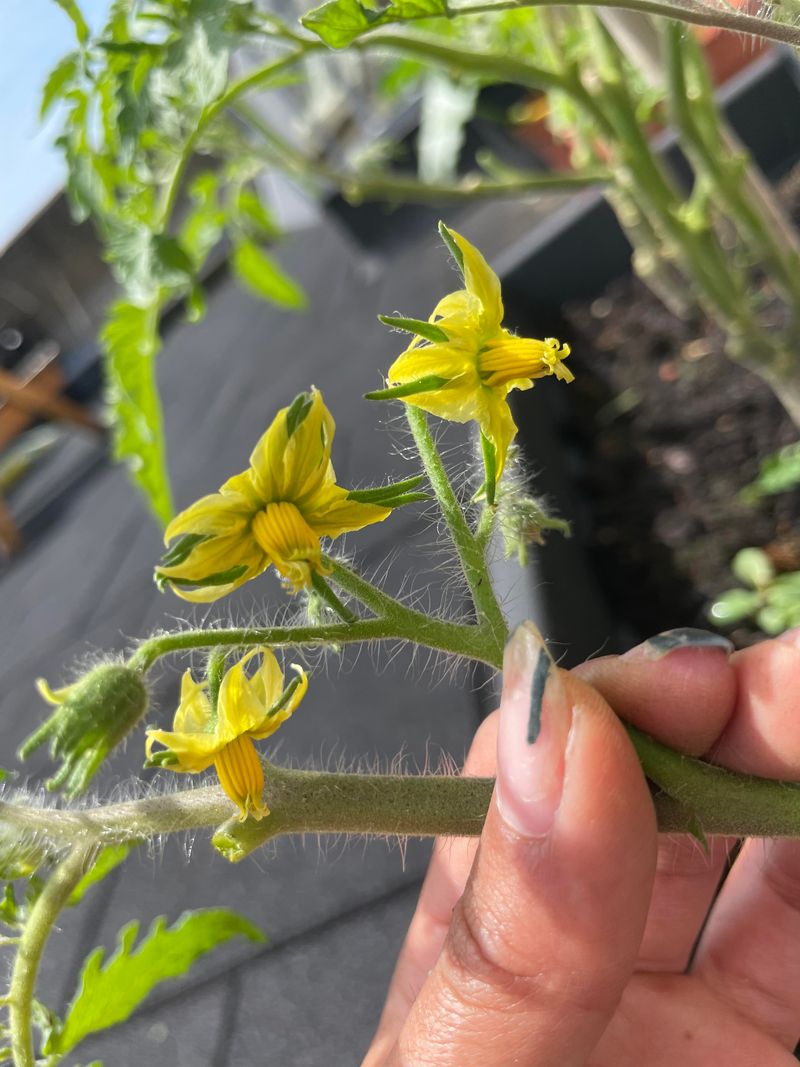
One pollination session during peak flowering is a good start. Building a consistent return schedule is what produces the kind of harvest that justifies the garden space.
Tomato plants bloom in a continuous flush pattern. Lower clusters flower first, then mid-plant clusters, then upper ones, while the plant keeps pushing new growth throughout the season.
A single pollination pass catches only the flowers open at that moment. Every cluster that opens afterward needs its own window of attention.
Returning every two to three days ensures no open bloom reaches its peak and passes without being visited. Each fresh cluster represents potential fruit that disappears permanently if the flowering window closes without pollination occurring.
The routine itself can stay simple. Pick one method that feels comfortable and walk the same path through the garden each session so no plant gets skipped.
A brief note about which clusters were worked and when makes tracking easier and prevents redundant effort on already-set blooms.
Indeterminate tomato varieties, which includes Ohio favorites like Brandywine, Cherokee Purple, and Sun Gold, continue flowering all the way into September.
Those varieties need pollination attention maintained through the end of the season rather than just through the main summer flush.
Determinate varieties concentrate their flowering into a shorter window, but still benefit from repeated attention over one to two weeks during that concentrated bloom period.
Regular pollination visits during a long Ohio growing season compound in a very satisfying direction. Every session adds to the total. Every skipped week subtracts from it.
7. Skip Wet Blossoms After Rain
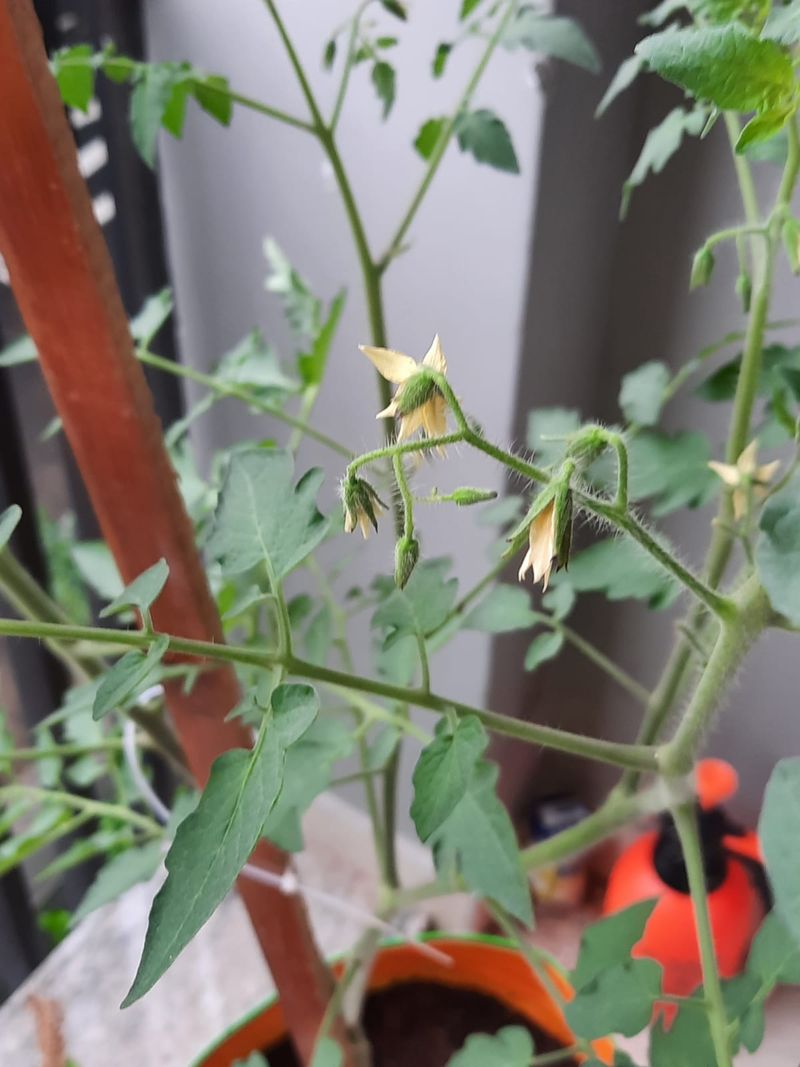
After a good Ohio rainstorm, the garden looks refreshed and the tomato plants seem genuinely revitalized.
That is actually one of the worst possible moments to attempt hand pollination, and working through wet flowers typically does more harm than good.
Water on tomato flowers causes pollen grains to absorb moisture and swell. Swollen pollen loses the ability to travel and germinate properly on the stigma.
Brushing, tapping, or vibrating a wet flower moves soggy pollen that cannot perform its function regardless of the technique used.
Handling wet petals also increases the risk of spreading fungal material from one plant to another during the session.
The rule is simple. After rain, wait. Flowers need at least two to three hours of sunshine and dry air before pollination becomes productive again.
On overcast days following rain, waiting until the following morning when warmer, drier conditions return produces better results than working in marginal post-rain conditions.
Ohio summer afternoons bring thunderstorms regularly from June through August. Checking the forecast before heading out for a pollination session prevents wasted effort on days when conditions have not yet recovered.
The waiting time is genuinely useful. Blossom drop signs, pest activity, and stems that need tying all deserve attention that does not require dry flower conditions.
When flowers look slightly matte rather than shiny with surface moisture, conditions are ready again.
Patience after rain costs nothing and pays back in better fruit set every time. The tomatoes will still be there in twenty minutes. And so will the dry pollen.