Old Fashioned Garden Plants Making A Comeback In Michigan
Plants that filled grandmother’s garden decades ago are quietly reappearing in Michigan yards, surprising longtime gardeners who assumed these varieties had gone out of style for good.
Younger gardeners, in particular, are rediscovering these old fashioned favorites for reasons that go well beyond simple nostalgia.
There’s a practical explanation behind this growing trend, one that becomes obvious once you understand what these plants actually offer compared to more modern varieties.
Many people are surprised to learn how well these classic choices perform compared to trendier options sold at garden centers today.
Understanding this list could completely change what ends up going into your garden beds this year. Some of these plants might already be growing quietly in an older relative’s yard without anyone realizing their renewed popularity.
Once you know what’s making a comeback, you’ll likely start spotting these old favorites everywhere.
1. Peonies Bring Back Grandma’s Spring Garden
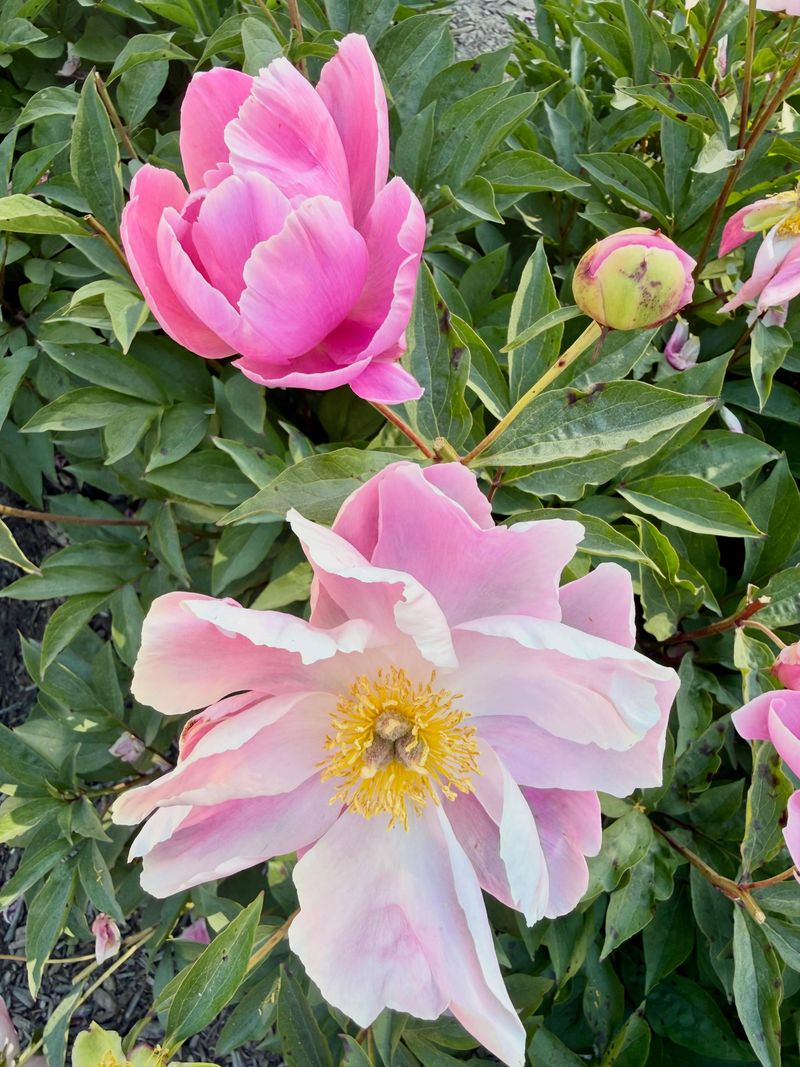
Few flowers stir up sweet memories quite like peonies. Their giant, ruffled blooms and sweet perfume take many Michigan gardeners straight back to their grandparents’ yards, where the same plants had been thriving for decades.
What makes peonies so beloved is how long they last. A healthy peony can keep flowering for fifty years or more, often outliving the gardener who planted it.
That kind of loyalty is hard to beat, and it explains why so many families pass these plants down through the generations.
Michigan’s cold winters actually help peonies bloom better, since they need a good chill to set their flowers.
Plant them in full sun with rich, well drained soil, and give the roots a little breathing room by keeping the buds close to the surface. Bury them too deep and they may sulk without blooming.
Late spring brings the show, when fat buds burst open into pink, white, red, and coral flowers the size of softballs. Ants often crawl across the buds, but they cause no harm and simply enjoy the sweet nectar.
A quick tip for tall varieties: use a peony ring or hoops early in the season so heavy rain does not flatten the flowers. Once the blooms fade, the leafy plants stay green and tidy all summer.
Whether you snip a few for a vase or let them fill the yard with fragrance, peonies remain a nostalgic favorite that rewards patience with a lifetime of color.
2. Lilacs Bring Back A Familiar Scent
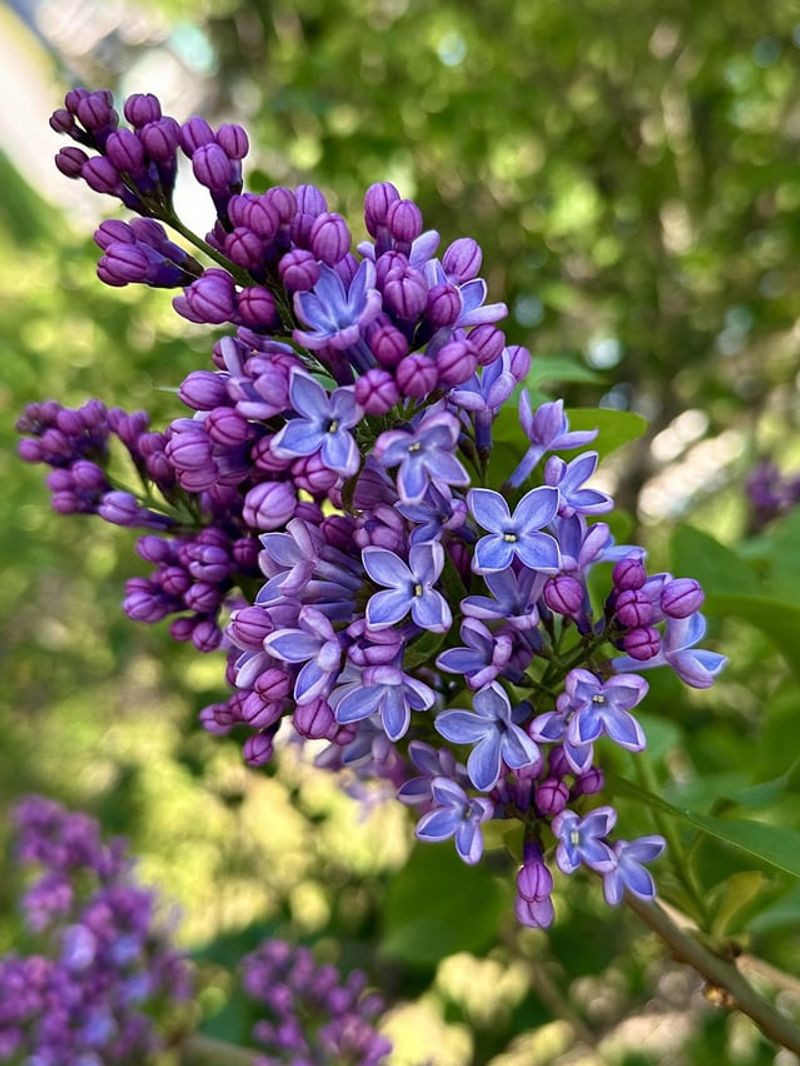
Close your eyes near a blooming lilac, and the scent alone can carry you back years. That rich, sweet fragrance has drifted through Michigan yards for generations, marking the arrival of warm days after a long winter.
Lilacs have deep roots in state history, and Mackinac Island even throws a festival every June to celebrate them. Some of those island bushes are well over a century old, proving how long these shrubs can thrive when they feel at home.
Growing lilacs takes very little effort, which adds to their appeal. They love full sun and slightly alkaline soil, and once established they shrug off cold snaps without complaint.
Your Michigan Garden Changes Every Week. Your Plan Should Too.
Gardening in Michigan changes quickly throughout the season. Every Friday you’ll receive a simple weekly plan showing exactly what to plant, prune, fertilize, harvest, and protect so you never miss the right timing.
A spot with at least six hours of sunlight will give you the best flower show.
Purple is the classic color everyone pictures, but lilacs also come in white, pink, blue, and even soft yellow. Newer compact types fit small yards and containers, so you no longer need a sprawling farm to enjoy them.
The blooms last only a few weeks, so make the most of them by cutting fresh stems for indoor bouquets. To keep the shrub healthy and full, prune right after flowering ends, since next year’s buds form on old wood.
An occasional trim of older stems keeps the plant from getting leggy and encourages fresh growth from the base. With their heavenly perfume and easygoing habits, lilacs bring old fashioned charm and a burst of spring joy to any Michigan landscape.
3. Bearded Irises Return With Bold Color
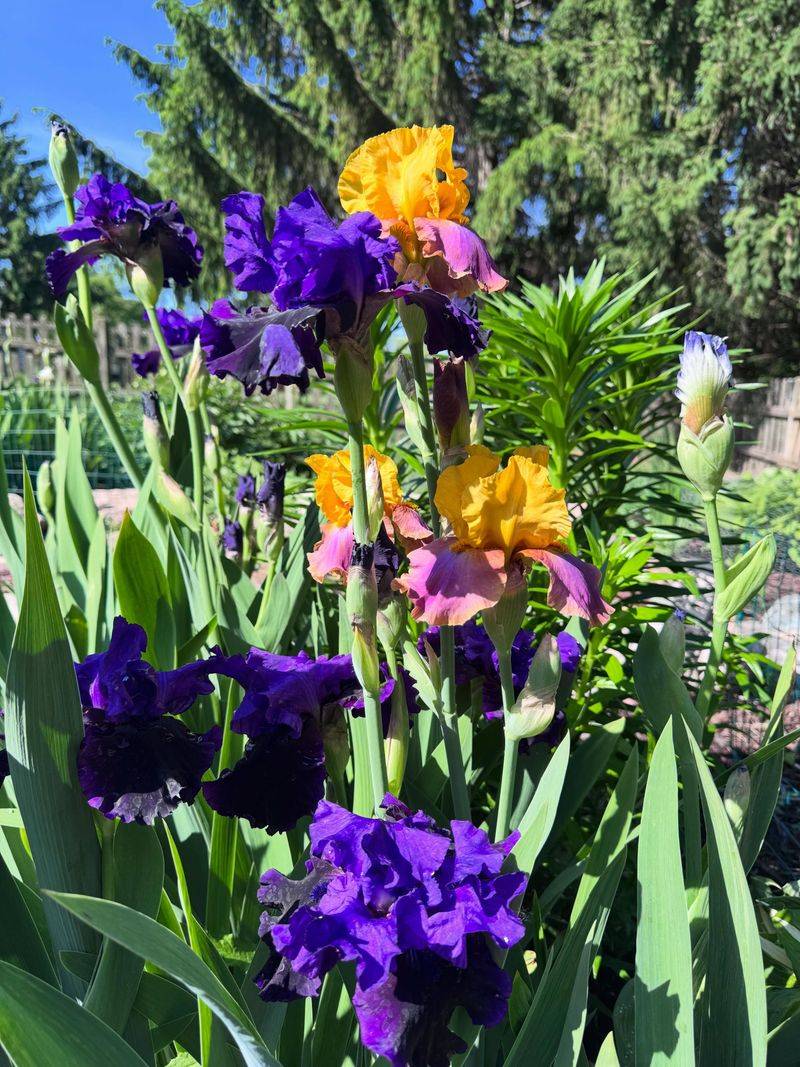
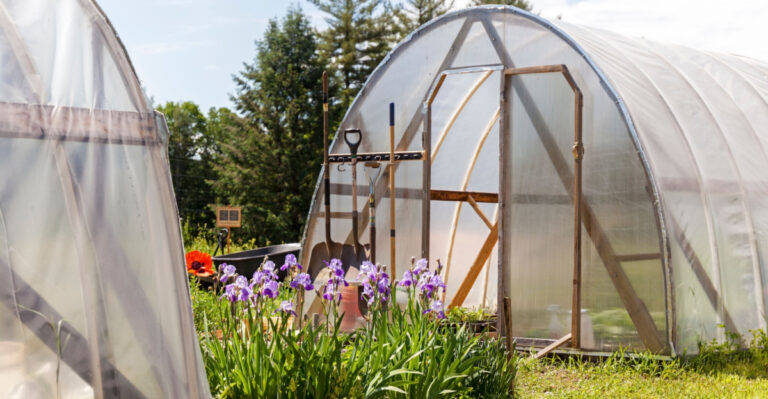
Standing tall like little flags, bearded irises put on one of the boldest shows in the late spring garden. Their fuzzy centers, called beards, give them their name and add a fun touch to each ruffled bloom.
Gardeners in Michigan are rediscovering these old favorites because they come in almost every color you can imagine.
Deep purples, bright yellows, soft blues, and even near black shades create a rainbow across the border, and many types offer two colors on a single flower.
Toughness is a big part of their charm. Bearded irises grow from thick roots called rhizomes that store energy and help the plant survive harsh winters and dry spells alike.
Plant the rhizomes shallow, leaving the top partly exposed to the sun, and give them a sunny spot with good drainage. Soggy soil is their main enemy, so avoid low areas where water pools after rain.
Every few years the clumps grow crowded and bloom less, which is your cue to dig and divide them. Late summer is the perfect time, and sharing the extra pieces with friends is a lovely old tradition.
Some newer varieties even rebloom in fall, giving you a second round of color when most flowers have faded. Snap off spent blooms to keep plants looking neat and to steer energy back into the roots.
With their sword shaped leaves and eye catching flowers, bearded irises reward very little work with years of dependable beauty in any Michigan garden.
4. Hollyhocks Bring Back The Cottage Look
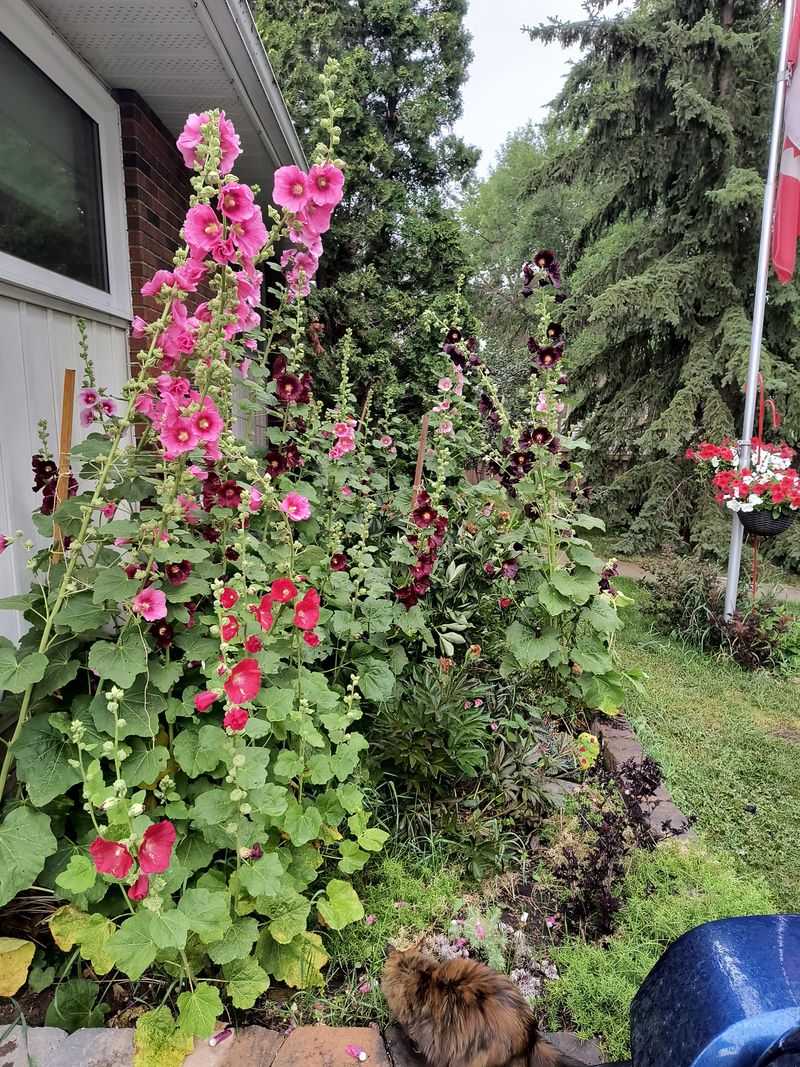
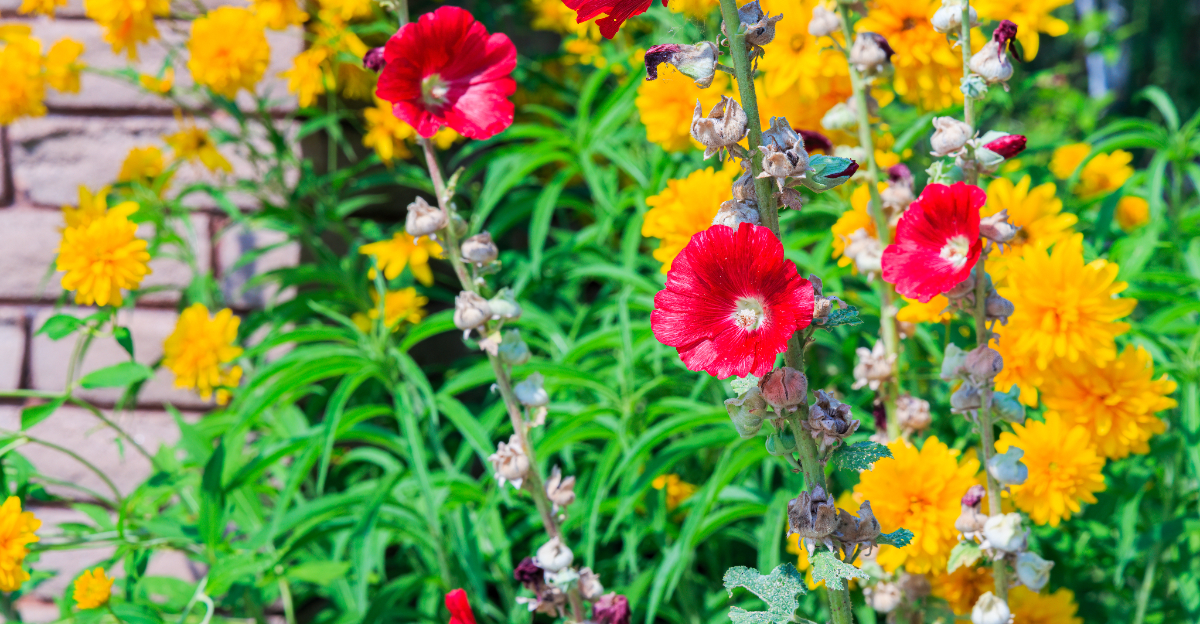
Towering above the rest of the flower bed, hollyhocks bring instant old fashioned charm to any yard. Their tall spikes covered in saucer shaped blooms look like something straight out of a storybook farmhouse garden.
These giants can reach six feet or more, making them perfect for planting along fences, walls, or the back of a border. Kids especially love them, since the petals can be folded into tiny flower dolls, a game that has amused children for over a hundred years.
Hollyhocks are technically biennials, which means they often spend their first year growing leaves and bloom big in their second summer. Once they settle in, they happily drop seeds and return on their own, popping up in charming surprise spots.
Give them full sun and rich soil, then stand back and watch them climb. A sheltered location near a wall helps protect the tall stems from strong Michigan winds that could topple them.
Colors range from soft pastels to deep burgundy, and some varieties even offer fluffy double blooms. Bees and butterflies flock to the open flowers, turning your garden into a busy, cheerful place all summer.
Rust spots can appear on the leaves, so water at the base rather than overhead and remove any spotted foliage to keep plants healthy. Staking the tallest stems keeps everything upright after summer storms.
With very little pampering, hollyhocks deliver that dreamy cottage look and a nostalgic feel that keeps calling gardeners back year after year.
5. Garden Phlox Fills Summer Borders Again
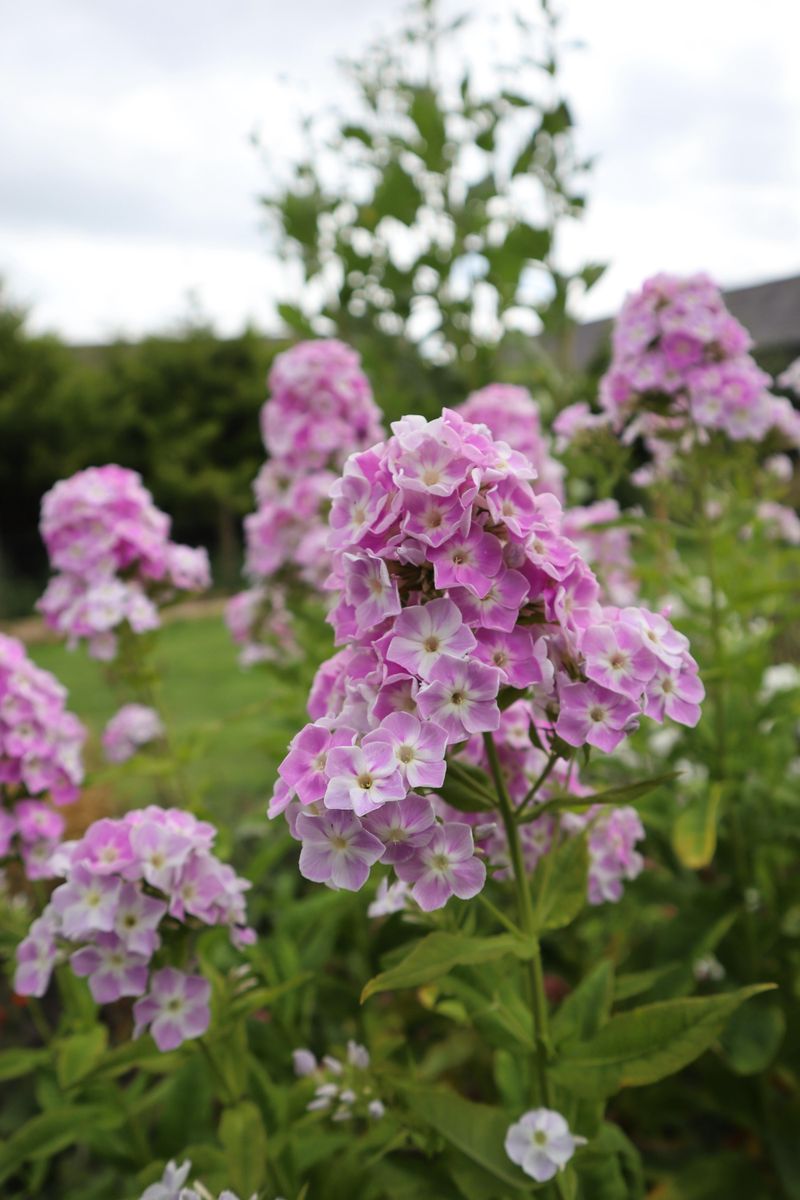
When summer heat settles in and many spring flowers have faded, garden phlox steps up to keep the color going. Its big, rounded clusters of blooms sit atop sturdy stems, filling borders with pink, purple, white, and red.
The sweet fragrance is another reason gardeners adore it. On a warm evening, a patch of phlox can perfume the whole backyard, drawing in butterflies and hummingbirds looking for a snack.
Michigan gardeners have grown phlox for generations because it returns faithfully each year and asks for little in return. Plant it in full sun to light shade with rich, moist soil, and space the clumps out so air moves freely between them.
Good airflow matters because phlox can develop powdery mildew, a white coating on the leaves. Choosing mildew resistant varieties and avoiding crowded plantings keeps the foliage clean and green all season.
Water at the roots during dry spells, and add a layer of mulch to hold in moisture and keep weeds down. A little compost each spring gives plants the fuel they need for those full flower heads.
Snipping off faded blooms encourages a second flush of flowers and stops unwanted seedlings from taking over. Every few years, divide the clumps to keep them vigorous and to gain free plants for other spots.
With their long bloom time and dependable nature, tall garden phlox brings a classic, romantic feel to summer borders that few other perennials can match.
6. Bleeding Hearts Return To Shady Corners
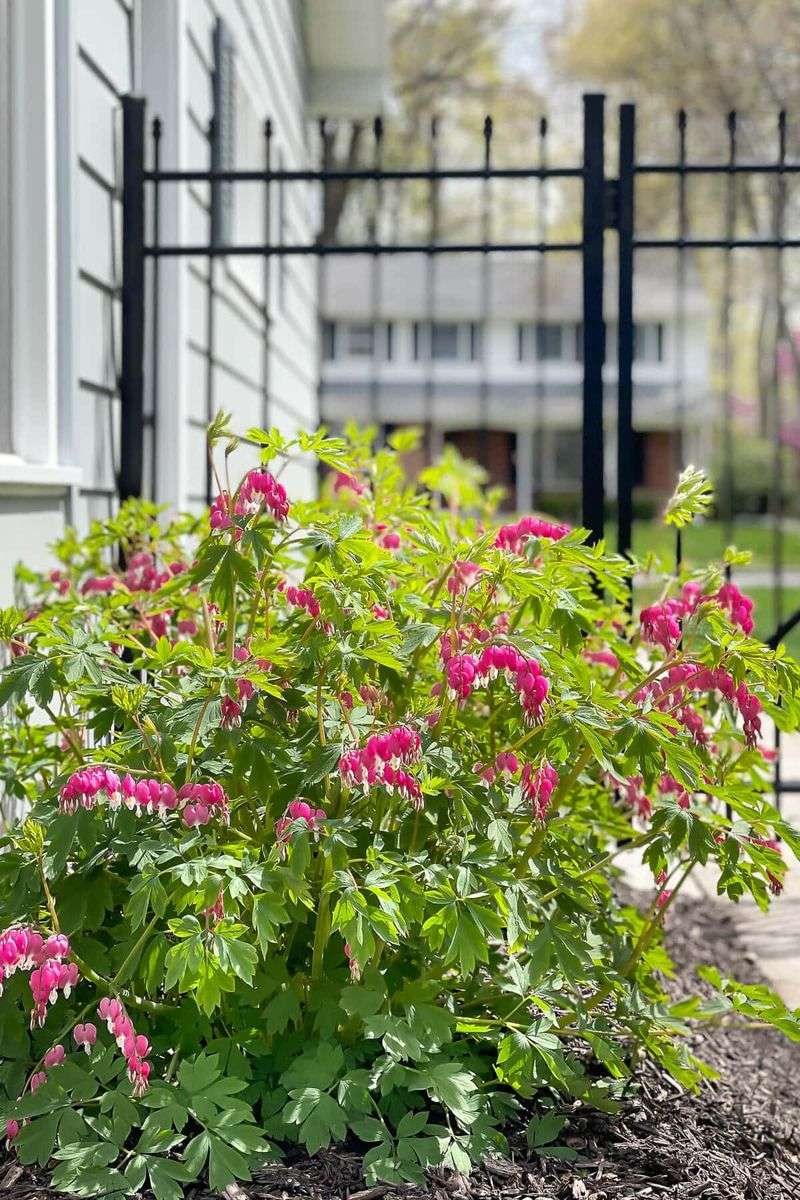
Tucked into a shady corner, bleeding hearts create a bit of magic every spring. Their arching stems dangle rows of pink or white blooms shaped exactly like little hearts, each with a tiny drop hanging below.
This charming plant has decorated old fashioned gardens for well over a century, and its quiet beauty is winning fans all over again. Shady, damp spots that stump other flowers are exactly where bleeding hearts feel most at home.
Under trees, along the north side of a house, or near a fern filled bed, they light up areas that often stay dull. The soft, fern like leaves look pretty even when the plant is not in bloom.
Give them rich, moist soil with plenty of organic matter, and keep the roots cool with a layer of mulch. Morning sun with afternoon shade suits them perfectly in Michigan’s climate.
One thing to expect is that older varieties go dormant in the heat of summer, with the leaves yellowing and fading away. That is normal, so plant hostas or ferns nearby to fill the gap they leave behind.
Newer fern leaf types bloom longer and hold their foliage better through the warm months, giving you more color for your effort. They also stay smaller, fitting neatly into tight spaces.
Easy to grow and utterly enchanting, bleeding hearts bring a gentle, storybook feel to woodland gardens and prove that shady corners can be just as lovely as sunny ones.
7. Zinnias Bring Back The Cutting Garden
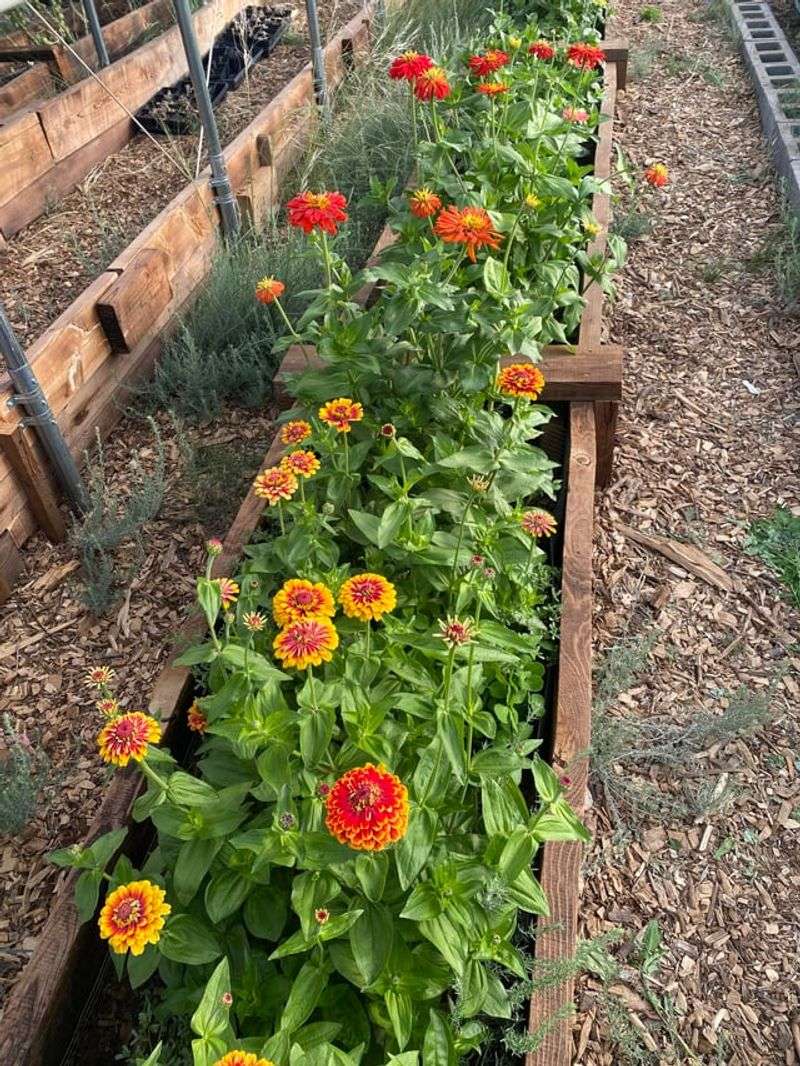
If you want a flower that keeps giving all summer, zinnias are hard to beat. These cheerful bloomers burst into bright shades of orange, pink, red, yellow, and purple, turning any sunny patch into a party.
Grandparents grew rows of them for the vase, and the tradition of the cutting garden is making a big comeback. The more you snip zinnias for bouquets, the more they bloom, so cutting them is a win for everyone.
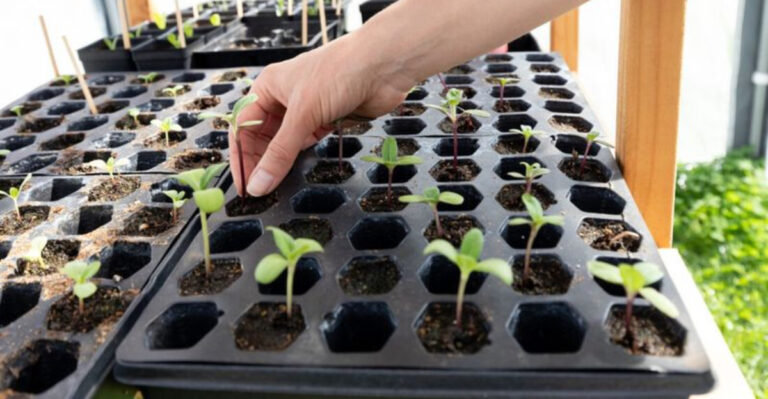
Starting them could not be simpler. Toss the seeds right into warm soil after the last frost, and within days little sprouts appear that grow fast in Michigan’s summer sun.
They love heat and full sun, and they shrug off dry weather better than many flowers. Once established, they need only occasional watering at the base to keep going strong.
Butterflies adore zinnias, and a bed of them turns into a fluttering, buzzing scene all season long. Planting them near vegetables also helps by drawing in helpful pollinators.
To keep the show going, pinch off faded flowers regularly and cut long stems for indoor arrangements. This simple habit pushes the plants to produce even more buds.
Give them a little breathing room between plants so air flows freely, which helps prevent powdery mildew on the leaves. Taller types may need a stake in windy spots.
With their easy nature and endless color, zinnias capture the relaxed, joyful spirit of old fashioned gardens and fill both flower beds and vases with cheer.
8. Marigolds Return To The Vegetable Patch
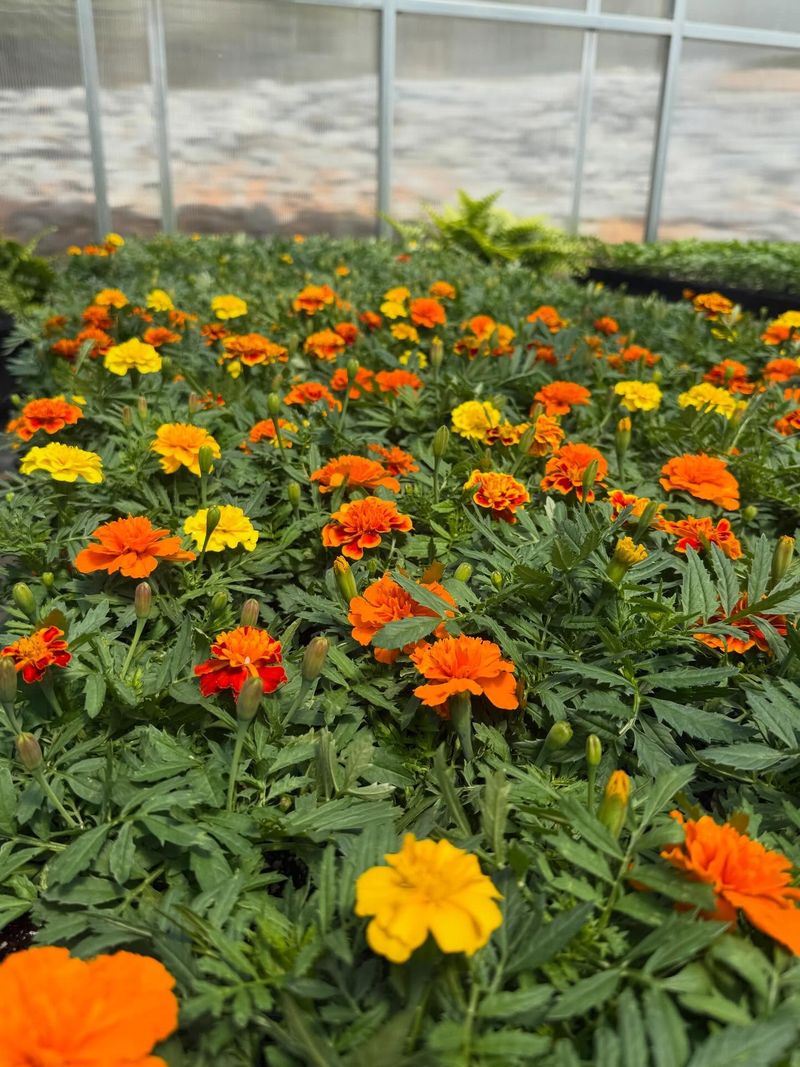
Bright as little suns, marigolds have a way of making any garden feel cheerful and welcoming. Their bold orange and gold blooms remind many people of the tidy vegetable patches their grandparents tended so proudly.
Beyond their good looks, marigolds earn their keep in the veggie garden. Their strong scent helps keep certain pests away, which is why gardeners have tucked them between tomatoes and beans for generations.
Growing them is about as easy as gardening gets. Drop the seeds into sunny soil after frost passes, and they sprout quickly, blooming within a couple of months and lasting until the first fall chill.
These annuals thrive on neglect, handling heat and dry spells with a shrug. Too much rich soil actually gives you more leaves and fewer flowers, so keep the fussing to a minimum.
French marigolds stay small and bushy, while African types grow tall with large, showy heads. Mixing both gives you color at every height along a bed or path.
Pinching off spent blooms keeps new flowers coming and stretches the display well into autumn. It takes just seconds and makes a big difference in how full the plants look.
Marigolds also make great teaching plants for kids, since the fat seeds are easy to handle and the results come fast. That quick reward keeps young gardeners excited.
Reliable, sunny, and packed with old fashioned charm, marigolds remain a beloved choice that brings both beauty and helpfulness to Michigan flower beds and vegetable gardens alike.