The One Thing Michigan Gardeners Should Do To Hydrangeas In August Or Next Year’s Blooms Suffer
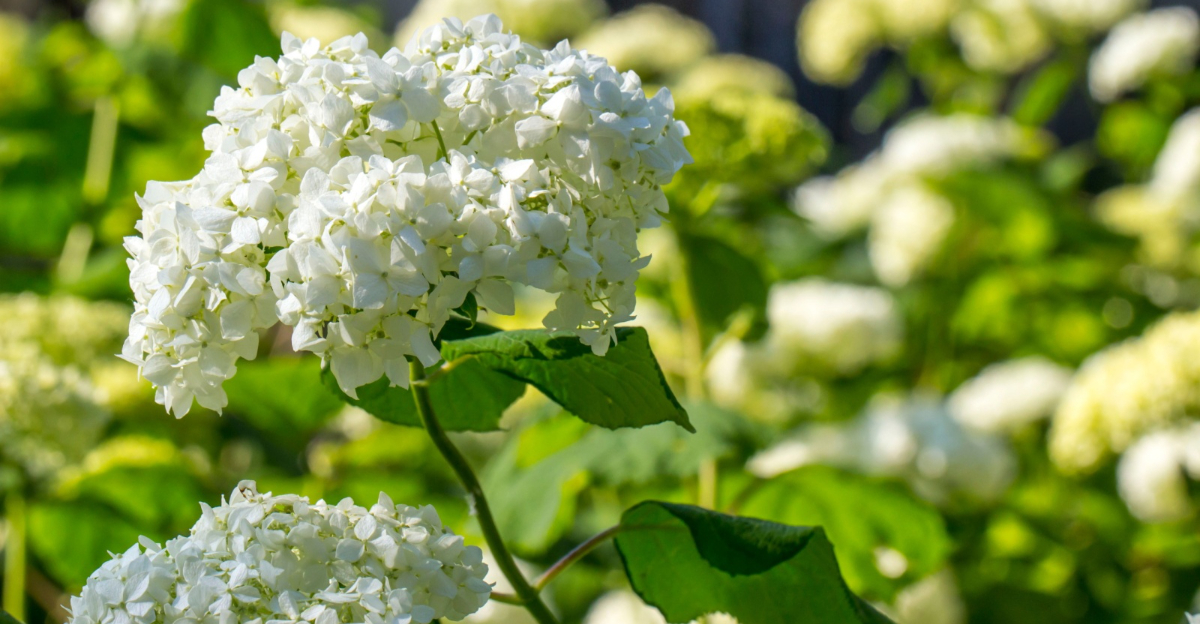
August is a dangerous month for hydrangeas in Michigan, and the danger comes from the pruning shears.
The shrubs start looking a little ragged after their summer show, the tidy-up instinct kicks in, and a well-meaning trim on an old-wood hydrangea removes exactly what should have been left alone.
Bigleaf and oakleaf varieties are already forming next year’s buds in August, quietly tucking them into old wood while the gardener is planning a cleanup that will set the whole display back by a full season.
The frustrating part is that the damage is invisible until next spring, when the blooms simply do not show up and nobody can quite figure out why.
Knowing which hydrangea is growing in the yard, and putting the shears down in August, is what separates a great bloom year from a puzzling one.
1. August Cuts Can Remove Next Year’s Buds
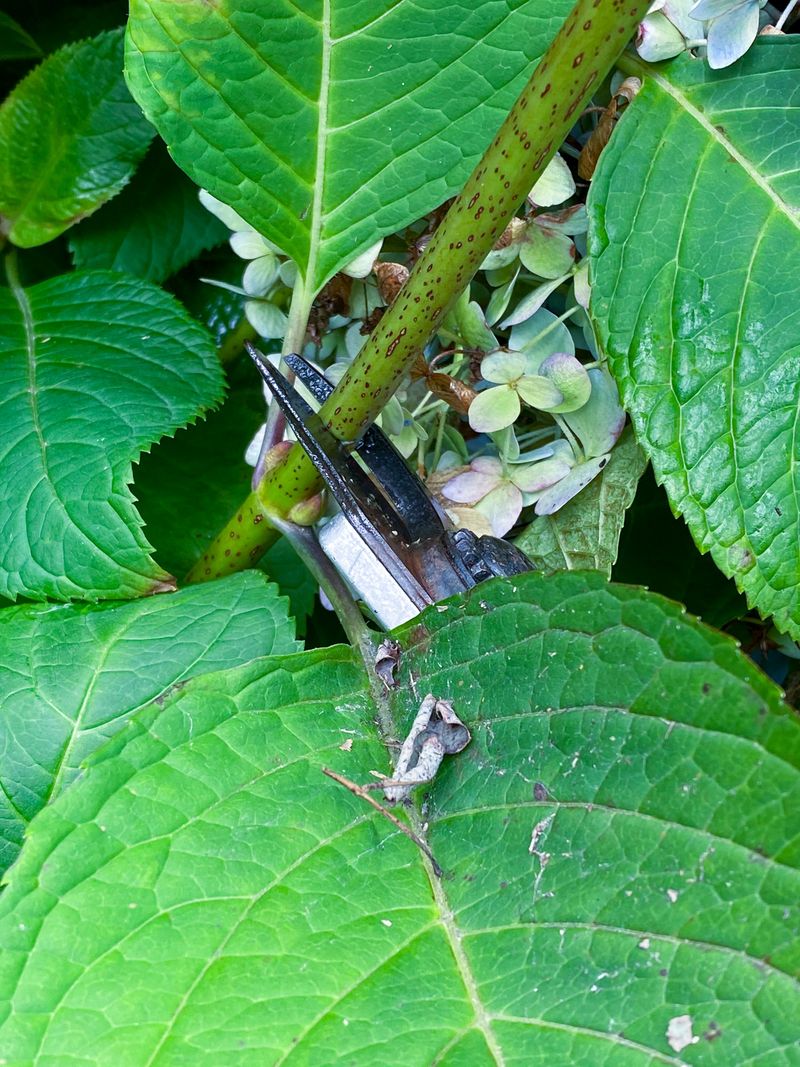
Fading hydrangea flowers in a Michigan yard can tempt even experienced gardeners into grabbing the pruning shears a little too early. The blooms look spent, the stems look messy, and cleaning things up feels like the responsible move.
But for certain hydrangeas, that August trim can quietly remove buds that were already forming for next spring and summer.
Old-wood hydrangeas set their flower buds on stems that grew during the previous season. By midsummer, those buds are often already present, even if they look like nothing more than small, slightly swollen nodes along the stem.
Cutting those stems in August means cutting off next year’s flowers before the plant ever gets a chance to show them.
In Michigan, this is a surprisingly common reason why a hydrangea blooms beautifully one year and then produces almost no flowers the next. The shrub was not struggling with disease or soil problems.
It was simply pruned at the wrong time, and the buds were removed along with the old stems. The plant responds by leafing out normally in spring, but without the buds needed to form blooms.
Recognizing this pattern is the first step toward better hydrangea care. Before making any cuts in August, it helps to pause and identify what type of hydrangea is growing in your yard.
That single step can protect months of bud development and keep your Michigan garden full of color next season without any extra effort.
2. Hydrangea Type Matters Most
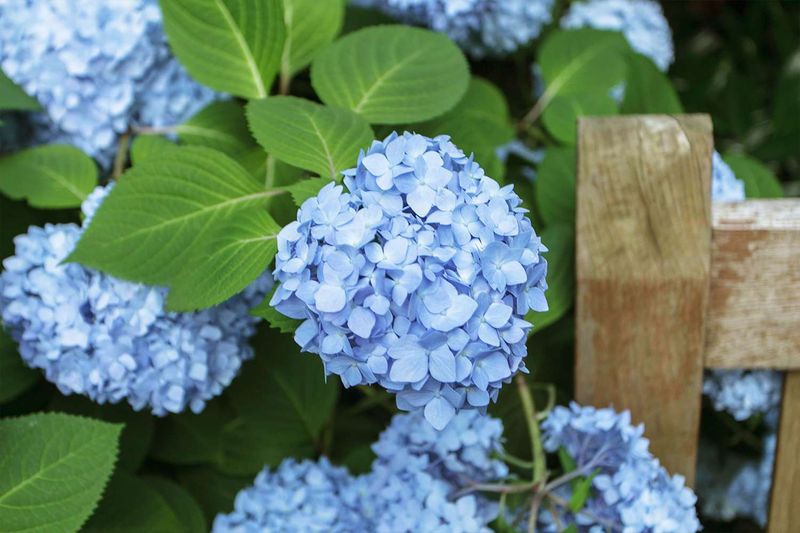
Walk through almost any Michigan neighborhood in summer and you will spot hydrangeas tucked beside porches, lining fences, and filling foundation beds with mophead blooms, cone-shaped clusters, and flat lacy flower caps.
They can look similar from a distance, but the pruning rules for each type are genuinely different, and mixing them up in August is where a lot of bloom problems begin.
The most important distinction is whether a hydrangea blooms on old wood or new wood. Old-wood bloomers produce their flower buds on stems from the previous growing season.
New-wood bloomers form buds on stems that grow in the current season, which means pruning them in late winter or early spring does not remove any future blooms.
Your Michigan Garden Changes Every Week. Your Plan Should Too.
Gardening in Michigan changes quickly throughout the season. Every Friday you’ll receive a simple weekly plan showing exactly what to plant, prune, fertilize, harvest, and protect so you never miss the right timing.
Bigleaf hydrangeas, which include the classic mophead and lacecap types, and oakleaf hydrangeas both fall into the old-wood category.
Panicle hydrangeas and smooth hydrangeas bloom on new wood, giving them much more flexibility when it comes to pruning timing.
Some newer cultivars of bigleaf hydrangeas are bred to bloom on both old and new wood, which adds another layer of nuance.
For Michigan gardeners sorting through what is growing in their yard, checking a plant tag, looking up the cultivar name, or reaching out to a local extension office can clear up the confusion quickly.
Getting the type right before August arrives makes every other pruning decision much easier and far less risky for next season’s blooms.
3. Bigleaf Hydrangeas Need Extra Caution
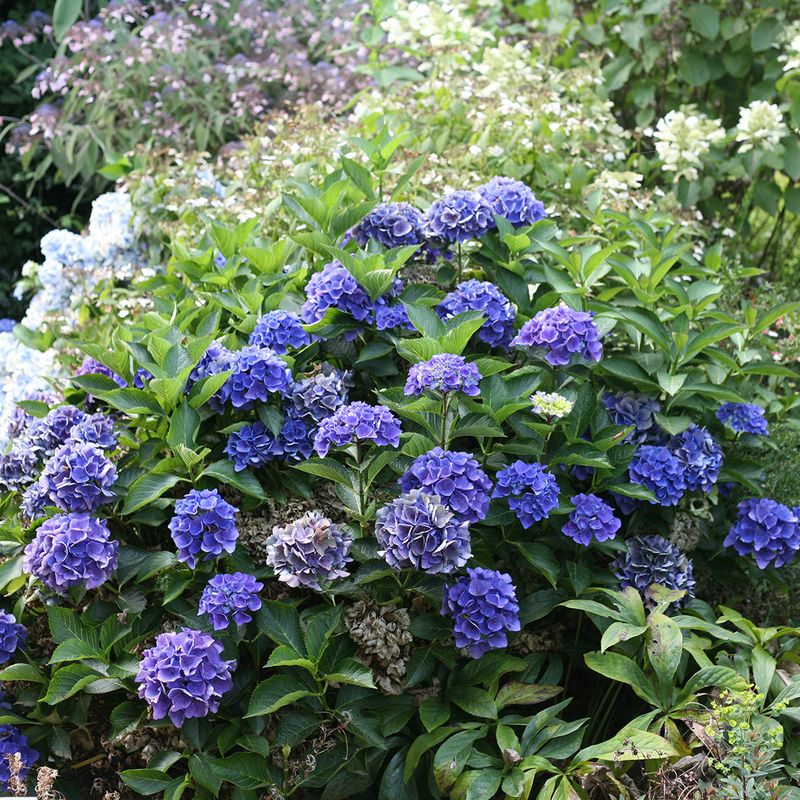
Few sights in a Michigan garden are more familiar than a big bigleaf hydrangea loaded with blue or pink mophead flowers growing right beside a front porch or foundation wall.
These shrubs are some of the most popular ornamentals planted across the state, and they are also the ones most likely to stop blooming when pruned at the wrong time of year.
Bigleaf hydrangeas, known botanically as Hydrangea macrophylla, bloom on old wood. That means the flower buds for next summer are already developing on this year’s stems by late summer.
In Michigan, where winters can be harsh and unpredictable, those buds are already vulnerable to cold injury. Adding an August pruning on top of that risk only makes a disappointing bloom season more likely.
Gardeners sometimes notice that their bigleaf hydrangea leafs out beautifully every spring but produces very little in the way of flowers. Winter damage to the buds is often the cause, and late-season pruning can compound that problem.
Even removing just the faded flower heads in August can accidentally clip into stem sections that carry developing buds just below the spent bloom.
The safest approach for bigleaf hydrangeas in Michigan is to leave the stems alone in August. Faded blooms can be left in place through the winter, where they actually provide some insulation for the buds below.
Major shaping and any necessary cleanup are better saved for early spring, once the threat of hard frost has passed and new growth begins to appear.
4. Oakleaf Hydrangeas Also Bloom On Old Wood
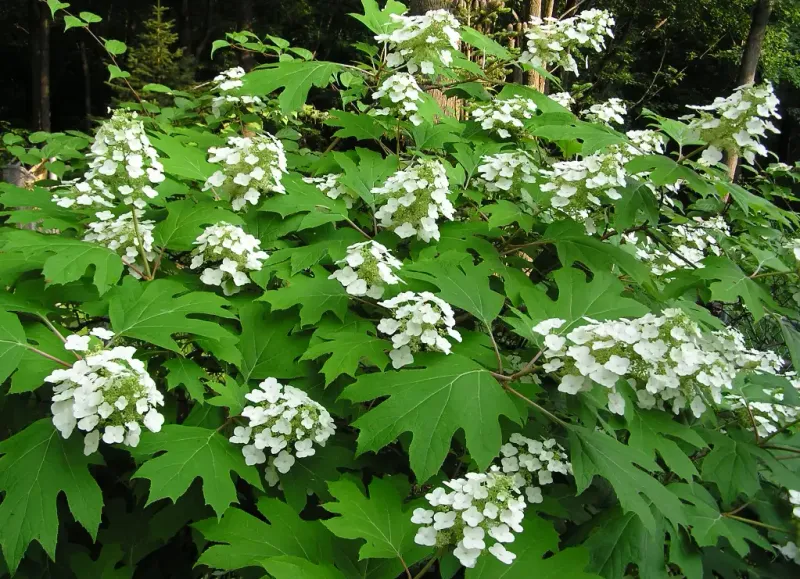
Tucked into shaded corners of Michigan yards and along woodland garden edges, oakleaf hydrangeas often get less attention than their showier bigleaf cousins, but they follow the same old-wood blooming pattern and deserve the same careful approach in August.
Their large, cone-shaped white flower clusters and distinctive lobed leaves make them easy to spot once you know what to look for.
Hydrangea quercifolia, the oakleaf hydrangea, sets its flower buds on stems from the previous season, just like bigleaf types. Pruning those stems in late summer removes the buds that would have opened into next year’s blooms.
In Michigan landscapes, oakleaf hydrangeas are often planted in part-shade areas under tree canopies or along the north side of buildings, where they tend to thrive with minimal intervention.
One of the reasons oakleaf hydrangeas can be particularly rewarding is their multi-season interest. The flowers age to a papery tan or pink, the foliage turns deep burgundy in fall, and the peeling cinnamon-colored bark adds winter texture.
Cutting stems in August interrupts that full seasonal display and reduces the following year’s flowering at the same time.
Oakleaf hydrangeas also tend to be somewhat more cold-tolerant than bigleaf types, which makes them a practical choice across many parts of Michigan. But that hardiness does not mean they are immune to pruning timing mistakes.
Leaving the stems untouched through late summer and into fall protects the developing buds and keeps the shrub on track to deliver another strong bloom season the following year.
5. Panicle Hydrangeas Follow Different Rules
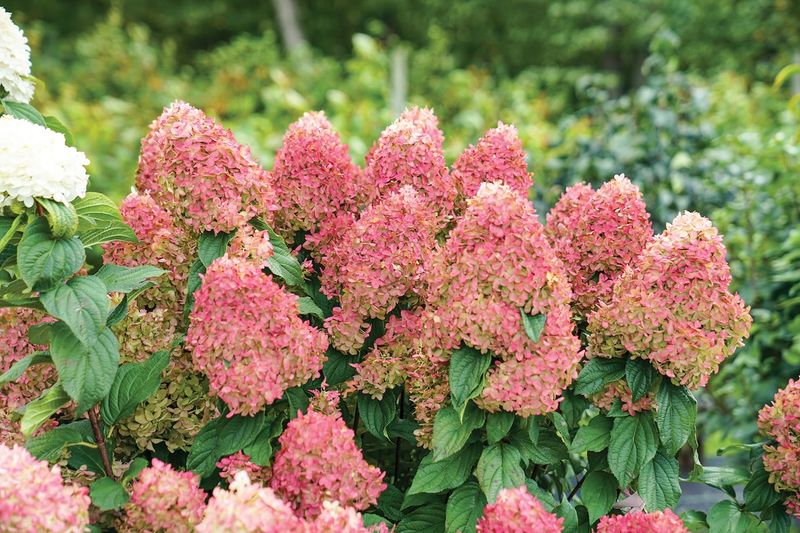
Sunny spots in Michigan yards are where panicle hydrangeas tend to shine, and they are genuinely one of the more forgiving shrubs a homeowner can plant when it comes to pruning.
Unlike bigleaf and oakleaf types, panicle hydrangeas bloom on new wood, meaning they form their flower buds on stems that grow during the current season rather than the previous one.
That distinction matters a great deal in August. Because panicle hydrangeas are already blooming on this season’s growth, there are no hidden buds from last year’s stems that need to be protected from the shears.
Gardeners who accidentally trim a panicle hydrangea in late summer are not removing next year’s flowers the way they would be if they cut a bigleaf hydrangea at the same time.
Panicle hydrangeas, sold under popular names like Limelight, Quick Fire, and Bobo, are also among the hardiest hydrangeas for Michigan’s variable winters.
Their new-wood blooming habit means that even if stems are damaged by cold, the plant can still produce flowers the following season because fresh stems will form in spring.
That reliability makes them a popular choice for exposed locations and colder northern Michigan gardens.
Even so, major reshaping of panicle hydrangeas is generally more effective when done in late winter or early spring before new growth begins.
Light deadheading in August is unlikely to cause problems, but holding off on significant structural pruning until the dormant season tends to produce a tidier, more vigorous shrub when the growing season returns.
6. Spent Or Damaged Stems Are The Exception
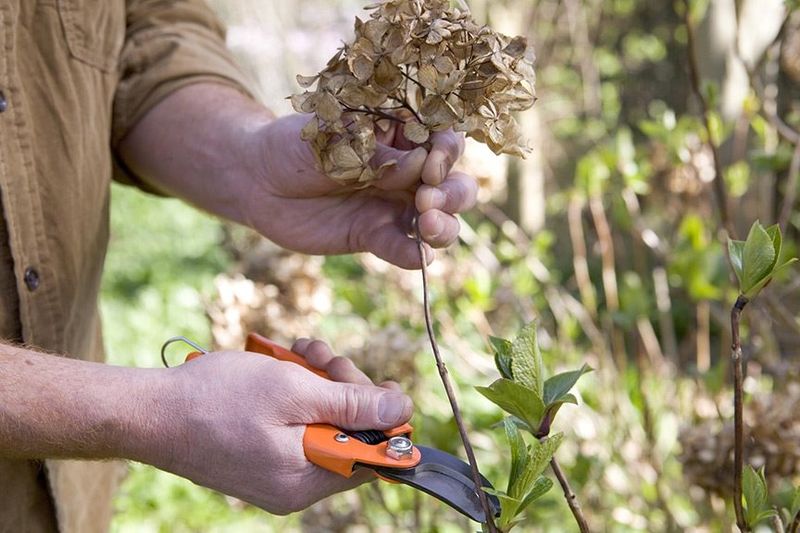
Spotted a stem on your hydrangea that looks hollow, has no leaves, and snaps without any resistance? That is a candidate for removal even in August, and taking it out will not cost you next year’s blooms.
Woody stems that are clearly damaged, hollow, or no longer producing any viable growth do not carry buds worth protecting, so removing them is a practical step rather than a risky one.
In Michigan, winter can leave hydrangea shrubs with a mix of healthy stems and ones that did not survive the cold. By August, the difference is usually obvious.
Living stems are firm, carry healthy leaves, and may show swollen bud nodes. Spent stems that are brittle, hollow at the center when cut, and producing no new growth are safe to remove.
Clearing out that unproductive material helps improve airflow through the shrub and keeps the plant looking tidy without touching any productive wood.
Broken stems from summer storms, physical damage from foot traffic, or stems that have been bent and cracked are also reasonable candidates for cleanup in August.
The key is to cut only what is clearly non-viable and to make clean cuts just above a healthy node or at the base of the damaged section.
Using sharp, clean pruning tools helps prevent any additional stress to the surrounding healthy tissue.
What to avoid in August is removing stems that still look green and healthy just because they have finished blooming. Those stems on old-wood hydrangeas are exactly the ones carrying next season’s buds.
Limiting late-summer pruning to stems that are clearly spent, brittle, or broken keeps productive wood intact and gives Michigan hydrangeas the best possible setup for next year.
7. Save Major Pruning For The Right Season
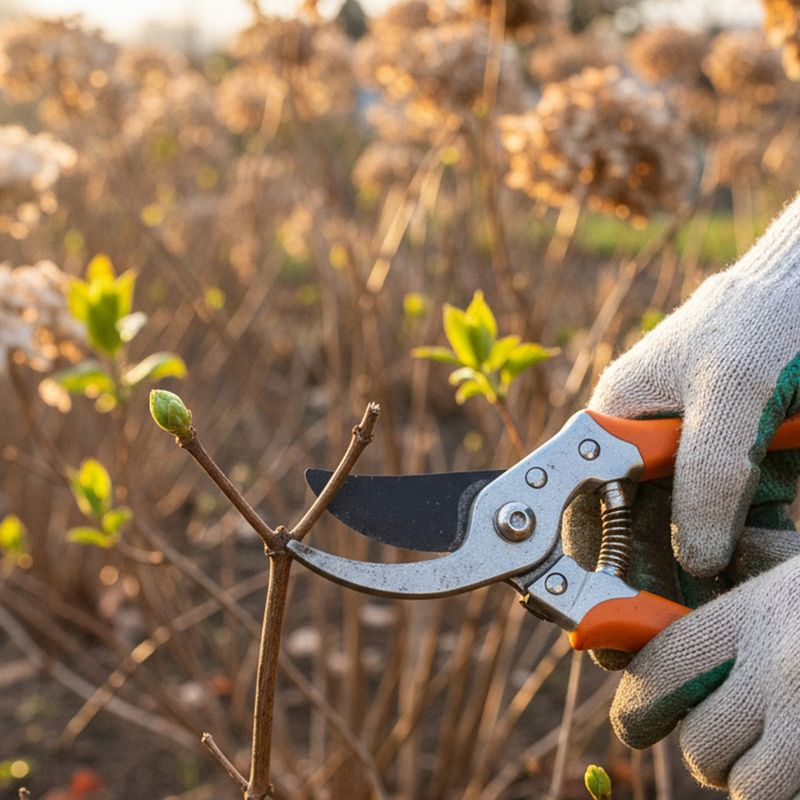
One of the most useful habits a Michigan hydrangea grower can develop is learning to wait.
Major pruning for old-wood bloomers like bigleaf and oakleaf hydrangeas is most safely done in late spring, after new growth begins to emerge and the winter-damaged sections become clearly visible.
At that point, it is easy to see exactly which stems survived and which ones did not make it through the cold.
Pruning in late spring rather than late summer gives the plant the entire growing season to develop new stems that will carry next year’s buds.
It also removes any guesswork about which stems are still alive after a Michigan winter, since fresh green growth will be showing at the base of healthy wood by that time.
Gardeners can make confident, precise cuts without worrying about accidentally removing viable bud wood.
For panicle hydrangeas and smooth hydrangeas, which bloom on new wood, late winter or early spring pruning before growth begins is the most effective timing for major reshaping.
Cutting them back at that point encourages vigorous new stems and a full, well-structured bloom display when summer arrives.
Waiting until August to do that kind of pruning on new-wood types is not harmful to next year’s flowers, but it is less efficient than acting during the dormant season.
Across Michigan, conditions vary enough from yard to yard that gardeners benefit from paying attention to their own specific site.
A sheltered urban foundation bed may behave differently than an exposed rural planting, and adjusting pruning timing to match local conditions leads to the most consistent results season after season.