These Common Yard Messes May Be Drawing Unwanted Pests Closer
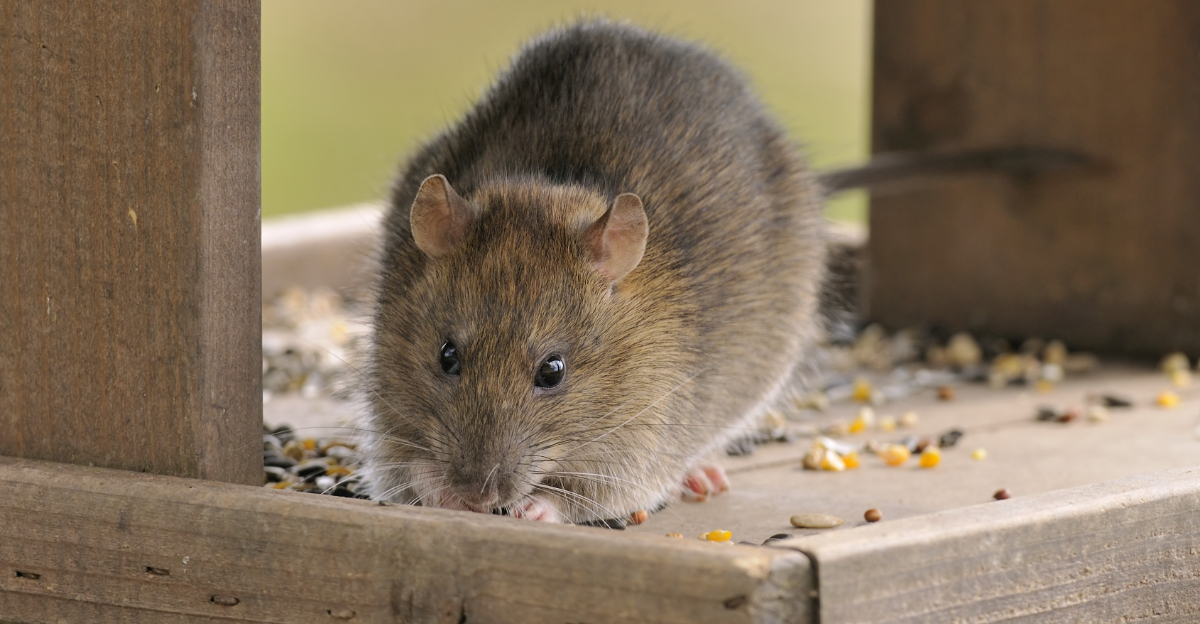
That faint smell drifting across your patio isn’t as harmless as it seems. Creatures with sharper senses than yours are already reading it, deciding whether to come closer.
Nothing about a quiet evening guarantees your yard stays undisturbed once the wrong scent takes hold. Certain odors carry further than you’d expect, and further than you’d want.
Outdoor spaces get evaluated by scent long before anyone notices how they look. Uninvited visitors don’t need an open door, only a signal worth following.
Warm air holds smell longer, letting it drift and linger where you can’t see it working. You might trust a clean-looking yard, but scent tells a different story entirely. Every source of that smell sits somewhere close, waiting to be traced back.
Nobody enjoys discovering their yard has been hosting guests they never invited. What’s pulling them in might already be sitting right under your nose.
1. Fallen Fruit Left Sitting Under Trees
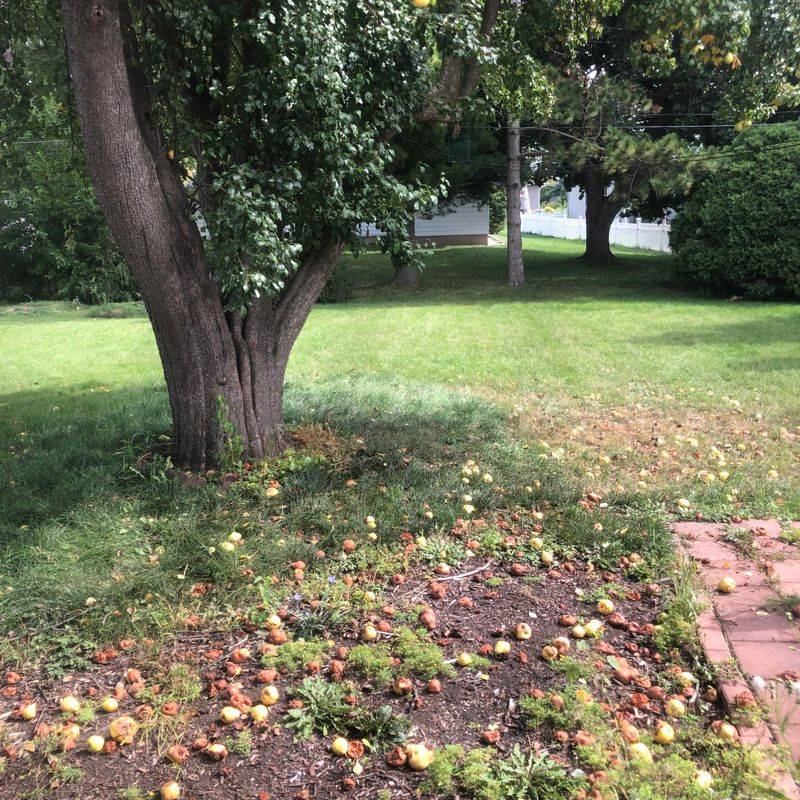
Rotting fruit left under trees turns into a steady food source for pests within days. Most homeowners never think twice about it, yet fallen fruit is one of the sneakiest attractants in any yard.
As fruit breaks down, it releases a strong, sweet odor that travels surprisingly far. Wasps, fruit flies, ants, and even raccoons can pick up that smell from a good distance away.
The sugar content in overripe fruit is especially appealing to stinging insects, and a few dropped pieces left in warm weather can draw noticeable activity fast. Squirrels and deer are also drawn to fallen fruit, and once they find a reliable source, they tend to return often.
Cleaning up fallen fruit regularly helps keep this problem in check. Use a rake or gloves, bag the fruit tightly, and toss it in a sealed trash bin away from your home.
If you have fruit trees, consider harvesting early or placing mesh nets beneath branches to catch dropped pieces. Staying ahead of the drop keeps pest activity from building up around your yard.
Checking under trees a couple times a week is often enough to stay on top of it, especially during peak ripening season. A quick walk-through with a bucket takes only a few minutes and prevents fruit from sitting long enough to start attracting attention.
2. Uncovered Trash Cans And Sticky Residue
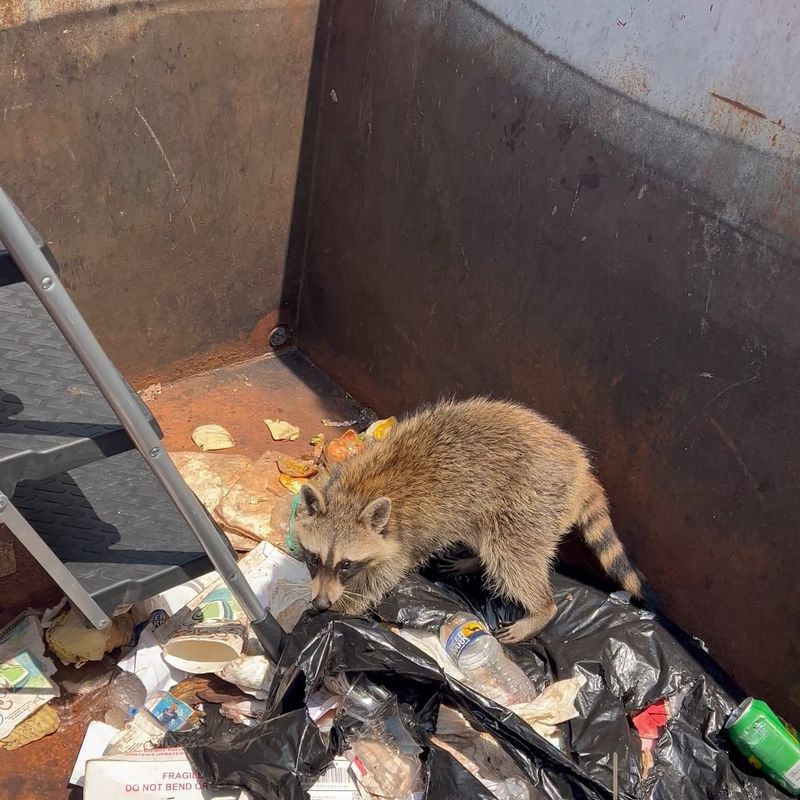
An open trash can gives off odors that draw raccoons, opossums, flies, and rats after dark. Sticky residue inside the can is the real troublemaker most people overlook.
Old juice, soda drips, and food residue coat the interior walls and keep releasing odor long after the trash bag is gone. Even an “empty” trash can that hasn’t been rinsed can still carry a strong scent to a nearby raccoon, since these animals have a sharp sense of smell and can detect food residue from yards away.
Flies are drawn to the same scents and lay eggs in the residue, which can lead to an infestation cycle right outside your back door. An unrinsed bin left for several warm days can produce a noticeable number of flies.
The fix is straightforward: use trash cans with locking lids and rinse them out every week or two. A quick spray with a garden hose and a splash of baking soda cuts the odor dramatically.
You can also sprinkle a small amount of baking soda or cat litter at the bottom of the can to absorb moisture and smell between cleanings. Keeping lids secured with bungee cords adds an extra barrier for determined critters, and a clean, sealed bin is far less likely to draw pests.
Placing your bin a little further from doors and windows also helps limit how much odor reaches your living space. If raccoons are a persistent issue in your area, a can with a locking mechanism built specifically to resist their paws can save a lot of frustration.
3. Grill Grease And Leftover Cooking Smells
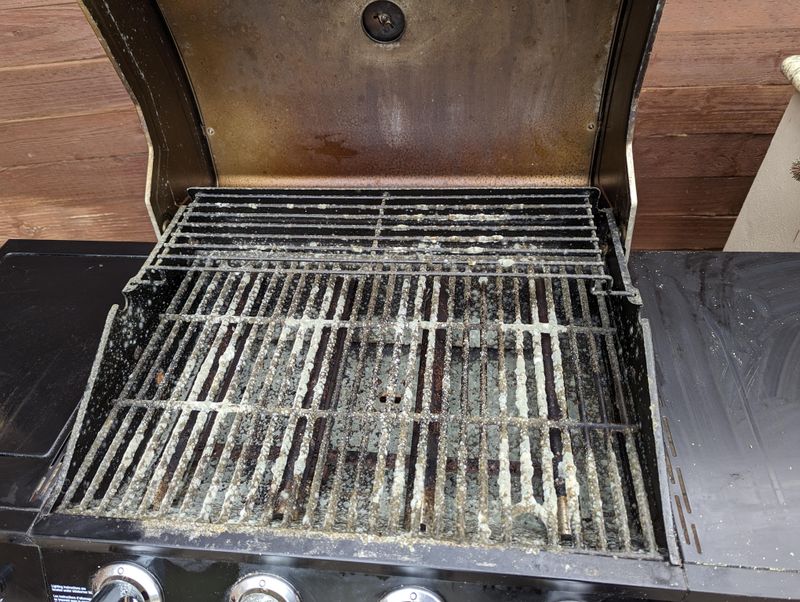
The smell of a backyard barbecue is appealing to humans and just as noticeable to nearby pests. Grill grease and cooking odors linger long after the food is gone, attracting flies, ants, and other wildlife depending on the area.
Grease drip trays are the biggest offender on many grills. They collect layers of old fat that bake in the sun and send up a strong, meaty aroma that insects can track from a distance.
Flies move fast when it comes to food smells, and a greasy grill left uncleaned overnight can attract noticeable attention by morning, with some flies laying eggs in the residue. Ants follow scent trails closely, and a dripping grill cover can create a path right to your back door.
Clean your grill grates after each use while they’re still warm. A wire brush removes most residue quickly when the grill is hot, before grease has a chance to harden and hold onto odor.
Empty and rinse the drip tray regularly, and keep a tight-fitting cover on the grill when it’s not in use. This blocks both odor and direct access for curious critters, keeping your grill less of a draw for pests.
Positioning your grill a bit further from the house and any seating areas can also help keep lingering odors from settling where you spend the most time. A dedicated grill mat underneath catches spills and drips before they soak into the patio or deck.
4. Pet Waste Left On The Grass
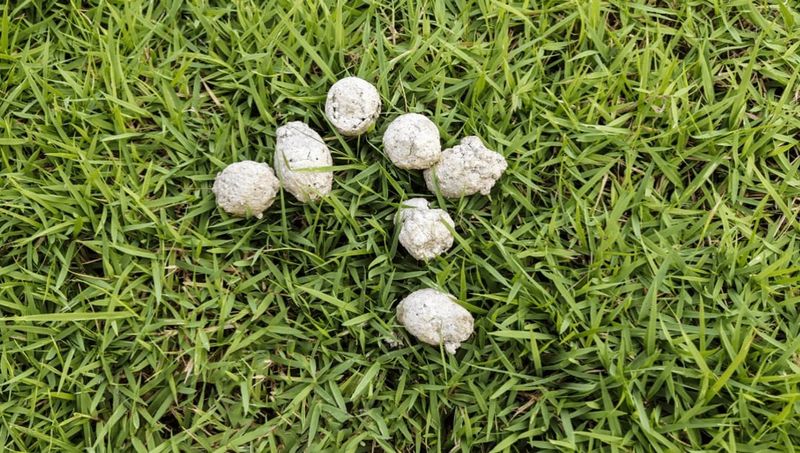
Pet waste left on the grass is a pest magnet that many homeowners overlook. The smell alone can draw flies, beetles, and even rats.
Dog and cat waste contains proteins and bacteria that release strong odors as they break down in warm weather. Flies are especially attracted to these odors because they use waste as a place to lay eggs and feed their larvae.
Rats are opportunistic eaters and may investigate pet waste as a potential food source. Flies that breed in pet waste can also become a nuisance inside your home, since they travel easily through open doors and windows.
The solution is simple but requires consistency: scoop waste daily or every other day. The faster it’s removed, the less time odors have to spread across the yard.
Dedicated waste bags and a sealed outdoor bin make cleanup quick and contained. Some homeowners use enzyme-based yard sprays that help neutralize odor in the soil after waste is removed, making it a practical, low-cost part of pest control.
Designating a specific spot in the yard for pets to use can also make cleanup faster and more consistent, since you’re not searching the entire lawn. Rinsing the area afterward with a hose helps break down leftover residue that mowing alone won’t remove.
5. Spilled Birdseed And Outdoor Pet Food Bowls
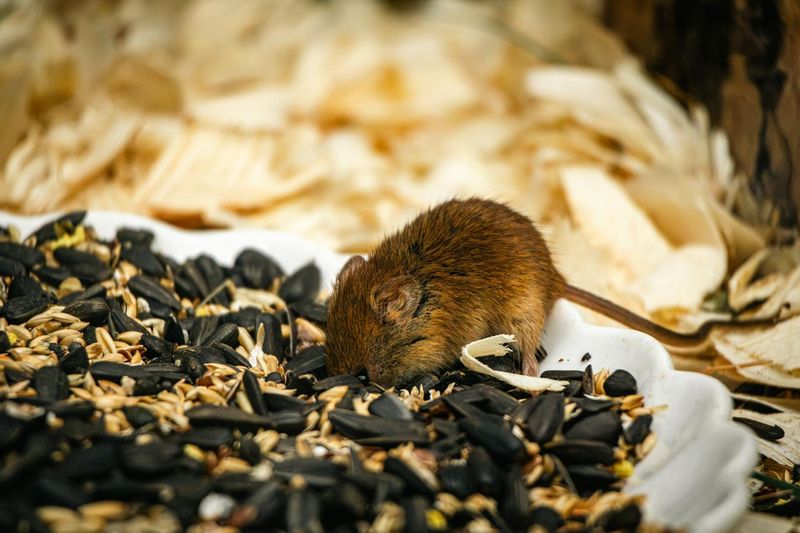
Bird feeders are enjoyable to watch, but what falls beneath them tells a different story. Spilled birdseed piles up fast and becomes a ground-level food source for mice, rats, squirrels, and ants.
The oils in sunflower seeds and other birdseed give off a rich scent that rodents can detect easily. Once one mouse finds the stash, others tend to follow the scent trail within a short time.
Outdoor pet food bowls are another overlooked problem. Leaving a bowl of kibble or wet food outside, even briefly, can send a food signal to nearby pests.
Raccoons are especially bold about pet food left outdoors at night. They have nimble paws and can empty a bowl quickly, then return the next evening expecting the same.
Switch to tube-style feeders with catch trays that minimize seed scatter. Sweep or rake beneath feeders every few days to keep buildup from turning into a rodent draw, and bring pet food bowls inside once your pet finishes eating.
Moving feeders further from the house and any structures can also reduce how close rodents get to your foundation. Placing feeders over gravel or a hard surface makes fallen seed easier to spot and clean up before it accumulates.
6. Compost Piles With Meat Or Dairy Scraps
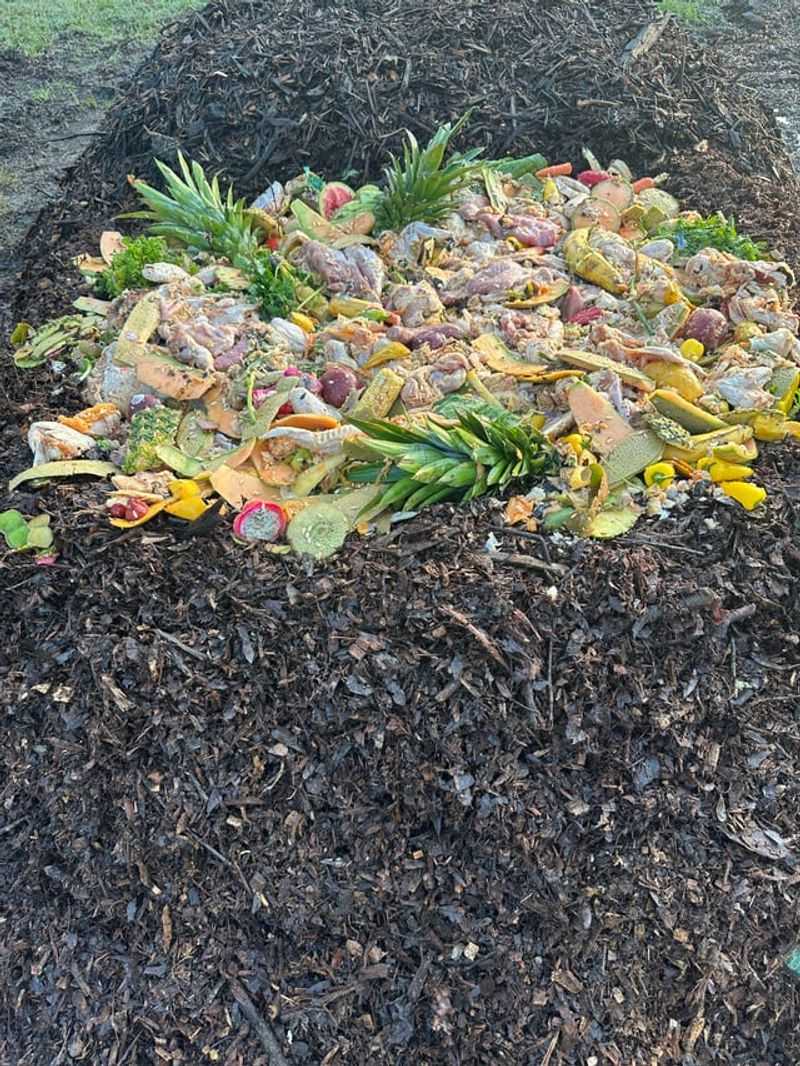
Composting is a great habit for the garden, but what you toss in makes a big difference. Meat and dairy scraps in a compost pile create some of the strongest pest-attracting smells you can find in a yard.
As proteins from meat and cheese break down, they release sulfur compounds and ammonia-like odors. These smells travel far and fast, pulling in flies, maggots, raccoons, and rats from the surrounding area.
A compost pile with the wrong ingredients can turn your backyard into a regular wildlife stop. Raccoons in particular are skilled diggers and will tear through a bin to reach buried scraps.
Most composting guides already recommend avoiding meat and dairy for this exact reason. Sticking to fruit peels, vegetable scraps, coffee grounds, and yard waste keeps your pile smelling earthy rather than drawing attention.
If you’ve already added meat or dairy by mistake, cover the pile with a thick layer of brown material like dry leaves or cardboard. Investing in a compost bin with a secure, lockable lid also helps contain odor and keeps wildlife from accessing the contents.
Positioning your compost setup away from fences or structures wildlife can climb makes it harder for raccoons to reach, even if they catch the scent. Turning the pile after adding new material helps bury fresh scraps quickly, cutting down on how long odors sit exposed on the surface.
7. Standing Water With A Stale, Musty Odor
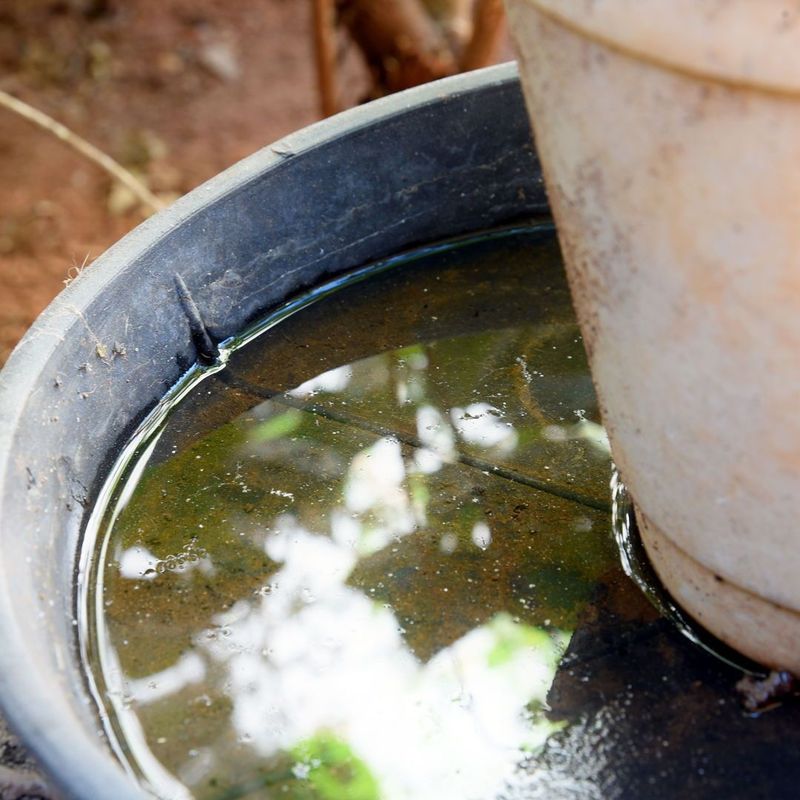
A stale, swampy smell coming from a corner of your yard is more than just unpleasant. Standing water with a musty odor is one of the top breeding grounds for mosquitoes in residential areas.
Mosquitoes need only a small amount of water to lay eggs. Birdbaths, clogged gutters, flowerpot saucers, and low spots in the lawn all qualify as suitable spots for mosquito reproduction.
The musty smell itself comes from algae, bacteria, and decaying organic matter mixing in warm, still water. That scent signals to egg-laying mosquitoes that conditions are right for their offspring.
Other insects like fungus gnats and midges are also drawn to standing water with organic decay. A single neglected puddle can support several generations of biting insects over a season.
Walk your yard after every rain and tip out any containers holding water. For water features you want to keep, like birdbaths or small ponds, use a small pump to keep water moving, since mosquitoes strongly prefer still water and even gentle circulation disrupts their breeding cycle.
Clearing gutters regularly is another step worth adding to the routine, since clogged sections hold water long after a storm passes. Grading low spots in the lawn so water drains rather than pools can also cut down on how many potential breeding sites exist around your property.
8. Sugary Drink Spills On Patios And Decks
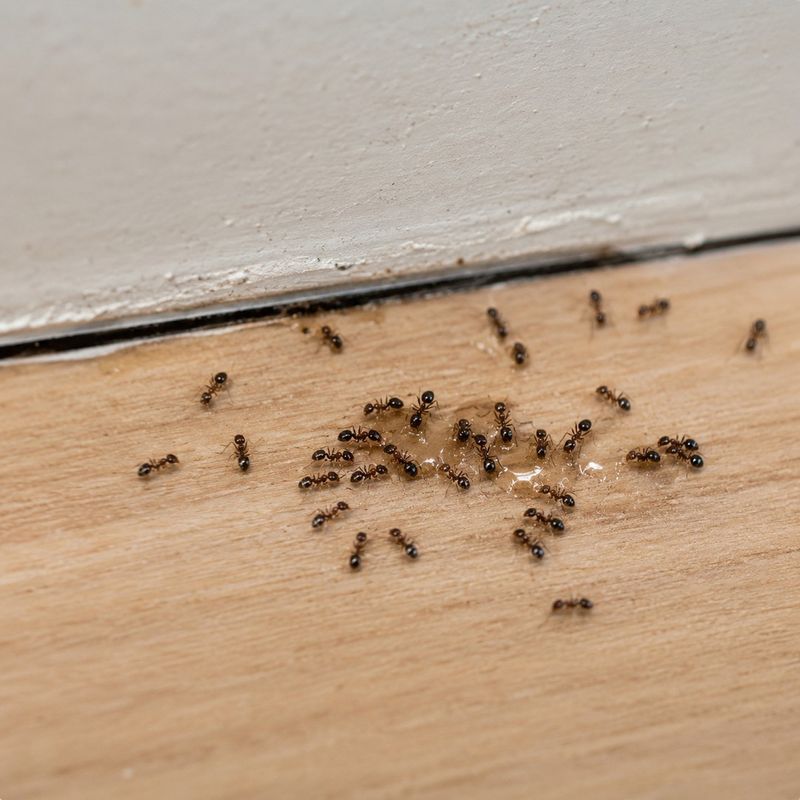
A spilled drink on the patio can turn your deck into an ant trail by the next morning. Sugary drink residue is sticky, sweet, and appealing to a long list of pests.
Ants are the most obvious culprits, but wasps and yellow jackets are just as drawn to sugary spills. These stinging insects can defend a food source aggressively, making a sweet spill a real safety concern.
Fruit flies are another unwelcome guest that can show up quickly near soda or juice residue left uncleaned on a warm surface. The sugar in drinks like soda, juice, and sports drinks doesn’t just sit on the surface, it seeps into wood grain and concrete pores, leaving behind a scent that lingers for days after the visible liquid is gone.
After any outdoor gathering, rinse down your patio or deck with a garden hose and a little dish soap. Pay attention to table legs, chair bases, and corners where drips tend to pool unseen.
For wooden decks, a quick scrub with warm soapy water followed by a rinse removes sticky residue that soaks in. Sealing your deck annually also makes spills easier to clean before they sink in.
Keeping a few extra coasters or trays on hand during gatherings can help catch spills before they hit the surface at all. A quick rinse right after guests leave takes far less effort than scrubbing dried residue the next day.