One Fall Task That Feeds Georgia Lawns Before The First Frost
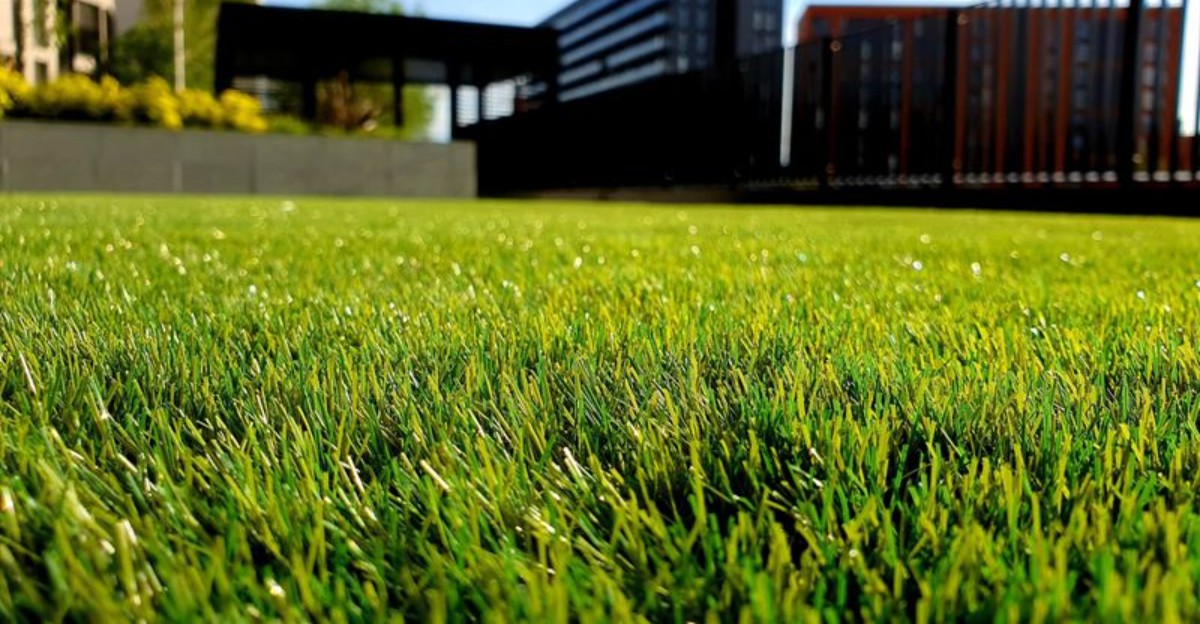
Fall lawn care can help your grass enter cooler weather in better shape, but feeding it at the wrong time can cause problems.
Before reaching for fertilizer, identify the grass growing in your yard. Warm-season and cool-season lawns do not follow the same fall schedule.
This matters because many Georgia lawns contain warm-season grasses that begin slowing down as temperatures drop.
Applying nitrogen too late can encourage tender growth when the lawn should be preparing for dormancy. Check local recommendations for your grass type before spreading anything.
If a soil test shows certain nutrients are needed, use those results to guide what you apply.
Good fall feeding is not about adding fertilizer before the first frost. It is about giving your lawn only what it actually needs.
1. One Simple Check Should Come Before Any Fall Feeding
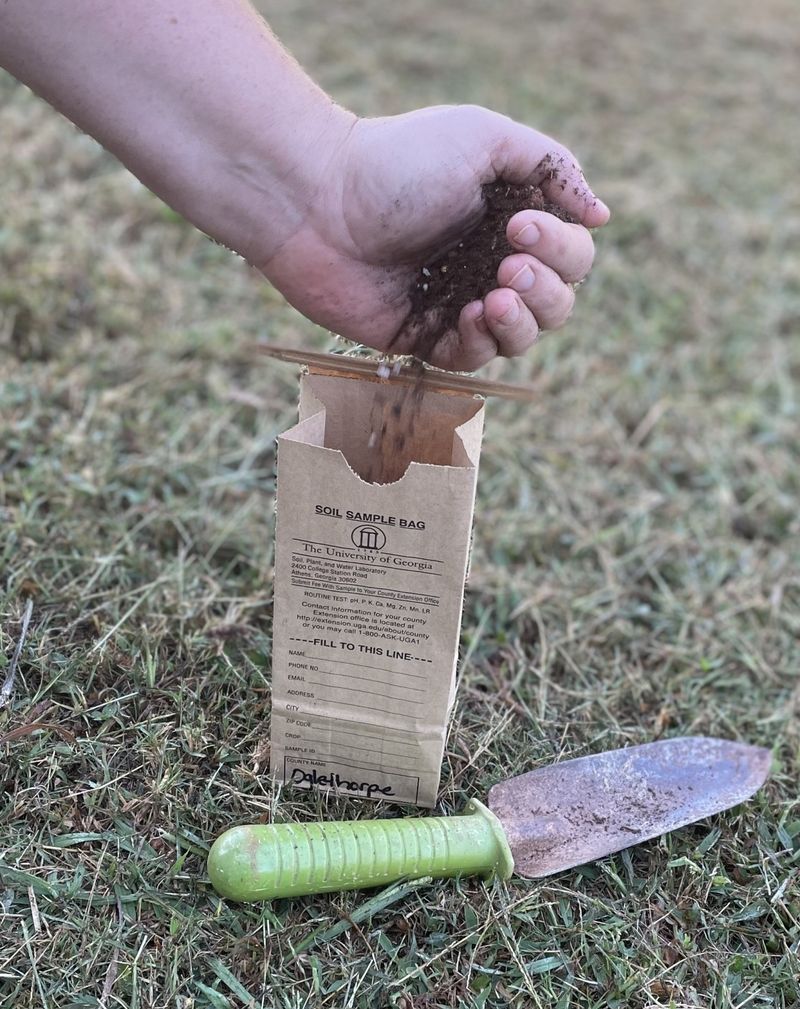
Skip the guesswork and test the soil before adding fall nutrients. A simple soil test tells you what your lawn is missing and what it already has plenty of.
Most yards do not need a full bag of everything, even when the grass looks a little tired.
In Georgia, the UGA Cooperative Extension offers soil testing through county offices for a modest fee. You collect the sample, drop it off, and get a report with clear recommendations for your grass type.
Gathering a good sample takes about fifteen minutes with a trowel or soil probe.
Pull small cores from ten to fifteen spots around the lawn, about three to four inches deep. Mix them in a clean bucket, then fill the sample bag with about a pint of that blend.
Front and back yards can behave differently, so it often makes sense to test them separately.
Early fall is a smart time to do it because results usually arrive within a couple of weeks. That leaves enough time to act before the weather turns cold.
Waiting until late November can squeeze your options.
Results tend to stay useful for about two to three years unless something major changes in the yard.
Keep the report somewhere handy so you can compare it with future tests and spot trends over time.
2. Your Grass Type Changes What The Lawn Needs Right Now
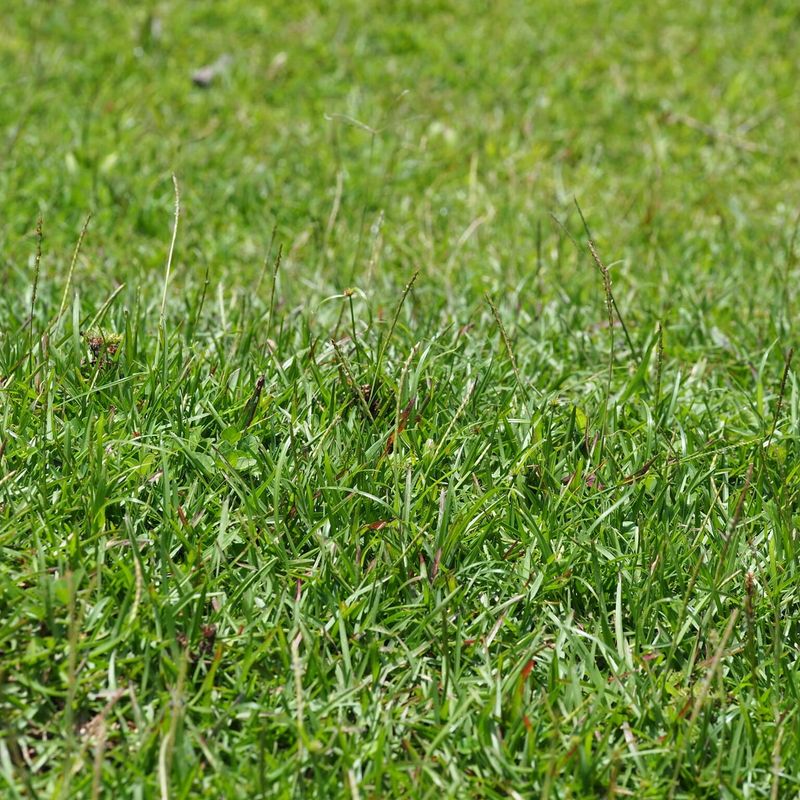
Bermuda and fescue might share a yard, but they live on opposite calendars. One is slowing down in fall while the other is gearing up for its best growing months.
Knowing which grass you have is the first step toward feeding it correctly.
Warm-season grasses like Bermuda, zoysia, centipede, and St. Augustine grow hardest in summer. As nights cool, they start storing energy in their roots and gradually head toward winter dormancy.
Tall fescue works the other way around and often benefits from fall fertilizer.
That is why a lawn in the North Georgia mountains may follow a different plan than one near Savannah. Fescue is common up north, while warm-season types dominate the middle and southern parts of the state.
Not sure what is growing out there? Pull a few blades and compare them with photos from your local extension office.
Your Georgia Garden Changes Every Week. Your Plan Should Too.
Gardening in Georgia changes quickly throughout the season. Every Friday you’ll receive a simple weekly plan showing exactly what to plant, prune, fertilize, harvest, and protect so you never miss the right timing.
Bermuda tends to spread with runners above and below ground, and it has fine blades. Centipede has wider, lighter green blades and creeps along the surface.
Fescue grows in clumps with coarser, upright leaves.
Some yards are a mix, which can make choices a bit trickier.
In those cases, follow the needs of the grass you most want to keep. Your soil test report will also ask for grass type, so having that answer ready helps you get advice that actually fits.
3. Warm-Season Turf Should Not Get A Late Push Of Nitrogen
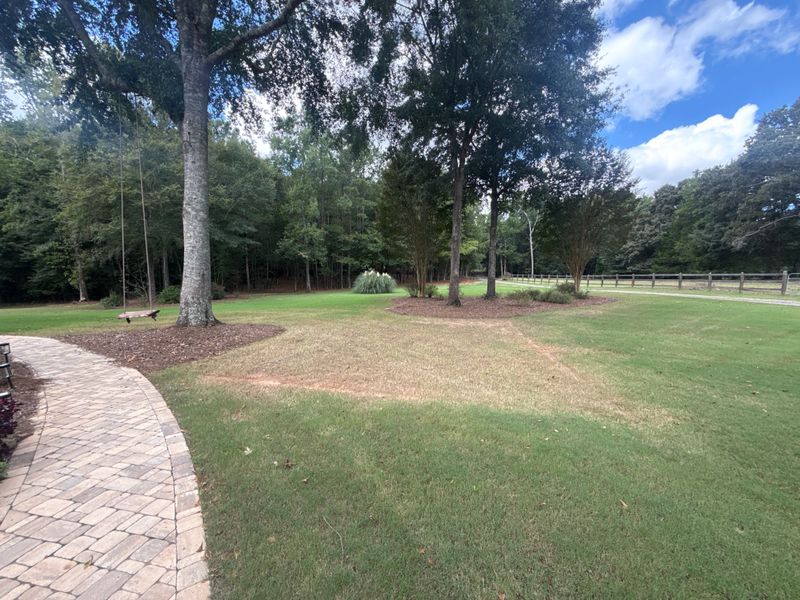
Green in October can come at a cost in January. Nitrogen encourages leafy growth, and that is not what warm-season grass needs as it heads toward dormancy.
Fresh, tender blades pushed out late in the season may be more easily injured by an early cold snap.
UGA guidance generally suggests that Bermuda, zoysia, and centipede get their last nitrogen feeding by late summer. For a lot of Georgia yards, that means wrapping up around mid-August to early September, depending on location.
South of Macon, the window may stretch a little later, since frost tends to arrive later there.
Late nitrogen can also make some lawns more prone to fall diseases like large patch, especially in zoysia and centipede. Cool, wet weather plus soft growth is a combo that fungus seems to enjoy.
So what about those bags labeled winterizer?
Read the numbers on the label before buying. Some products carry a lot of nitrogen, which may not suit warm-season turf in fall.
Others lean more on potassium, and those could fit better if a soil test shows a need.
Fescue is the exception, since it often welcomes nitrogen in September through November.
If your lawn is warm-season grass, let it slow down naturally. Mow at the normal height, water only when it is truly dry, and hold off on the nitrogen until spring green-up is well underway.
4. A Soil Test Shows Which Nutrients Are Actually Running Low
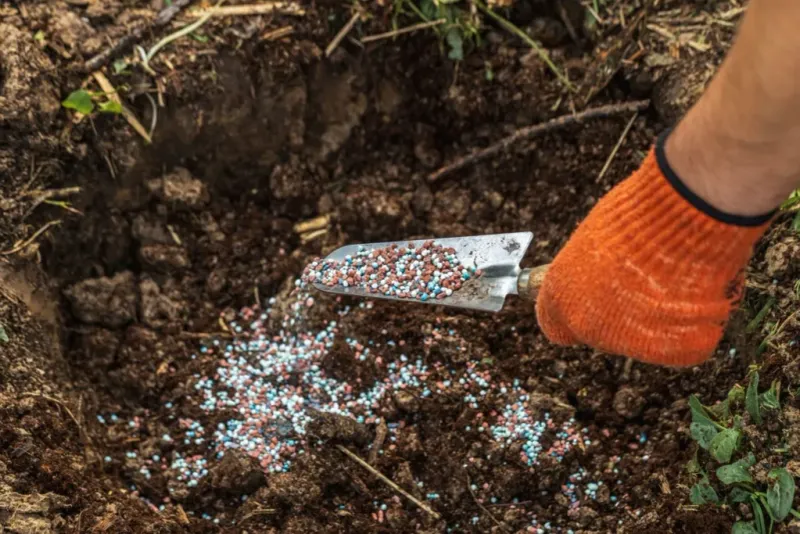
Picture spending forty dollars on fertilizer your yard did not need. It happens all the time, and a soil report is the easiest way to stop it.
Your results usually list pH, phosphorus, potassium, calcium, magnesium, and sometimes zinc or manganese.
Each nutrient gets a rating, often from low to very high. Low means the grass could likely use more, while high means adding extra probably will not help much.
Phosphorus is a good example of a nutrient that tends to build up over the years.
Plenty of established Georgia lawns test high in phosphorus because of past fertilizing. Adding more can be wasted, and runoff may feed algae in nearby ponds and streams.
Nitrogen is not usually measured on standard tests because it shifts so quickly in soil. Instead, the report suggests an amount based on your grass type and the time of year.
Look closely at the recommendation section near the bottom.
That part translates the numbers into real advice, like pounds of a certain product per thousand square feet. If the wording feels confusing, your county extension agent can walk you through it, often at no extra cost.
Measure your lawn area before you shop, too. Knowing the square footage helps you buy the right amount and spread it evenly instead of guessing at the store.
5. Potassium May Help Bermudagrass When The Soil Test Calls For It
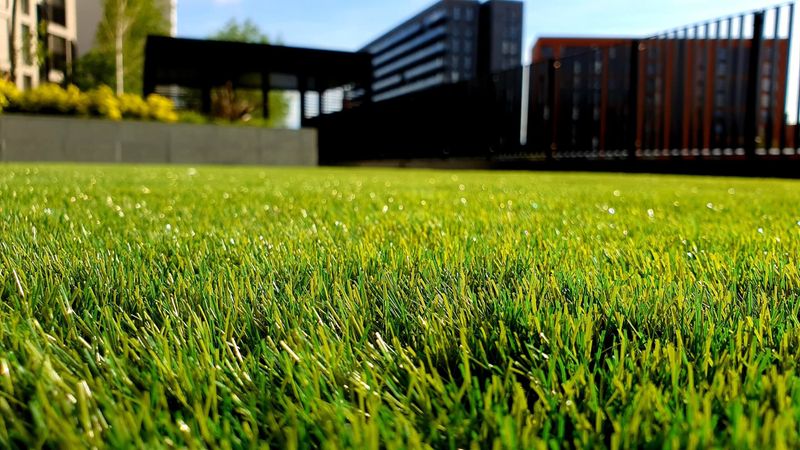
Potassium does its quiet work underground. It supports root health, water use, and the grass plant’s ability to handle stress from cold, drought, and heavy foot traffic.
Bermudagrass is often mentioned when people talk about fall potassium, and there is good reason for that.
When soil levels are low, adding potassium in early fall may help Bermuda go into winter in better shape. Sandy soils across south Georgia tend to lose potassium faster, since water moves through them quickly.
Still, the key phrase here is when the soil test calls for it.
If your report shows medium or high potassium, extra applications probably will not make a noticeable difference. Grass can only use so much, and the rest is money spent for little gain.
Muriate of potash, labeled 0-0-60, and sulfate of potash, labeled 0-0-50, are common choices. Your report should list how much to apply, usually measured per thousand square feet.
Spread it evenly and water it in lightly afterward.
Heavy amounts at once can burn turf, so splitting larger doses into two lighter rounds a few weeks apart is often safer. Try to finish before the grass turns brown and fully dormant.
Results are not instant. Benefits tend to show up as steadier spring green-up rather than a sudden change you can see this fall.
6. Lime Belongs On The Lawn Only When Soil Results Support It
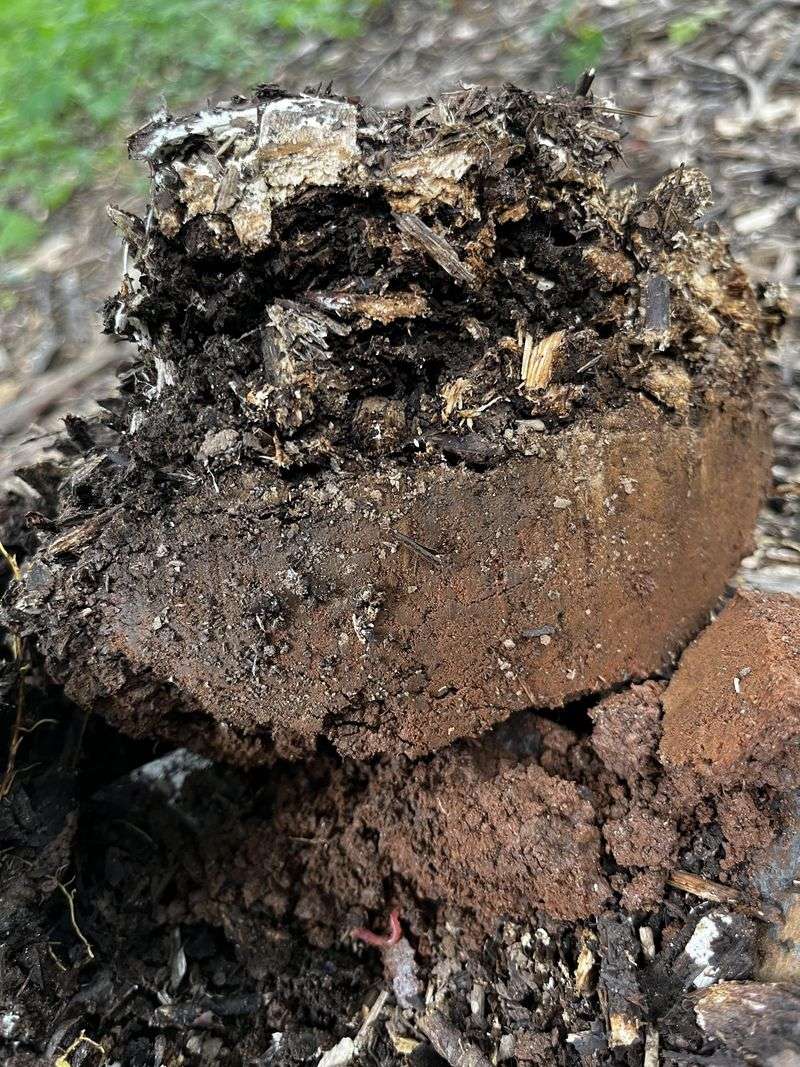
Lime is not plant food, even though it often gets sold right beside fertilizer. Its job is to raise soil pH, which affects how well grass roots can take up nutrients.
Red clay soils across the Piedmont often lean acidic, so lime gets talked about a lot here.
Bermuda, zoysia, and fescue tend to do well with a pH roughly around 6.0 to 6.5. If your test shows a much lower number, lime can help bring it closer to that range over time.
Centipede is a different story because it generally prefers more acidic soil.
Liming a centipede lawn without a clear reason may cause more harm than good, sometimes leading to yellowing from iron issues. Georgia homeowners with centipede should be extra careful before adding any.
Fall and winter are good times to apply lime when it is needed. It works slowly, often taking several months to change pH, so an autumn application can pay off by spring.
Pelletized lime is easier to spread and creates less dust than powdered types.
Follow the rate listed on your soil report, and avoid tossing extra just in case. Too much lime can push pH higher than your grass likes, and lowering it again is much harder than raising it.
Retest in a couple of years to see how things changed.
7. The Right Fall Treatment Prepares Turf Without Forcing New Growth
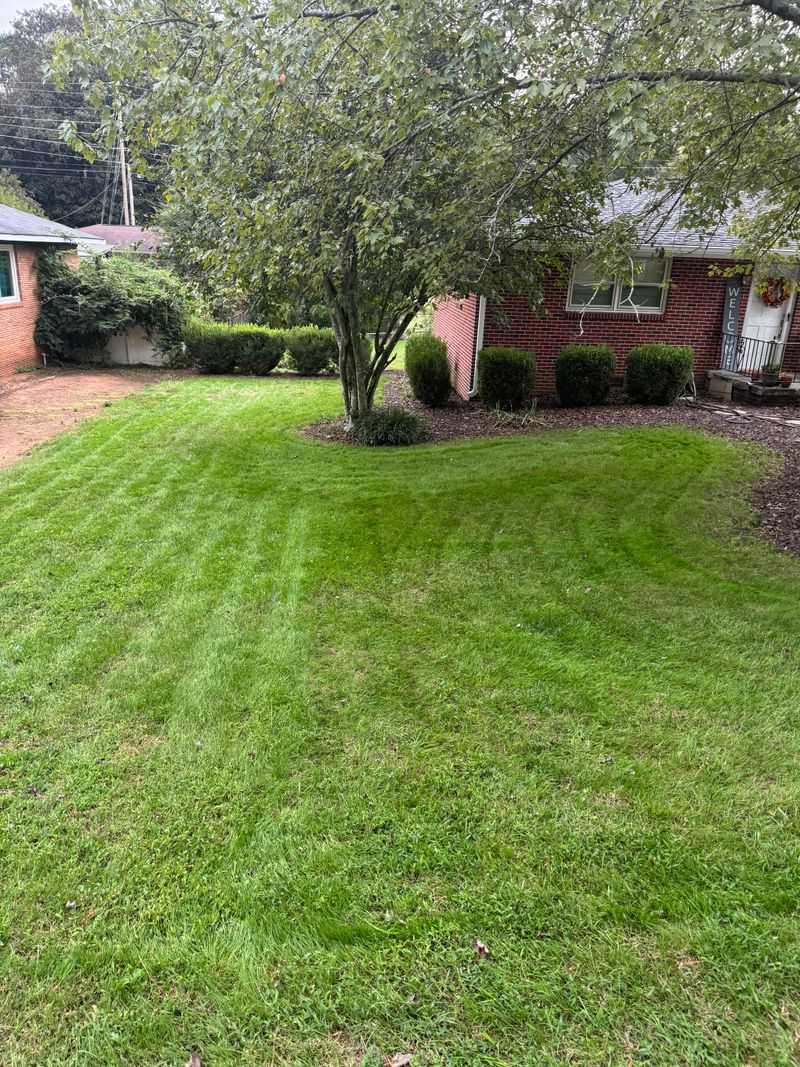
Rest, not a growth spurt, is what warm-season grass is chasing in fall. Your job is to support that slowdown so roots stay strong through the cold months.
Matching your care to soil results and grass type covers most of the work.
Beyond fertilizer, a few simple habits help. Keep mowing at your usual height until growth stops, since scalping in fall can leave turf more exposed to cold injury.
Raking or mulching fallen leaves matters more than people expect.
A thick layer of leaves can block light and hold moisture, which may invite disease. Running the mower over a light layer chops them into small bits that break down naturally.
Watering needs drop as temperatures fall. Even so, a dry stretch before a hard freeze can stress grass, so a deep drink during long dry spells may help.
Pre-emergent weed control is another option for some yards.
Applied in early fall, it can reduce winter weeds like annual bluegrass and henbit. Timing varies across Georgia, so check local extension guidance for your area and read the label closely.
Weather will always play a role you cannot control. A surprise cold snap or a wet winter can affect even well-prepared lawns, but thoughtful fall care gives your grass a better chance at a healthy, even start next spring.