One Simple Test That Can Save Your Lawn And Garden In Alabama
You feed your garden well, yet your peppers stay small and pale. Weather gets the credit, but the answer sits beneath your boots.
Alabama clay leans acidic, and acid traps nutrients you paid for. Phosphorus can sit in the soil, present but unreachable, while roots go without.
Smell and touch cannot detect that, however rich the dirt feels. A lab can, and it measures pH, potassium, magnesium, and calcium precisely.
Auburn University tests the sample you mail in and emails your results. Those results name the right lime and fertilizer your garden needs.
Skipping the test costs more, and extra lime in wrong spots creates problems. Fees run less than a pair of work gloves.
Your Alabama garden has been sending signals, and you can read them. Sampling depth matters for accurate results, and the ideal depth may surprise you.
The Soil Test Answers The Hidden Questions In Your Dirt
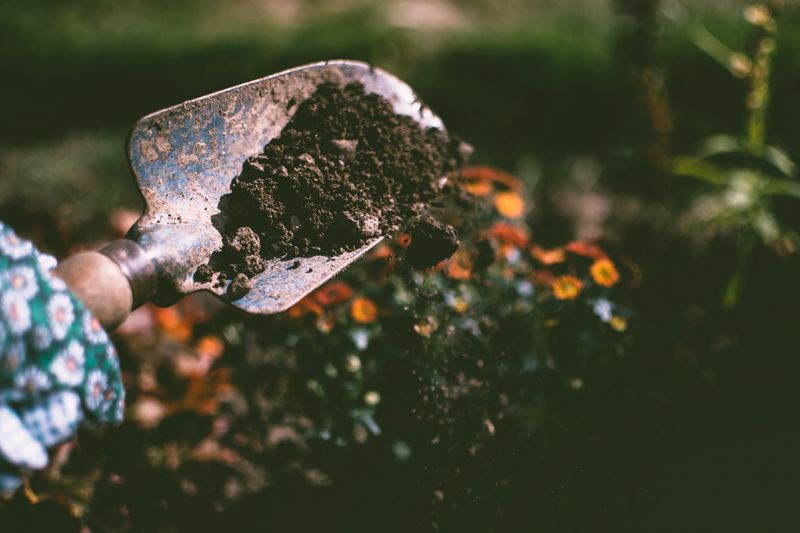
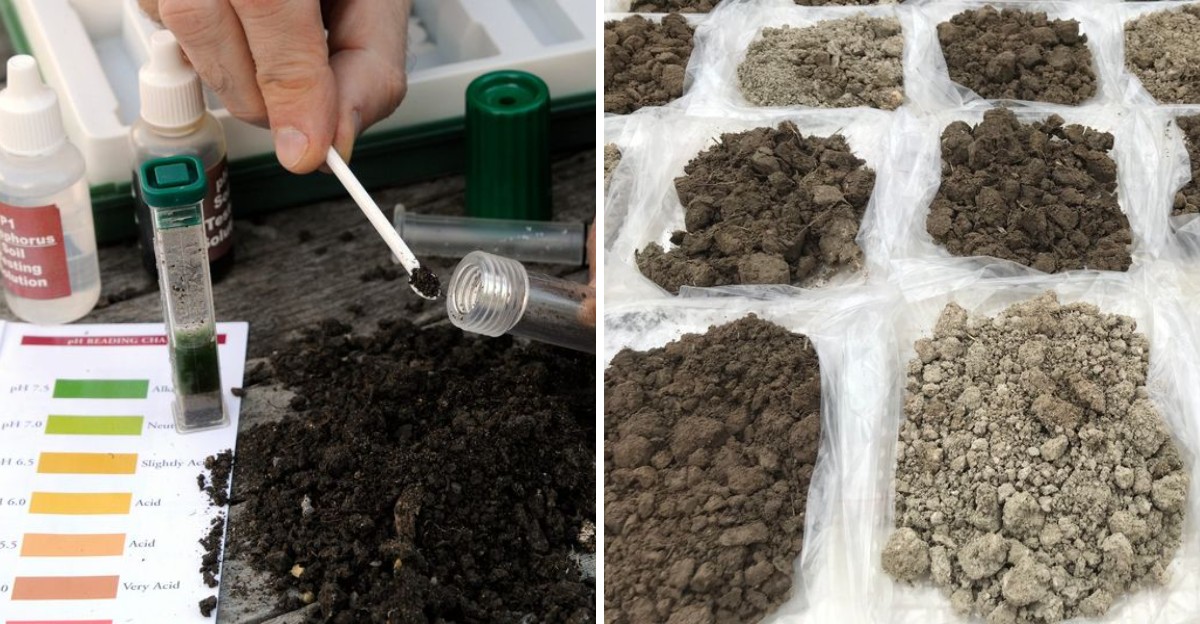
Picture a doctor checkup, but for the ground under your grass and green beans. A soil test sends a small scoop of your yard to a lab for a full report.
In Alabama, that lab is usually the Auburn University Soil, Forage and Water Testing Laboratory. Folks have been mailing dirt there for decades, and the process is simple.
The report tells you your soil pH, which measures how sour or sweet the ground is. It also checks phosphorus, potassium, calcium, and magnesium levels.
Those numbers matter because plants can only eat what the soil lets them reach. Sour soil can lock up food even when plenty sits in the dirt.
The report also goes beyond numbers and charts. It gives clear advice on how much lime and fertilizer your specific plants need.
You just tell the lab what you are growing on the sample form. Centipede grass, Bermuda lawns, vegetable gardens, and azaleas each get their own advice.
The routine test costs about ten dollars per sample, with extra charges for micronutrient analysis. Sample boxes and forms are available at your county Extension office.
Many homeowners are surprised by their first report. Some discover they have been adding the wrong fertilizer for years without knowing it.
Turnaround times vary, so check the lab’s website for current estimates. Many people choose to get results by email, which makes saving them easy.
Think of it as a cheat sheet for your whole yard. Instead of guessing, you finally know what is happening below the surface.
Acidic Red Clay And The Root Of Alabama Problems
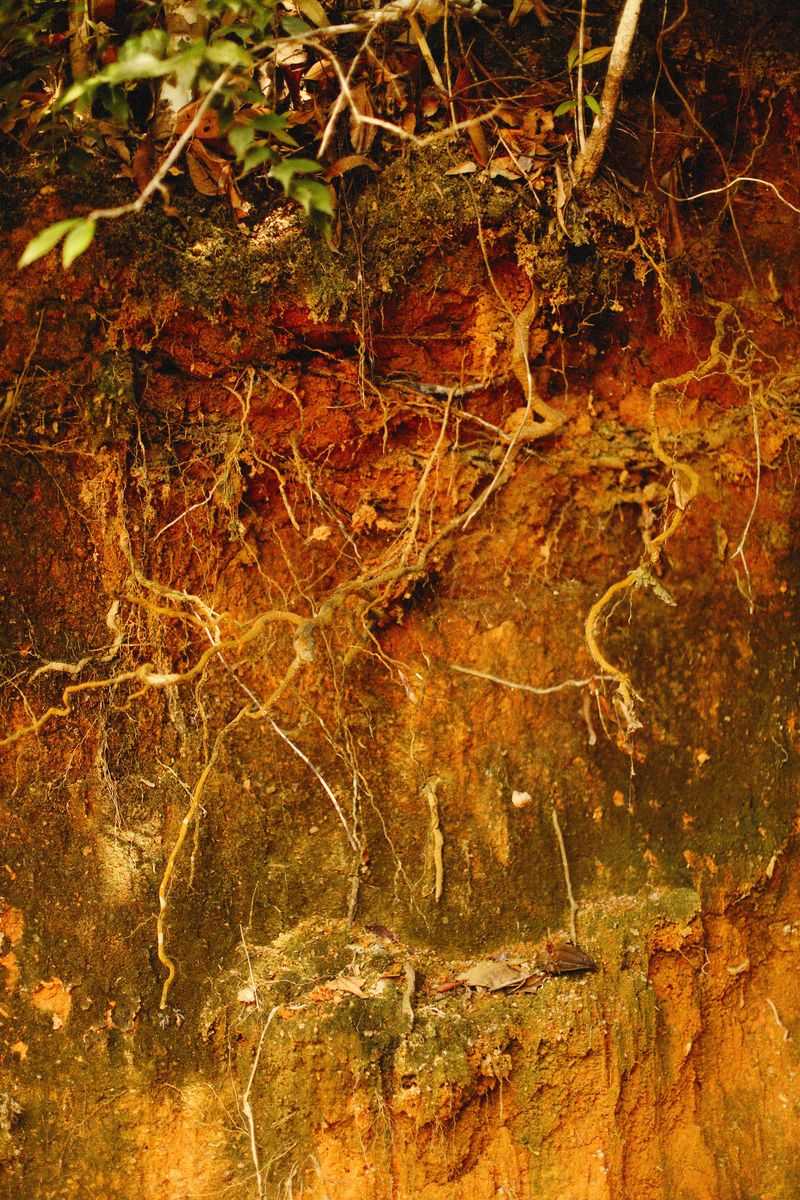
Rainfall plays a part. Alabama gets more than 50 inches of rainfall a year, and all that water slowly washes nutrients away.
As calcium and magnesium leave, the soil turns more acidic over time. Ammonium-based fertilizers and decomposing organic matter can nudge the pH lower too.
Our famous red clay and sandy coastal soils both tend to lean sour. Many Alabama yards test between 5.0 and 5.5 on the pH scale, though the Black Belt often runs higher.
Most lawns and vegetables grow best around 6.0 to 6.5. Centipede grass is the odd one out, preferring a slightly sour range near 5.5.
Your Alabama Garden Changes Every Week. Your Plan Should Too.
Gardening in Alabama changes quickly throughout the season. Every Friday you’ll receive a simple weekly plan showing exactly what to plant, prune, fertilize, harvest, and protect so you never miss the right timing.
So what happens when pH drops too low? Roots have a harder time taking up phosphorus, and aluminum in the soil can stress tender root tips.
Above ground, the signs look like many other problems. Yellow leaves, stunted tomatoes, and thin grass can all point to acidic soil, so a test confirms the cause.
This is where people end up treating the wrong thing. They spray for bugs or water more, but the real issue sits in the chemistry.
Soil types also change from one side of a yard to another. A garden bed near the driveway may read differently than the backyard.
A pH number turns that mystery into plain facts. Once you know the number, you can stop chasing symptoms and fix the true cause.
Some gardeners call it feeding the ground before feeding the plants. They are right, even without a lab report to prove it.
October Timing For The Best Sample
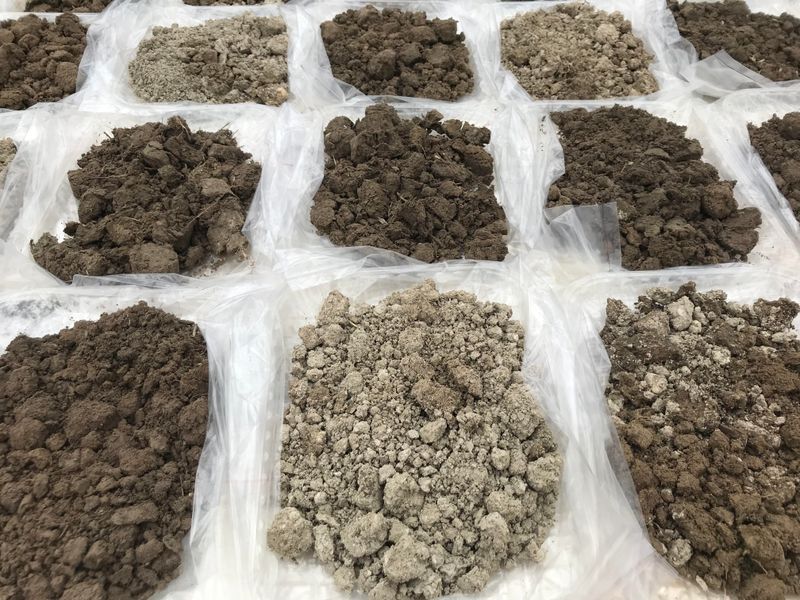
Cool mornings and crunchy leaves make October a sweet spot for soil sampling. Summer gardens are winding down, and lawns are slowing their growth.
Timing matters because lime works slowly, like a pot of beans on low heat. It can take three to six months to change your soil pH.
Testing now and liming this fall gives the soil all winter to adjust. By spring planting, your garden beds and lawn will be ready to grow.
Start with a clean plastic bucket and a garden trowel or soil probe. Skip metal buckets, since they can throw off some nutrient readings.
Walk around the area and dig 15 to 20 small samples from random spots. Take lawn samples about three to four inches deep and garden samples about six to eight inches deep.
Mix everything together in the bucket and remove roots, rocks, and thatch. Then fill the sample box with about a pint of the blended dirt.
Keep the front lawn, backyard, and vegetable garden as separate samples. Each area has its own history, so each deserves its own report.
Let wet soil air dry on newspaper before you pack it up. Avoid spots near fertilizer spills, brush piles, or where the dog likes to hang out.
Fill out the form, mail the box, and wait for your results. Labs tend to be less busy in fall than during the big spring rush.
Fall also gives you time to plan without pressure. Few people want to wait on lab results while seedlings sit on the porch.
Why Guessing At Fertilizer Falls Short
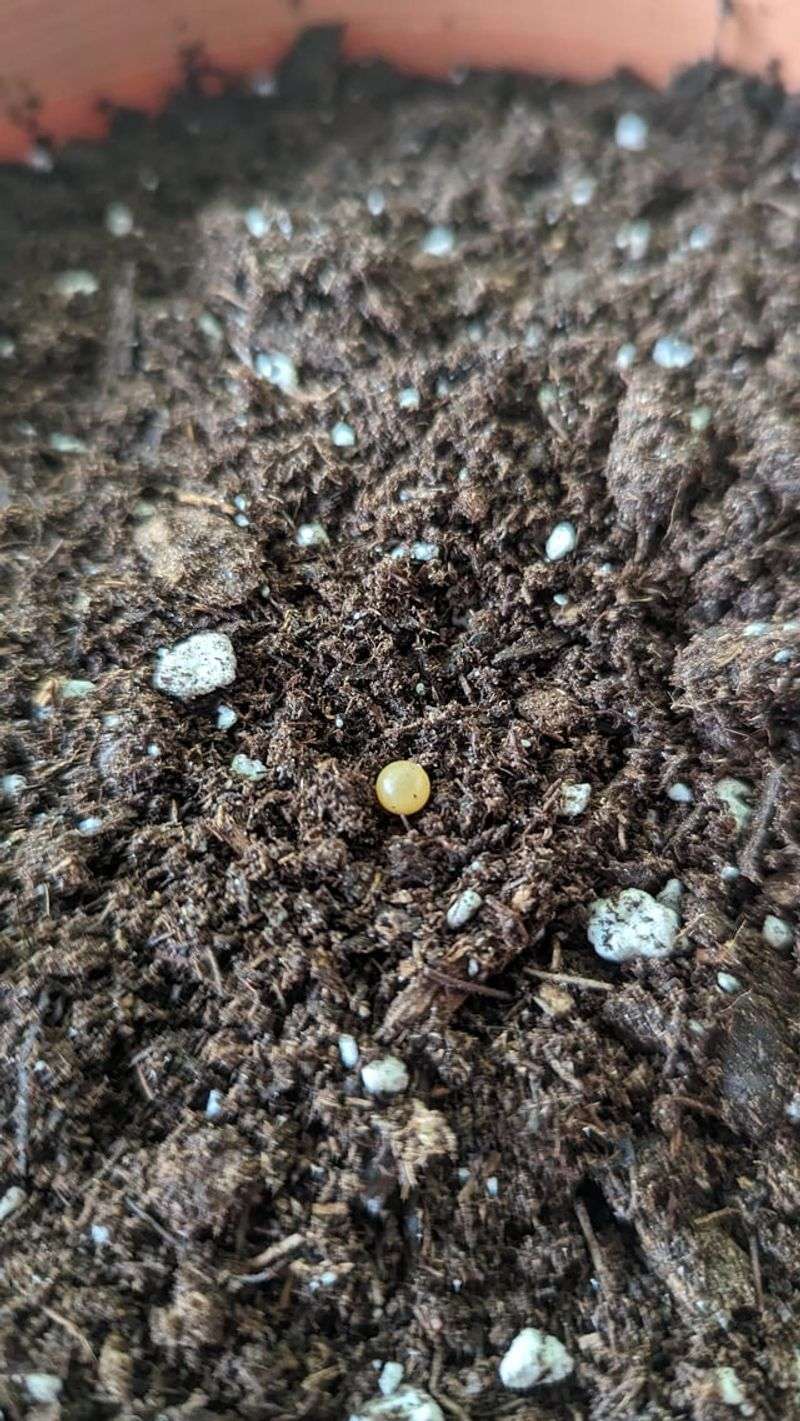
Walk into a garden center in spring, and the fertilizer aisle offers a wall of choices. Bright bags promise greener grass and bigger tomatoes, so people grab one and go.
Without a soil test, that choice is largely a guess. You might be adding phosphorus your soil already has plenty of, while missing what it truly lacks.
Many older Alabama gardens test very high in phosphorus from years of heavy feeding. Extra amounts do not help plants and can wash into creeks and lakes.
Too much phosphorus in water feeds algae blooms that cloud our rivers. That is a big deal in a state famous for its many beautiful waterways.
Lime is easy to overdo, too. Some folks spread it every year by habit and push the pH too high.
High pH can lock up iron and manganese, leaving leaves pale and blotchy. Blueberries and azaleas especially dislike that sweet, chalky soil.
Nitrogen is a bit different, since soil tests do not measure it well. Your report still tells you how much nitrogen your plants need each year.
Then there is the money side of things. Buying the wrong products adds unneeded cost, and a soil test costs less than many single bags.
Picture a homeowner who spends a whole summer feeding a Bermuda lawn the wrong blend. One report later, they learn it only needs potassium and some lime.
Guessing feels faster, but it often costs more time in the end. Test first, then shop with your report in hand.
Lime And Fertilizer Rates From Your Report
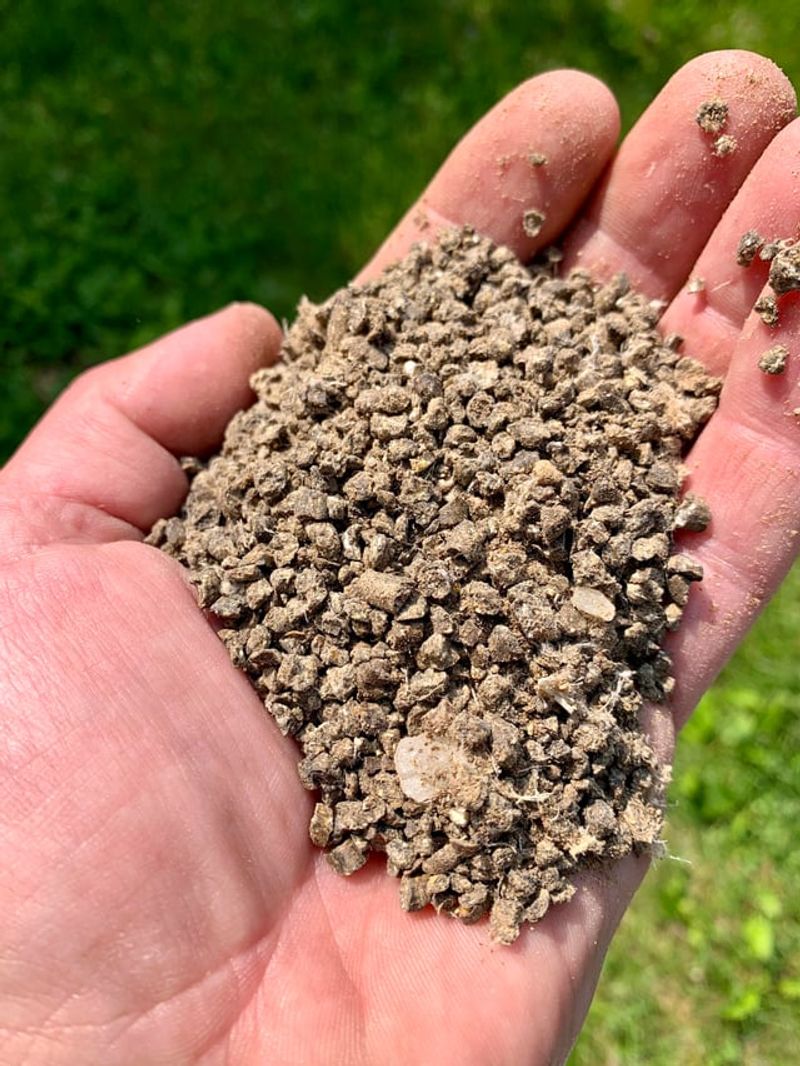
Opening your soil results feels a little like getting a recipe from a wise old cook. Every amount is listed, and your job is simply to follow it.
Lime advice usually comes in pounds per 1,000 square feet. For example, a report might call for 50 pounds of lime for each 1,000 square feet of lawn.
Measure your lawn or garden first so the math works out. A long tape measure and a notepad make this step quick.
Pelletized lime is easier to spread than the dusty powder kind. Use a broadcast spreader and walk in two directions for even coverage.
Dolomitic lime adds magnesium along with calcium. Your report will say which type fits if magnesium levels run low.
Fertilizer advice often looks like three numbers, such as 13-13-13 or 15-0-15. Those stand for nitrogen, phosphorus, and potassium, listed in that order.
Pick a bag that matches your recommendation as closely as possible. Then spread the exact amount listed, not a handful more for good luck.
For lawns, save most fertilizer for spring green-up rather than late fall. Feeding warm-season grass now can leave it tender as winter frosts arrive.
Lime, on the other hand, can go out right away this fall. Water it in lightly, and let winter rains do the rest.
Garden beds get a slightly different plan. Mix lime and fertilizer into the top six inches of soil before planting.
Keep your report in a kitchen drawer or saved on your phone. You will want it handy when spring shopping season rolls around.
Greener Grass And A Steady Testing Habit
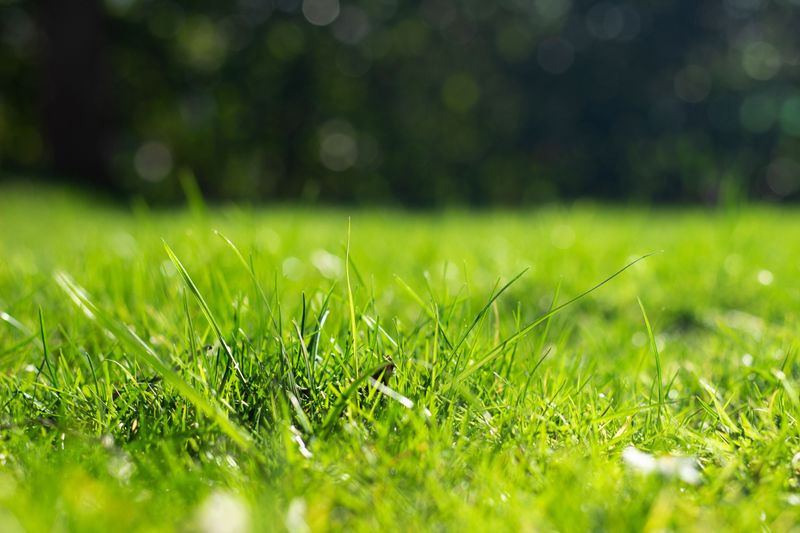
Imagine strolling barefoot across thick, springy grass next May. That is the kind of payoff a simple soil test can bring.
Once pH settles into the right range, plants can finally reach the food around them. Lawns fill in thicker, and weeds have fewer bare spots to invade.
Gardeners often notice the change in their vegetables first. Tomatoes set more fruit, beans stay greener, and squash plants hold up better by midsummer.
Flowers join the party as well. Hydrangeas, roses, and camellias bloom more freely when their roots grow in soil with the right pH.
Healthy soil also helps plants handle Alabama heat and dry spells. Strong roots dig deeper, so they find water when the sprinkler is off.
Of course, soil does not stay the same forever. Rain, harvests, and fertilizer slowly shift the numbers again over time.
Plan to retest every two to three years for lawns and gardens. Test sooner if plants struggle or you start a brand new bed.
A handy trick is to pick one month and stick with it. Testing each October makes it easy to compare reports from year to year.
Save every report in one folder so you can watch trends. Seeing pH climb from 5.2 to 6.2 feels surprisingly satisfying.
Share the habit with neighbors, too, since sample boxes are easy to grab. A street of tested yards tends to look healthier by summer.
Your soil cannot talk, but a lab report comes pretty close. Follow it, and your yard will show the difference by next season.