Orange Butterflies Circling Alabama Passionflower Vines Are Leaving Spiky Caterpillars Gardeners Should Not Remove
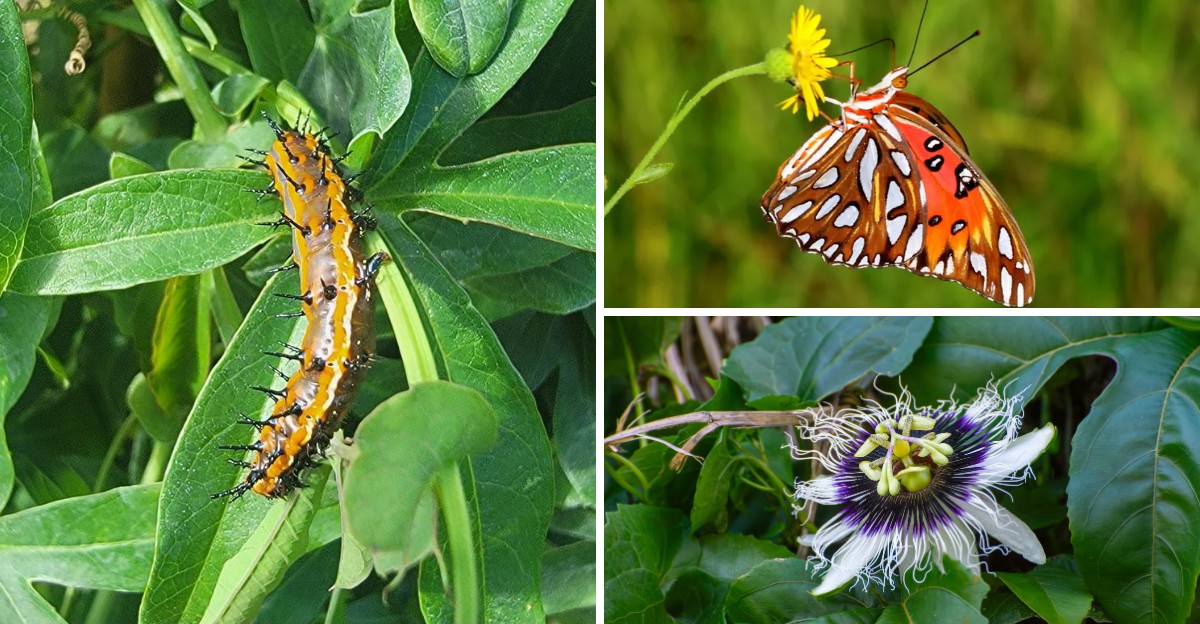
Those spiky orange caterpillars chewing your passionvine are not the villains you think. You are staring at Gulf fritillary babies, and they are hungry for a reason.
Alabama hosts these butterflies in dazzling swarms as September heat lingers. Flip an adult over, and you’ll find silver spots gleaming like chipped mirror glass.
Females taste passionvine leaves with their feet before laying eggs. Passionflower is the sole menu their caterpillars accept. Black spines make them look dangerous, yet those spikes carry no sting.
Instead, they soak up bitter plant chemicals that send hungry birds packing. Pluck them off, and you shrink Alabama’s next flashy generation.
Leave them alone, and your vines bounce back fast after the feast. Understand this trade, and you gain a front-row seat to real drama. Before you reach for those gloves, see what these rebels really want.
Gulf Fritillary Butterflies Laying Eggs On Their Only Host Plant
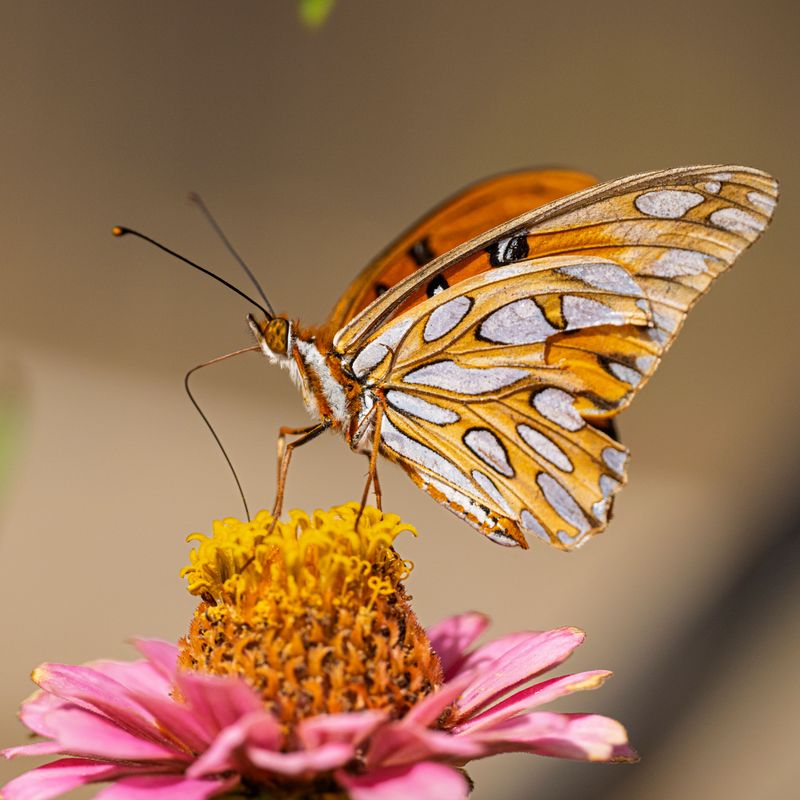
Those orange flyers are Gulf fritillary butterflies, and they are moms on a mission. They circle your vine because it is the only baby food their kids will eat.
Passionflower leaves are the one menu item these caterpillars accept. Without the vine, the next generation of butterflies simply has nowhere to grow up.
Watch closely and you will see a female touch down, curl her body, and leave a single egg. Each egg is tiny, yellow, and shaped a bit like a ribbed football.
She often places eggs on tendrils, new leaves, or even nearby sticks. Then she flutters off to find another spot and repeat the process.
Alabama is a perfect home for these butterflies because of our long, warm seasons. Native maypop vines grow wild along fences, fields, and roadsides across the state.
Gardeners who plant passionflower are basically running a butterfly nursery without meaning to. The orange visitors can tell the vine apart from other plants using their feet.
Fun fact, butterflies taste with sensors on their legs. A quick tap tells the female whether she has found the right leaf for her eggs.
So when you see that orange dance around your trellis, you are watching careful parenting. Those butterflies are not random wanderers, and your vine is the reason they showed up.
September Brings The Busiest Caterpillar Season Of The Year
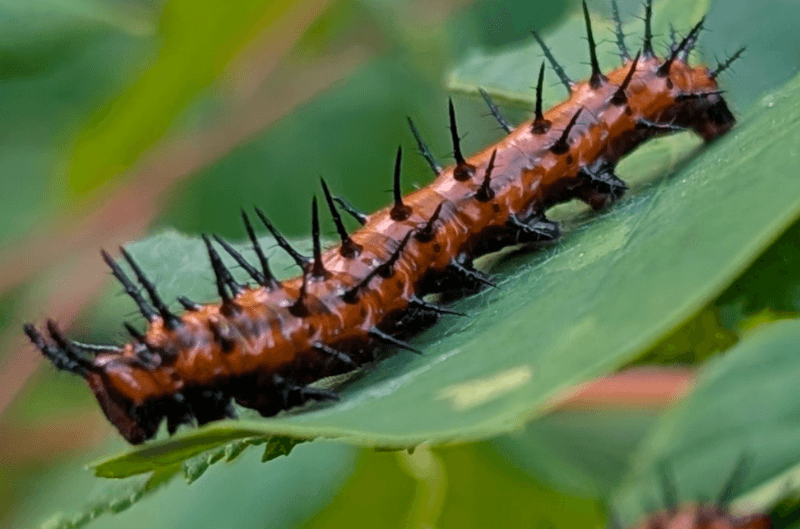
Late summer in Alabama feels like a backstage pass to a butterfly concert. By September, Gulf fritillary numbers often hit their peak for the whole year.
Several generations hatch between spring and fall in the Deep South. Each round adds more butterflies, so the crowd keeps growing as summer rolls along.
That is why your vine suddenly looks busier than a school cafeteria at lunch. Eggs, tiny caterpillars, and chunky older ones may all share the same stems.
Many adults also drift south as cooler weather arrives. Some fly toward Florida and the coast, where winters stay mild enough for them to keep going.
Caterpillars hatch from eggs in only a few days during warm weather. They then munch for about two to three weeks before getting ready to change.
Your Alabama Garden Changes Every Week. Your Plan Should Too.
Gardening in Alabama changes quickly throughout the season. Every Friday you’ll receive a simple weekly plan showing exactly what to plant, prune, fertilize, harvest, and protect so you never miss the right timing.
Around the first cool snap, things begin to slow down. Fewer eggs appear, and the vine finally gets a chance to catch its breath.
If you notice heavy chewing now, try not to panic. The timing is natural, and your plant has a built-in rhythm that matches the butterflies.
Maypop is a tough grower that goes dormant each winter and regrows from its roots. It usually bounces back strong in spring, ready for another season of guests.
Think of September chewing as the grand finale, not the beginning of trouble. Enjoy the show while it lasts, because soon the stage will go quiet.
The Big Mistake Of Picking Off Spiky Orange Caterpillars
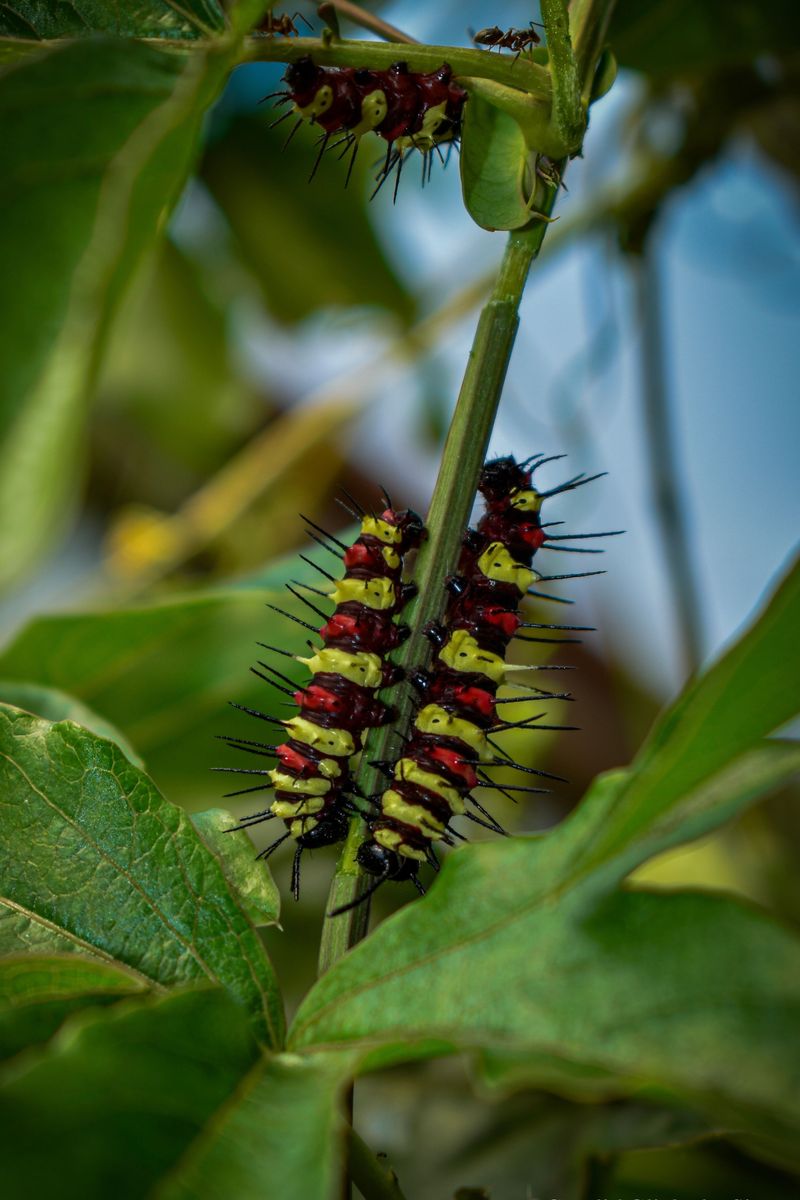
Picture a well-meaning gardener spotting spiky orange bugs and reaching for a bucket of soapy water. It happens every fall, and it breaks a lot of butterfly lovers’ hearts.
Those spikes look scary, but they are soft to the touch. Gulf fritillary caterpillars do not sting like some other fuzzy or spiny larvae, though sensitive skin may feel mild irritation after handling.
The spines are there to warn birds away. The caterpillars also carry bitter chemicals from the passionflower leaves, which makes them taste awful to predators.
Removing them cuts into the butterflies you will see this fall and beyond. Fewer caterpillars mean fewer orange flyers drifting through your yard later on.
Spraying bug killers is an even bigger problem. Sprays can harm bees, ladybugs, and other helpful insects that keep your garden healthy.
Some people confuse these larvae with pests that attack tomatoes or roses. A quick check of the plant helps clear things up fast.
If the caterpillar is orange with black spines and sits on passionflower, it is very likely a Gulf fritillary or its cousin, the variegated fritillary. Both feed on passionflower, not vegetables, so your veggies are safe.
A gentle rule helps here. Leave the caterpillars on the vine, and give them room to finish their job.
Kids especially love watching them grow, so consider turning it into a family project. A little patience turns a garden scare into a pretty cool lesson.
Simple Care For A Chewed Up Passionflower Vine
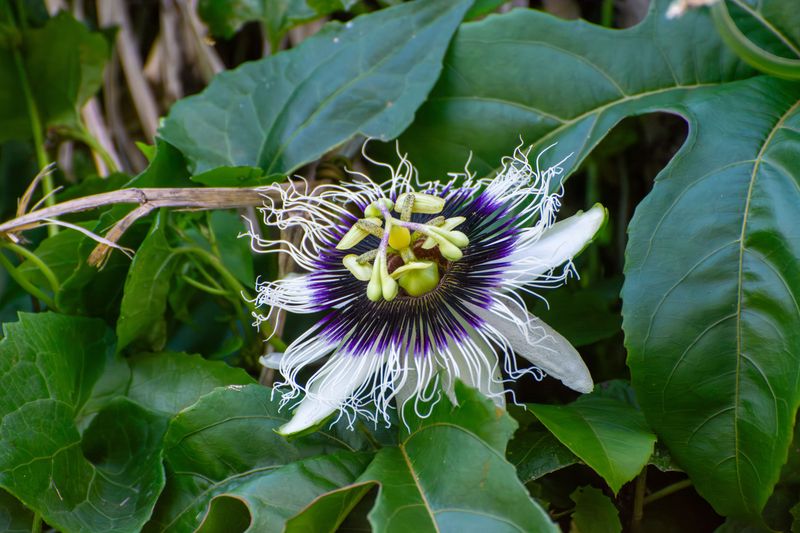
Okay, so your vine looks like it lost a fight with a paper shredder. The good news is that passionflower handles this kind of munching surprisingly well.
Start by giving the plant a deep drink during dry spells. Water at the base in the morning so the roots soak it up before the heat.
A thin layer of mulch keeps the soil cool and moist. Pine straw or shredded bark works well in most Alabama yards.
Skip heavy fertilizer right now. Extra feeding in fall pushes soft growth that cold weather can easily damage.
If the vine is overcrowded, you can move a few caterpillars. Gently place them on another passionflower plant nearby, never on a different kind of plant.
Planting a second vine is a smart trick for busy years. One plant can serve as the main feeding station while the other keeps its looks.
Native maypop, called Passiflora incarnata, is a great pick for our state. It grows fast, handles heat, and offers pretty purple blooms with a funky fringe.
Resist the urge to prune hard in September. Wait until late winter to trim back old stems, once the caterpillars are long gone.
A little mess now leads to fresh growth later. Your vine is tougher than it looks, and it will likely come back green and eager.
A Chrysalis Hiding In Plain Sight
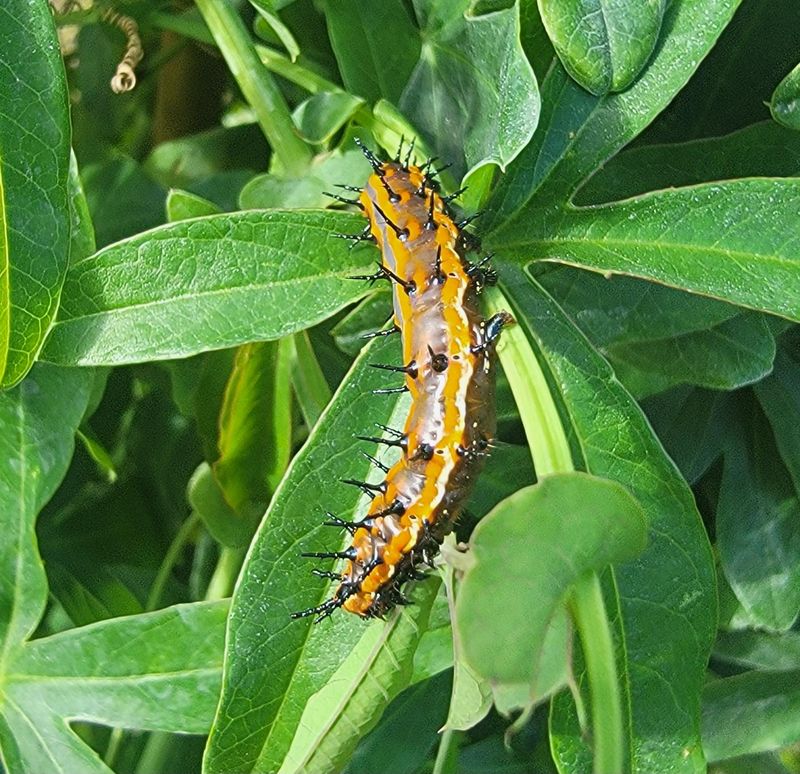
Here comes the magic trick. After a couple of weeks of eating, a fat caterpillar wanders off and hangs upside down in a J shape.
Then it wiggles out of its skin and forms a chrysalis. This case is brown and bumpy, so it looks just like a dried, curled leaf.
You might find one on a fence, a porch rail, or a nearby stem. Many gardeners walk past them for days without noticing a thing.
Inside, the caterpillar rebuilds its whole body. In warm weather, the change takes around one to two weeks.
One day the case splits, and a damp butterfly crawls out. It pumps fluid into its wings and waits for them to dry and stiffen.
The upper wings glow bright orange with black markings. Flip one over, and the underside flashes silver spots that shimmer like tiny mirrors.
Those silver patches may help it blend with sunlight and shadows. It is a bit like wearing sequins that double as camouflage.
Try to leave any chrysalis right where you find it. Moving or bumping it can harm the delicate butterfly forming inside.
If you have kids, mark the spot with a small flag. Checking on it each day turns a quiet garden corner into a real-life nature show.
Planning A Butterfly Friendly Garden For Next Year
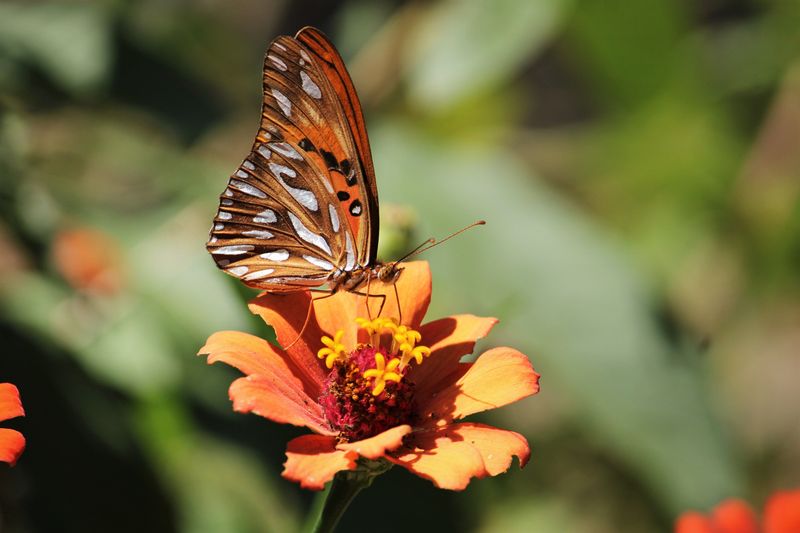
Now that you know the story, why not roll out the welcome mat on purpose? A little planning this fall makes next year’s butterfly season even better.
Plant passionflower in a sunny spot with room to climb. A fence, trellis, or arbor gives the vine space to ramble without bothering other plants.
Maypop spreads by underground runners, so give it a bit of elbow room. Some folks plant it in a large container to keep it tidy.
Add nectar flowers nearby for the grown-up butterflies. Zinnias, pentas, salvia, and sterile lantana varieties keep adults fueled while they lay eggs.
Fall is a great time to plant perennials in Alabama. Cooler air and fall rains help roots settle before summer heat returns.
Keep chemical sprays out of the butterfly zone. Even products meant for other bugs can drift onto leaves and harm the caterpillars.
A shallow dish with wet sand makes a handy butterfly watering hole. Butterflies sip minerals from damp soil, a habit called puddling.
Leave some leaf litter and a few bare stems through winter. Helpful insects shelter there, and your garden stays full of life.
Soon your yard may become the neighborhood hangout for orange wings. Neighbors might even ask for cuttings, and you will get to share the secret.