The Florida Herb That Thrives In October Humidity Most Gardeners Overlook
Lavender melts. Rosemary rots at the roots. Thyme turns to mush.
Every Florida gardener knows the heartbreak. You plant a neat herb bed, water it with care, and watch the humidity destroy it one leaf at a time.
October should feel like relief. The worst heat breaks, and the days turn pleasant.
Yet the air still hangs heavy with moisture, and many classic herbs struggle to survive it.
But one herb loves this weather. It grows fast, shrugs off heavy rain, and fills the garden with a bold flavor that home cooks crave.
It barely needs attention. Pests rarely bother it. Some gardeners even call it undestroyable.
So why do so few people grow it? Most garden centers bury it on a back shelf, and many gardeners have never heard its name.
Once you plant it, you may never look at your old favorite herbs the same way again.
1. Meet Culantro, Florida’s Humidity-Loving Herb
Picture a herb with more nicknames than a popular kid at summer camp. Folks call it recao, saw leaf herb, Mexican coriander, Puerto Rican coriander, and long coriander.
Its official name is Eryngium foetidum, and it grows wild across the Caribbean and parts of Central America. Florida weather feels a lot like home to it.
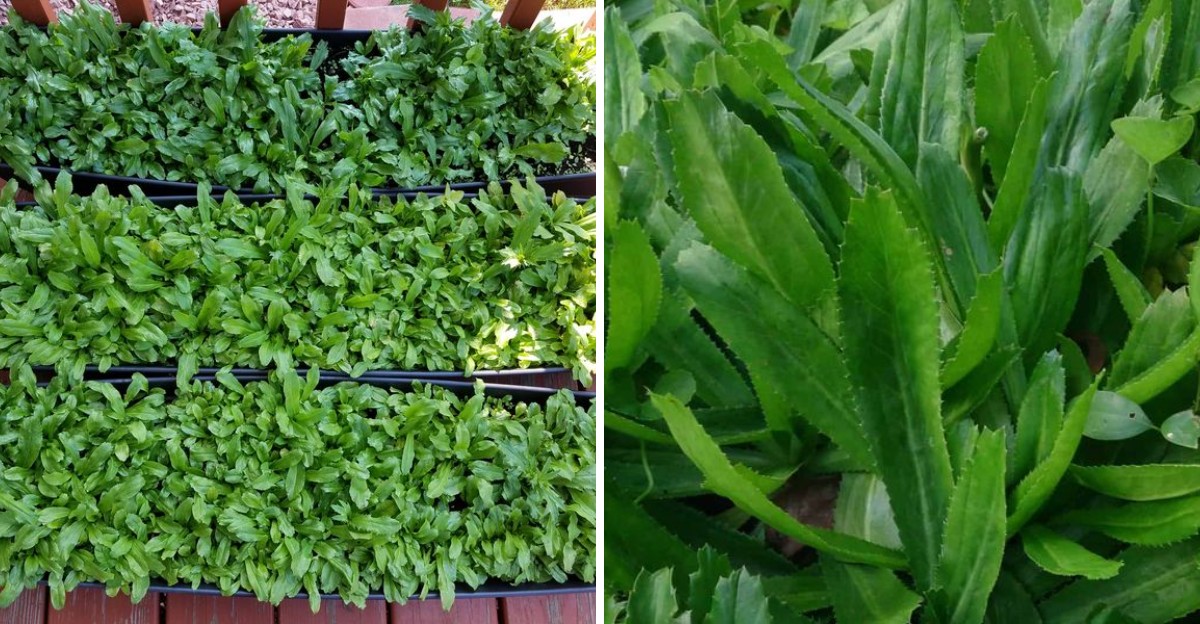
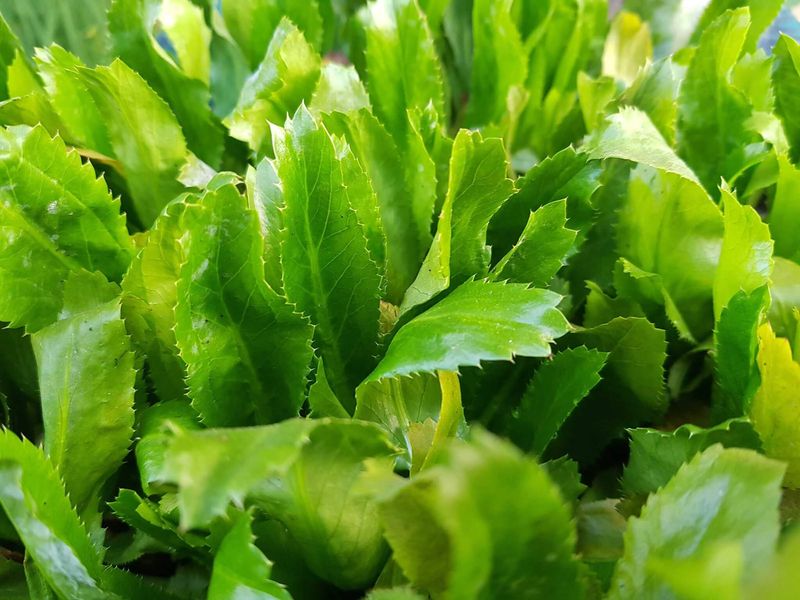
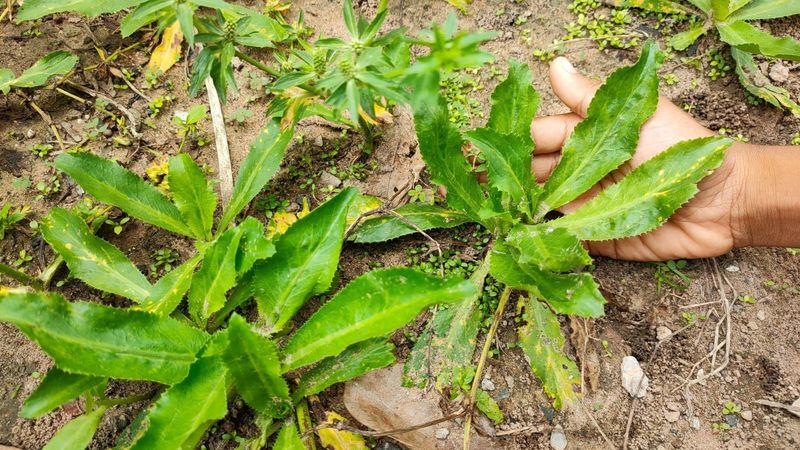
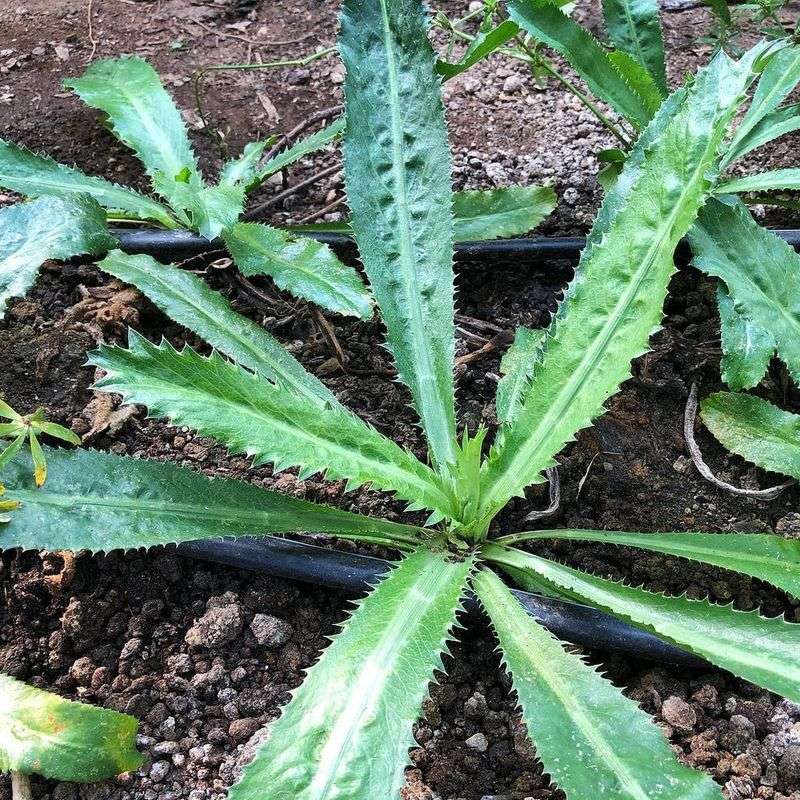
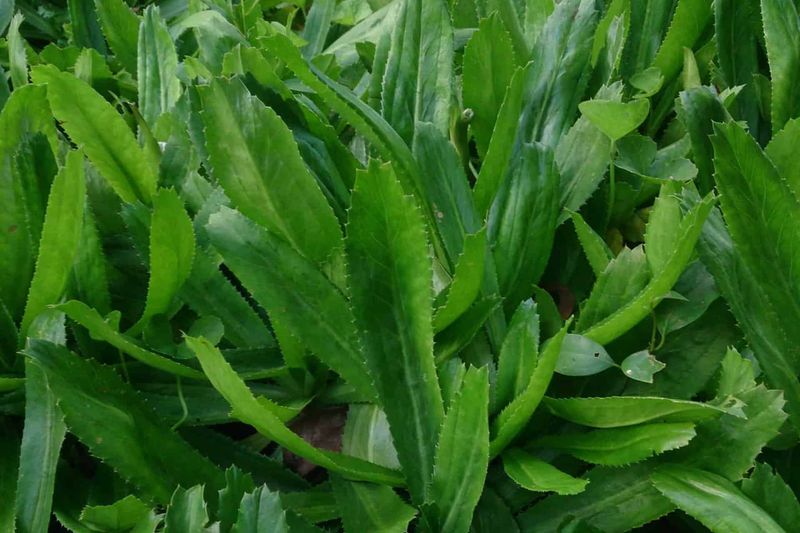
The leaves are long, flat, and lined with tiny teeth along the edges. They grow in a tidy rosette that hugs the ground, a bit like a leafy pinwheel.
Here is what makes it special for gardeners. Culantro handles humid conditions well, making it a useful choice for gardens where many Mediterranean herbs struggle.
Most herbs wilt and pout in that kind of stickiness. Culantro stretches out, pushes fresh leaves, and seems to say thank you for the muggy afternoon.
Botanists list it as a biennial, meaning it can live about two years in warm places. Cooler regions often treat it as an annual because frost ends the party early.
Fun fact for your next cookout: culantro and cilantro are cousins in the same plant family, the carrot family. They look nothing alike, yet their flavors share a bright, green punch.
If you have walked past it at a nursery, you are in good company. Once it lands in your garden, it tends to earn a permanent spot.
2. Let Culantro Handle The Heat Cilantro Cannot
Cilantro is a bit of a drama queen when the thermometer climbs. Once days stay above 80 degrees Fahrenheit, it rushes to flower and quits making tasty leaves.
Gardeners know that feeling well. You plant a neat row in early fall, blink twice, and suddenly the plants are tall, stringy, and topped with tiny blooms.
Culantro takes a much calmer approach to hot weather. It grows happily between about 68 and 86 degrees, which describes a huge chunk of the Florida calendar.
Cilantro, on the other hand, prefers a cooler window of roughly 50 to 80 degrees. That gap explains why so many cilantro plantings flop before Thanksgiving.
Culantro is also slower to bolt, so you get more weeks of leafy harvests. Your salsa bowl stays green while your neighbor’s cilantro patch waves little white flags.
Your Florida Garden Changes Every Week. Your Plan Should Too.
Gardening in Florida changes quickly throughout the season. Every Friday you’ll receive a simple weekly plan showing exactly what to plant, prune, fertilize, harvest, and protect so you never miss the right timing.
Flavor is where things get really interesting. Culantro tastes stronger, deeper, and a little more earthy, so a small handful goes a long way.
It also holds that flavor when cooked, which cilantro struggles to do. Toss cilantro in a hot pot and it fades, but culantro keeps talking.
When substituting culantro for cilantro, start with a small amount and add more to taste, since culantro’s flavor is considerably more concentrated.
3. Give Culantro Shade When October Sun Still Bakes
Deep in Caribbean forests, culantro grows low beneath tall trees and swaying grasses. It is used to dappled light, not a spotlight blazing down all day.
October in Florida may bring cooler mornings, but the midday sun can still feel like a heat lamp. Your culantro will appreciate a little relief from that glare.
Afternoon shade is the sweet spot for most backyard growers. Morning sun gives the plant energy, while shade after lunch keeps the leaves soft and deeply green.
Too much direct light makes the leaves tough and chewy. Strong sun can also push the plant to send up flower stalks sooner than you want.
Try tucking culantro on the east side of your house or under a taller plant. Okra, peppers, or a small citrus tree can make a friendly umbrella.
Shade cloth works wonders too, especially the lighter kinds that block around 30 to 40 percent of sunlight. You can find it at most garden centers for a few dollars.
Container growers have it easy, since pots can simply move. Slide them under a patio roof or beside a fence when the afternoon heat kicks in.
Watch the leaves for clues. Pale, curled, or crispy edges usually mean the plant wants a break from the sun, while rich green rosettes mean you nailed it.
4. Keep The Soil Moist Without Leaving It Soggy
Grab a kitchen sponge, run it under the tap, and squeeze out most of the water. That damp, springy feel is exactly what culantro roots crave.
Soil that stays dry leads to stunted plants and bitter leaves. Thirsty culantro also tends to bolt, which cuts your harvest short.
Soggy soil causes trouble of a different kind. Roots sitting in puddles can rot, and a rotting root system is hard to bring back.
The finger test is your best friend here. Poke a finger about an inch into the soil, and water deeply once that top layer feels dry.
During warm Florida weeks, garden beds may need a drink every two to four days. Pots dry out faster and might need water every day or two.
Good drainage matters as much as the watering itself. Mix compost into heavy soil, or build a slightly raised bed so extra water can slip away.
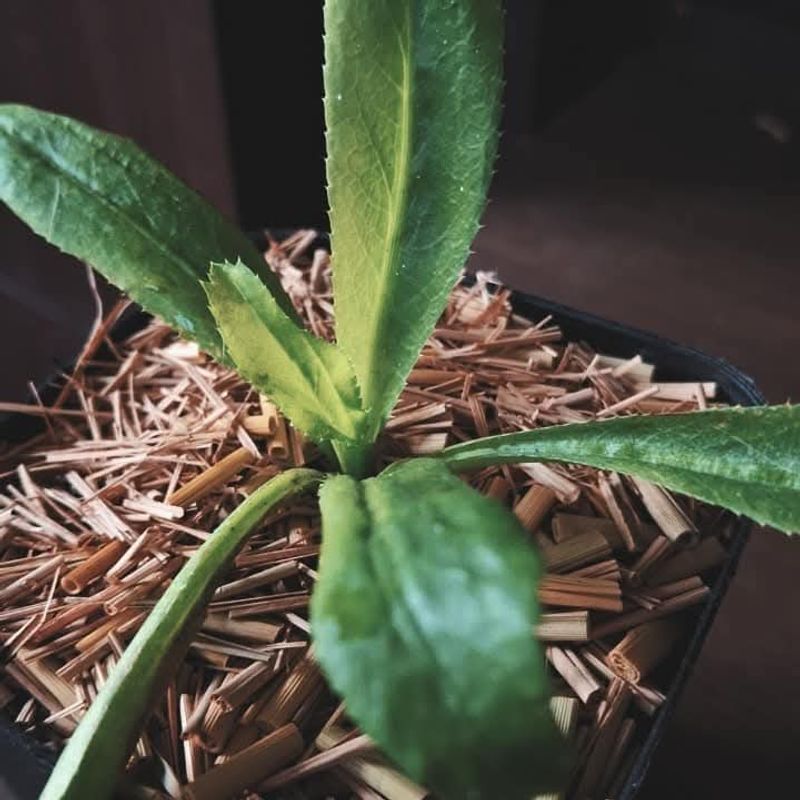
Mulch is a sneaky helper in October. A thin layer of pine straw or shredded leaves keeps moisture steady and stops soil from splashing onto the leaves.
Morning watering works best for most gardeners. Leaves dry off during the day, which helps keep fungal problems from moving in during those humid Florida nights.
Rainy weeks change the math, of course. Skip watering after a heavy afternoon storm and check the soil again the next day.
5. Harvest Older Leaves And Keep New Growth Coming
My neighbor used to snip the prettiest baby leaves from the center of her culantro. Within weeks, her plant looked tired, and she could not figure out why.
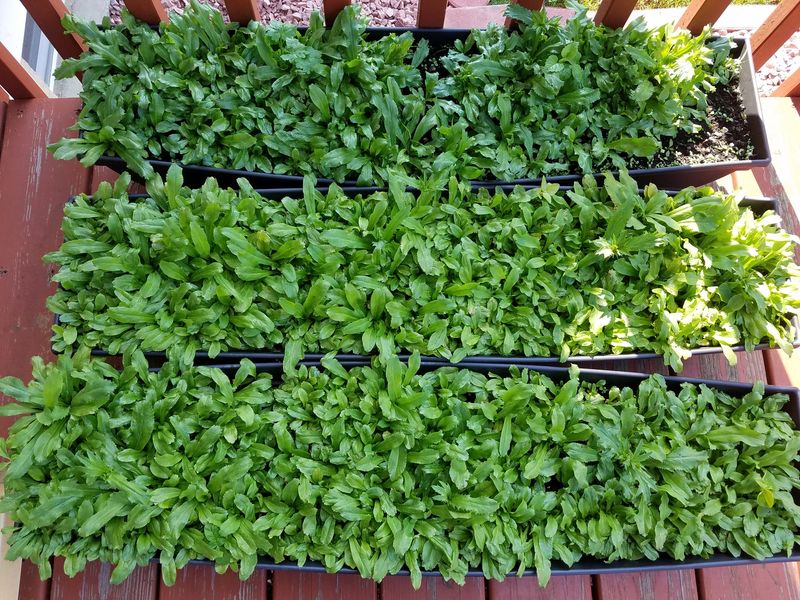
The real secret is to start from the outside instead. Older leaves sit closest to the base and ring the outer edge of the rosette.
Harvesting those first lets the young center leaves keep growing. The heart of the plant stays strong, and fresh leaves keep popping up.
You can begin picking once the plant looks bushy and full. Snip or pinch leaves near the base using clean, sharp scissors or your fingertips.
Harvest selectively, leaving plenty of healthy foliage behind so the plant can keep growing.
Regular harvests actually help the plant stay productive. Frequent cutting sends a signal to make more tender growth, so do not feel guilty about grabbing a handful.
Some gardeners cut the whole plant just above the crown when it gets large. New leaves usually return in about a month, ready for another round.
Store extra leaves wrapped in a damp paper towel inside a bag in the fridge. They often stay fresh for a week or longer, much longer than cilantro.
6. Let Culantro Stay Leafy Instead Of Rushing To Seed
Think of a flower stalk as your culantro packing its bags for vacation. Once it starts, the plant puts energy into seeds instead of leaves.
Culantro is far more patient than cilantro about bolting. Still, it will eventually try to flower, especially as it ages or feels stressed.
Common stress triggers include harsh sun, heat waves, and dry soil. Crowding plants too closely can also nudge them toward blooming early.
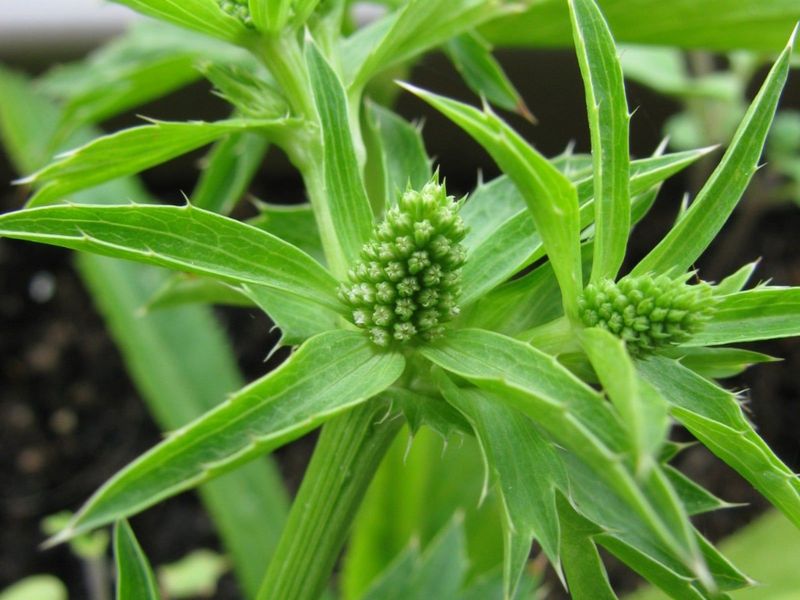
You will spot a tall, stiff stalk rising from the middle of the rosette. Spiky, thistle-like flower heads form at the top, often with a bluish green tint.
Pinch or snip those stalks as soon as they appear. Quick action keeps the leaves tender and stops that bitter, tough texture from setting in.
Checking your plants once or twice a week makes this easy. A quick glance while watering is usually enough to catch sneaky buds early.
Here is a fun twist for patient gardeners. Letting one plant flower and drop seed can give you free baby culantro plants next season.
Pollinators like small bees and wasps visit the blooms, too. Just keep that seed plant separate from your main harvest patch so dinner stays delicious.
Consistent watering and afternoon shade act like a pause button on bolting. Happy, relaxed plants stay leafy much longer, which means more fresh flavor for you.
7. Grow It In Containers When Garden Soil Gets Tricky
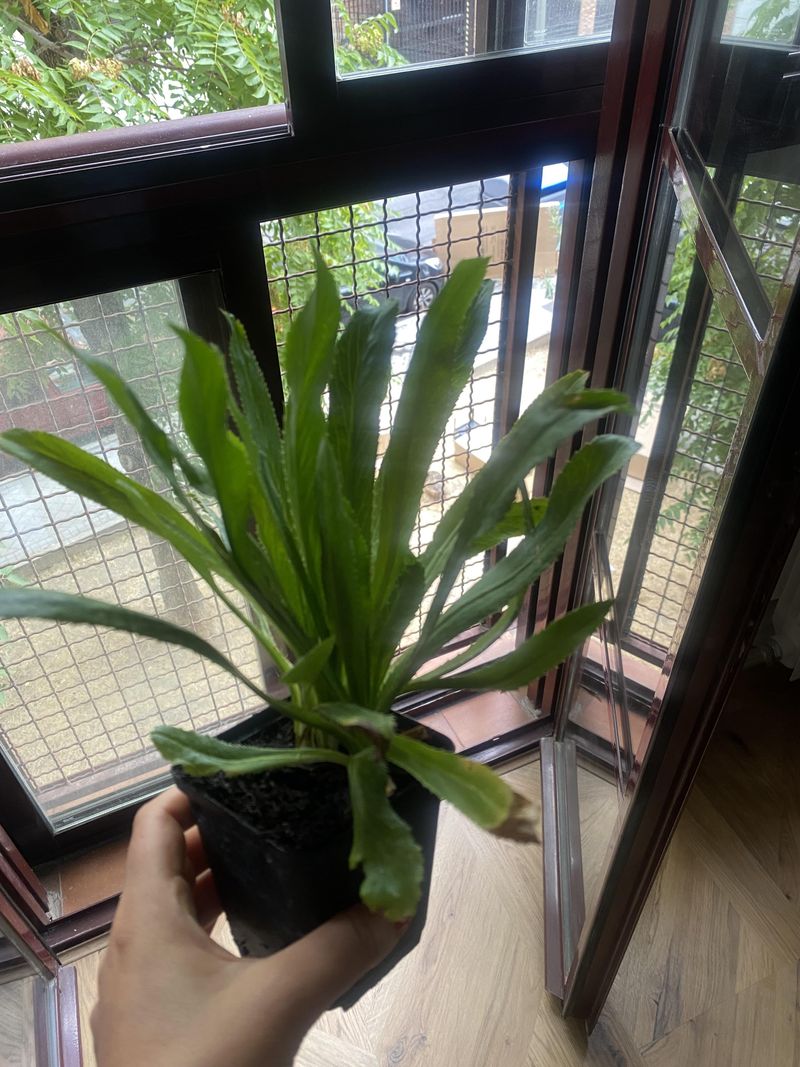
Florida soil can be a real puzzle. In one yard it is pure beach sand, and in the next it is packed clay that holds water like a bathtub.
Containers let you skip that headache entirely. You control the soil mix, the drainage, and even how much sun the plant gets each day.
Culantro stays nicely compact, reaching roughly 16 inches tall at full size. A pot about 6 to 8 inches across gives one plant plenty of room.
Choose a rich potting mix and add perlite, bark, or coarse sand. Loose soil lets water drain freely while roots still get the moisture they love.
Drainage holes are not optional here. Water that pools at the bottom can lead to root rot, even in a pot that looks healthy on top.
Pots dry out faster than garden beds, especially on a hot patio. Check the soil daily during warm spells, and water whenever the top inch feels dry.
Clay pots breathe well but lose moisture quickly. Plastic or glazed pots hold water longer, which can help busy gardeners who sometimes forget to check.
Portability is the biggest perk of all. You can shift pots into shade on scorching afternoons or bring them indoors if a rare cold snap rolls through.
8. Use Culantro In Sofrito For A Stronger Herb Flavor
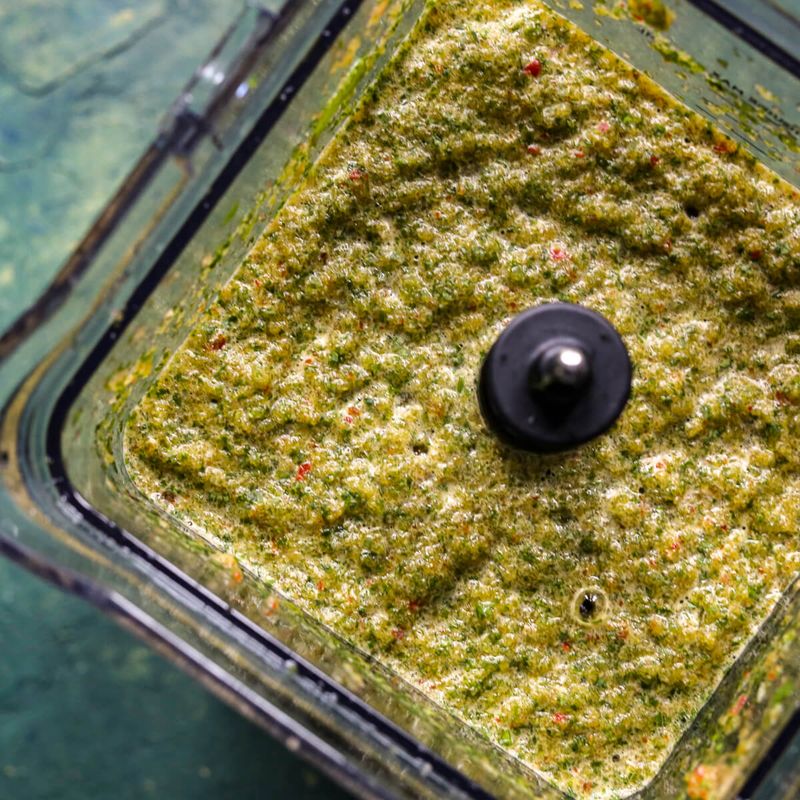
Walk into a Puerto Rican kitchen on a Sunday afternoon, and you might smell sofrito before you see the stove. Culantro is a big reason that aroma feels so rich.
Sofrito is a blended base of herbs and vegetables used in Puerto Rican, Dominican, and Cuban cooking. Families spoon it into rice, beans, stews, and soups.
Many cooks say you cannot make true sofrito without culantro, often called recao. Its bold flavor stands up to heat, blending, and long simmering.
Cilantro tends to fade once it hits a hot pan. That is why people usually sprinkle it on top at the end, while culantro goes right into the pot.
A simple homemade batch might include onions, green peppers, garlic, sweet ají dulce peppers, cilantro, and a generous bunch of culantro. Blend everything into a thick green paste.
Freeze extra sofrito in ice cube trays for quick weeknight meals. One or two cubes can wake up a plain pot of rice in minutes.
Culantro works well beyond sofrito, too. Try it in Vietnamese pho, Thai soups, Trinidadian green seasoning, or chopped fine into scrambled eggs.
Start with a bit less than you think you need. Its flavor is strong and lasting, so a few leaves often do the work of a whole cilantro bunch.
9. Plant Culantro Now For A Longer Florida Harvest
Timing is everything, and this state hands you a golden window right now. University of Florida experts suggest planting culantro from September through December in South and Central Florida.
North Florida gardeners have a slightly shorter stretch, running September through November. Getting plants in early lets them settle before cooler nights arrive.
Seeds can be slow and picky, so patience helps. Keep the soil warm, around 70 to 80 degrees, and lightly moist until sprouts appear.
Many growers skip the waiting game by buying young transplants. Latin and Caribbean markets sometimes sell rooted bunches that can be potted up for a head start.
Once established, culantro grows quickly and keeps producing for months. In warm, mostly frost-free parts of the state, it can even stretch into a second year.
Frost is the one thing culantro truly dislikes. Keep an old sheet or frost cloth handy for chilly January nights, or move pots to a sheltered spot.
Steady harvesting keeps the plant productive longer. Regular snipping encourages fresh leaves and slows the urge to flower.
For a steady supply, make successive plantings as space, temperature, and your local growing window allow.
So grab a packet of seeds or a small plant this weekend. Your future salsa, soups, and sofrito will thank you.