This Venomous Resident Is Moving Into Your Alabama Shed Before Winter
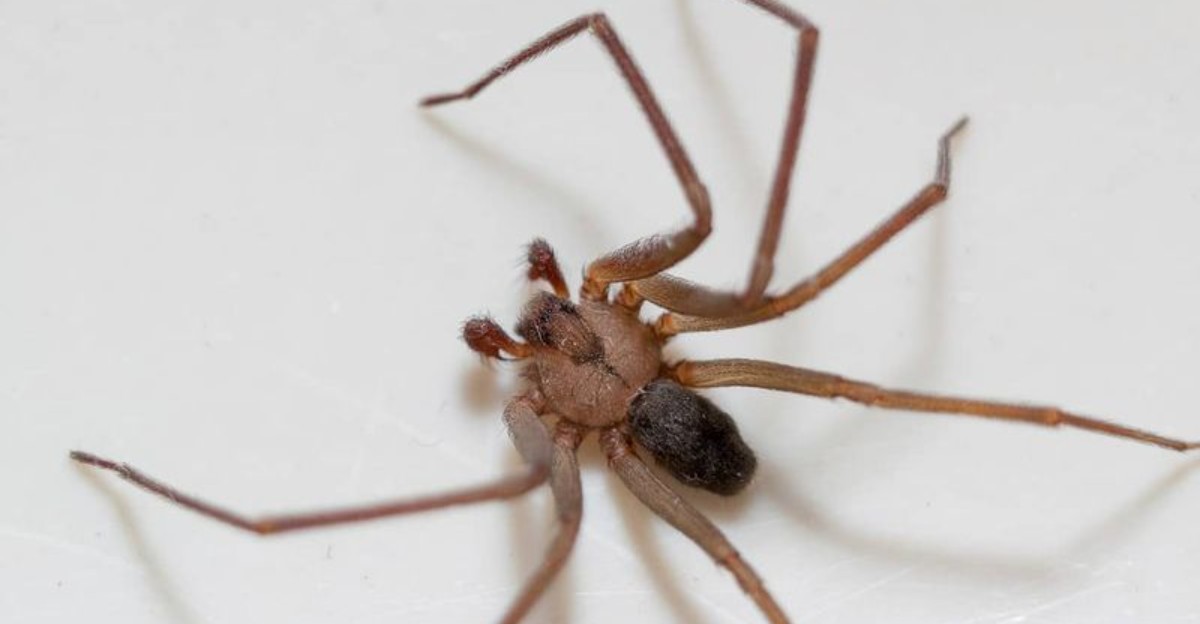
A female black widow can tuck herself into the handle of an old flowerpot and wait there for weeks. I found that out the hard way last October, reaching for a stack of clay pots in my Alabama shed.
She was small, glossy, and in no hurry to leave. Turns out cooler nights send plenty of critters hunting for dry, sheltered corners, and our sheds check every box. Spiders follow the insects that move in first.
You might notice more tangled webs near the floor or tucked behind paint cans this time of year. I used to brush them off without a second look. Now I glance twice before grabbing gloves or garden tools.
Here in Alabama, two shy but venomous species love the same quiet storage spots we ignore all winter. So who is really sharing your shed, and how do you spot them before your hand does?
Those Tangled Cobwebs Under Your Shed Shelves Might Belong to Someone Shiny
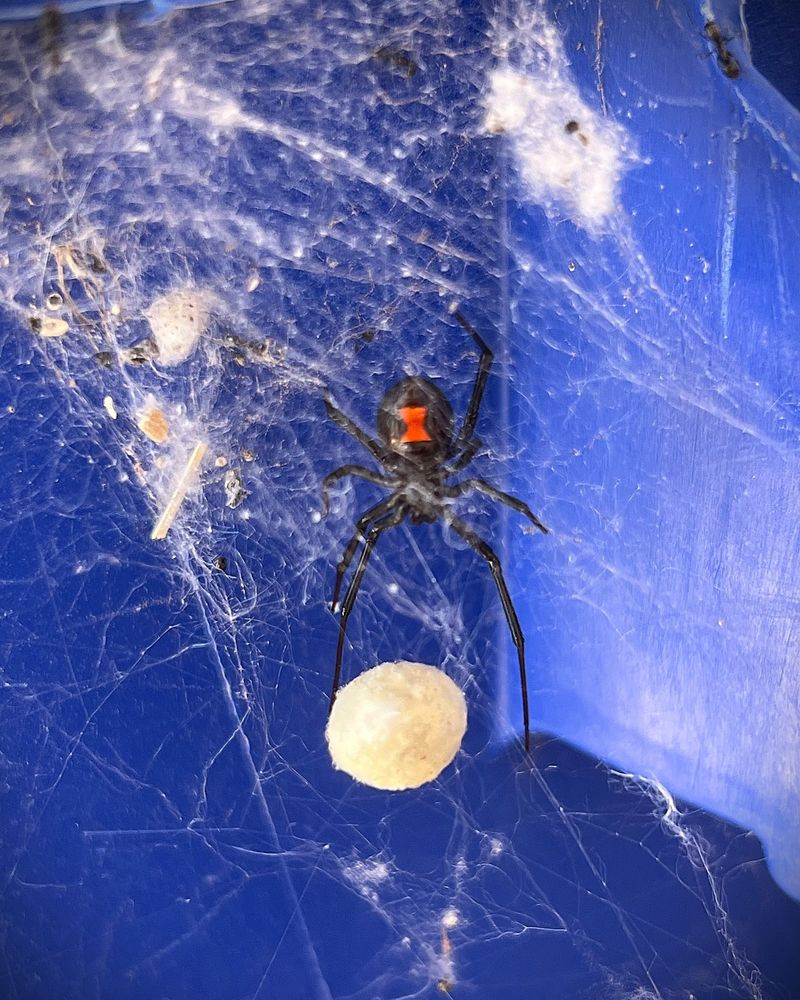
Low, messy webs tell a story. A neat, round orb web usually belongs to a harmless garden spider, but a sticky, tangled snarl near the floor often points to a widow.
Alabama has two widow species worth knowing, the southern black widow and the northern black widow. Females are shiny black with a red hourglass on the belly, and the northern type often shows a broken hourglass.
Males and young spiders are smaller, lighter, and rarely a concern. As fall nights cool off, these spiders don’t exactly migrate. They stick close to sheltered spots with steady food, and sheds are perfect.
Crickets, roaches, and beetles wander inside looking for cover, and the widow simply sets up shop where dinner arrives.
Favorite hiding places include the undersides of shelves, empty pots, stacked lumber, and the corners behind lawn mowers. They hang belly-up in the web, so that red marking often faces you.
Widows are shy and would rather retreat than bite. Most bites happen when someone presses a hand against one without seeing it.
Bring a flashlight into the shed and check dim spots before reaching in, especially in late fall when you start digging out storage bins.
A Violin Mark on a Tan Spider Deserves Your Attention
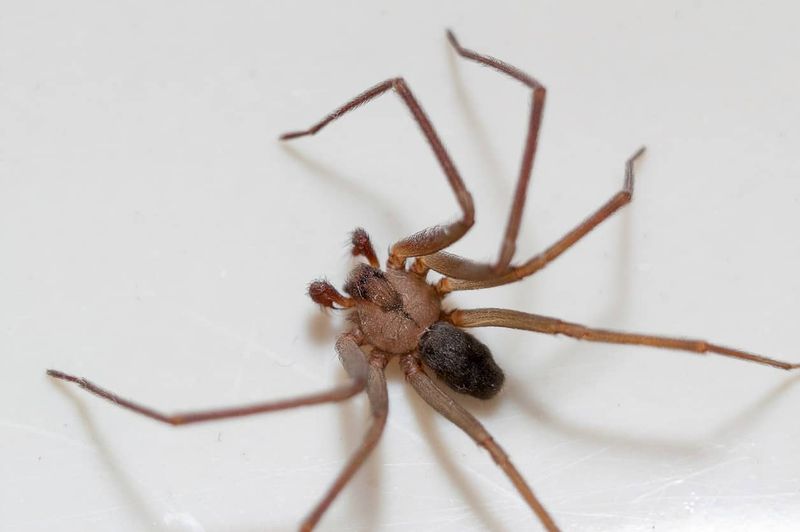
Ask an entomologist about the brown recluse, and you’ll probably hear a warning about misidentification. Plenty of brown spiders get blamed for its reputation.
The real recluse is tan to light brown with a darker violin shape on its back, with the neck of the violin pointing toward the rear. Its legs are long, uniform in color, and without bands or spines.
The best clue is the eyes, six arranged in three pairs instead of the usual eight, though you’ll need a magnifier to see that.
Alabama Cooperative Extension notes that brown recluses do live in parts of the state, mostly in drier, undisturbed spaces. Cardboard boxes, old shoes, folded tarps, and stacks of paper suit them well.
Unlike widows, recluses wander at night to hunt instead of waiting on a web. Their webs are small, loose, and easy to miss. That means you may see the spider itself before any sign of silk.
Many bites cause only mild redness. Some, however, can create a slow-healing sore. If you suspect one, collect the spider in a jar if it’s safe, so a professional can confirm what you found.
Gaps Around Shed Doors Are Basically an Open Invitation
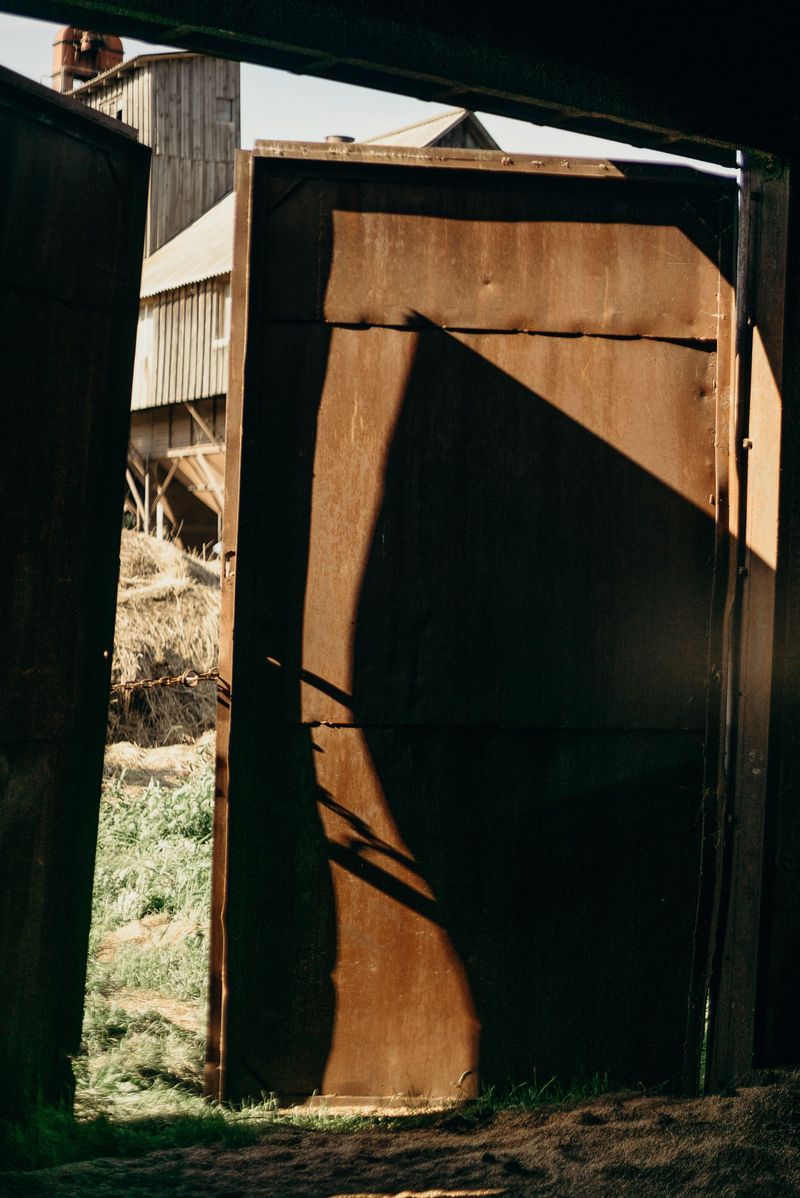
Grab a flashlight on a sunny afternoon, step inside, and shut the door. Every sliver of daylight you spot is a doorway for bugs, and spiders follow the bugs.
Most Alabama sheds are drafty by design, but sealing the obvious gaps makes a real difference. Add a door sweep along the bottom, and run weatherstripping around the frame.
Clear exterior caulk works well for cracks around windows and where walls meet the floor. Vents still need airflow, so cover them with fine metal screen instead of blocking them. Check existing window screens for tears, too.
Outdoor lights matter more than people realize. A bright bulb over the shed door pulls in moths and beetles all evening, which feeds the very spiders you’re trying to discourage. Switch to a yellow bug light or a motion sensor, or move the fixture a few feet away.
Leaf piles, mulch, and firewood stacked against the walls create insect highways right to your door. Pull them back at least a couple of feet.
Fall is a great time to tackle this project, before temperatures drop and your shed becomes the warmest spot on the block. Even in Alabama’s mild winters, a cozy shed is hard for wildlife to resist.
Those Cardboard Boxes Stacked in Your Shed Are Prime Spider Real Estate

Clutter is cozy, at least from a spider’s point of view. I once counted three egg sacs in a single box of forgotten seed packets.
Cardboard is the biggest offender. It’s dark, it has folds and crevices, and it rarely gets moved.
Swapping boxes for plastic bins with snug lids takes away hundreds of hiding spots in one afternoon.
Get stored items off the floor whenever you can. Metal shelving, wall hooks, and pegboard make it easy to see what’s there and harder for spiders to settle in behind things. Leave a little space between shelves and walls so you can spot webs.
Bags of potting mix, old flower pots, and coiled hoses deserve a quick check before winter storage. Shake out pots, and store them upside down on a shelf rather than in a stack on the ground.
Fabric items like gloves, aprons, and boots are popular hideouts as well. Hang them up or seal them in bags.
A tidy shed also makes the next step easier, because you’ll notice new webs right away instead of finding them months later by accident.
Sturdy Gloves Make Reaching Into Woodpiles and Shed Corners Safer
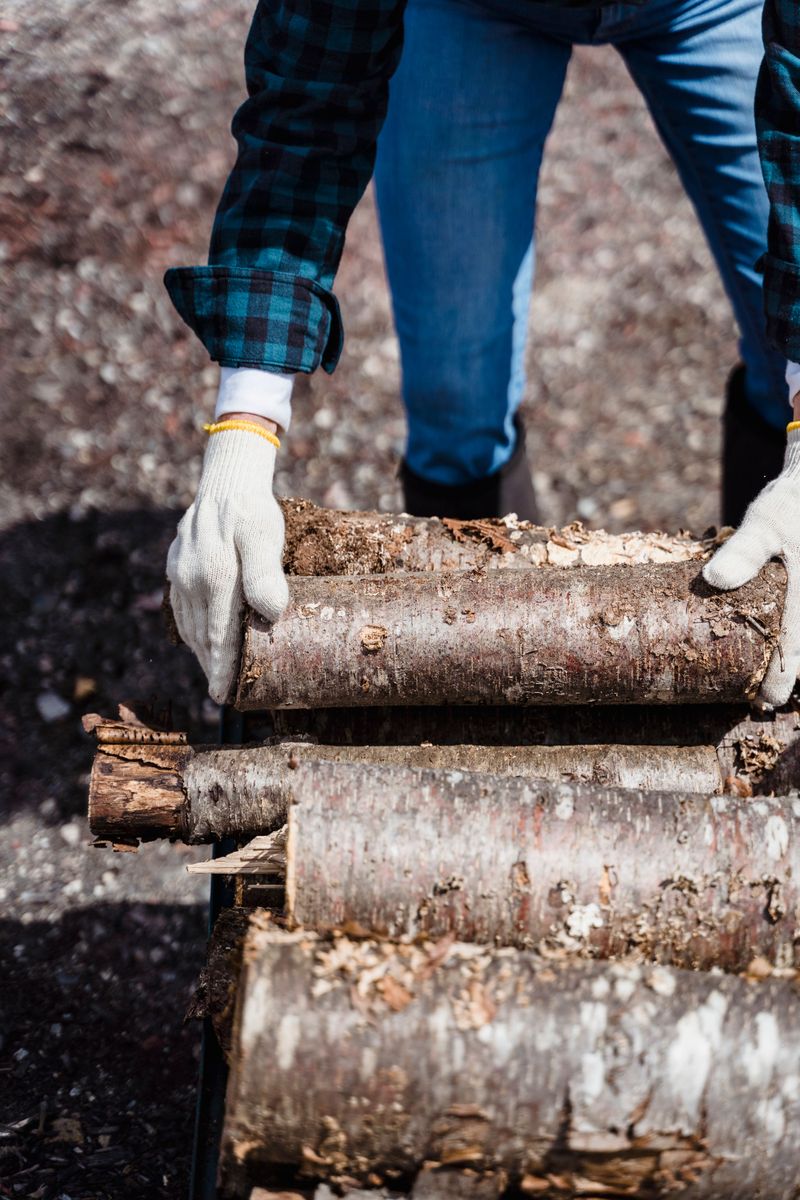
Leather gloves might be the most underrated tool in any shed. They cost a few dollars, and they turn a risky grab into a simple chore.
Spider bites usually happen in one of two ways. A hand reaches somewhere it can’t see, or a spider gets pressed against skin inside clothing or shoes. Gloves handle the first problem, and a quick shake handles the second.
Before pulling on boots or garden gloves that have sat in the shed, turn them over and tap them out. Do the same with jackets and hats. It sounds fussy, but it quickly becomes a habit.
Long sleeves help when you’re moving firewood, lumber, or stacked pots. Use a flashlight in dim corners rather than feeling around.
If a bite happens, stay calm. Wash the area with soap and water, apply a cool compress, and keep the spot still.
Widow venom can cause muscle cramps and pain that spread, while recluse bites may slowly form a sore.
Seek medical care for any spreading pain, unusual symptoms, or a bite on a child or older adult. The Alabama Poison Information Center can offer guidance, too.
A Shop Vacuum Handles Spider Egg Sacs Better Than a Spray Can
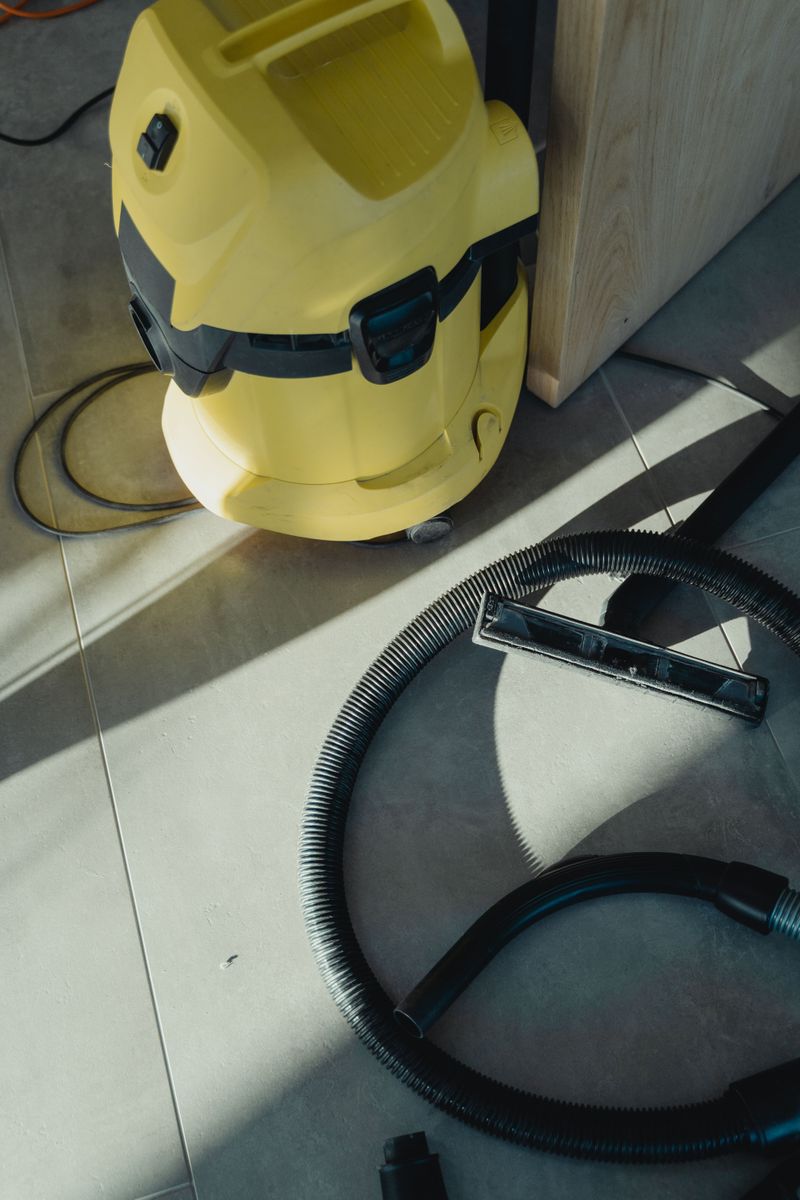
Sprays seem tempting, but they’re often the weakest tool here. Spiders walk on tiptoe and don’t groom themselves like insects, so many surface treatments barely touch them.
Physical removal works much better. A shop vacuum with a crevice tool pulls up webs, spiders, and egg sacs in one pass.
Widow egg sacs look like small, papery, tan balls, while recluse sacs are whitish and flatter. Each can hold dozens of spiderlings.
After vacuuming, seal the debris in a bag and toss it in an outdoor trash can. That keeps any survivors from crawling back out.
Sticky traps placed along walls and in corners are another great option. They catch roaming recluses and show you where activity is happening. Check and replace them every few weeks.
If you see a lot of spiders or confirm brown recluses, a licensed pest professional can help. Ask about treating insect problems too, since cutting the food supply makes the biggest long-term difference.
Always read pesticide labels carefully, and keep products away from pets, kids, pollinators, and garden beds.
Plenty of Shed Spiders Are Helpful Neighbors Worth Keeping
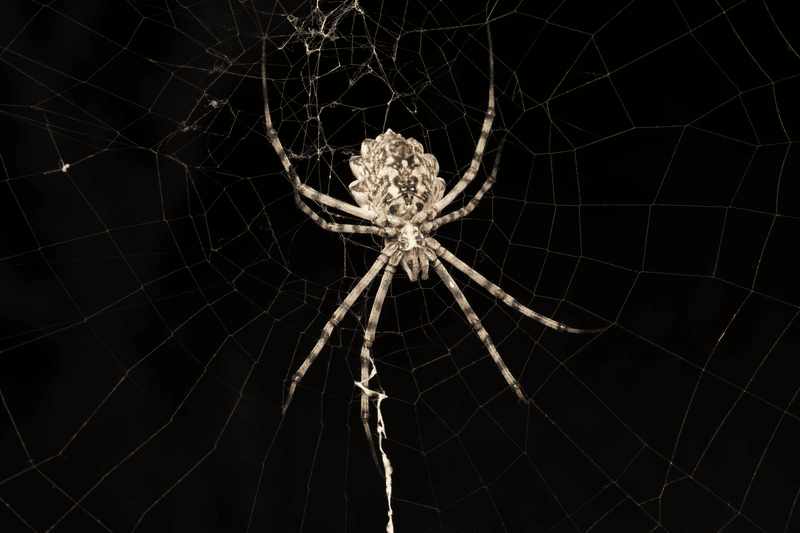
Most spiders in your shed are on your side. Cellar spiders, wolf spiders, jumping spiders, and orbweavers eat flies, roaches, and garden pests, and they rarely pose any danger to people.
Wolf spiders can look alarming because they’re big and fast. Still, they’re mostly harmless and help keep crickets and other crawlers in check. Long-legged cellar spiders even prey on other spiders, widows included.
That’s why a balanced approach makes sense. Focus your efforts on the two species that matter, and leave the rest alone when they’re out of the way.
A simple fall routine can keep things comfortable all winter. Seal gaps in October, swap cardboard for bins, and vacuum corners once a month. Wear gloves when reaching into storage, and shake out anything you plan to wear.
Winter in north Alabama brings more frosty nights than the coast, so shed shelter matters more up there, though spiders stay active year-round in milder southern spots.
Either way, a few minutes of attention each month keeps your shed feeling like your space again. And come spring, you’ll reach for those clay pots with a lot more confidence.